Personal // Grand Teton - Banff - Crater Lake Road Trip

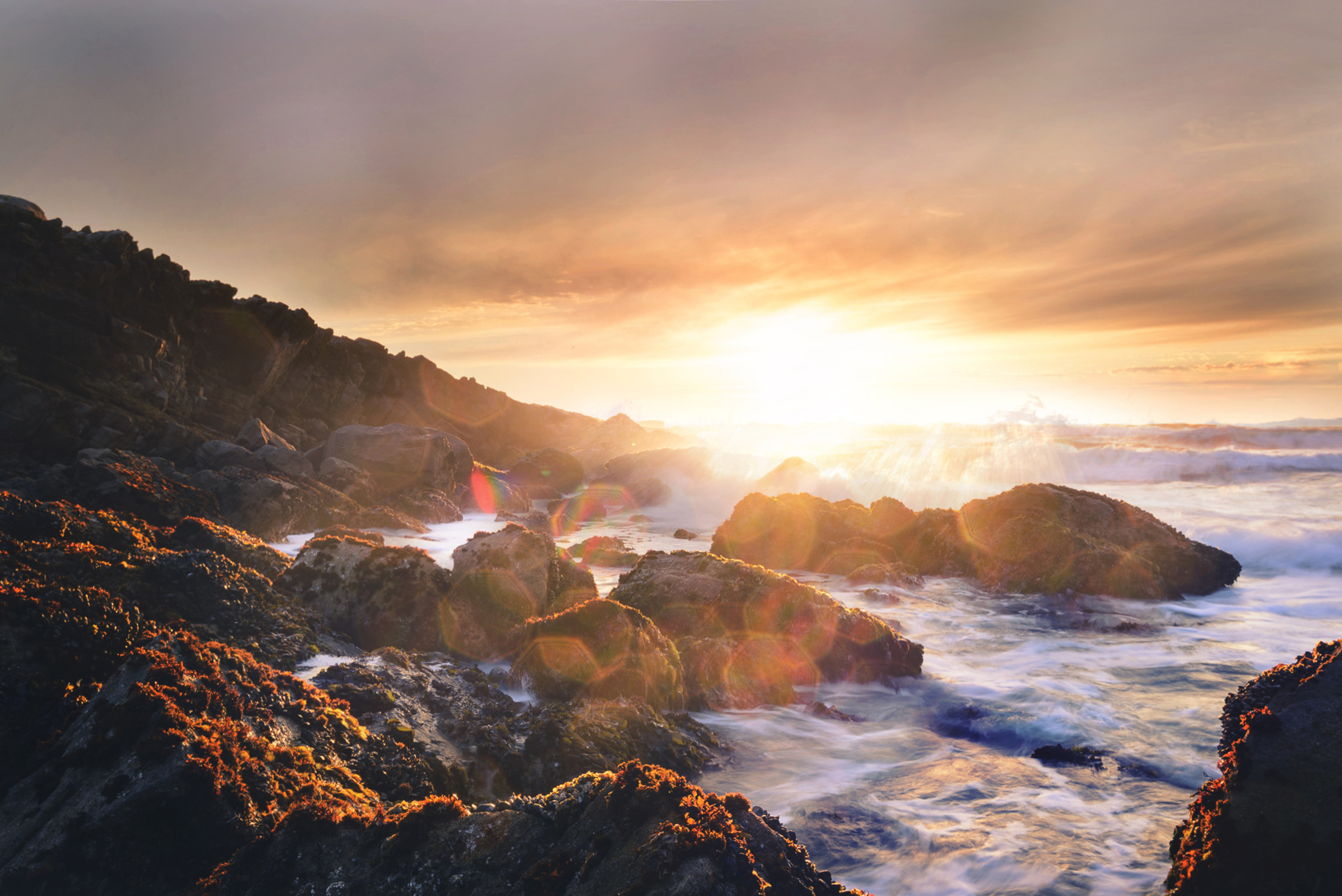
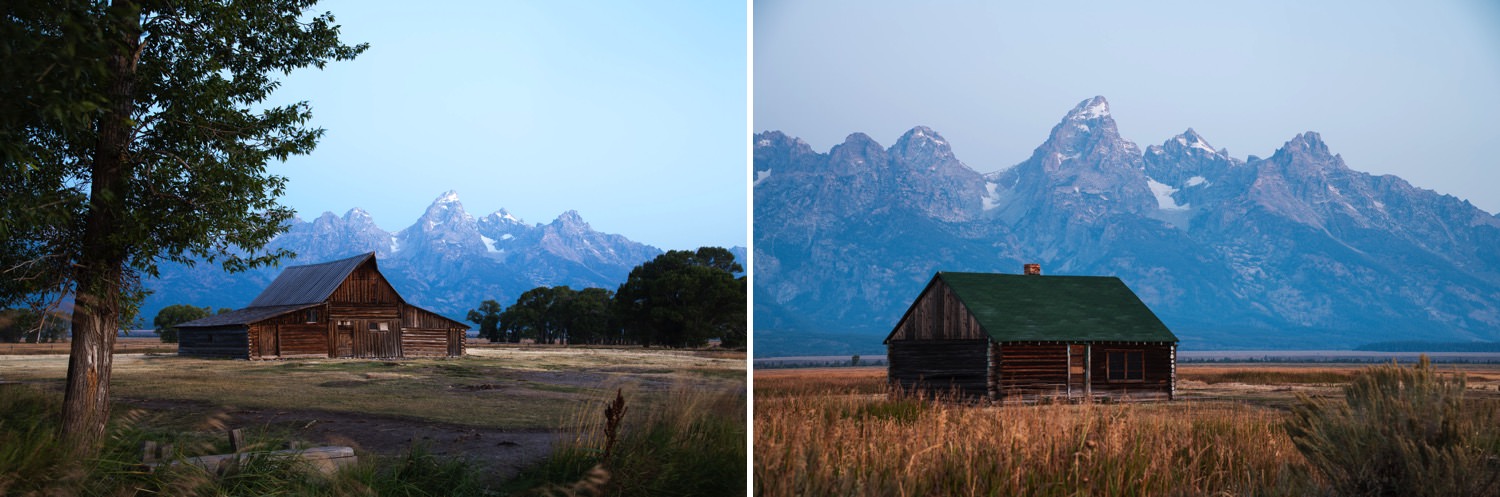
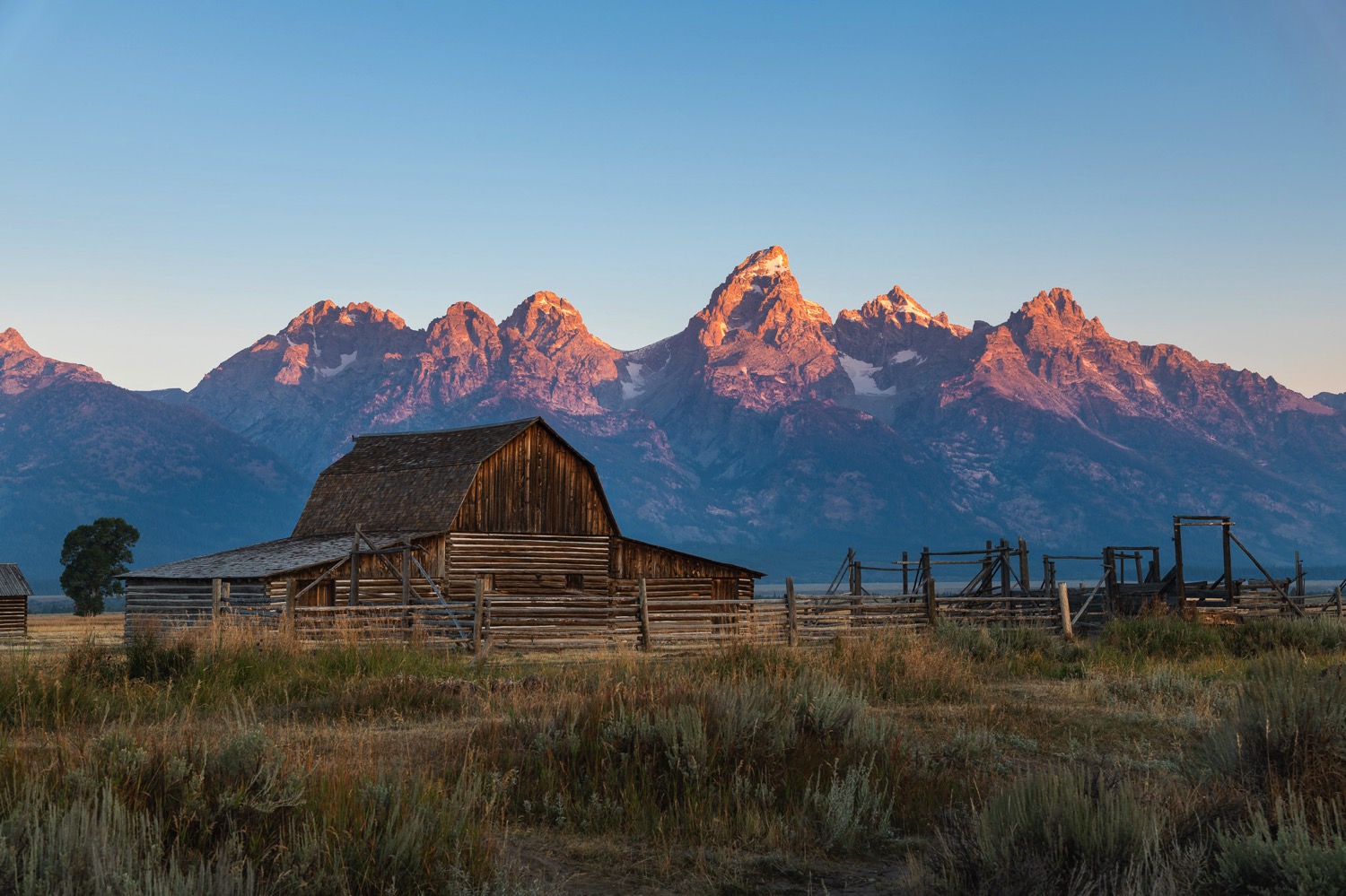
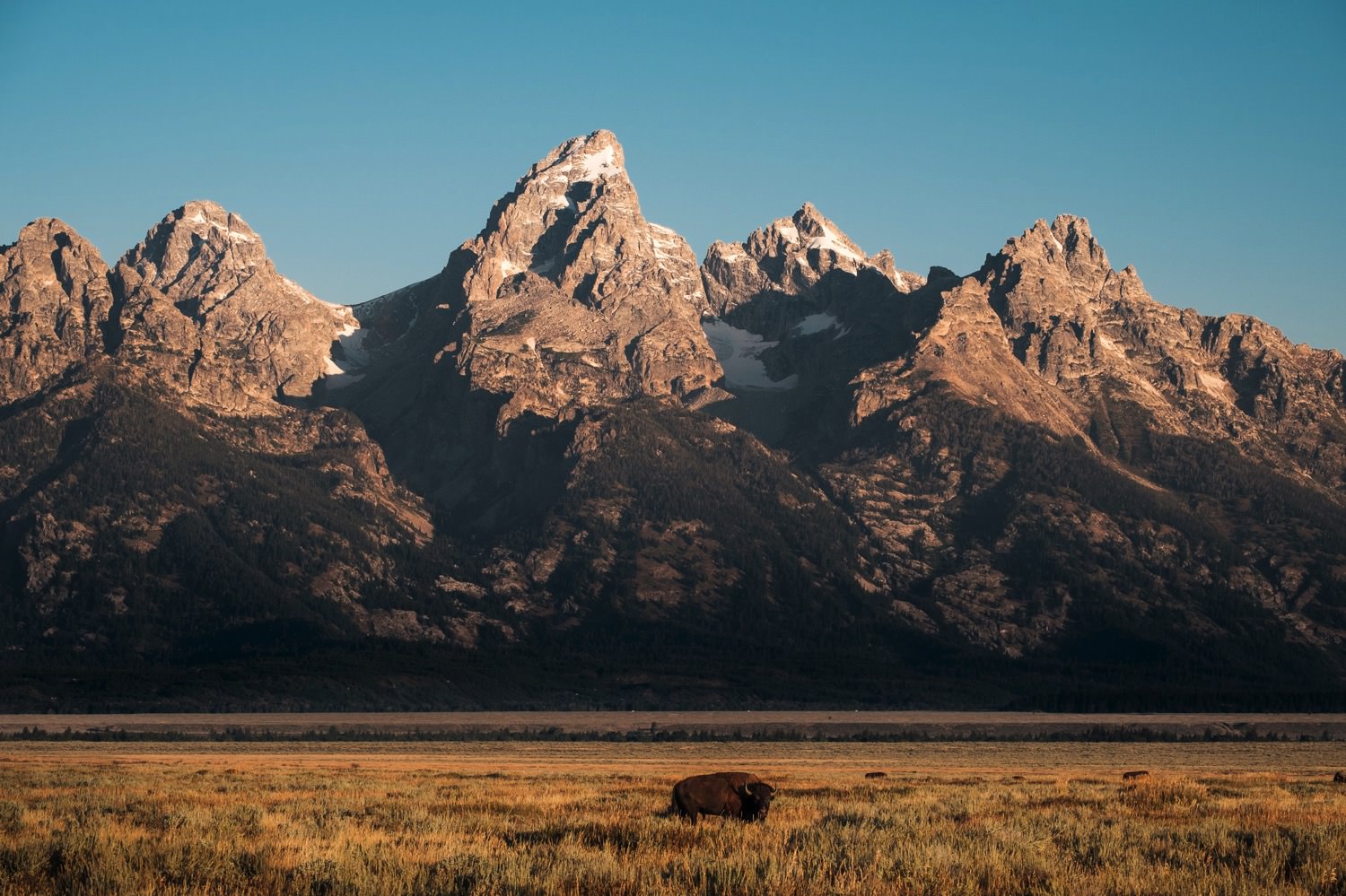
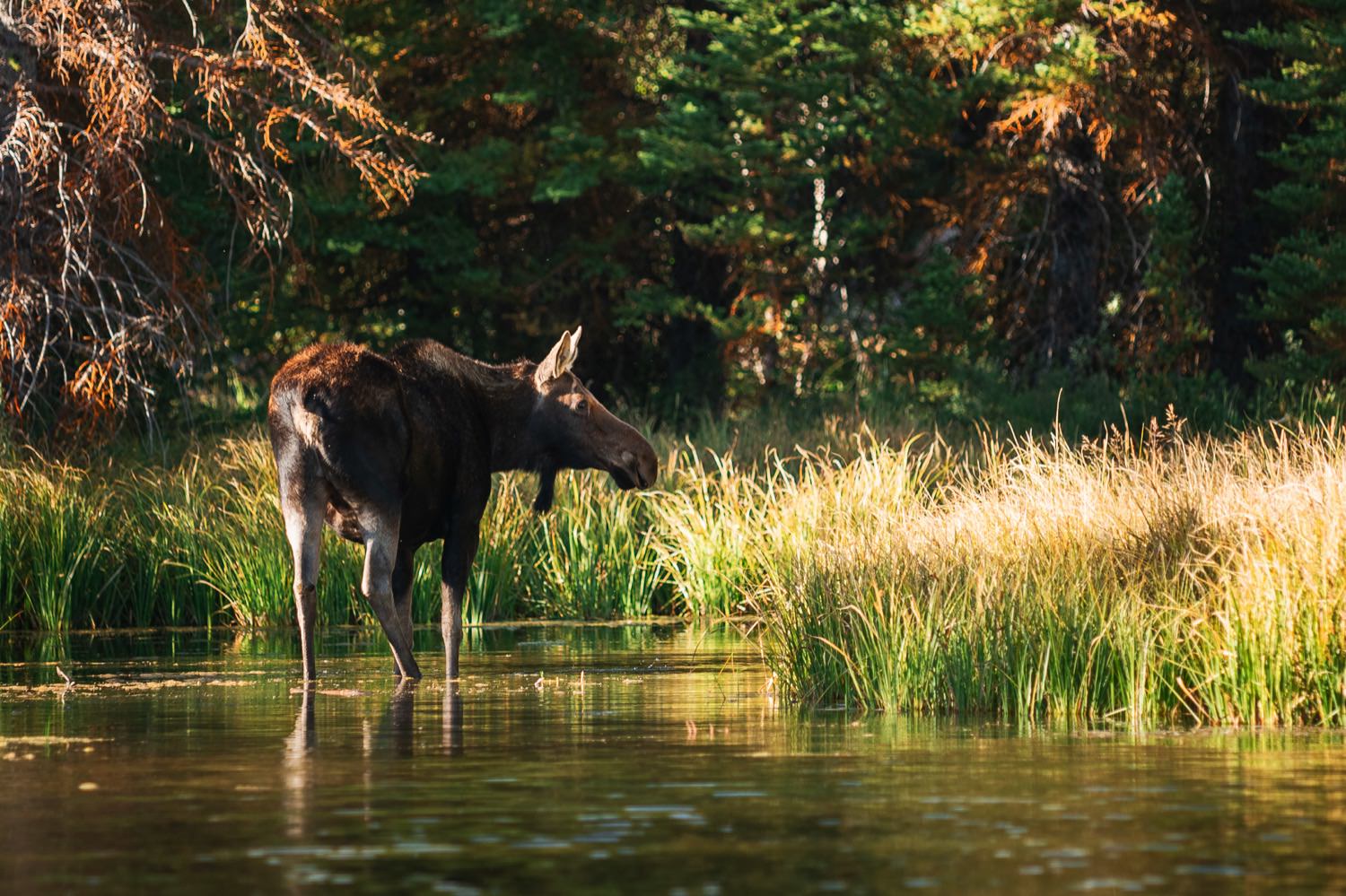
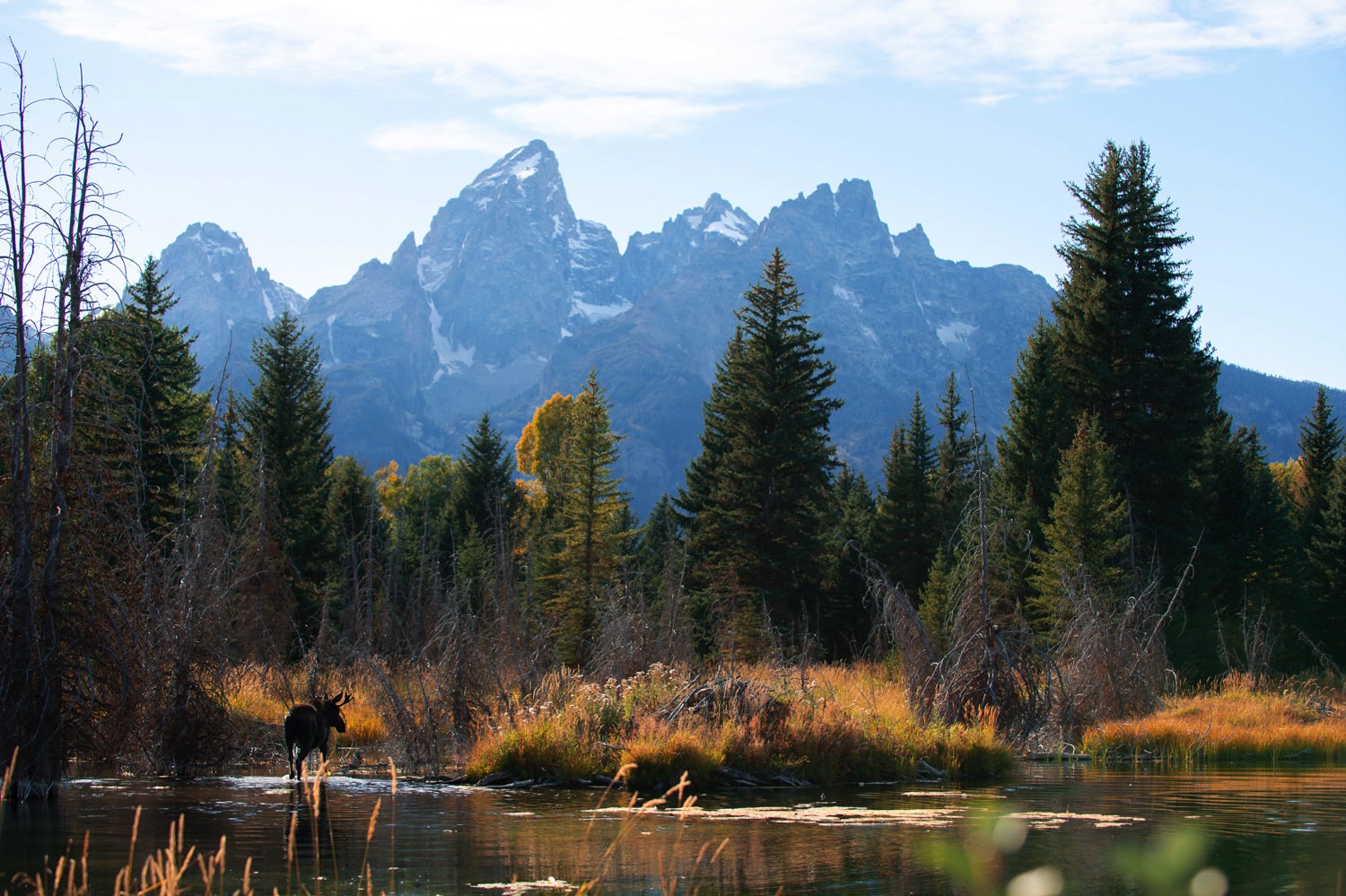
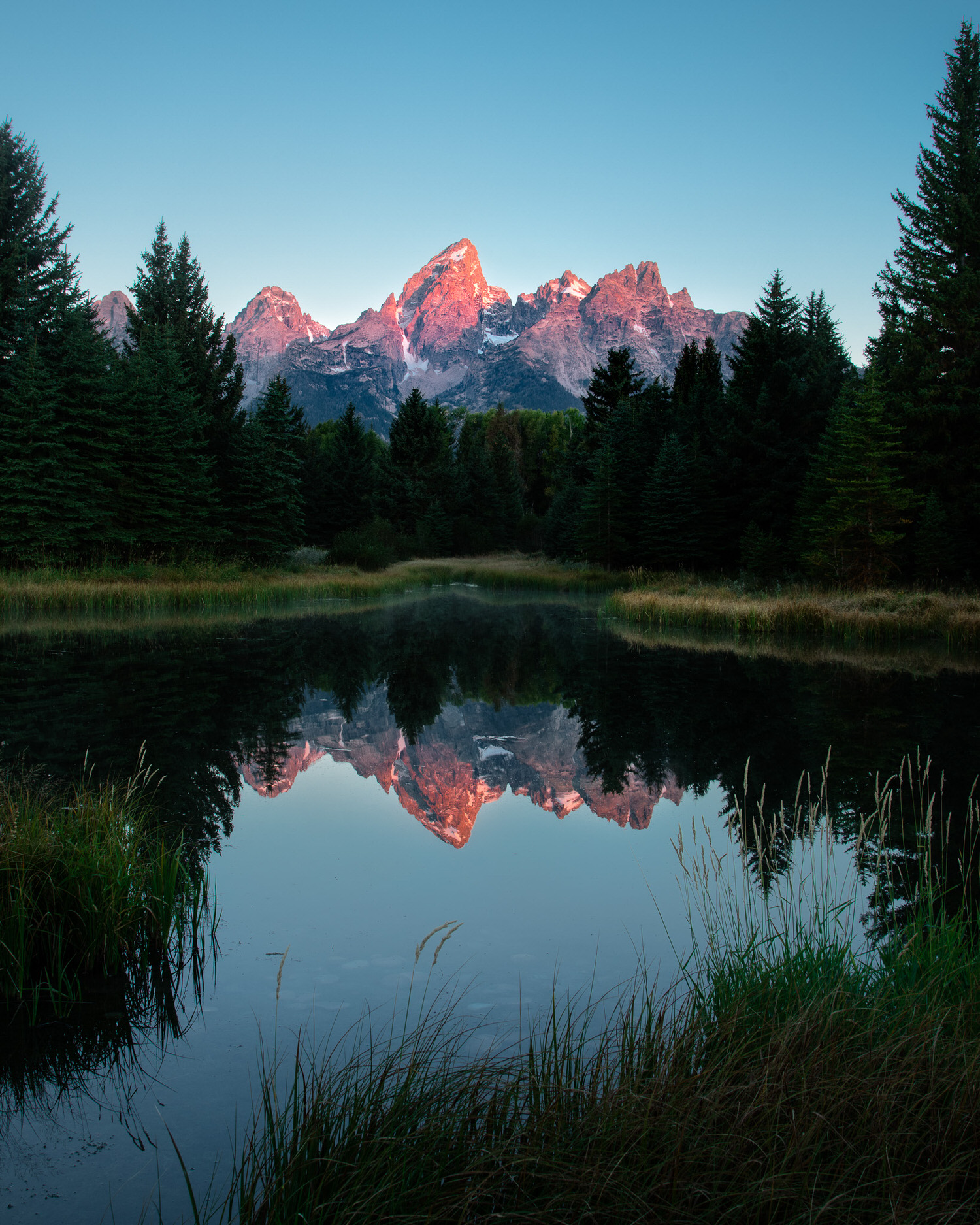
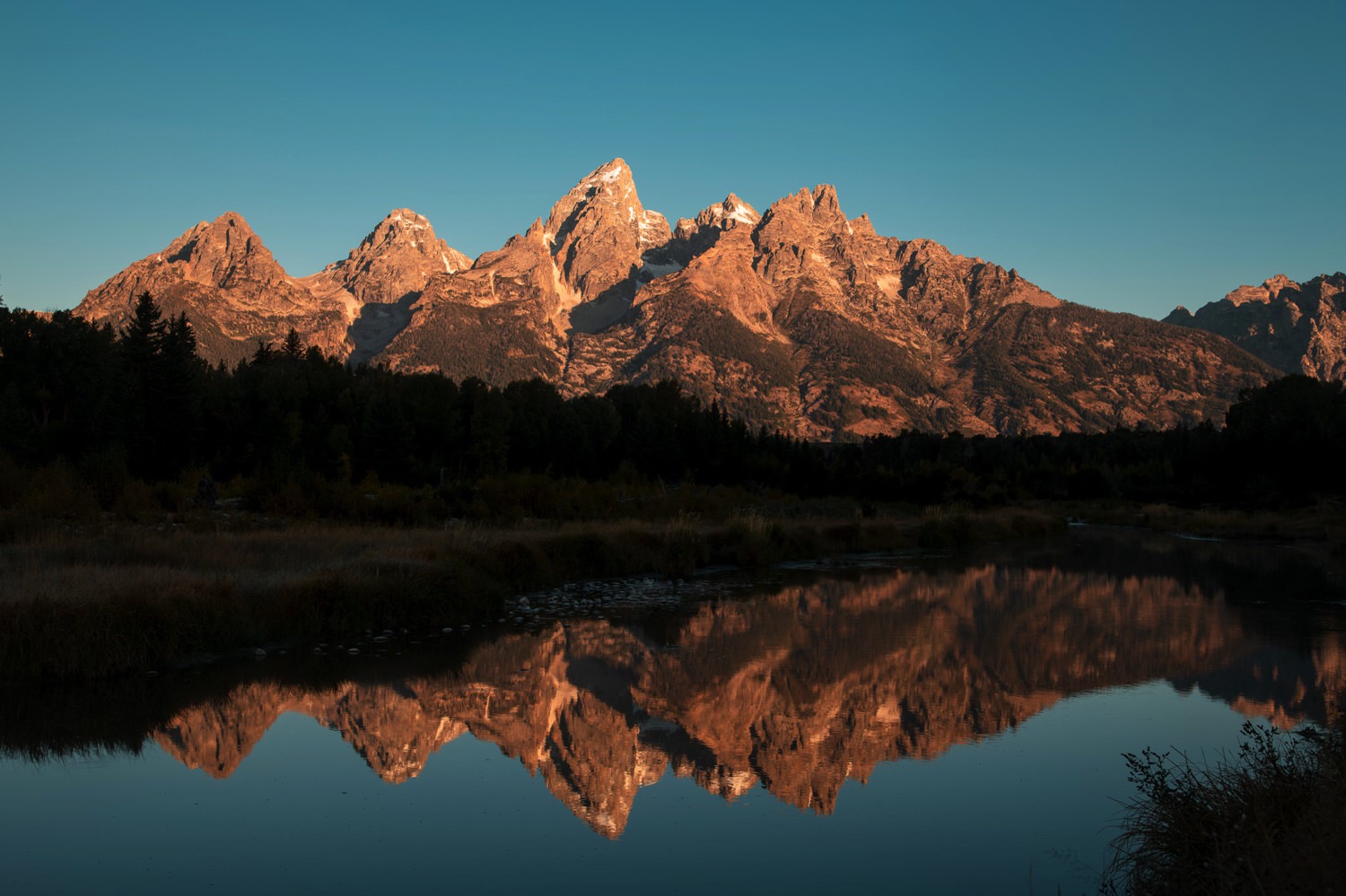
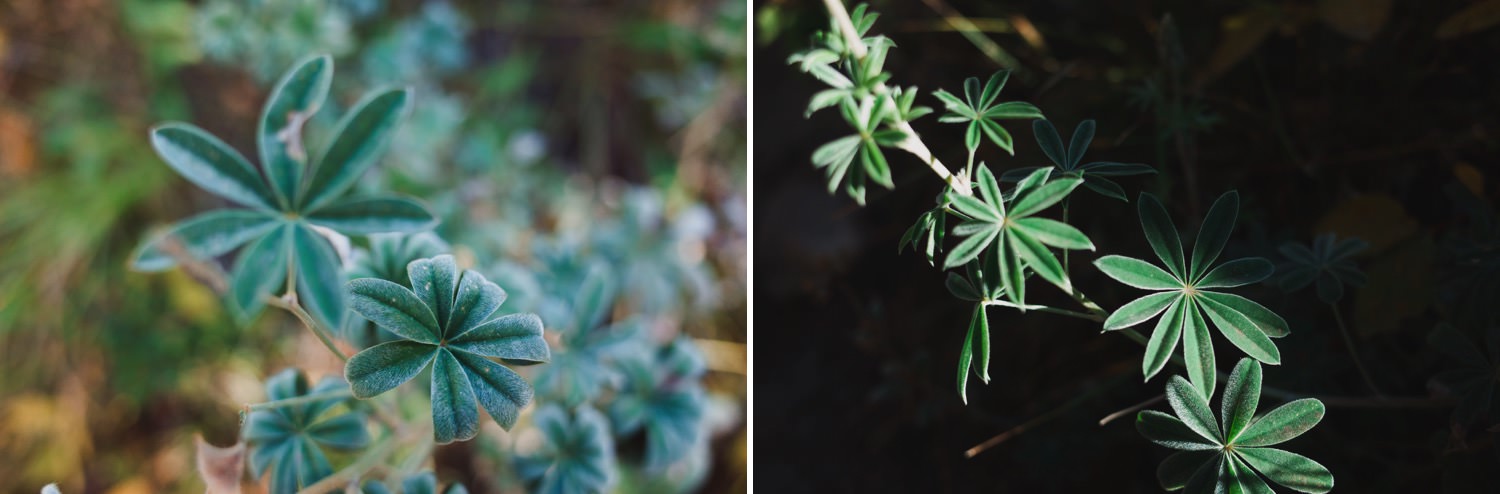
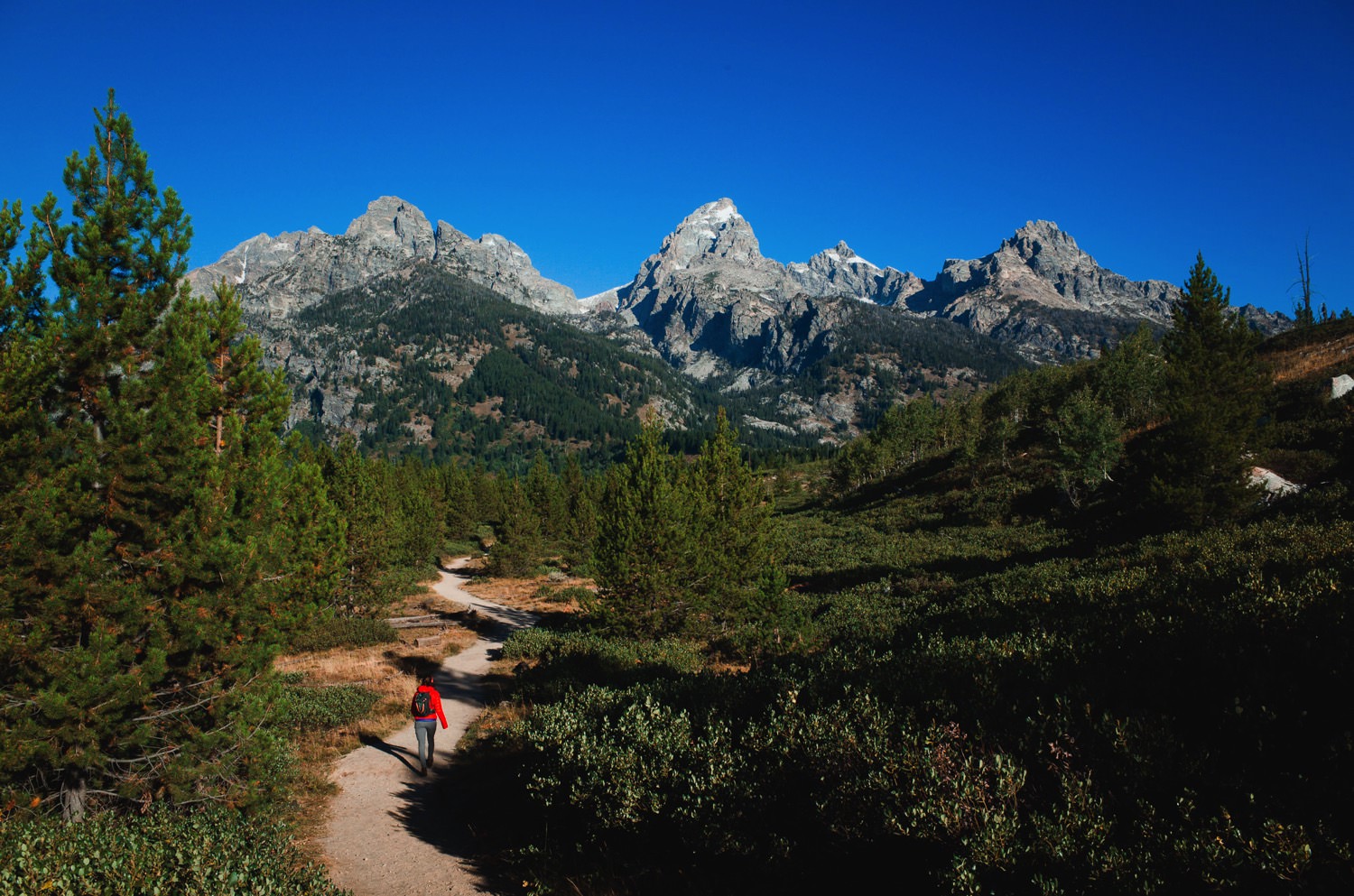
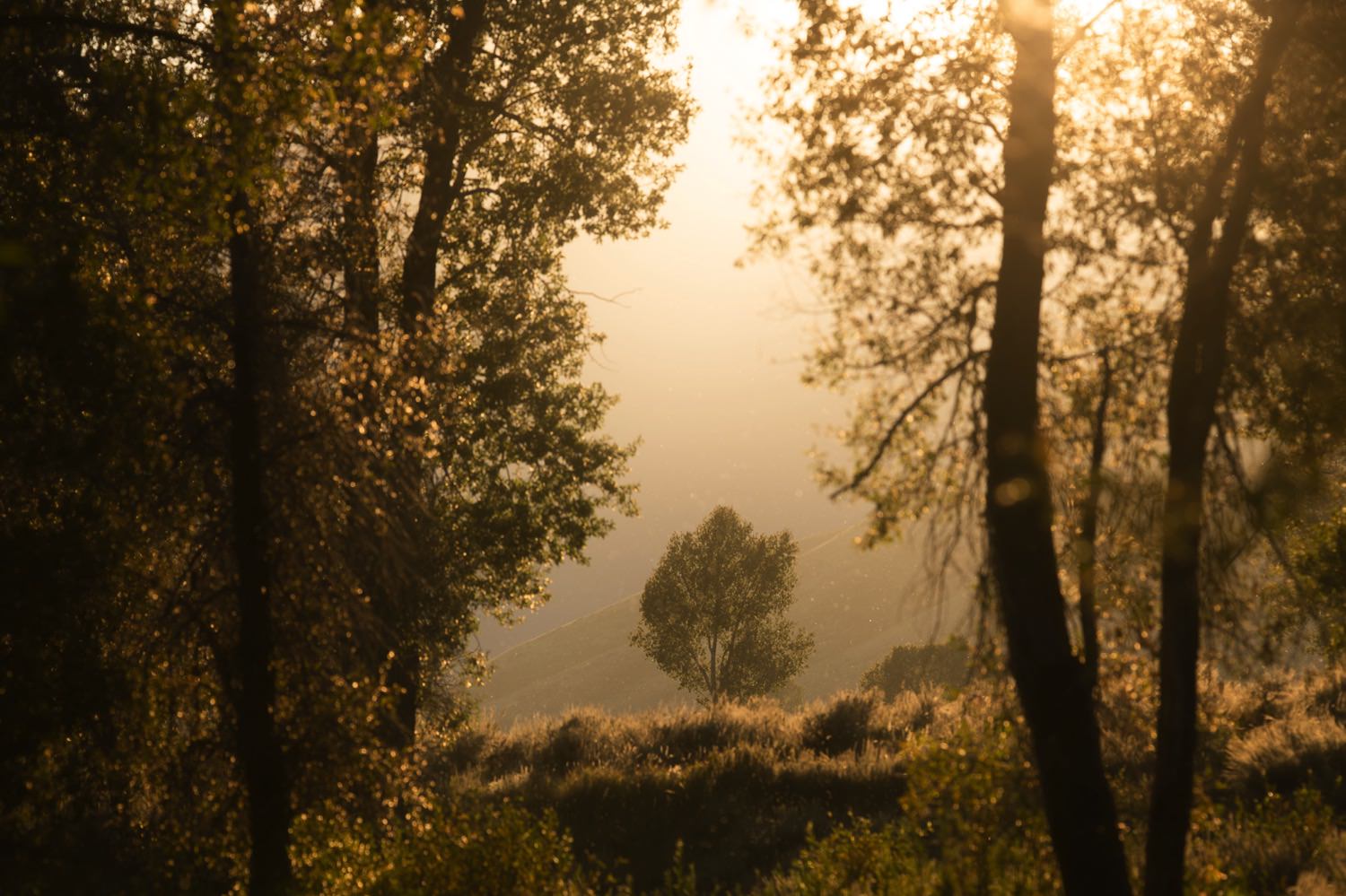
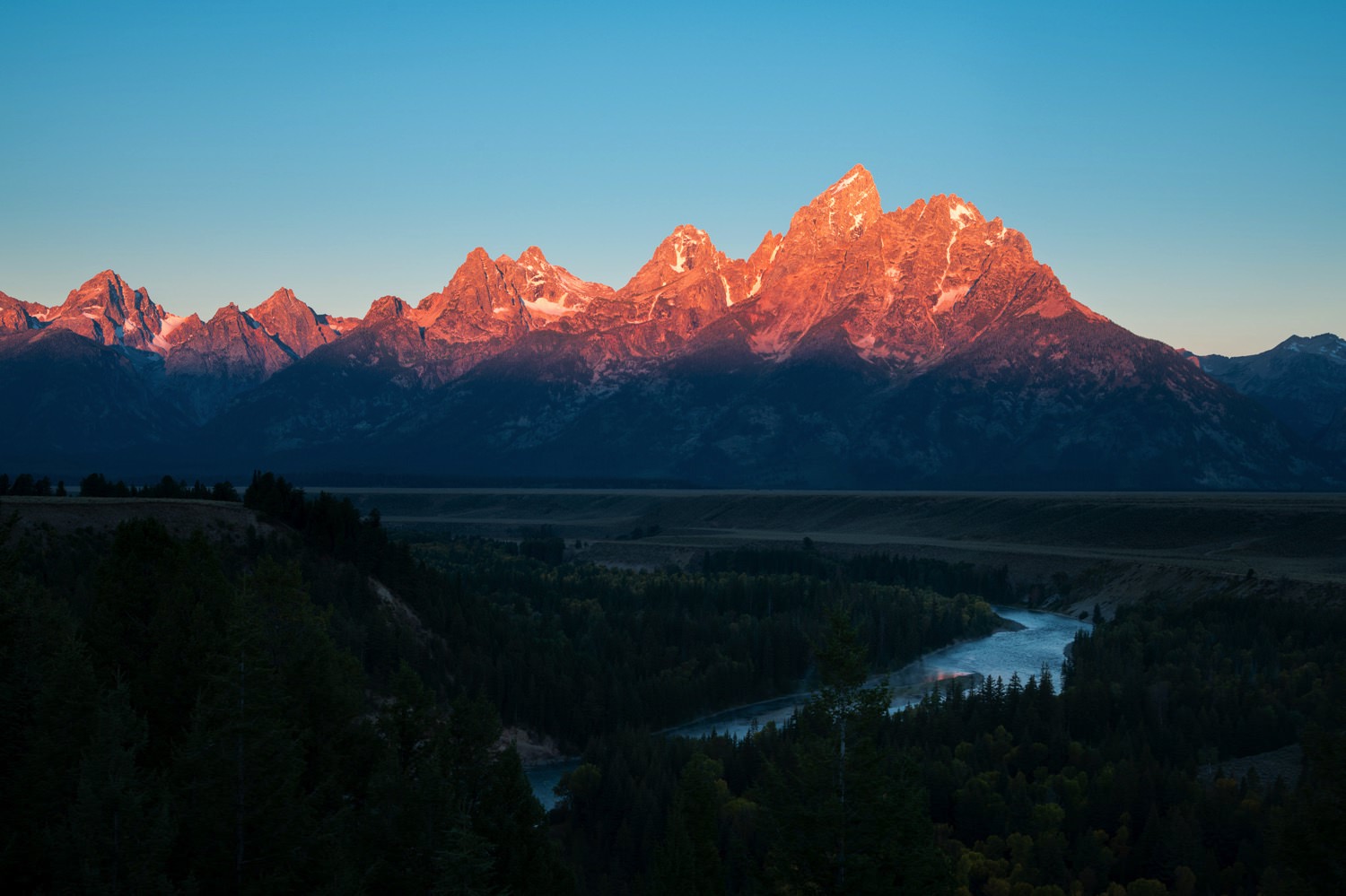
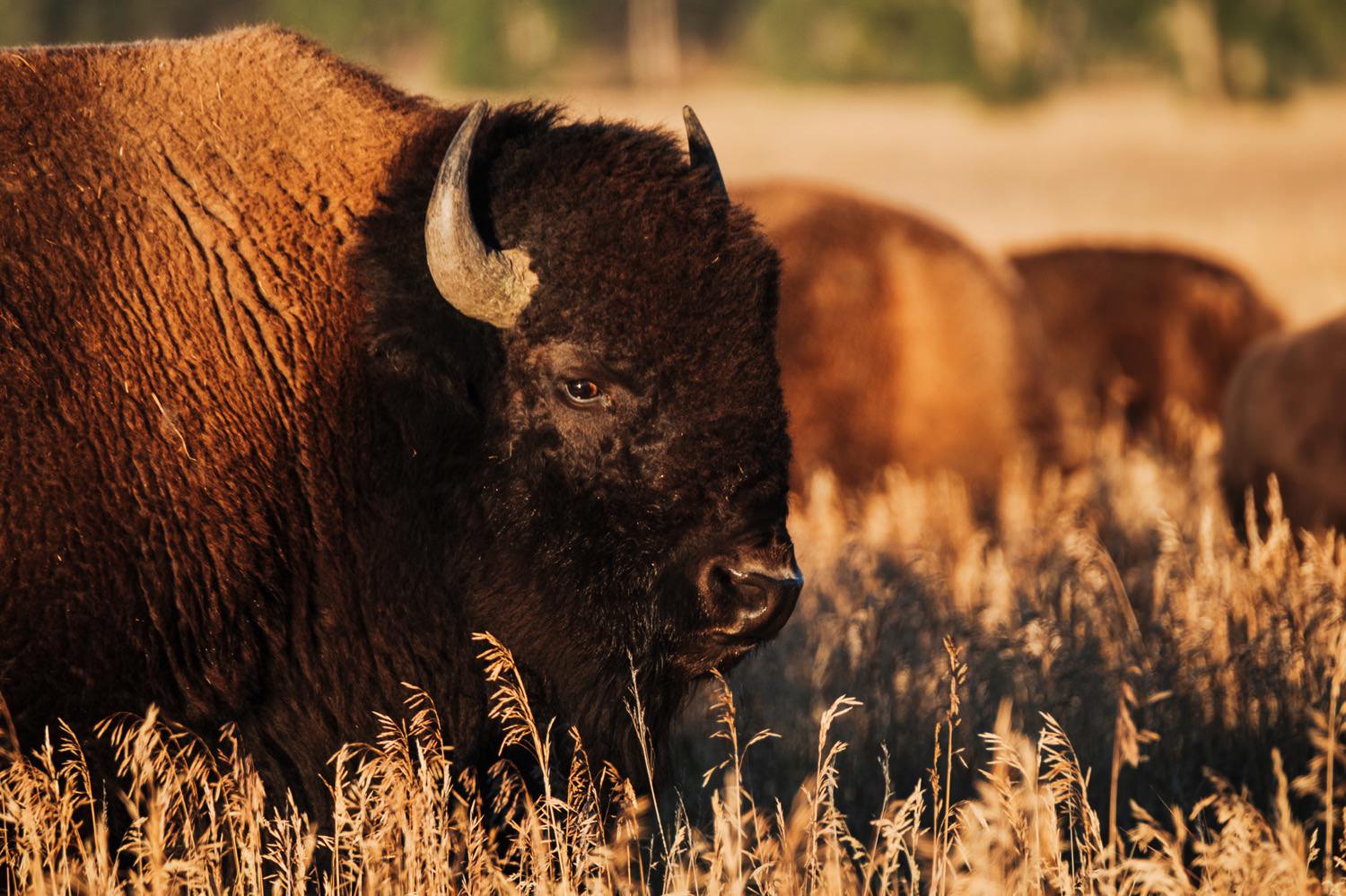
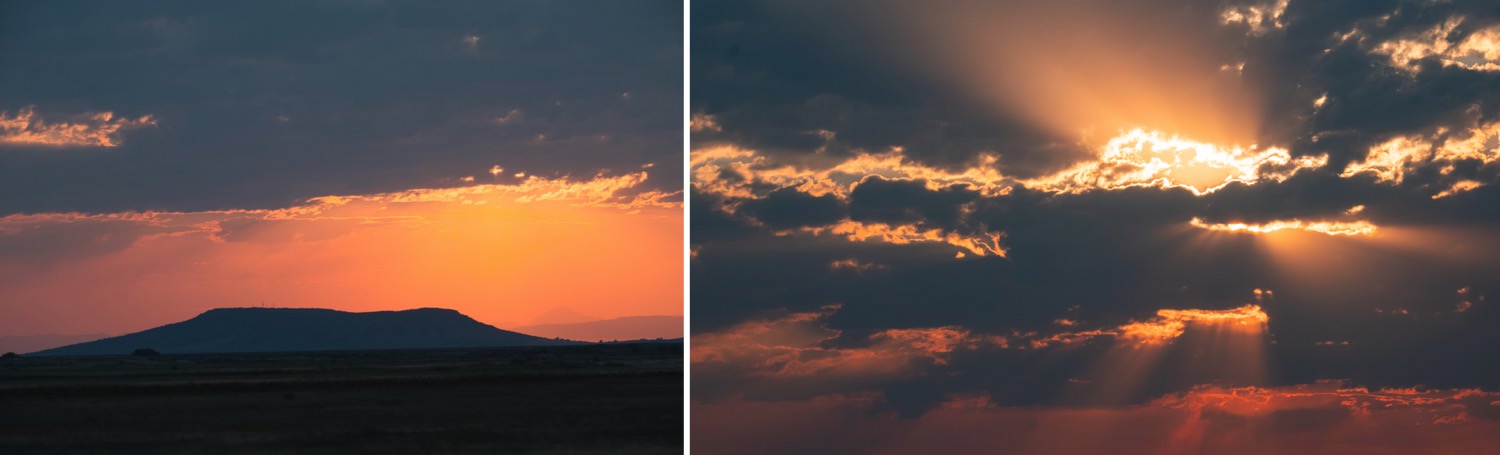
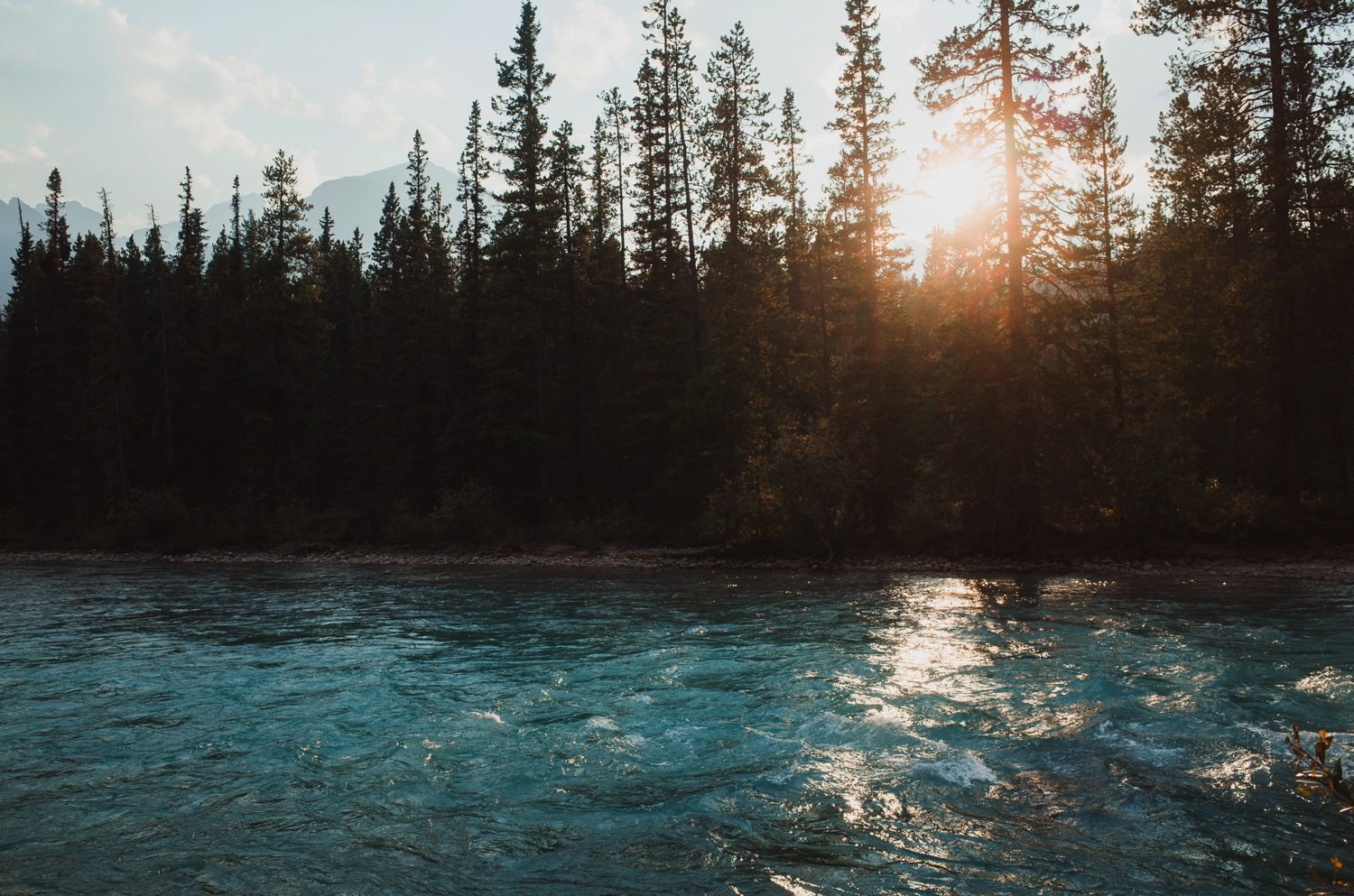
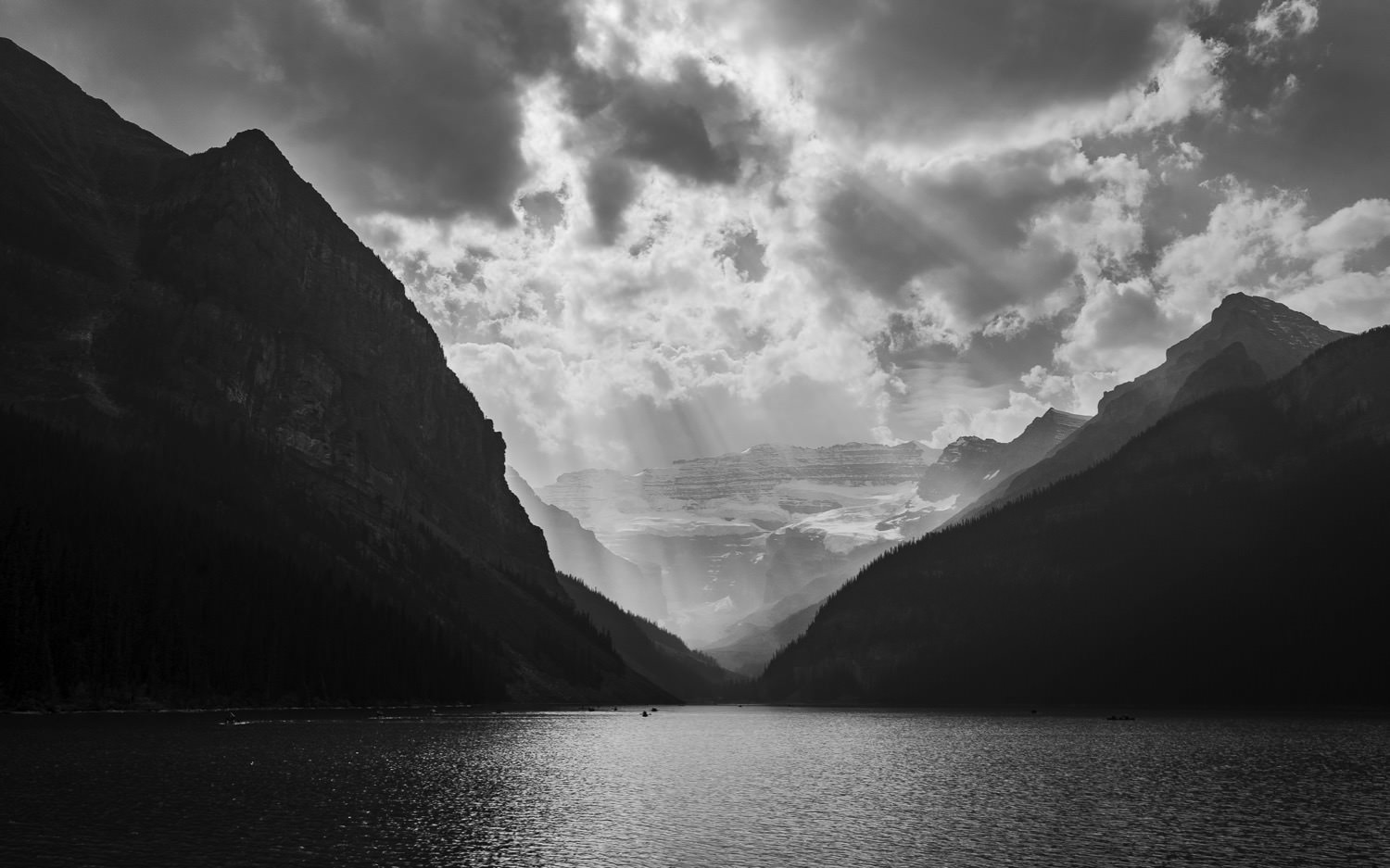
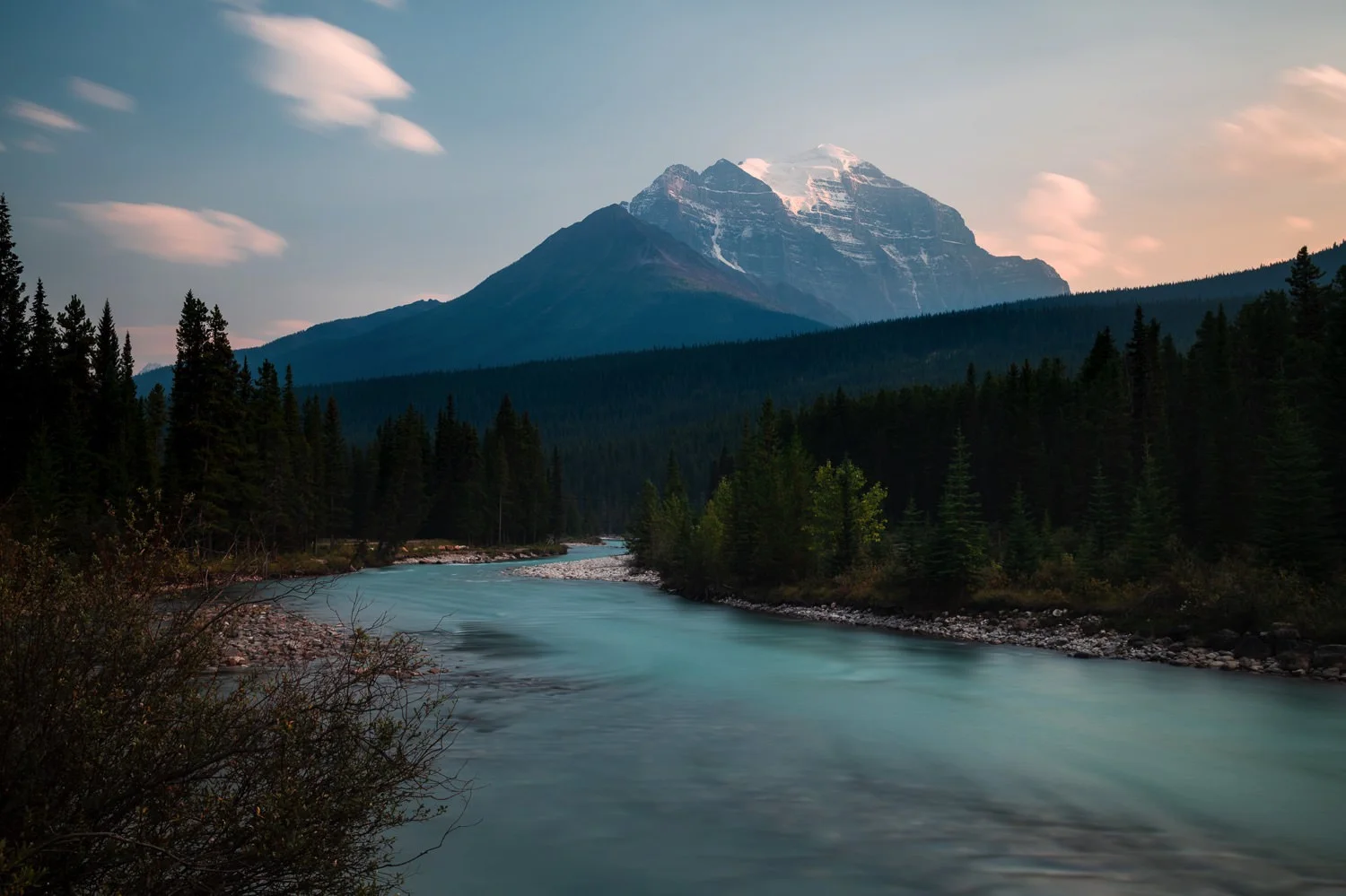
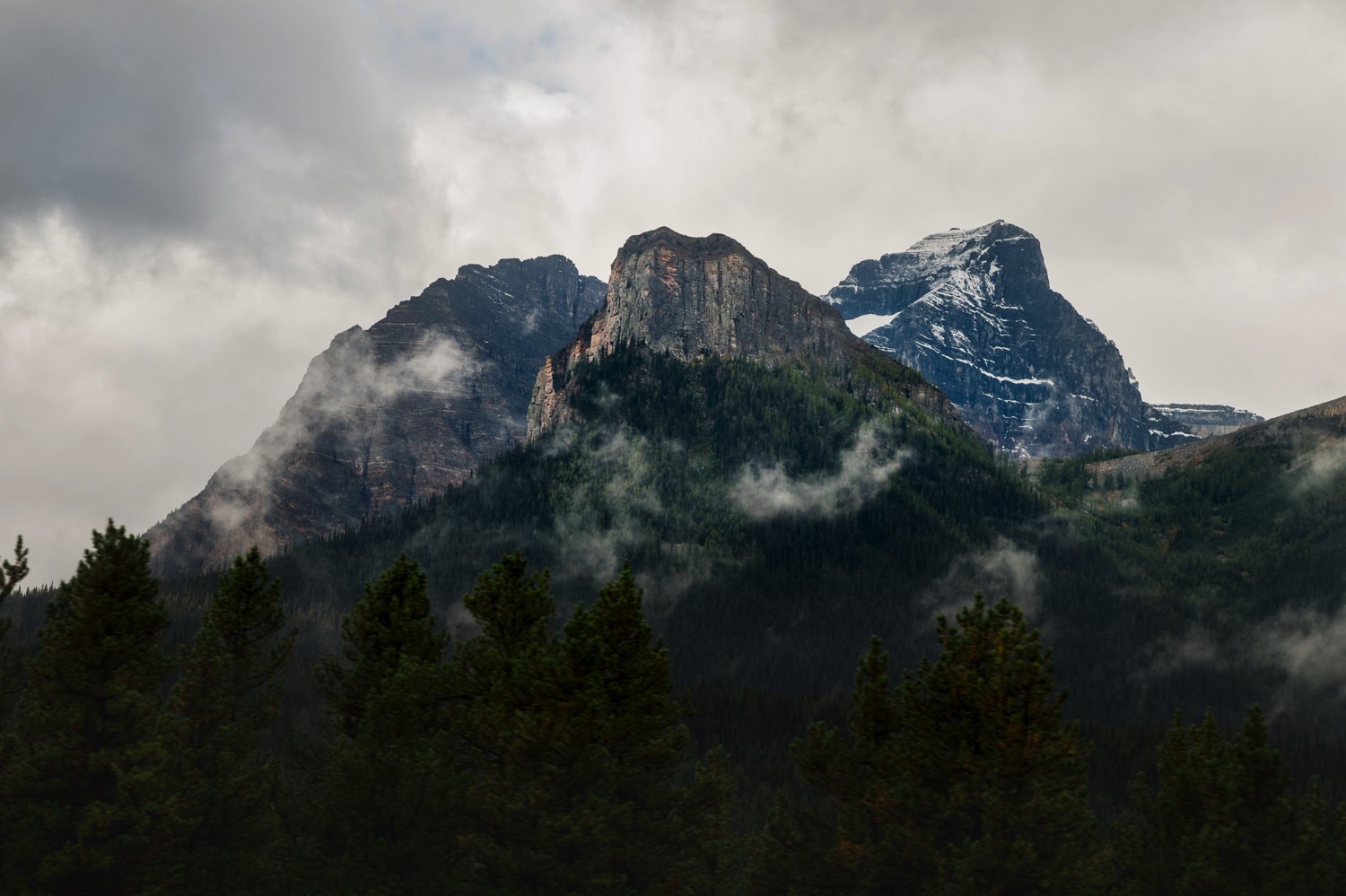
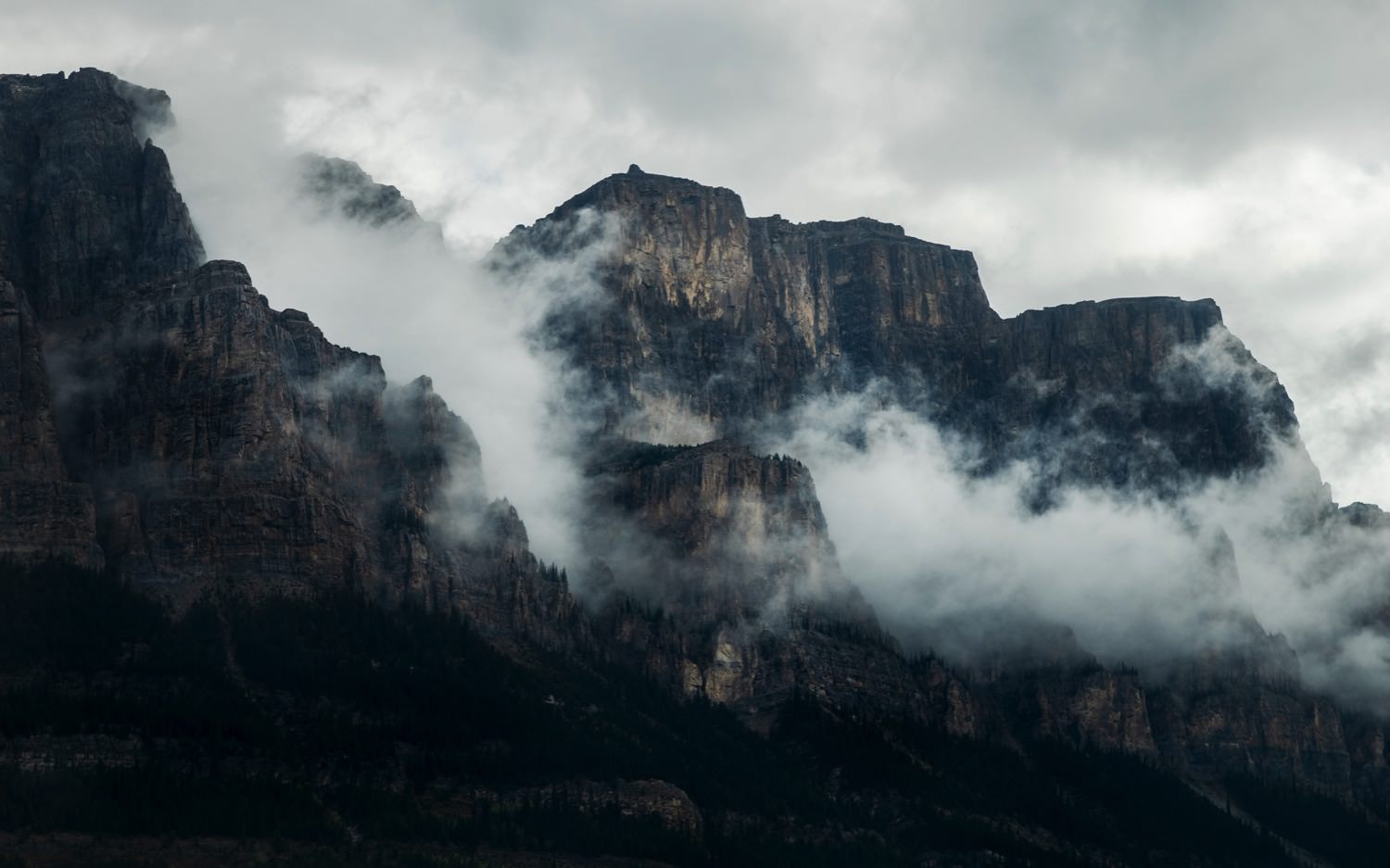
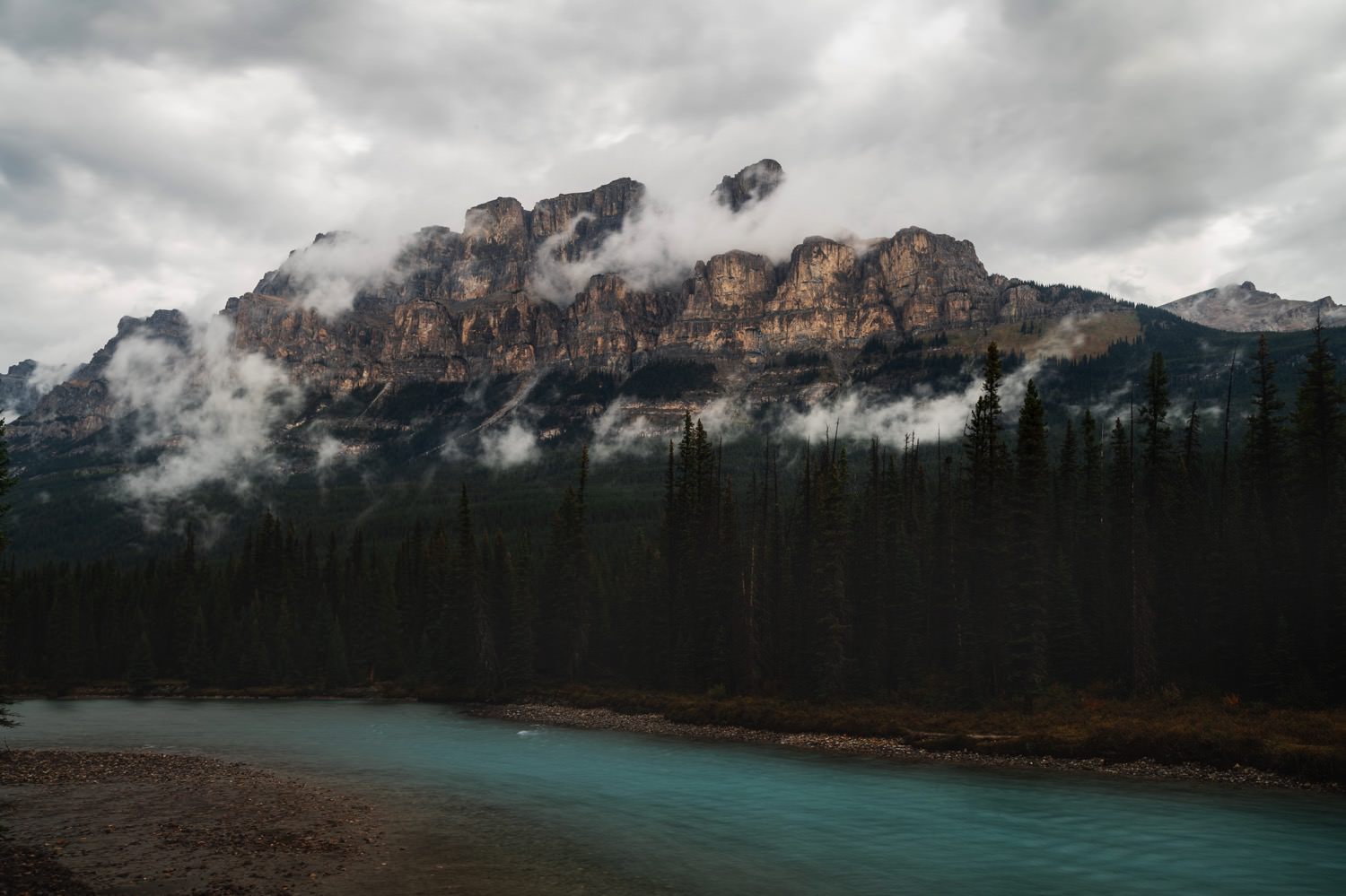
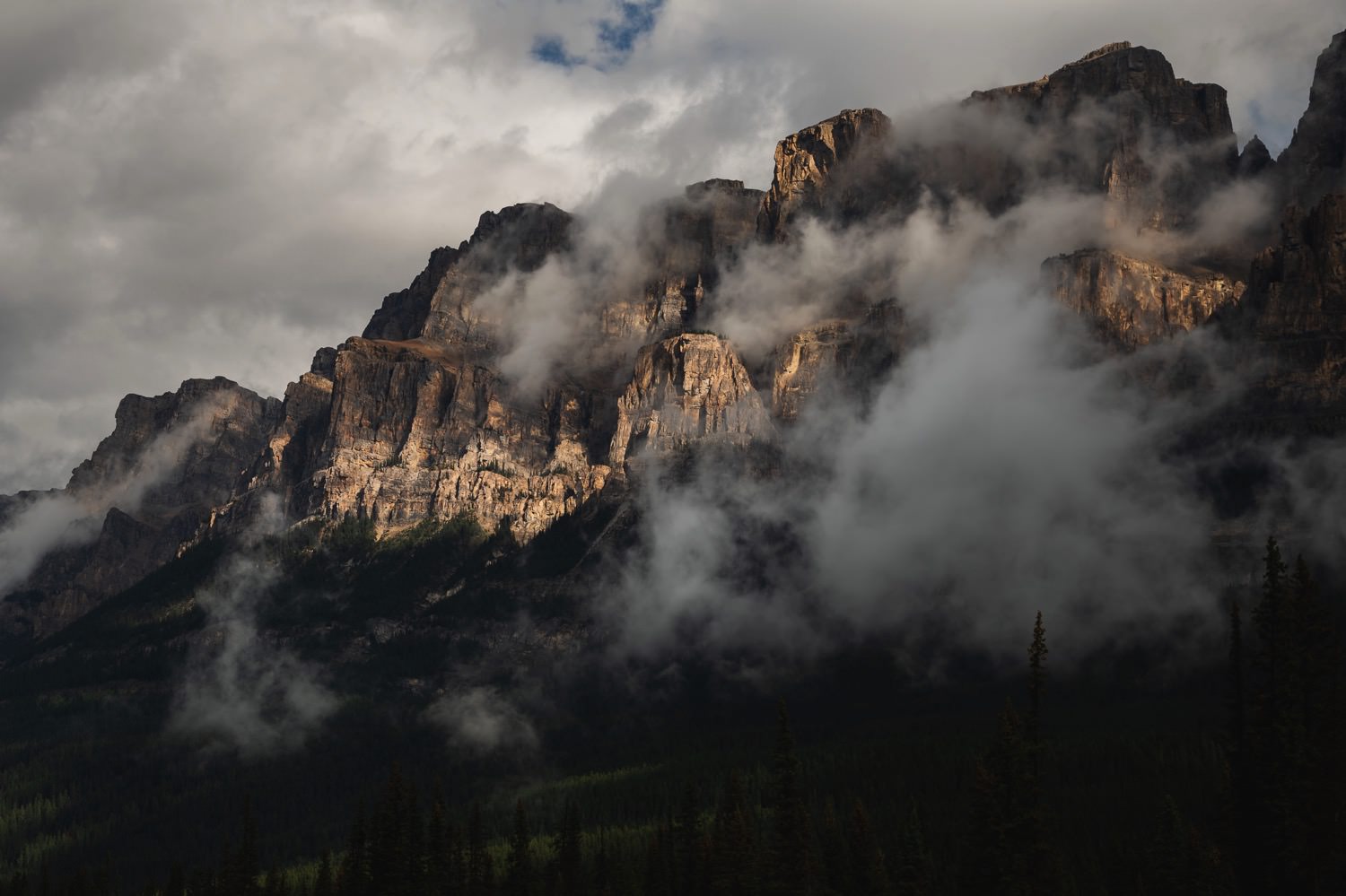
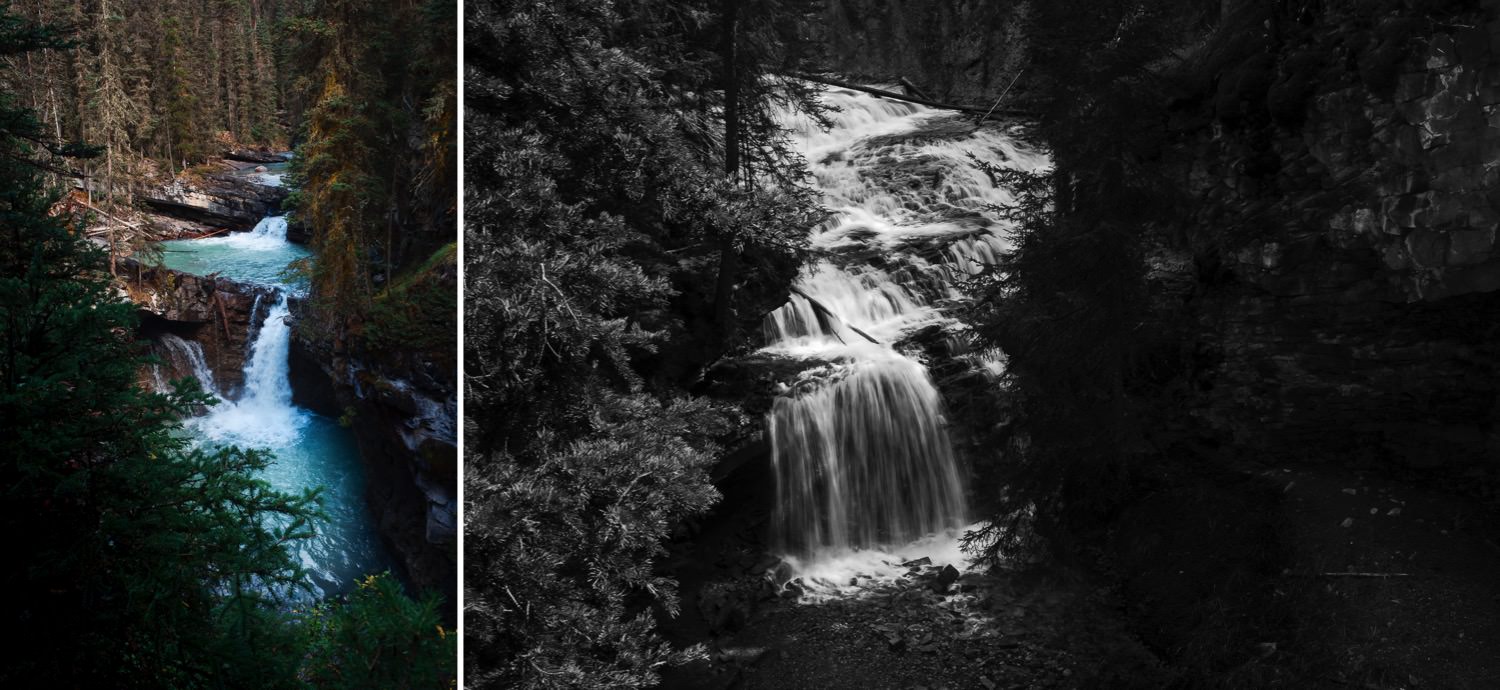
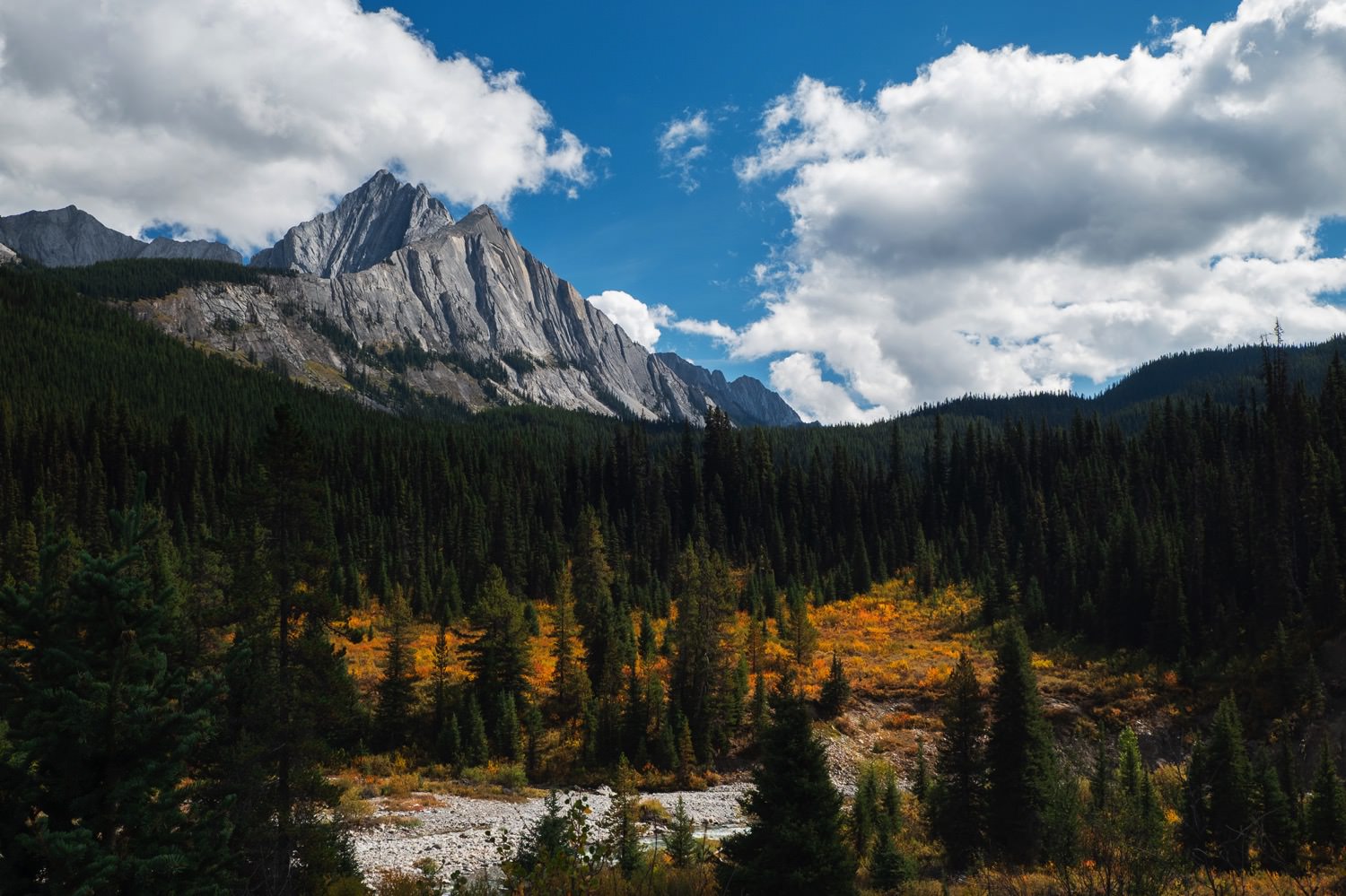
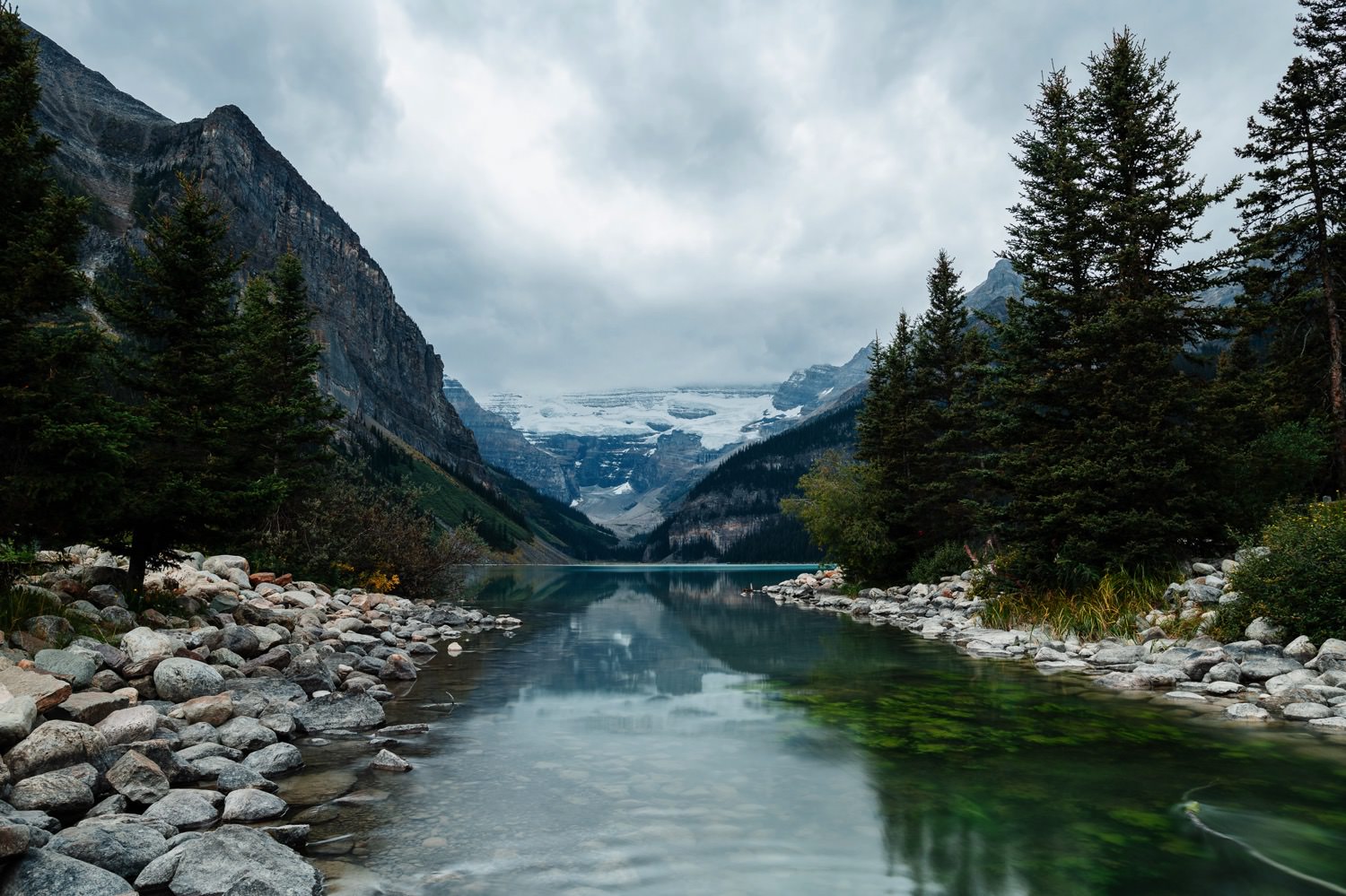
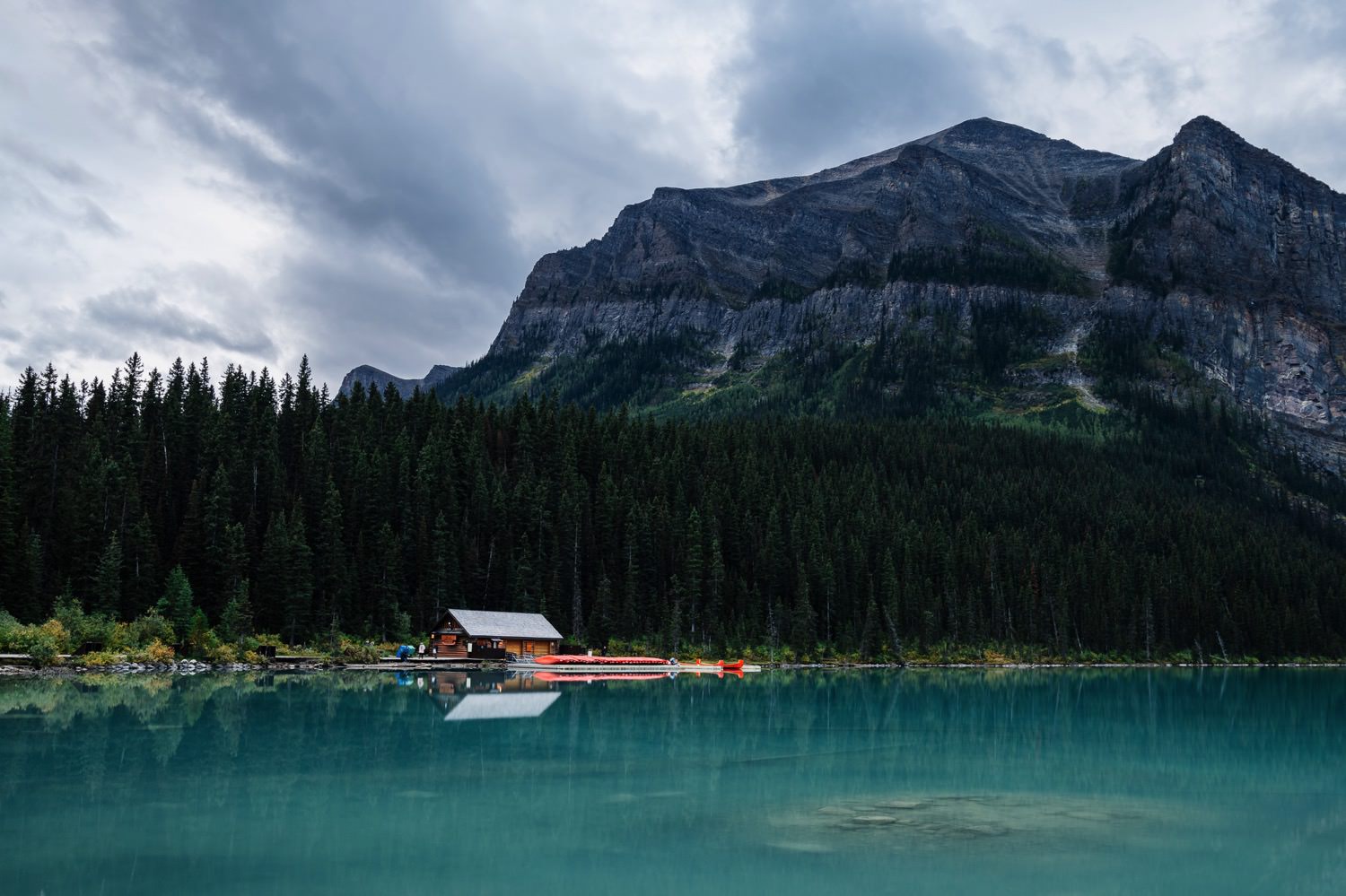
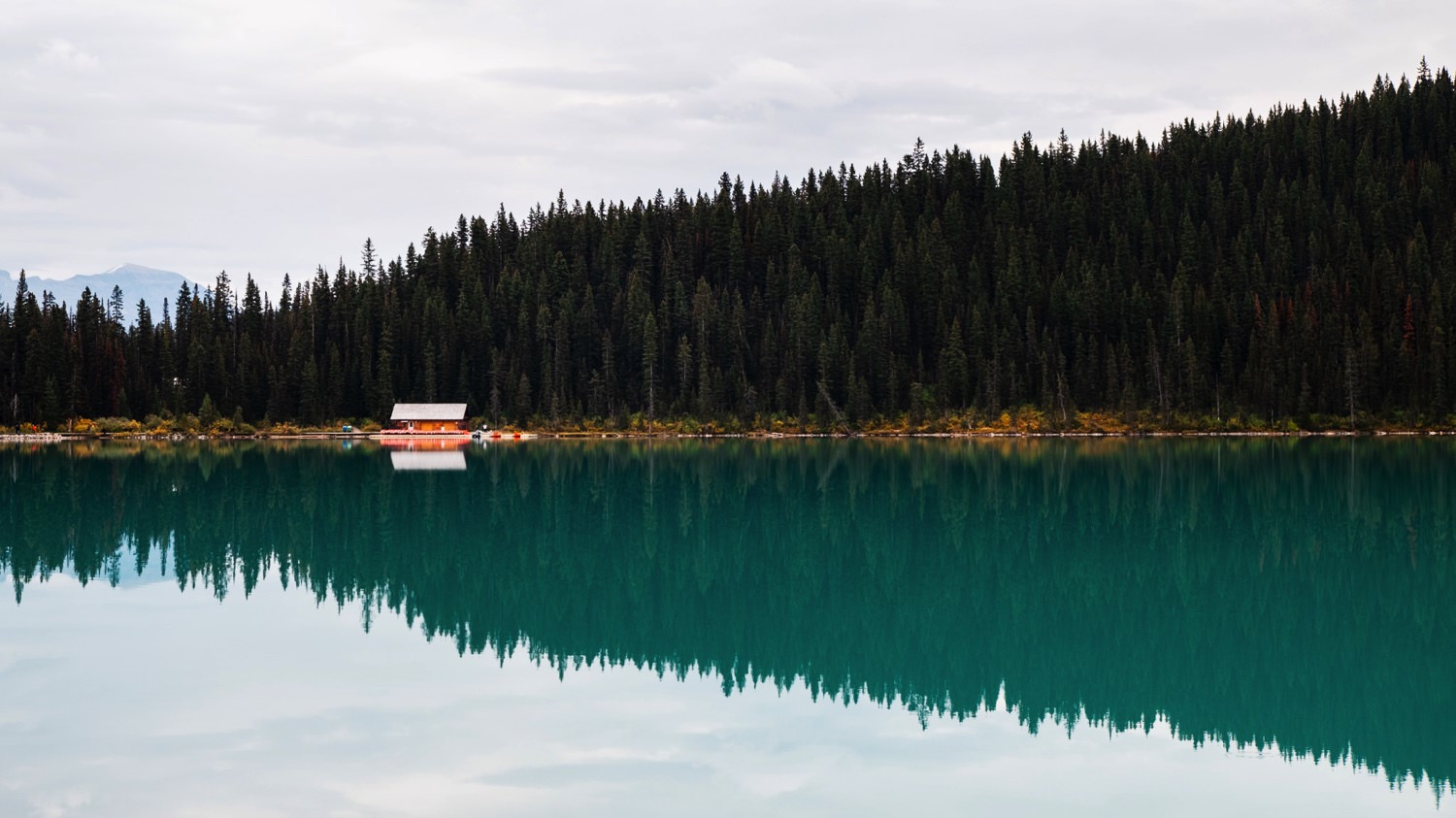
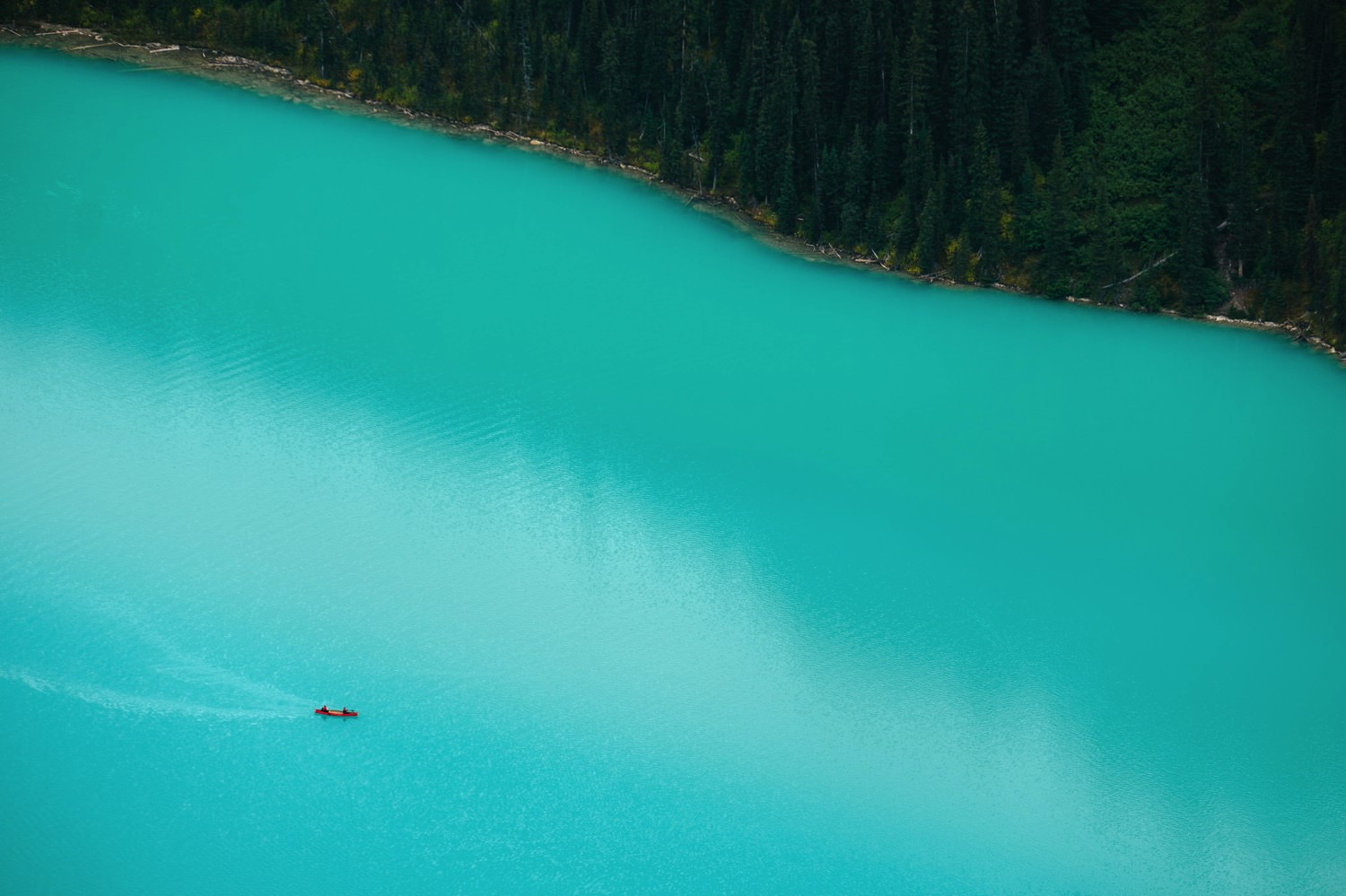
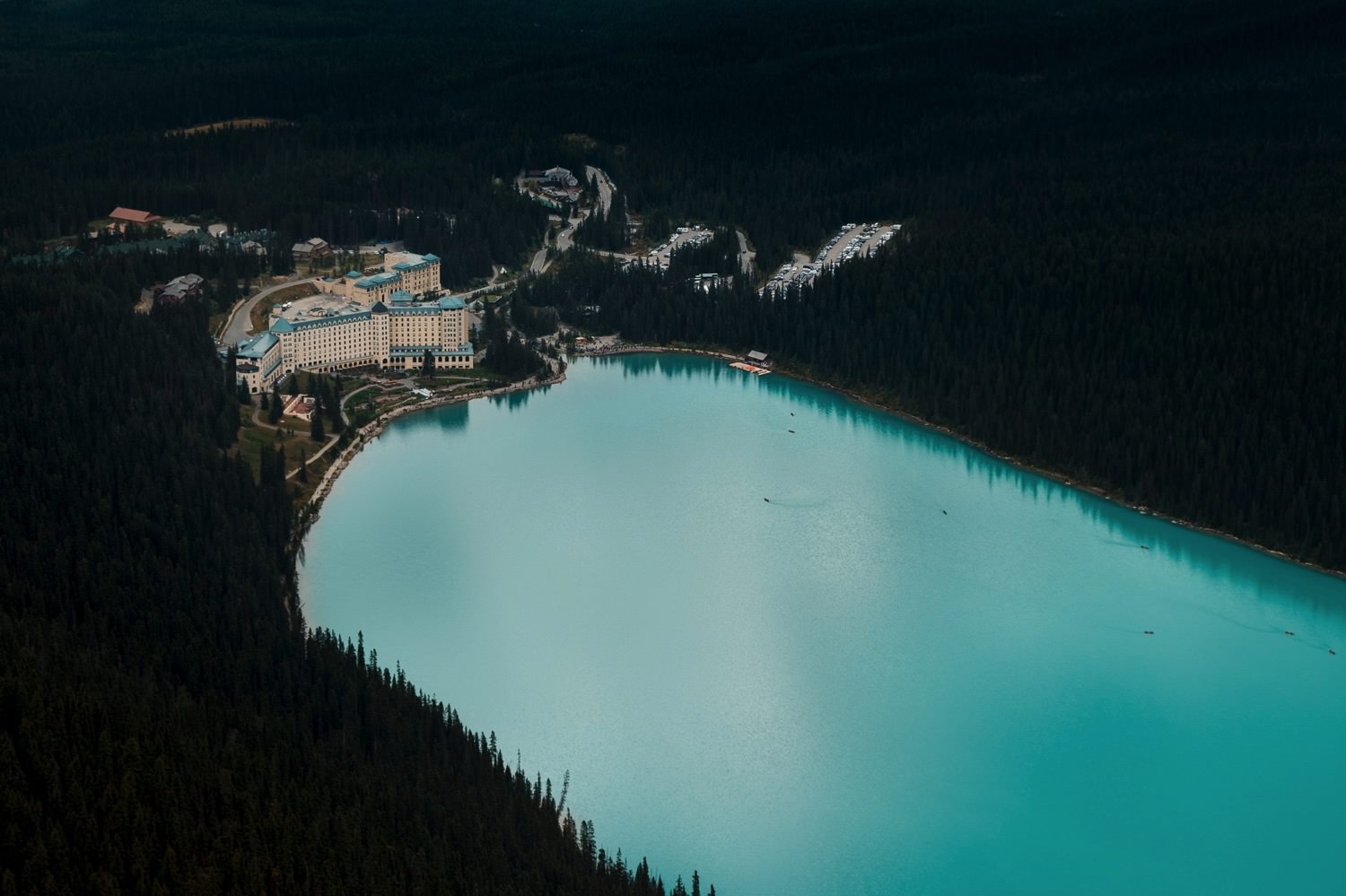
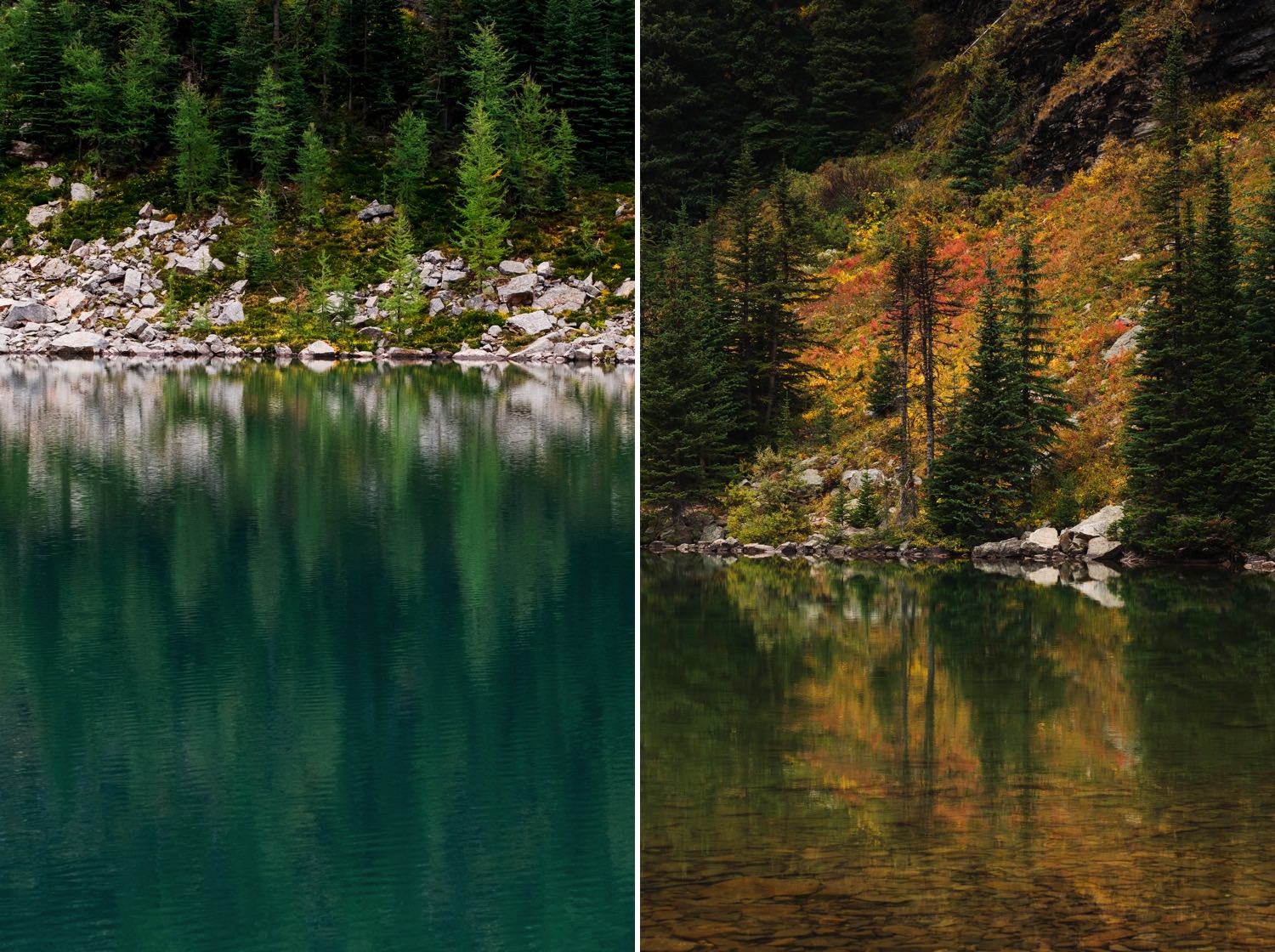
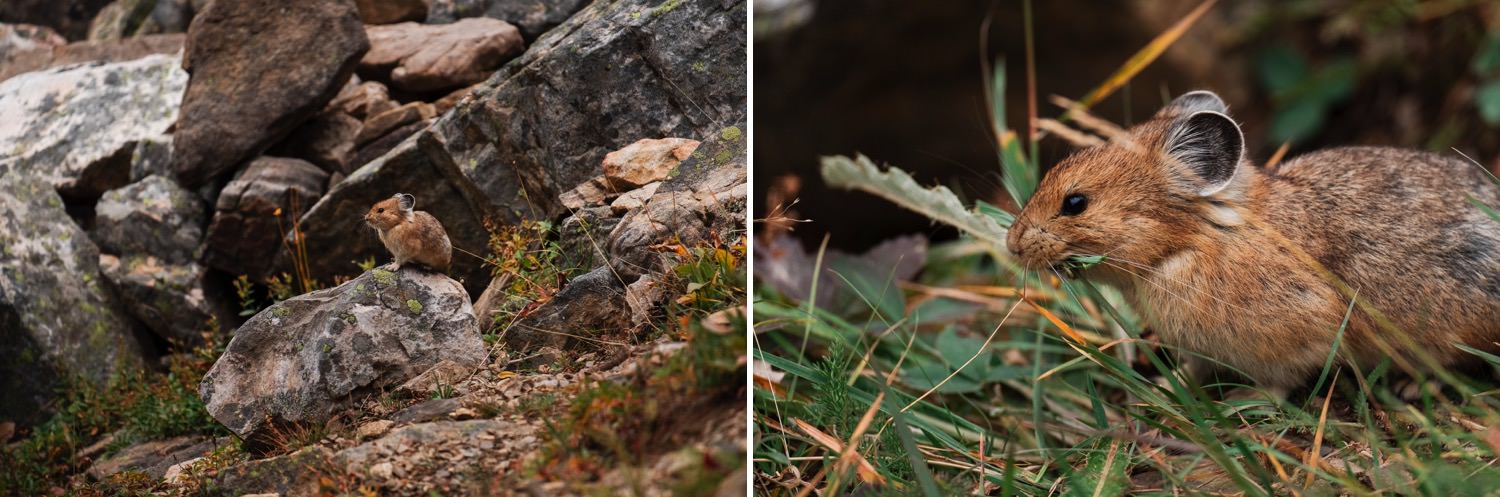
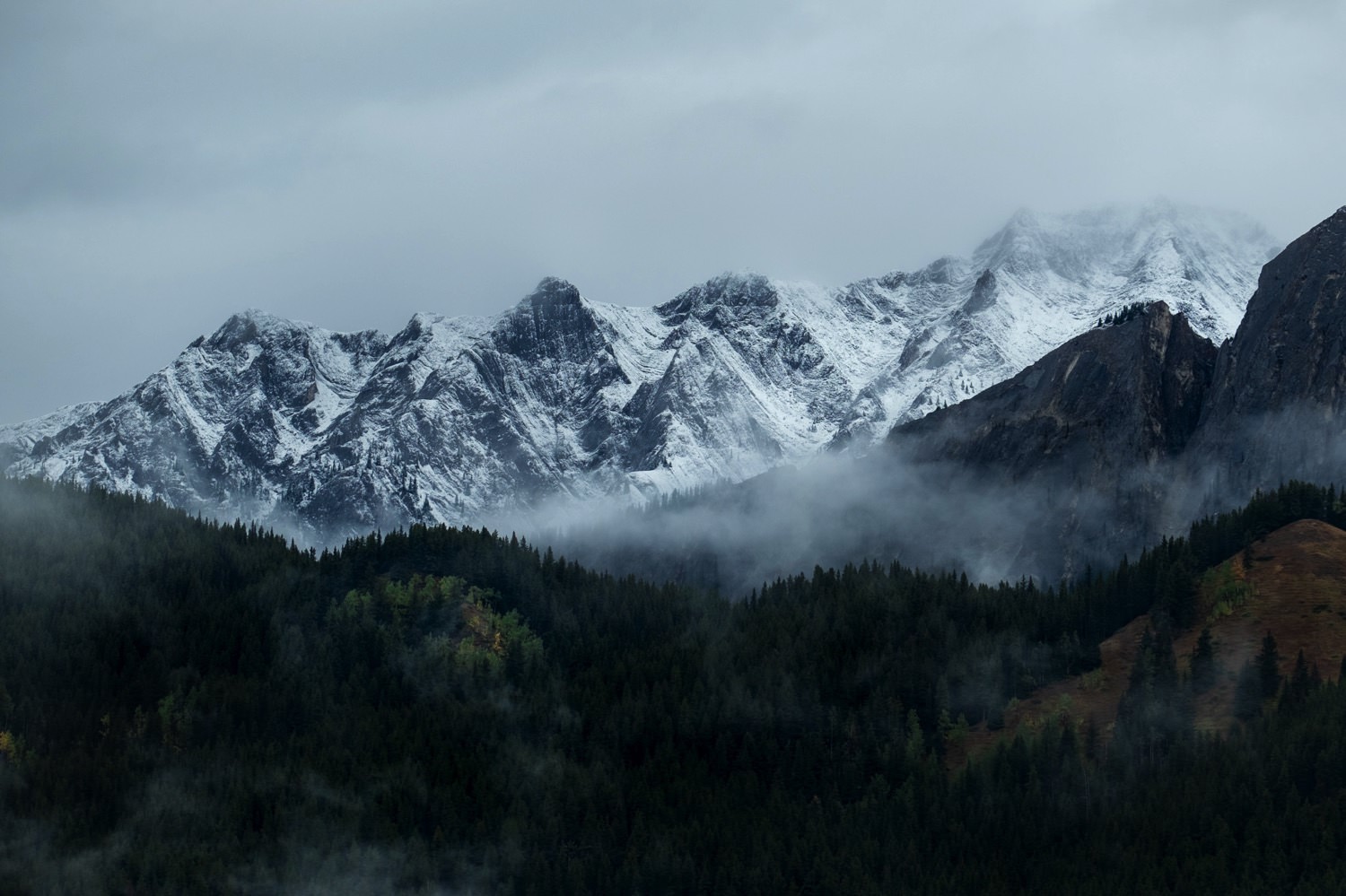
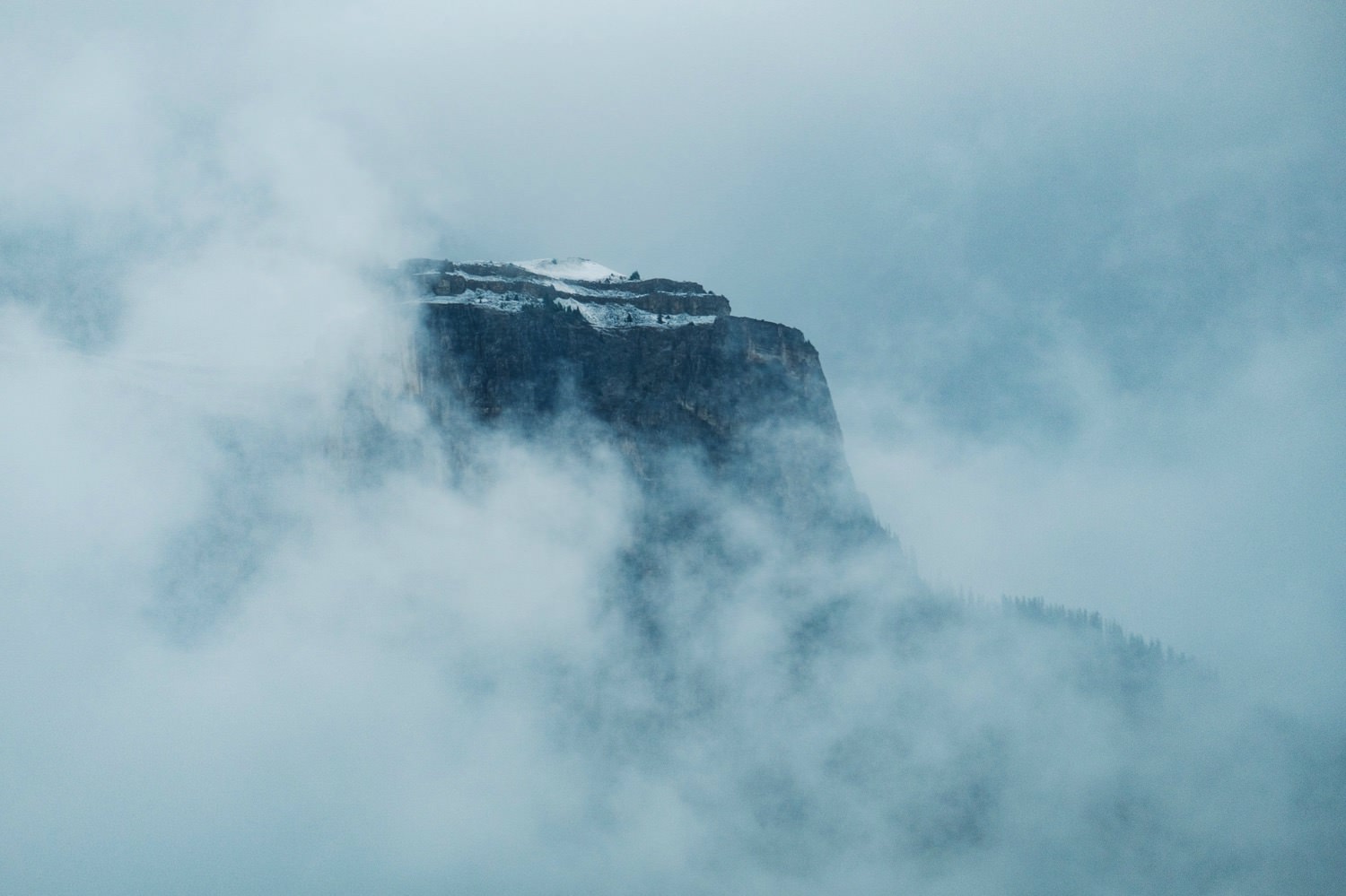
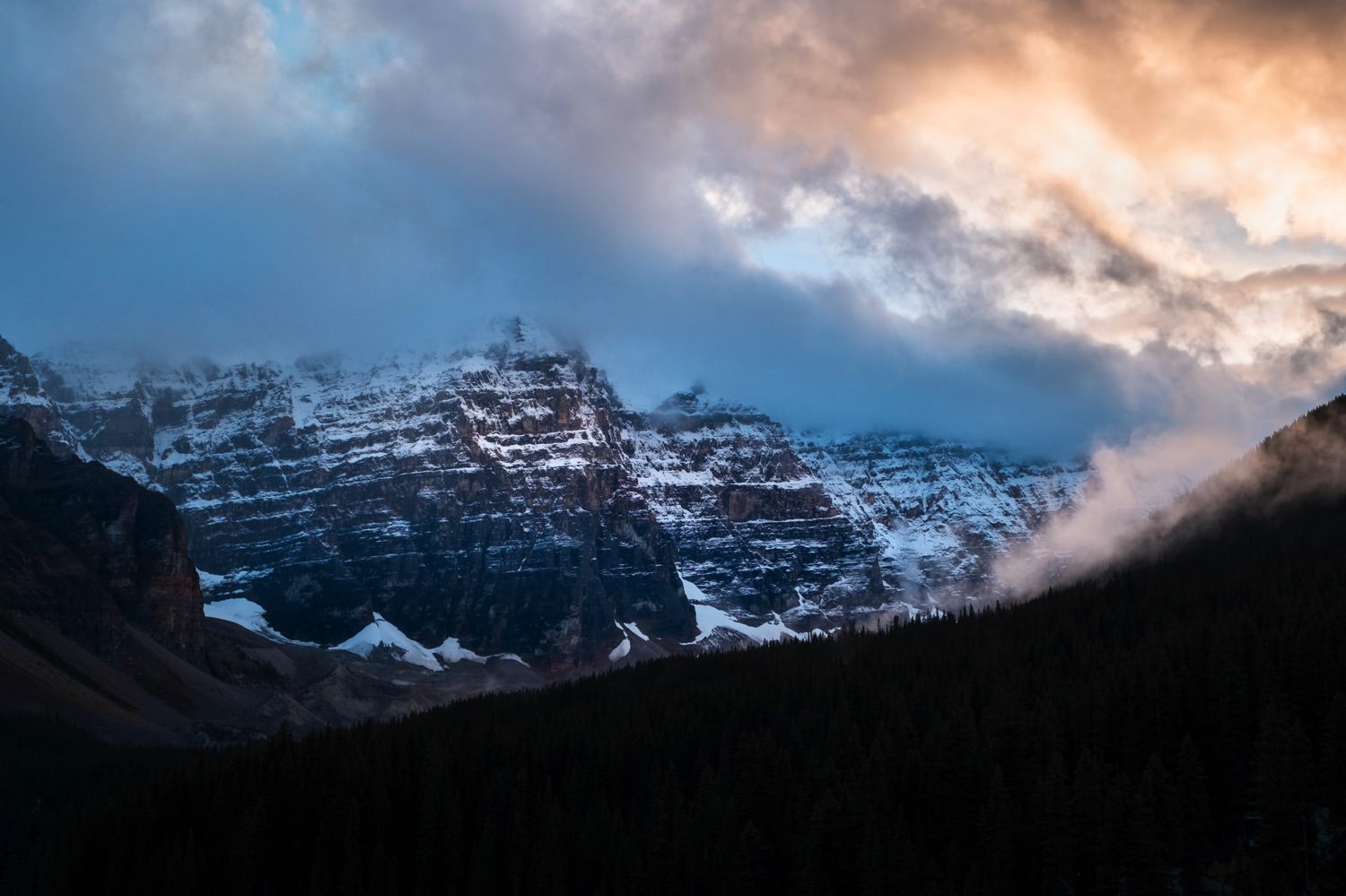
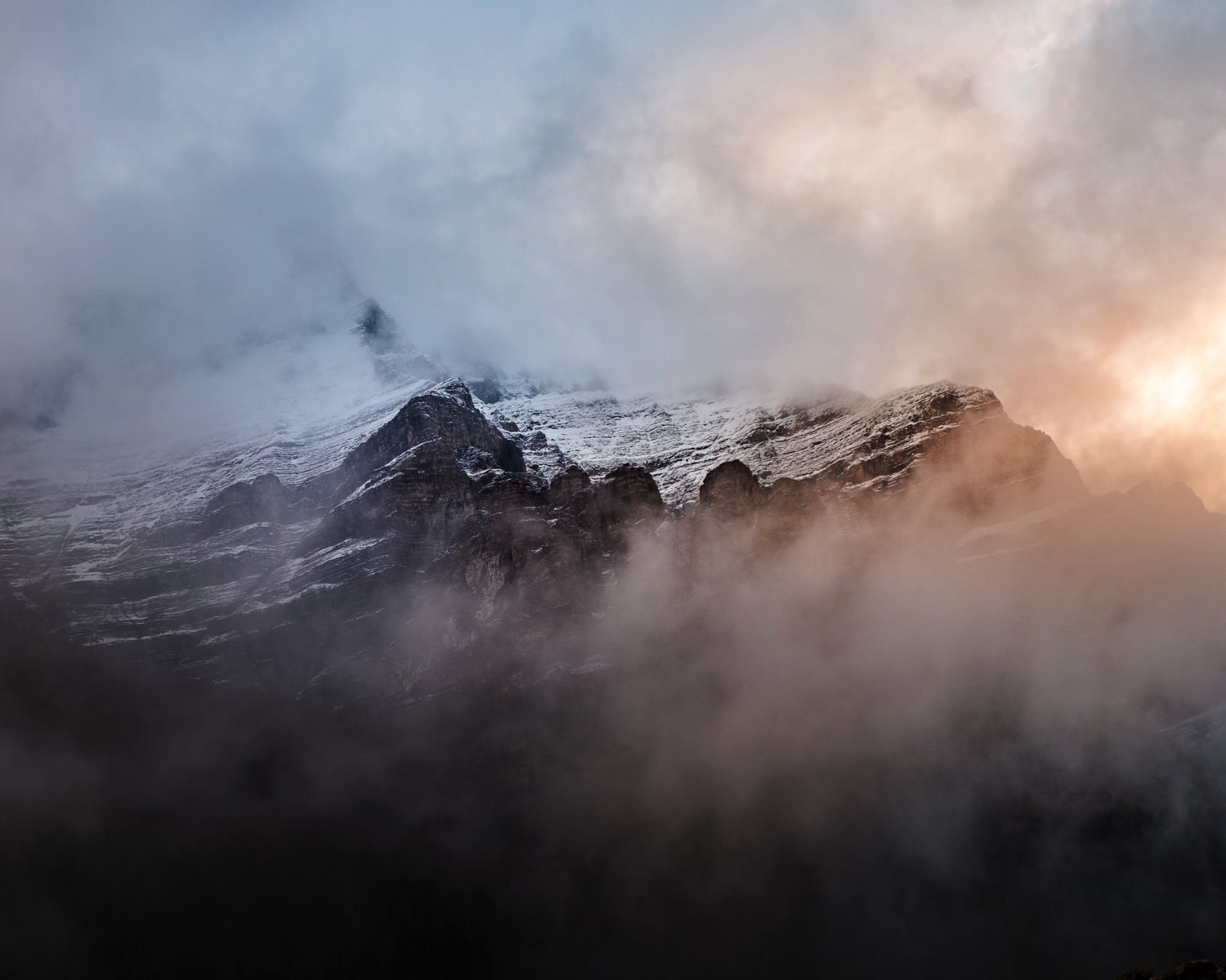
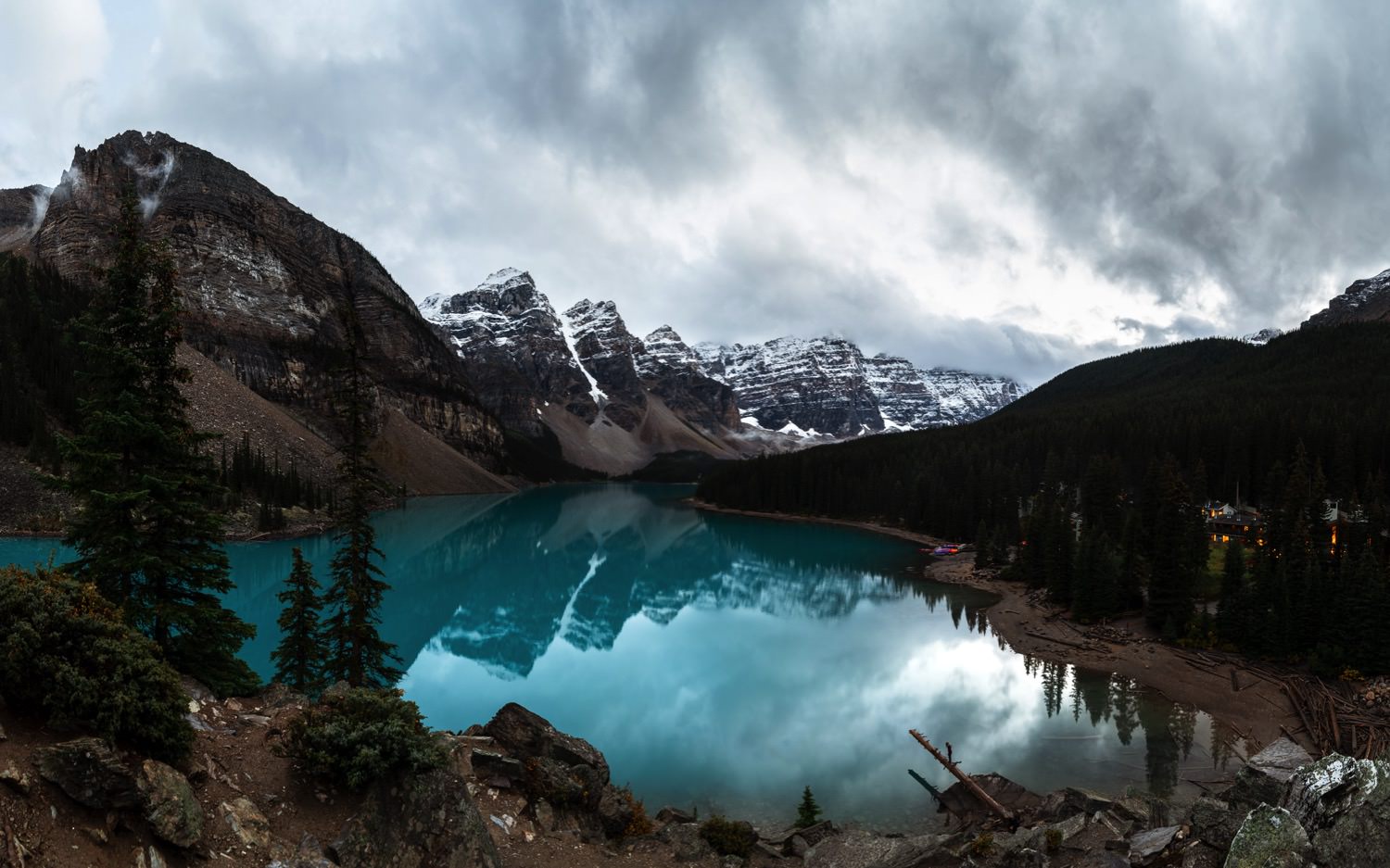
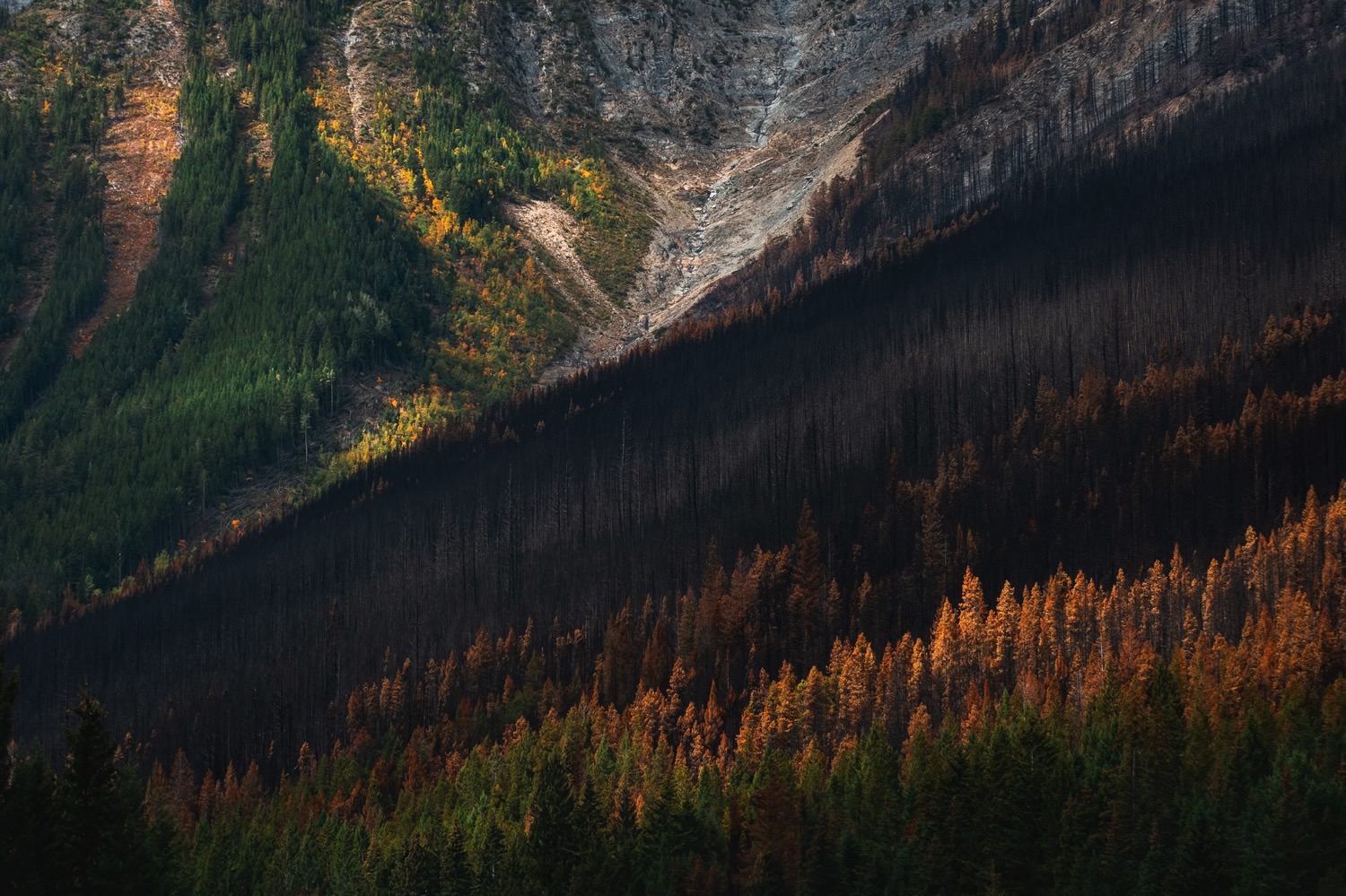
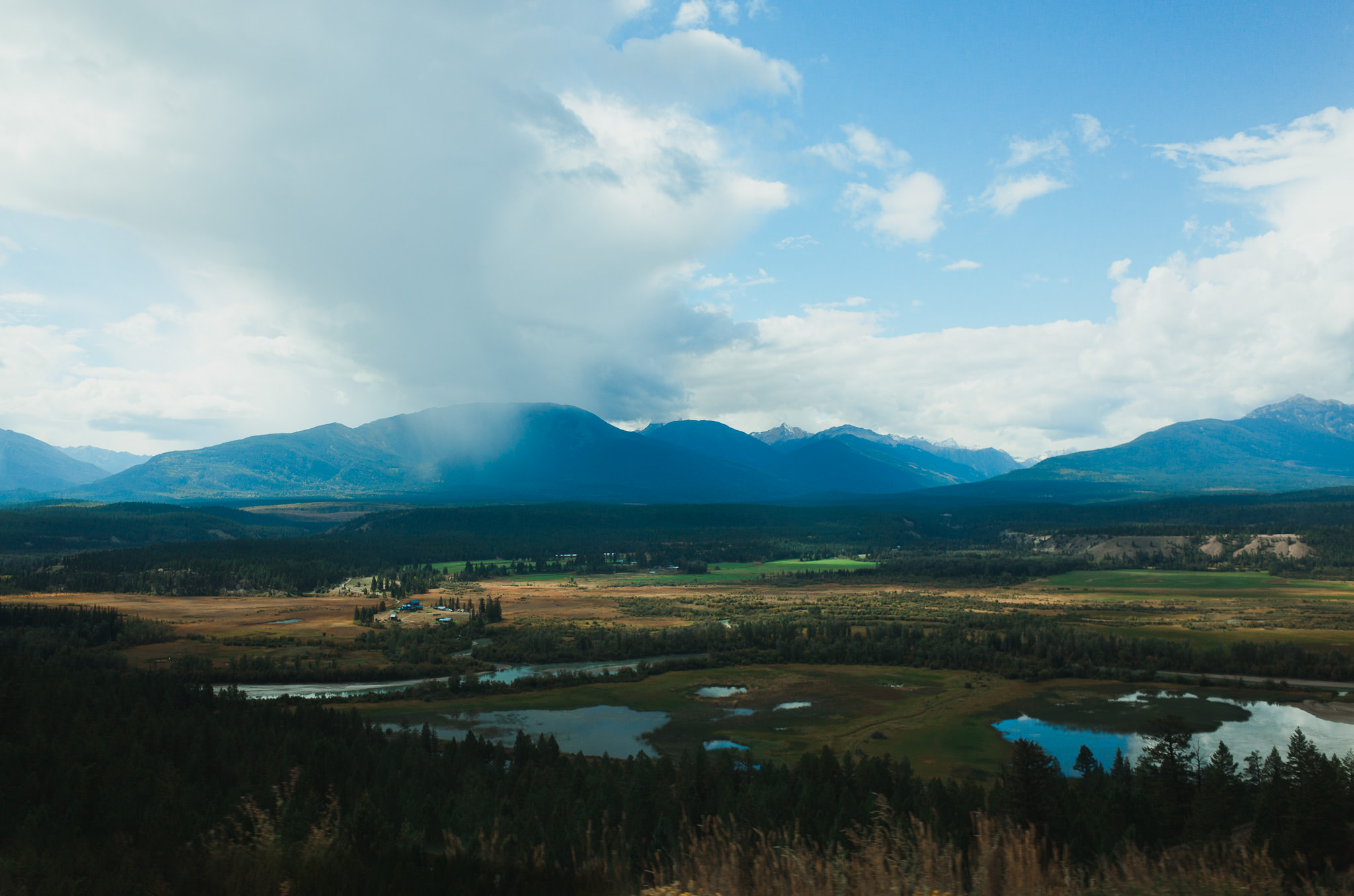
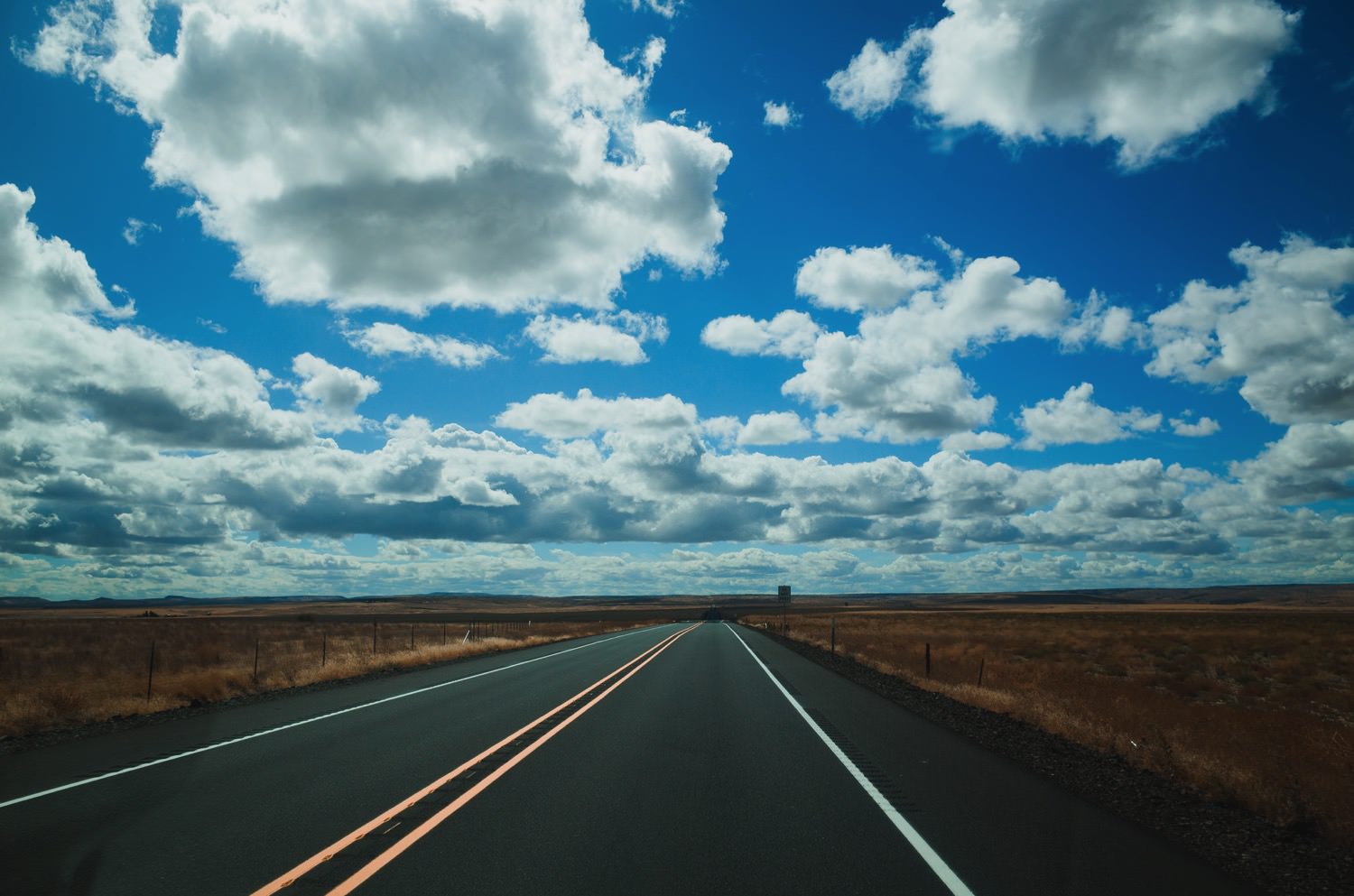
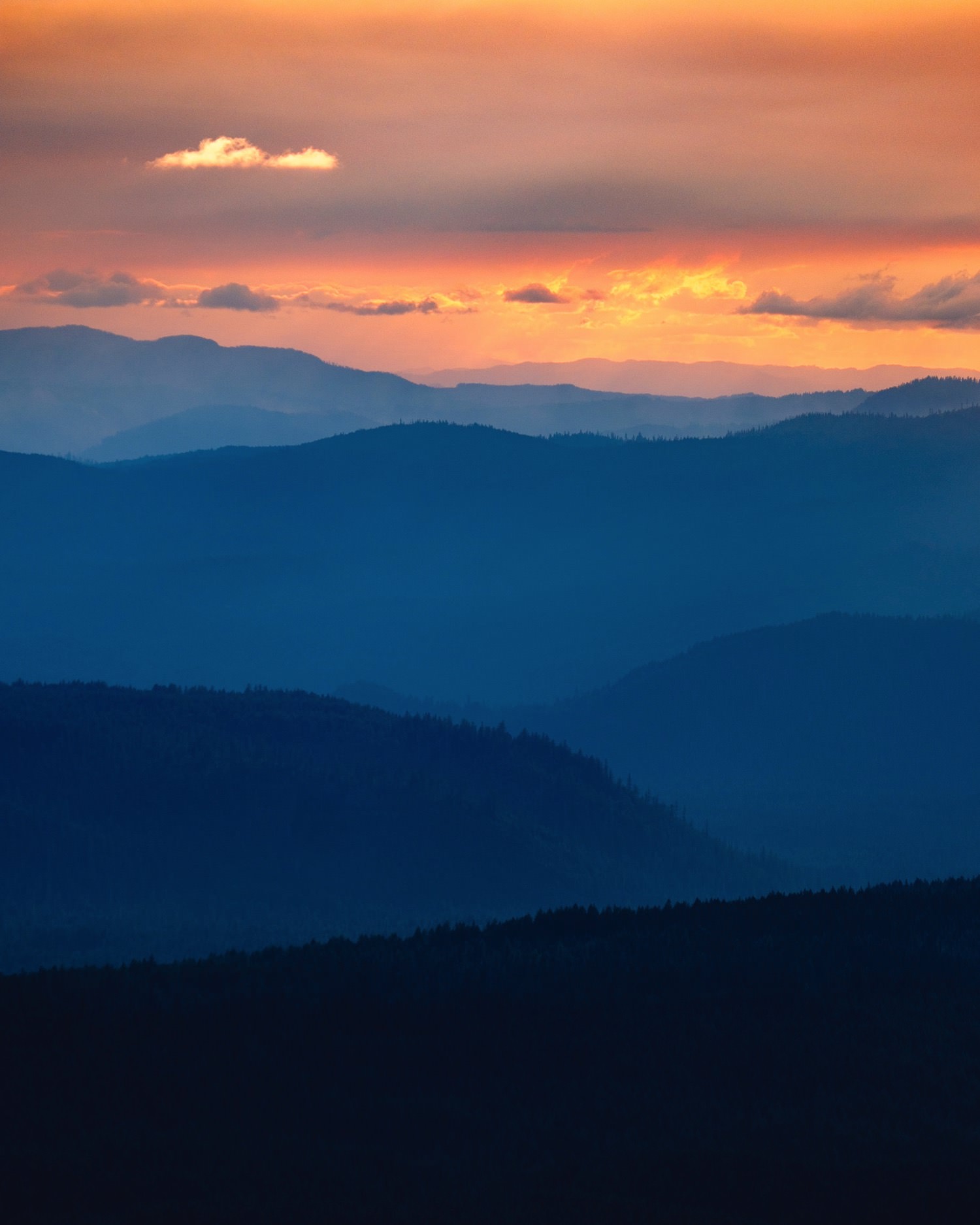
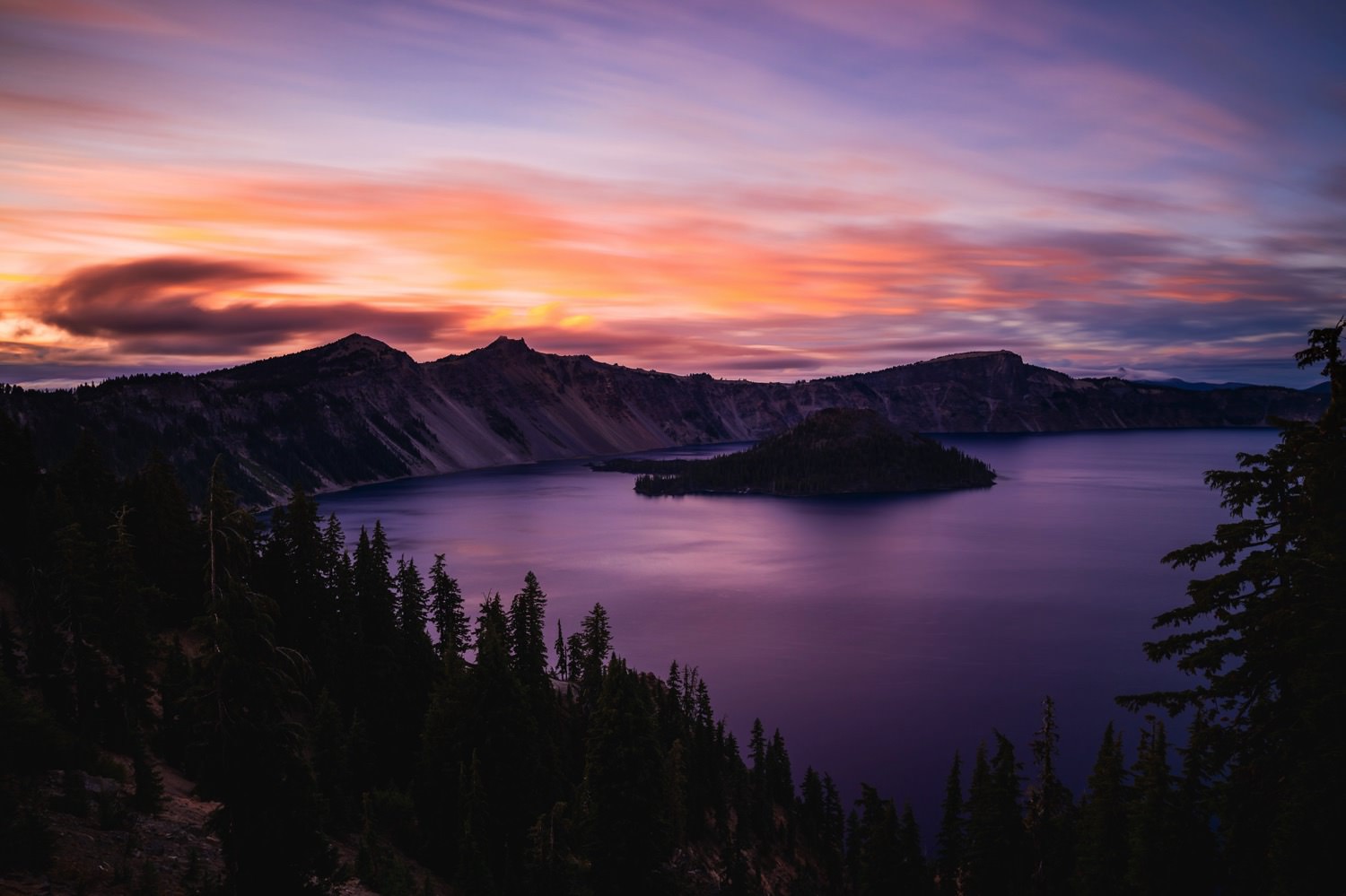
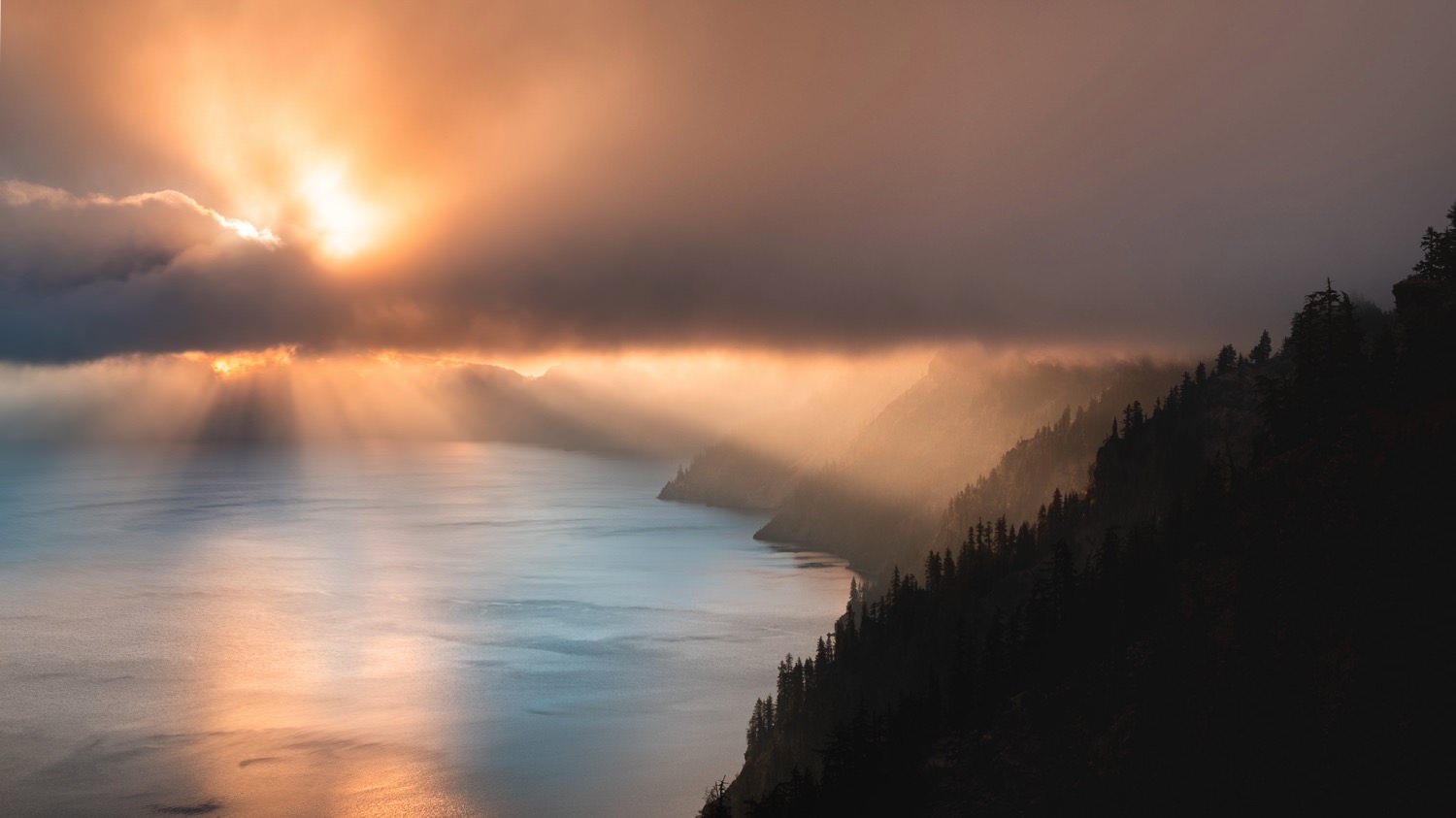
Way back to last August/September, Julie and I had the opportunity to roadtrip our way up to Banff National Park (which is just an hour and a half outside of Calgary) passing through Jackson, WY and the marvelous Grand Teton National Park on our way up and a quick pitstop at Crater Lake in Oregon on the way home.
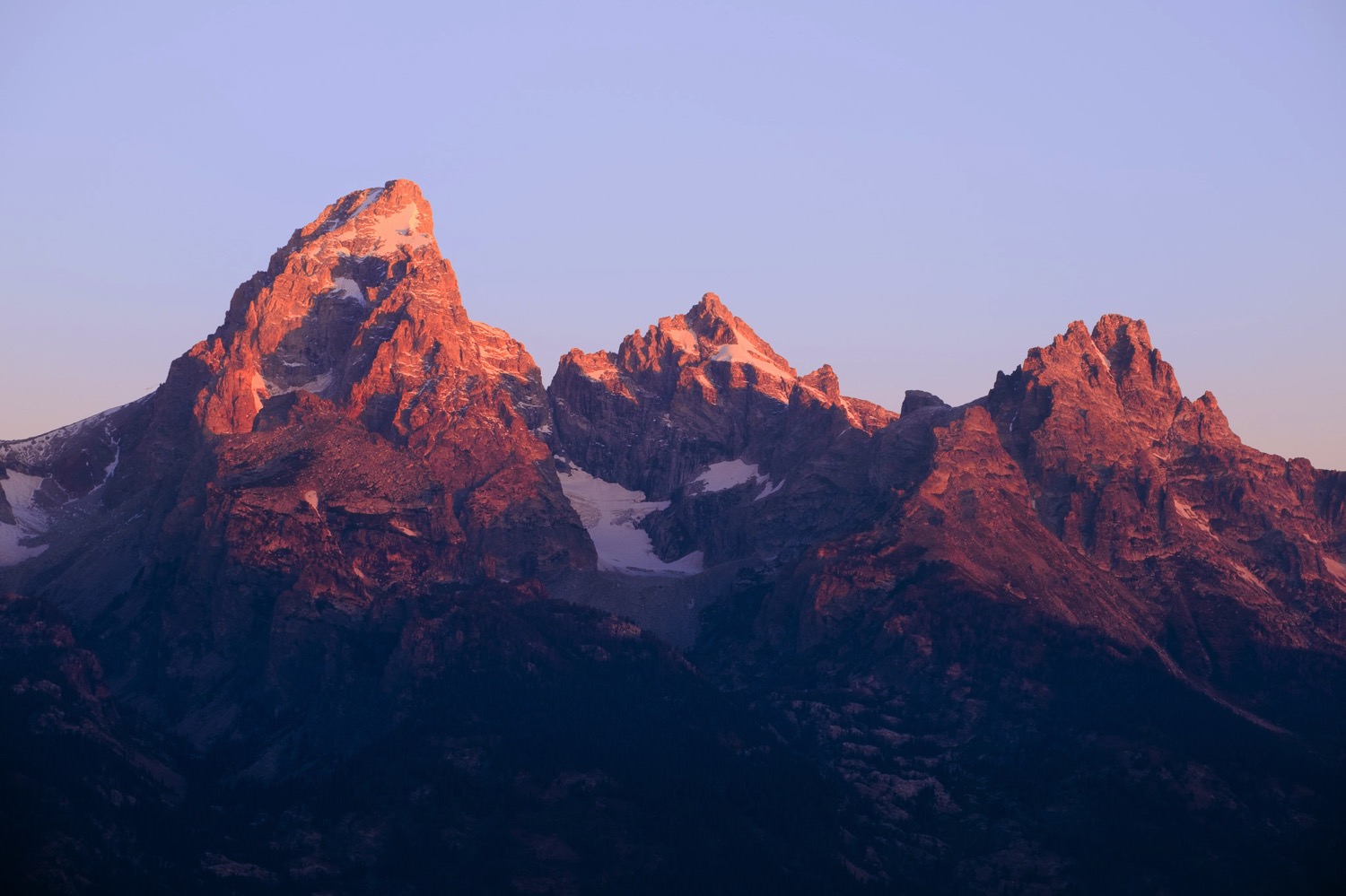
The Tetons were stellar as usual, despite not seeing a single cloud during sunrise or sunset in all of days we were there (photographer problems). Seems par for the course for our visits there.
Our original itinerary had included four days in Glacier National Park, however after a bit of a car snafu en route from the Tetons to Glacier, we unfortunately had to skip that portion of the journey and instead vacationed for three days in beautiful Idaho Falls. Fun fact, Idaho Falls is home to the Idaho Falls Chukars, the single-A affiliate minor league baseball team of the Kansas City Royals.
Fortunately we were able to get back on the road and back in line with our itinerary. In hindsight, it might have been for the best we were forced to skip the Glacier portion since fires near Lake McDonald resulted in closures to the west side of the park as well as half of the Going-to-the-Sun Road. Between the closures, concentration of visitors to the east side of the park on Labor Day, and just the amount of smoke in the air it wouldn’t have likely been the best time.
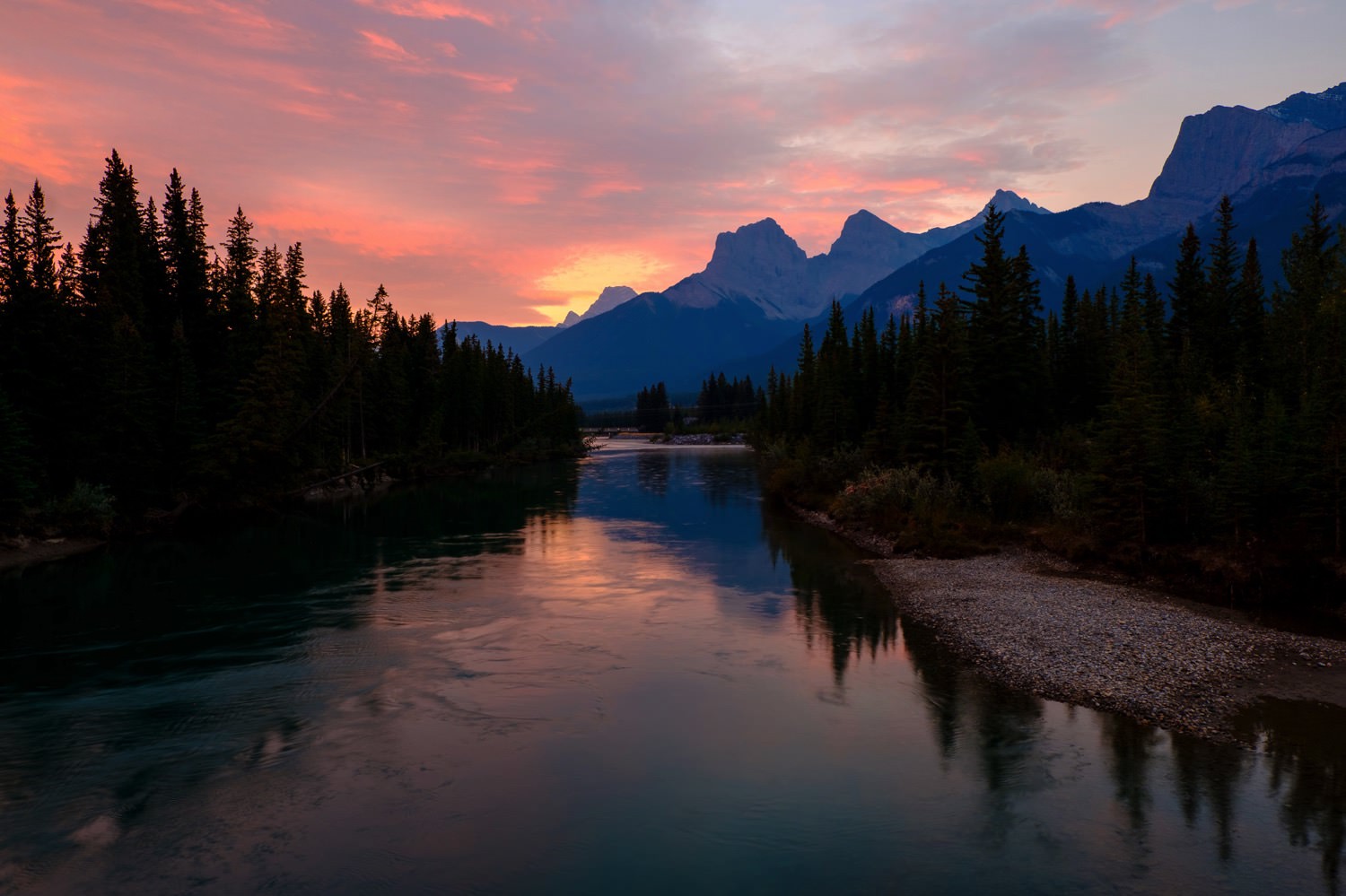
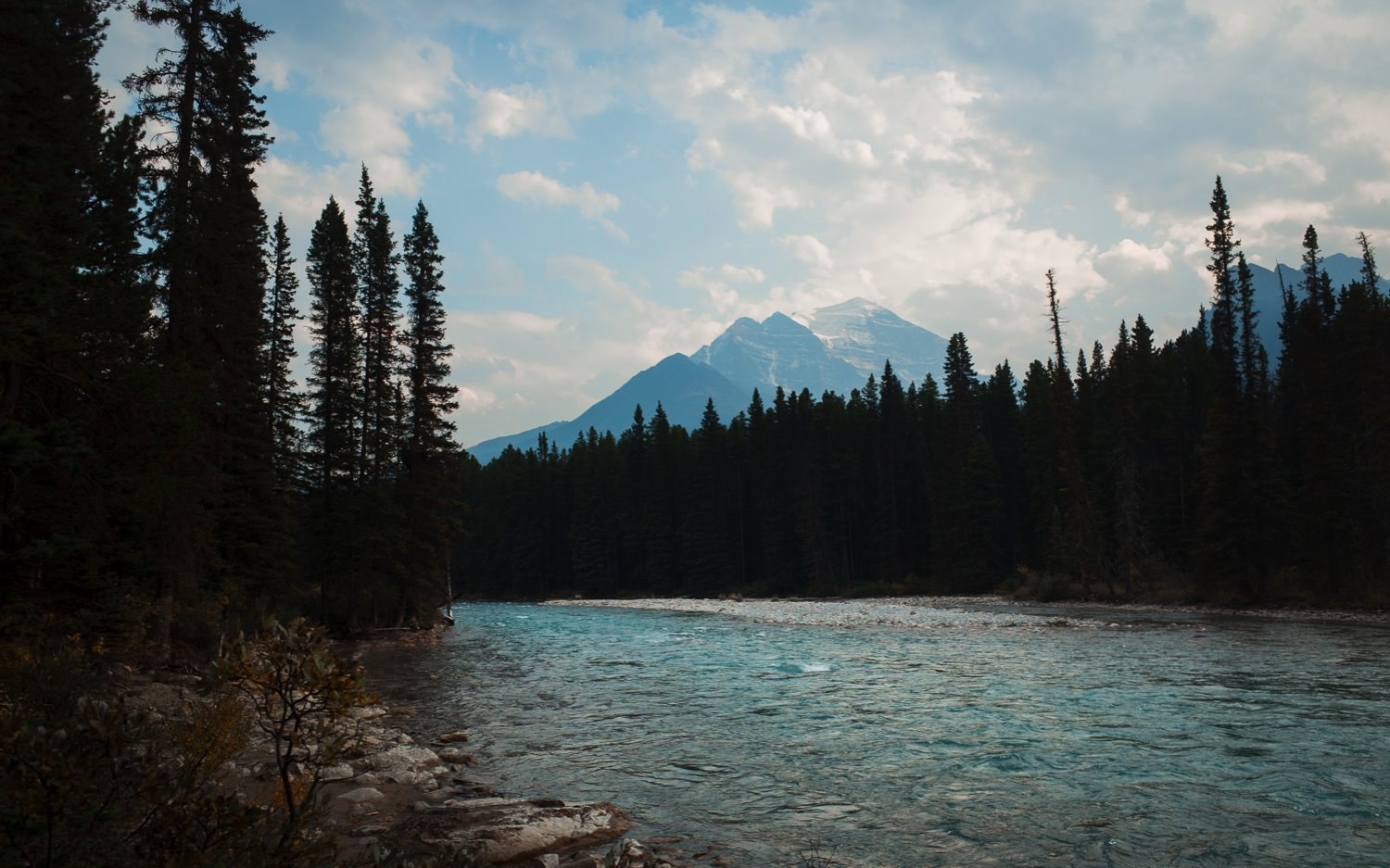
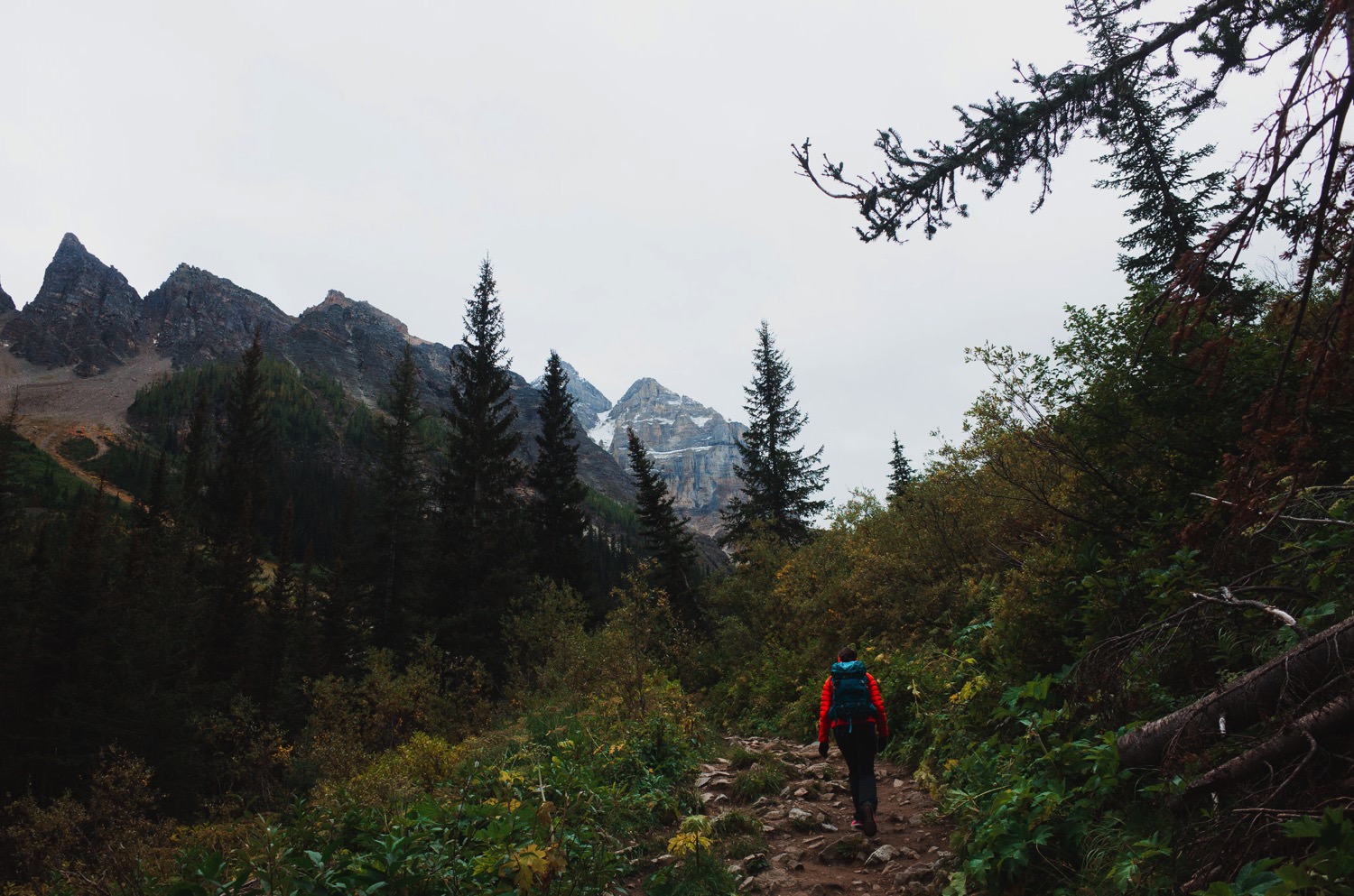
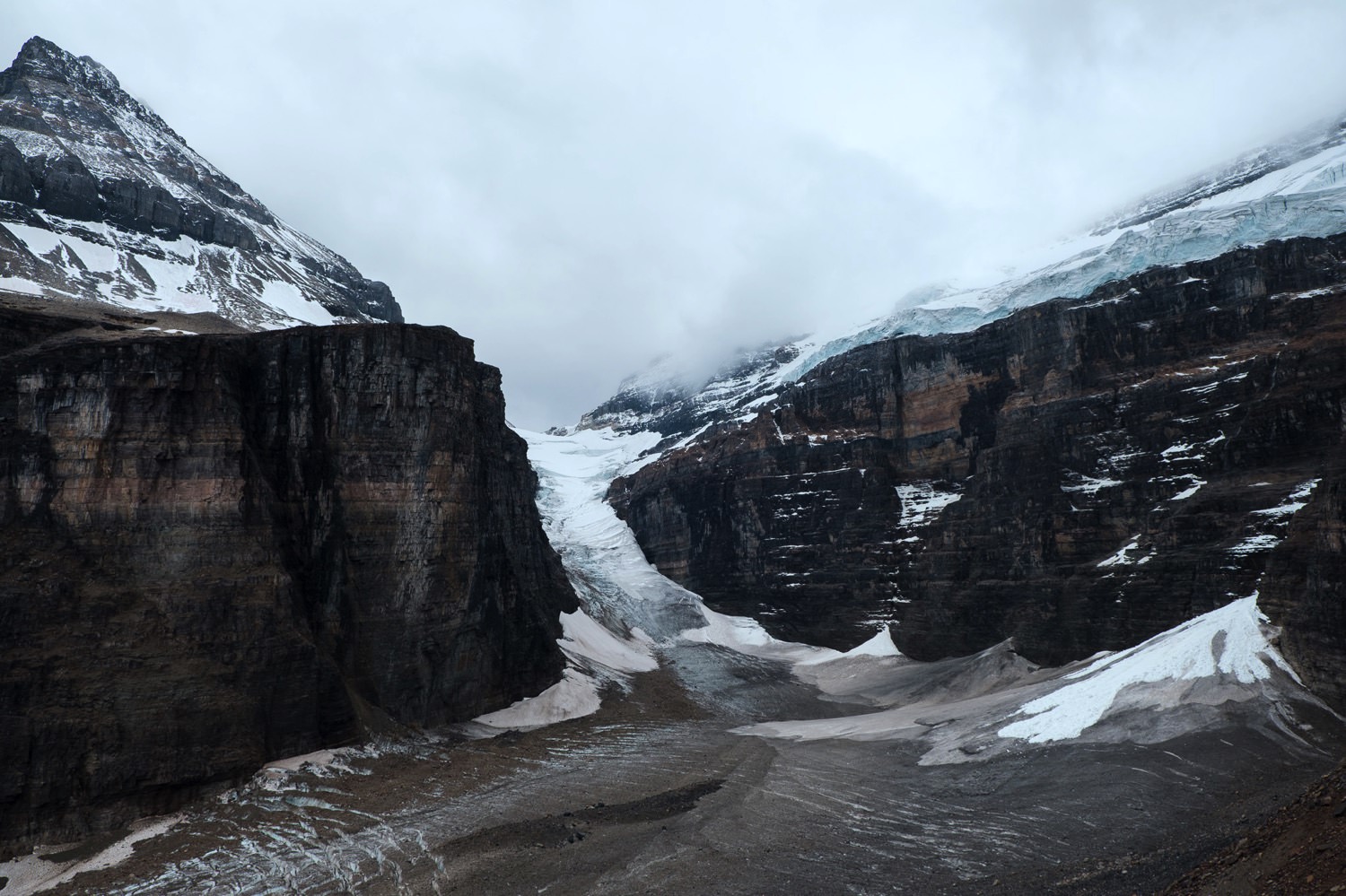
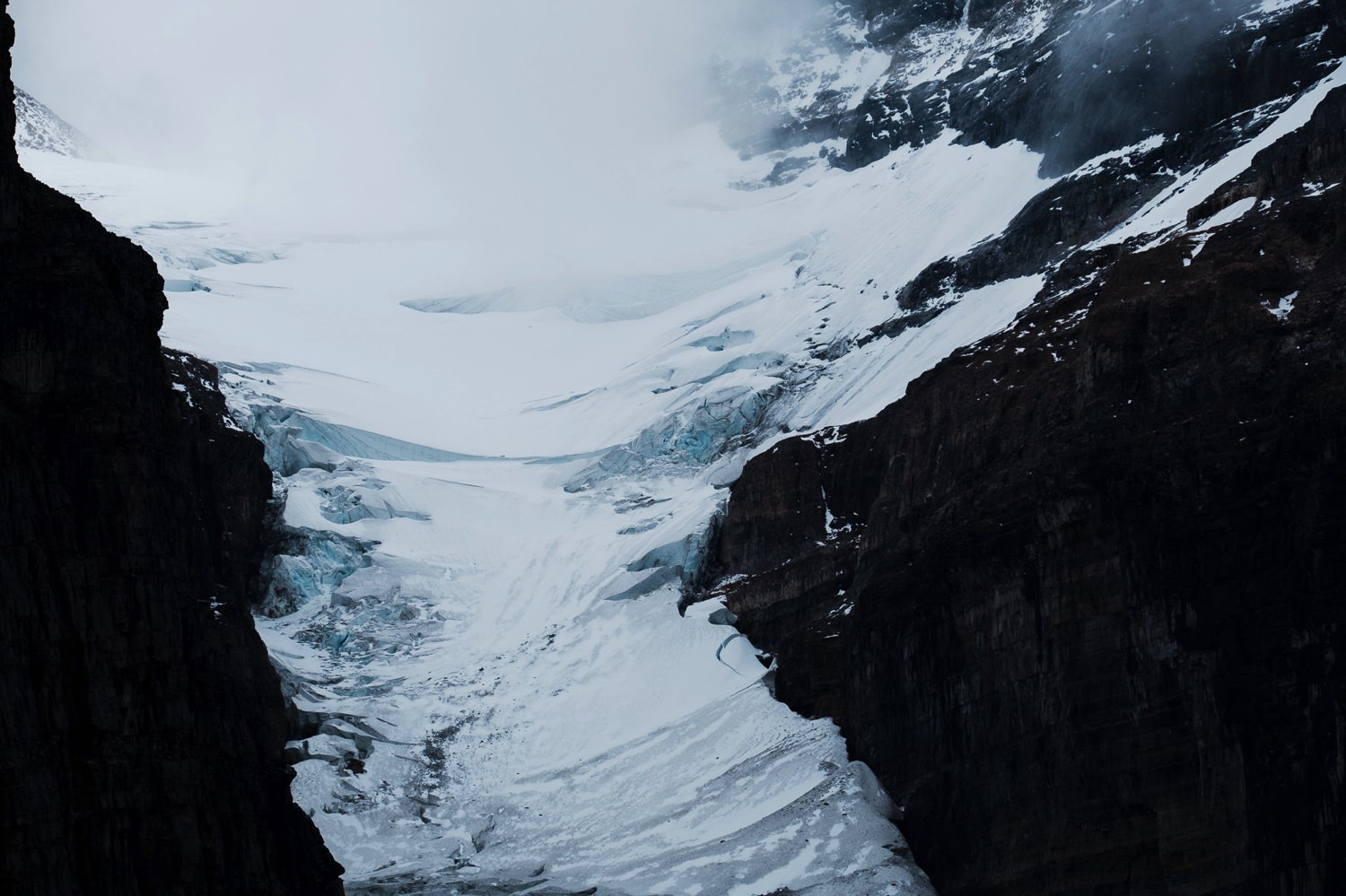
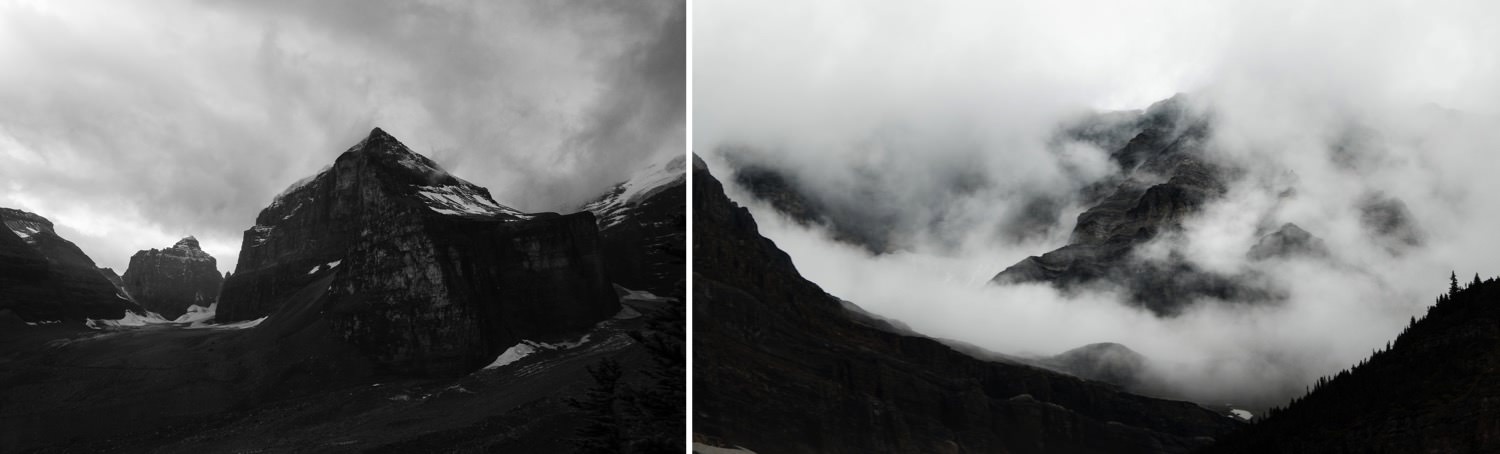
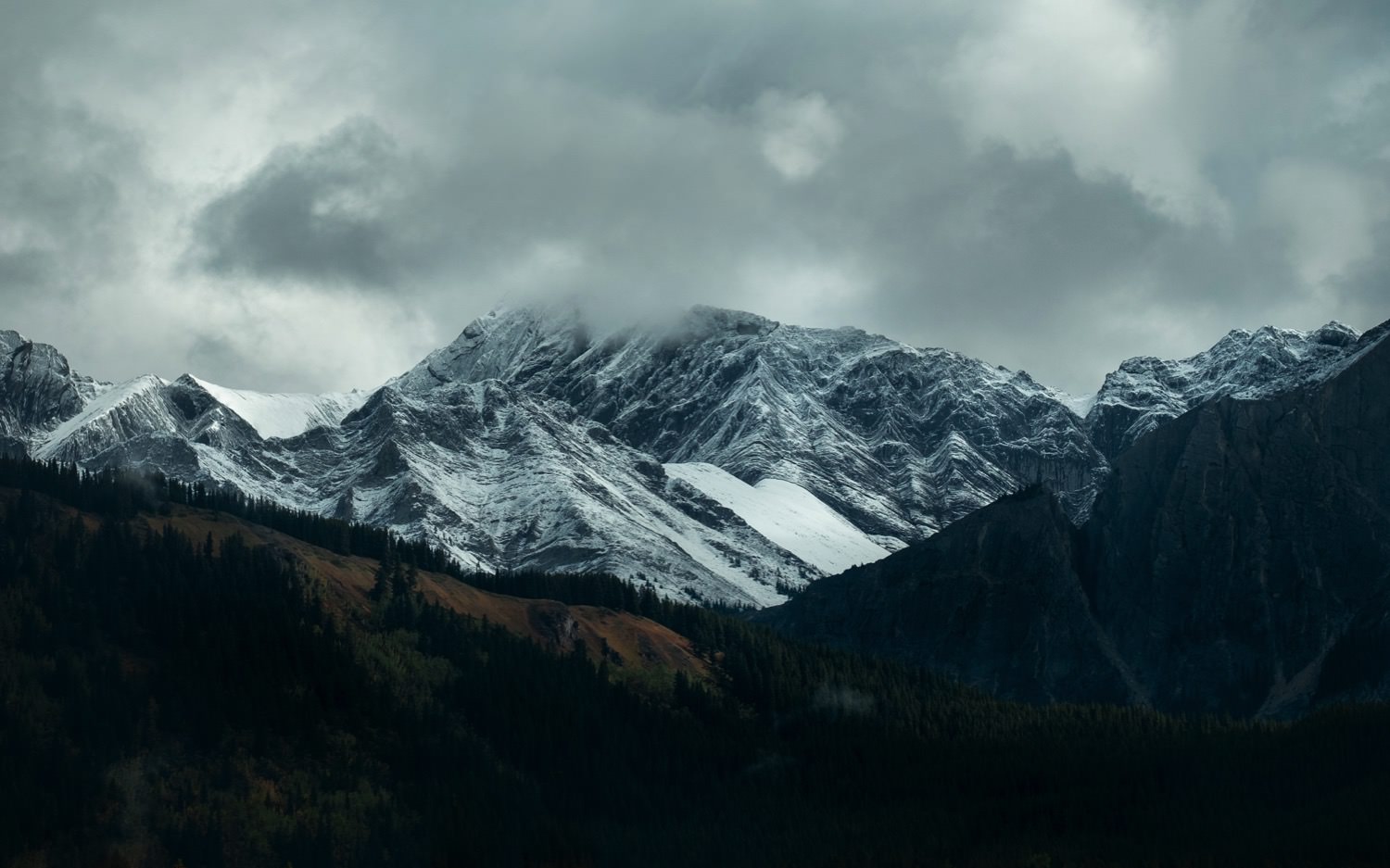
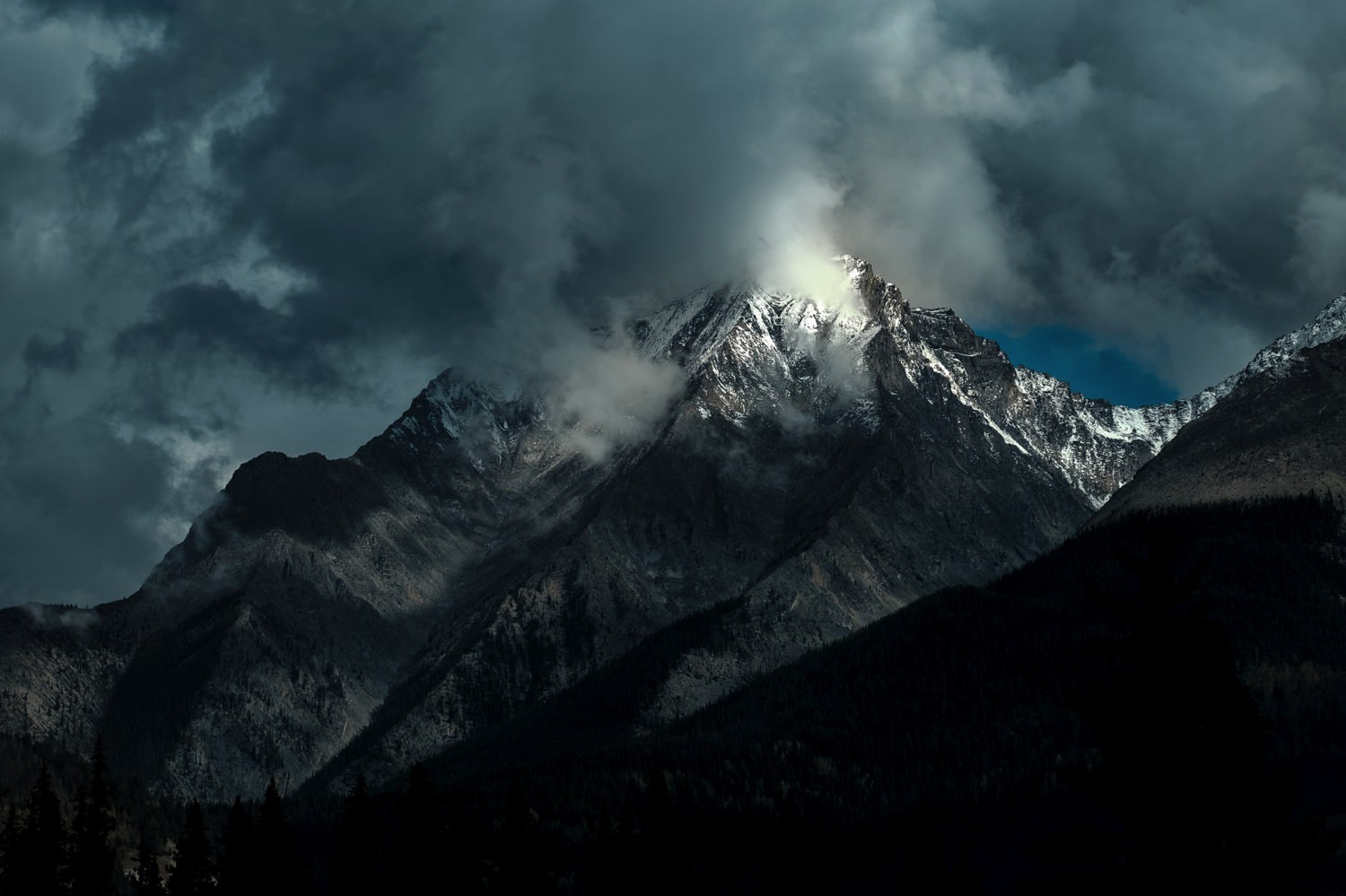
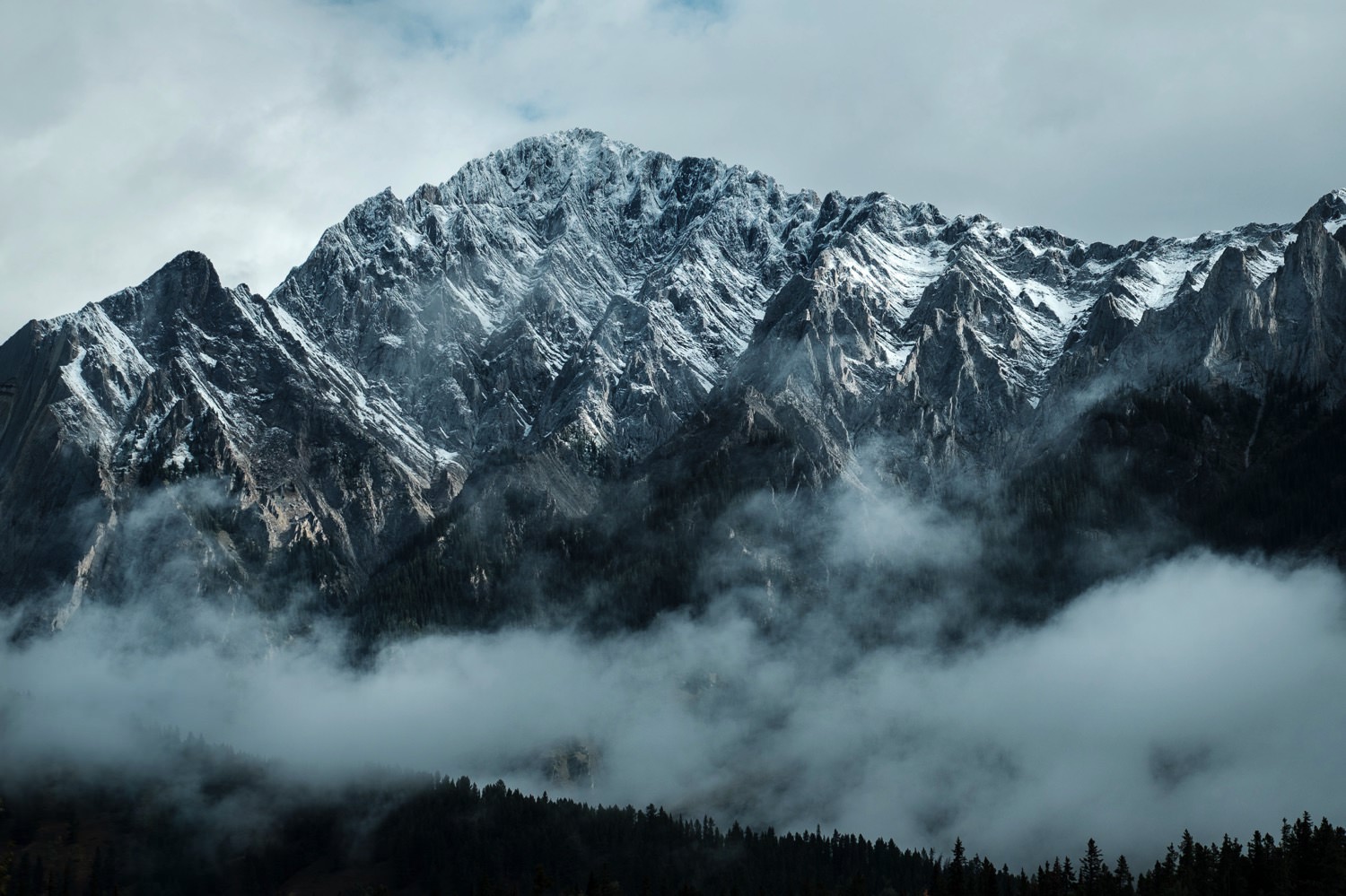
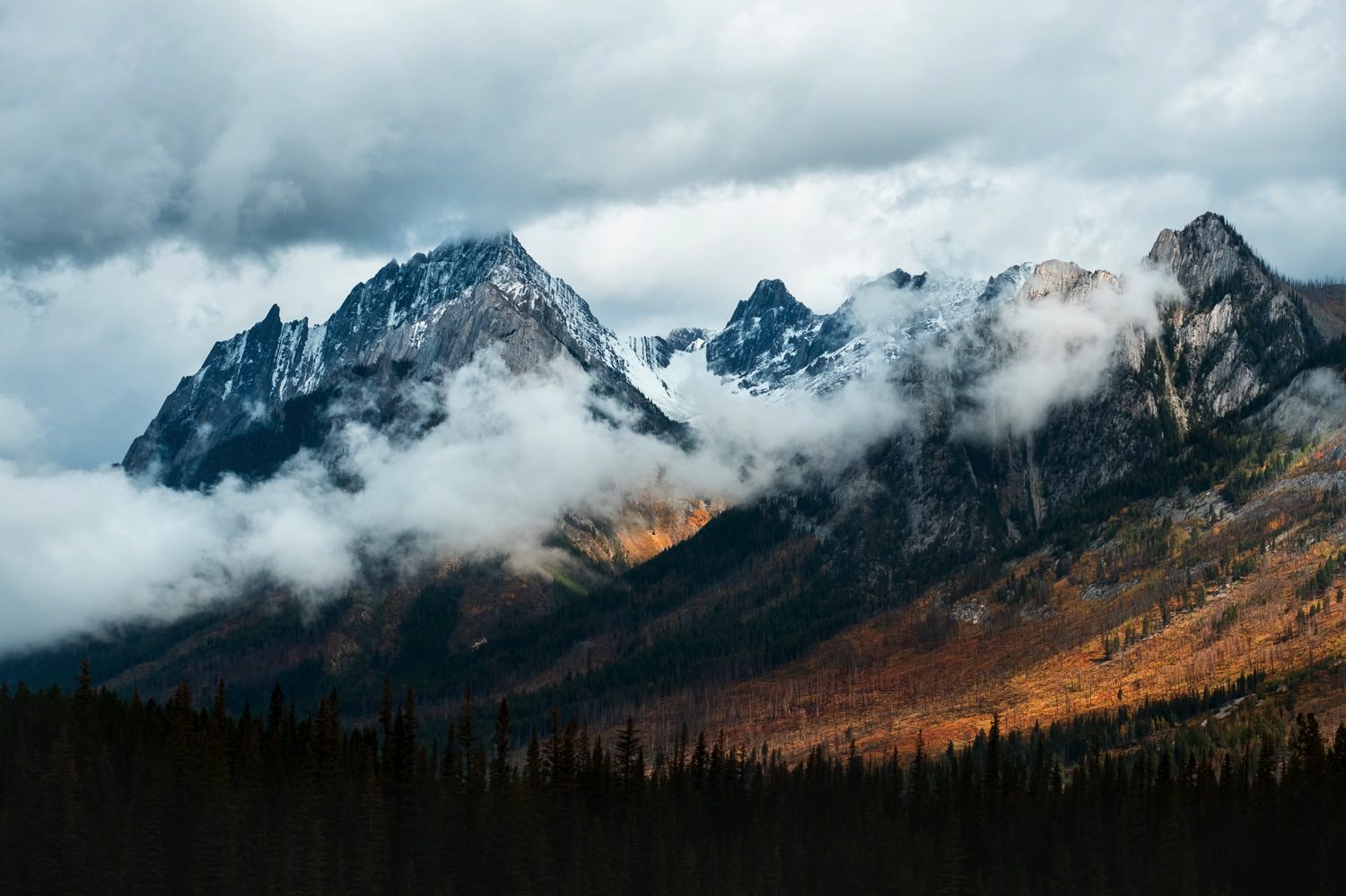
This being our first trip to Banff, naturally we’d have to see all the classic spots. Fortunately showing up before the sun rises and around dinner time dilutes the crowd quite a bit at both Lake Louise and Moraine Lake. The Banff area was visually spectacular and certainly worth a trip. We were gifted with a bit of cold rain while we were there which resulted in the first snow of the year in the mountains and a beautiful fresh dusting atop the Rocky Mountain range. Lake Louise was alright, but Lake Moraine certainly lived up to the hype.
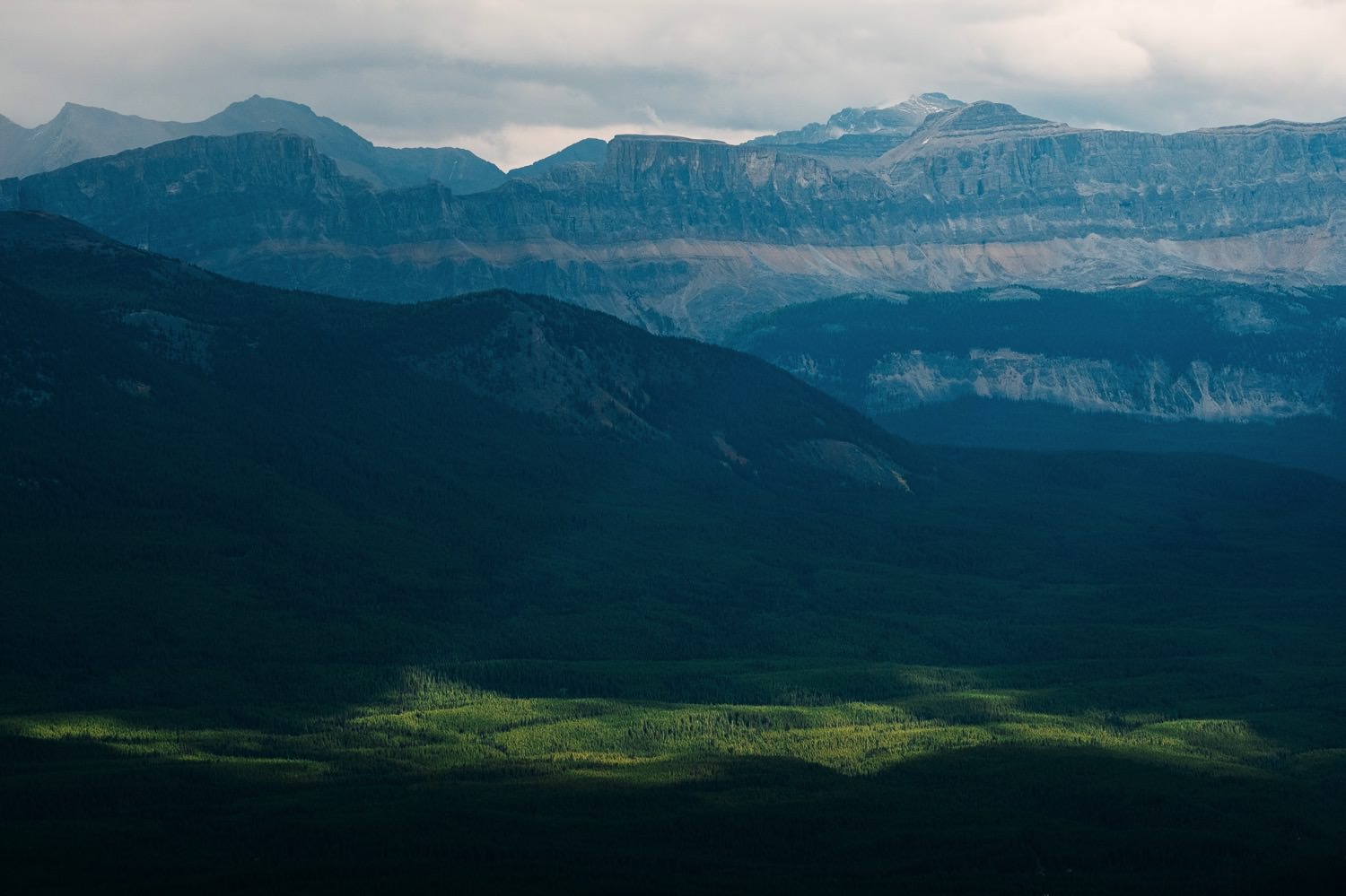
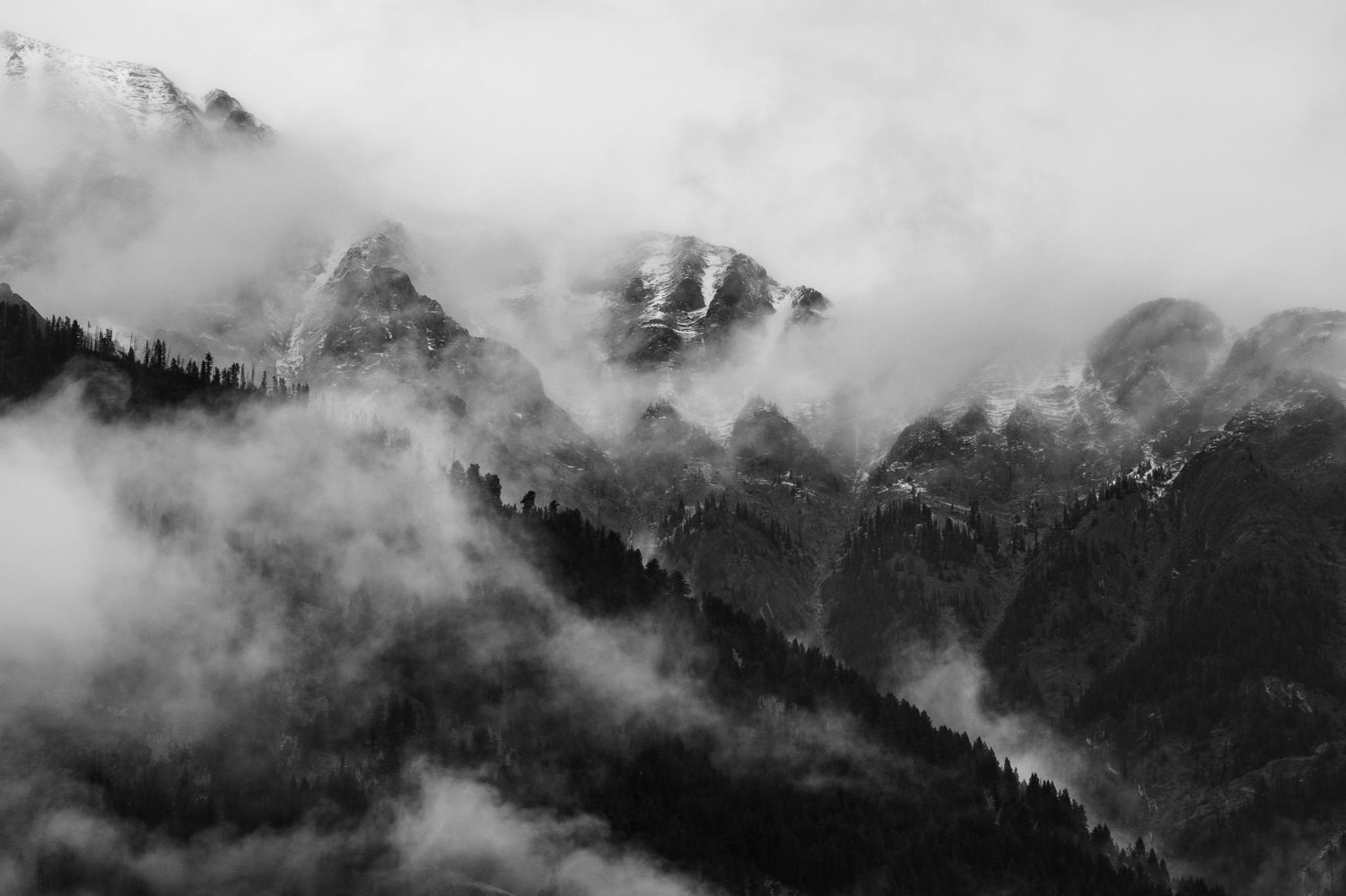
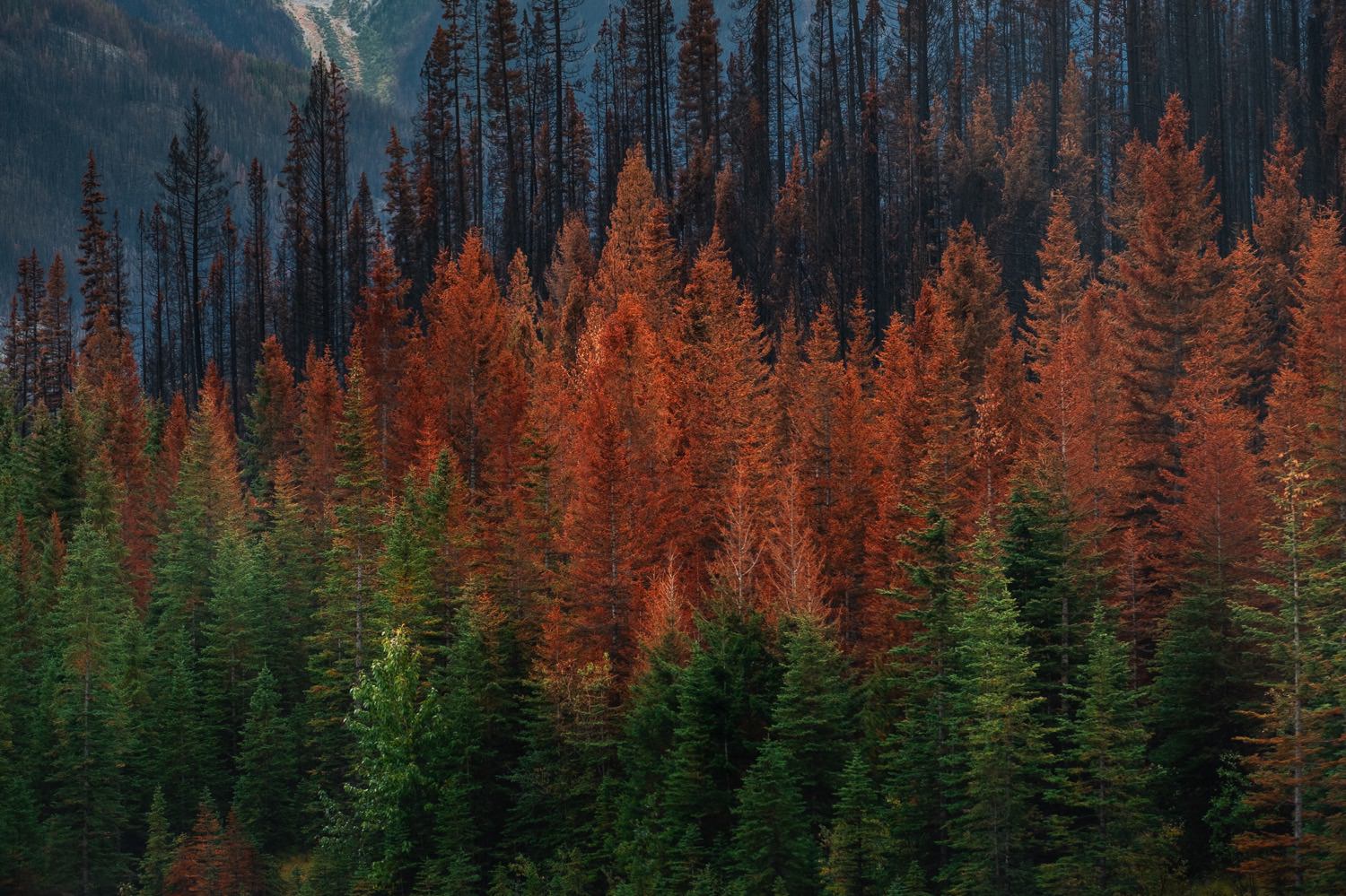
But it wasn’t just about those iconic lakes, the whole area is absolutely stunning. Simply driving through on that portion of the Trans-Canada Hwy offers incredible vistas of the staggering formations of the Canadian Rockies. We only scratched the surface during our time there and are already looking forward to returning to the area and exploring further out than we did on this trip.
Anyway, enough blabbering on about, here’s where we went, what we saw, and bit of how it looked inbetween.
(Oh and if find yourself in the town of Banff and are a normal ice cream eating human being, I highly recommend you treat yourself to a visit to Cows (also applicable if find yourself in Whistler, Niagara Falls, or in the far eastern provinces of Canada) for some super rich and delicious ice cream and cow-related puns)









Personal // Iceland Travel Part II // Western Iceland

(If you missed it, be sure to check out the photos from part I of the Iceland journey)
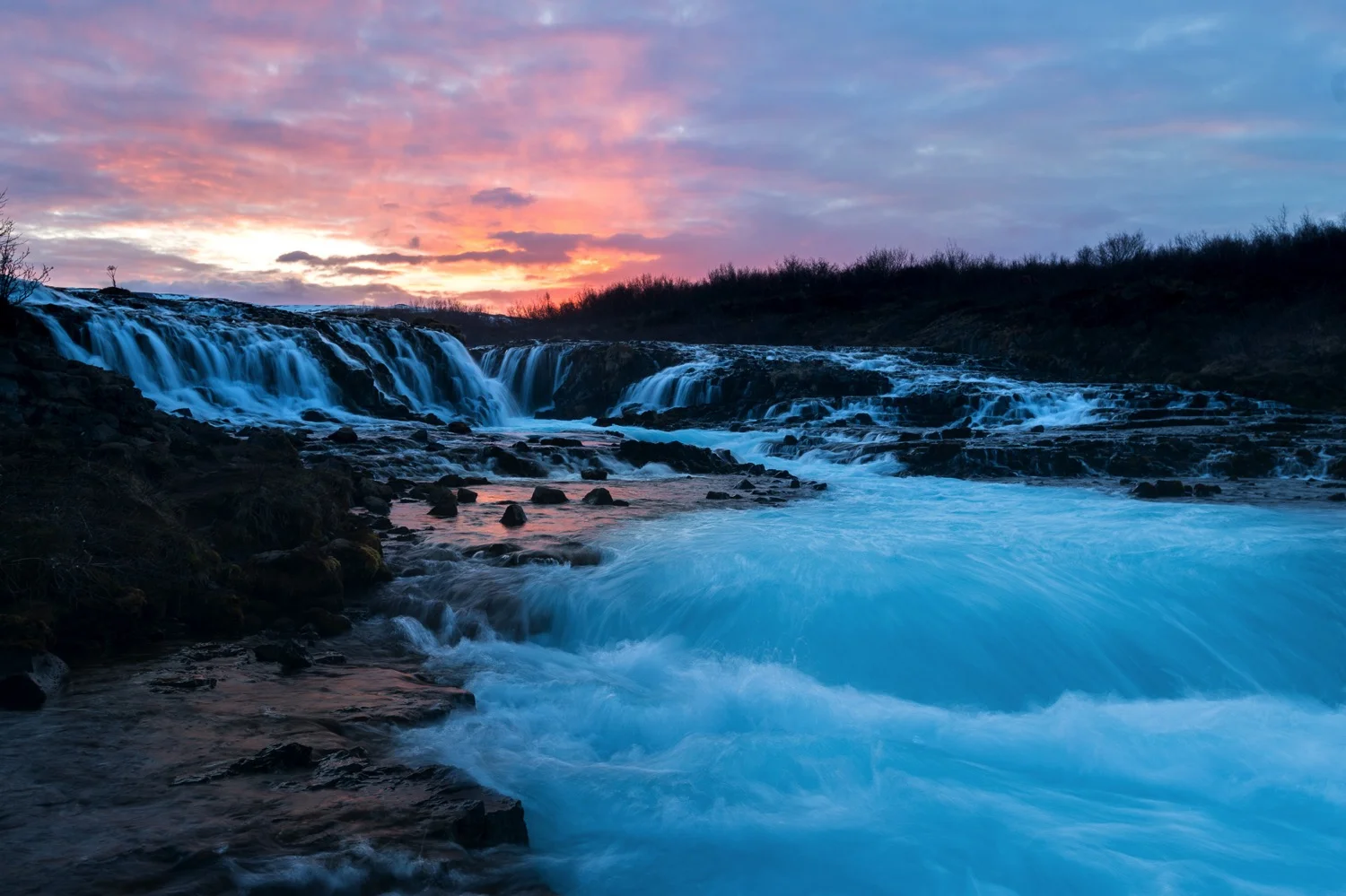
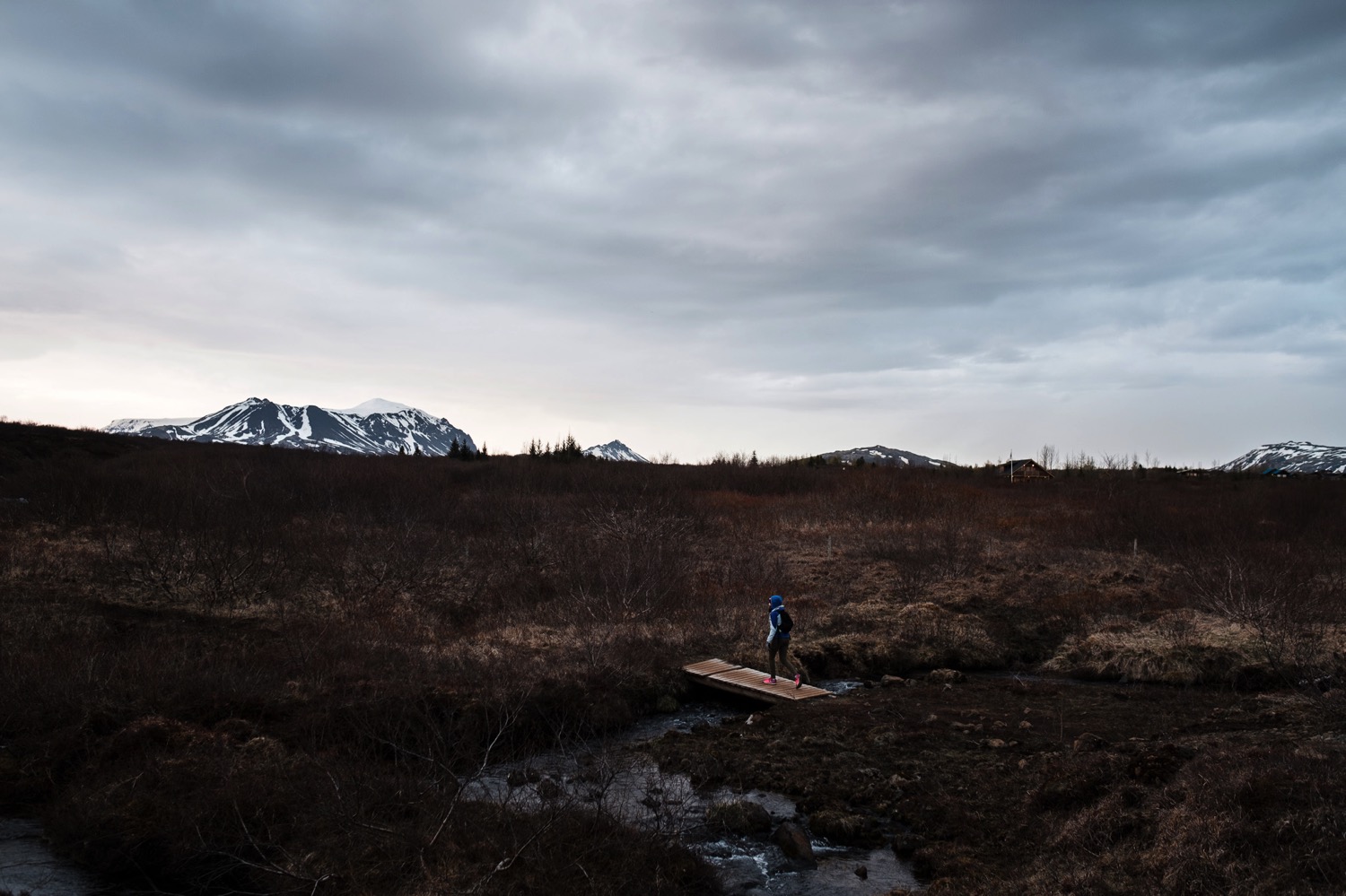
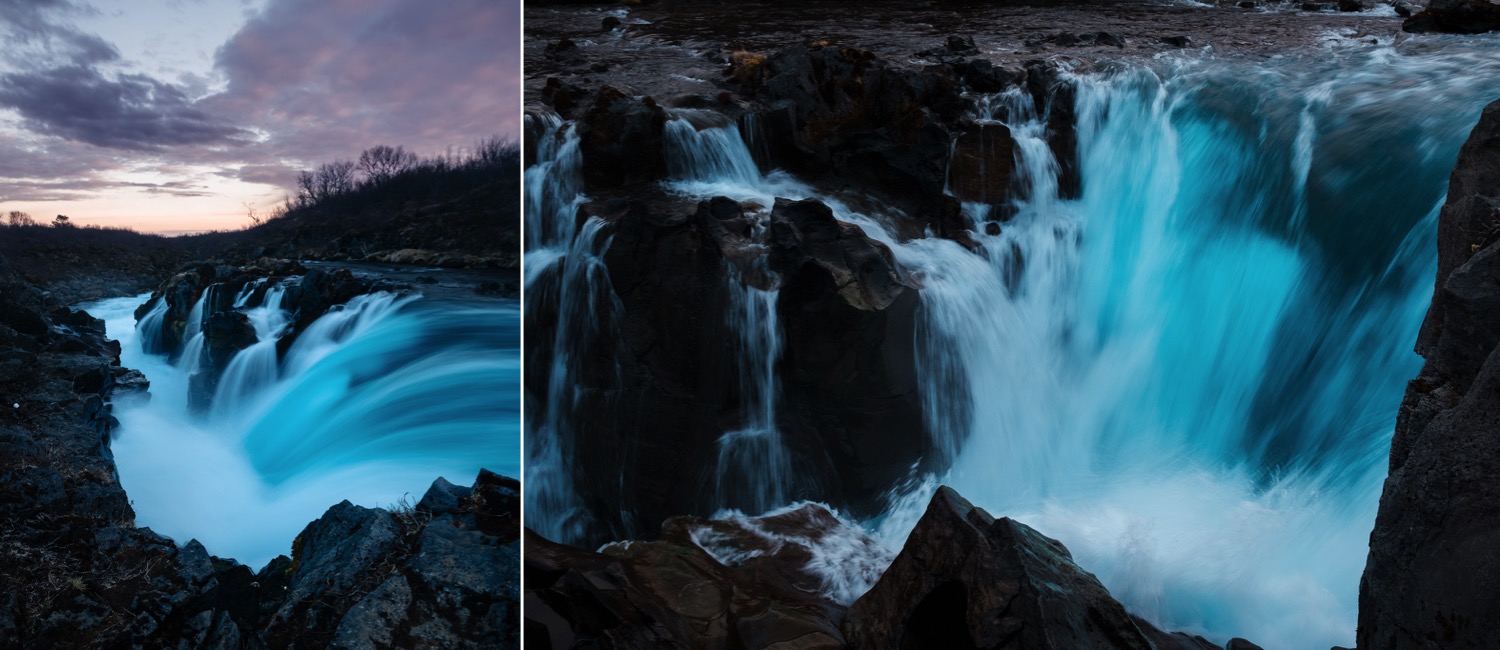
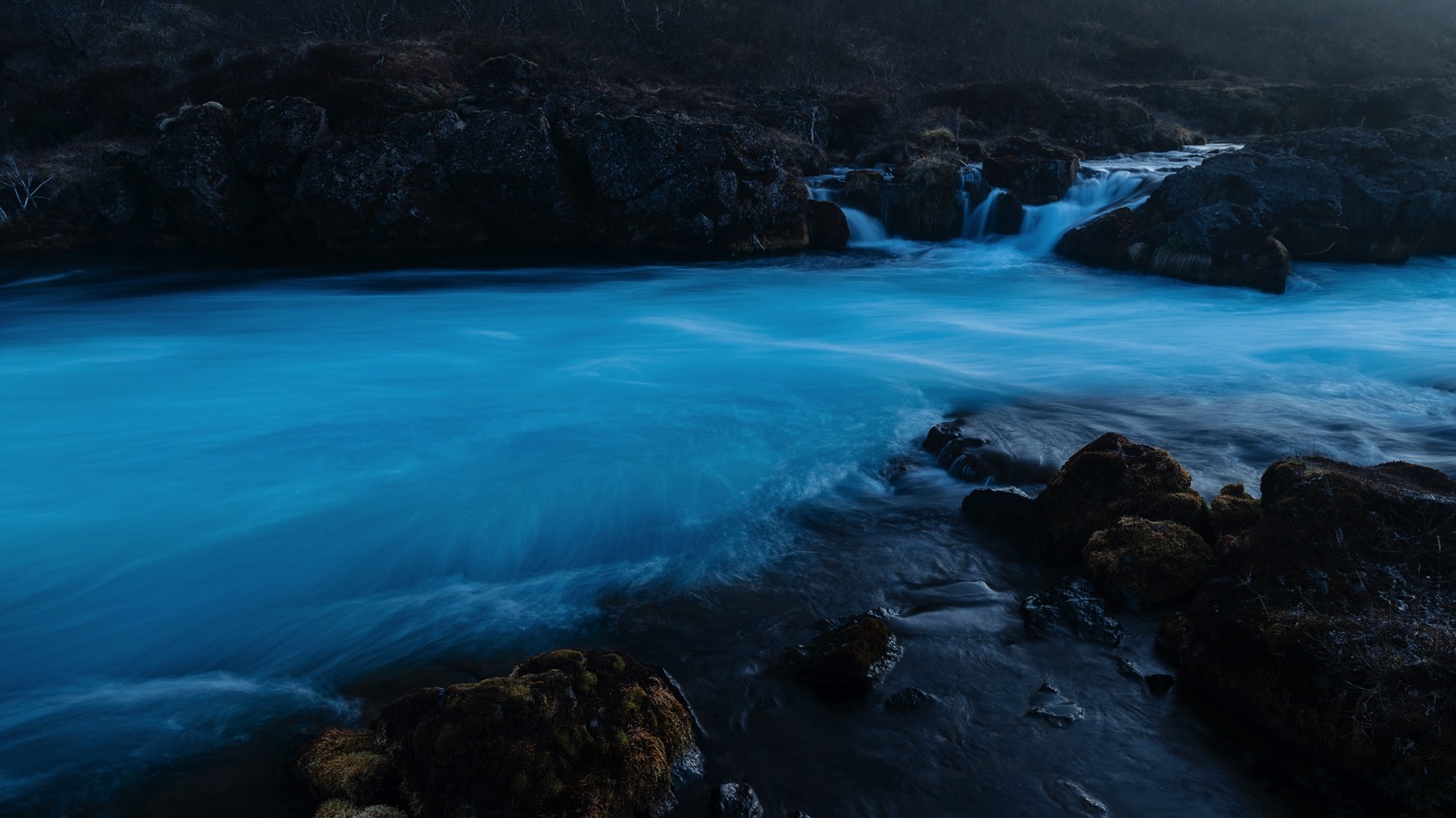
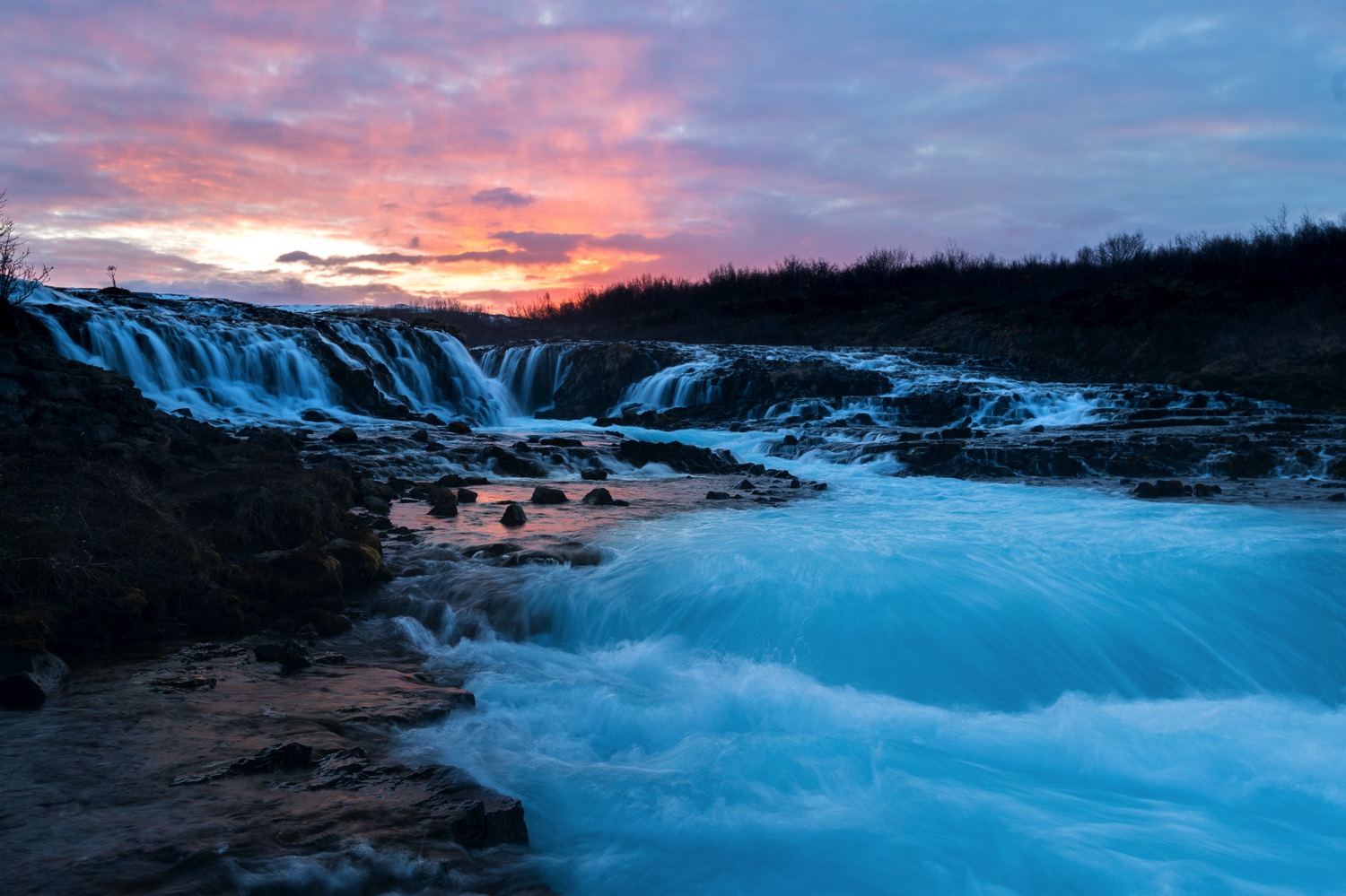
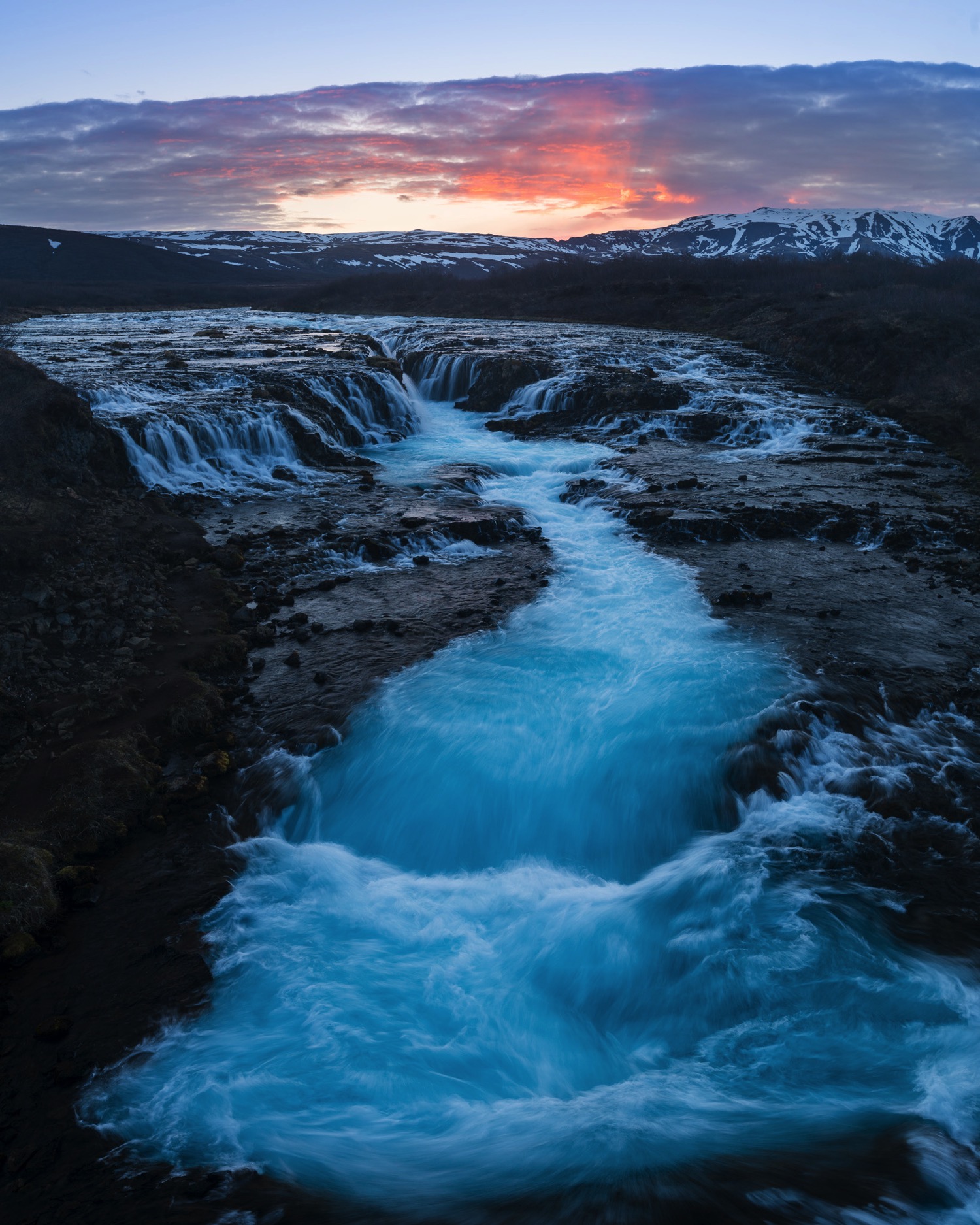
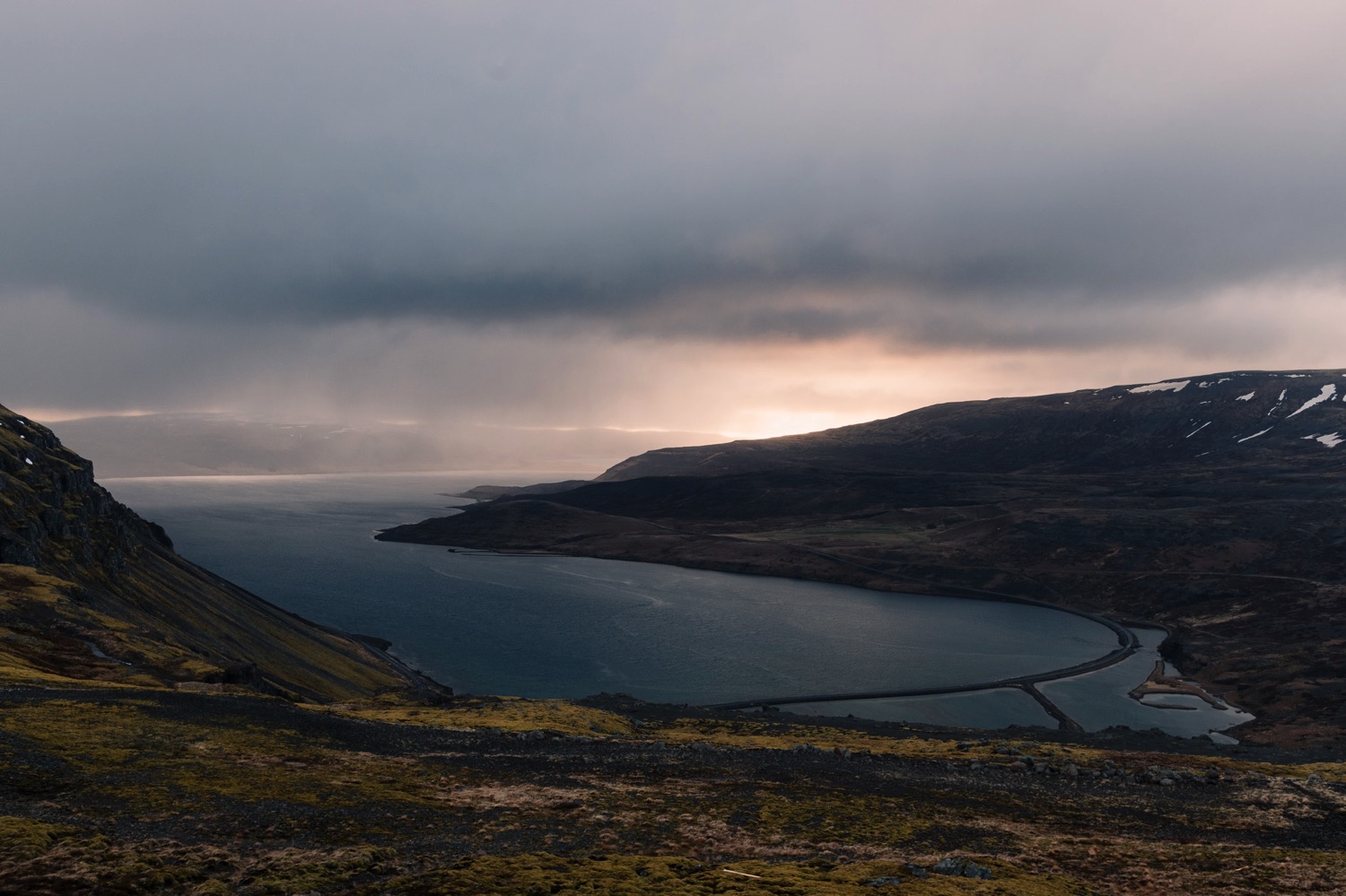
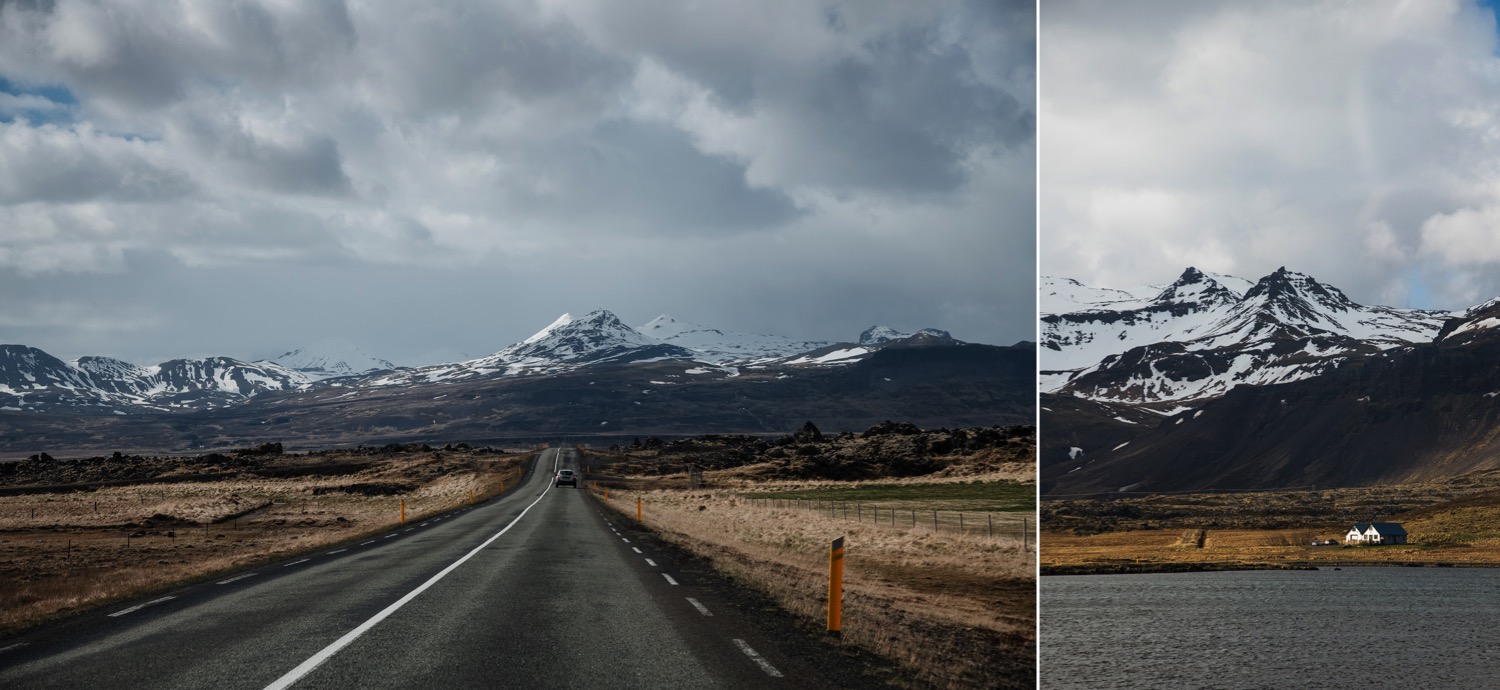
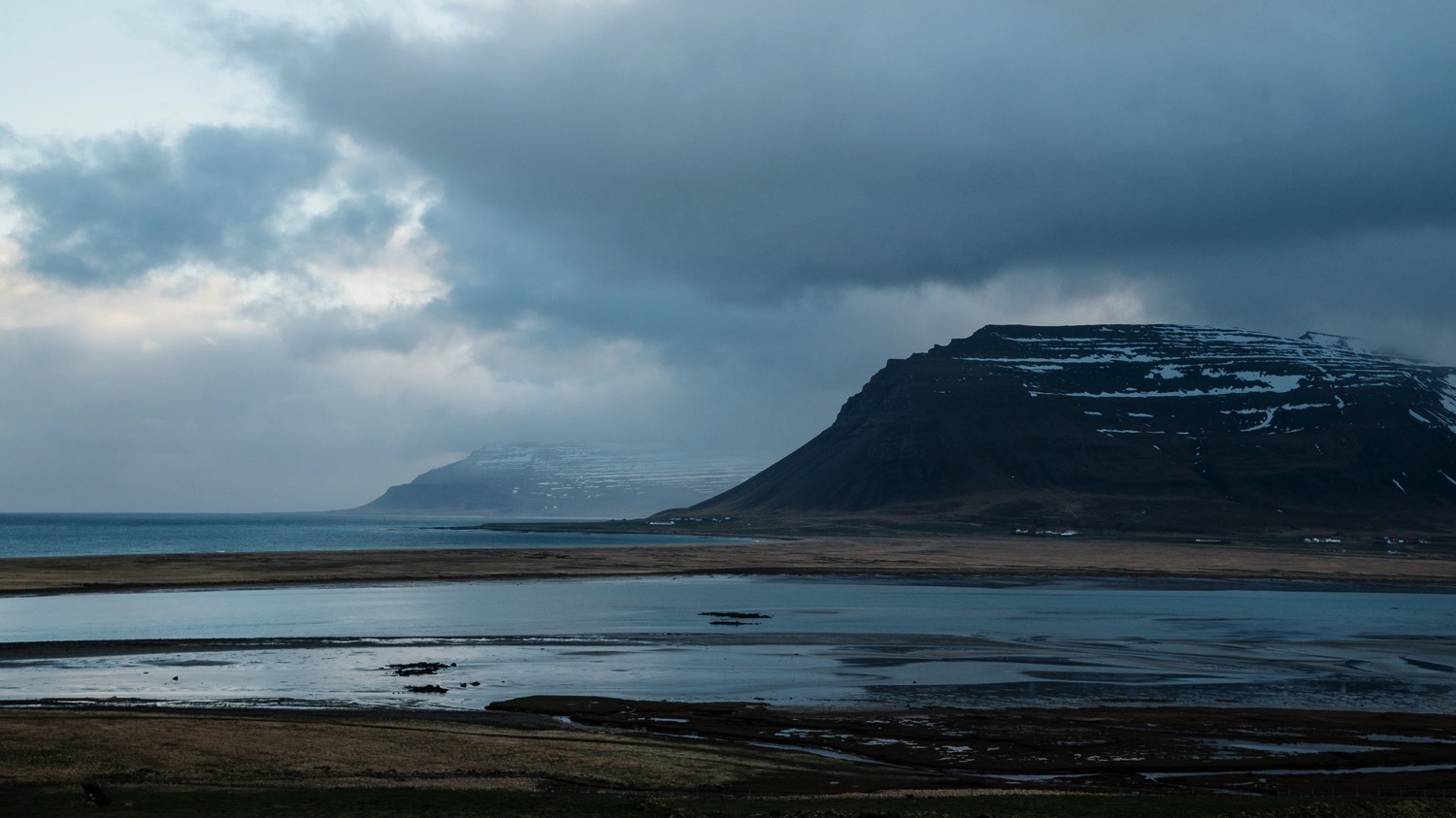
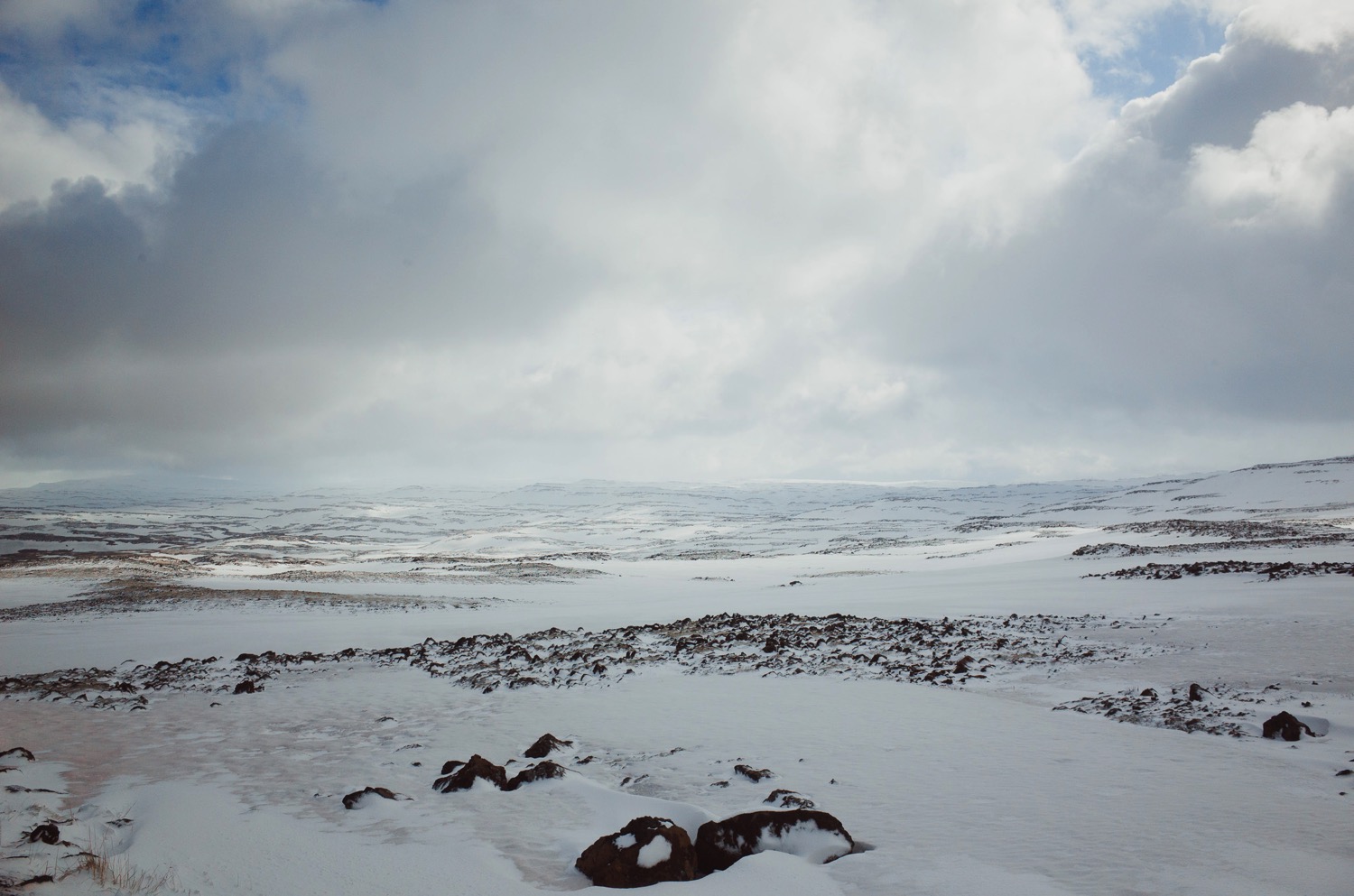
And in part II of the Iceland recap, we wrap up our time in the south and head north to western Iceland (yes, north to western Iceland). First you’ll take a glimpse at the Golden Circle where waterfalls are as plentiful as the tourists. The Golden Circle is most notably home to Gullfoss, a massive multi-tiered waterfall, but it’s also home to Bruarfoss, a lesser known but spectacularly blue waterfall tucked away. (I highly recommend the hike along the river to Bruarfoss).
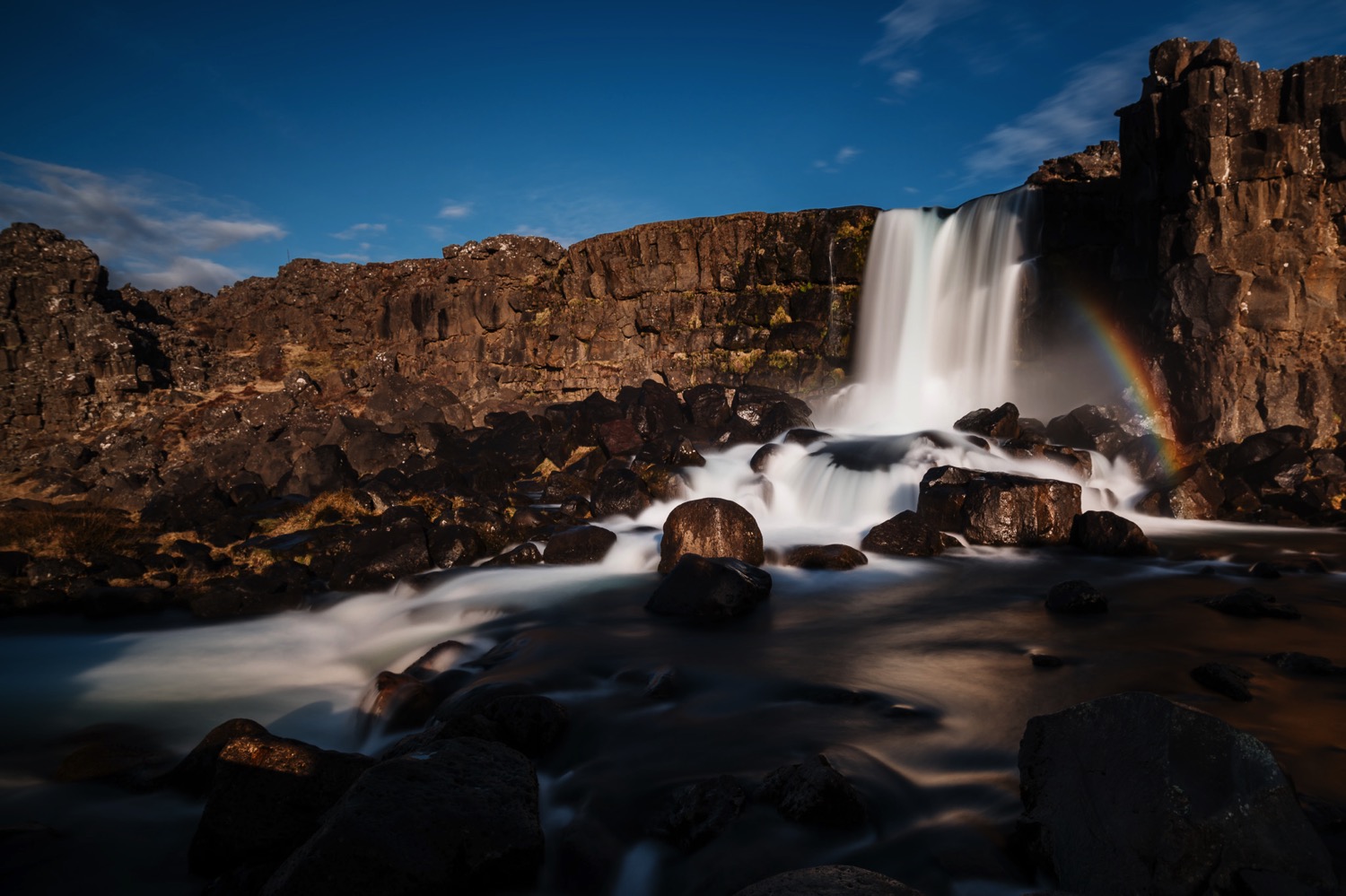
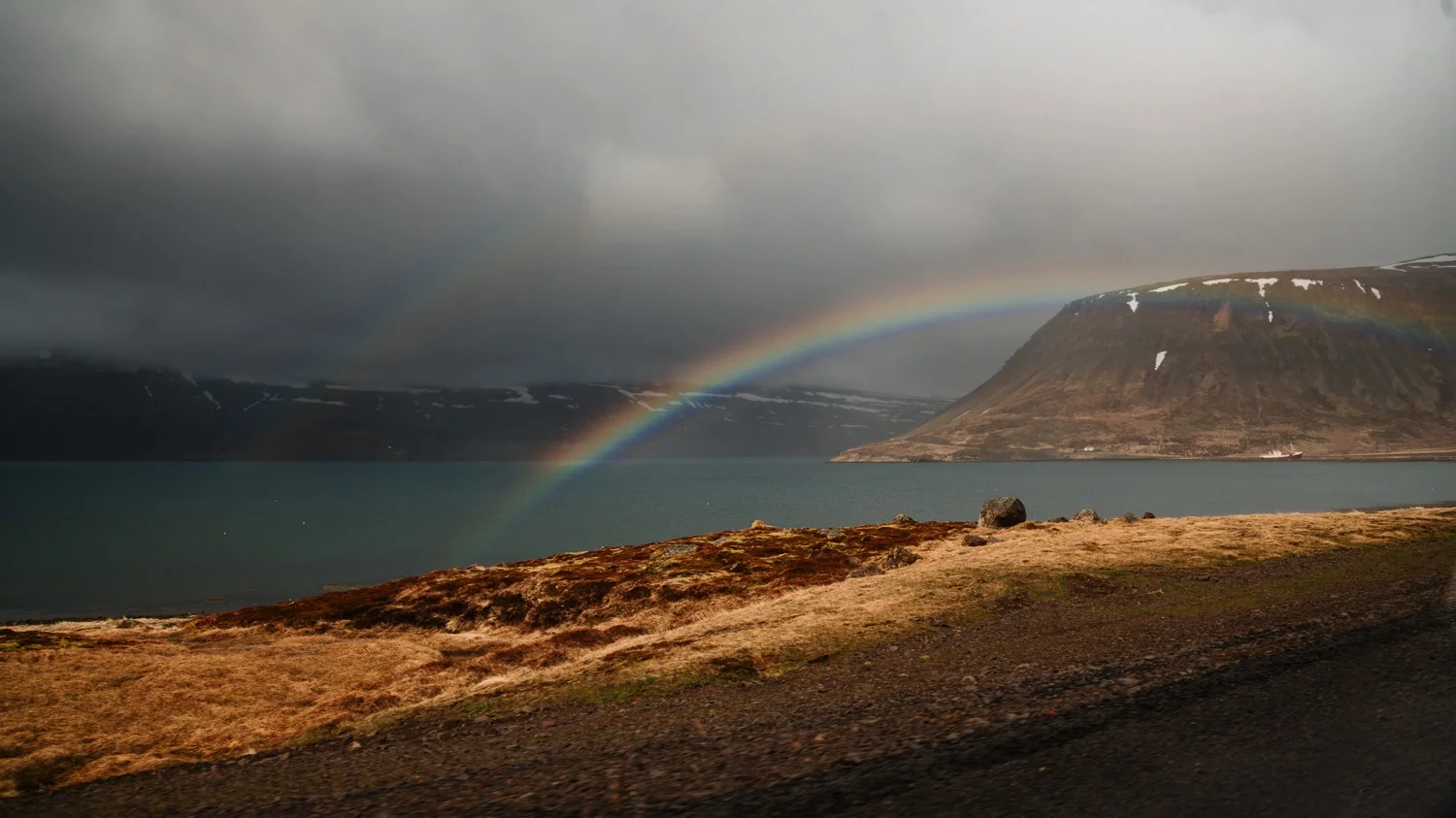
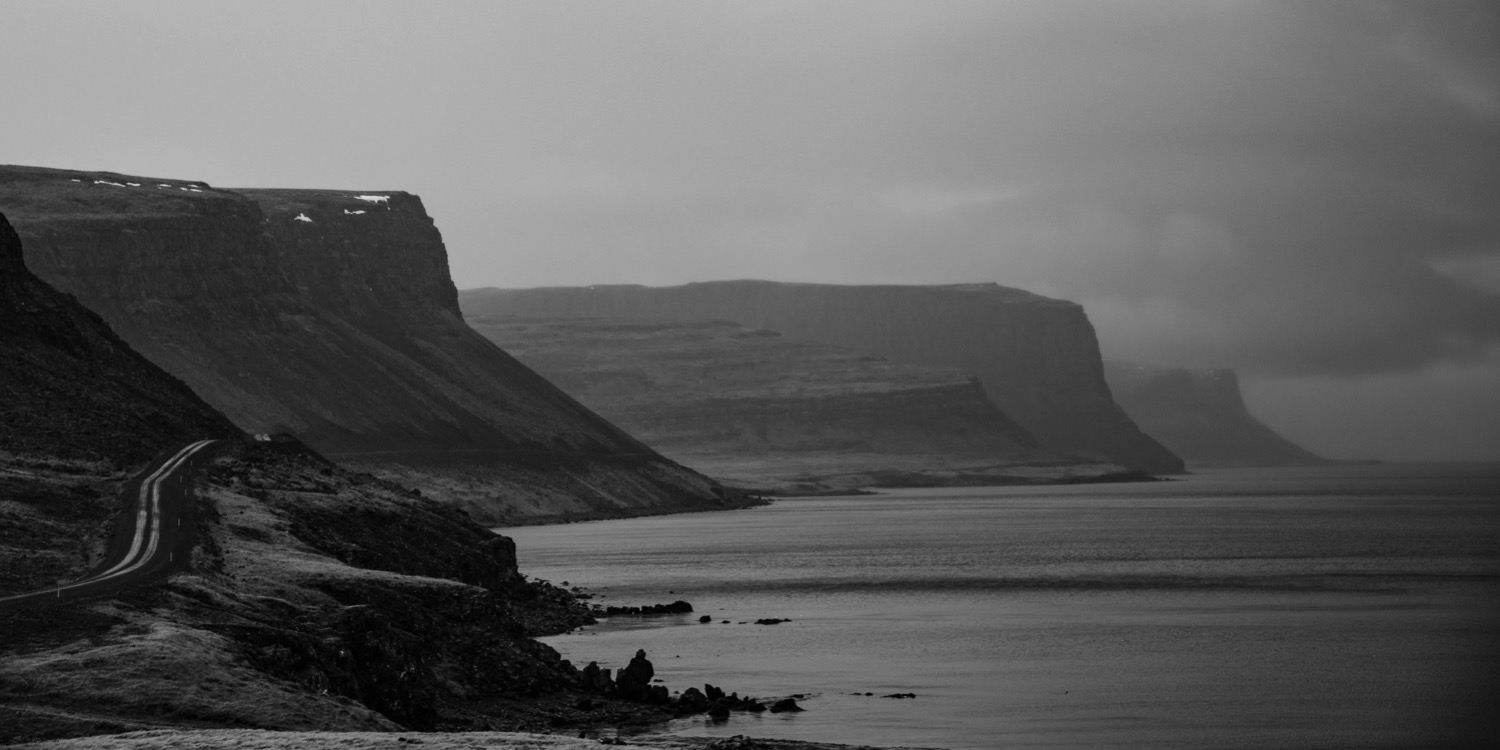
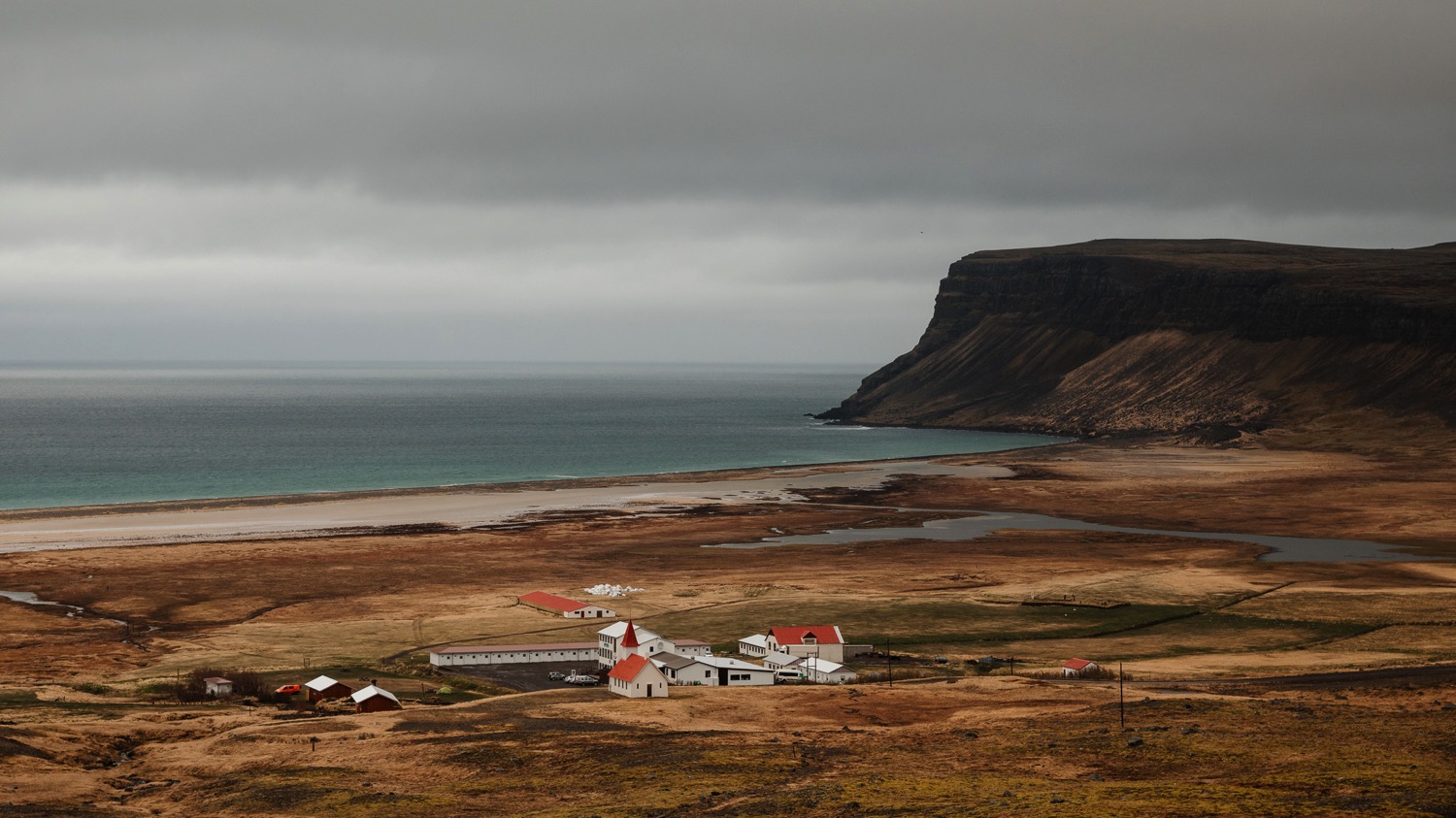
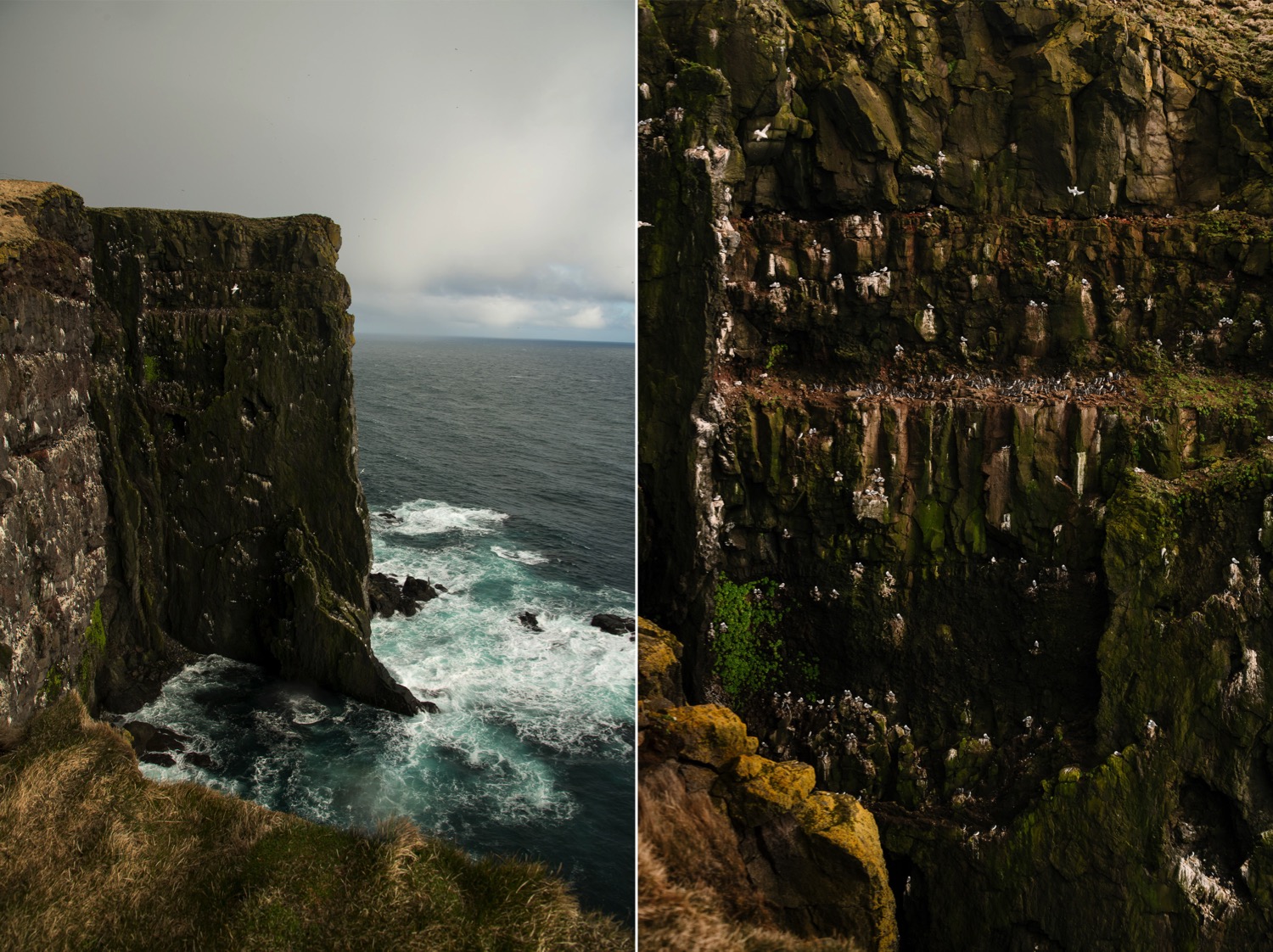
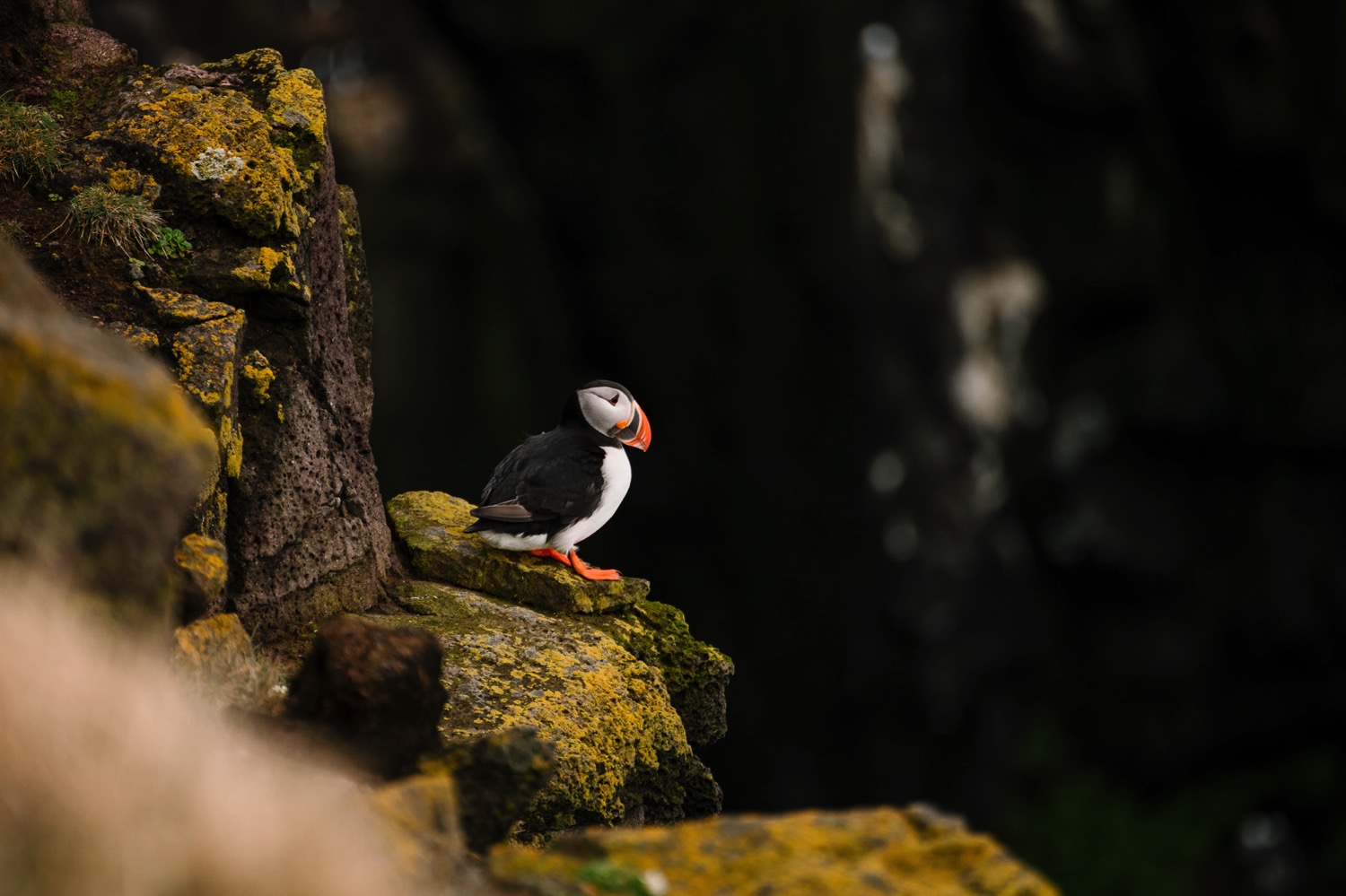
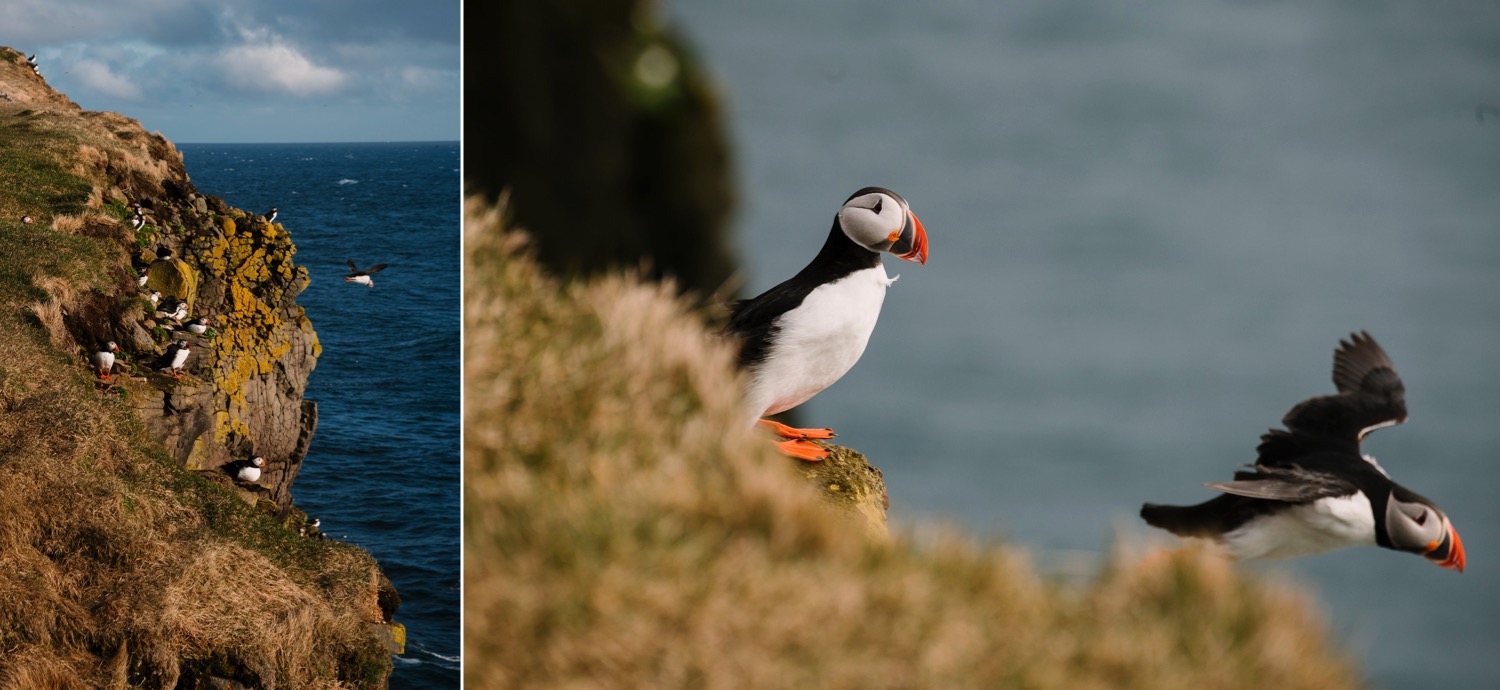
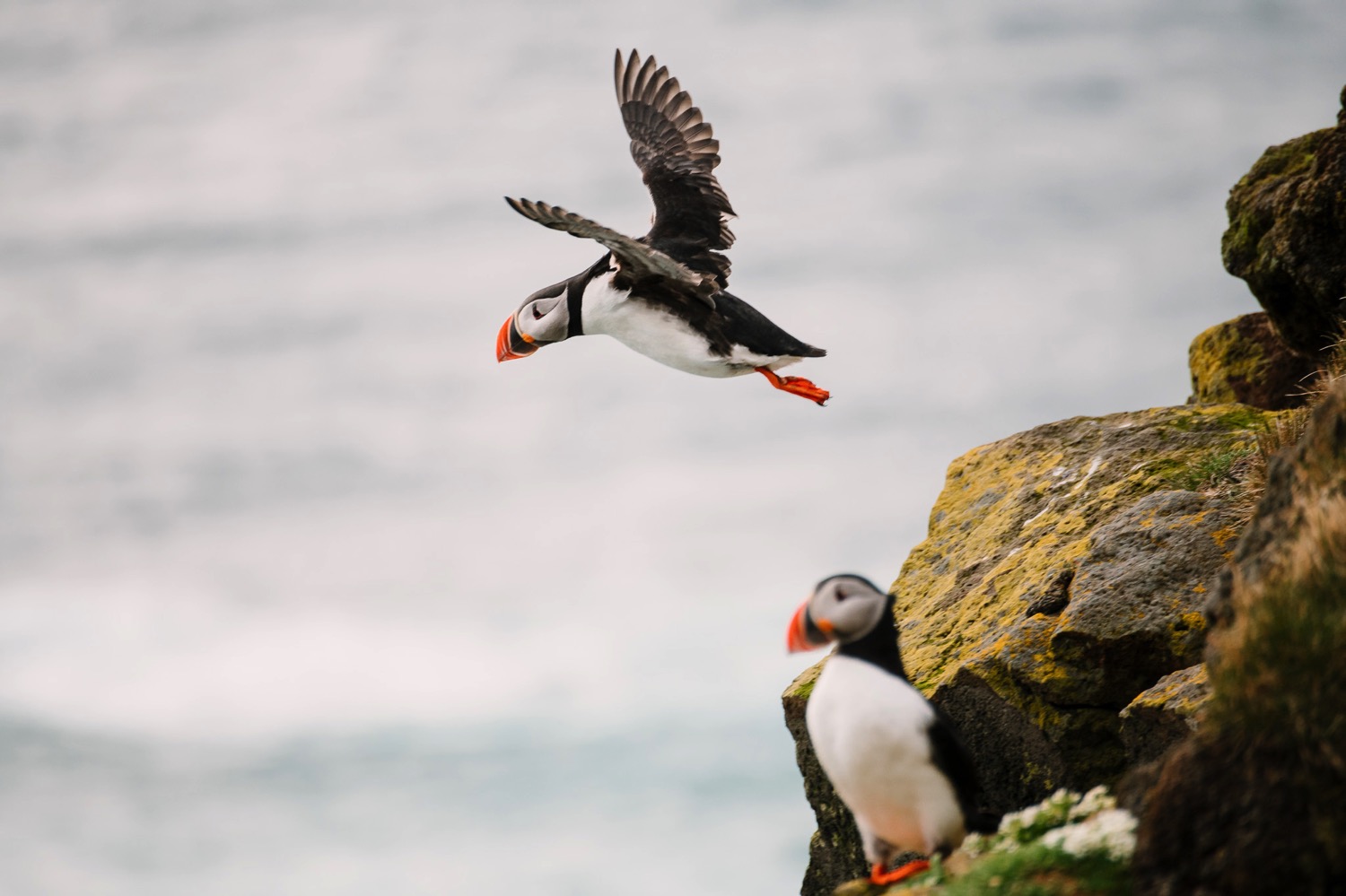
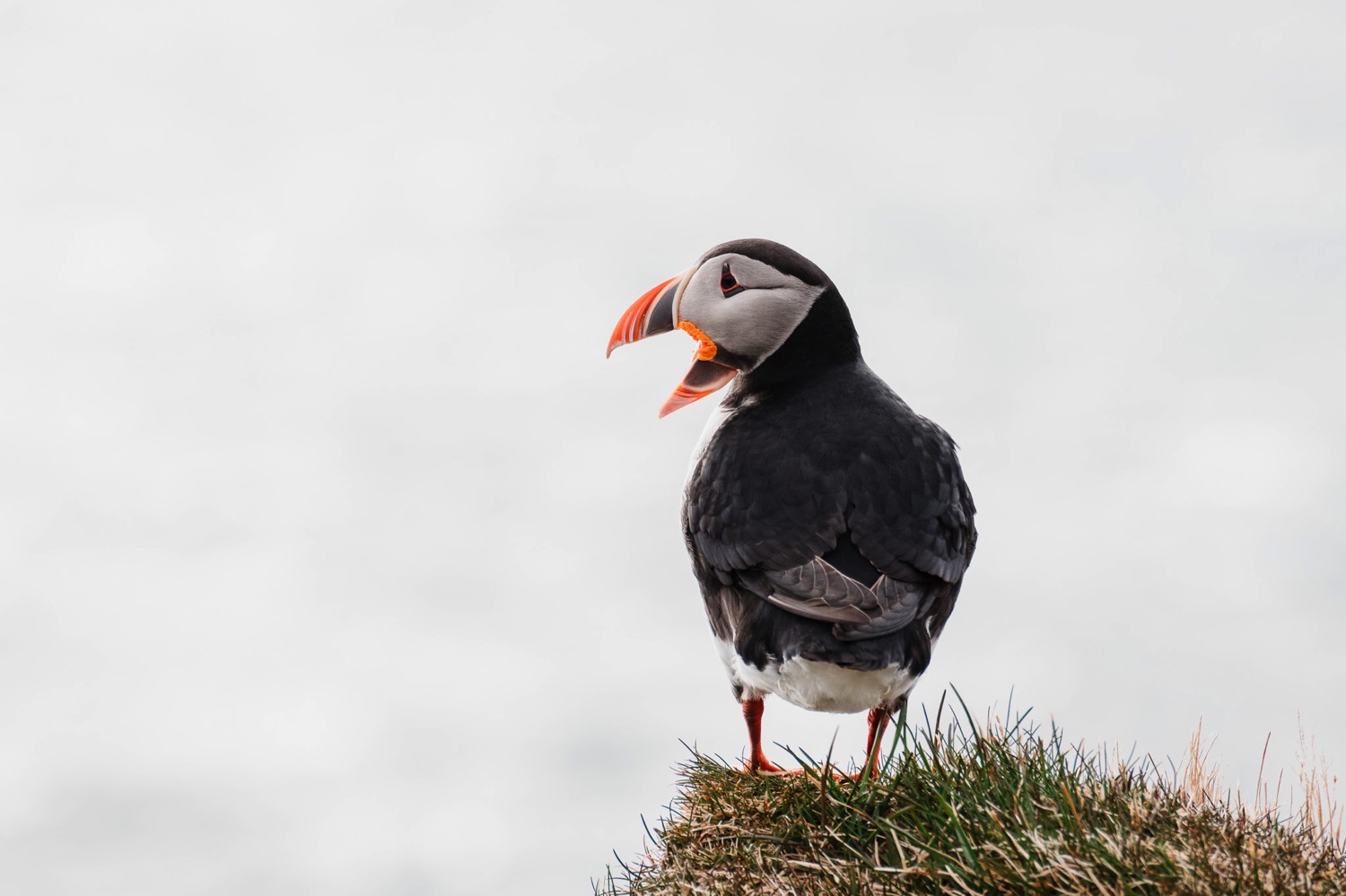
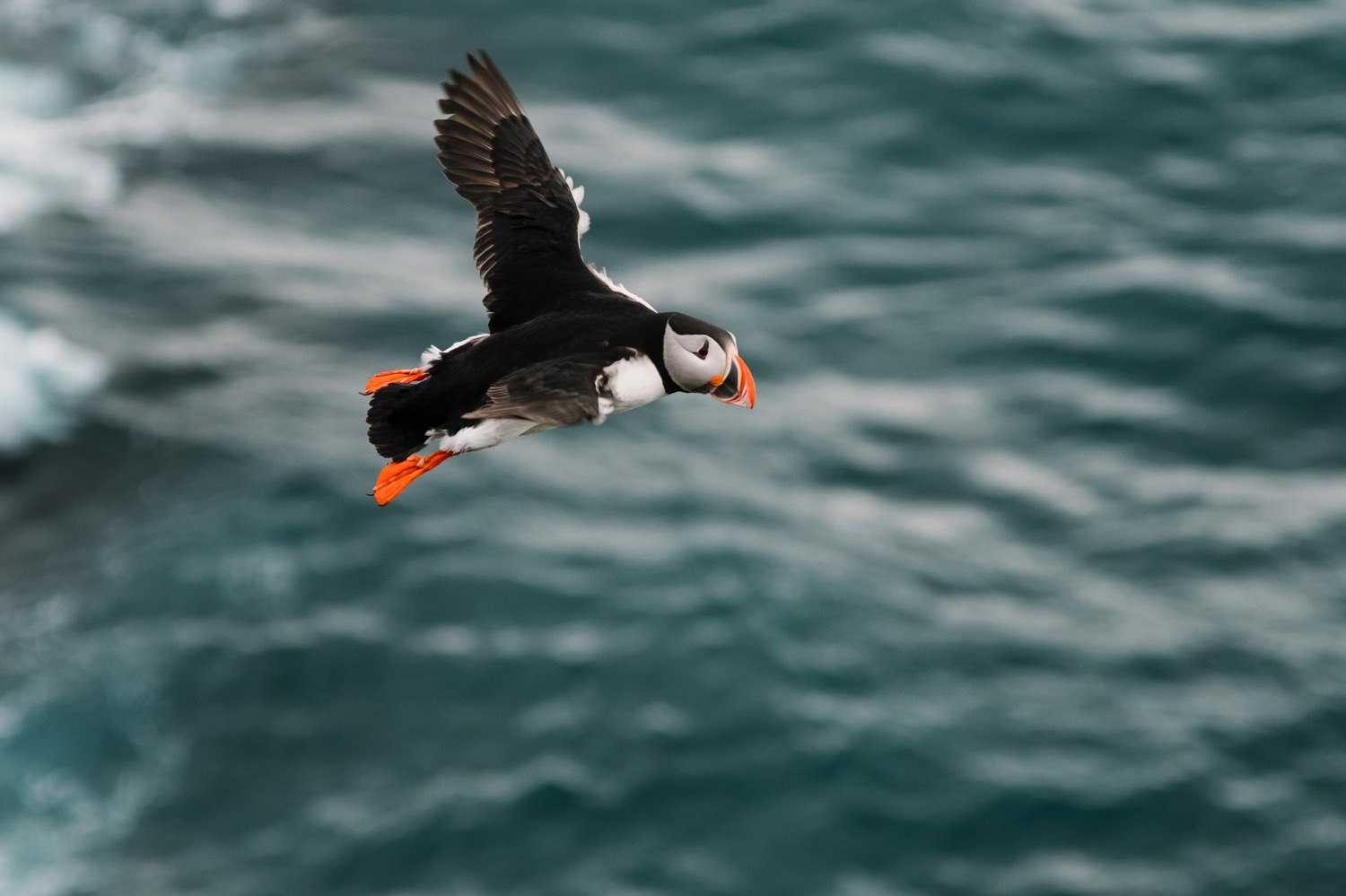
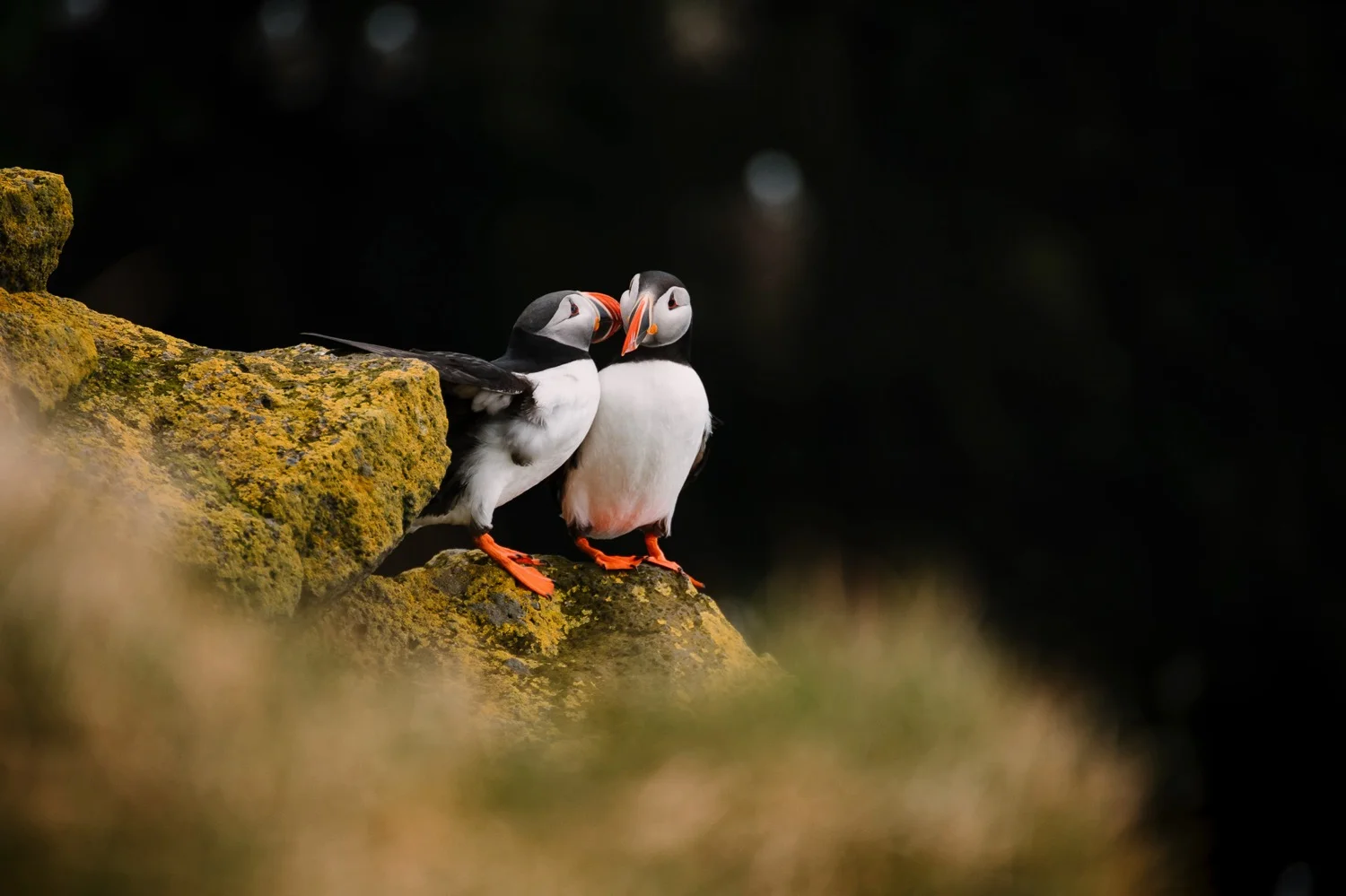
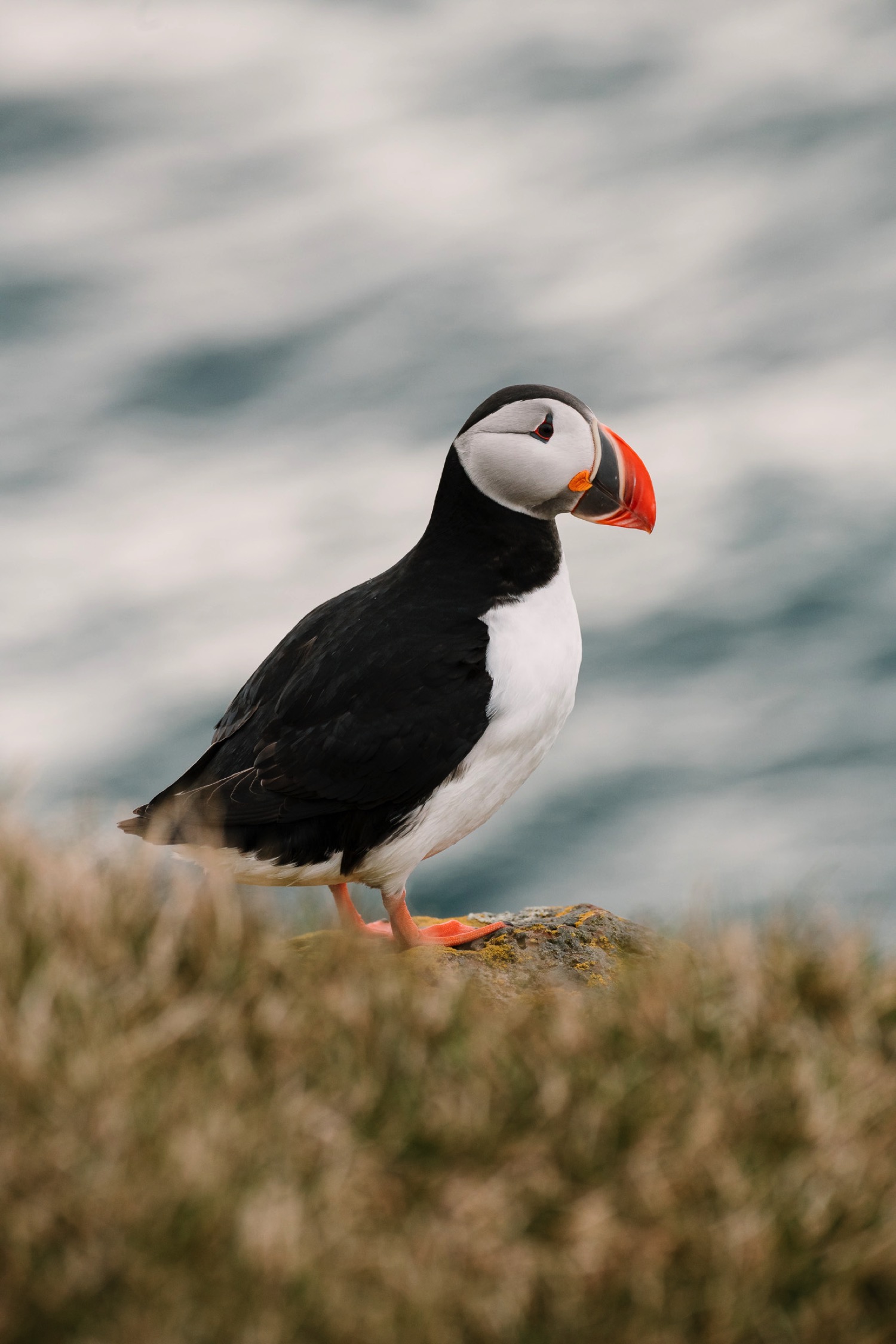
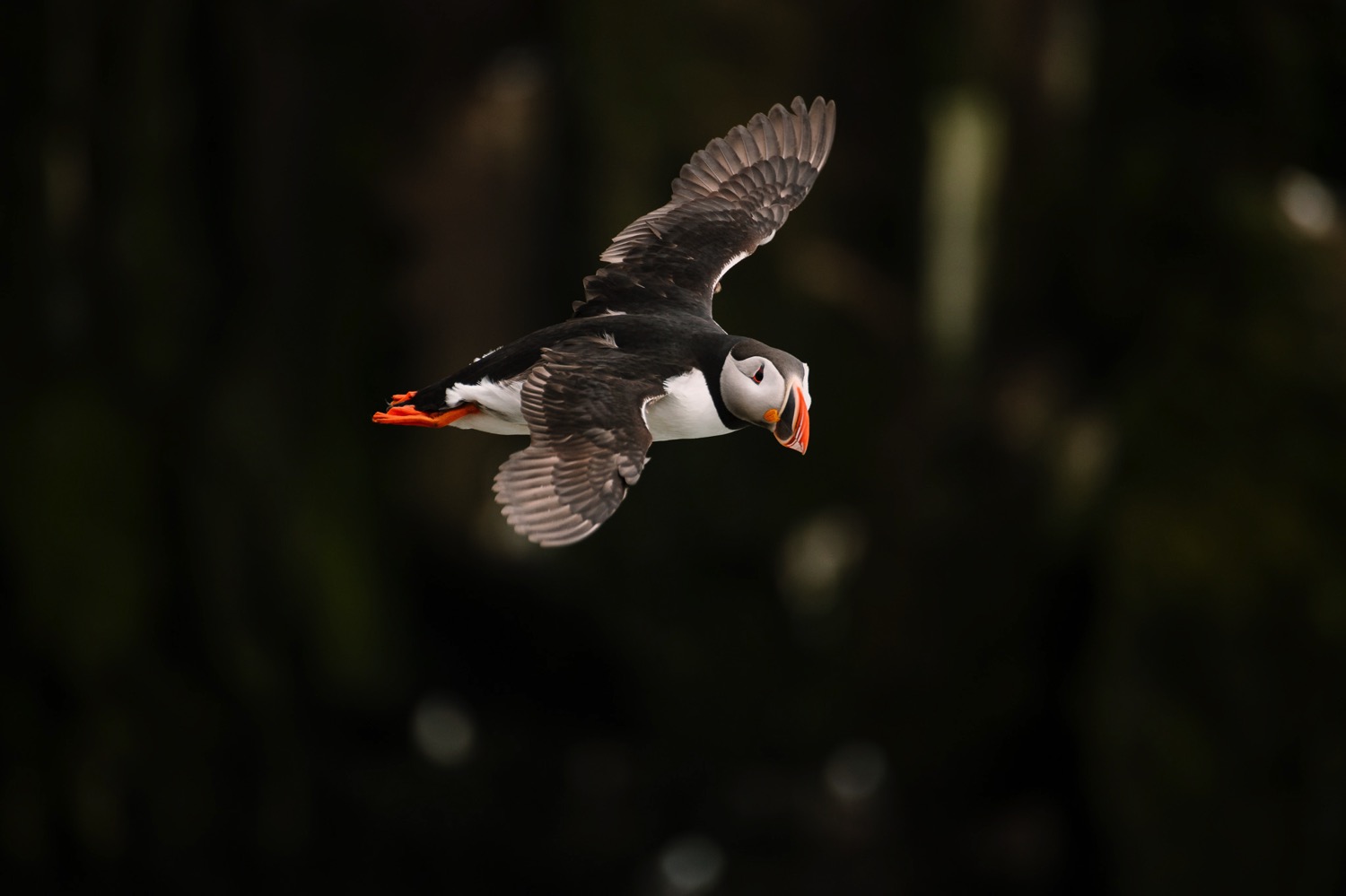
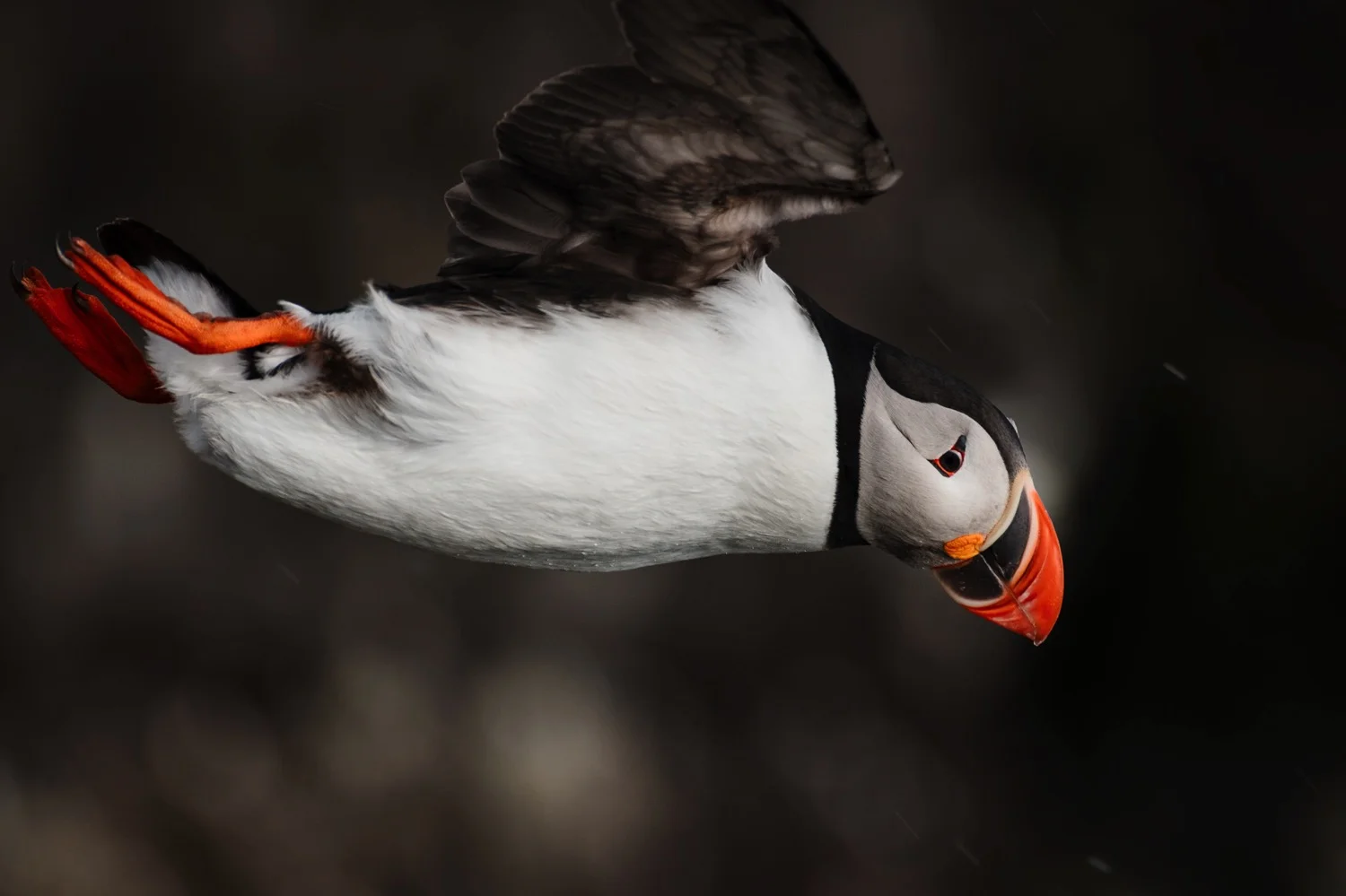
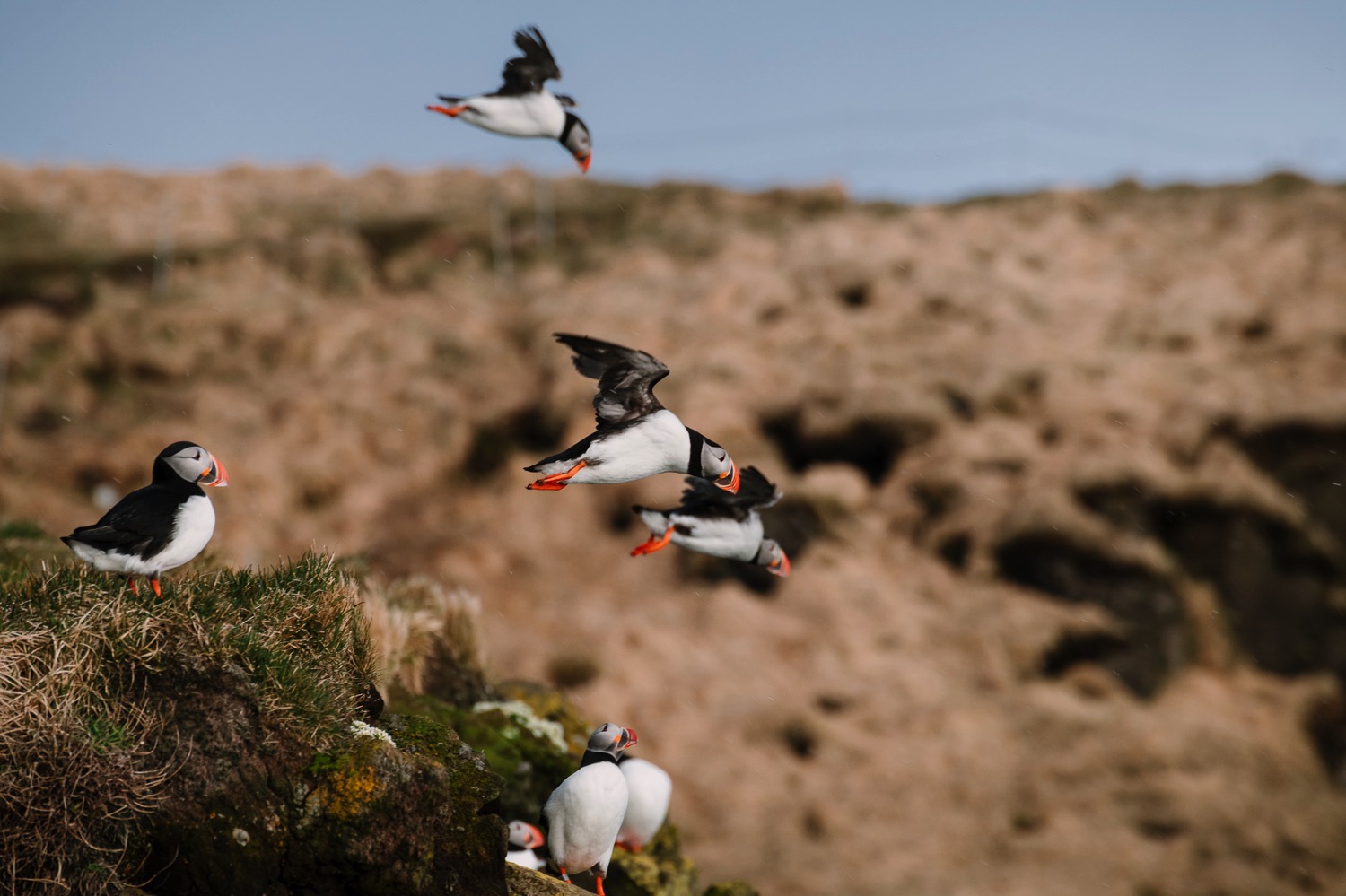
After a night and very brief visit to Öxarárfoss and Thingvellir (Þingvellir) National Park, we began our long voyage northwest in search of puffins in Latrabjarg, the westernmost point of the island. The road to Latrabjarg is long, windy, and merely a packed dirt/gravel road with plenty of potholes (only exacerbated by the recent rains). Seeing puffins wasn’t a guarantee, the rain was on and off, and that little campervan was giving it all it had, but thanks to Julie’s skillful navigation of the roads, we made it and we were rewarded to the spectacle of a slew of puffins and shorebirds.
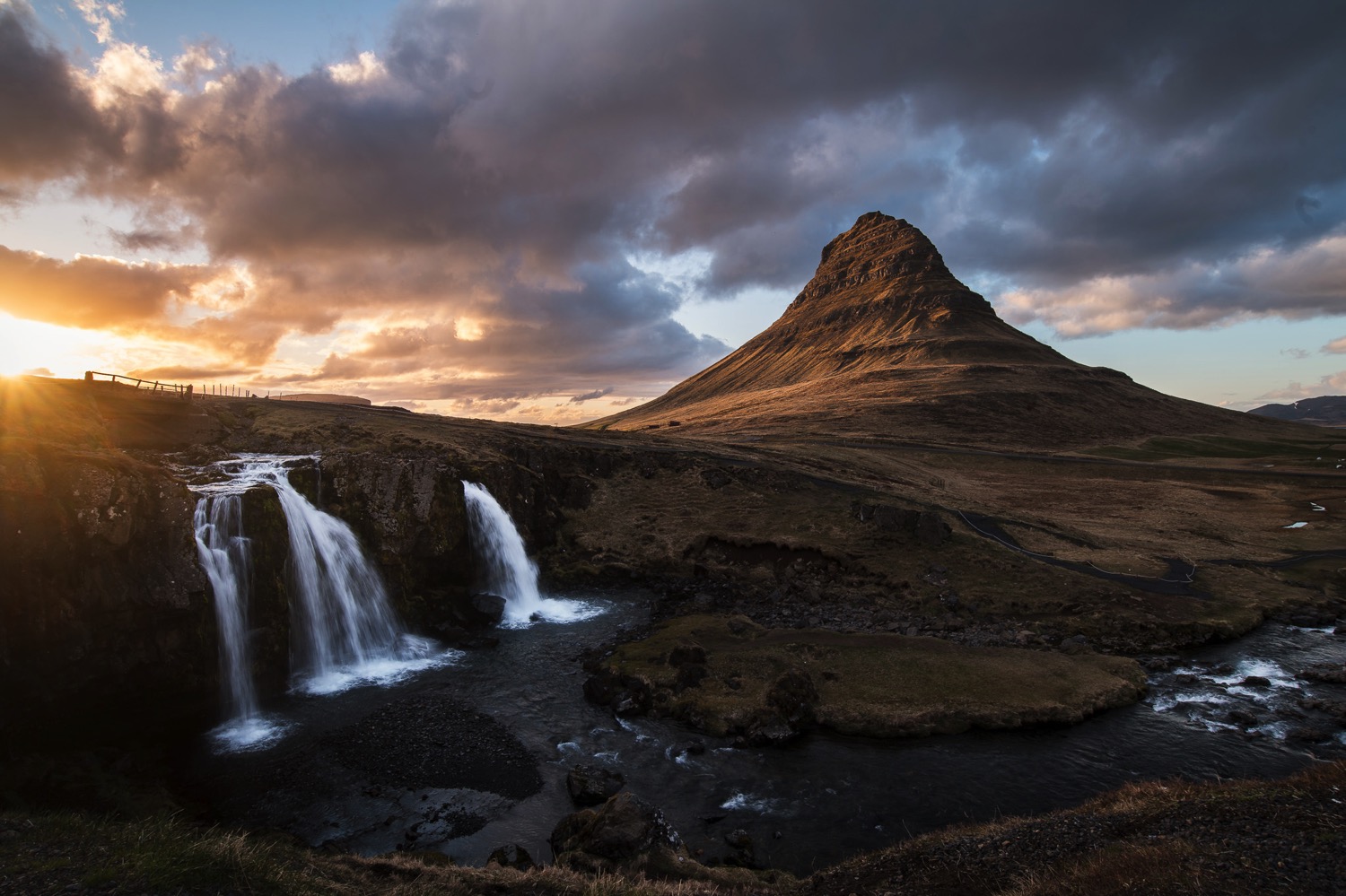
Making the most of our time all the way out in the westfjords, a pitstop to the dynjandi waterfall was in order. After traversing through some snowy landscapes and getting pelted by a sudden hailstorm while we were exploring the falls, we briskly roamed through Snaefellsness peninsula before capping off our trip with a final sunset at the famous Kirkjufellsfoss and Mt. Kirkjufell.
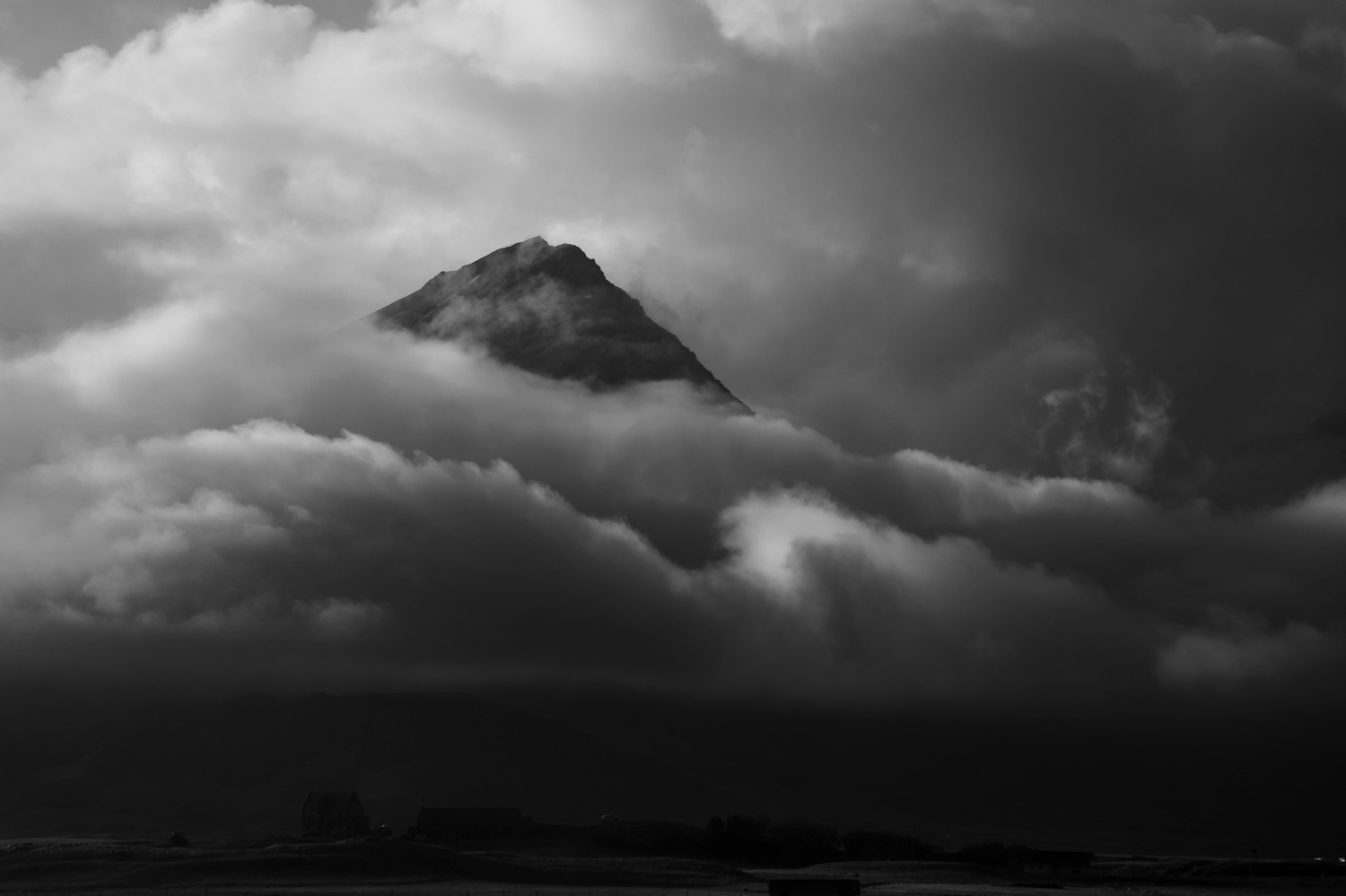
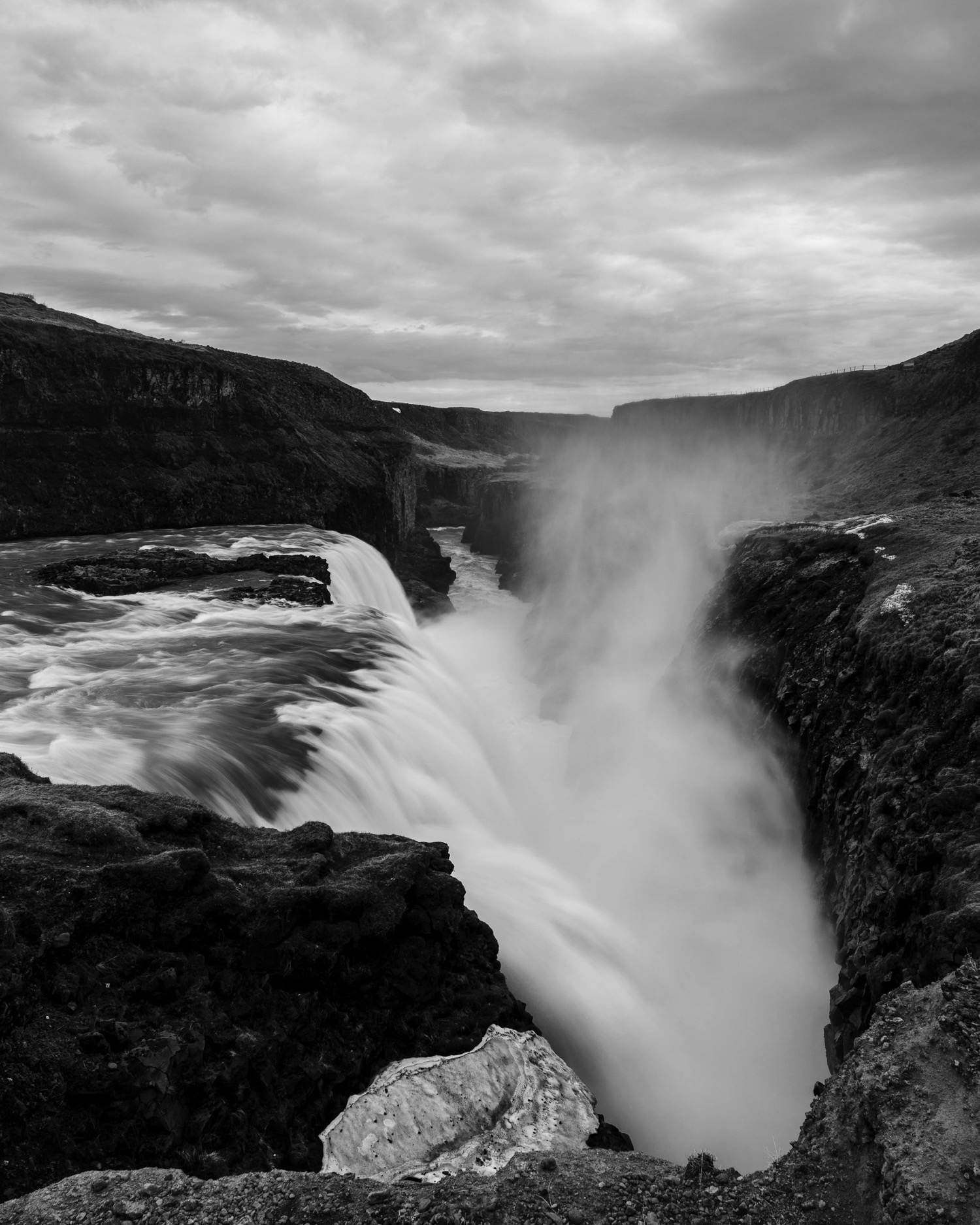
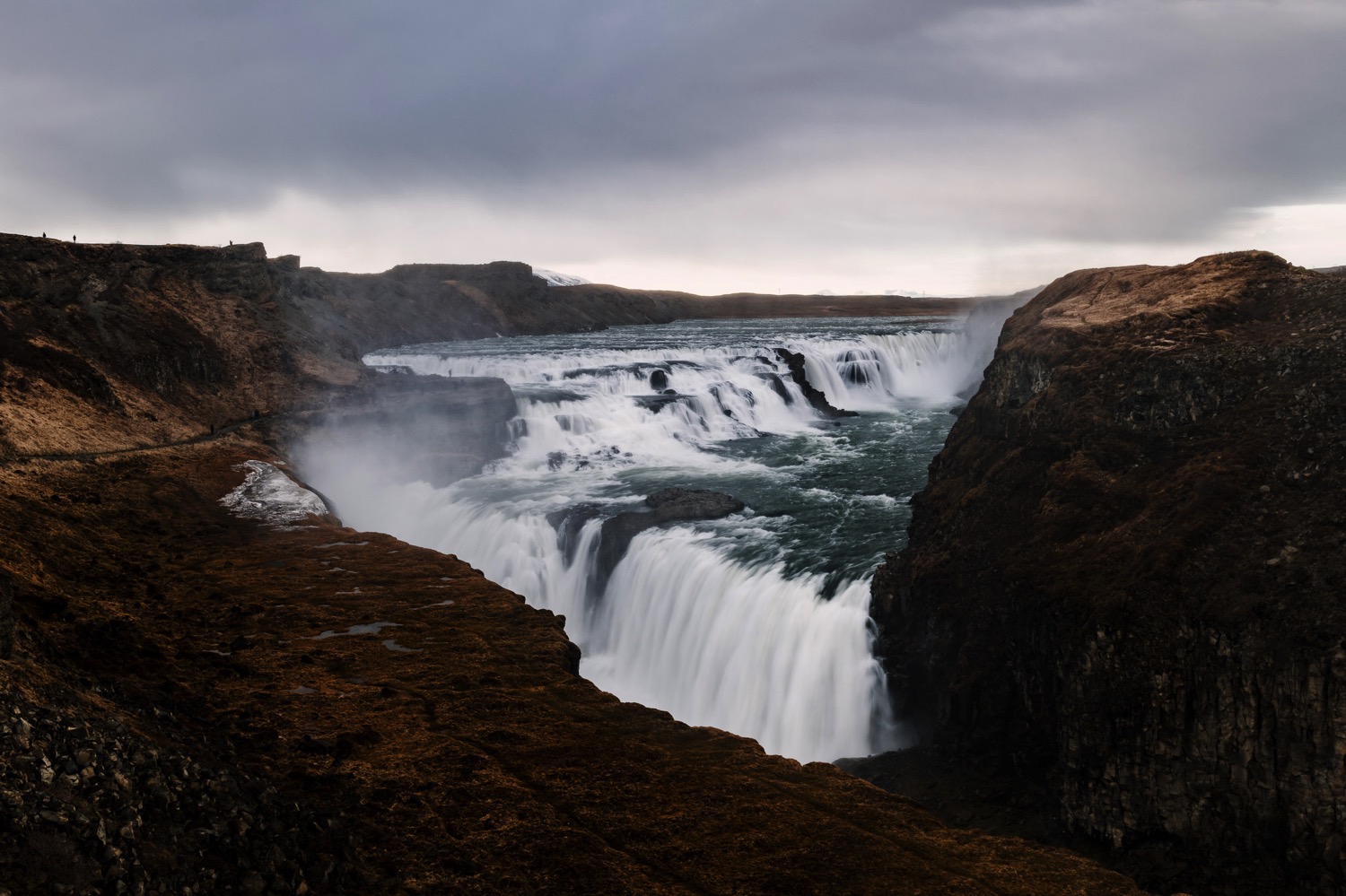
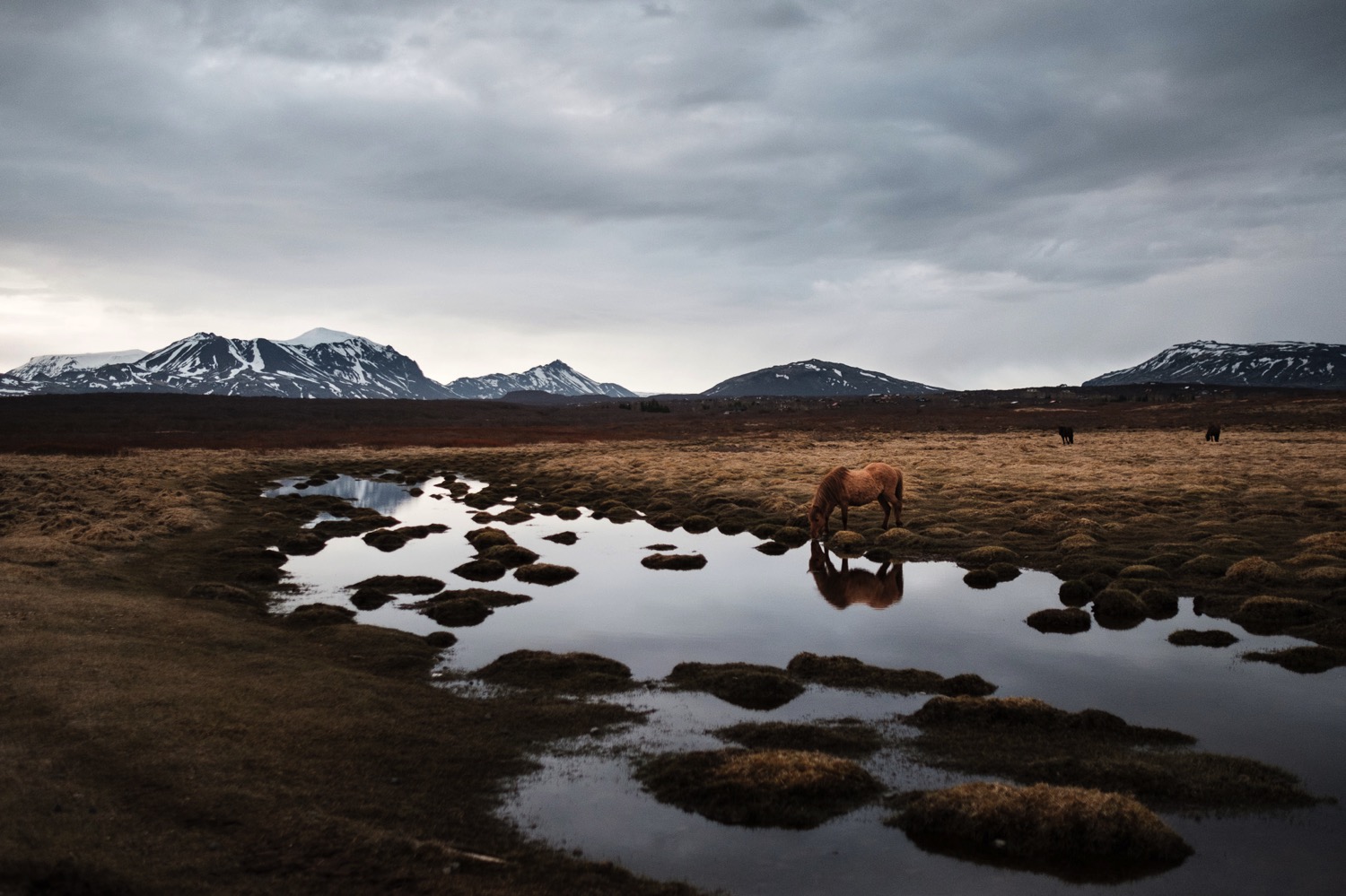
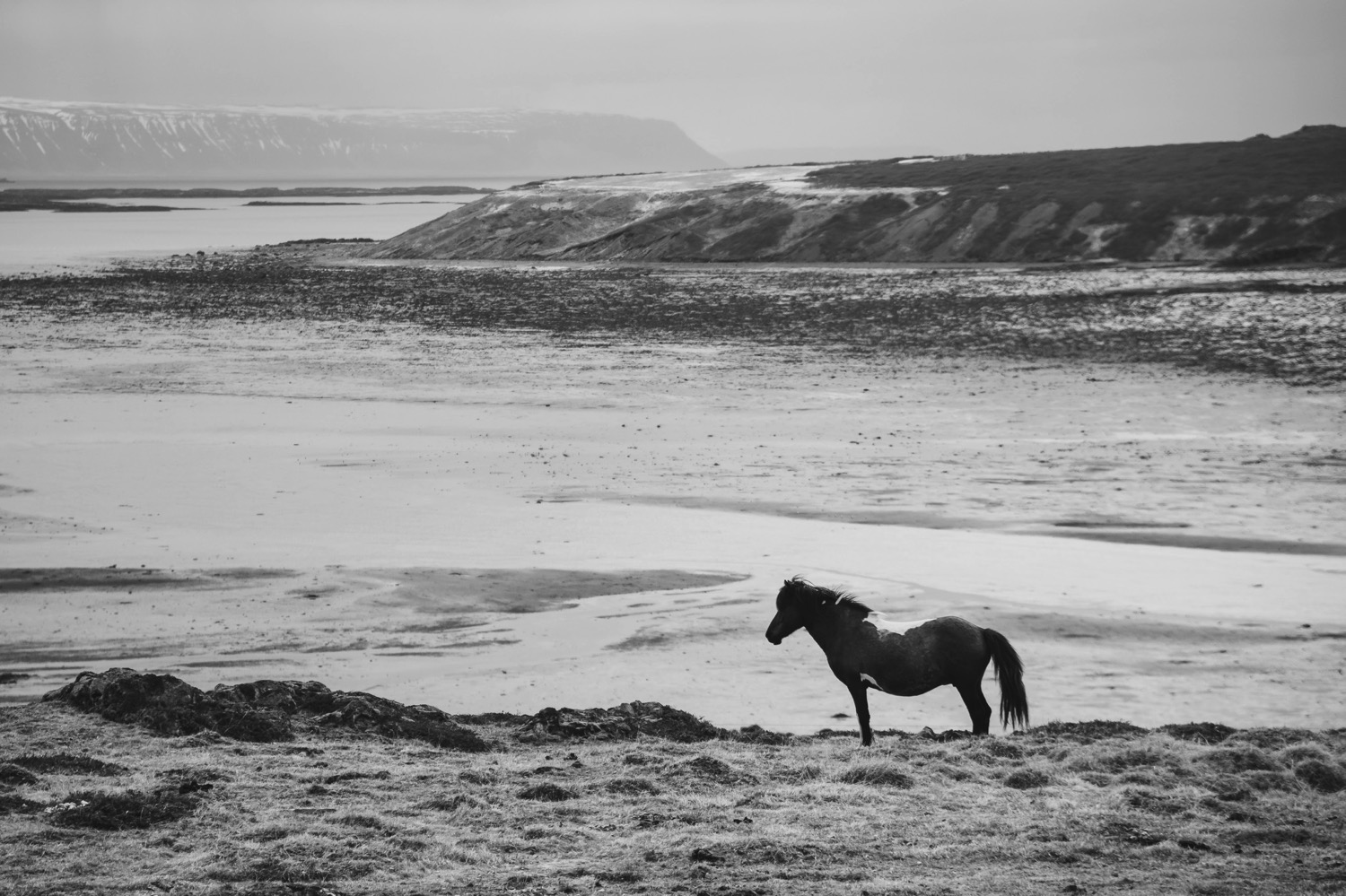

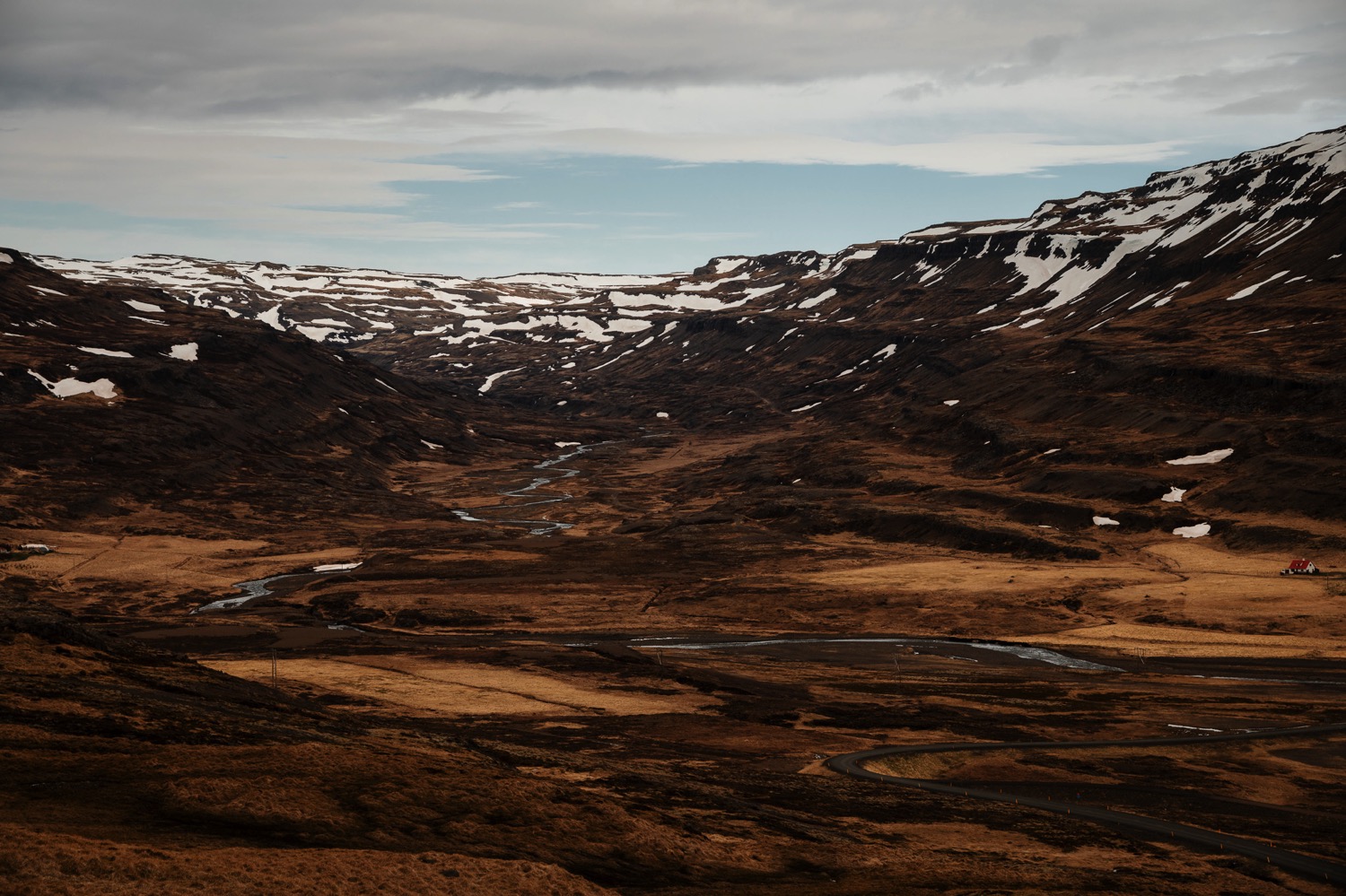
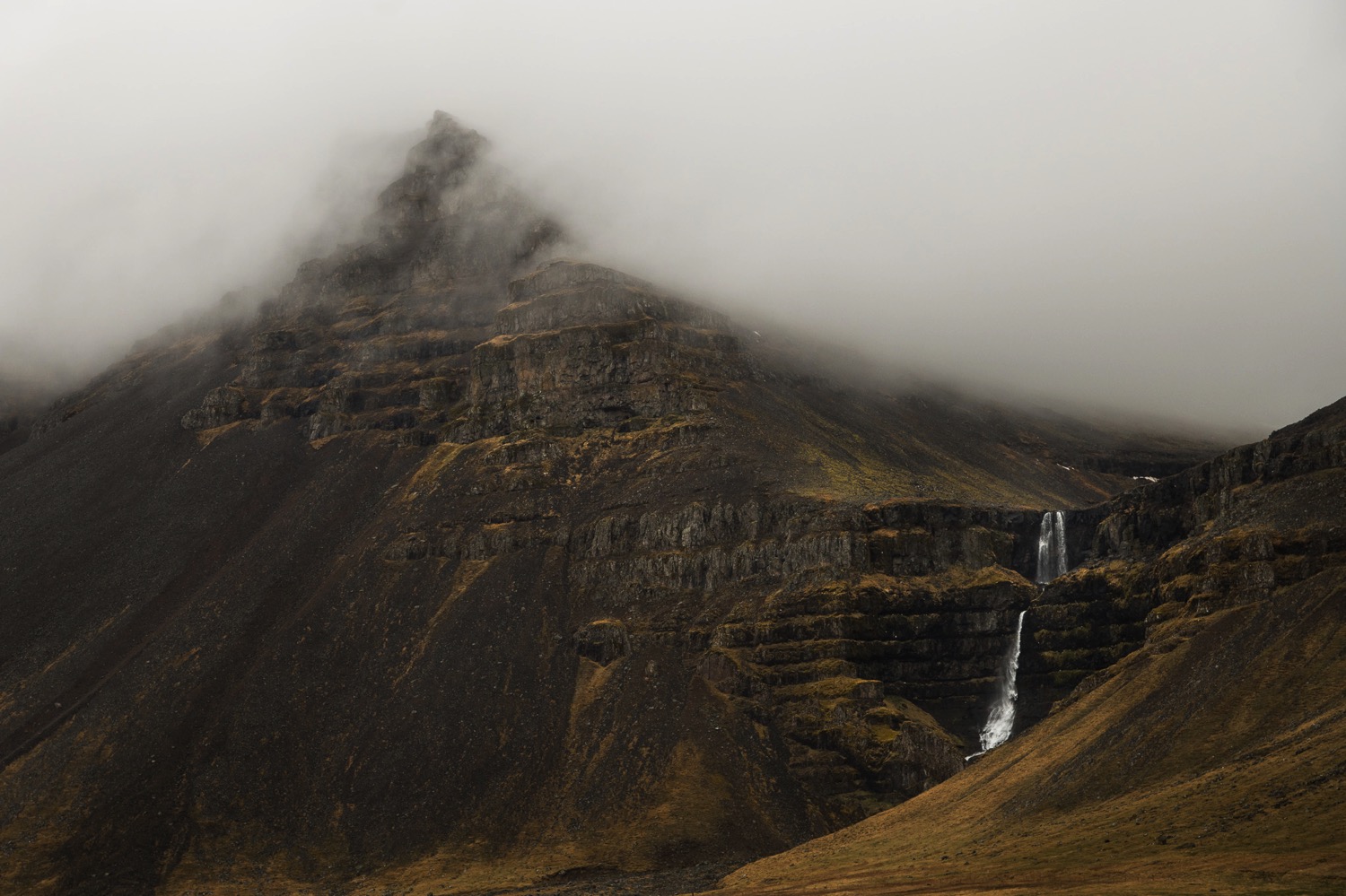
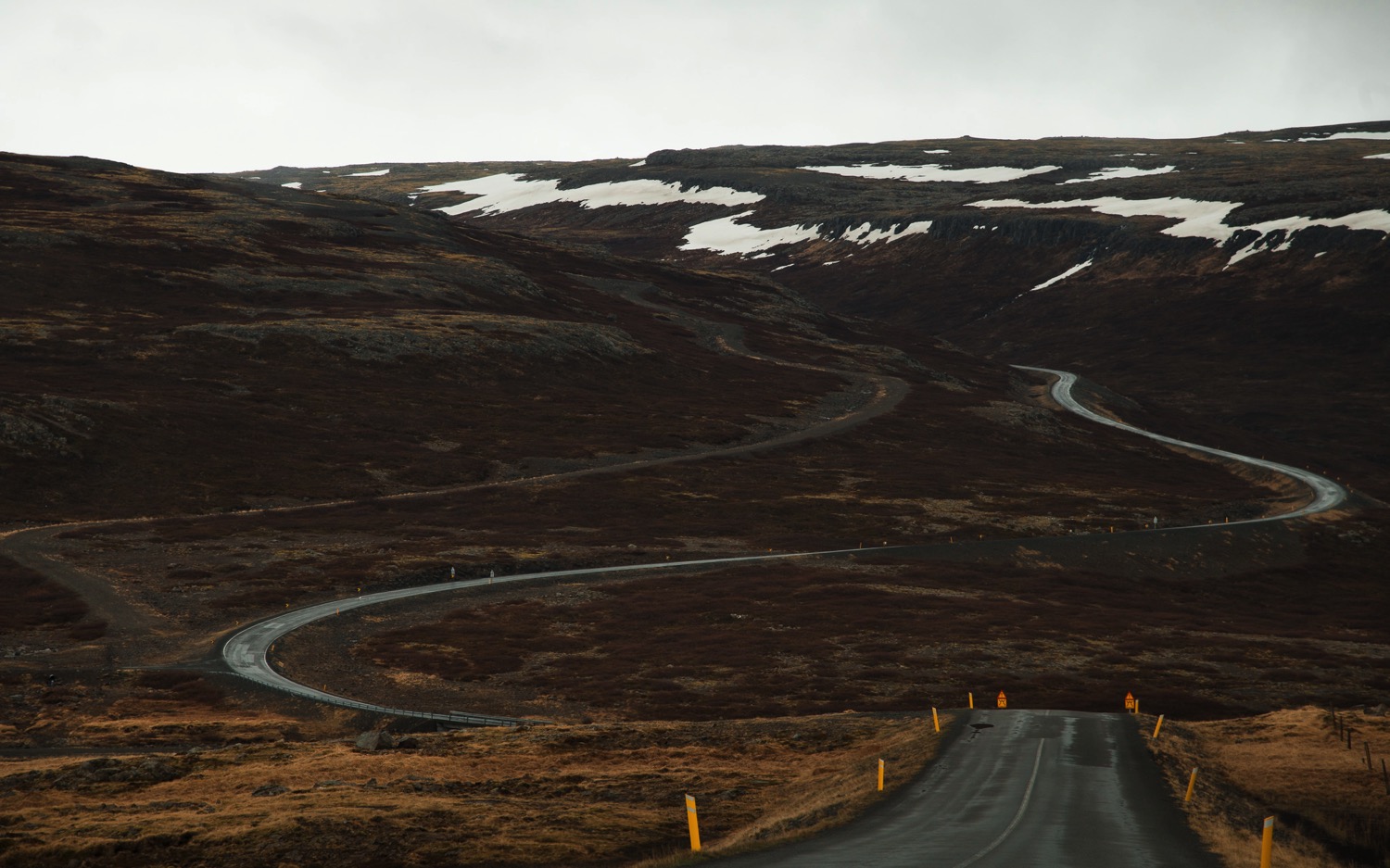


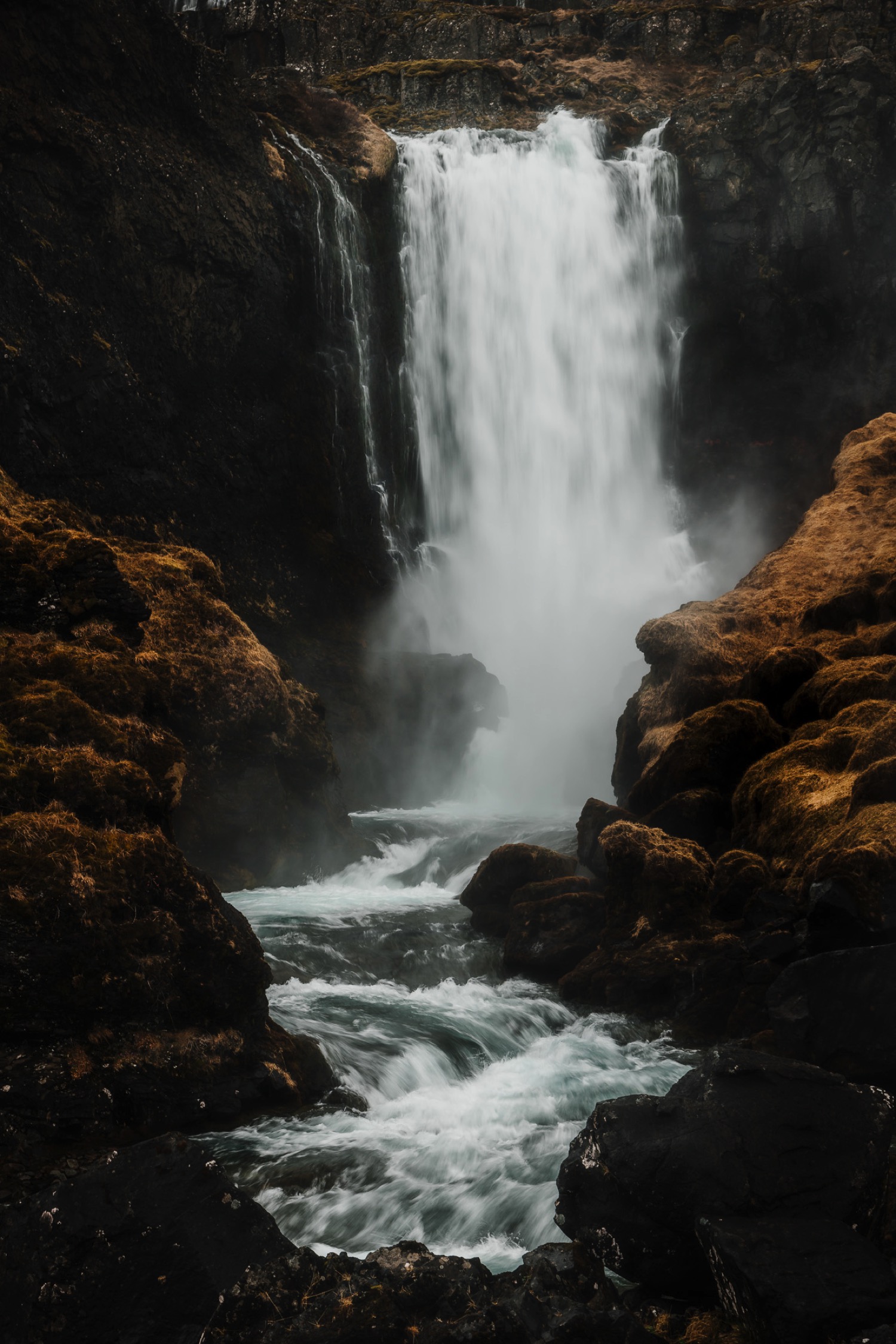
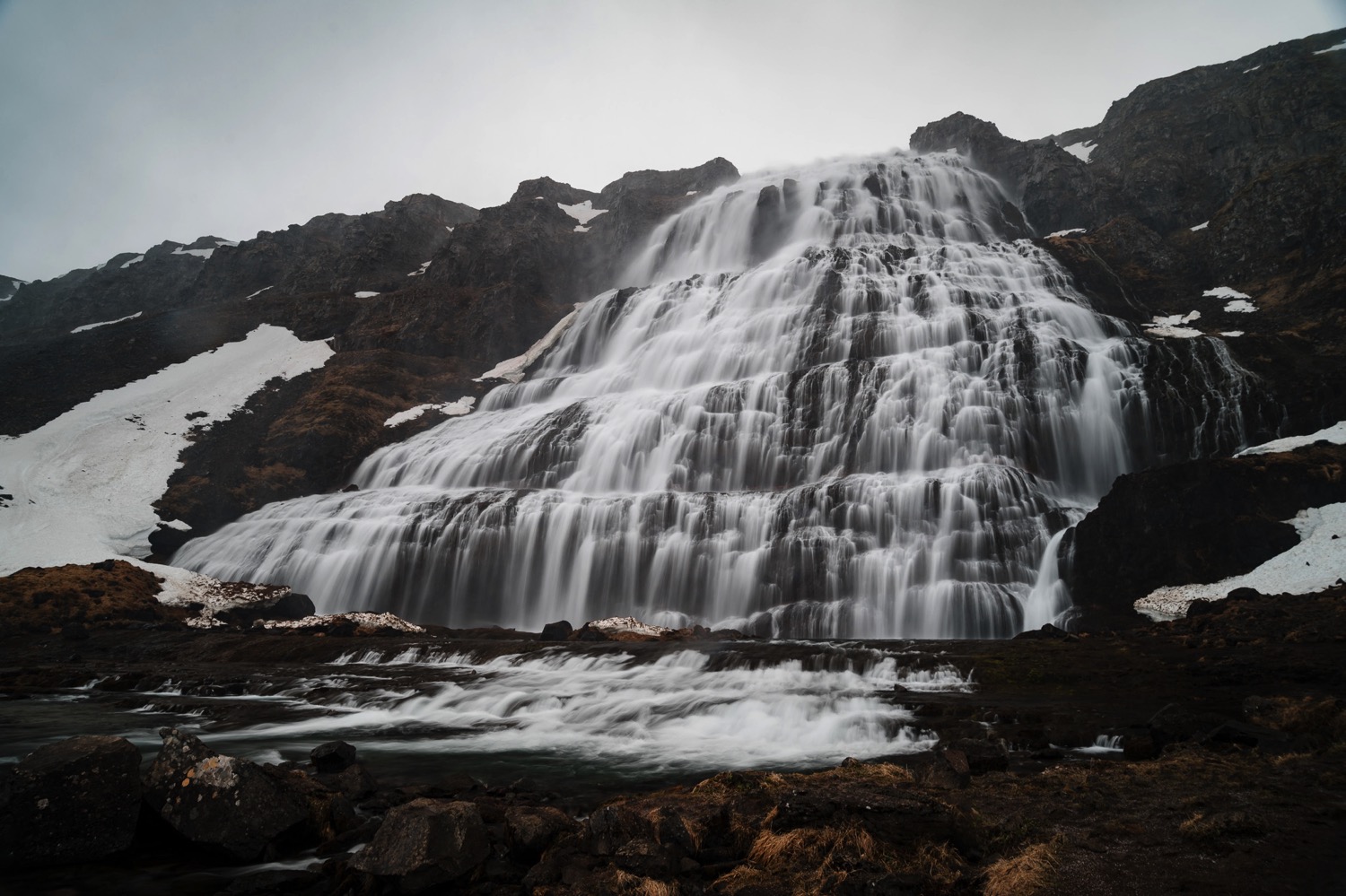
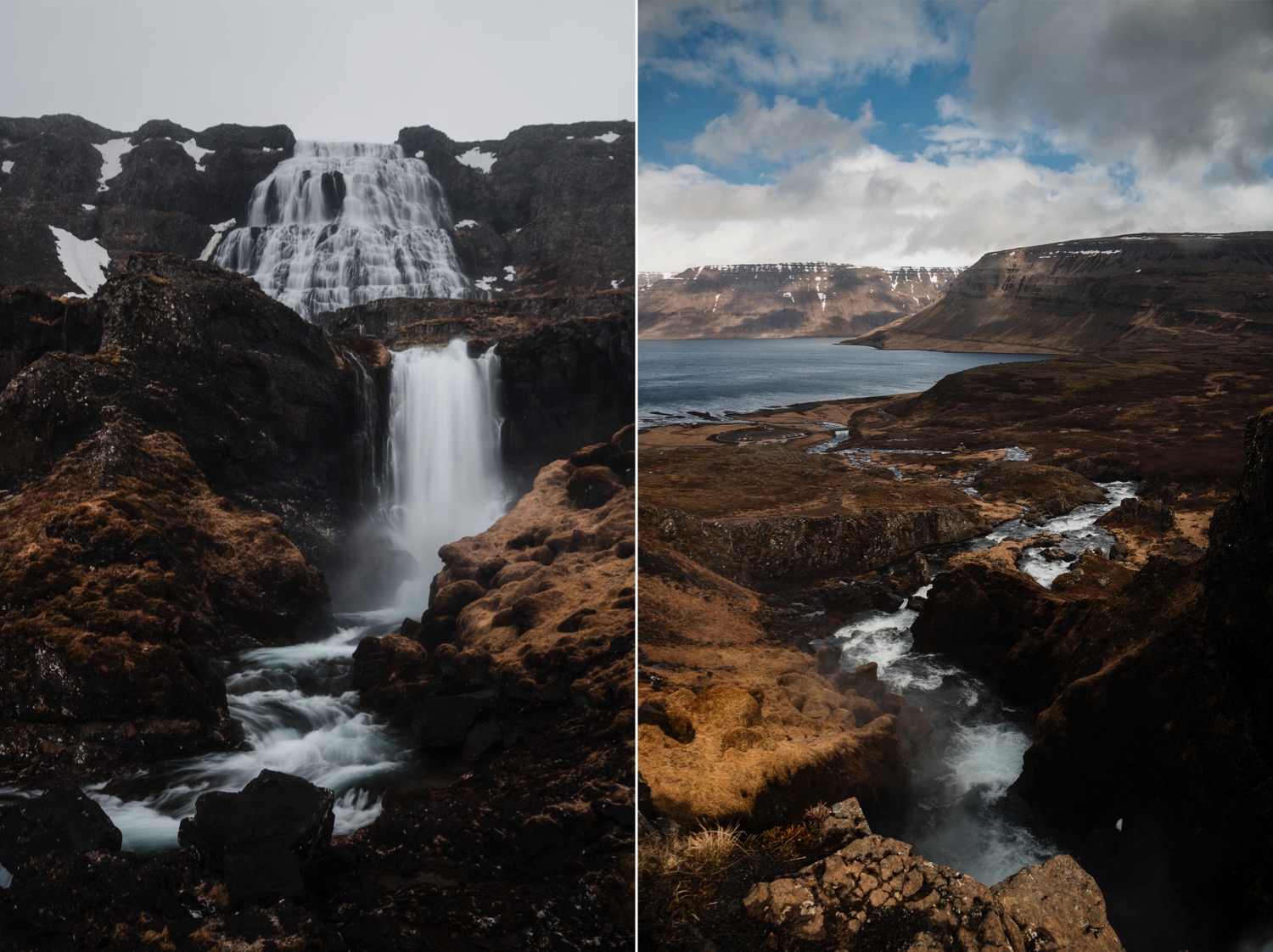
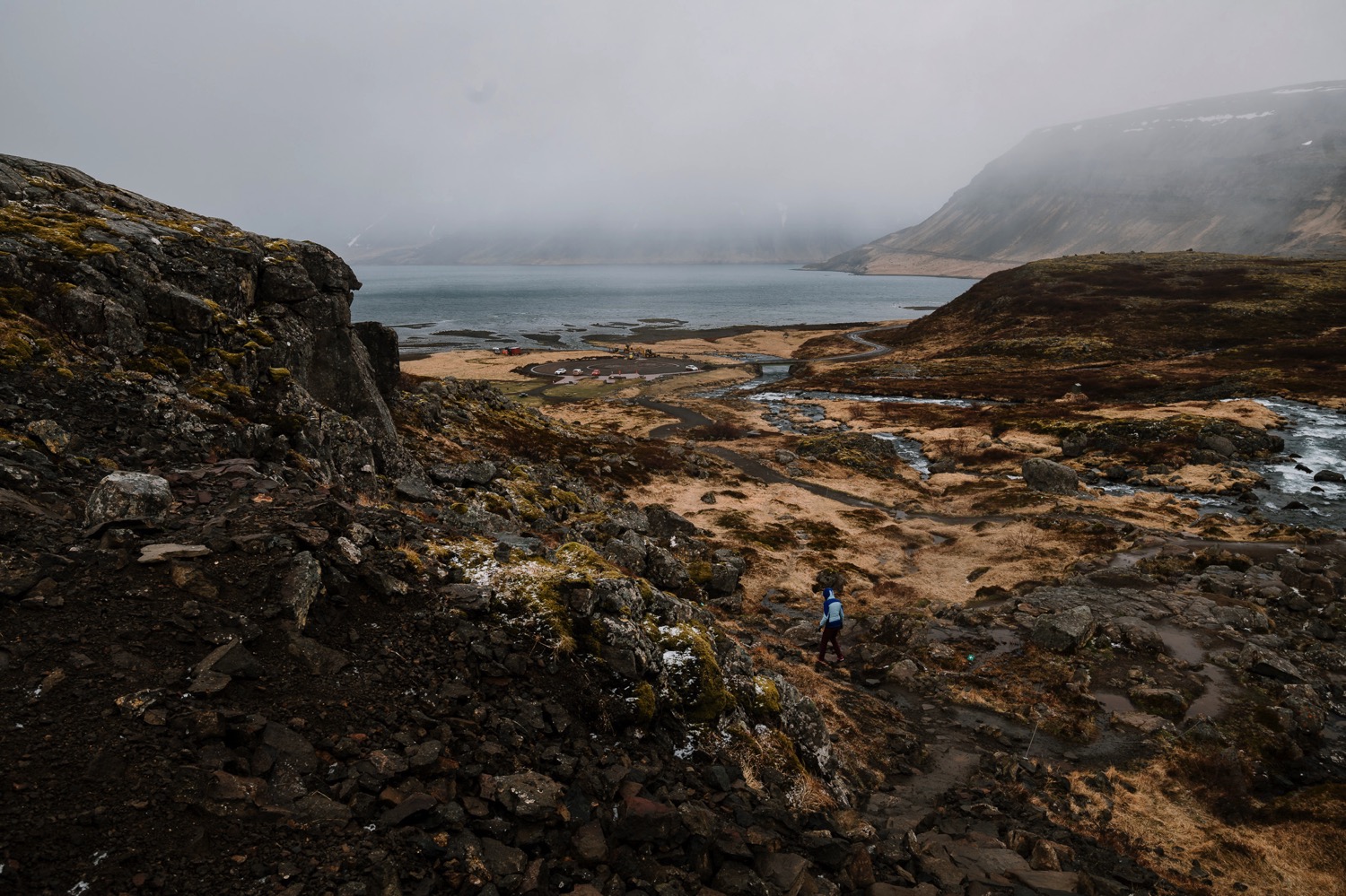
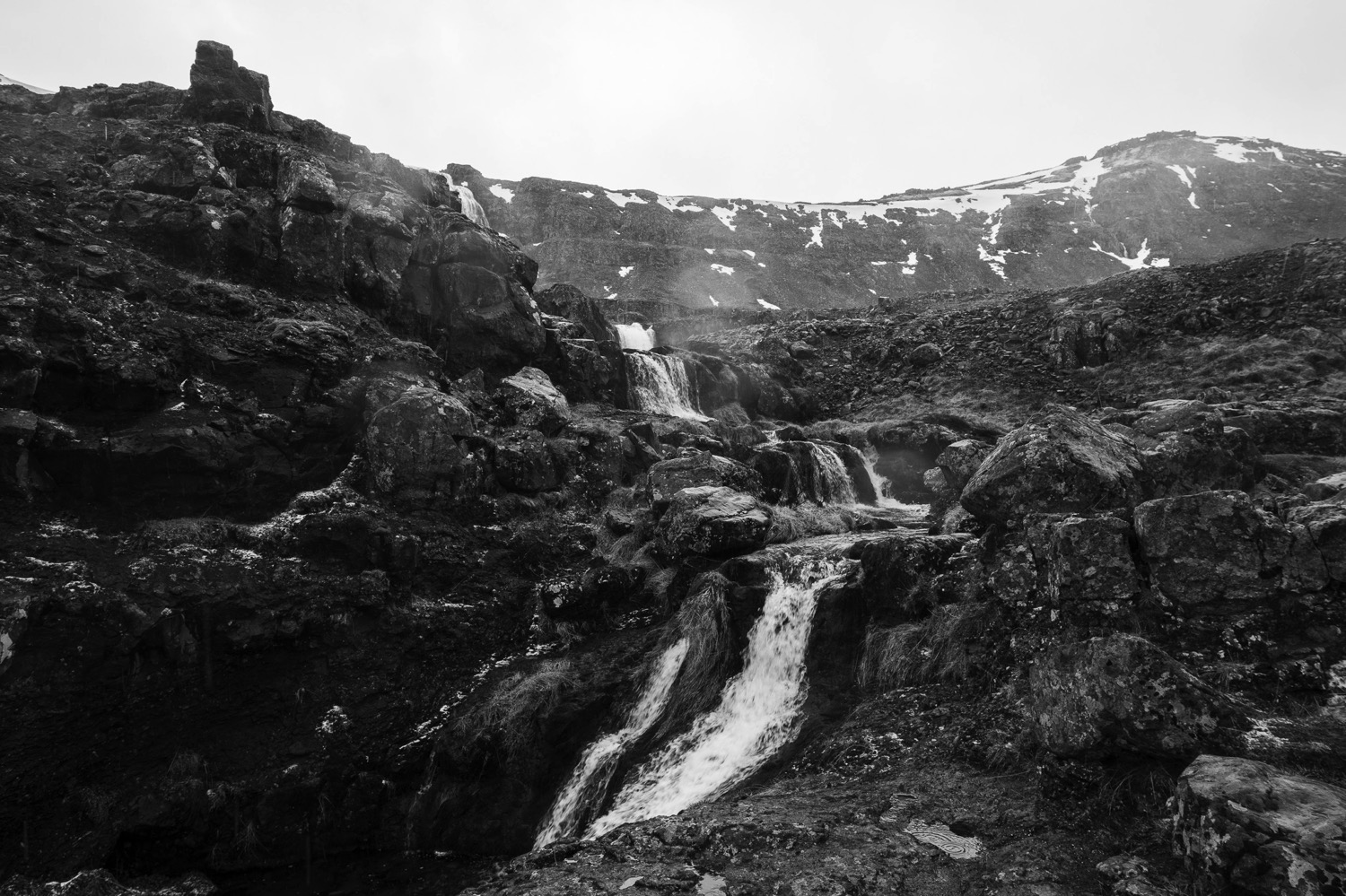
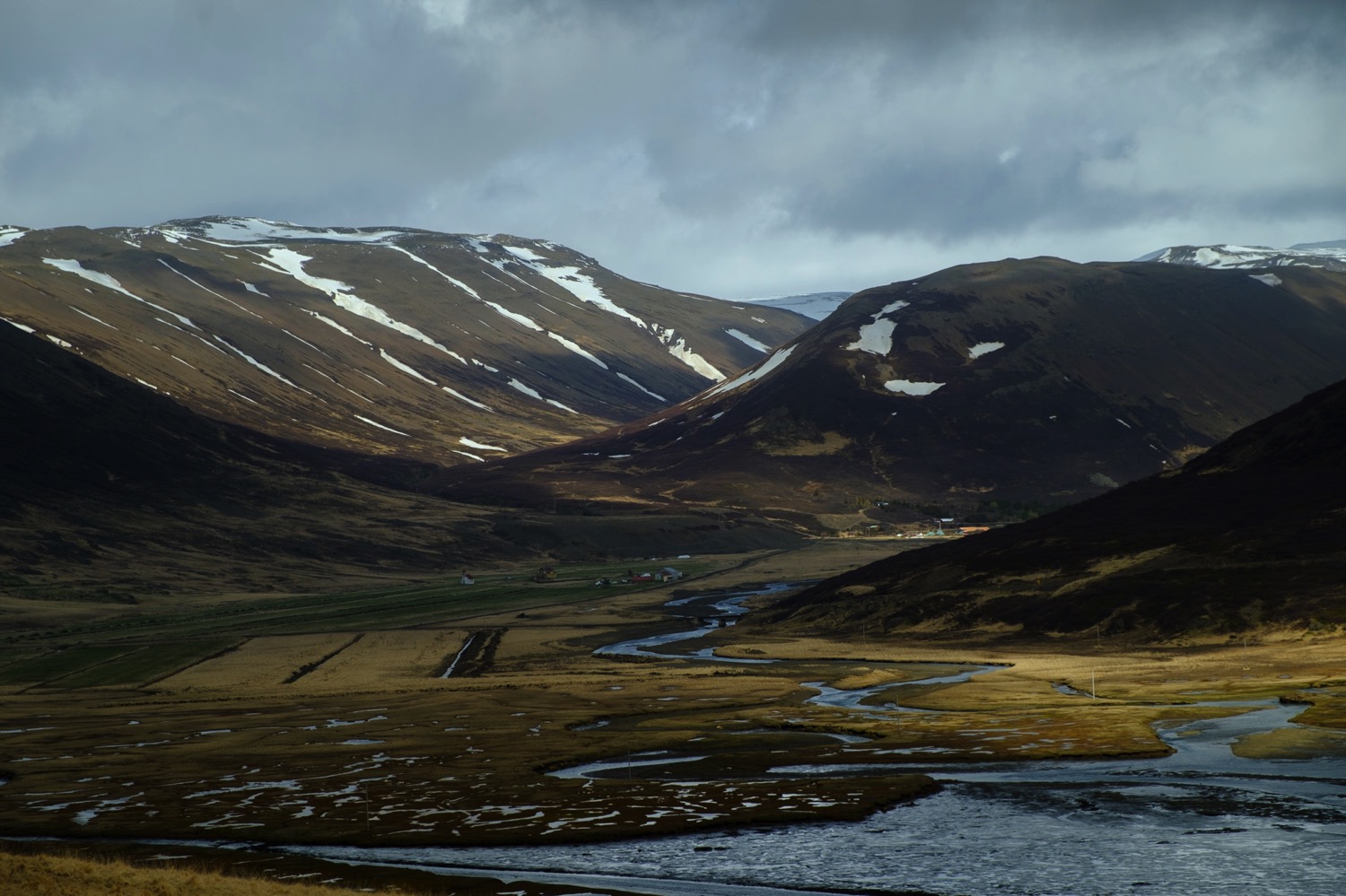
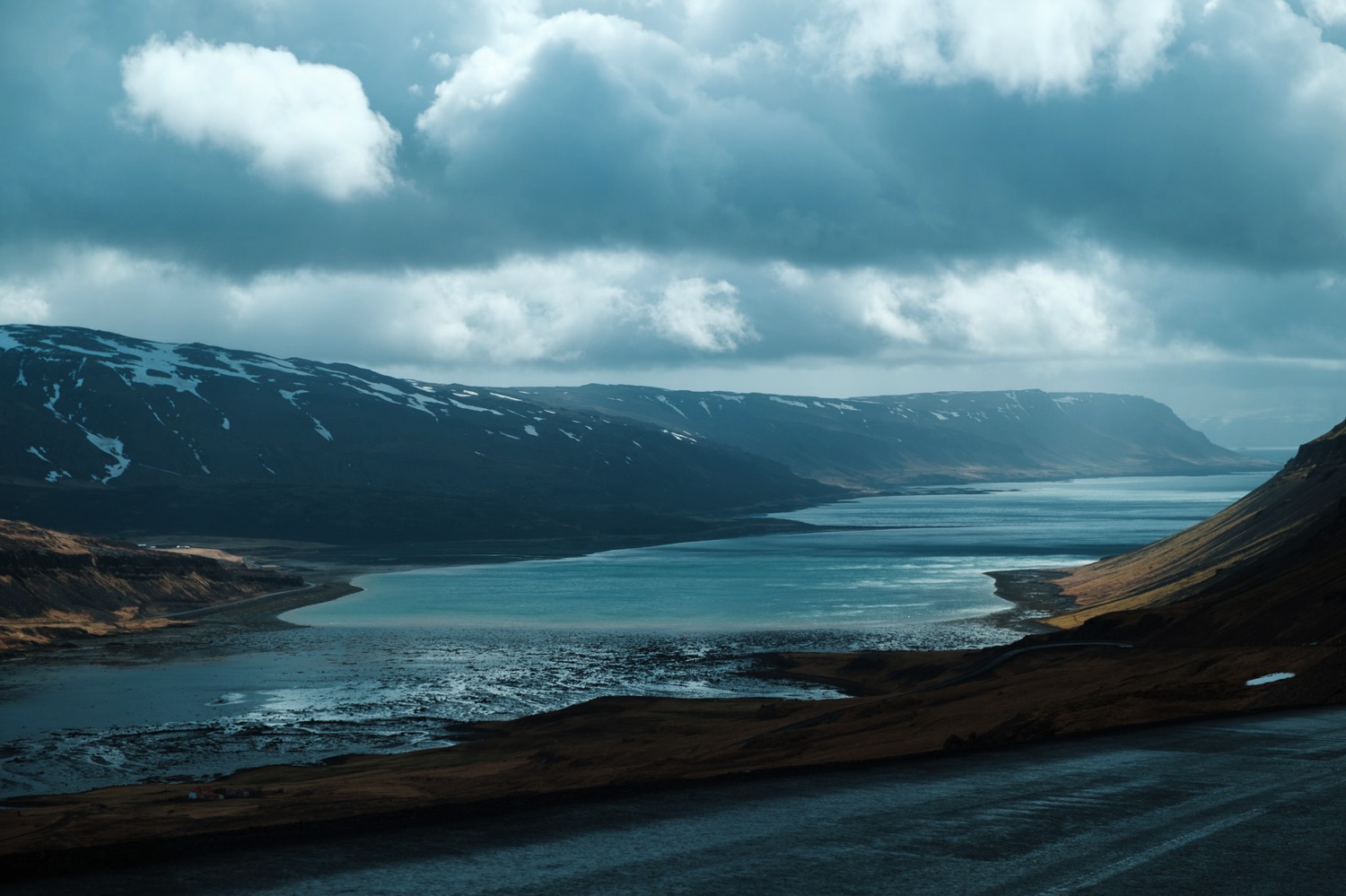
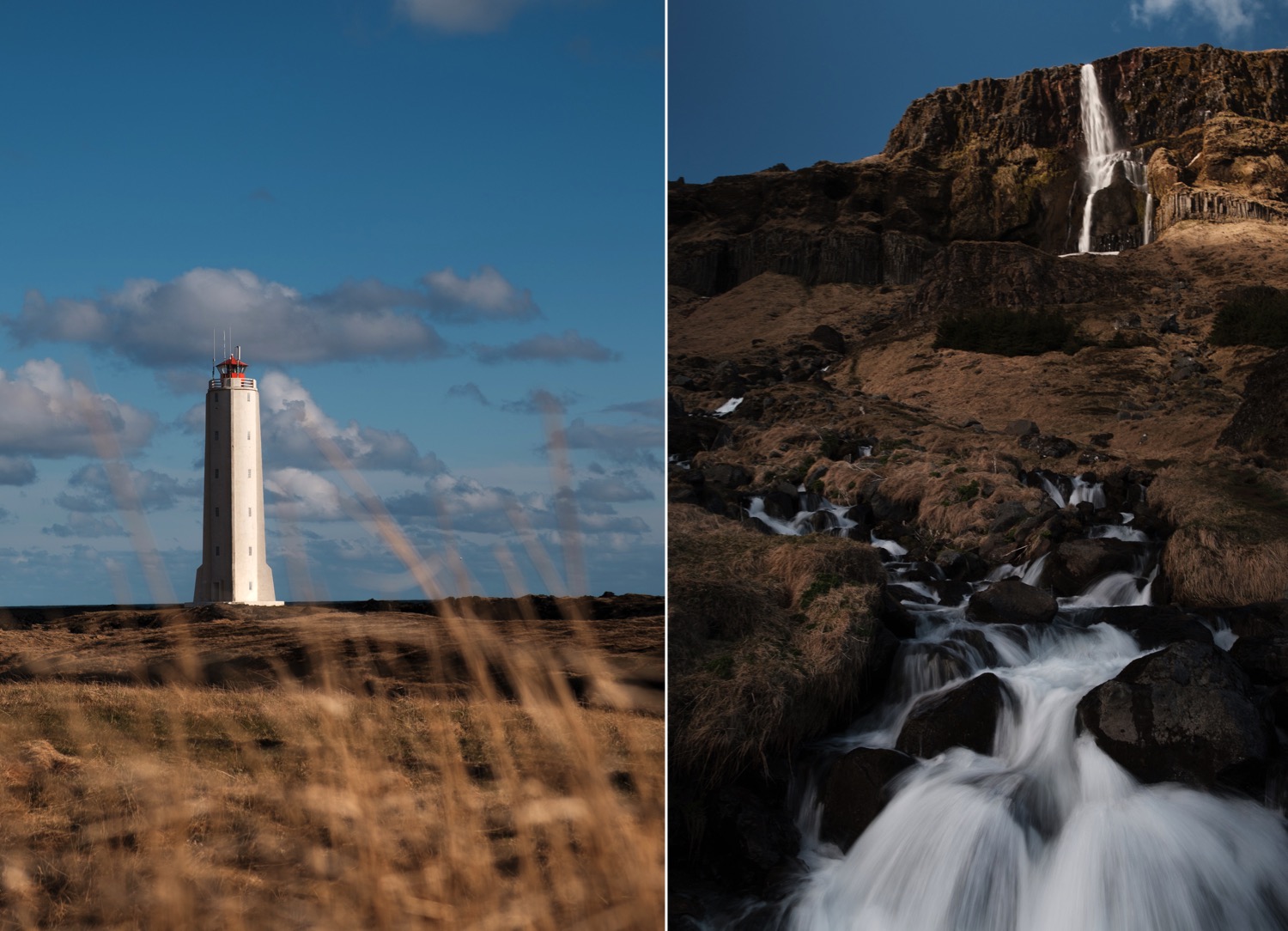

Personal // The south coast of Iceland // Iceland Landscape Photographs

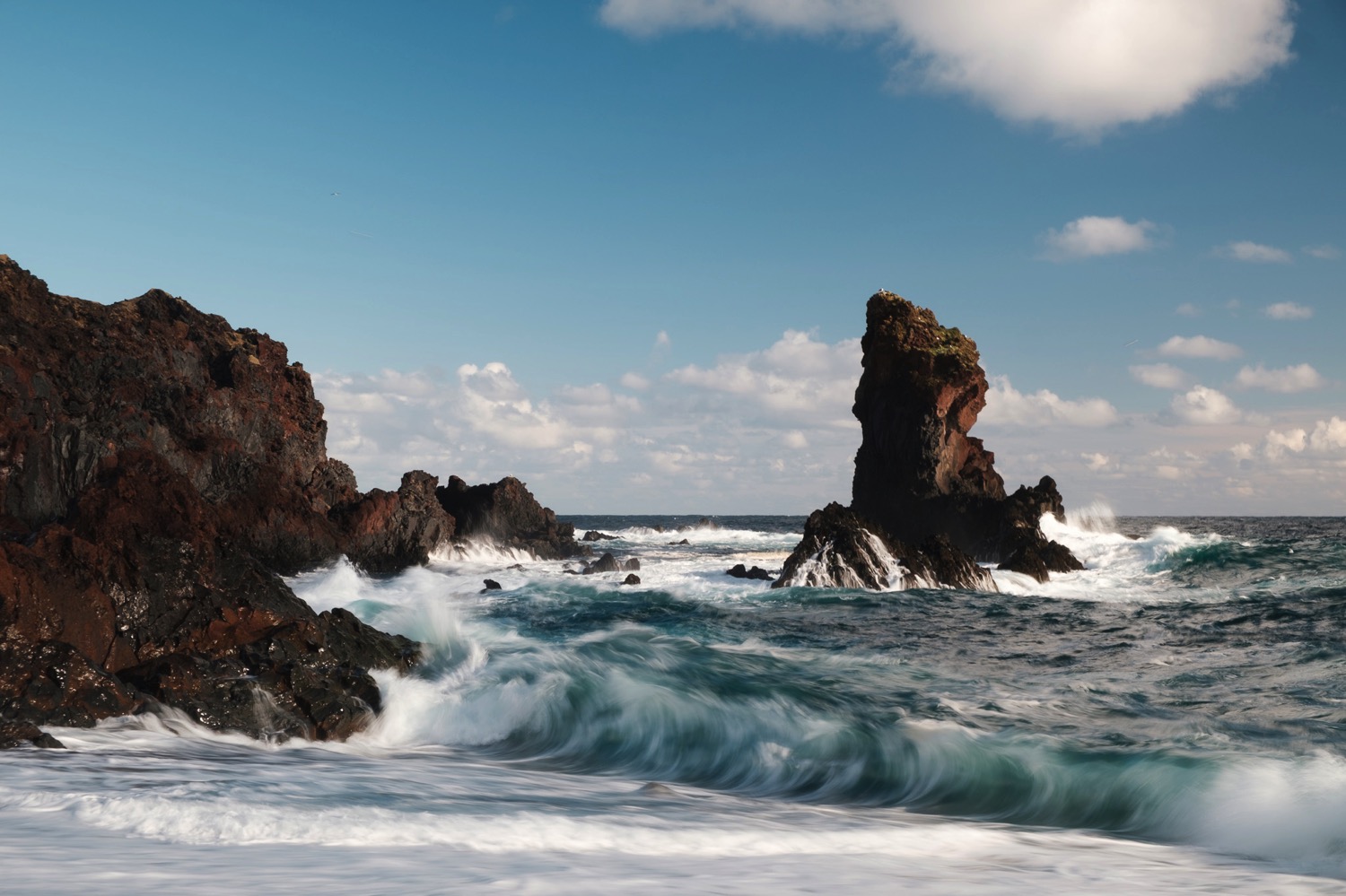
Iceland. The land of ice… and melted ice gushing over the mountainsides (among many other things of course).
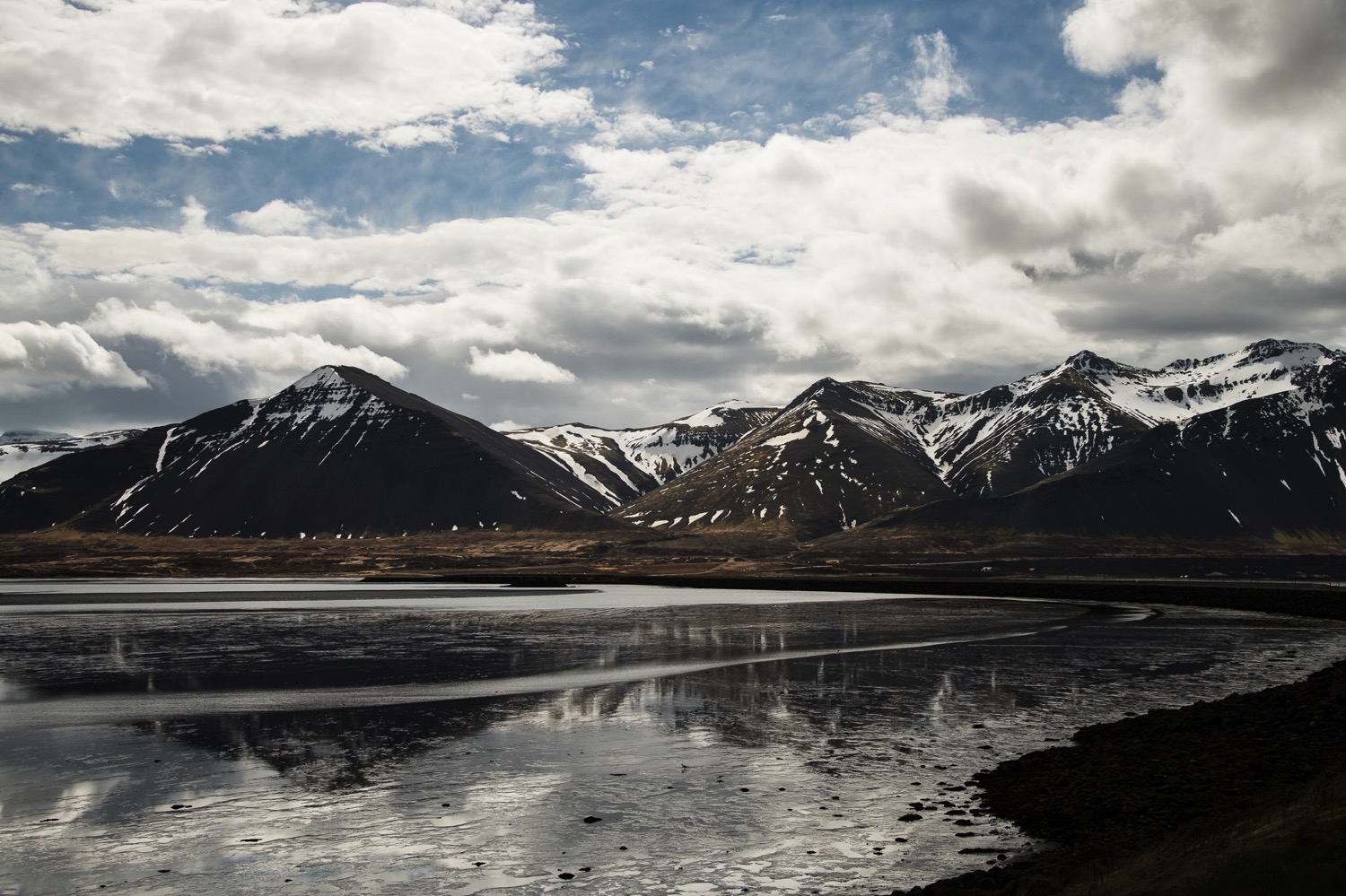
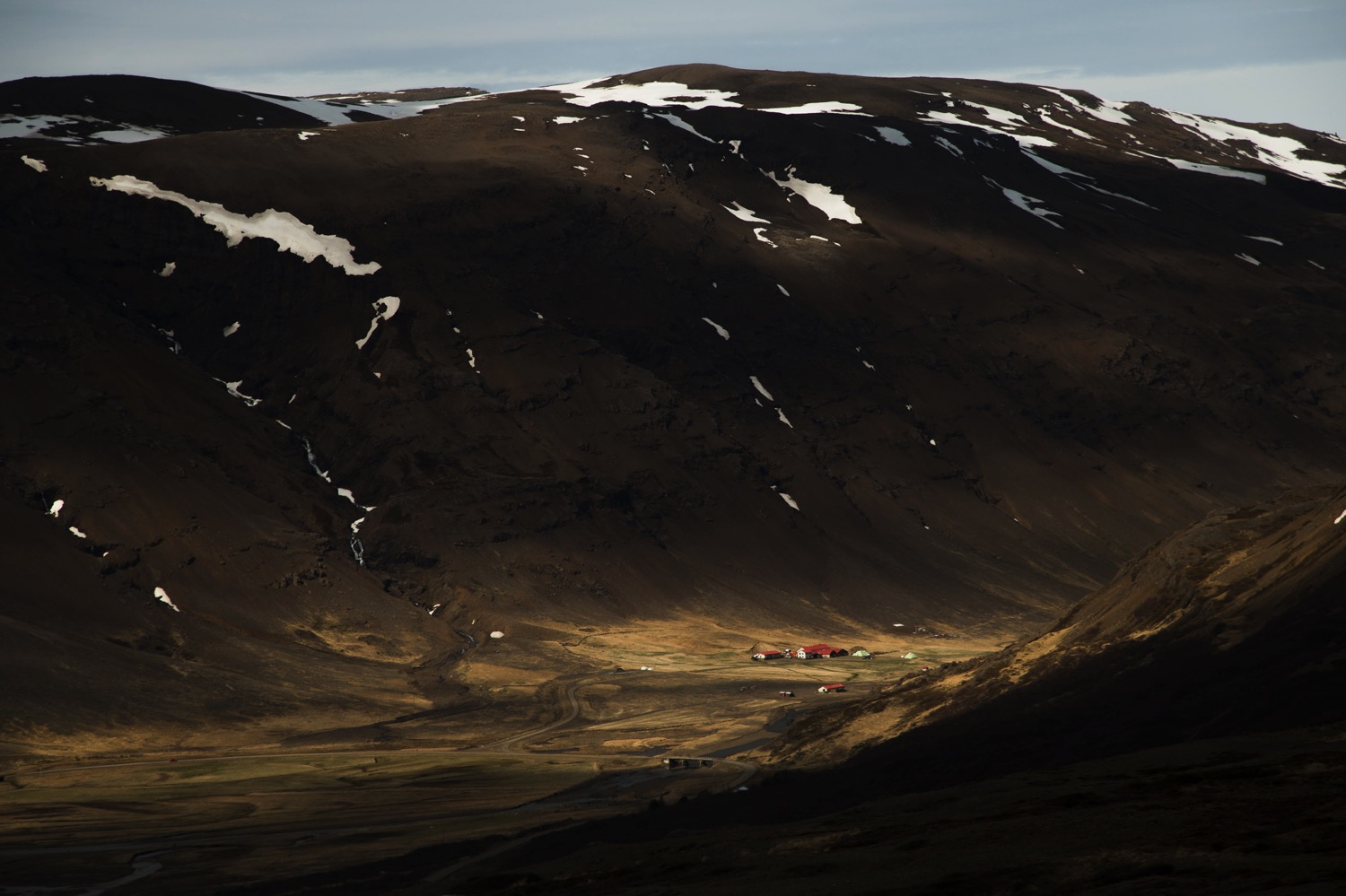
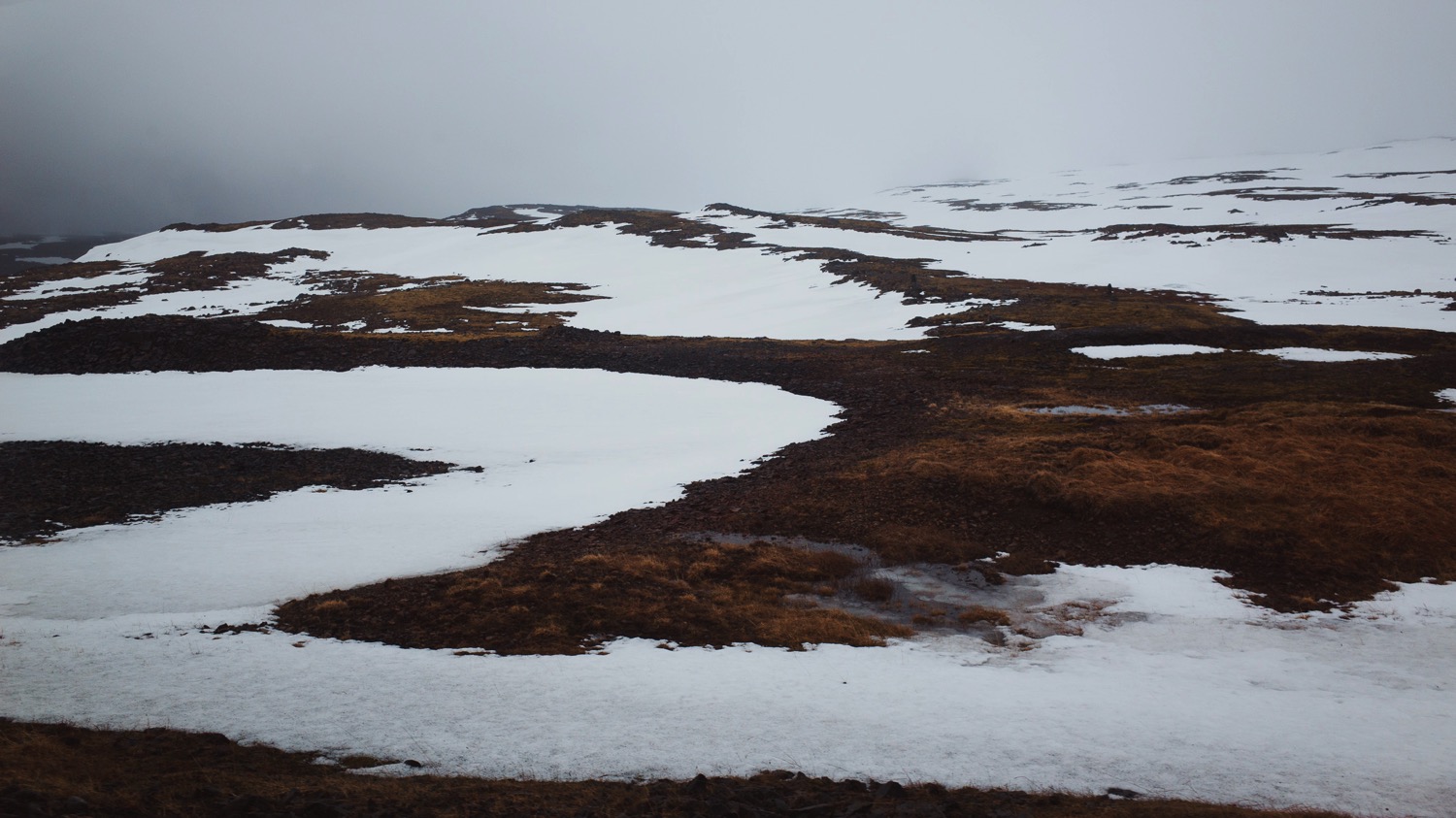
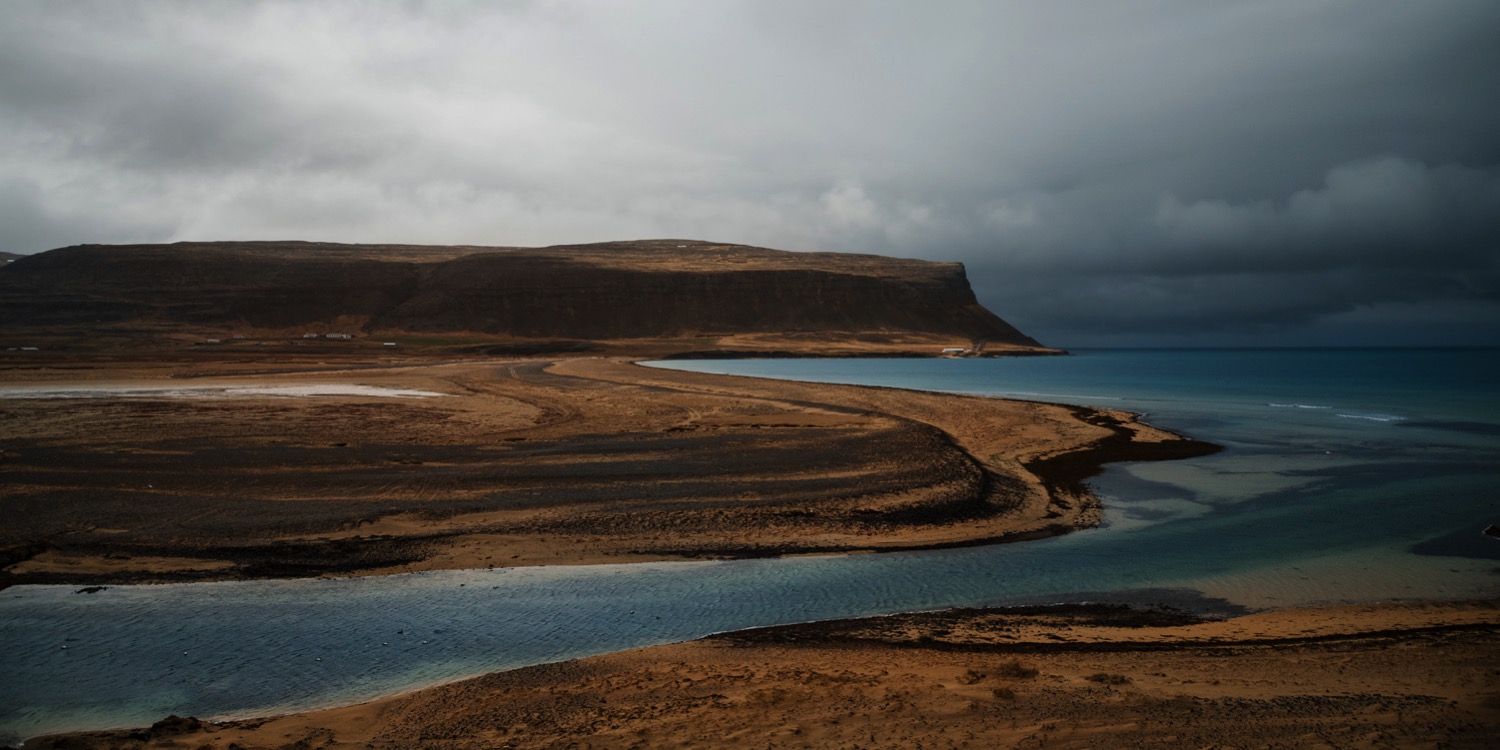
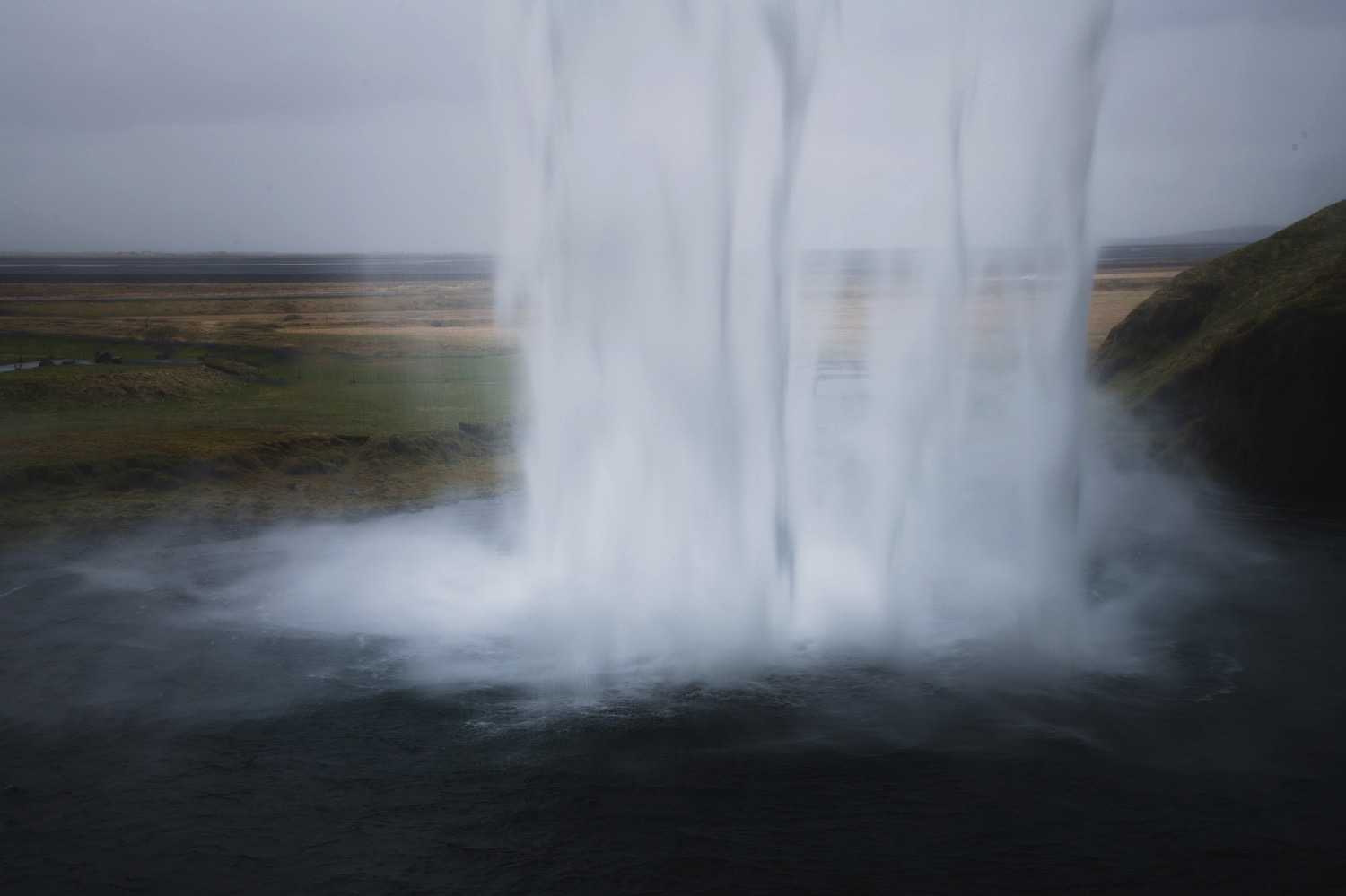
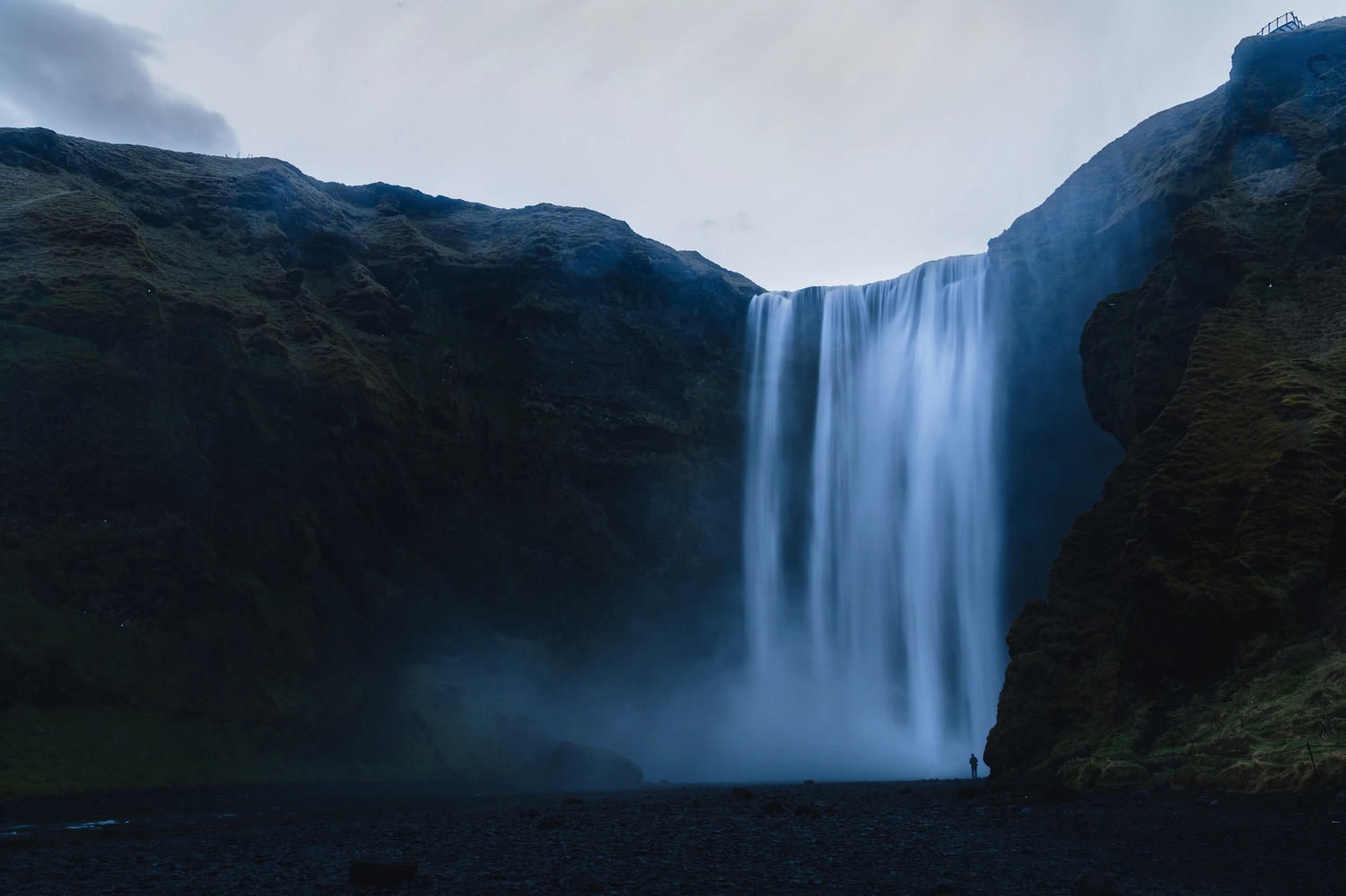
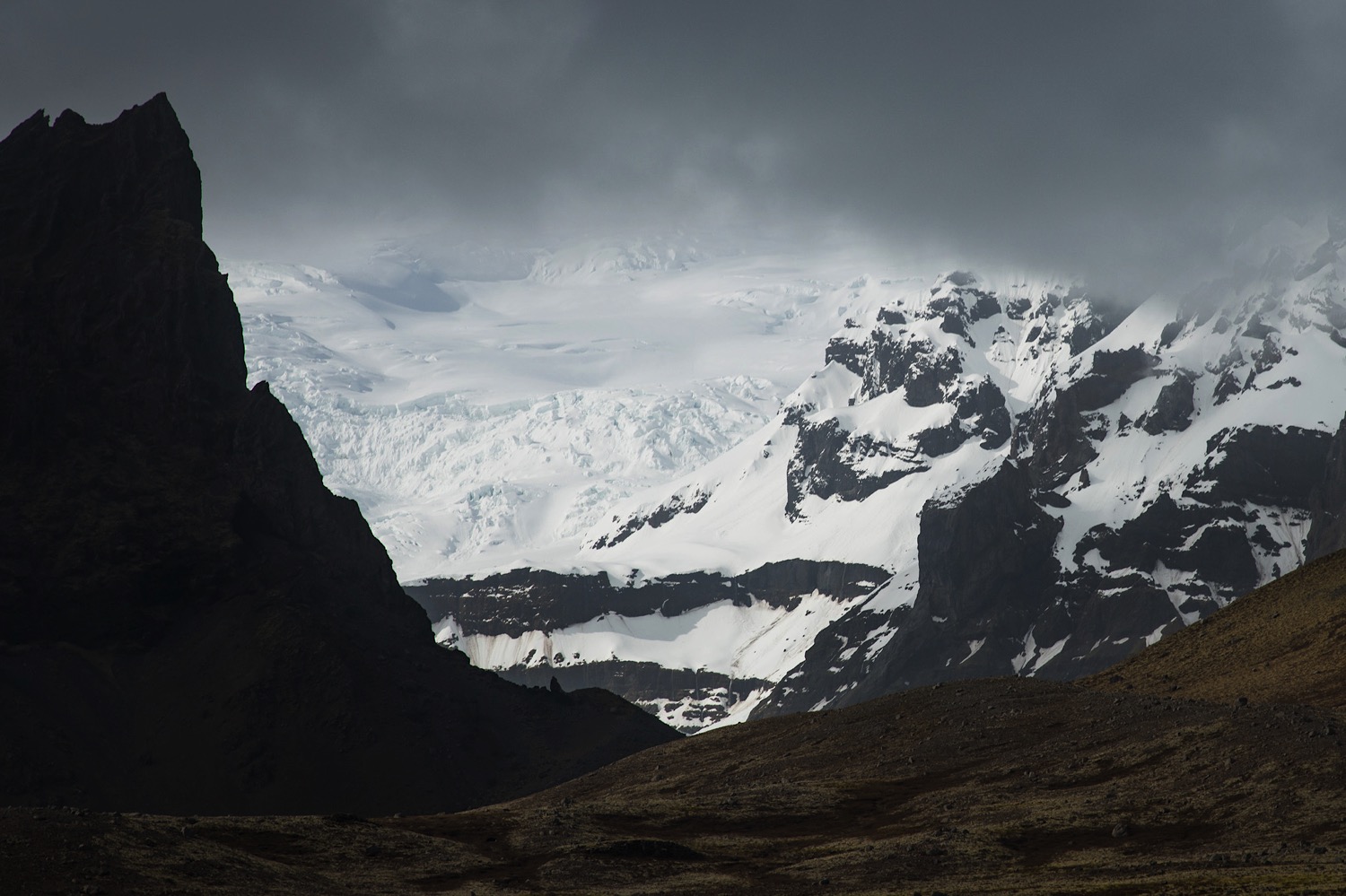
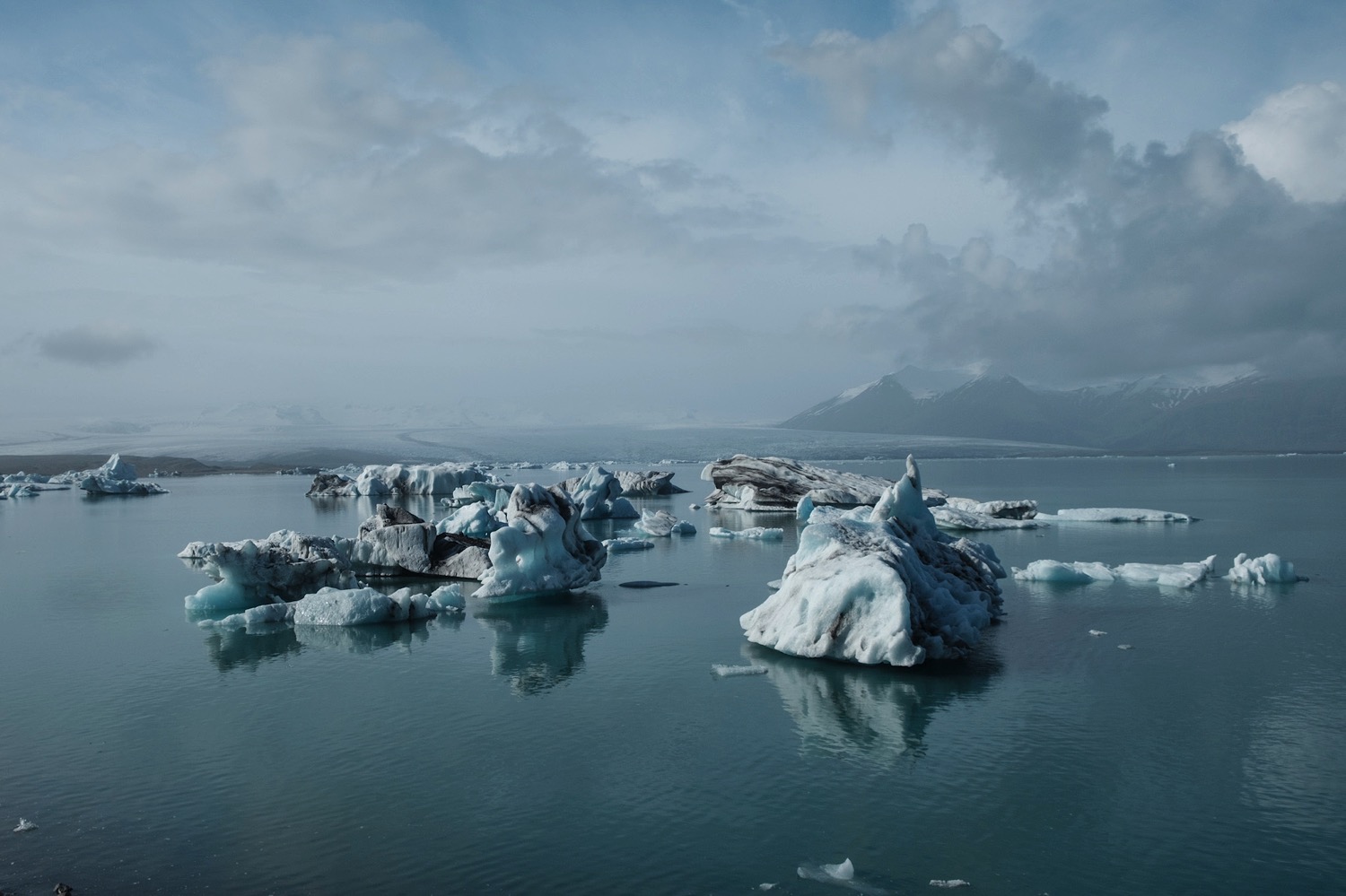
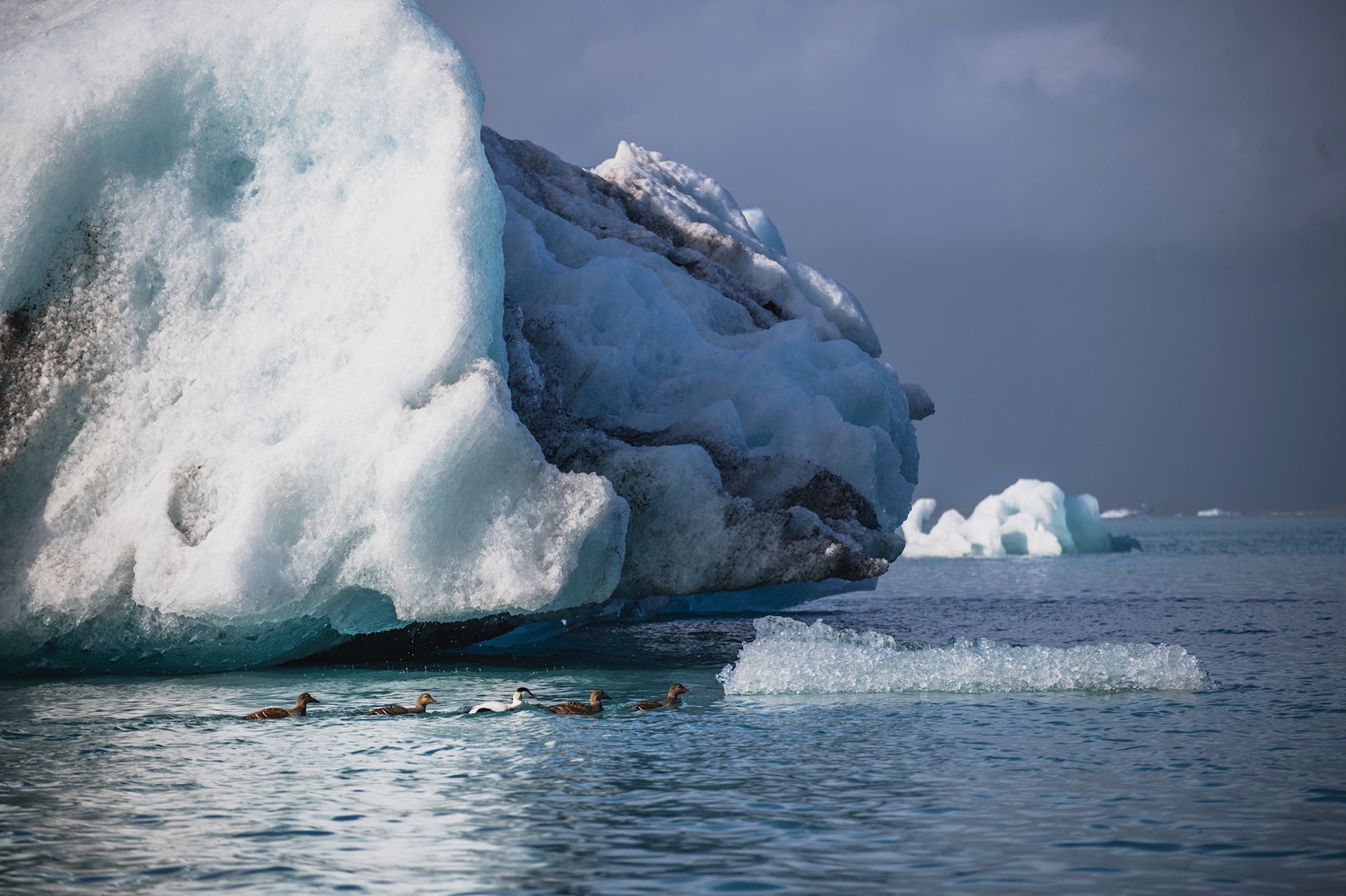
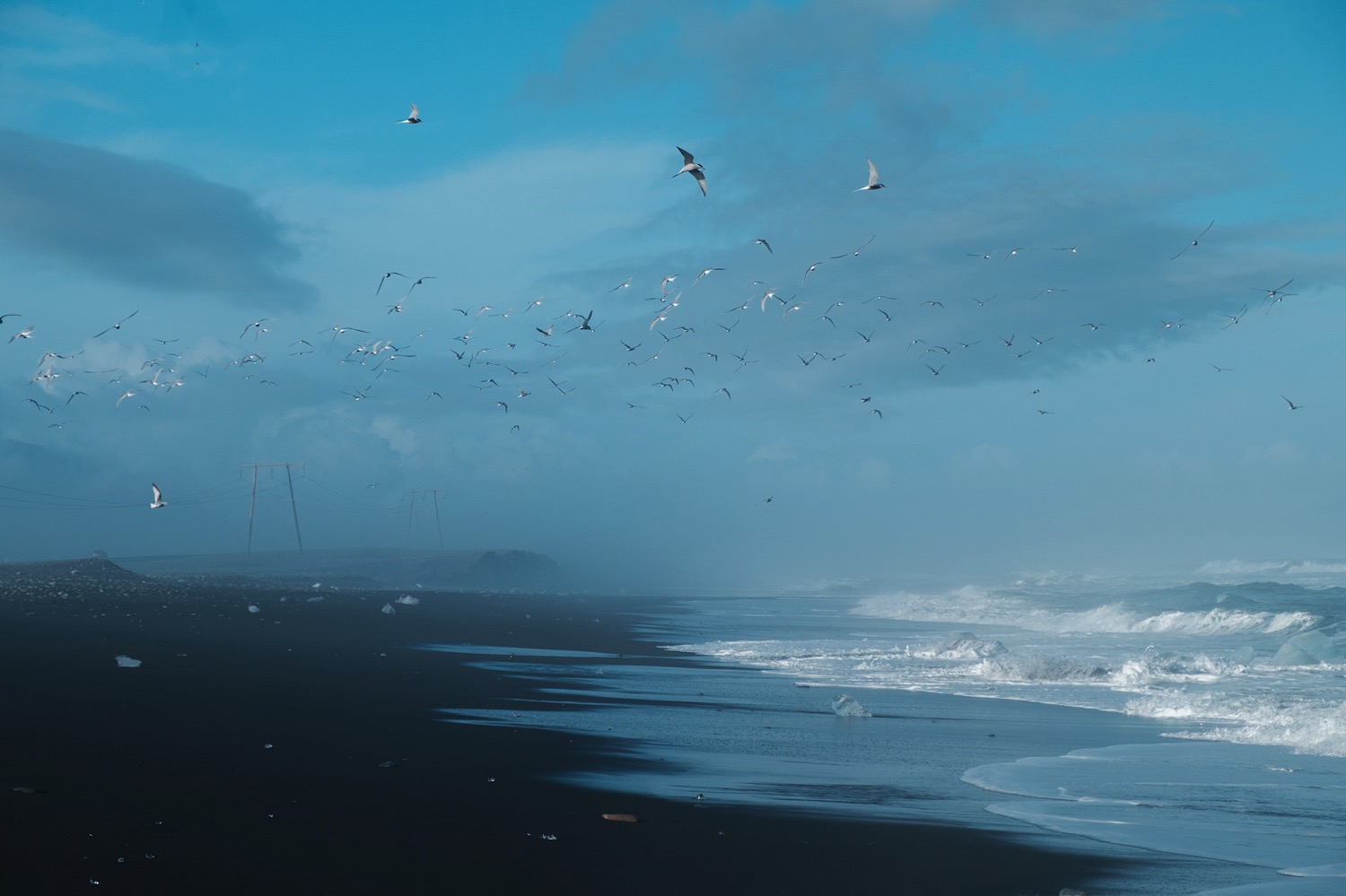
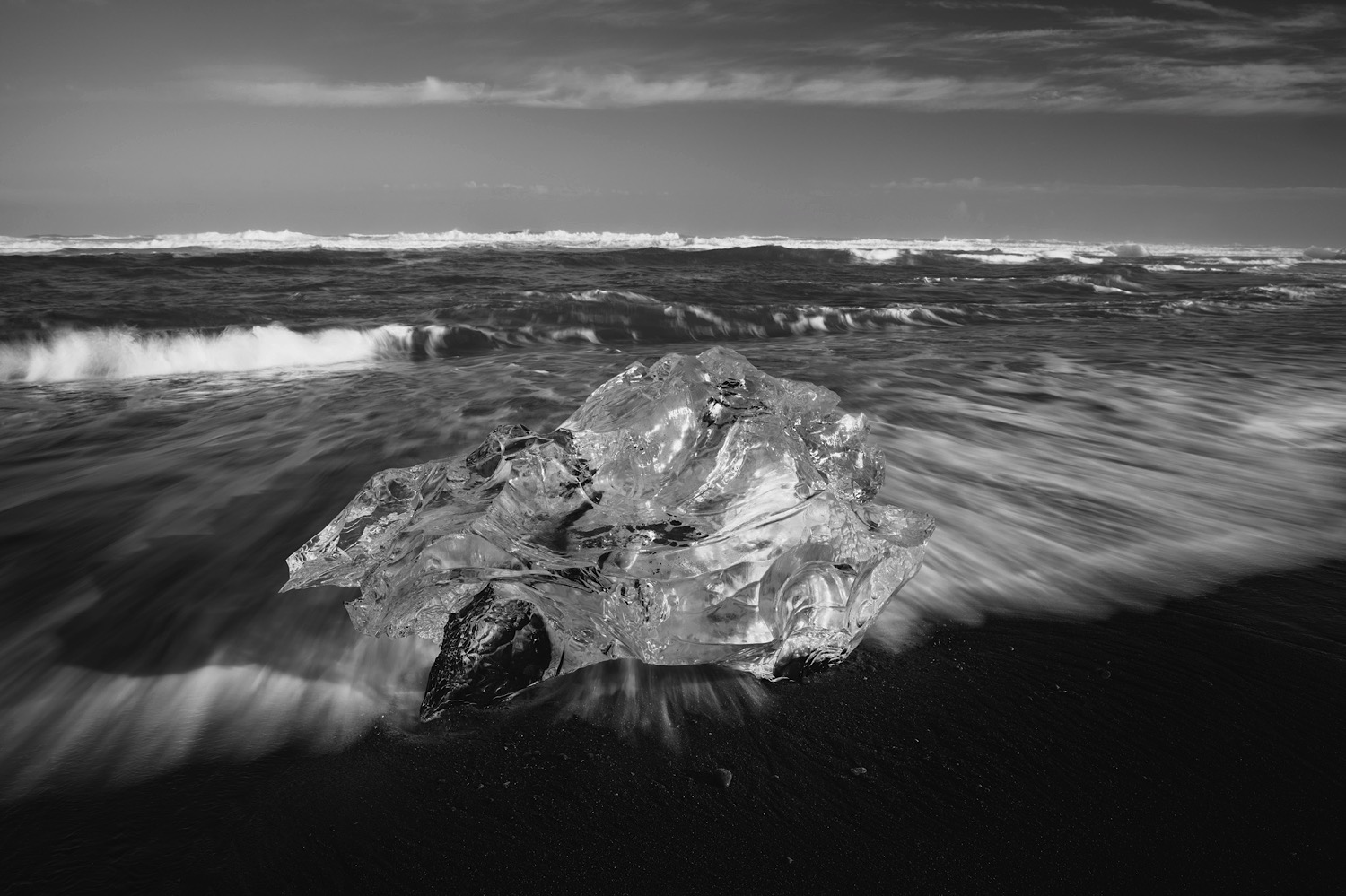
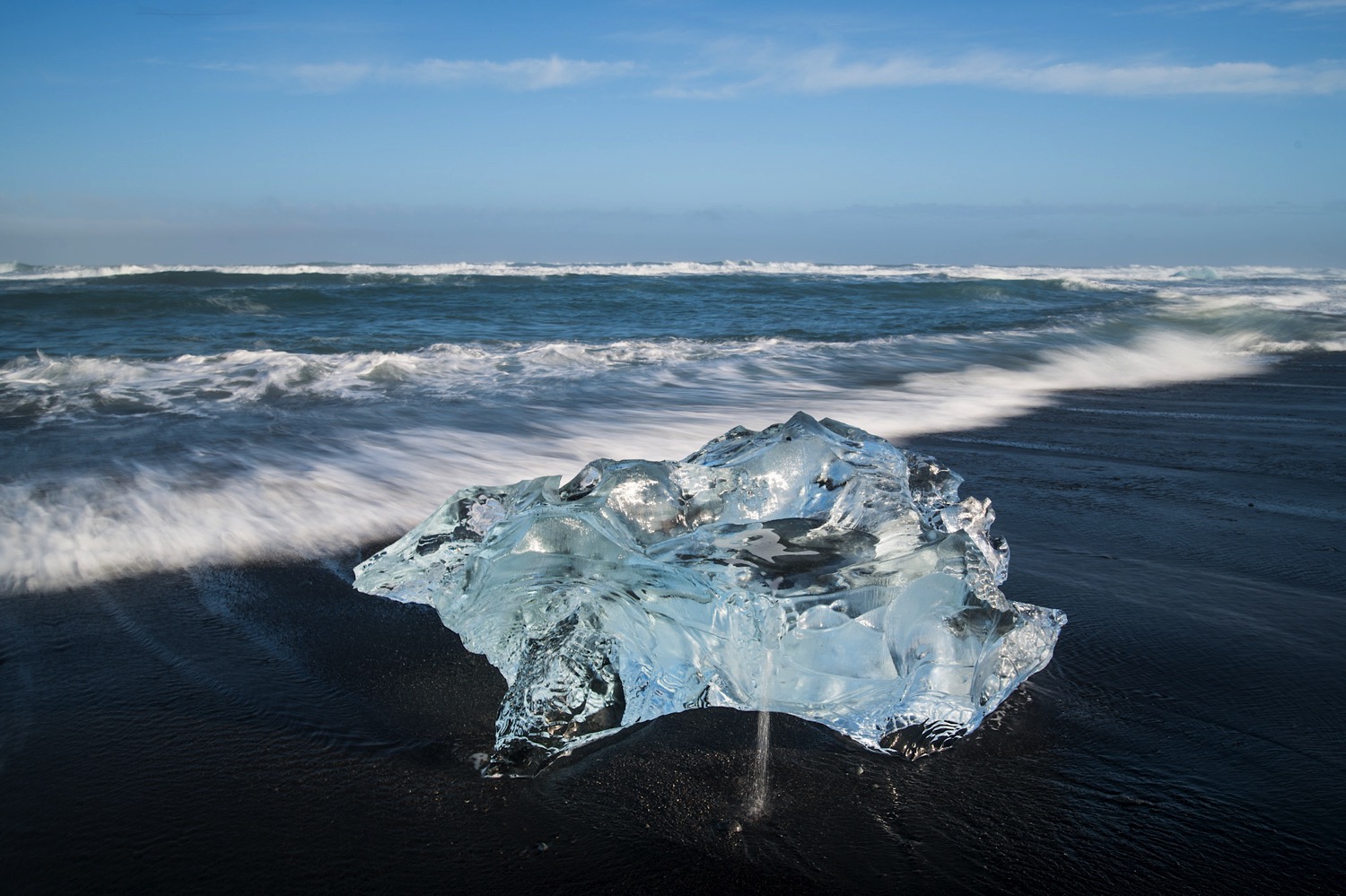
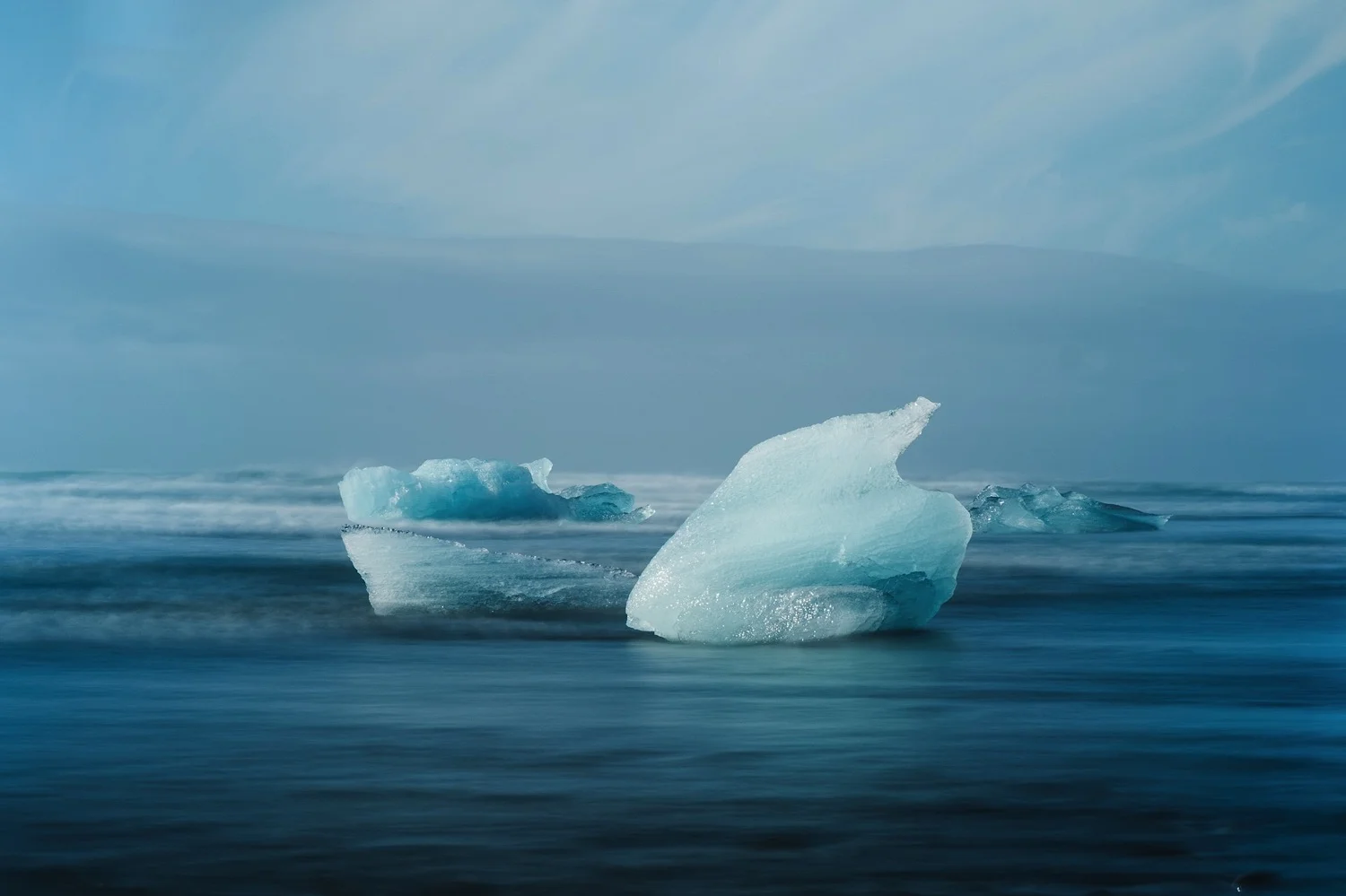
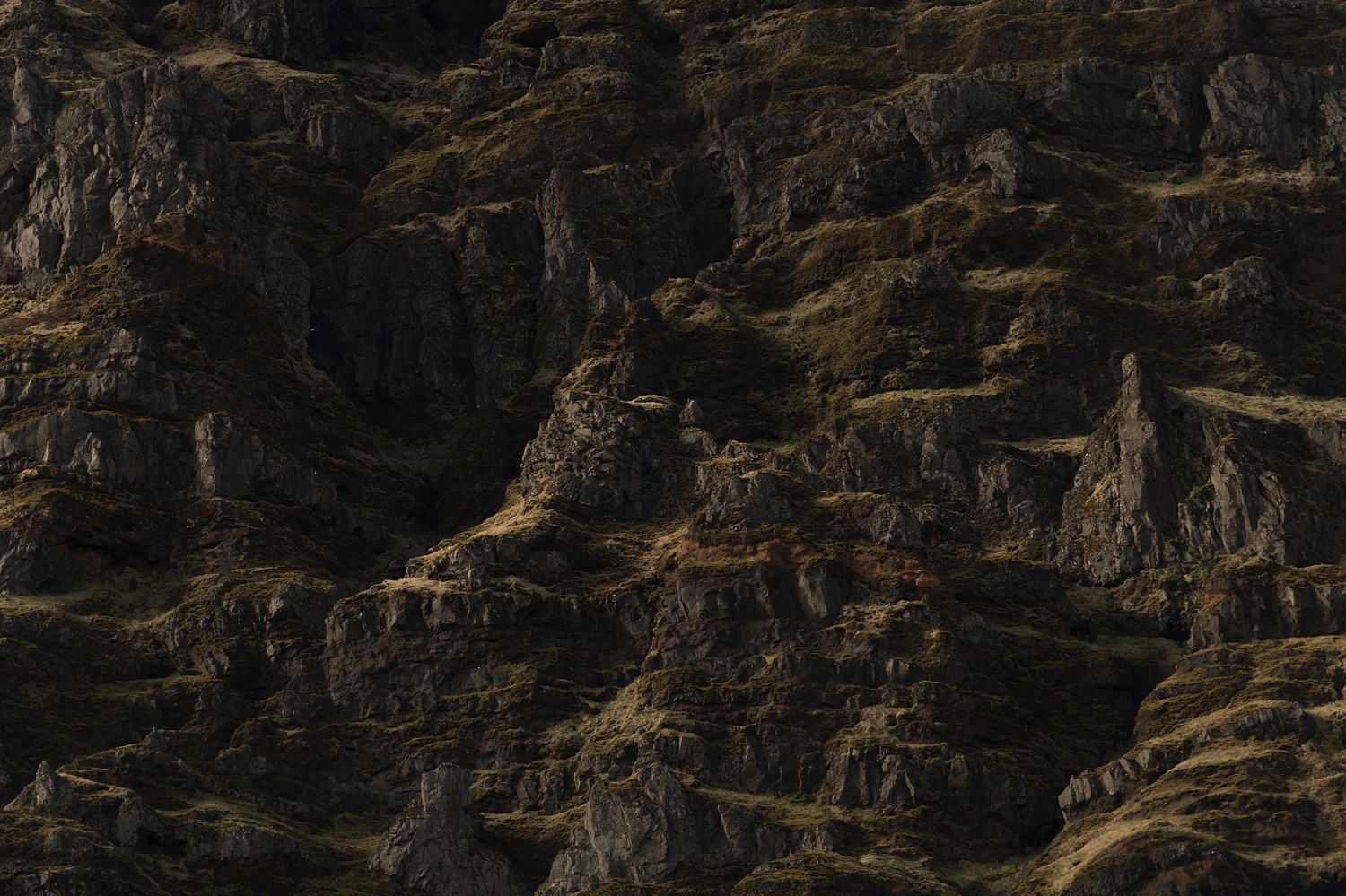
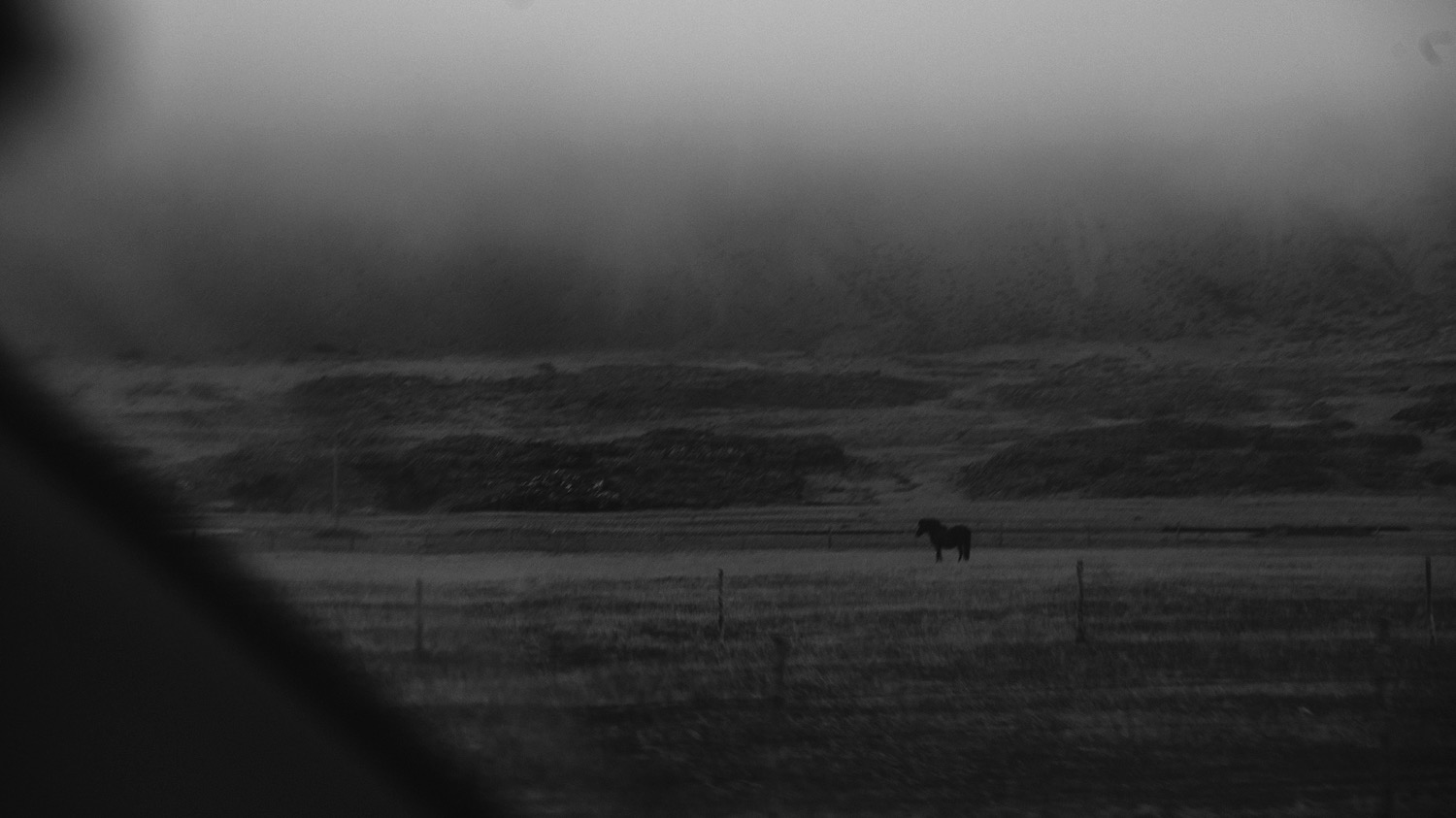
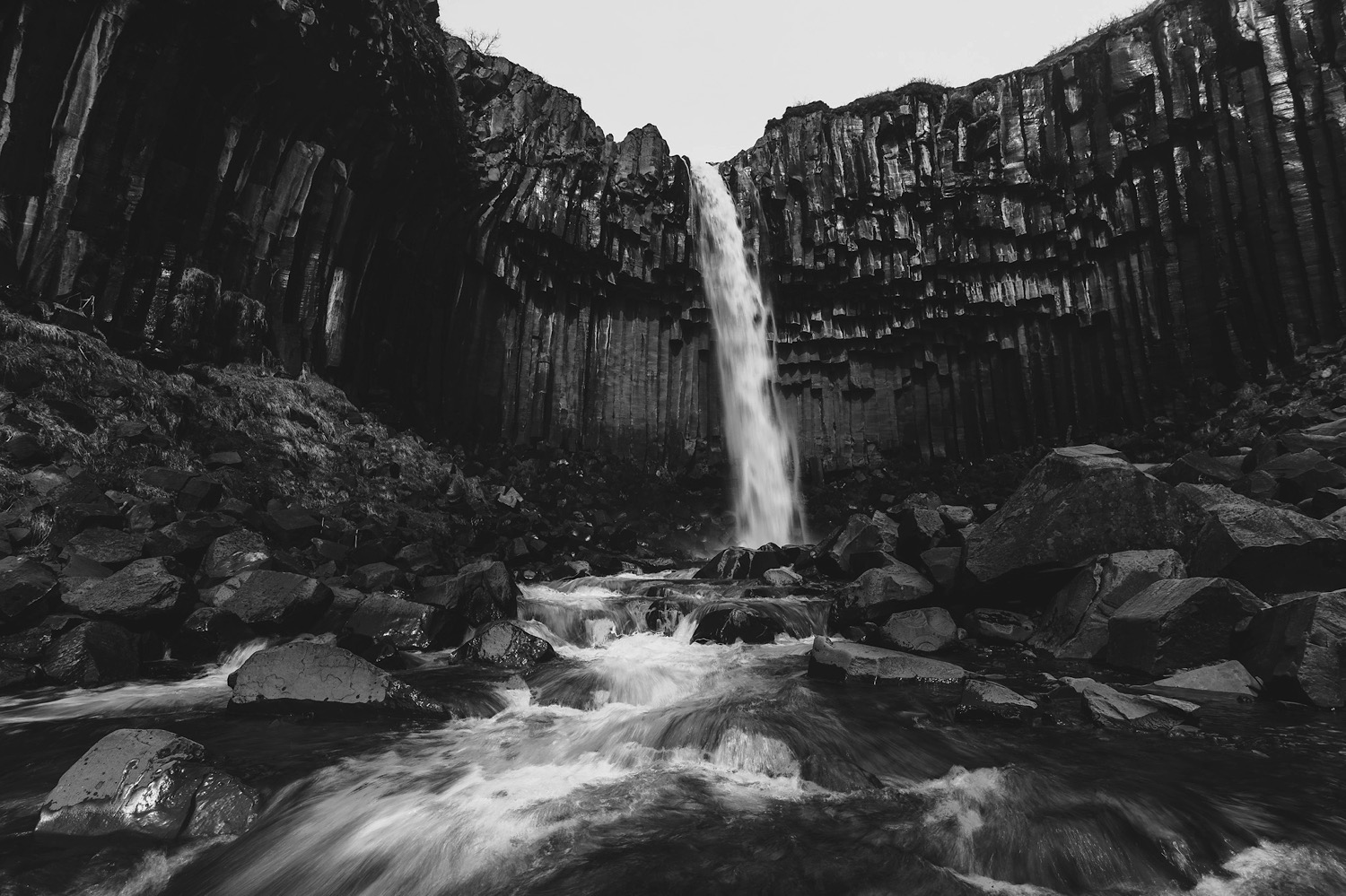
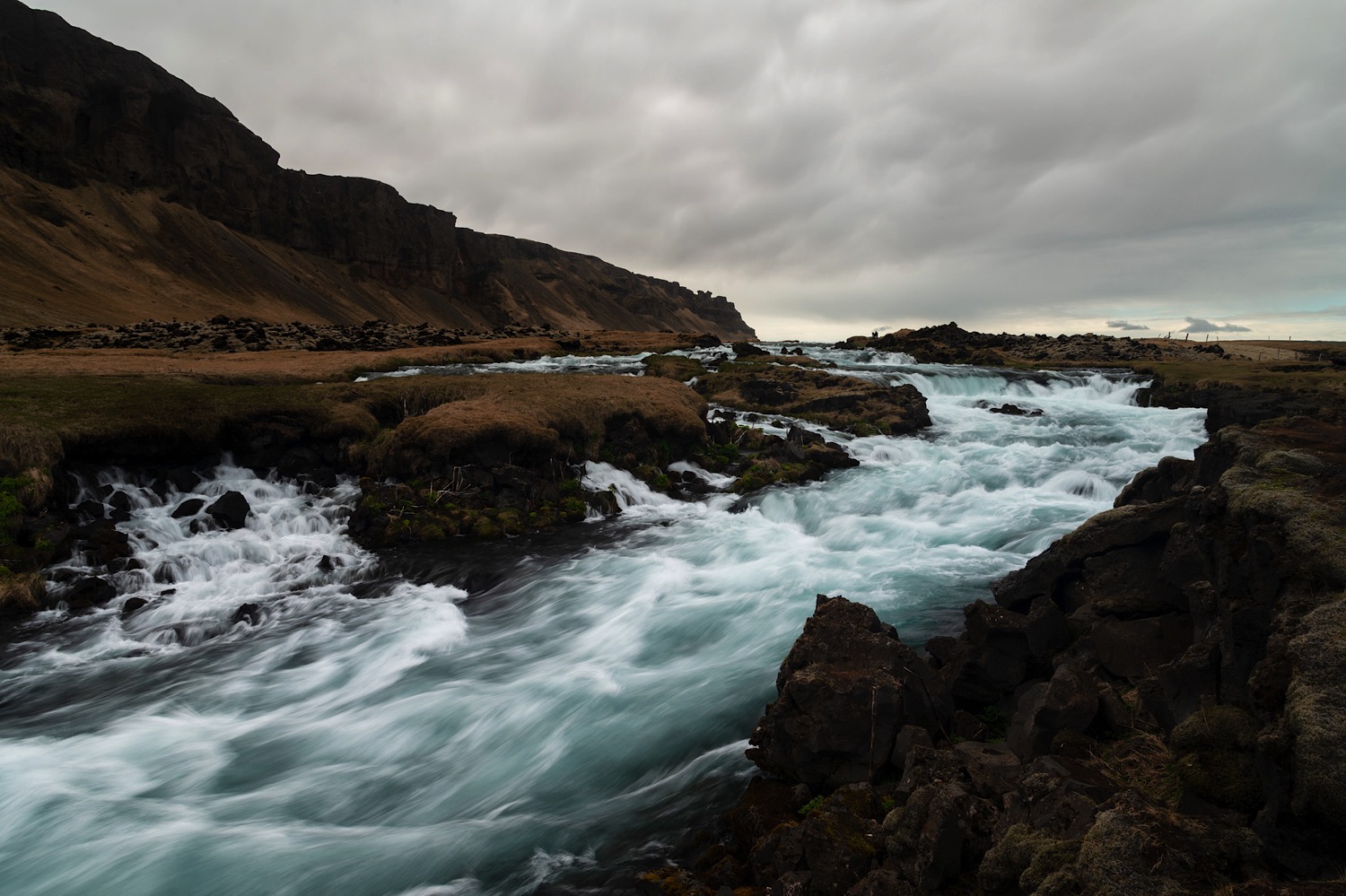
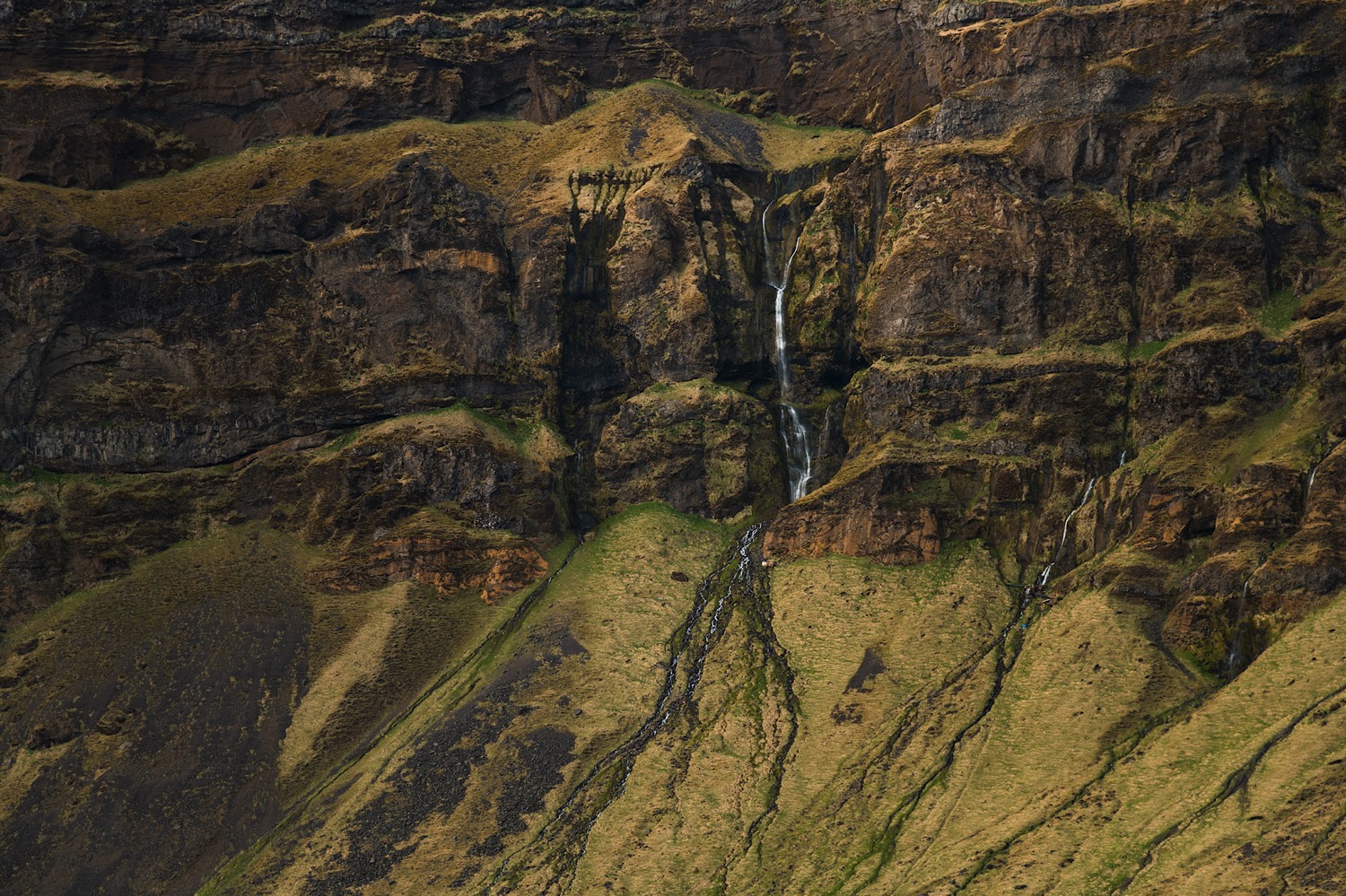
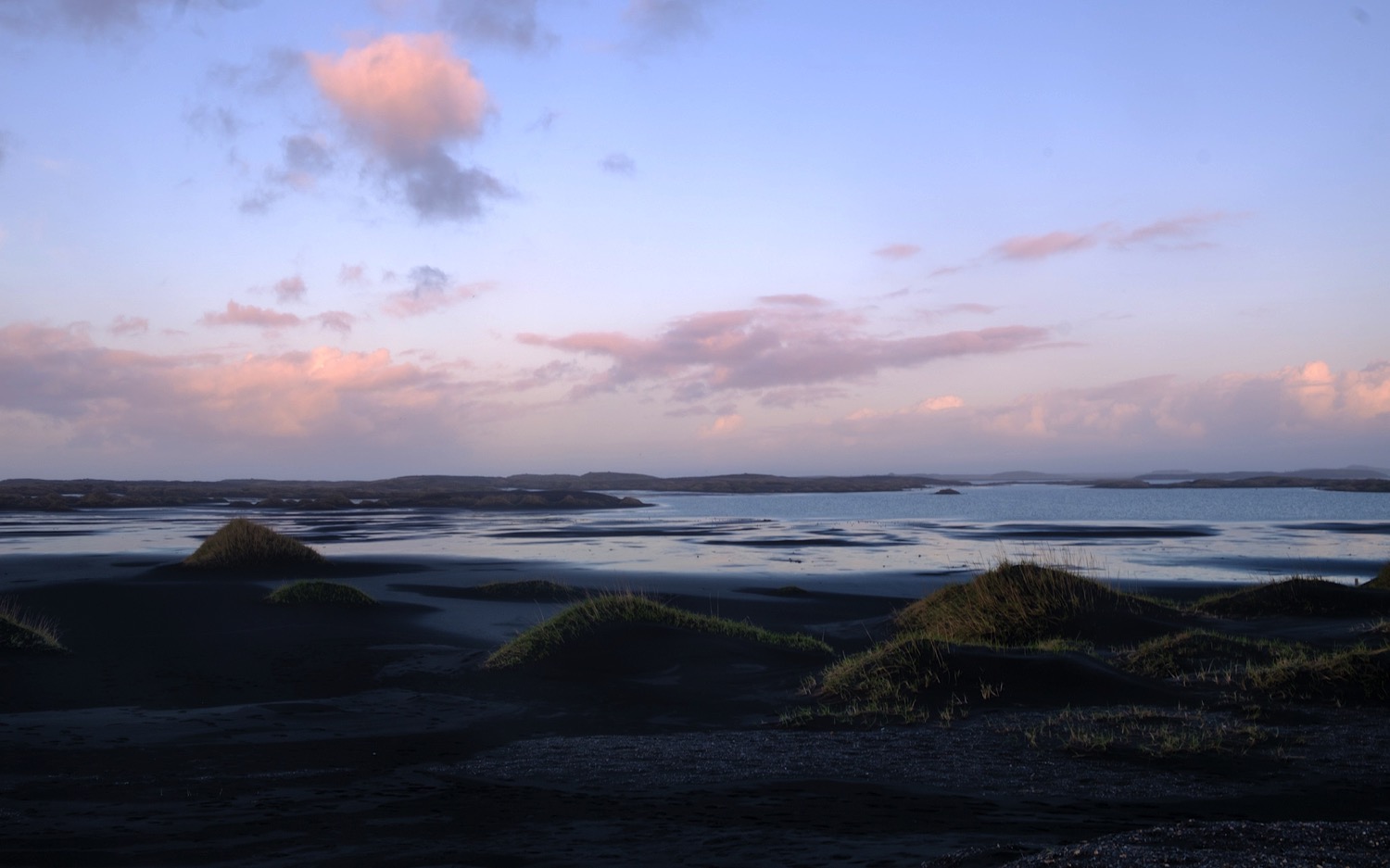
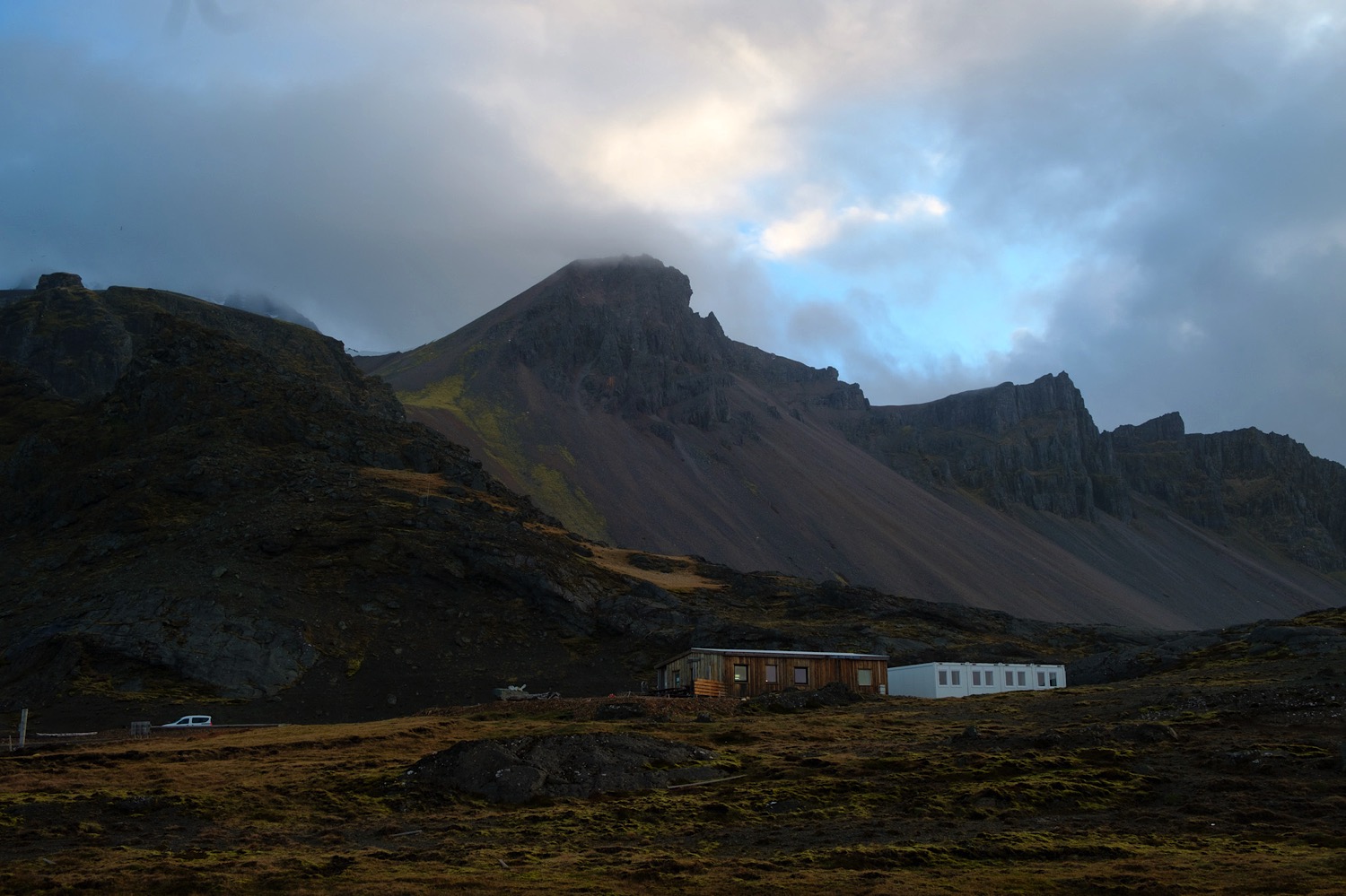
This past May, Julie and I had the opportunity to take a brief trip across the Atlantic and explore the sights of Iceland. In those brief six days, we traversed across the southern and western coasts of the vast island, exploring the unique landscape of rugged coastline, mossy hillsides, rocky terrain, black sand beaches, snow dusted mountain ranges, glacial lagoons, and waterfalls galore.
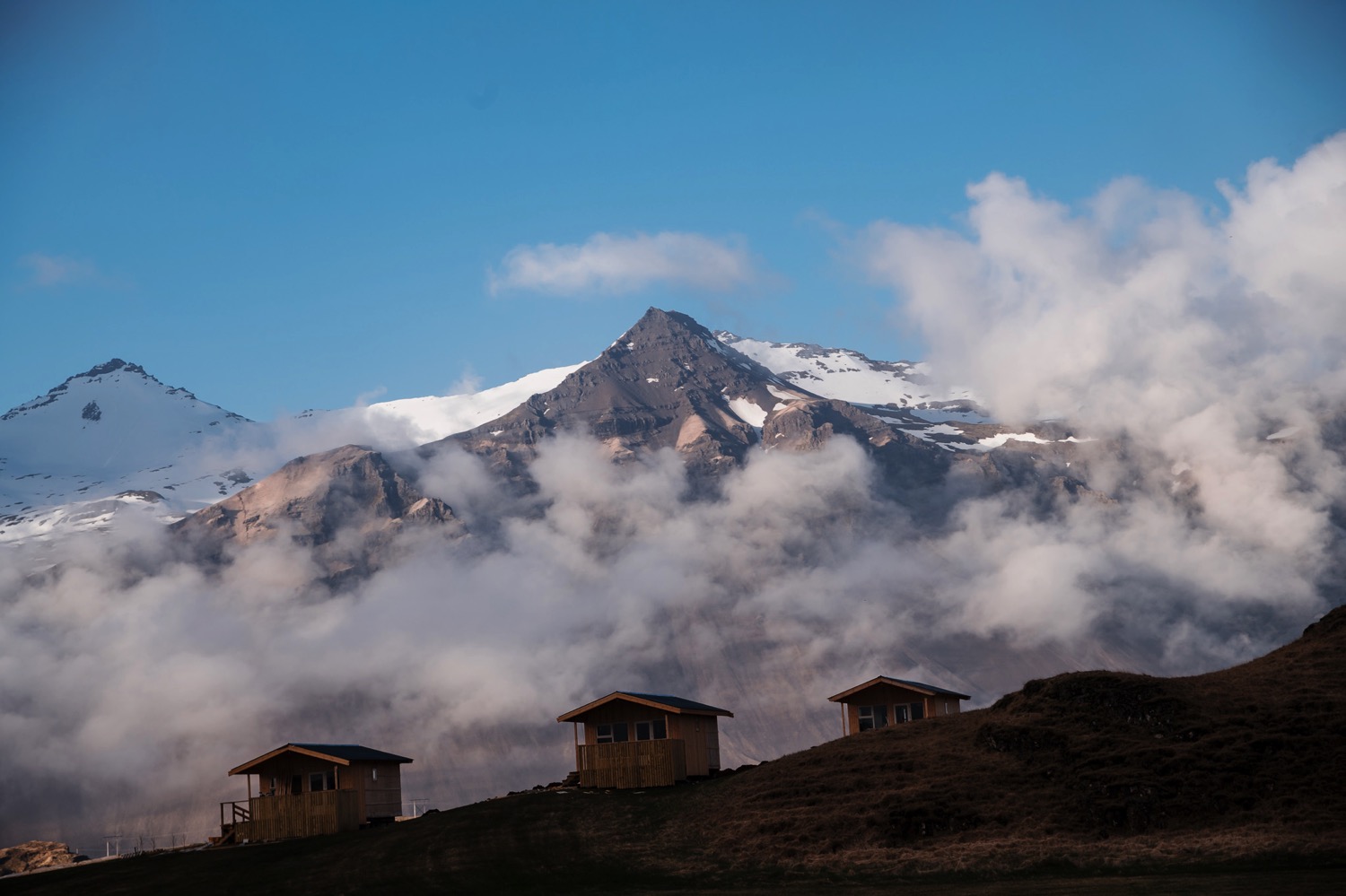
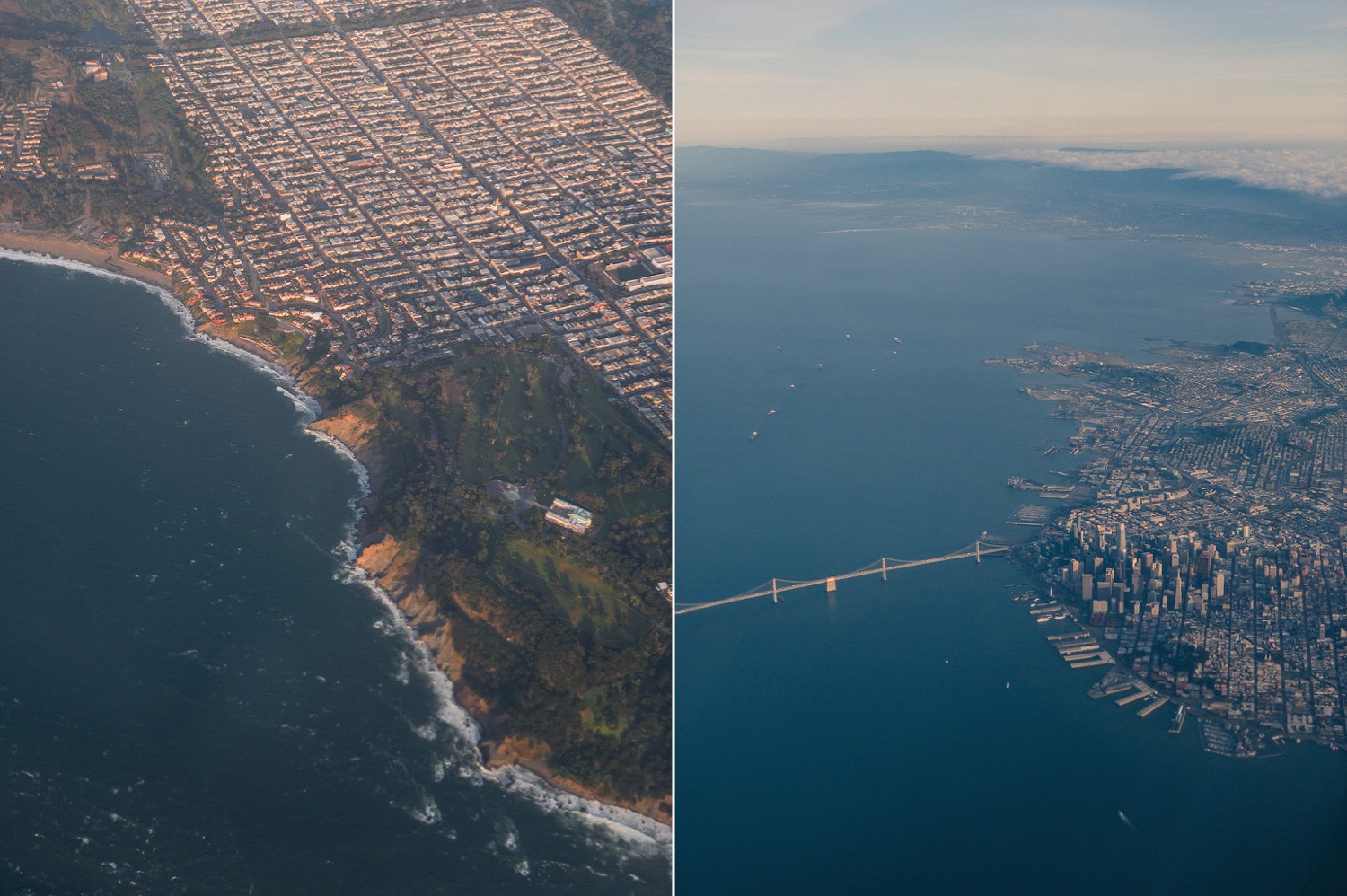
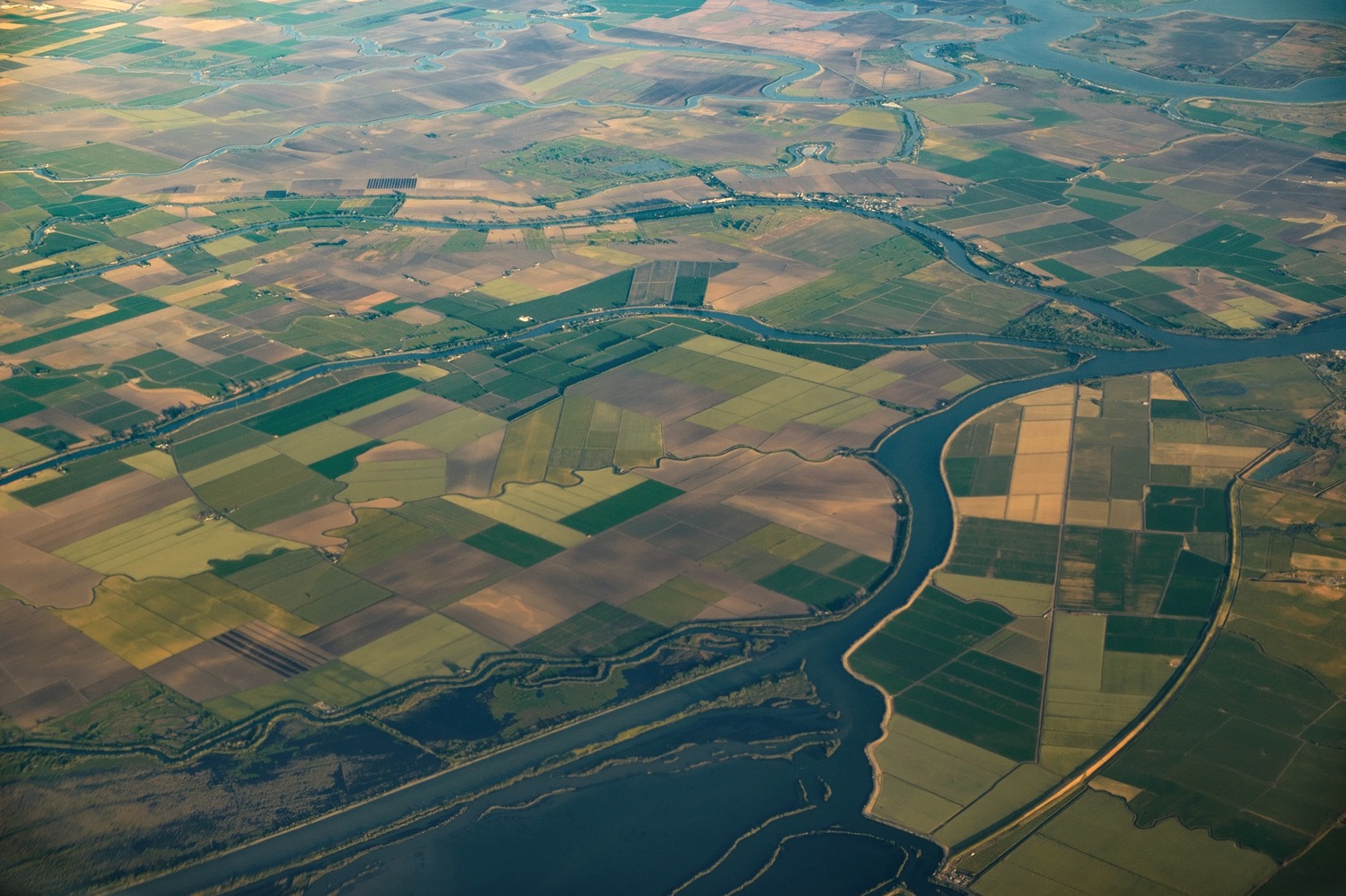
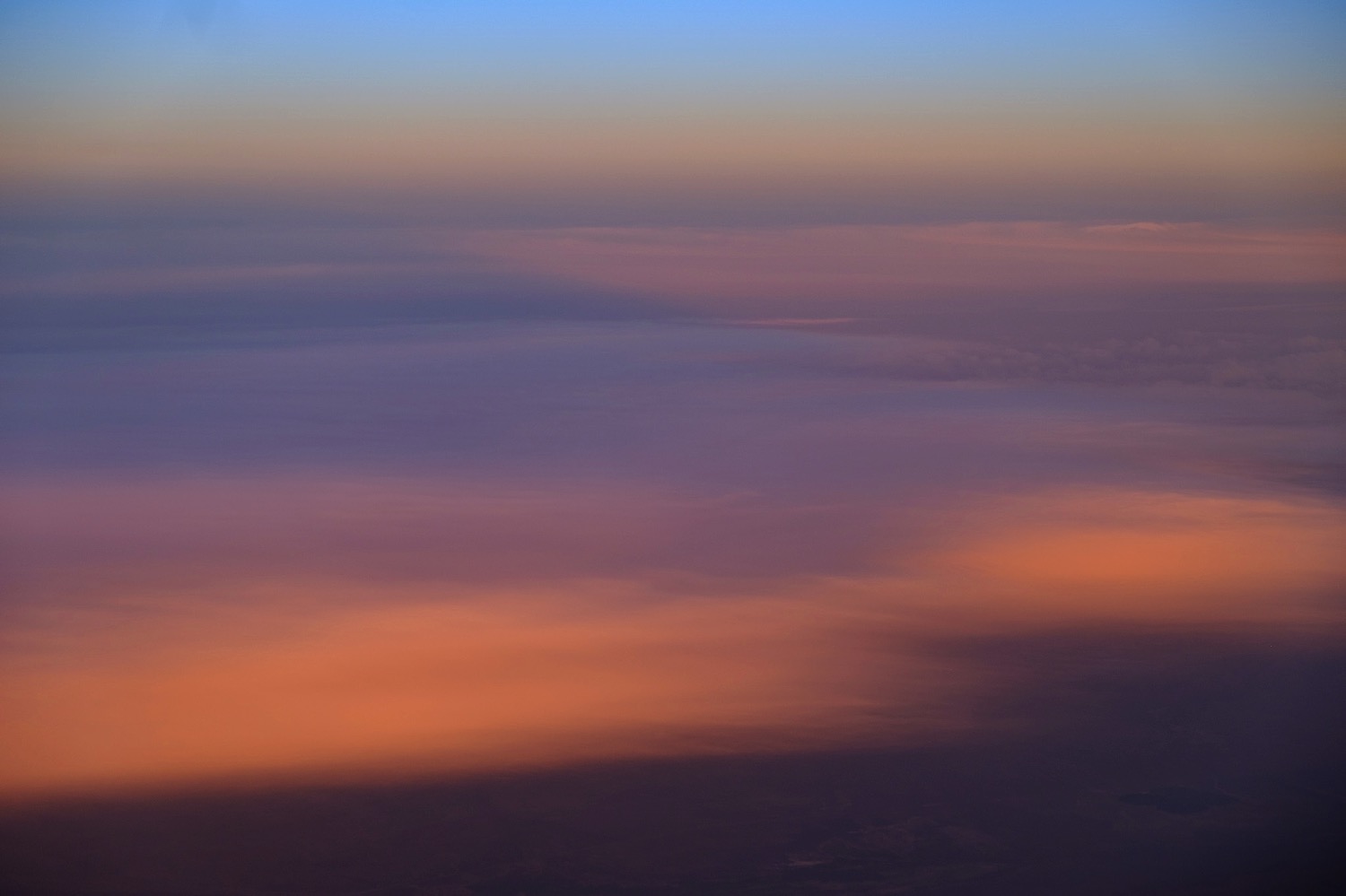
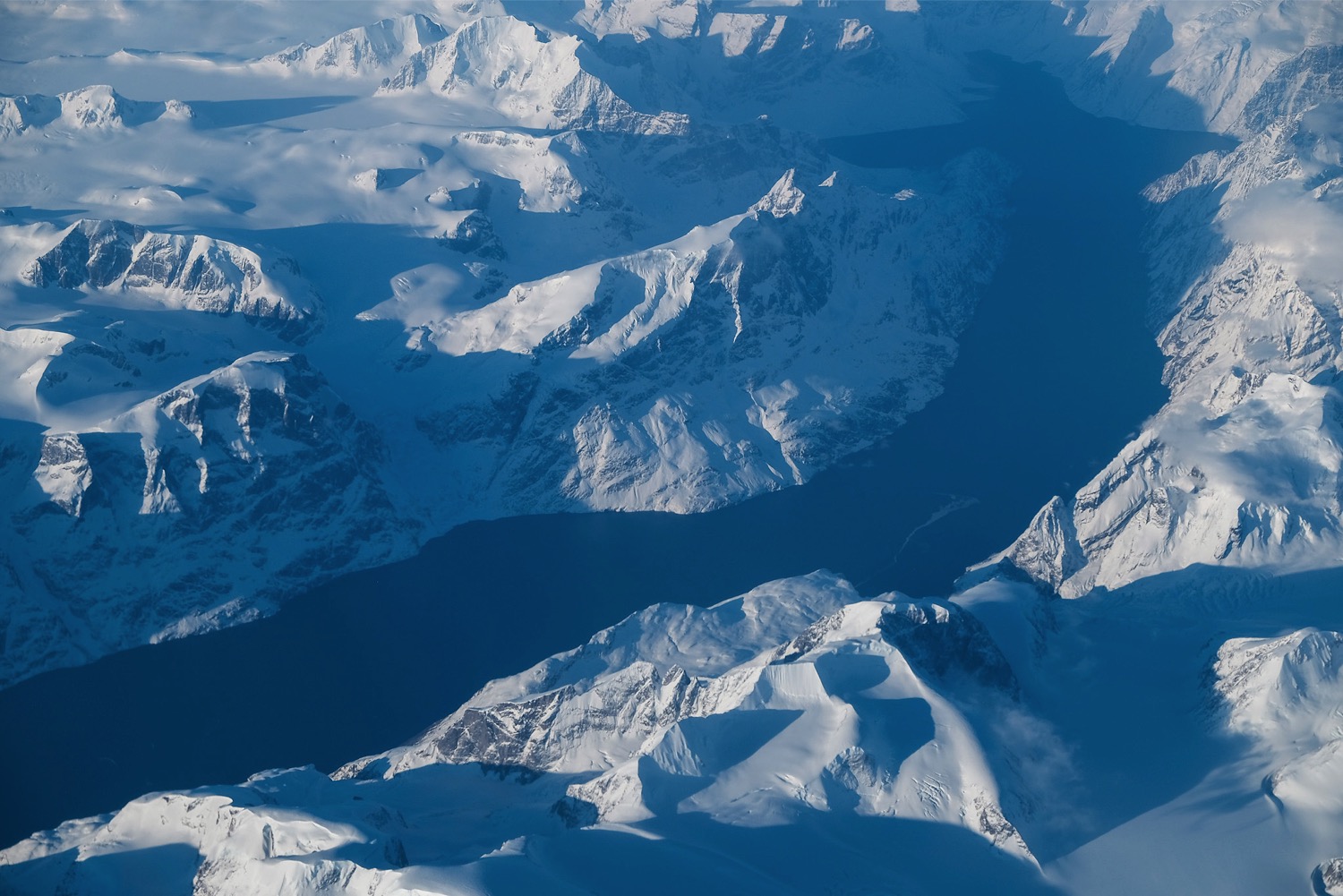
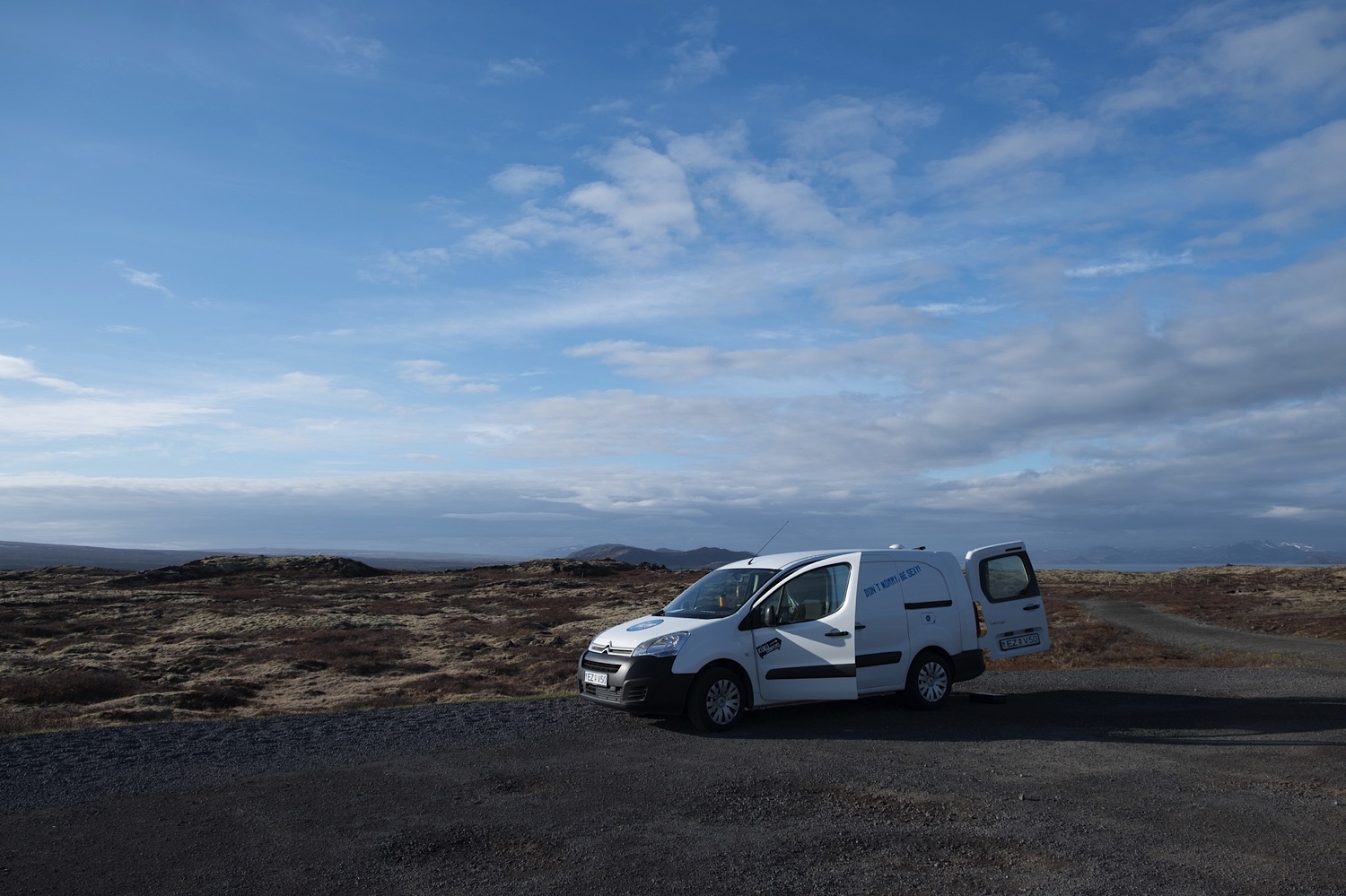
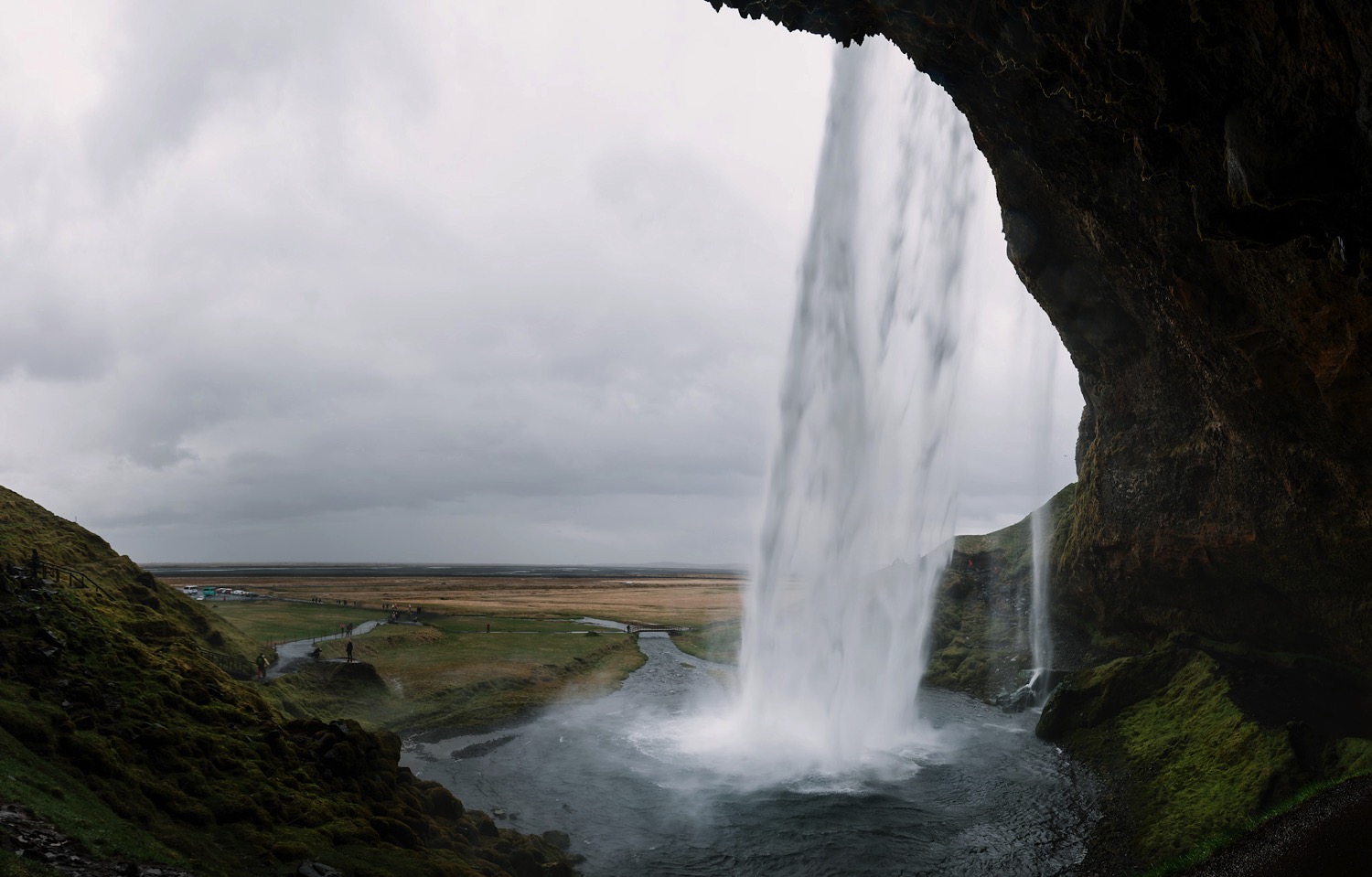
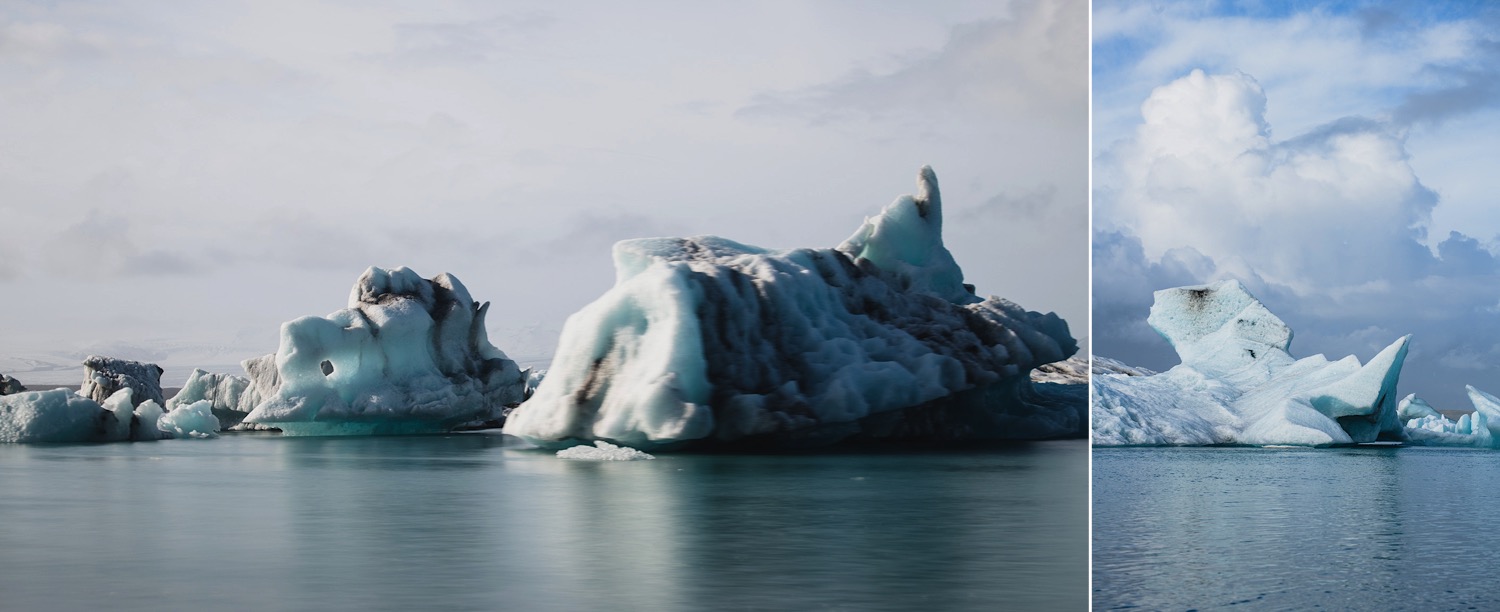
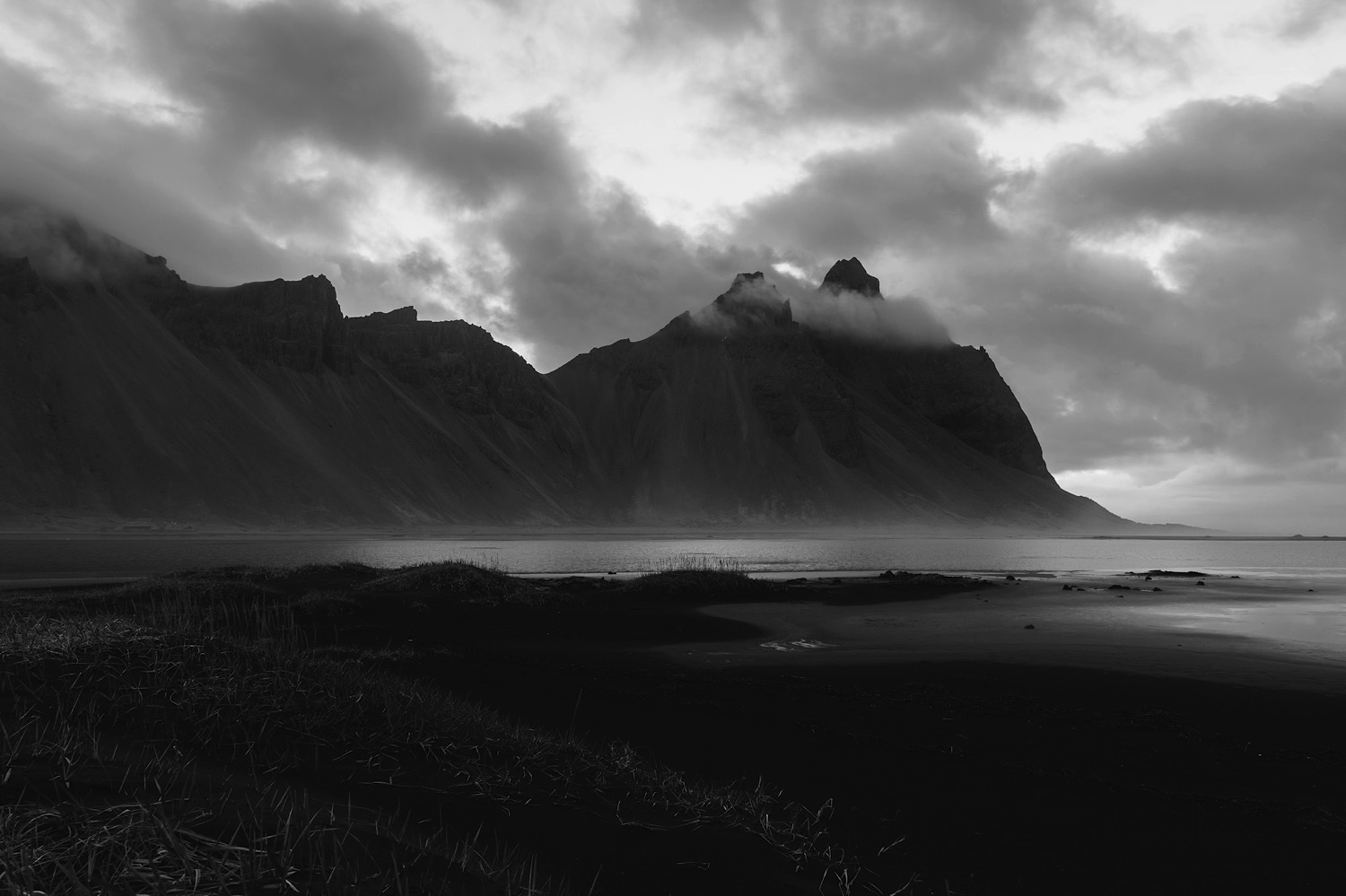
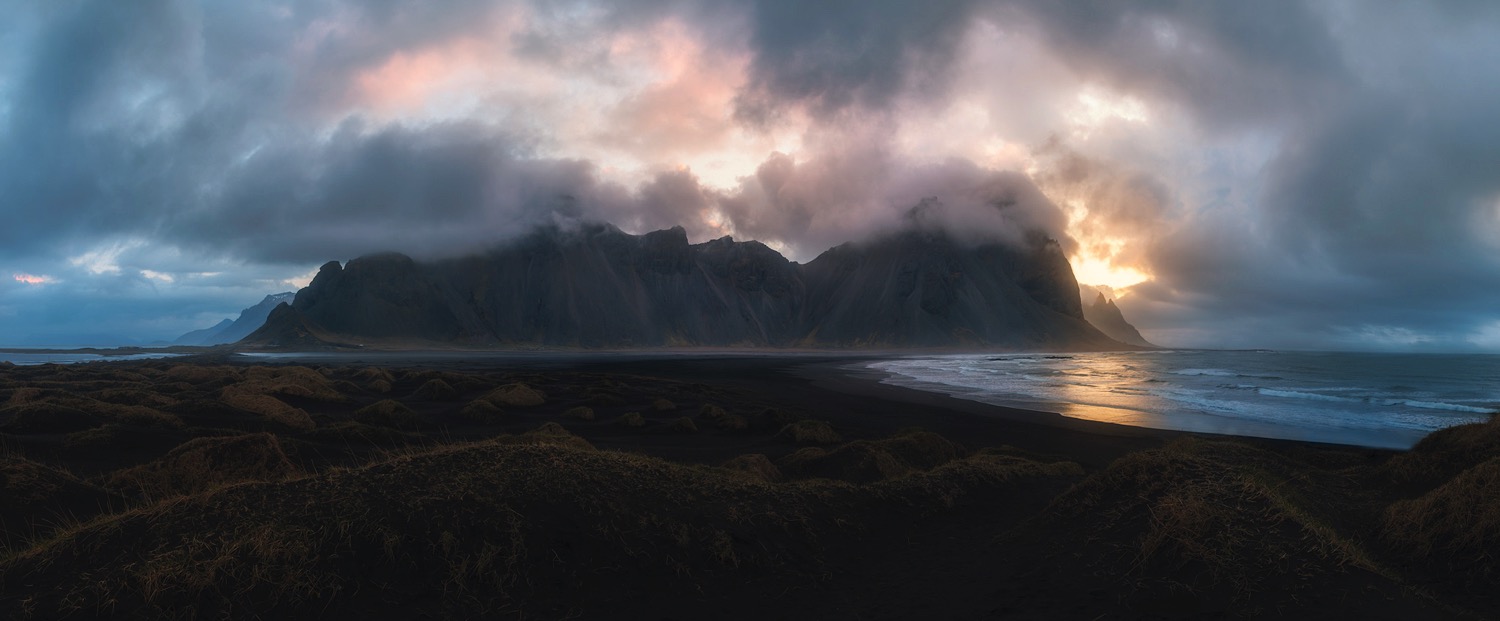
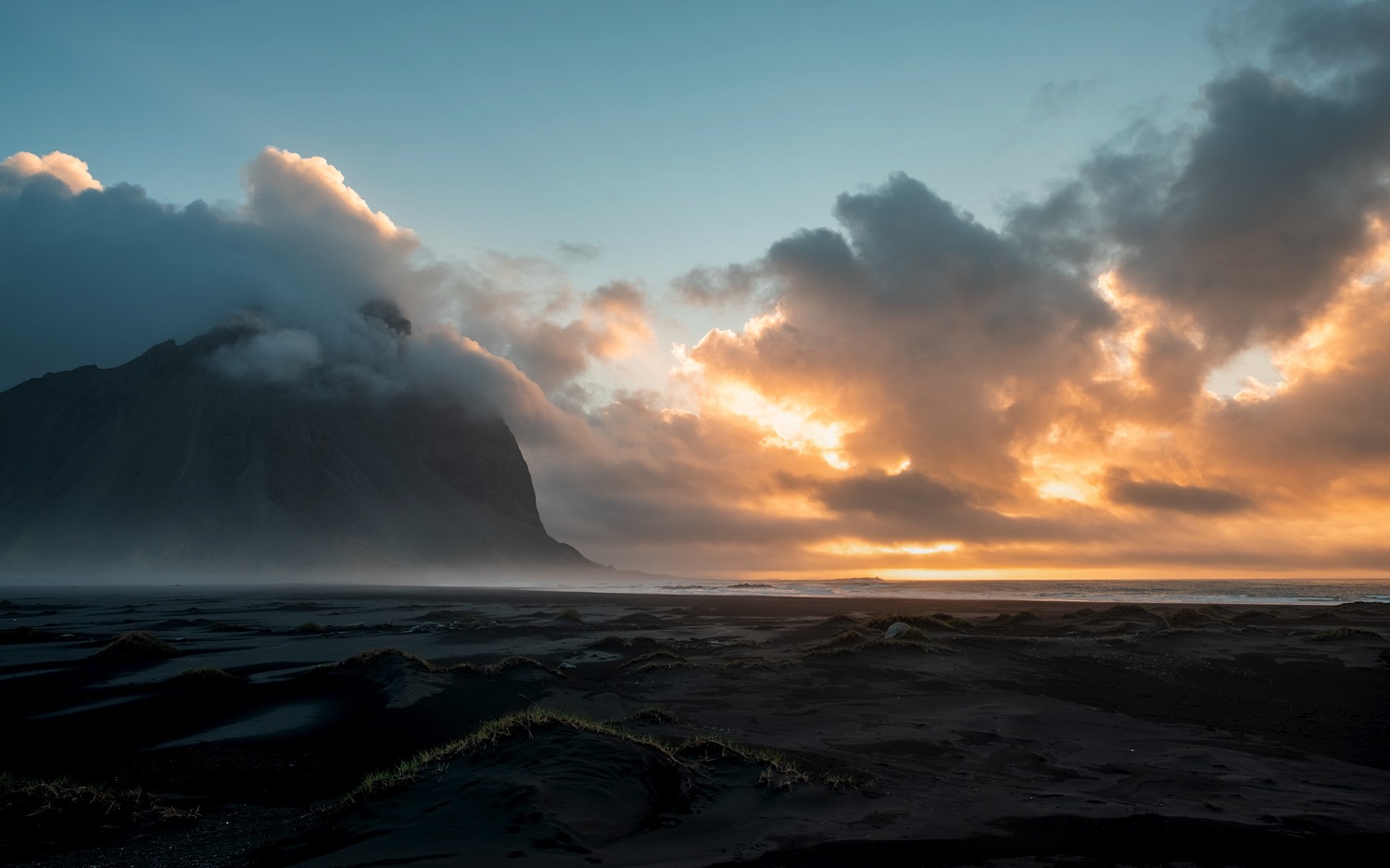
In this first part of a two part series, I share images of our journey over the Atlantic, our cozy home for those six days (Kuku Campers), waterfalls big (Skógafoss, Seljalandsfoss, Svartifoss) and small, the relentless current of Reynisfjara, glaciers and floating icebergs from Skaftafell and Jökulsárlón, and the majestic Vestrahorn.
Update: Part II is here!



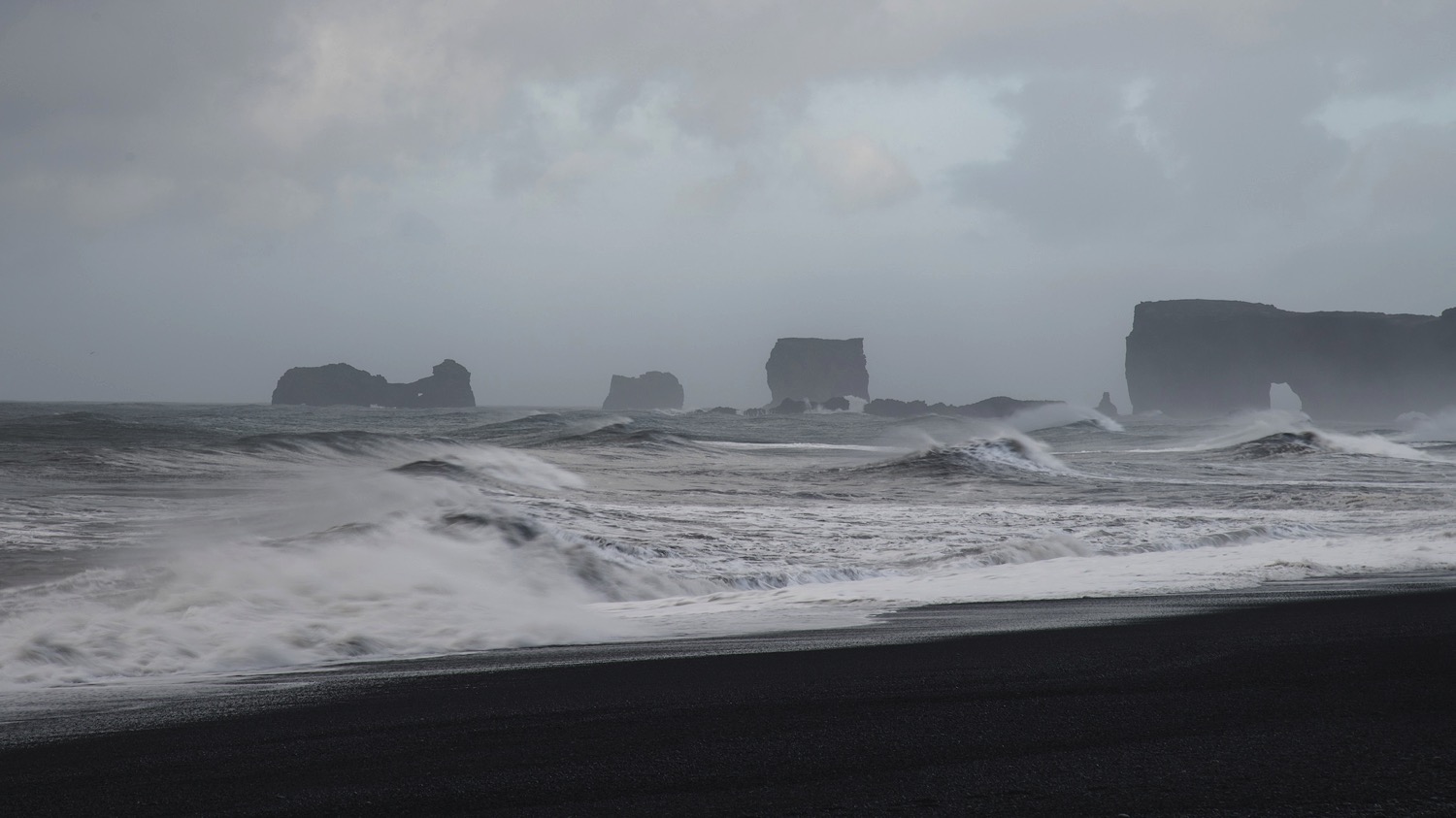
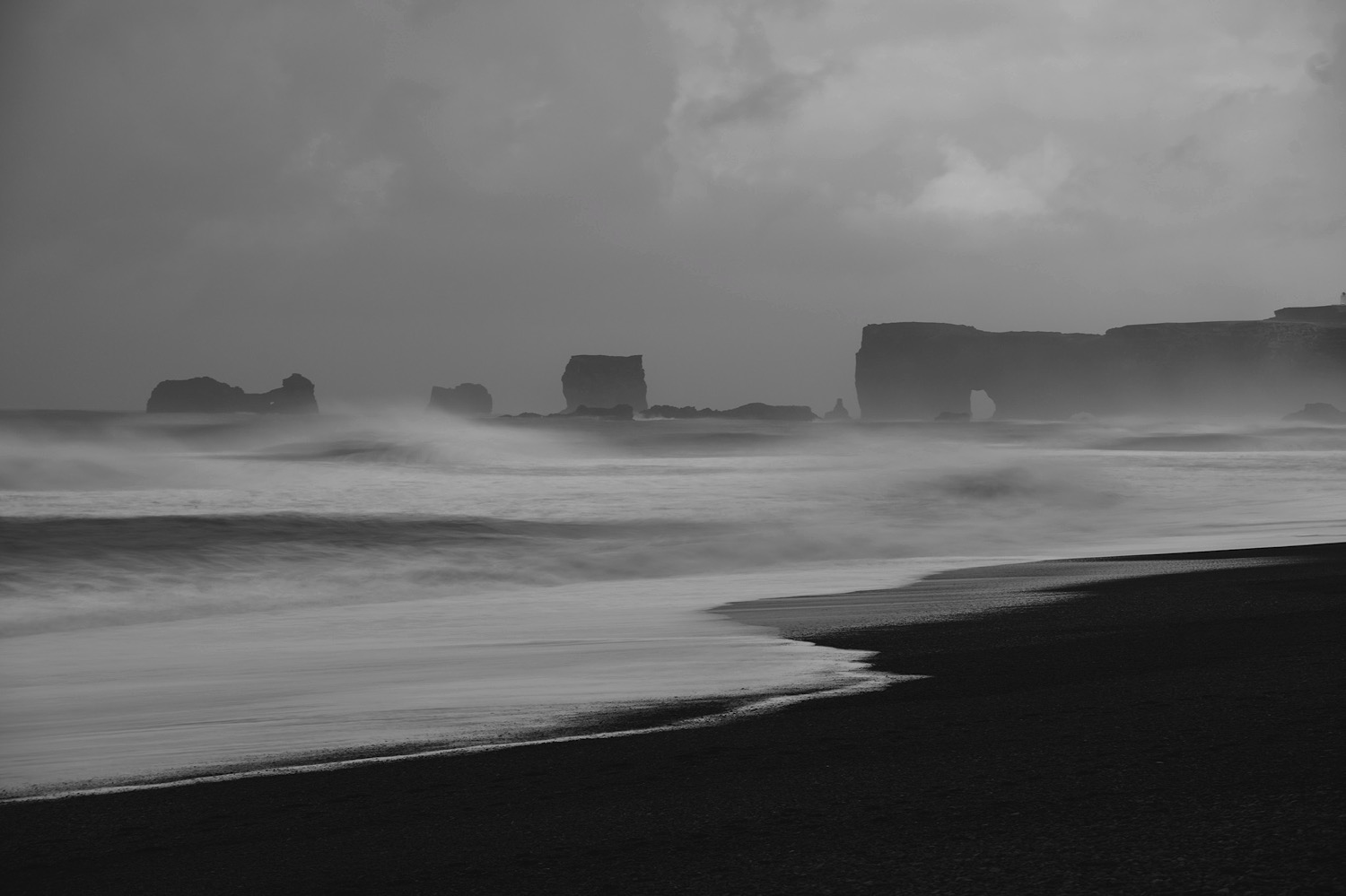
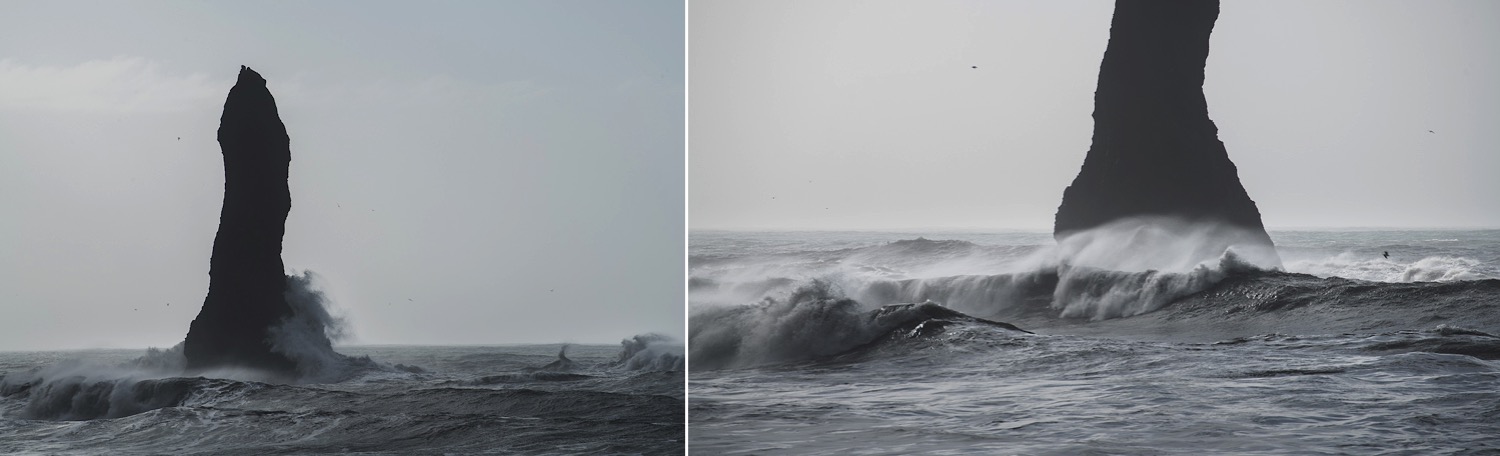

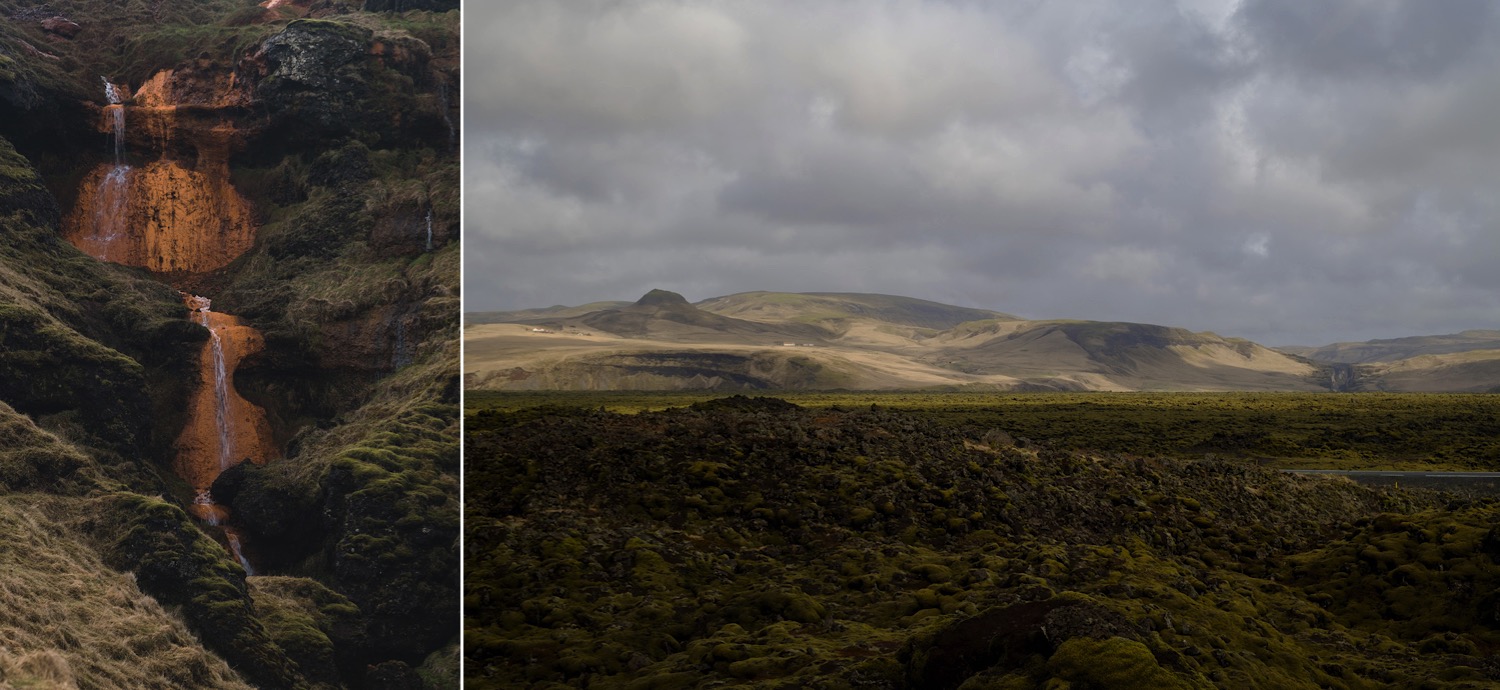
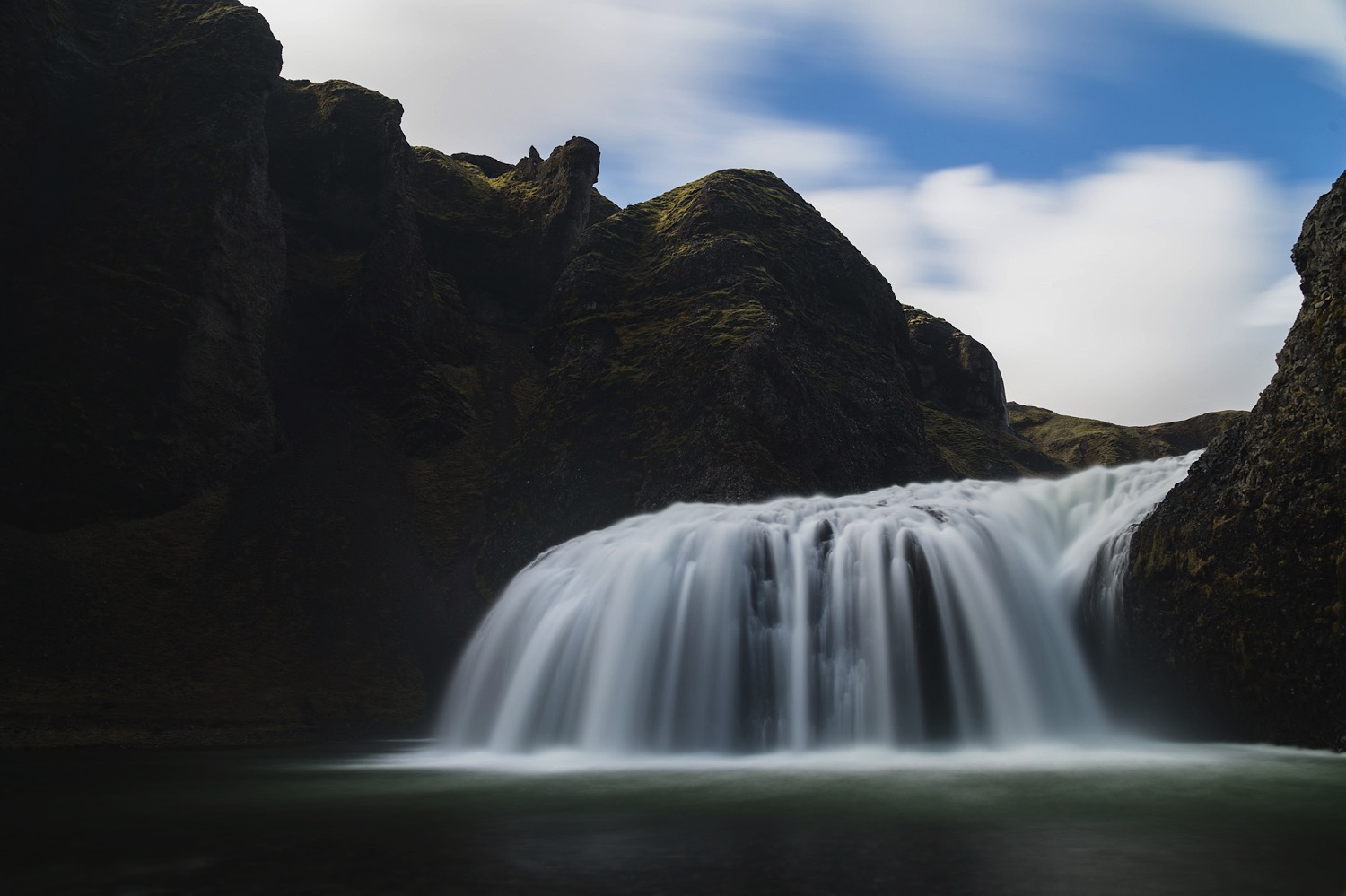
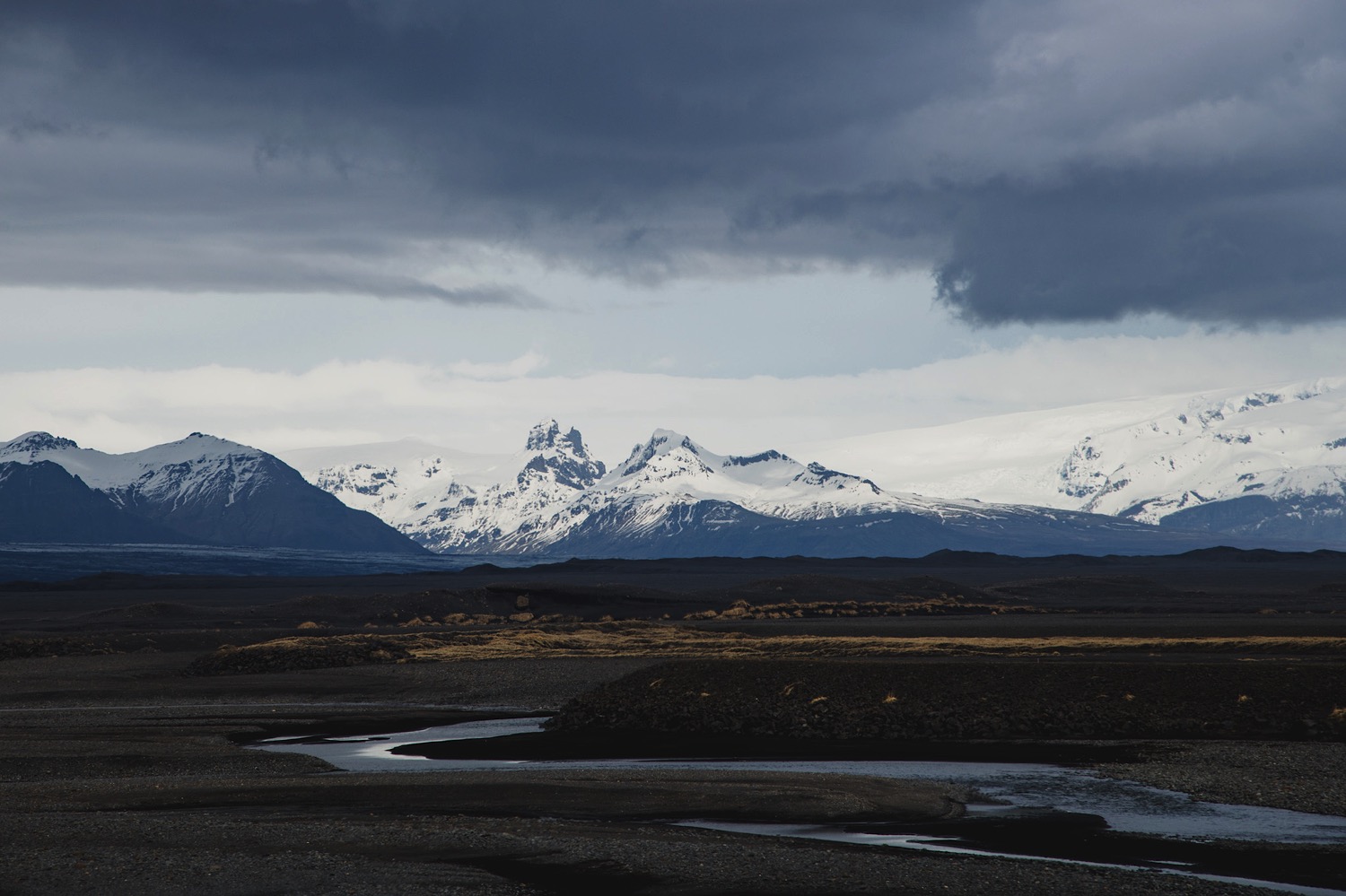
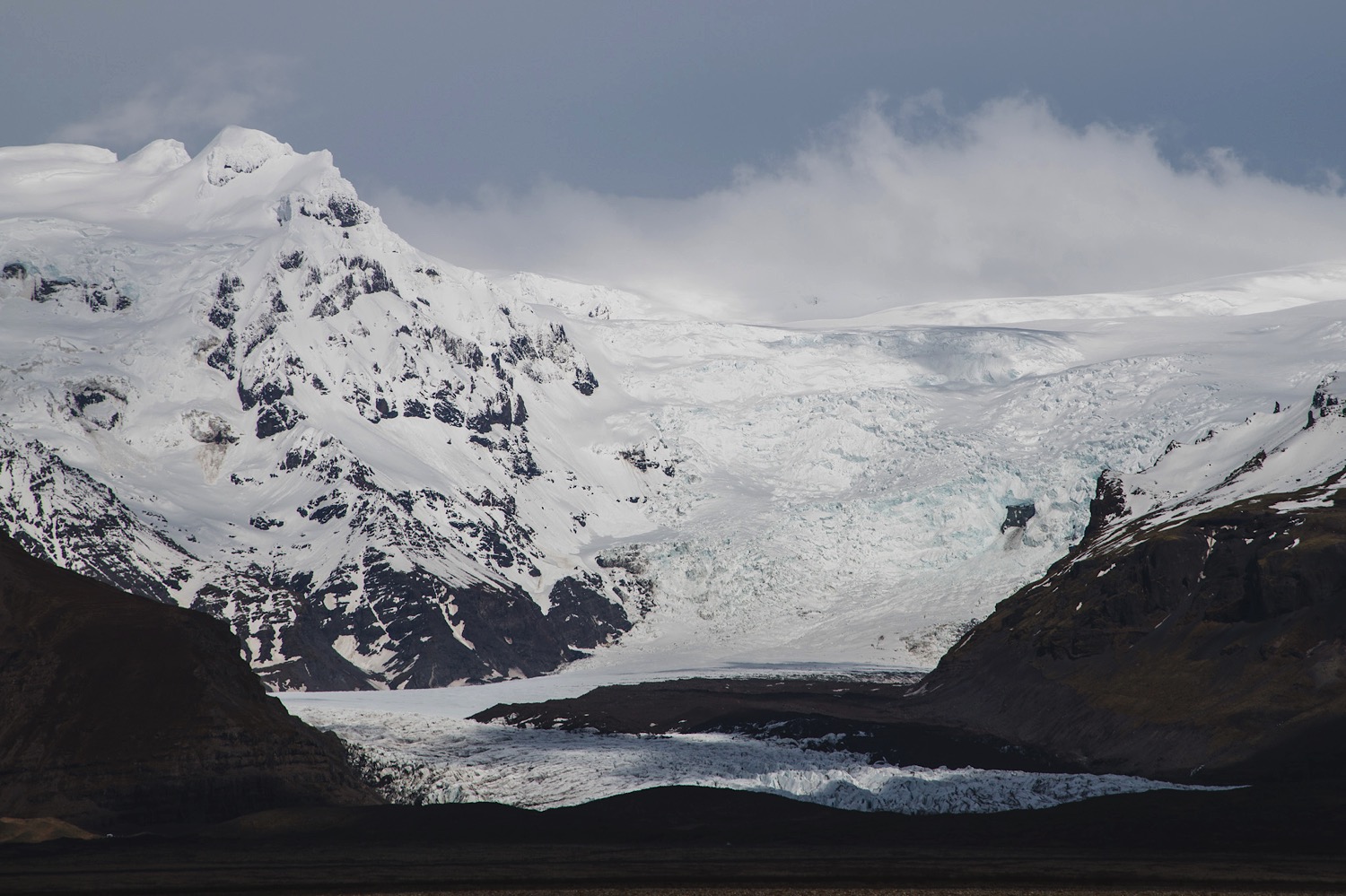
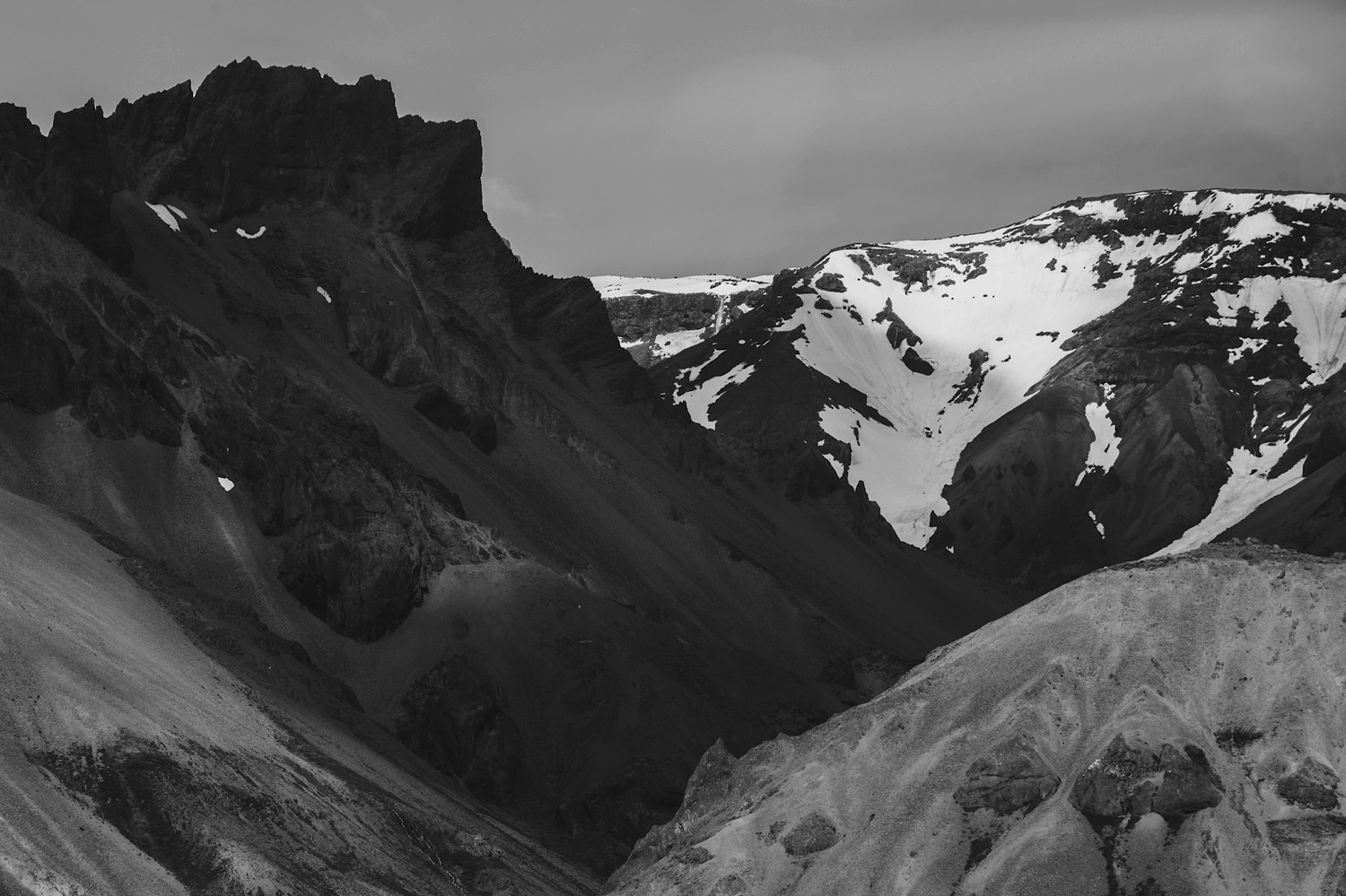


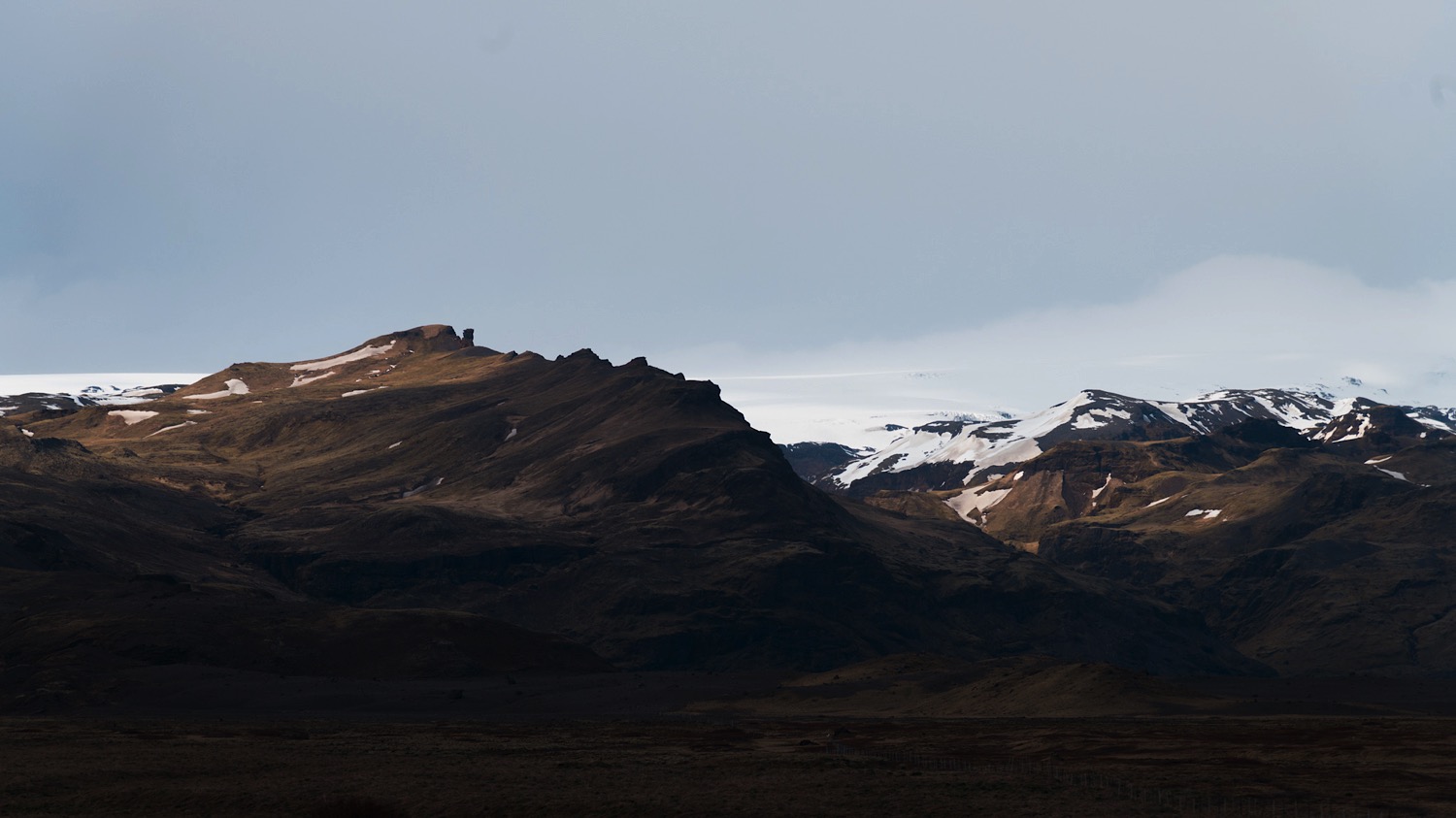
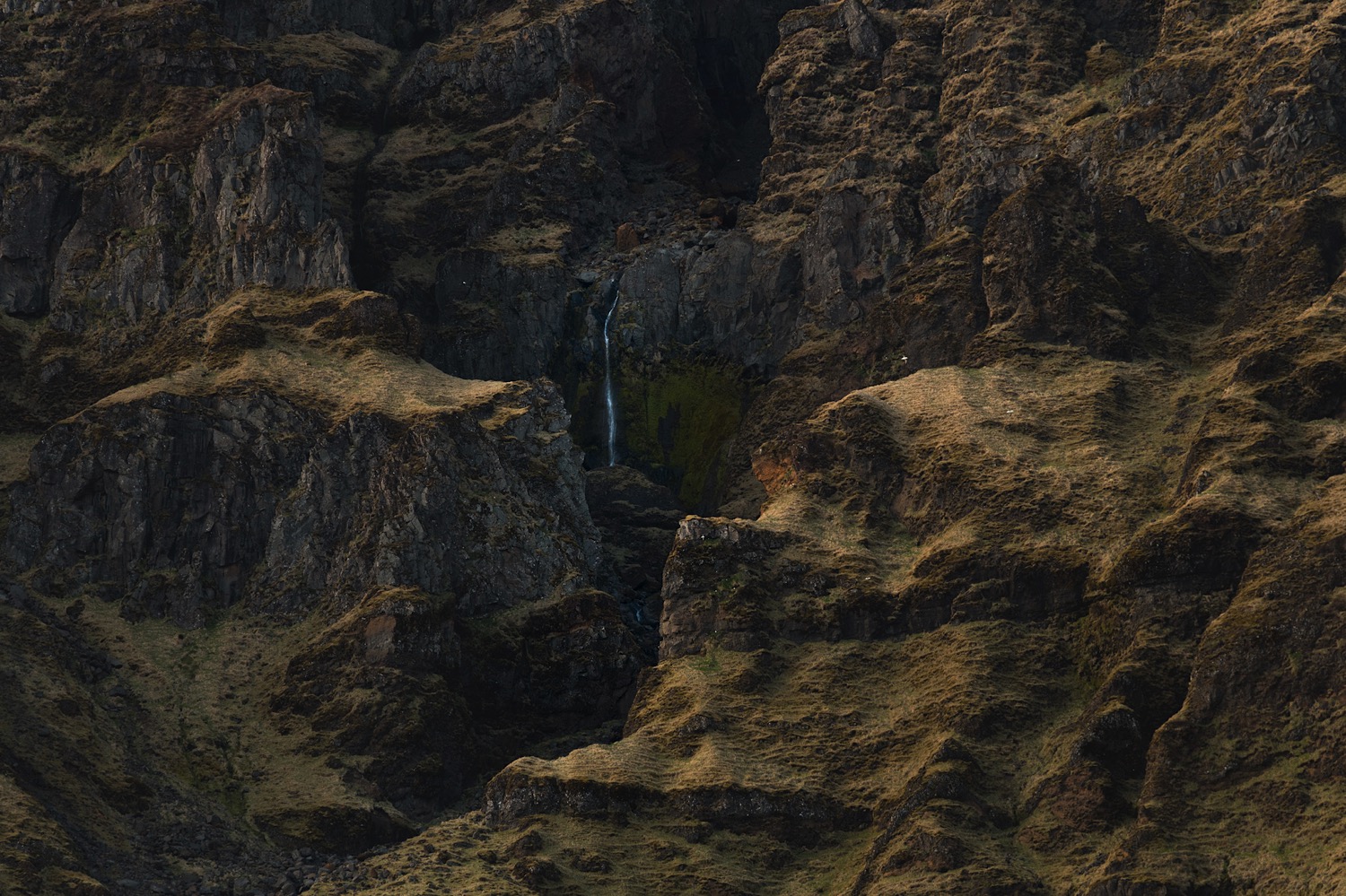
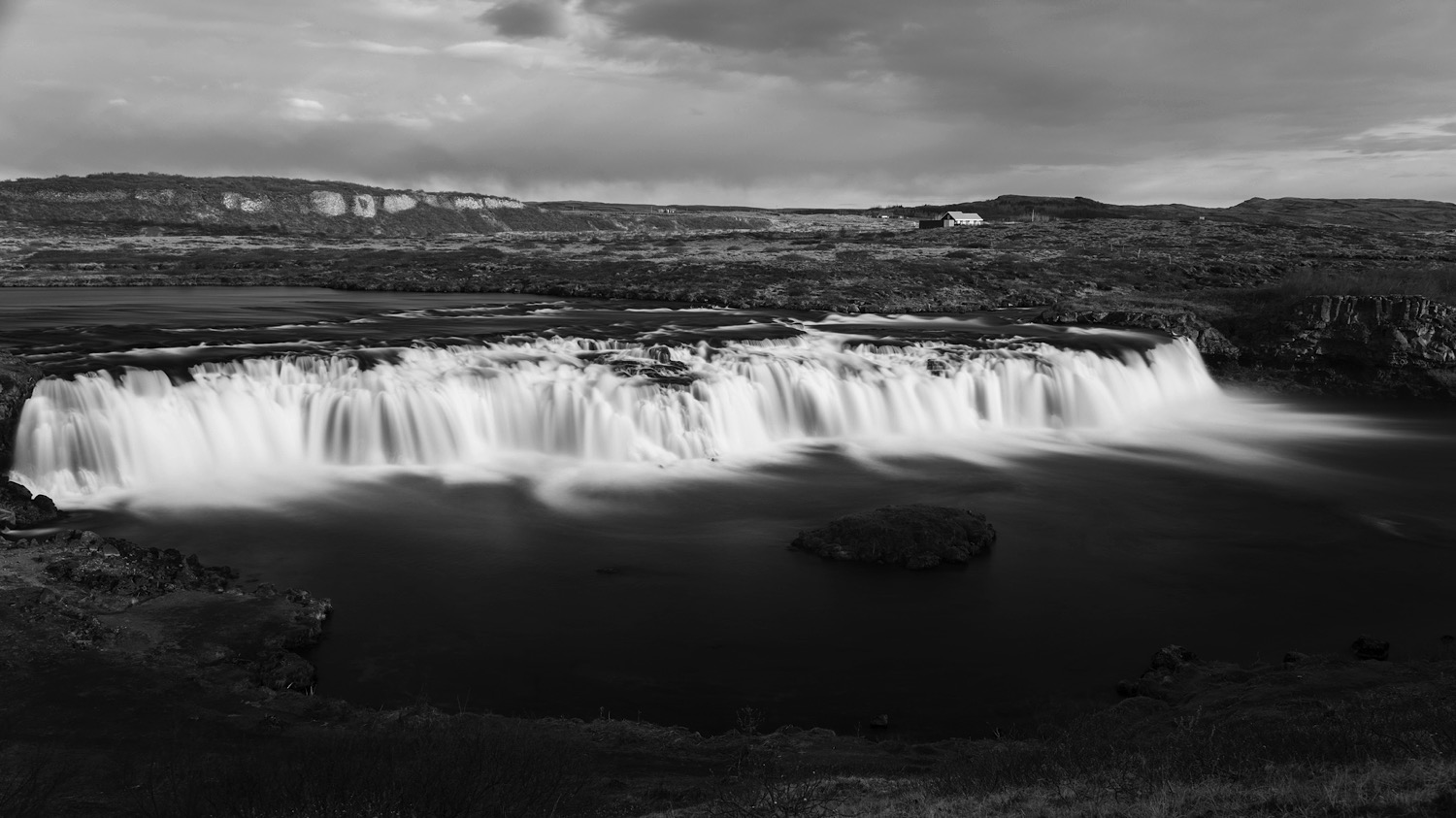
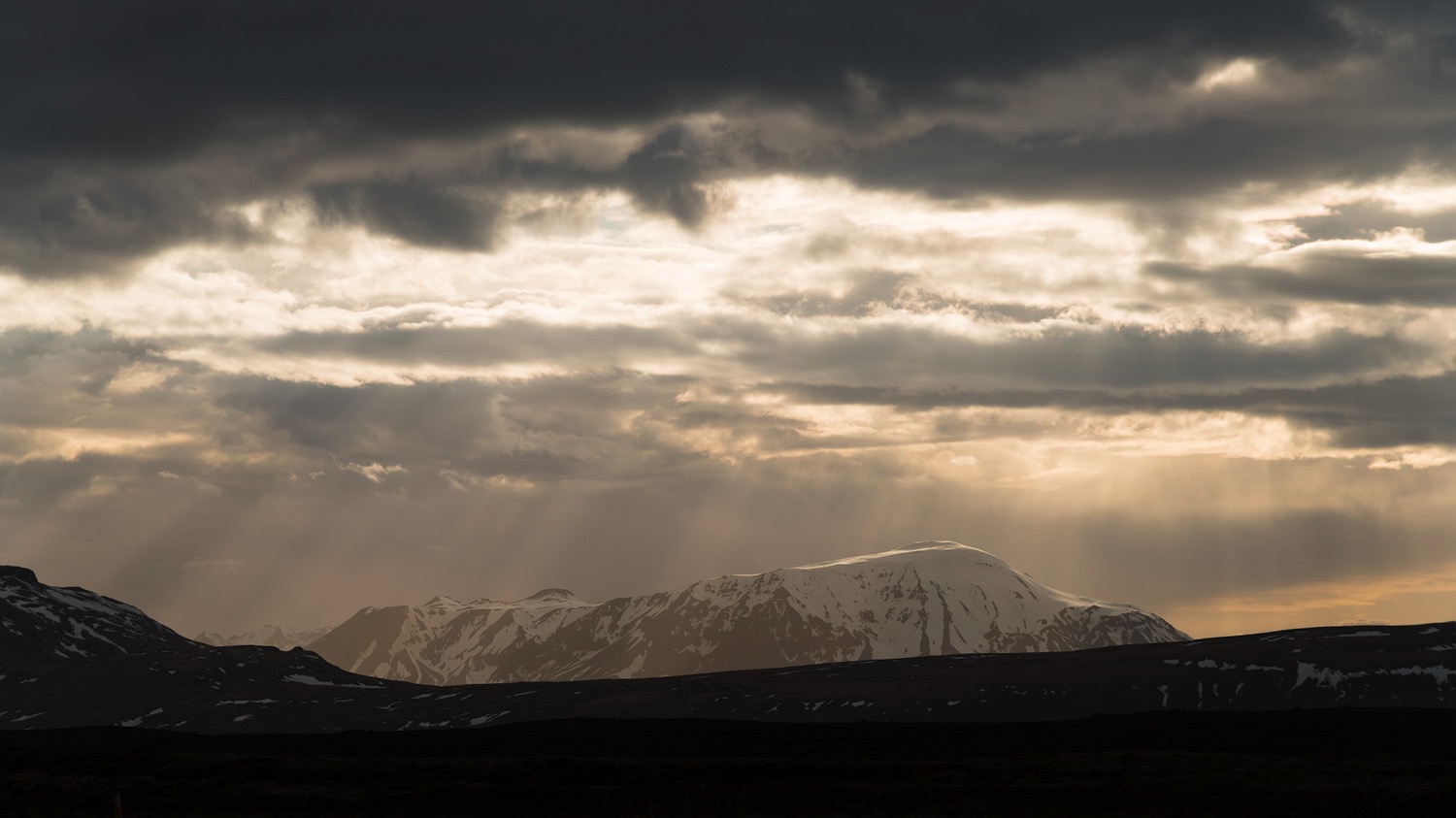

Head over to Part II

Personal // Photographing Antelope Canyon

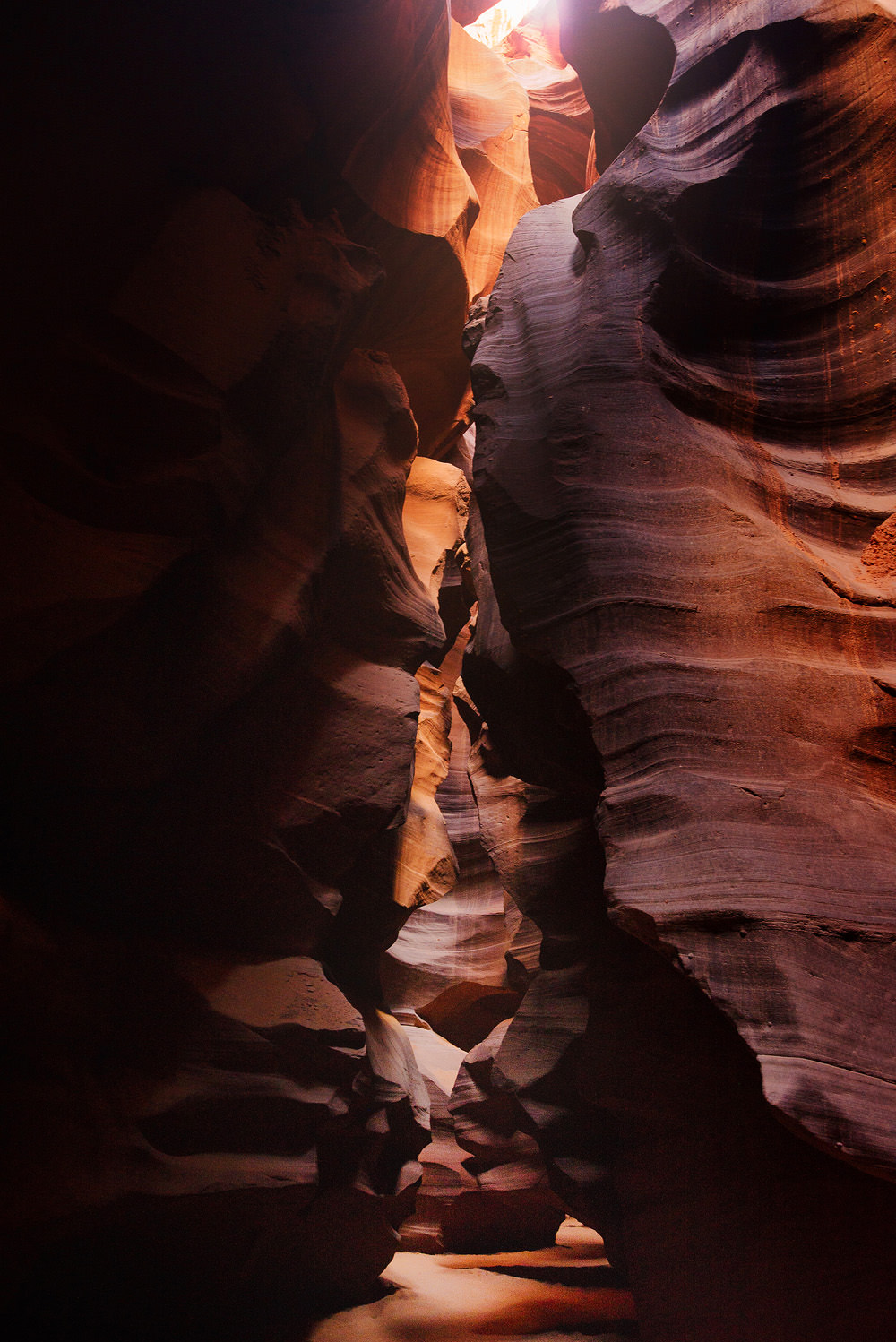
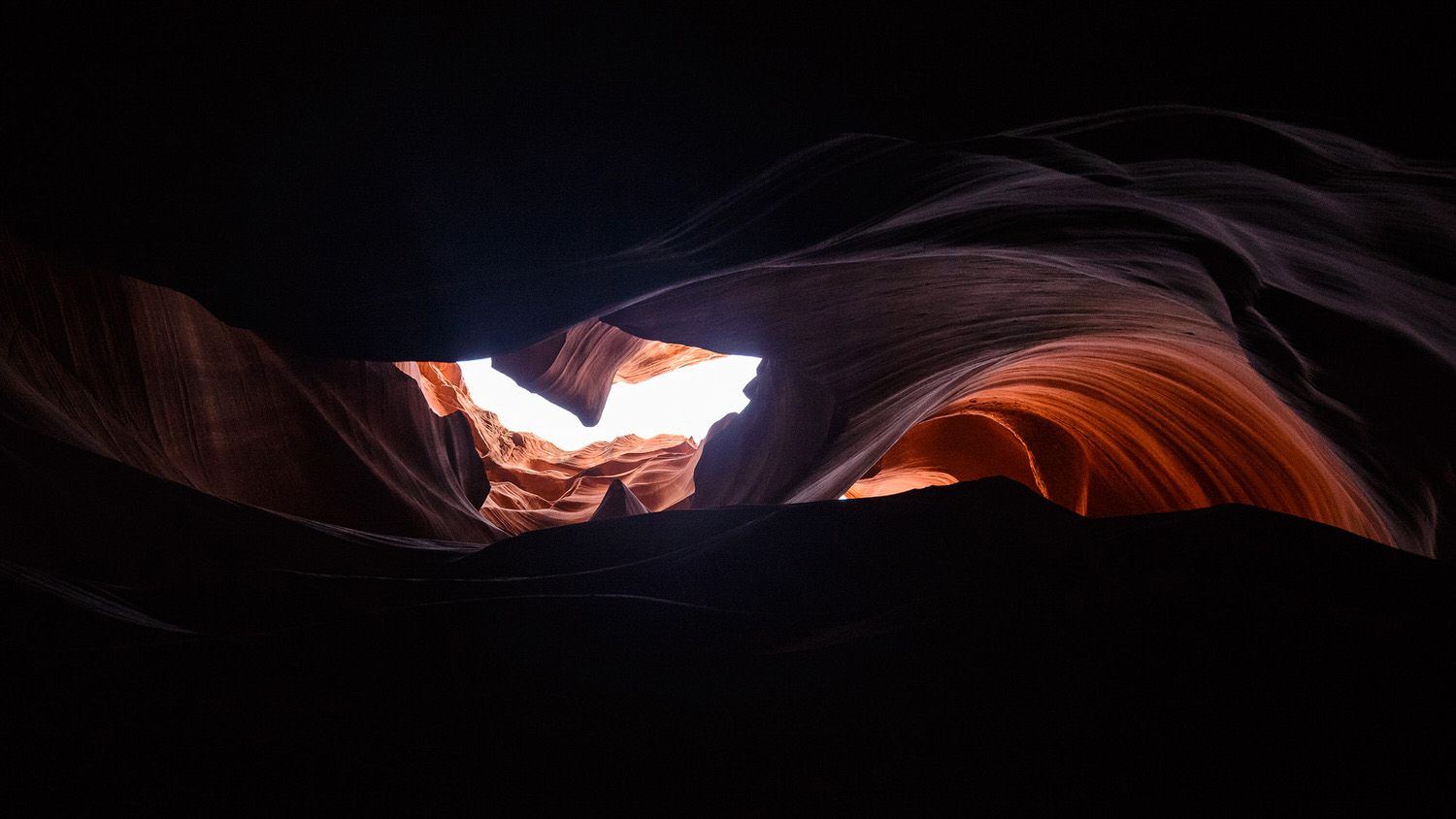
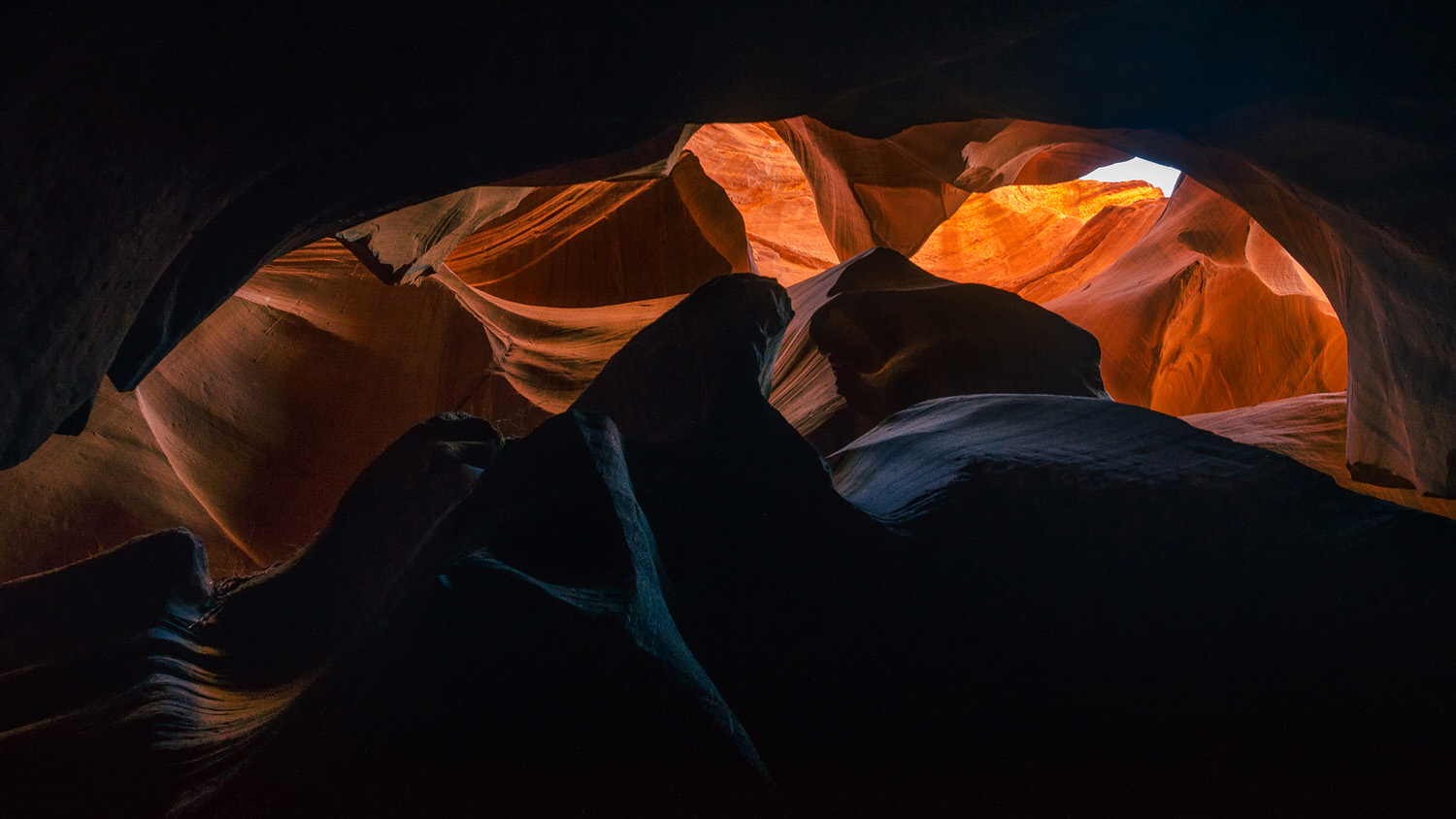
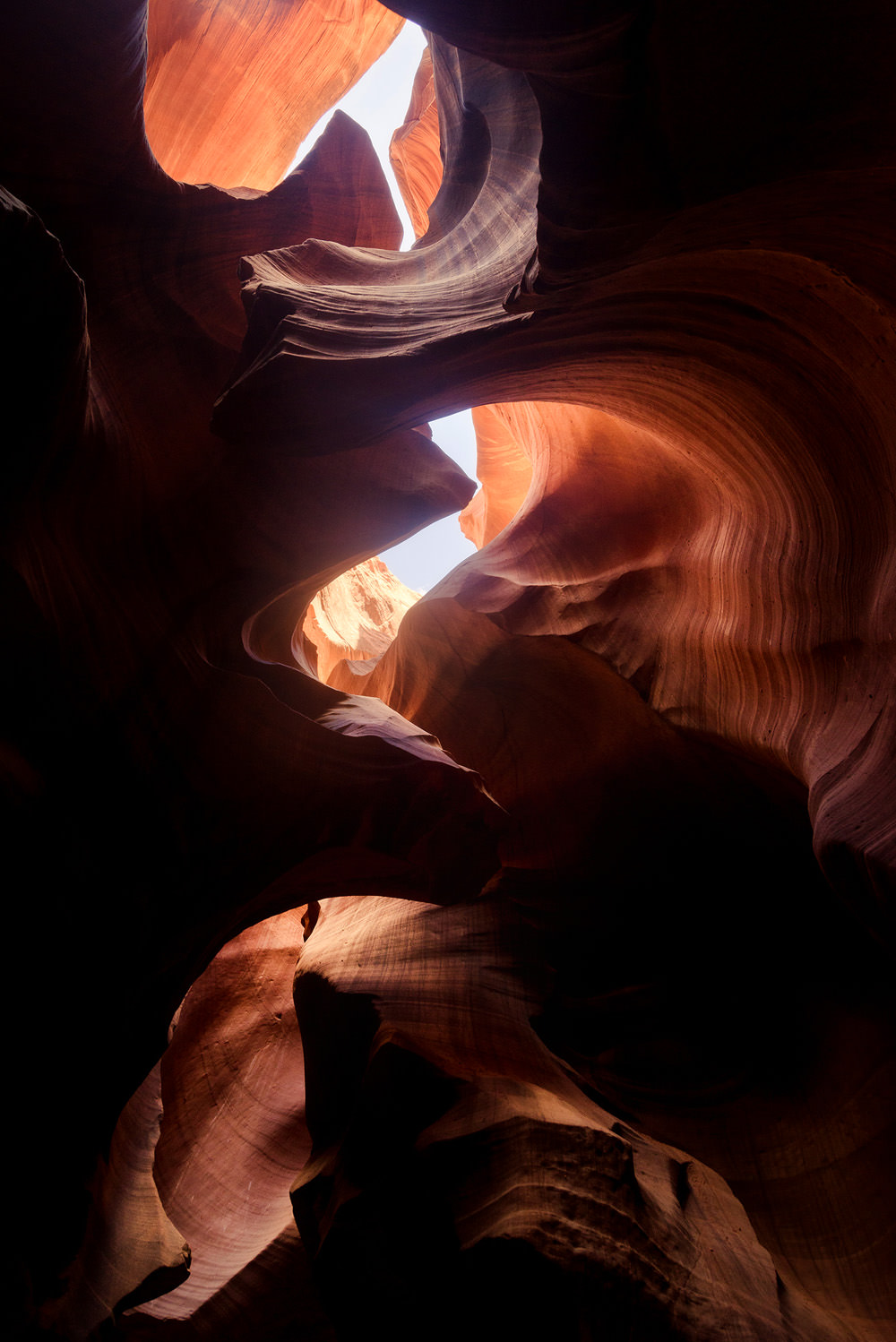
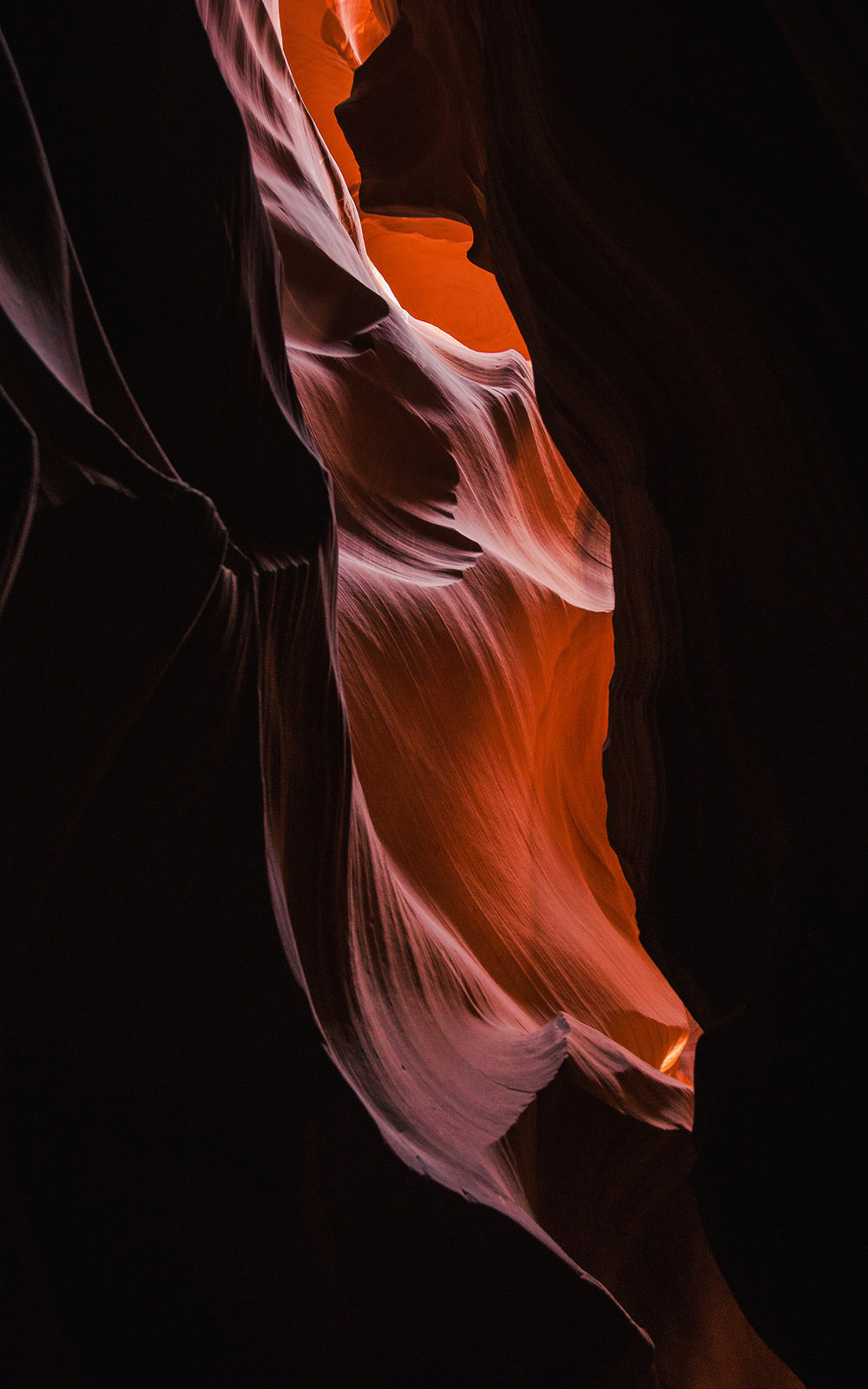
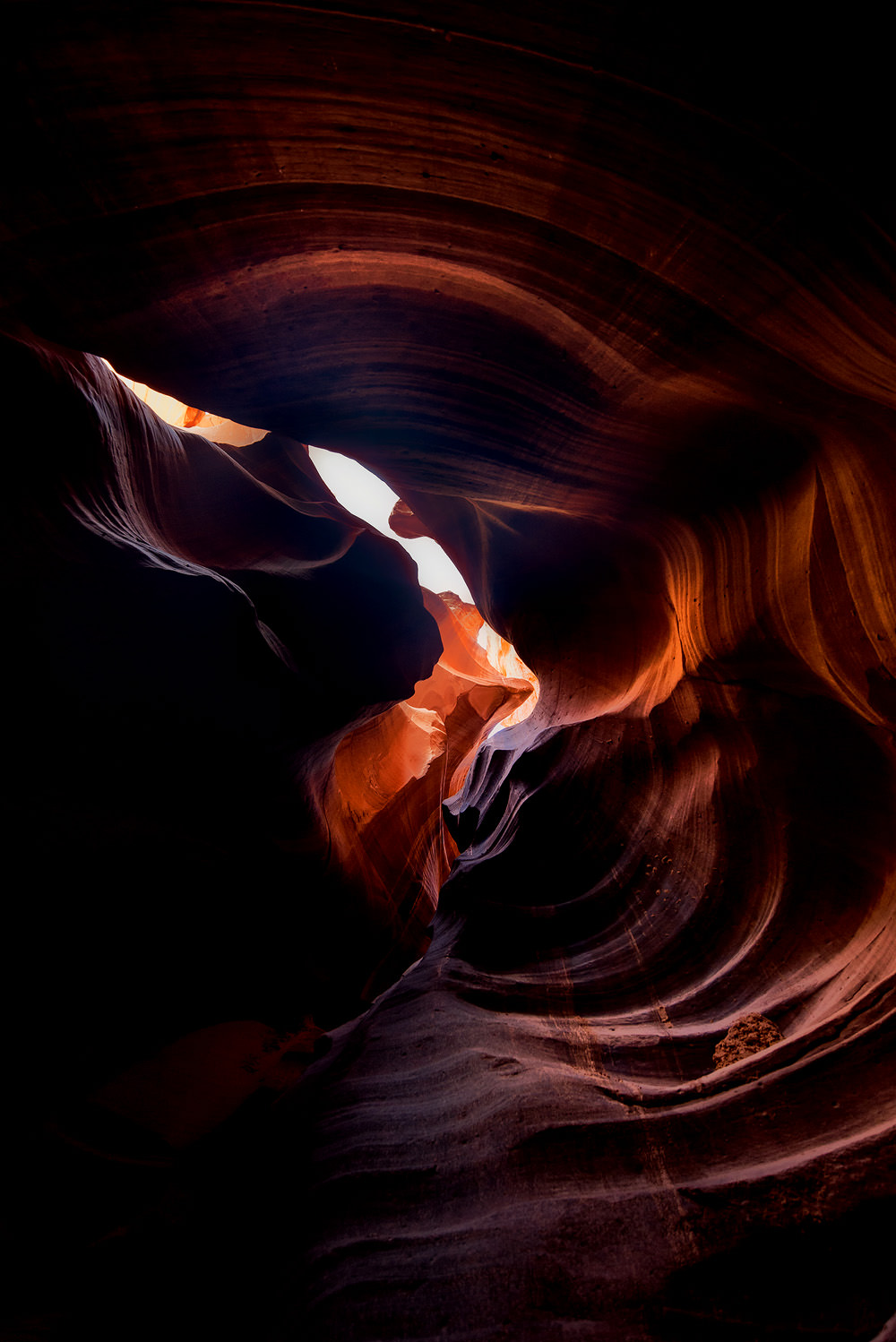
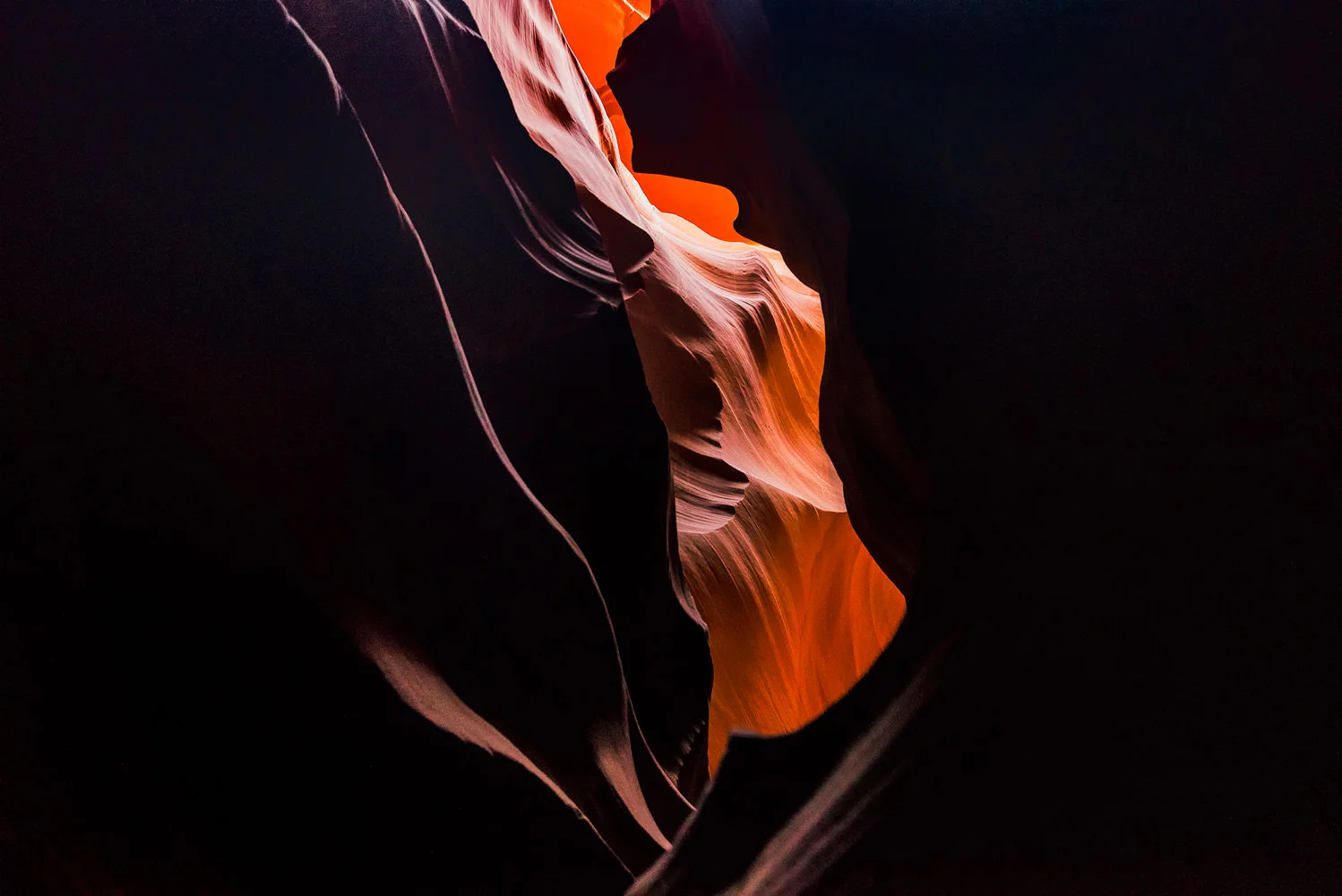
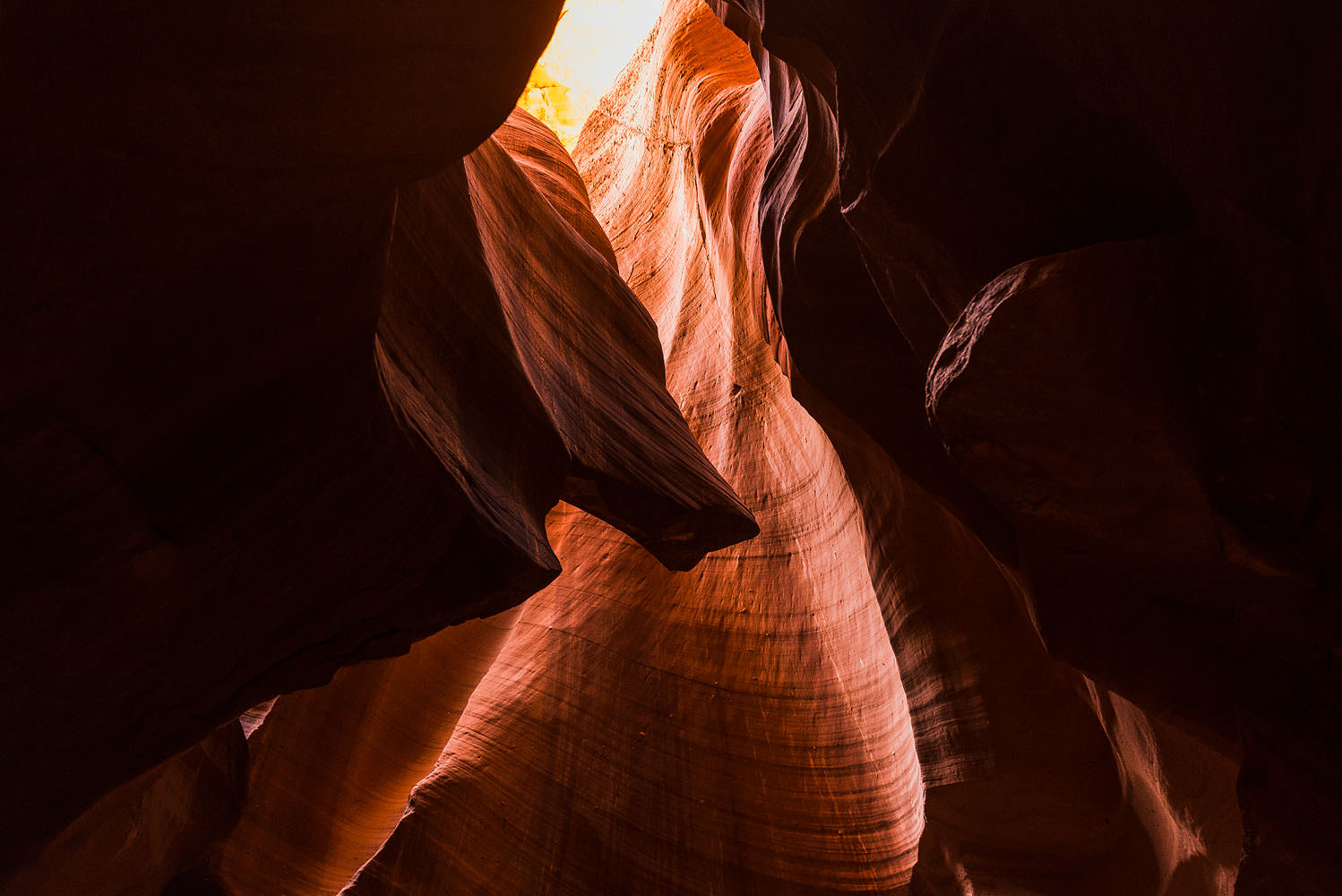
Antelope Canyon. A location on many photographers’ bucket lists, so I couldn’t let a trip through Page, AZ (check out the other photos from Arizona here) go by without a visit to the renowned Antelope Canyon.
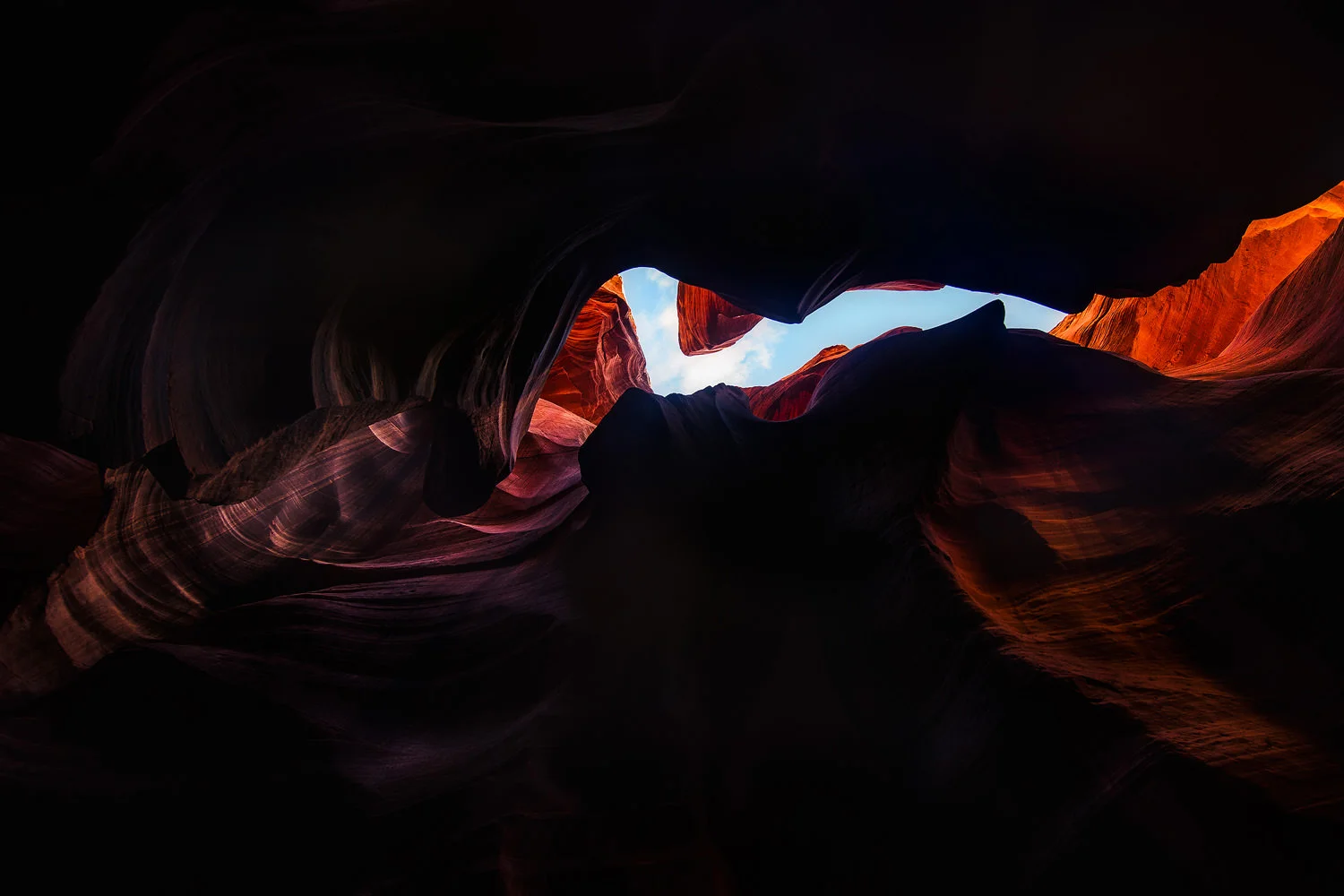
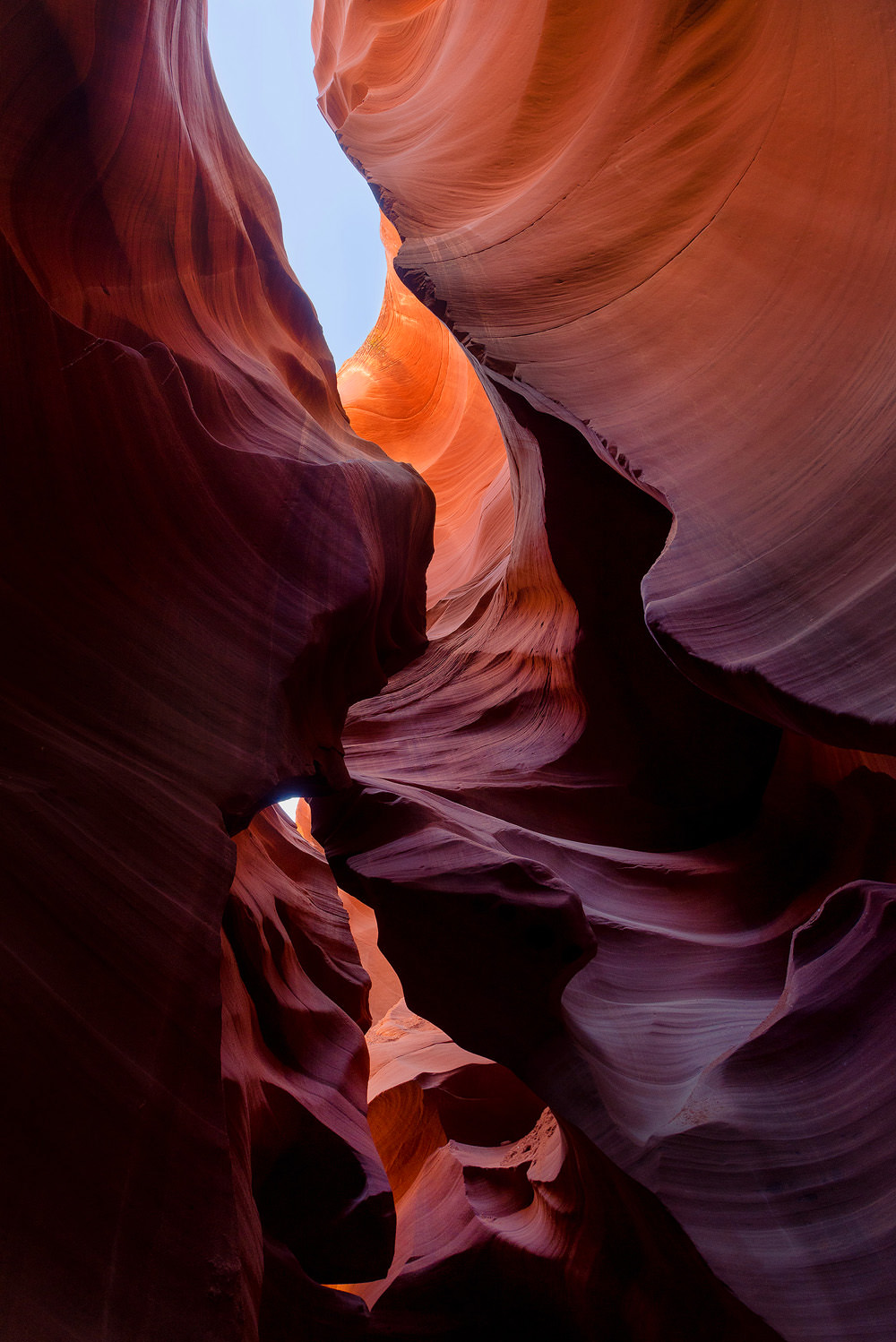
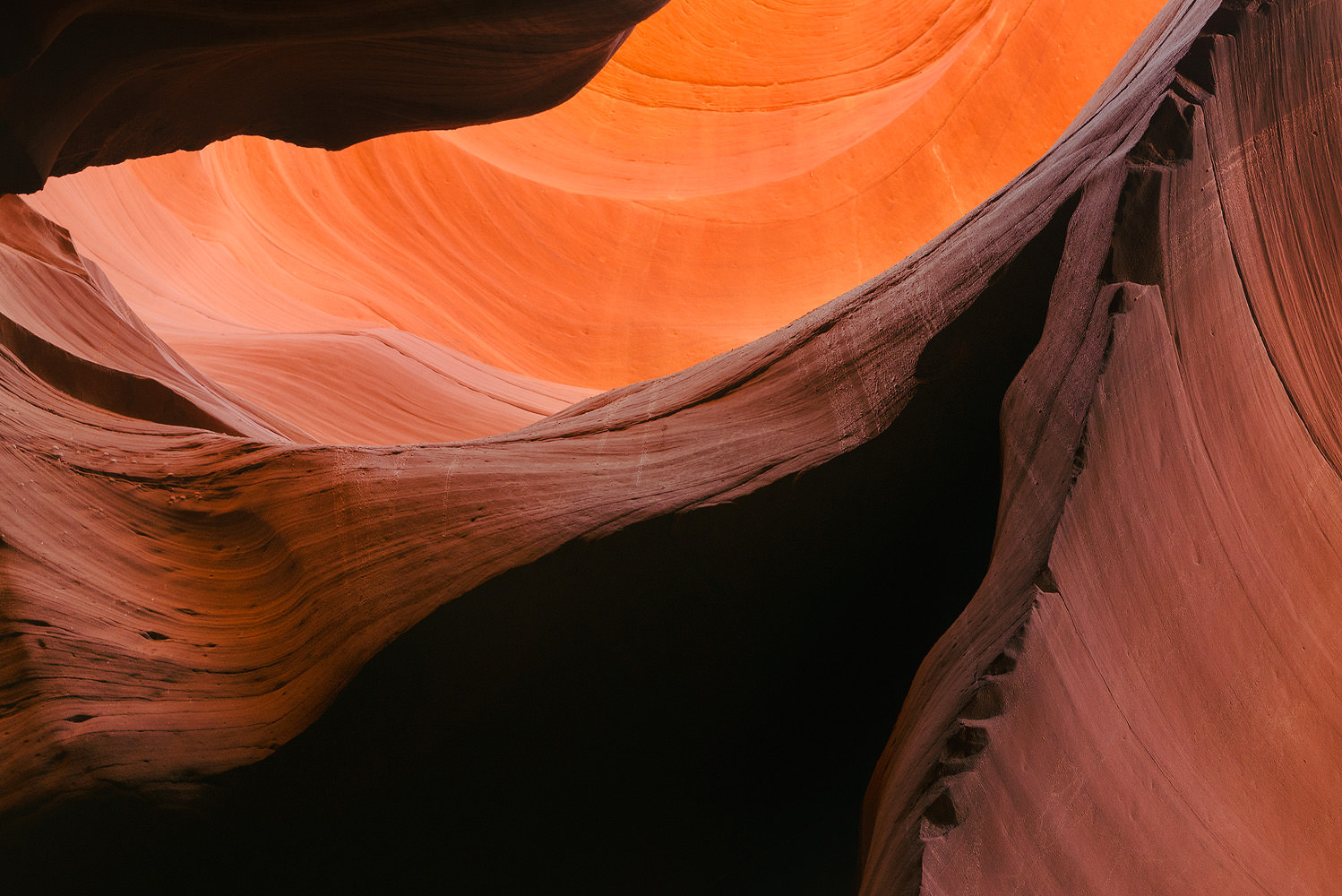
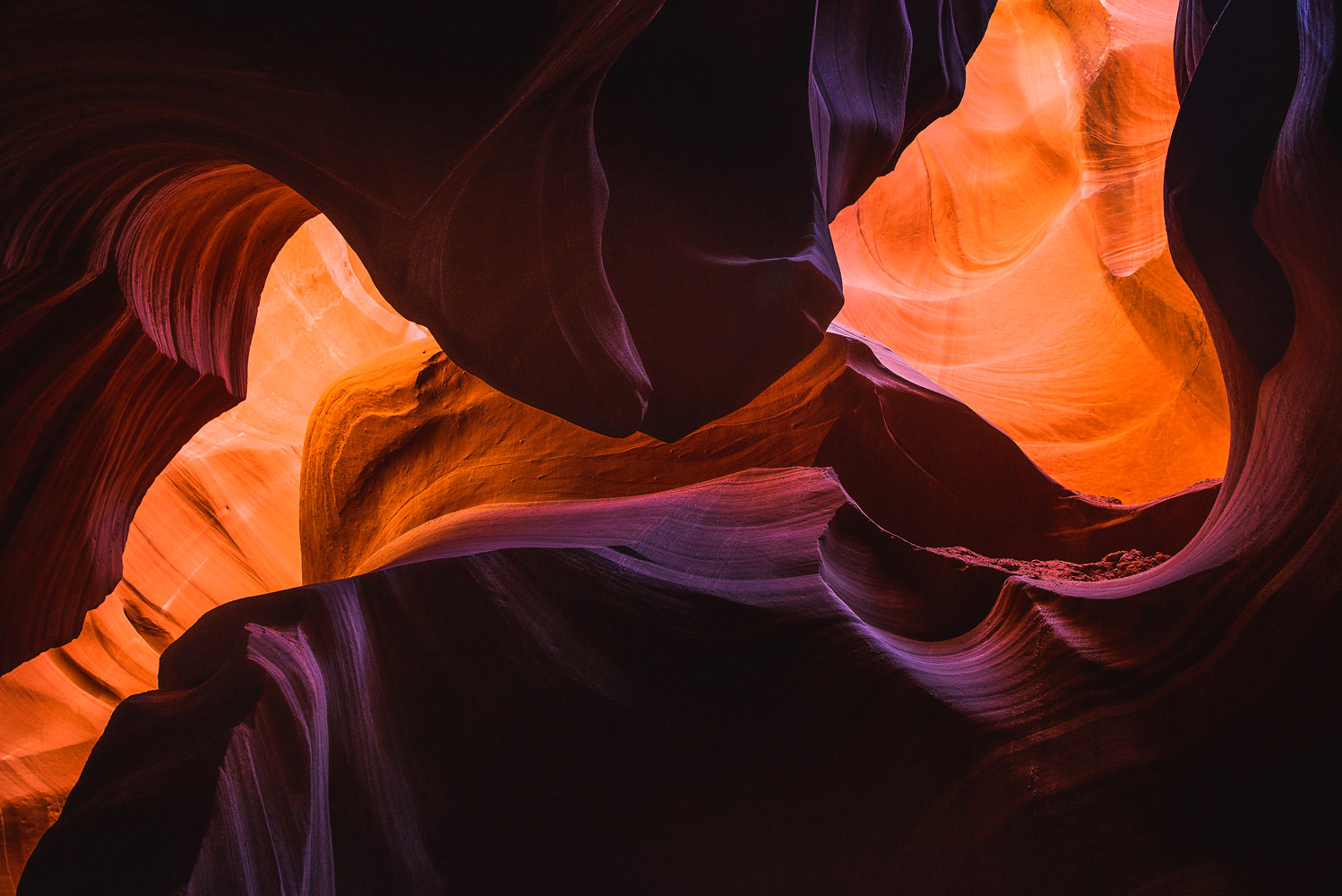
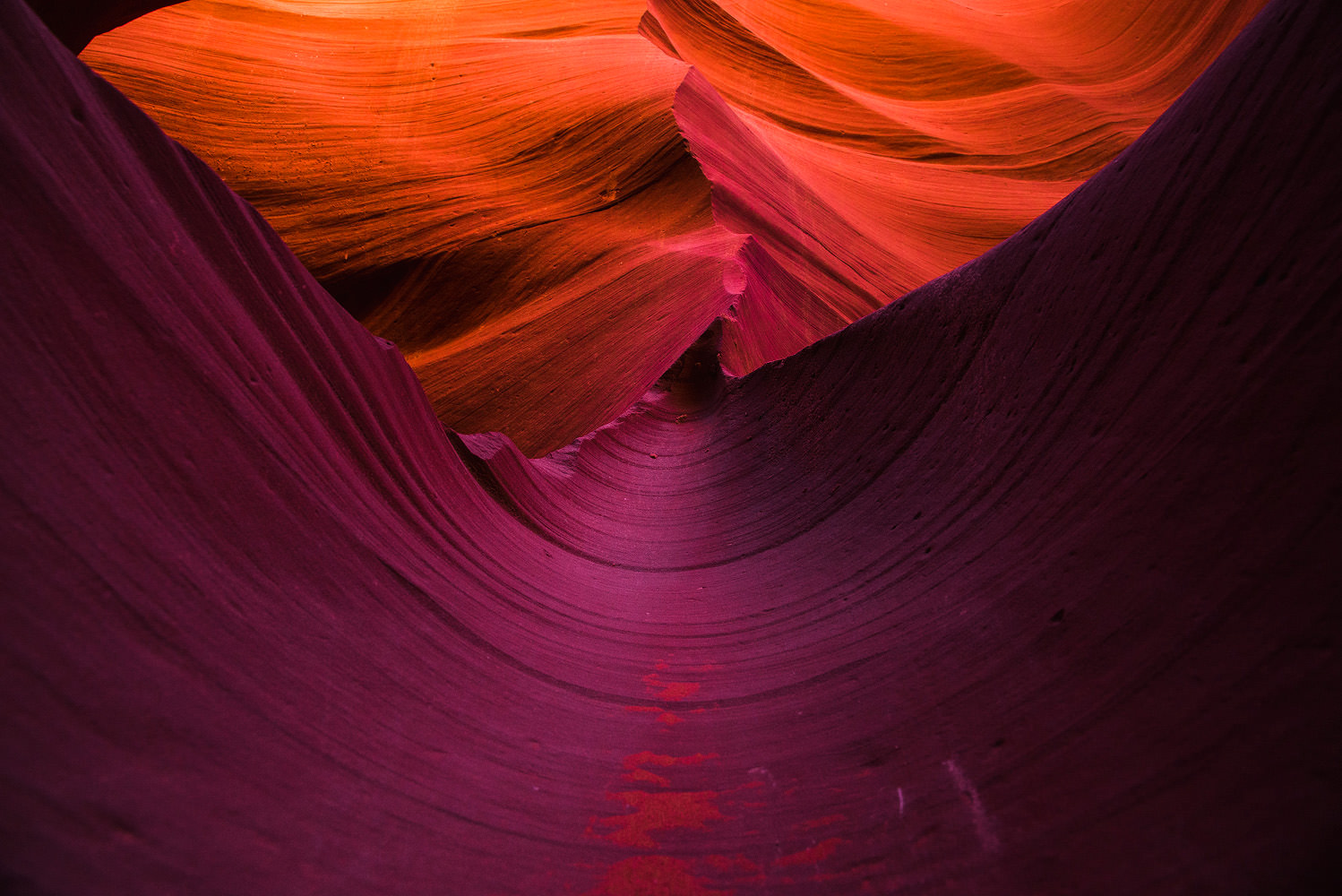
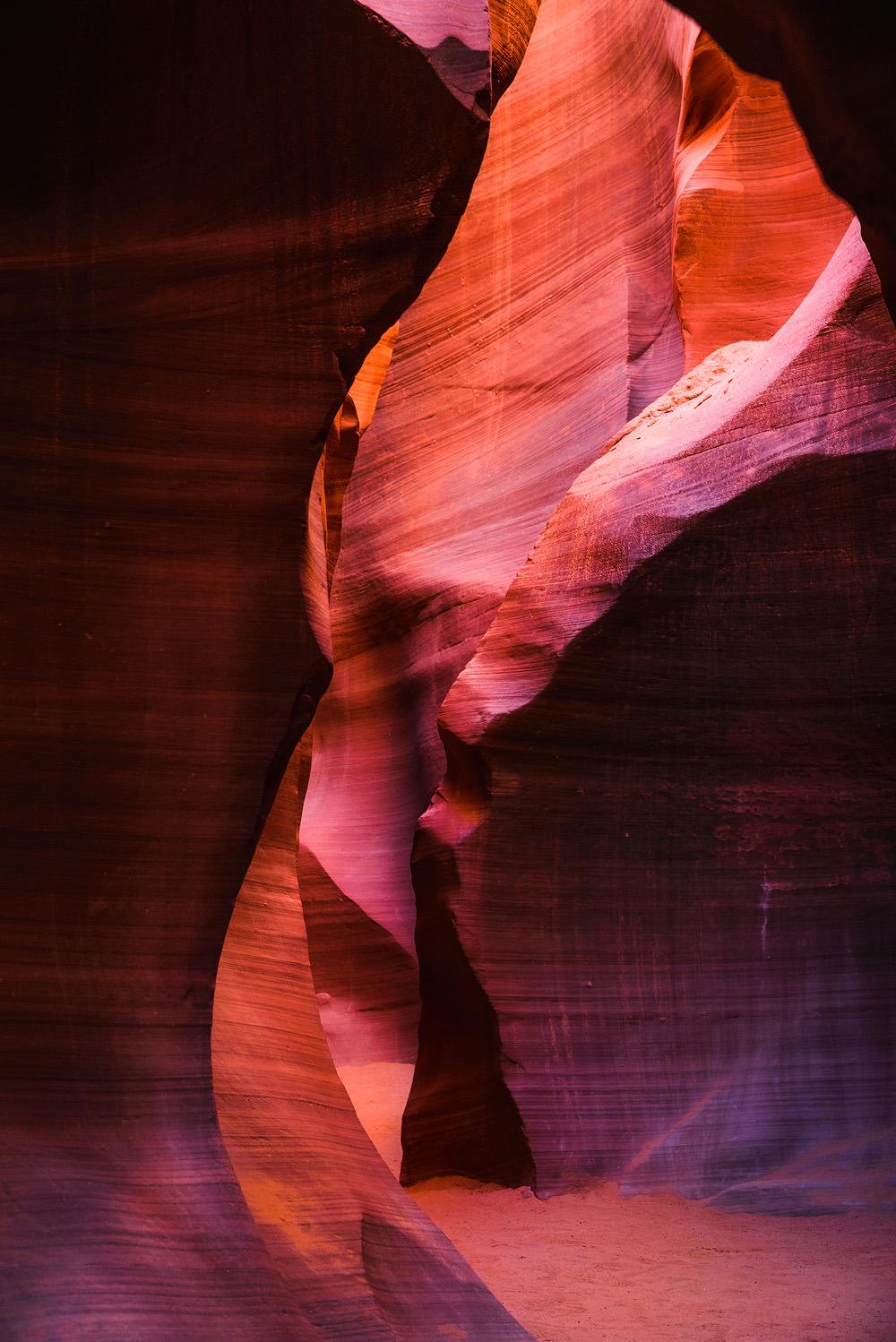
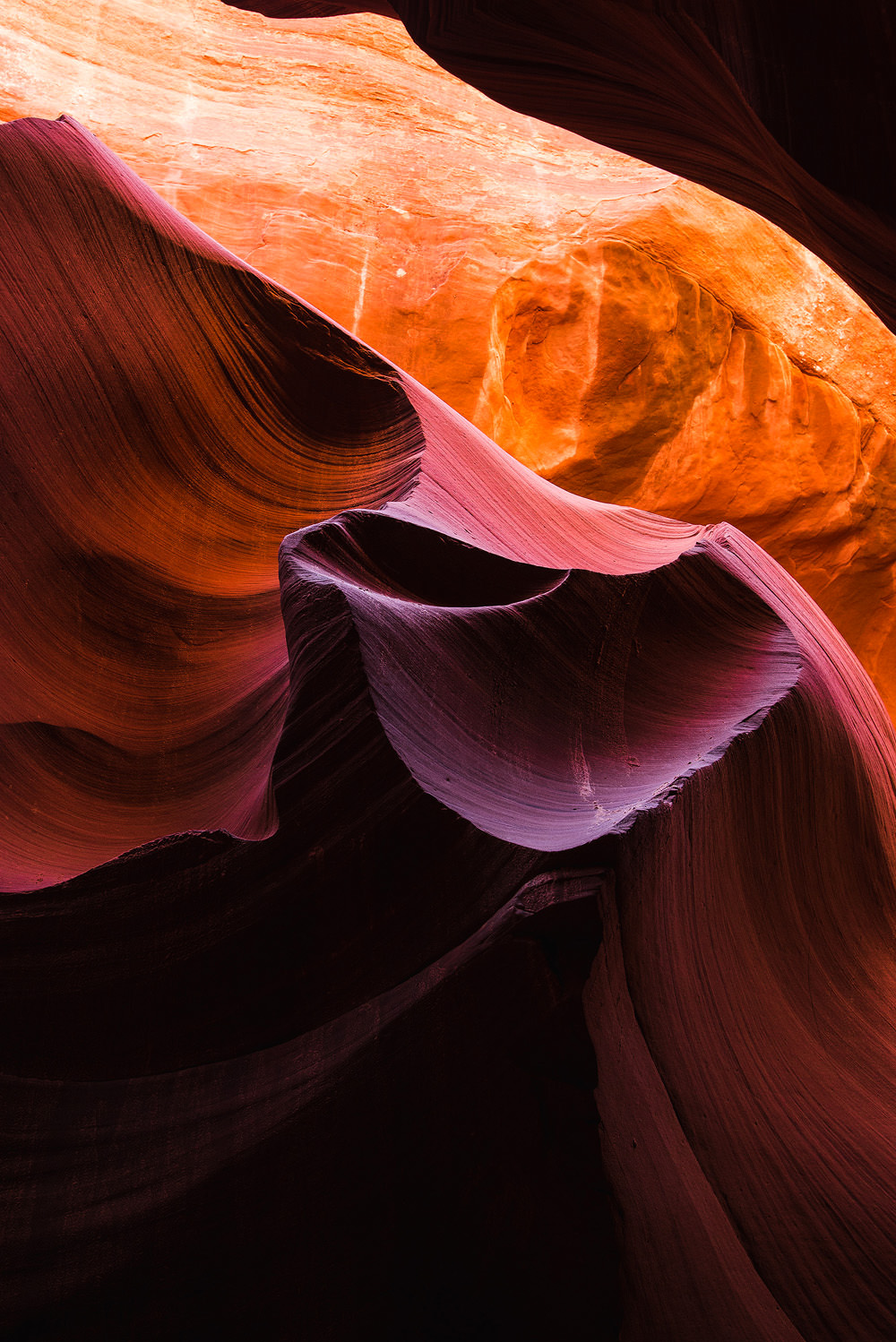
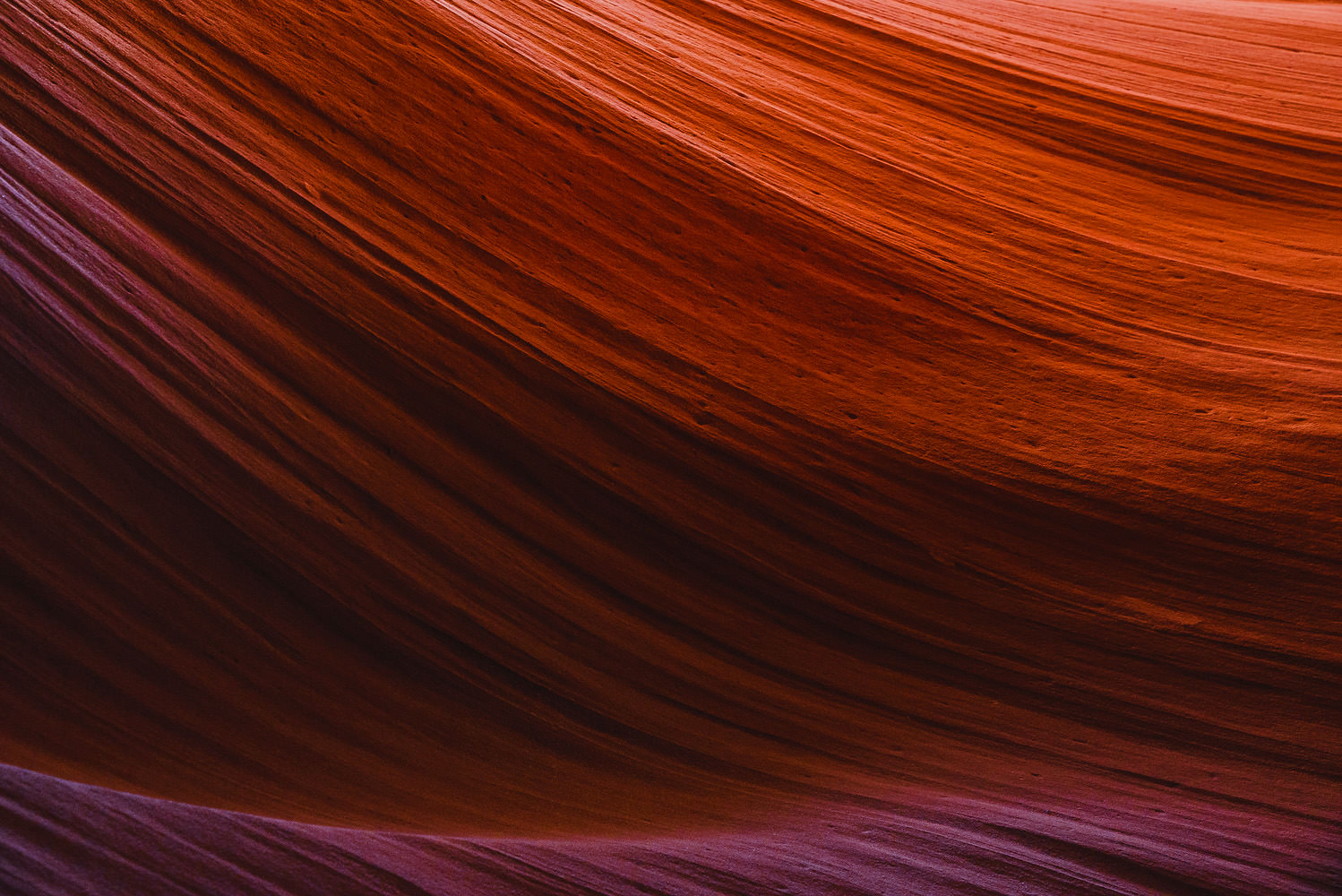
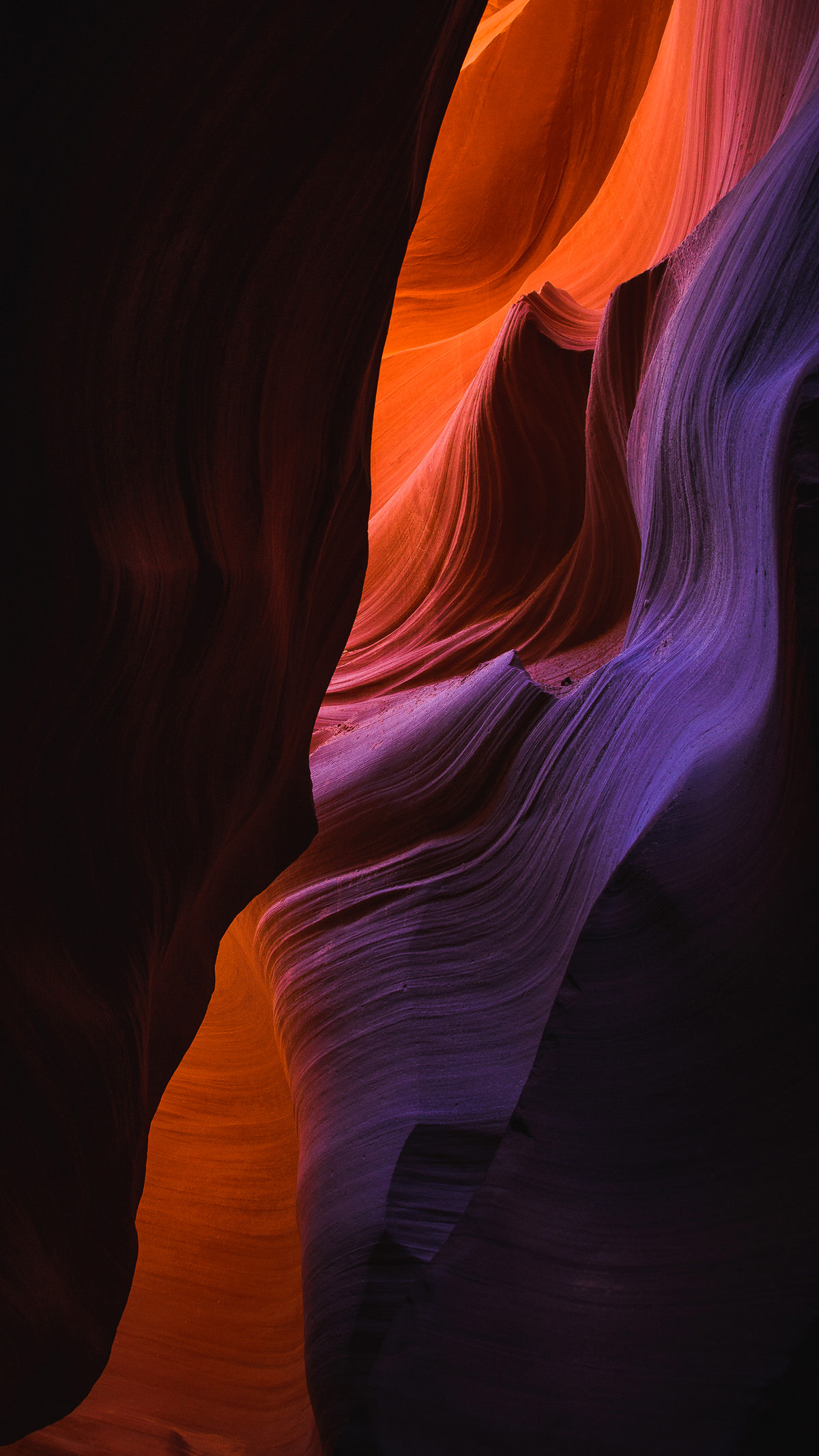
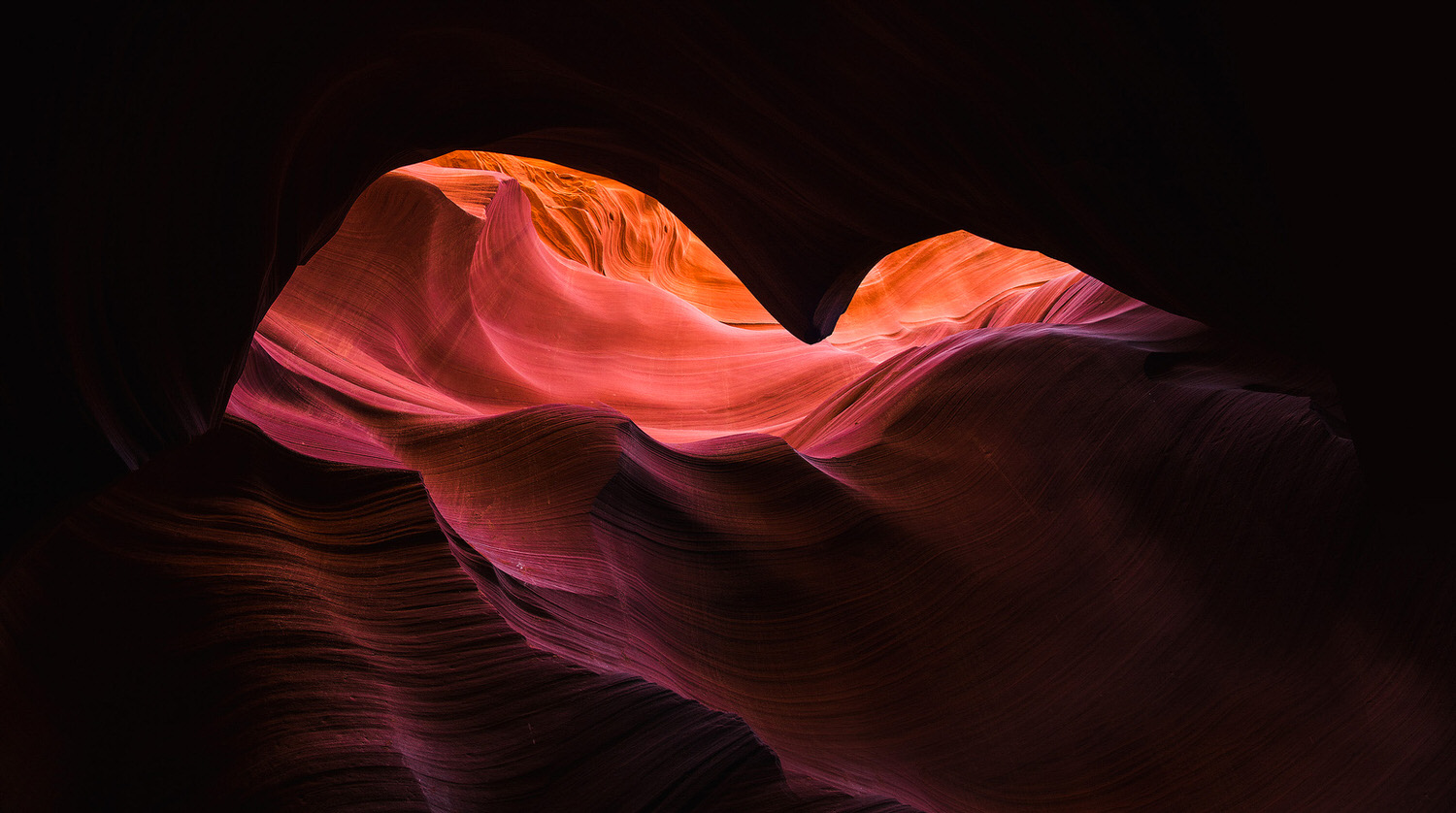
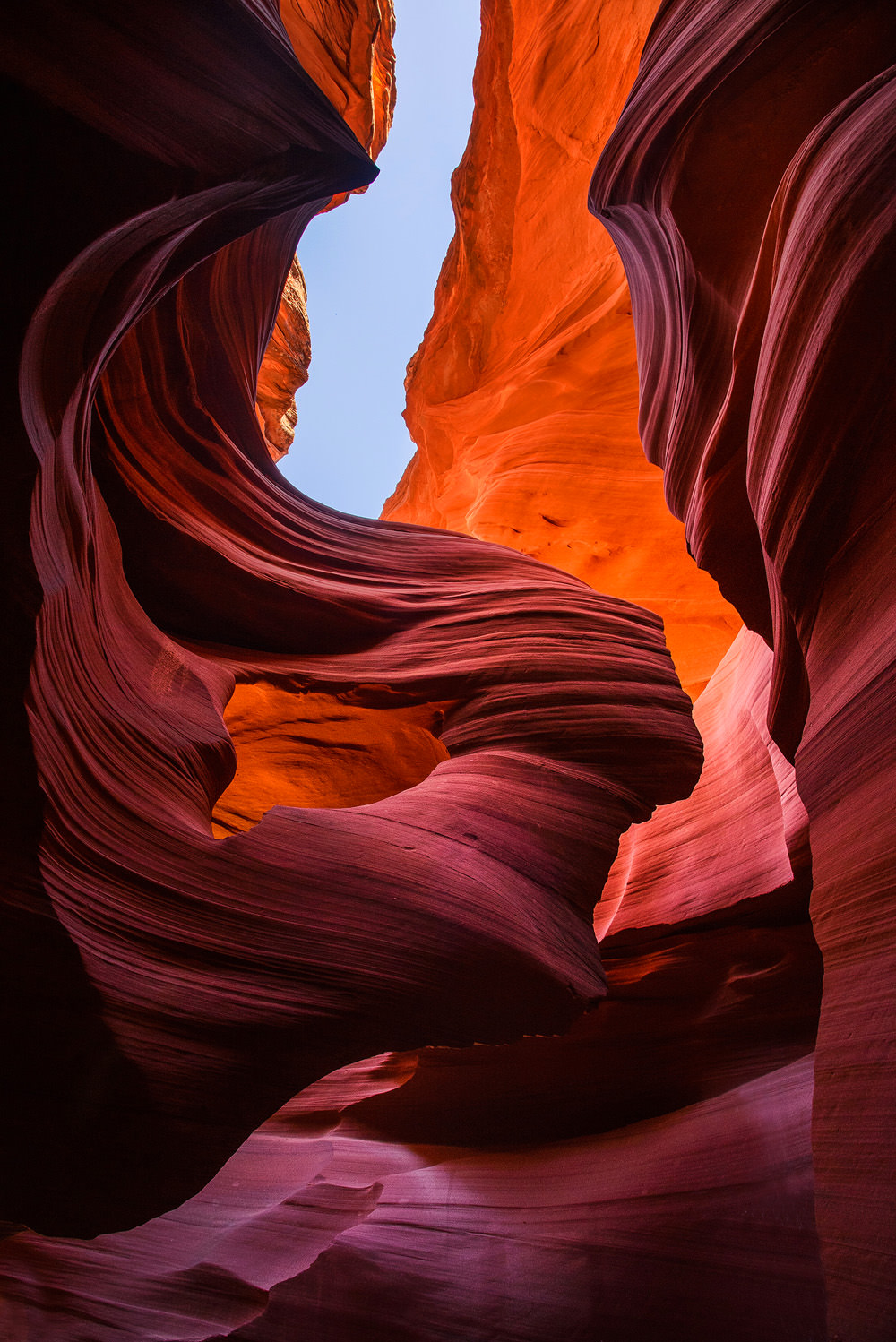
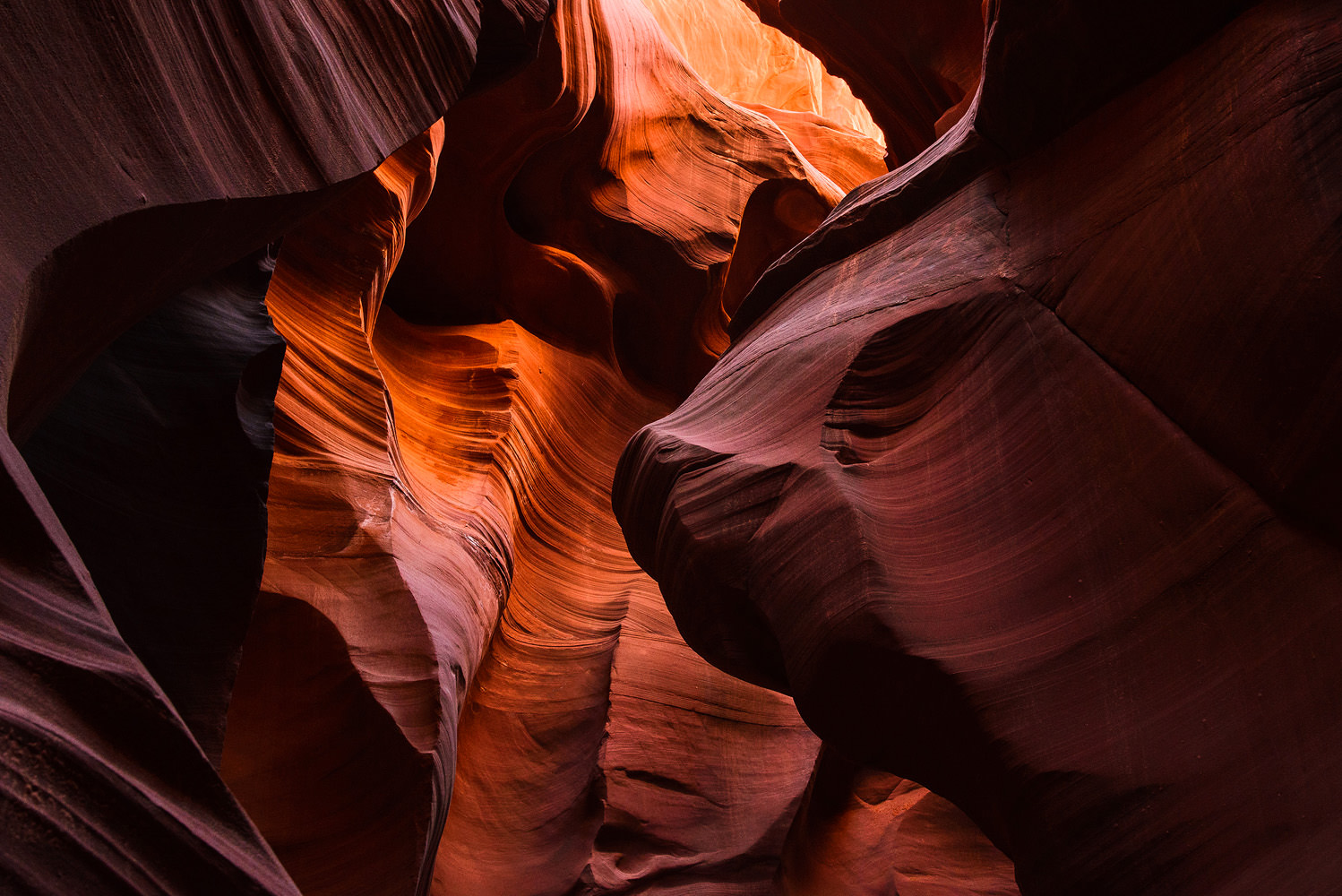
If you're gonna skip the reading (I don't blame you) and head straight down to the images, the first half of the images are from Upper Antelope Canyon and the second half (shortly after where Julie makes an appearance) are from Lower Antelope Canyon.
Antelope Canyon is a slot canyon located just outside of Page by the Arizona/Utah border. As far as what’s visitable, it’s broken into two distinctly different sections, Upper and Lower. The primary difference, from a topographical and photographic standpoint, is their shapes. Upper Antelope is an A-shaped canyon while Lower Antelope is a V-shaped canyon.
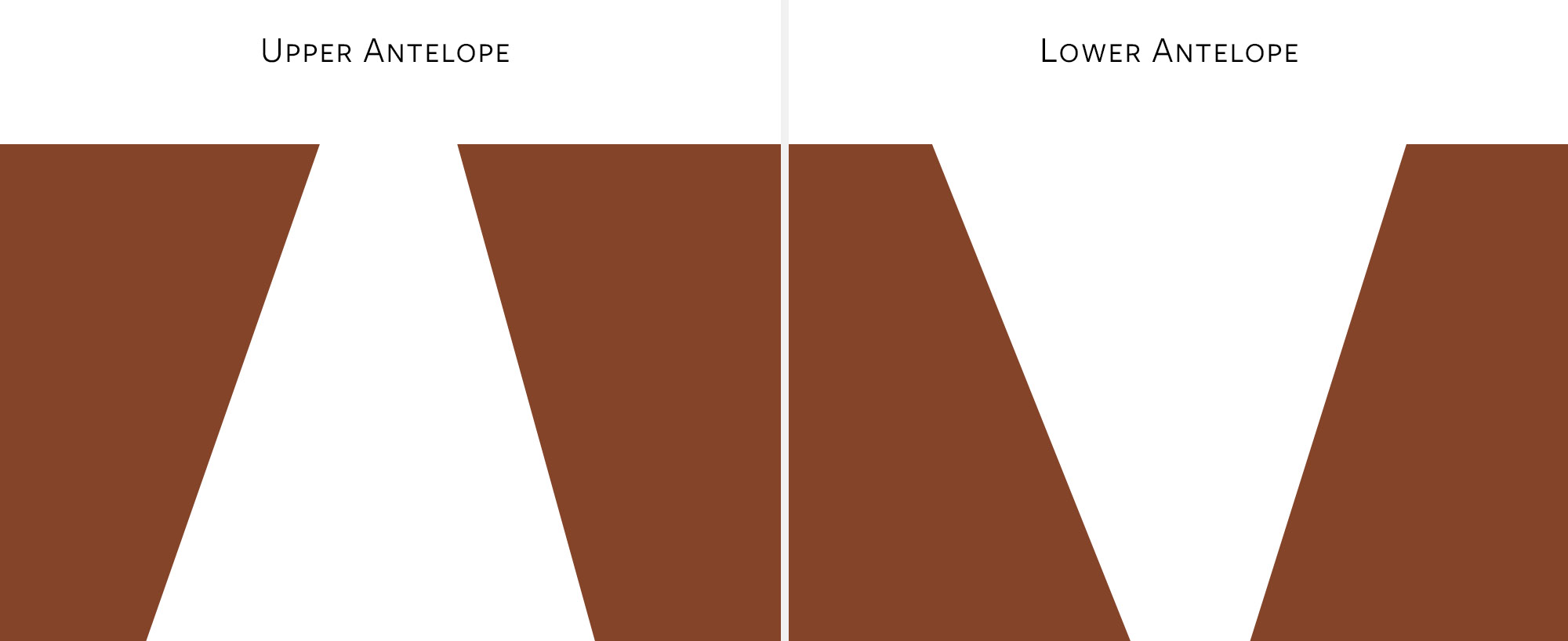
My terrible graphic to demonstrate the differences of Upper Antelope Canyon and Lower Antelope Canyon
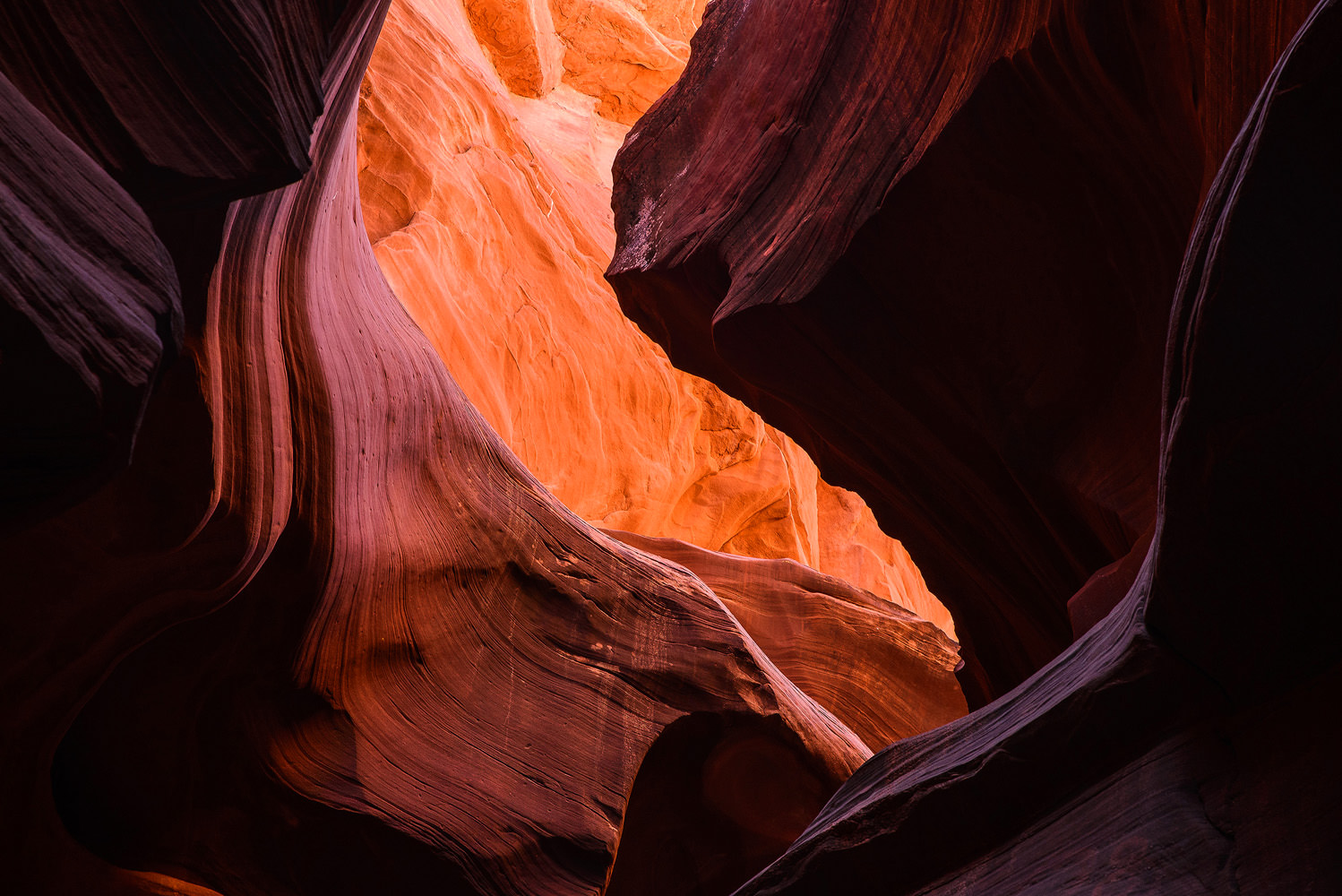
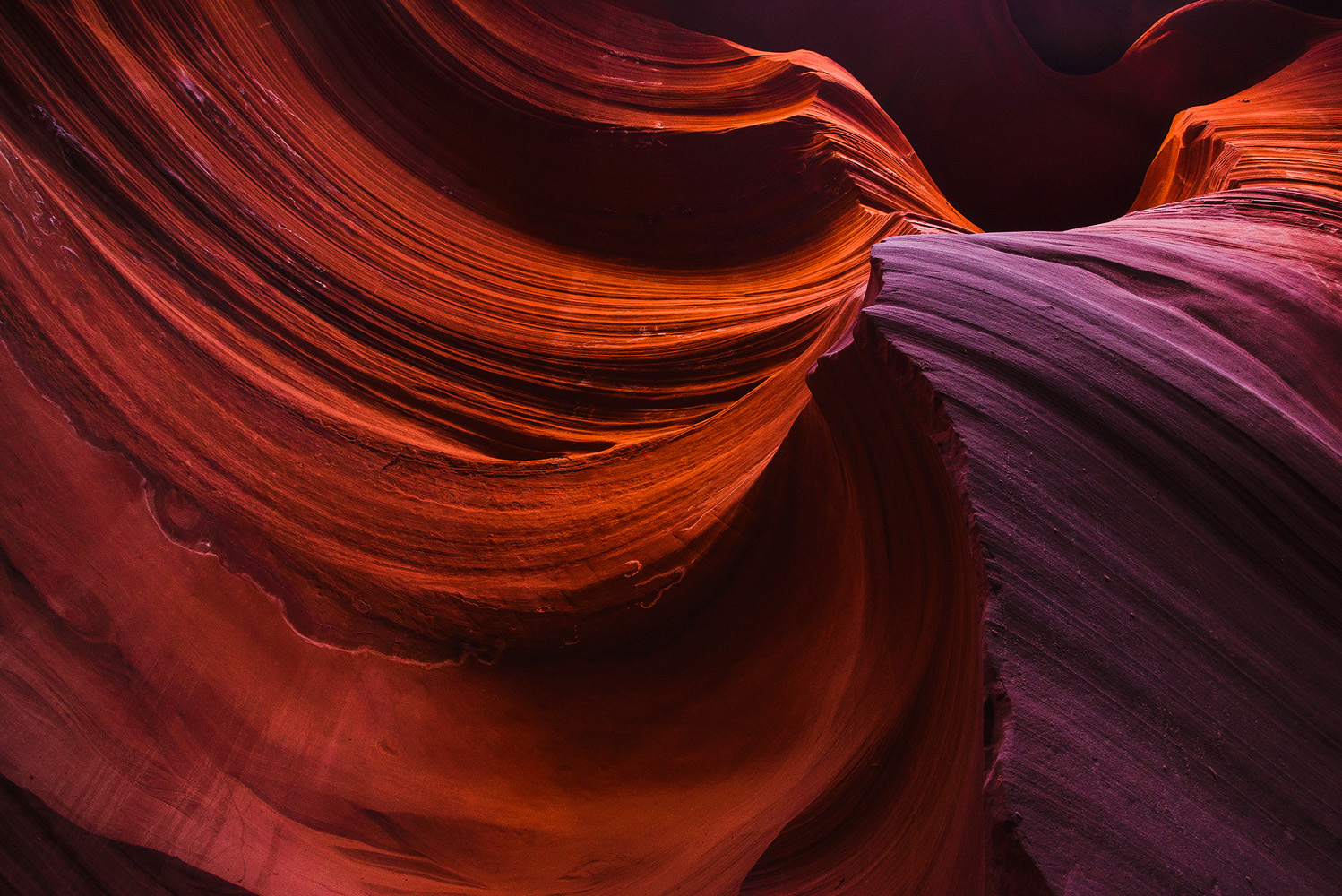
Their shapes greatly affect the way light enters and visually sculpts the canyon walls and sandstone textures. Upper Antelope Canyon is most famous for its stunning light beams created by sunlight shining through narrow passages juxtaposed with the contrast of the canyon shadows. Unfortunately timing and availability didn’t allow for an opportunity to capture the light beams, since it’s only visible mid-day when the sun is high in the sky and shining directly down into the canyon.
Lower Antelope on the other hand, allows for a lot more light to enter, and this light bounces off and around the sandstone walls resulting in beautiful reflected light of varying hues to paint scene.
The difficulty was both artistic and technical. Shooting in low light is not foreign territory for me, however, shooting low light landscapes with no tripod (anything to support my camera/elbows for stability for that matter) and minimal time to compose and check my images certainly was.
While the canyons aren’t pitch black or anything, they’re certainly dim, Upper Antelope especially. In the darker sections of Upper Antelope, I found myself struggling to balance keeping my ISO low to maximize dynamic range and detail, keeping my shutter speed fast enough to capture a sharp image, and dialing in a proper aperture to ensure my foreground and background elements were in focus. There’s not a lot of wiggle room when you’re underexposing at 1/25, f/5.6, ISO 3200. Combined with the intense dynamic range, especially in spots where the sky was visible from below, bracketing was a necessity and exposure bracketing by hand looking straight up doesn’t always work out. Lower Antelope was a lot friendlier to shoot handheld, as I was able to get solid exposures at around 1/30, f/11, ISO 800.
Technical components aside, what was really difficult for me was finding a great composition with the light conditions and the pace in which we were moving through the tour. One part of my brain is listening to our tour guide to learn a thing or two and to make sure I’m moving along with the pack as instructed, while another part of my brain is working to analyze the scene and light, trying to find a composition anywhere from the ground up free of wandering tourist heads/limbs.
In Upper, I wanted to get a shot that demonstrated scale and depth of canyon, but I unfortunately couldn’t do it with a composition I loved and I’m not sure how feasible it is to capture while on a standard tour. I fixated a lot of time trying to find the large scenes in Upper, realizing my mistake after the fact, but luckily had an opportunity to focus on the details on our visit through Lower. The one thing I wish I could have done differently would have been to bring a stabilized lens to Upper. I elected for a light ultra-wide (18-35mm f/3.5-4.5G) which isn’t stabilized, and while ultra-wides are generally more forgiving when it comes to slow shutter speeds, I did not anticipate needing or wanting to go to speeds below 1/10 of a second. The choice of an ultra-wide was also a bit limiting when it came to capturing details and interesting compositions. I brought the 24-120mm f/4 VR to Lower and the longer focal lengths was great for picking out and isolating the shapes and colors and the VR was awesome to have.
While they’re both cool places to see, I’d be remiss if I didn’t broach the crowds and experience of visiting these two landmarks. If you didn’t know, both of these canyons lie on Navajo Nation land and are only accessible via authorized tours. Photography tours are offered for Upper Antelope Canyon (no longer for Lower as of 2018 I believe), but they’re incredibly difficult to reserve on short notice so Julie and I elected for the standard ‘sightseers’ tour. Both tours have you in specific time slots in a group of about 15 individuals. The tour groups are decently spaced out, but even on a late Wednesday afternoon (Upper) and the first tour on a Thursday morning (Lower), it kind of felt like we were at a Disneyland standing in line to get in to spend a pre-determined amount of time in the canyon, occasionally bumping into 2-3 other groups as we made our way through the relatively small space.
But, if you can ignore the commercialization of these two specific canyons, they are visually stunning, unique, and extremely accessible.

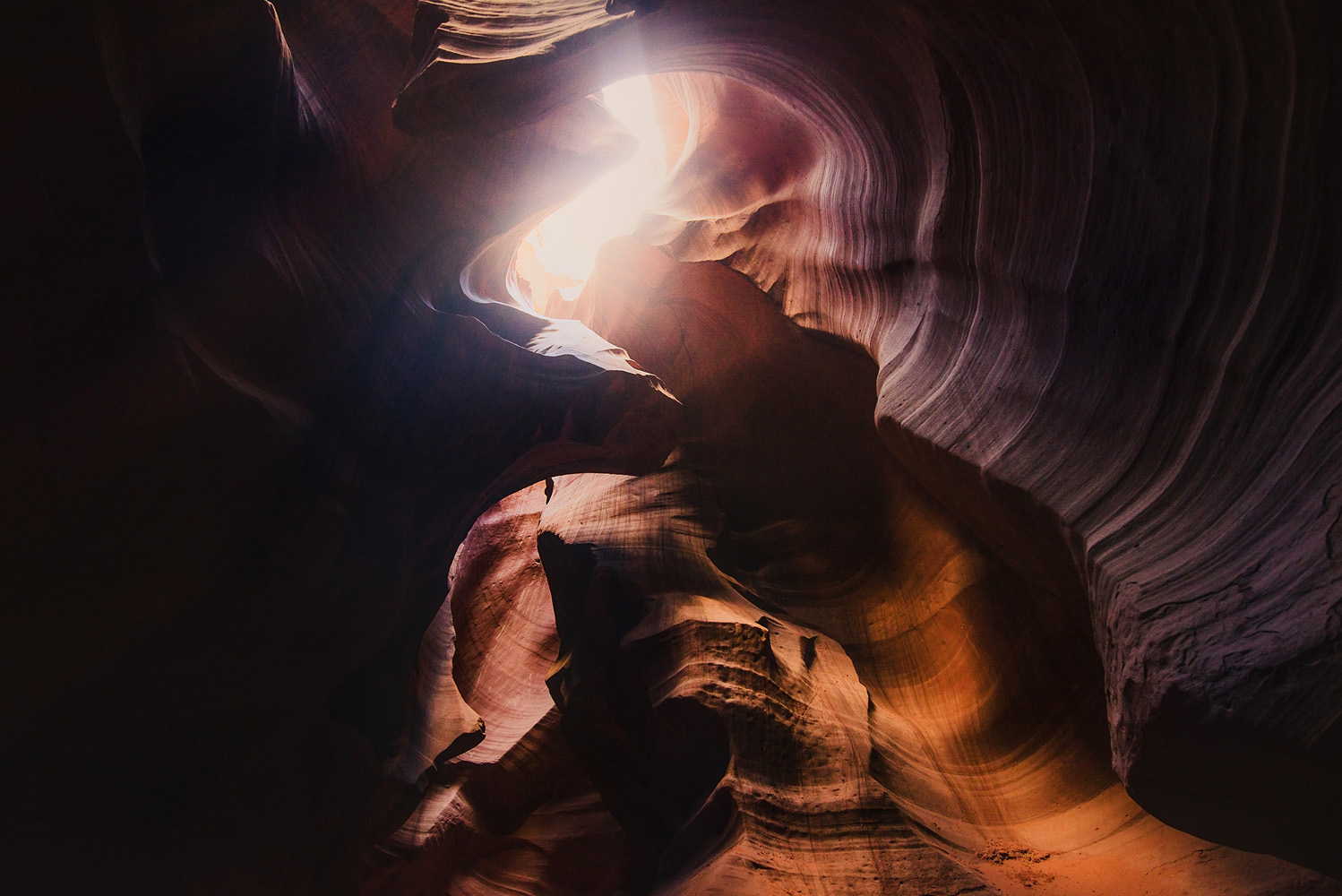
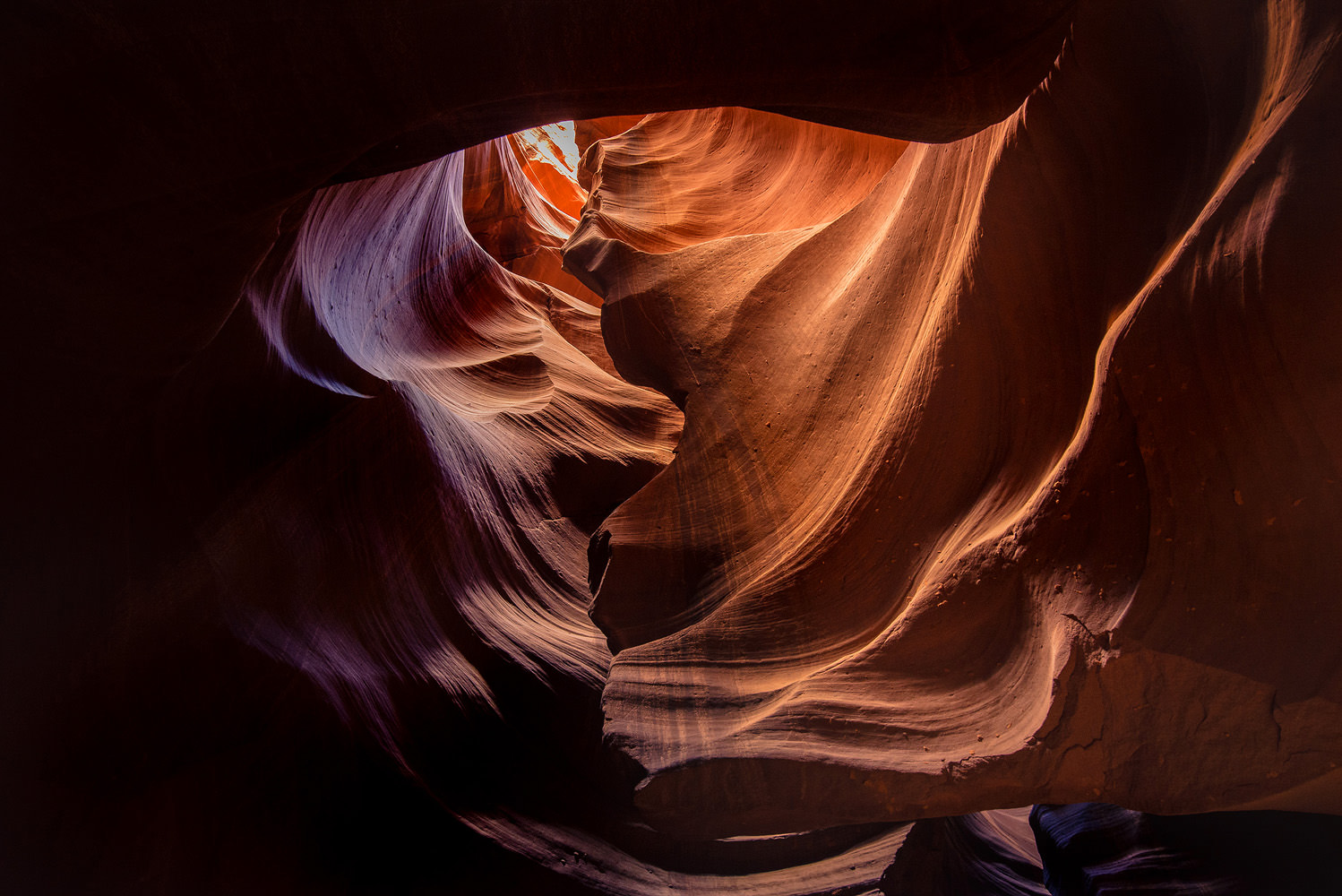
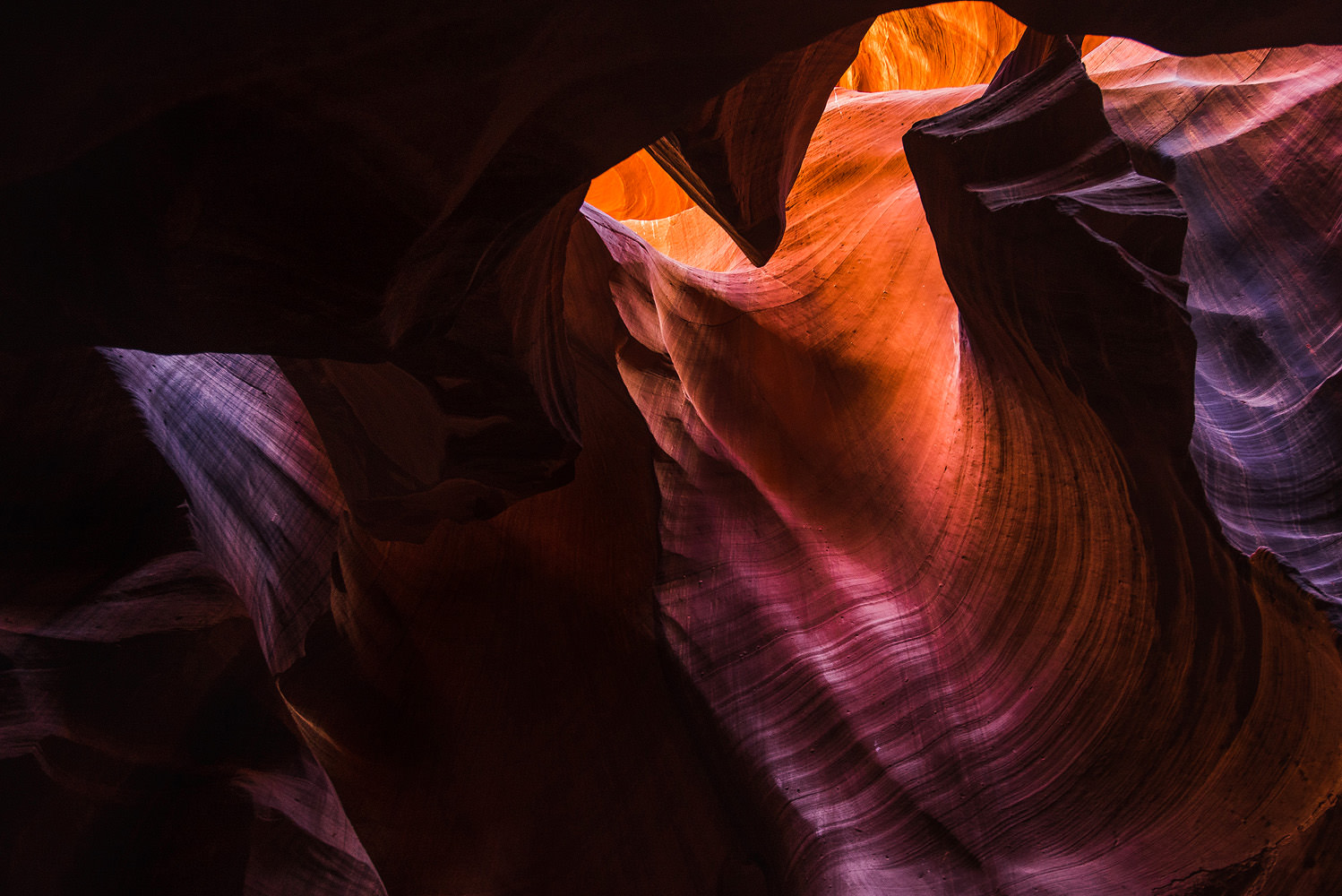
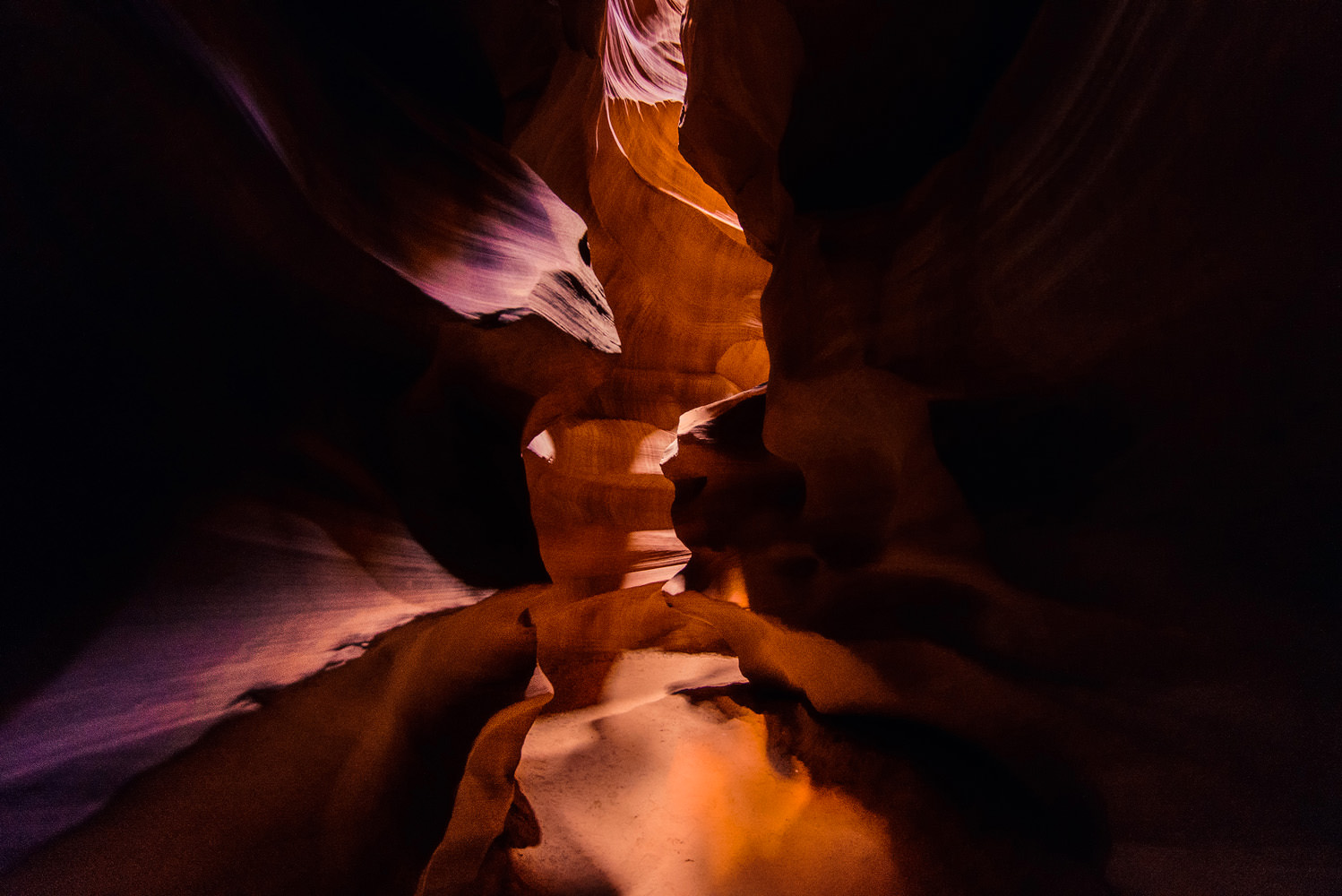






Travel // Zion - Grand Canyon - Page - Northern AZ // Destination Wedding Photographer

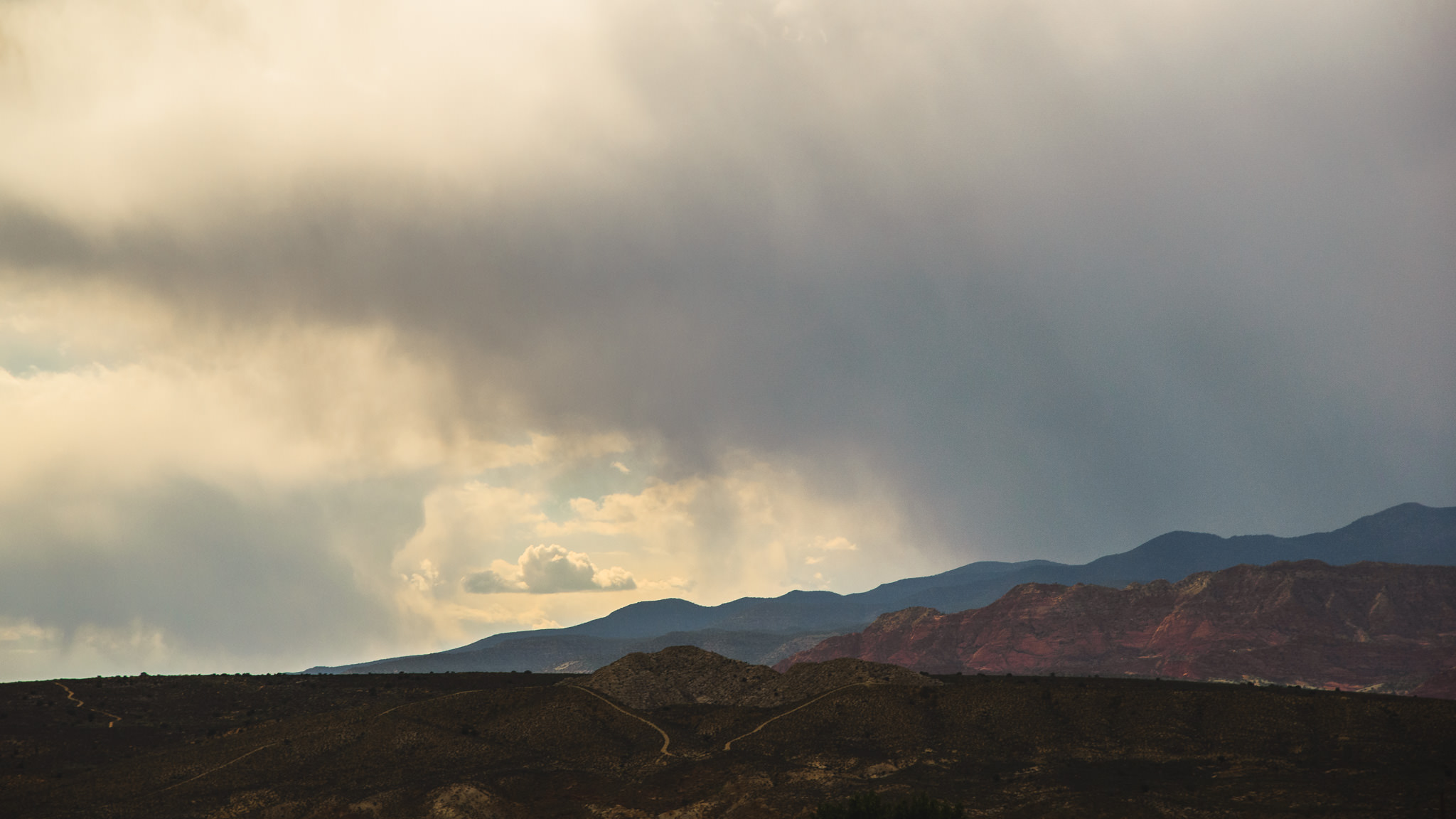
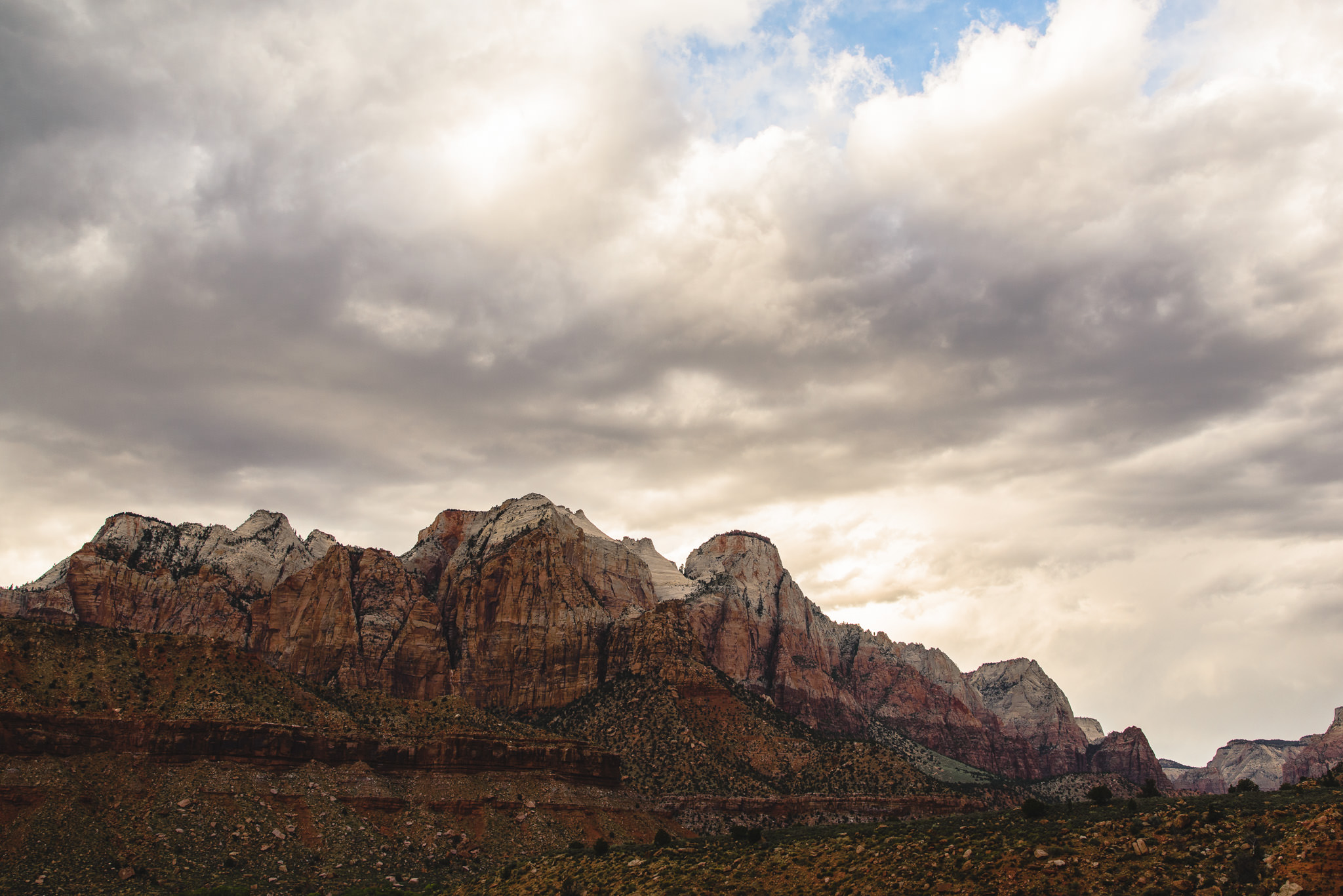
Julie and I had the privilege of photographing an awesome wedding in Arizona (which can be seen here), which was a perfect opportunity for us to road trip through northern Arizona to visit the Grand Canyon, Page area, with a quick pitstop through one of our favorite national parks, Zion.
The diversity of landscapes and terrain found in the western US never ceases to amaze me. From the temperate rainforests of the Pacific Northwest, out to the crashing coastal bluffs of the entire coast, up to the continental divide of the Rocky Mountains, and down to the desert valleys of Southeastern California, 1/3 of a country offers a world's worth of visual grandeur. On this trip through northern Arizona, I was able to check off a few things on my personal landscape bucket list: the Grand Canyon (with a spectacular sunset to boot), Horseshoe Bend, and Antelope Canyon.
These three locations have been photographed as much as any, but I still had a desire to be there and photograph it myself and capture it how I experienced it. They might lack a truly unique composition (especially true of Horseshoe Bend) but in these situations, it's a matter of pushing myself to create something at least slightly unique in a sea of imitations... while still getting that classic photo, of course.
The Grand Canyon really is a marvel and it's not just the sheer size, but the colorful layers, intricate shapes, and unique textures that have been carved over billions of years that make it a visual spectacle. The hype is real.
Hope you enjoy the photos. Photos from Antelope Canyon to follow!
Zion > North Rim of the Grand Canyon > Page > Flagstaff > Sedona > Prescott
(Update: part II of the trip featuring Antelope Canyon(s) can be found here)
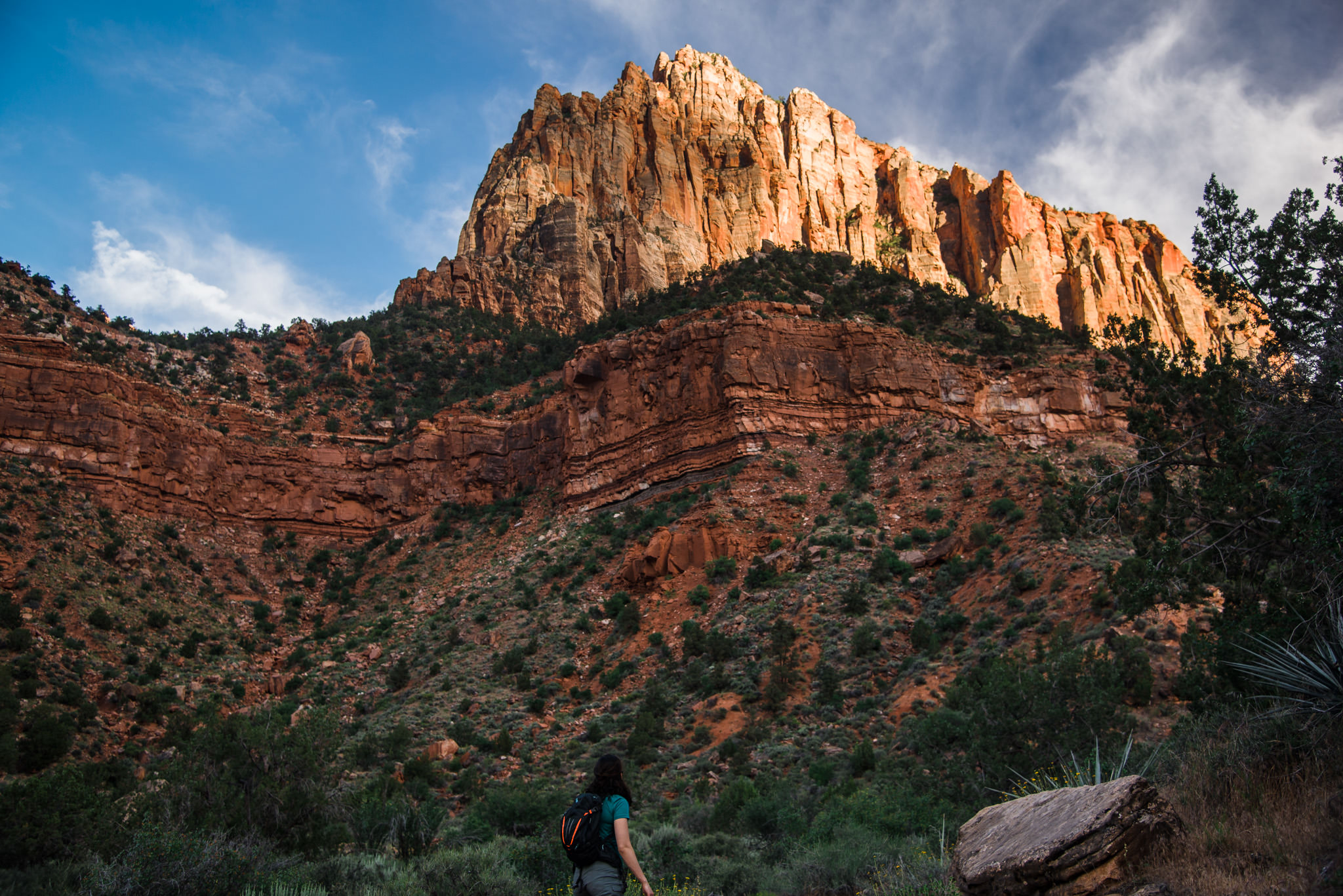
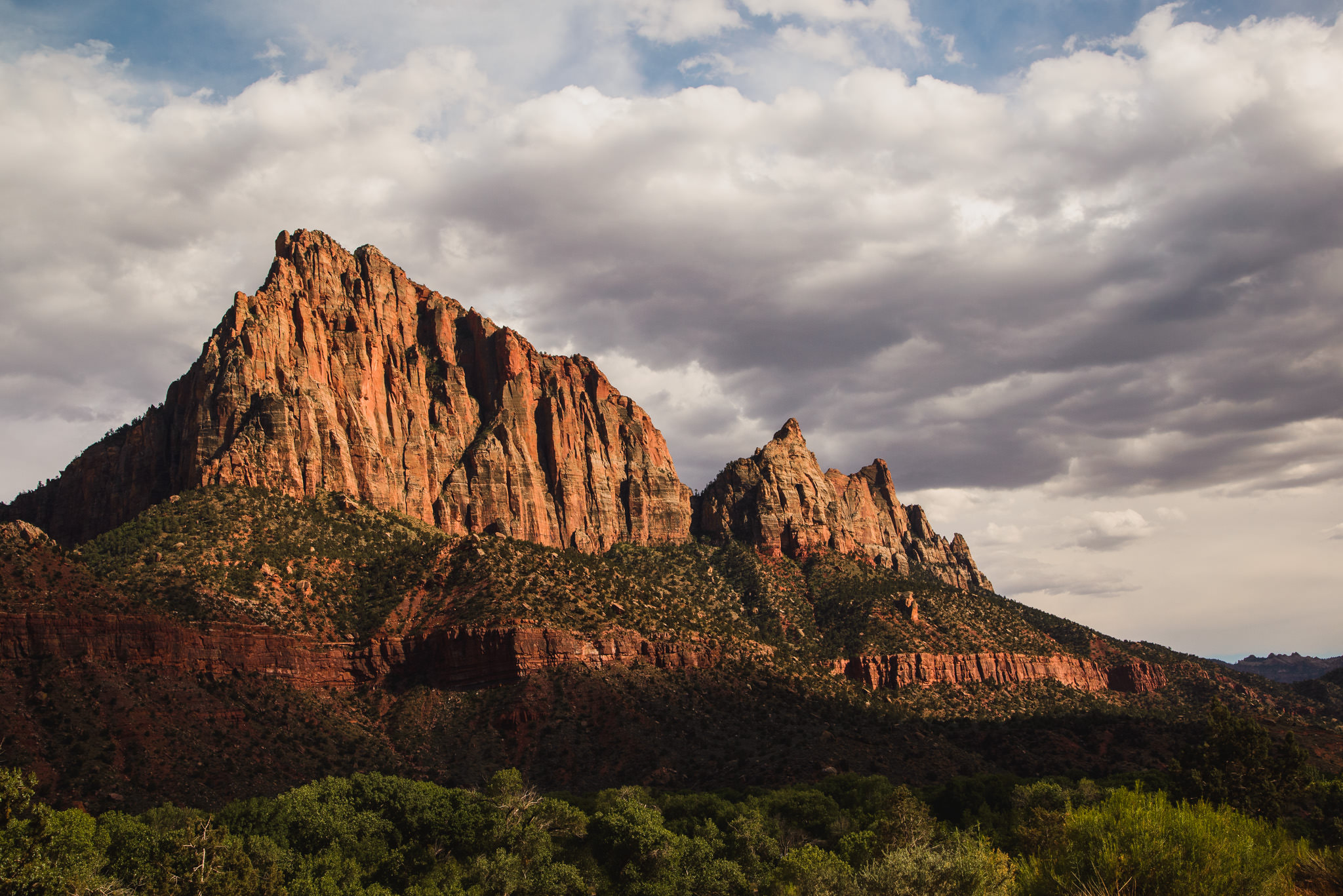
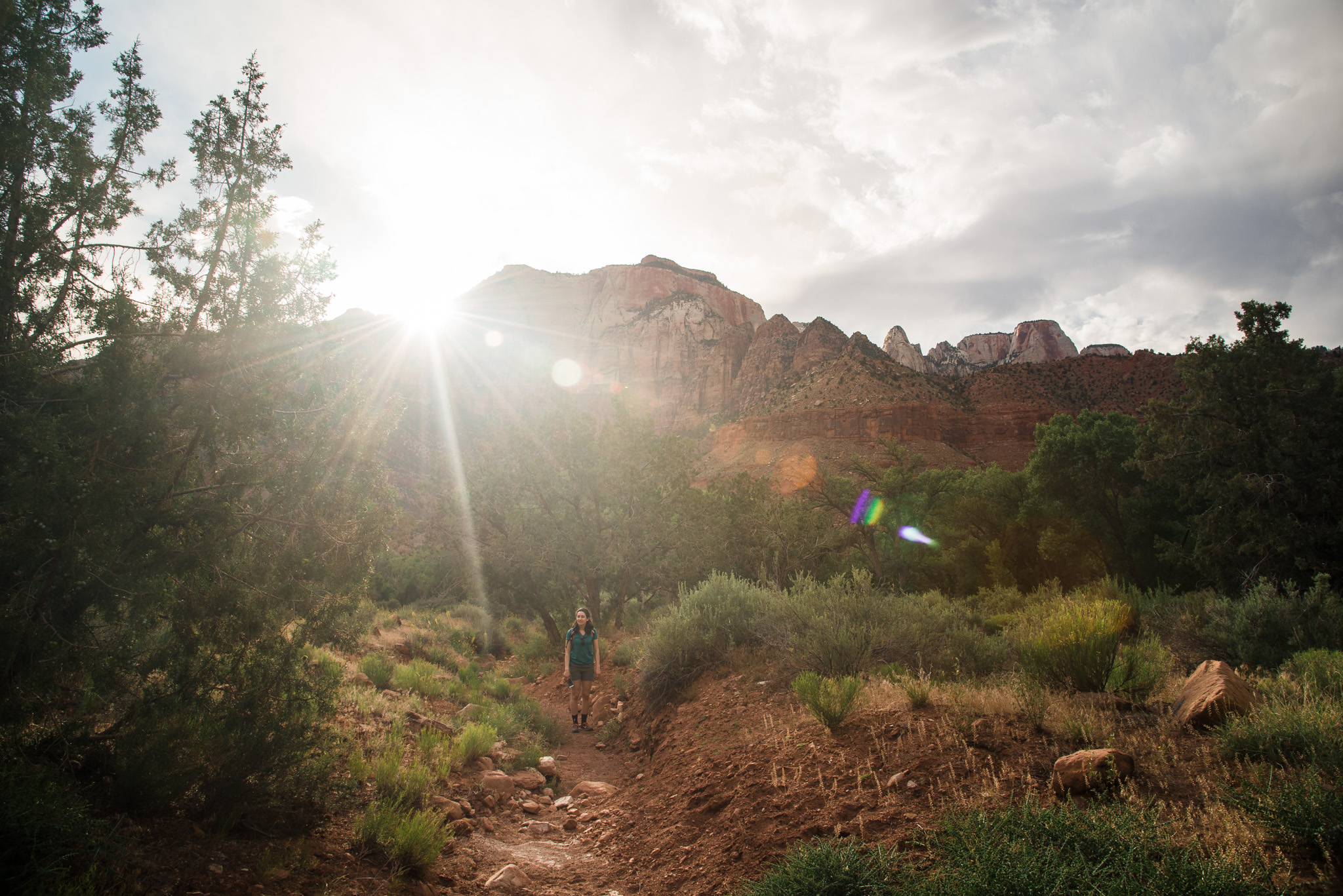
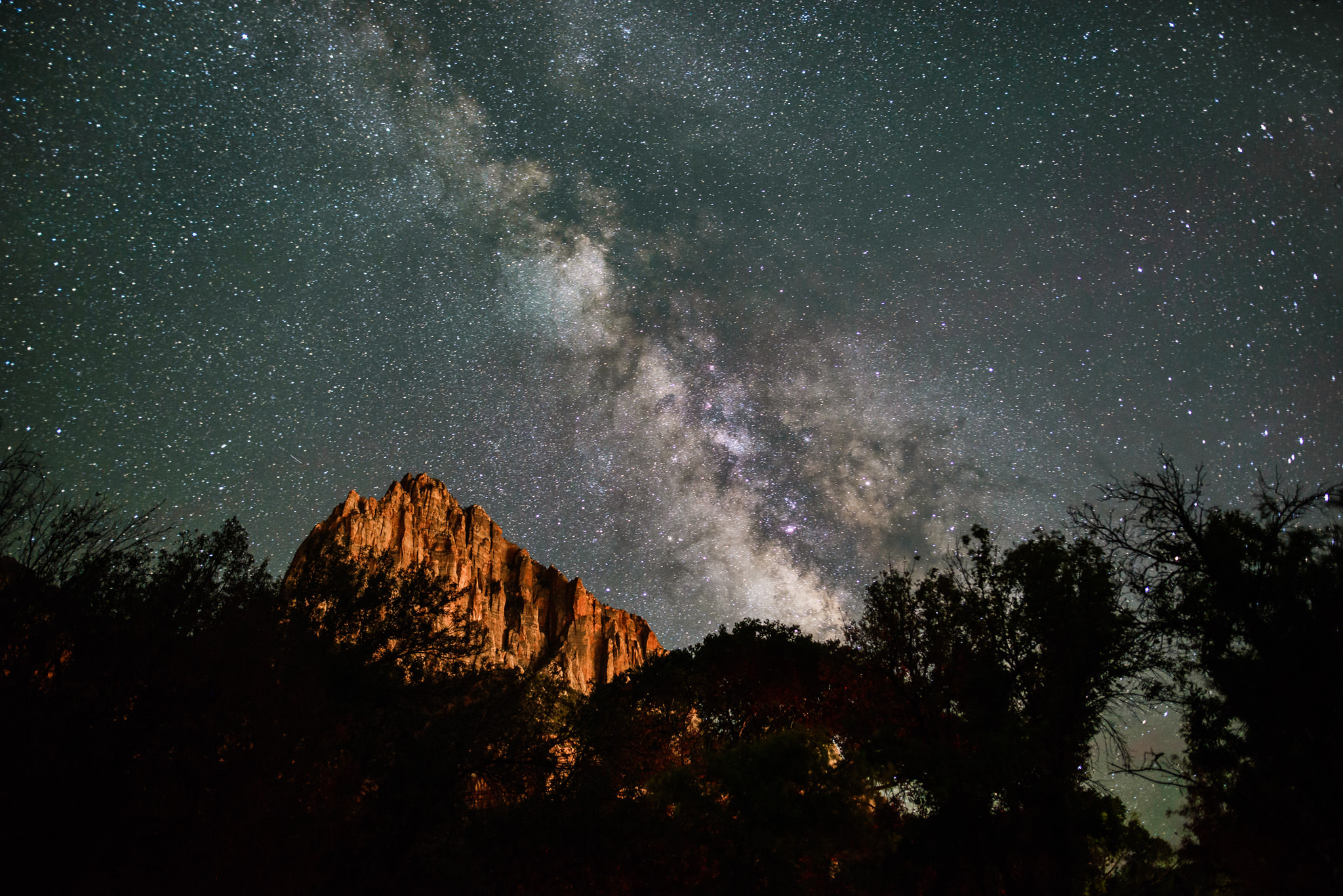
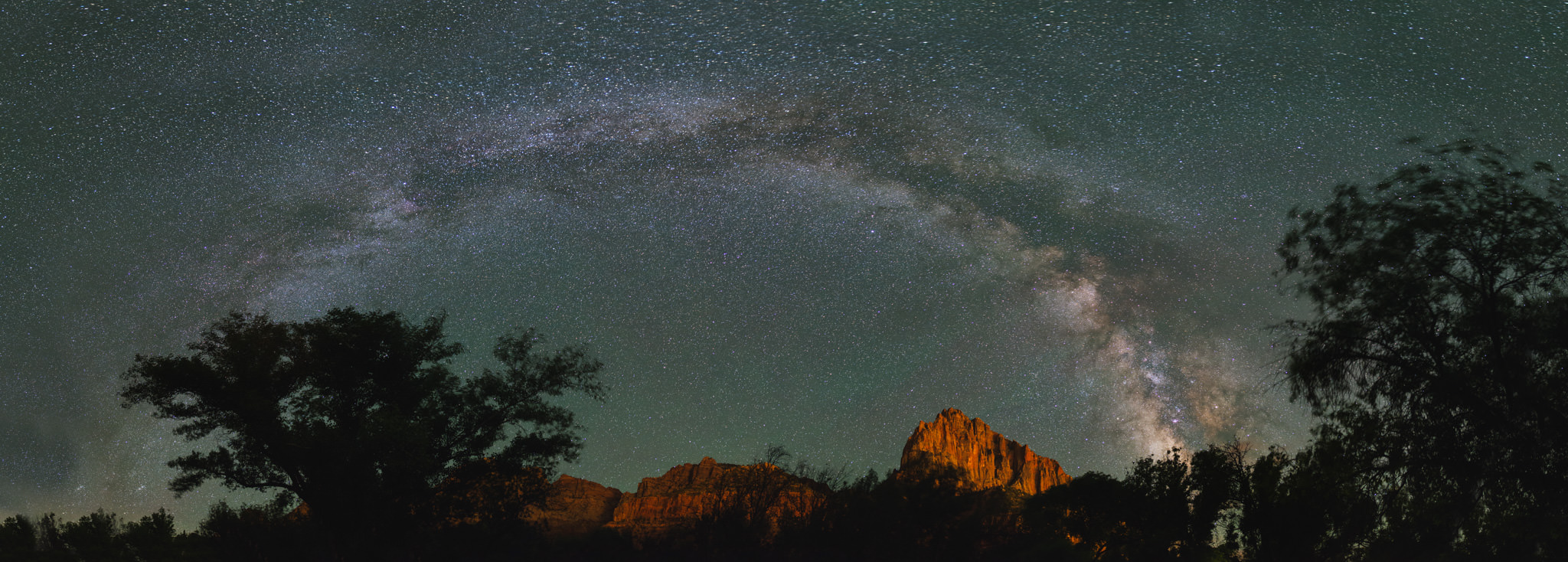
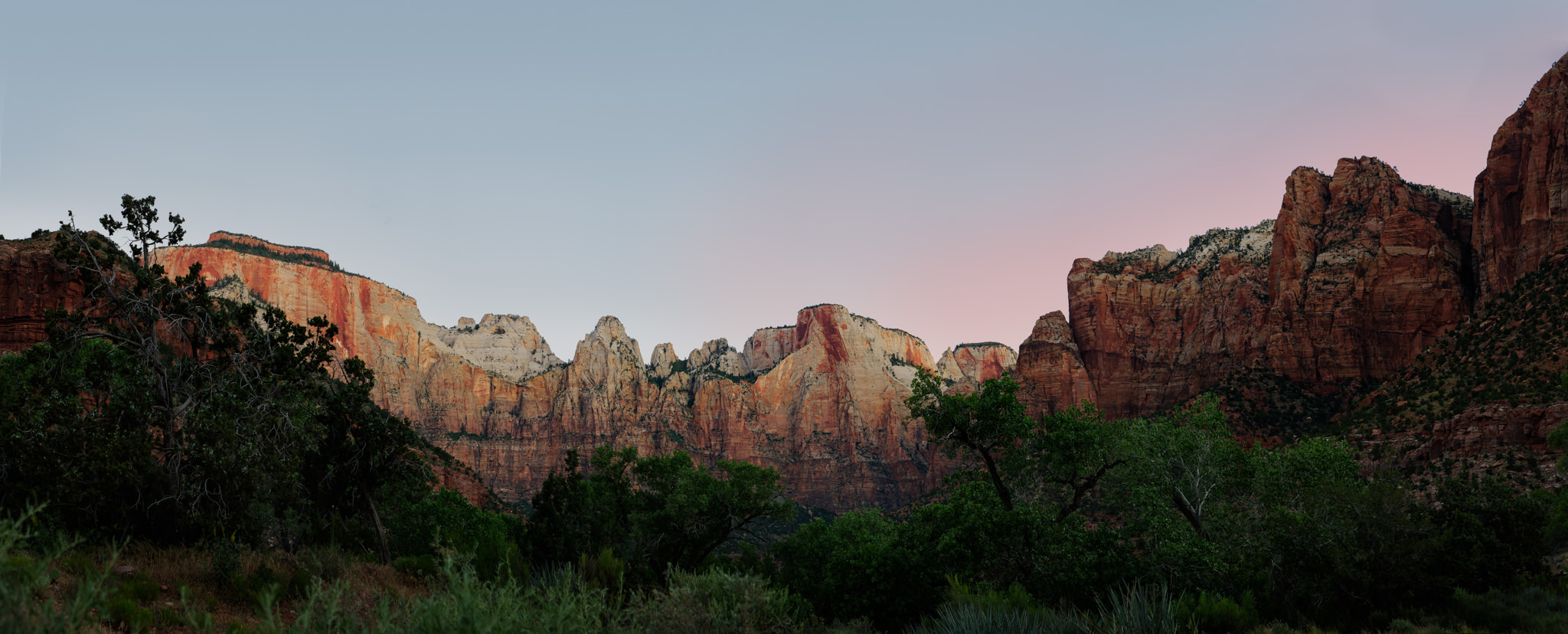
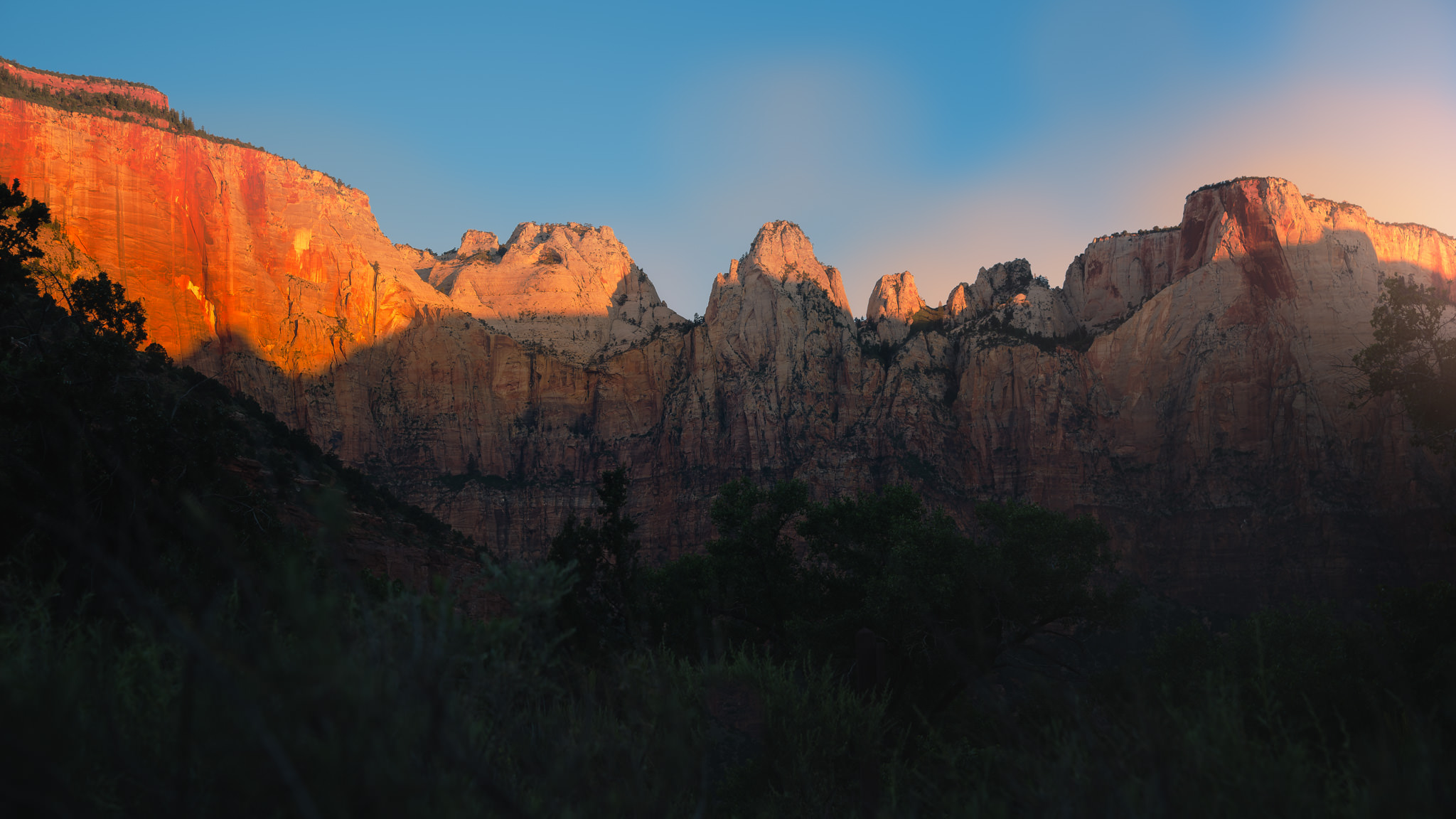
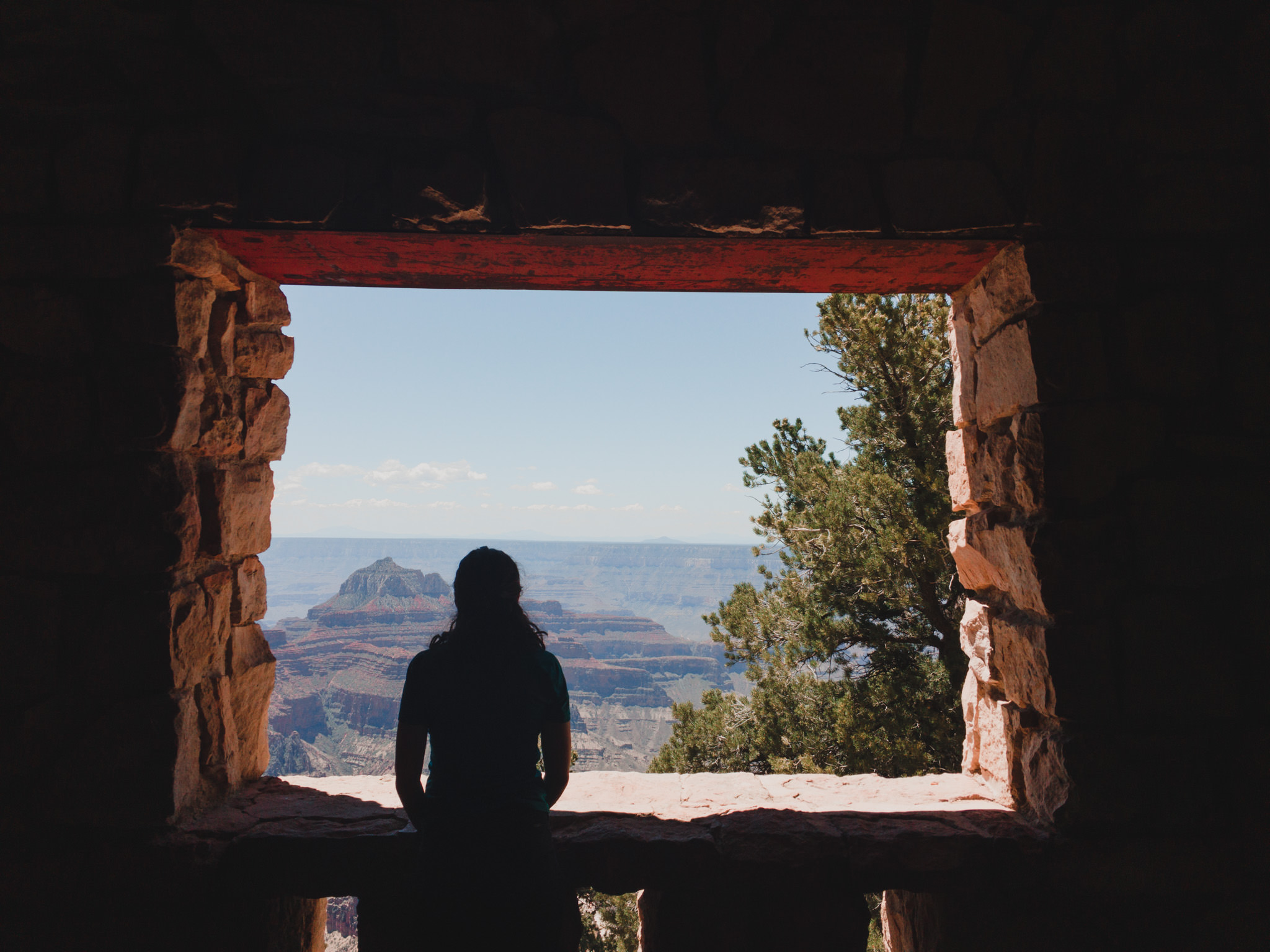
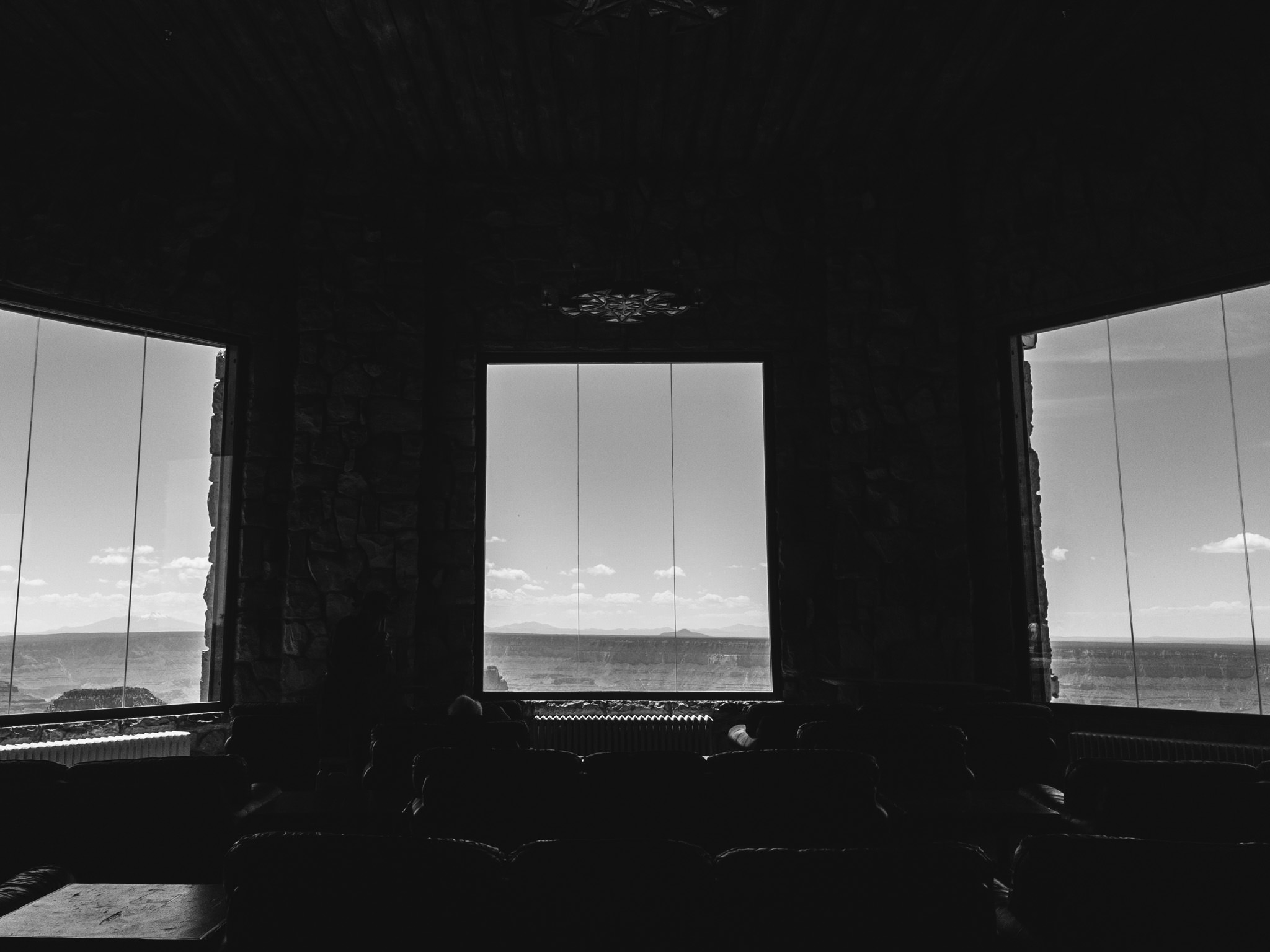
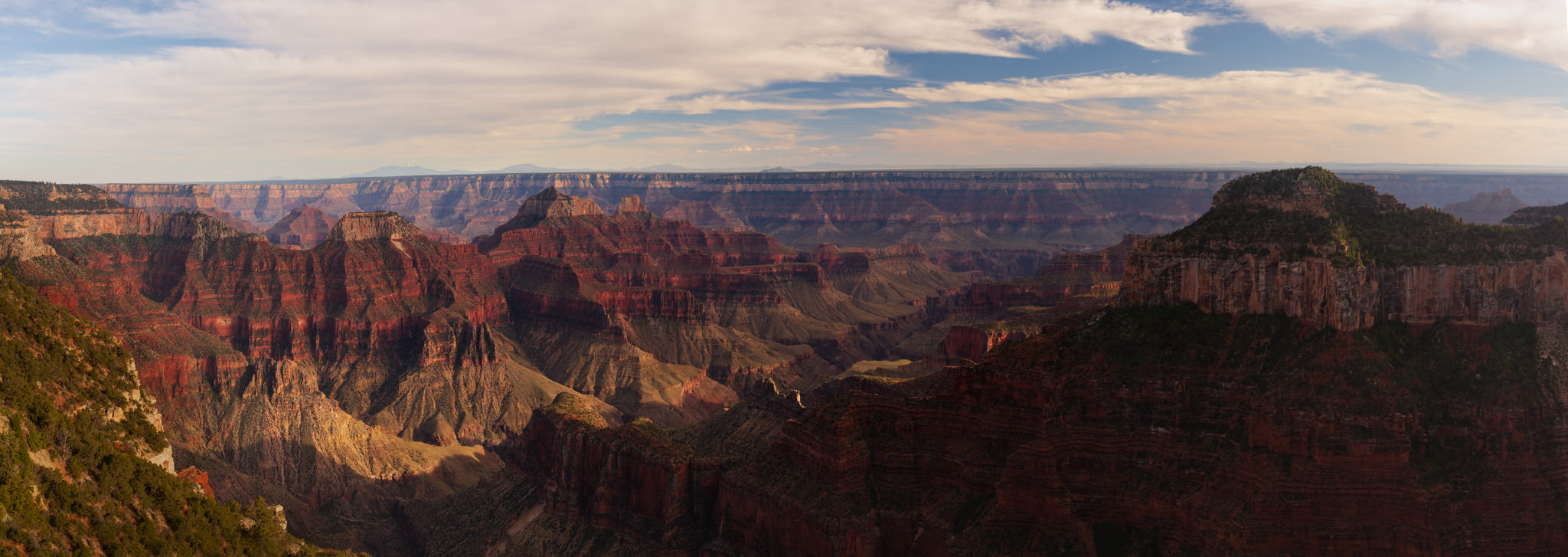
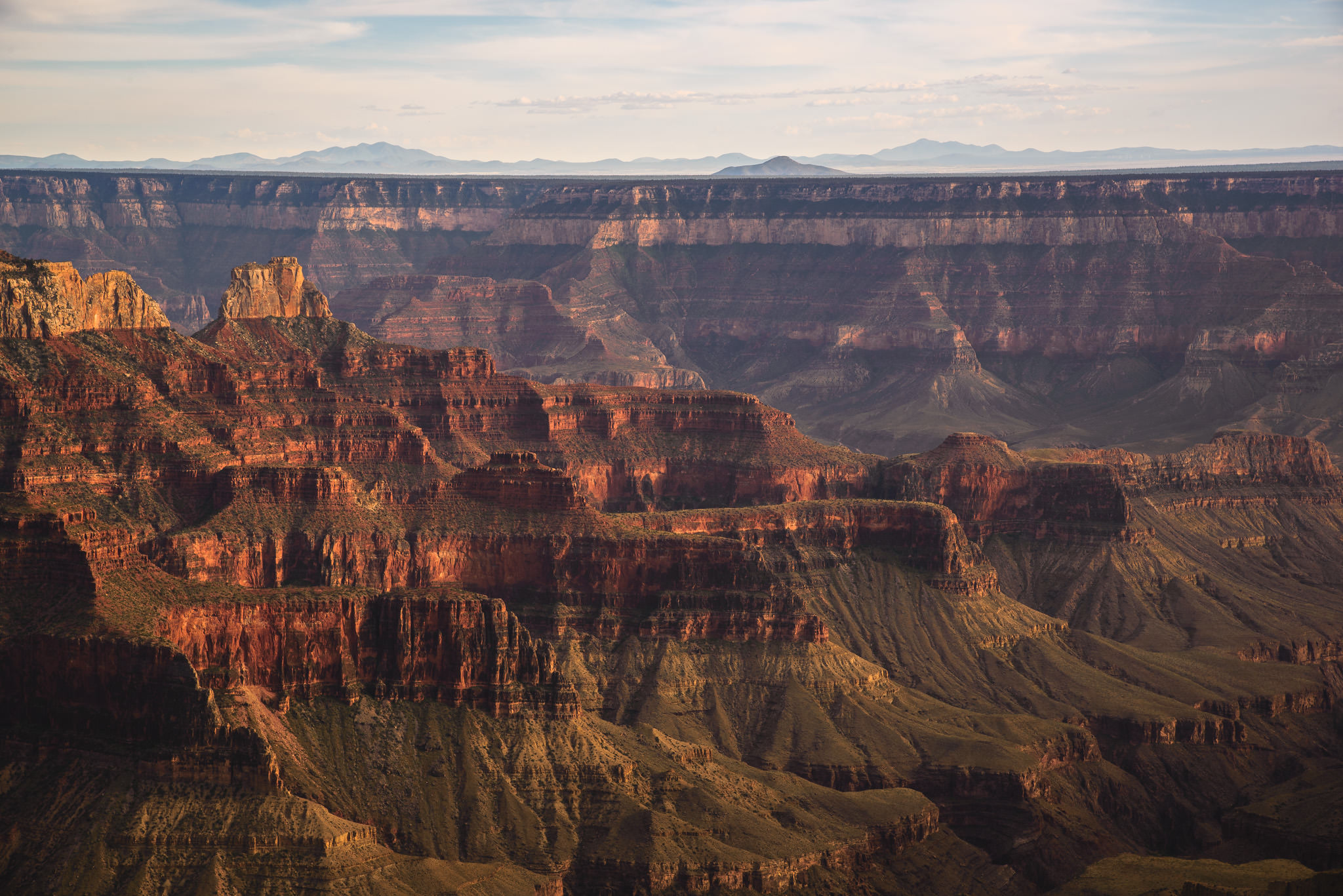
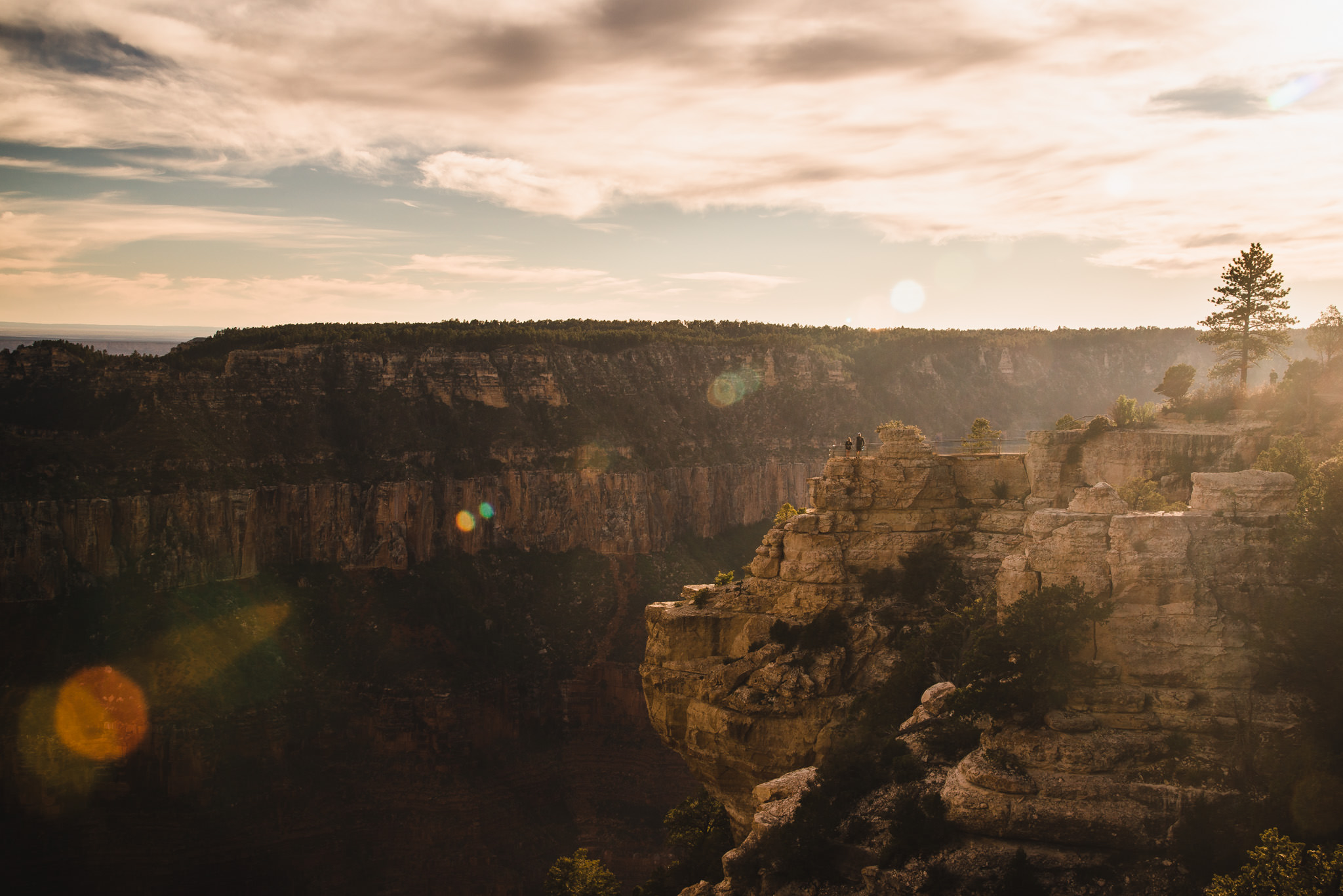
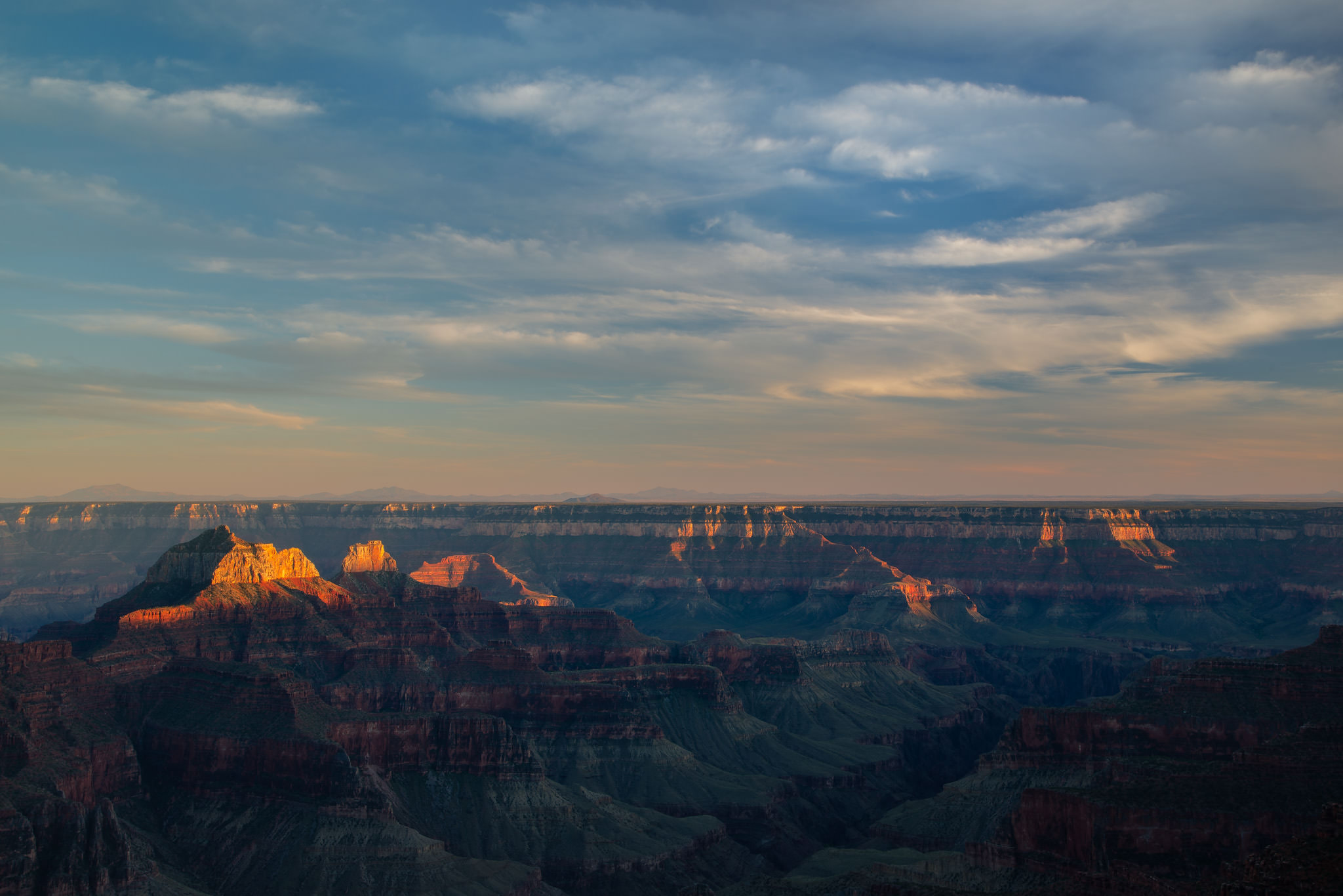
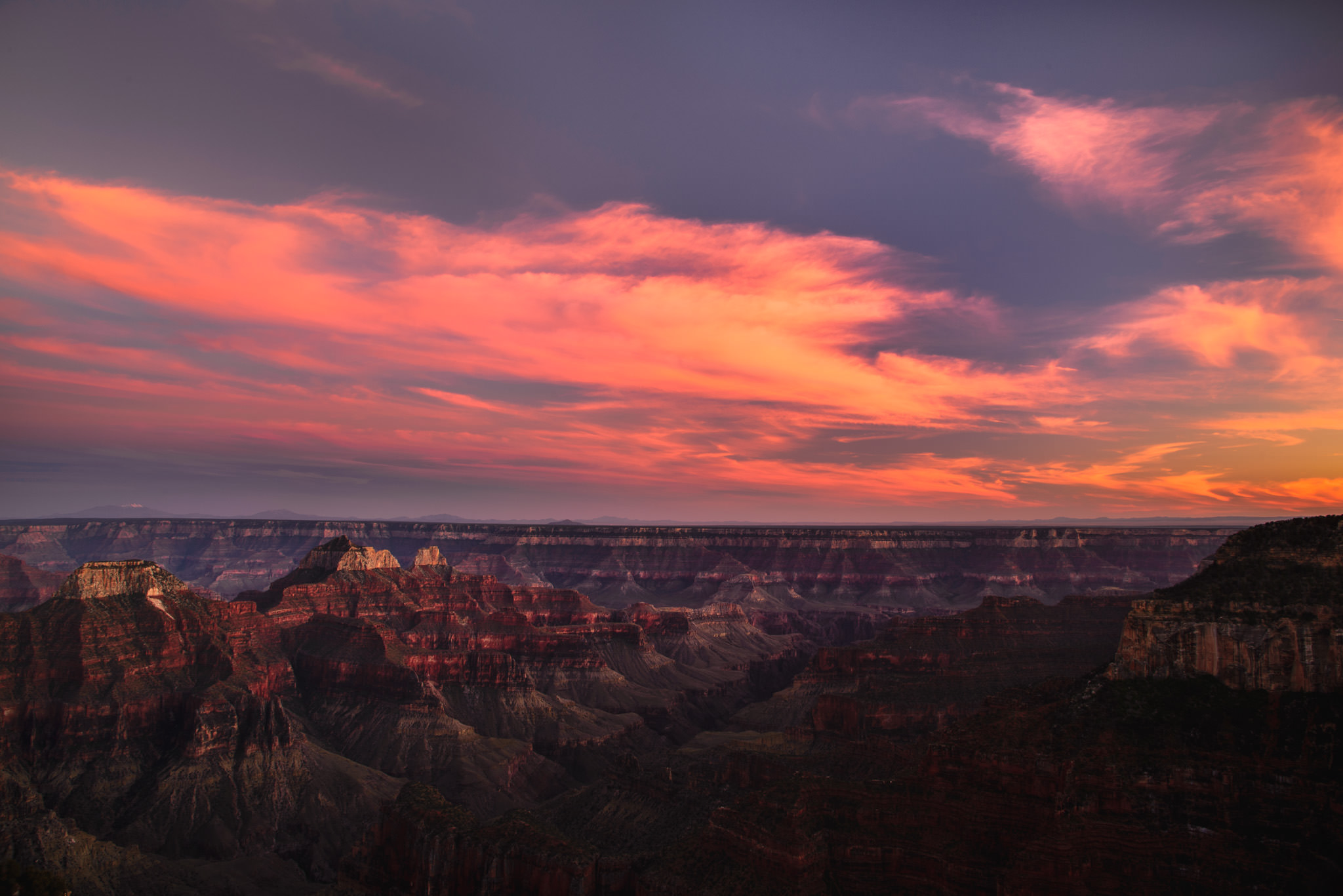
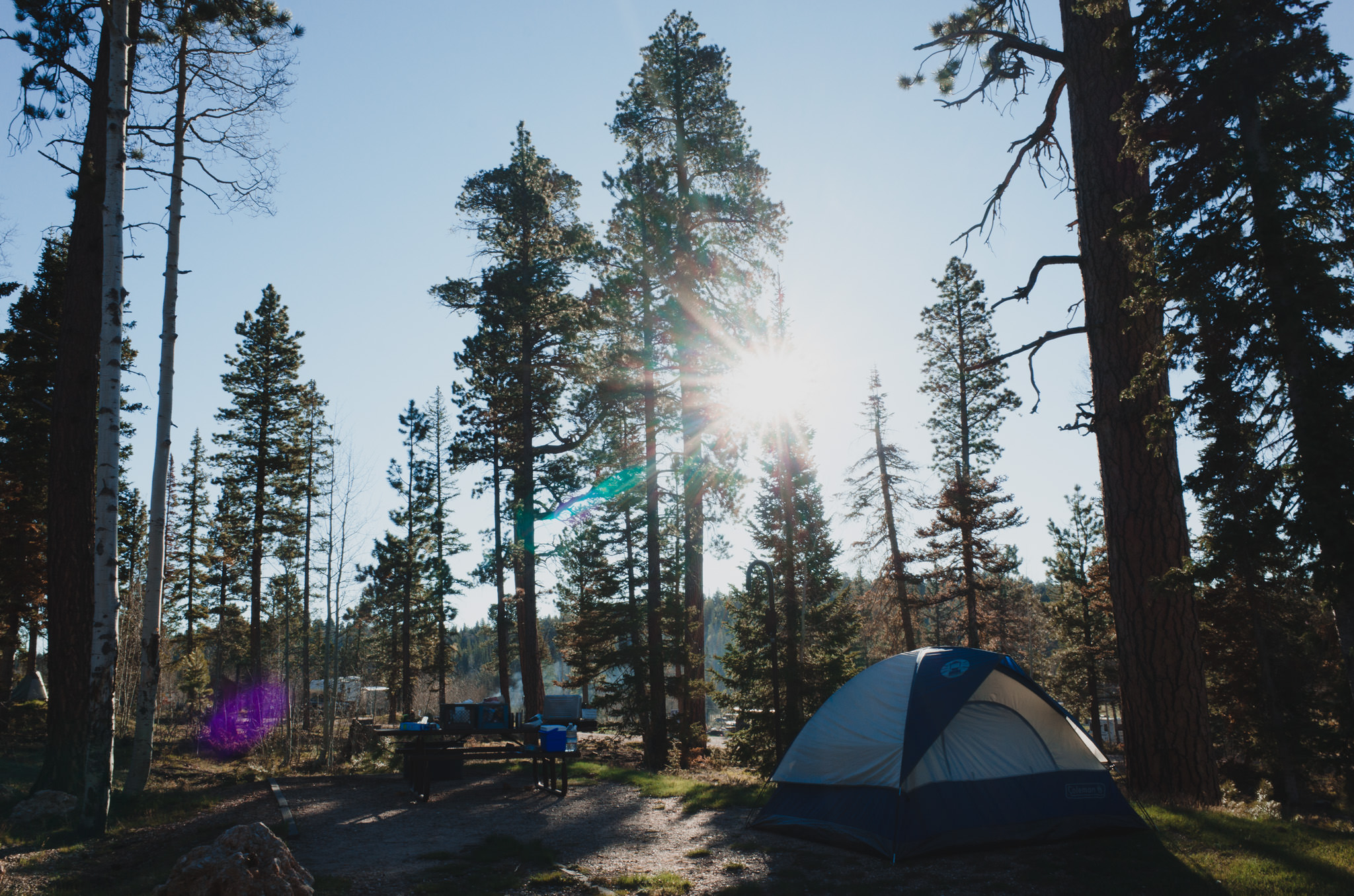
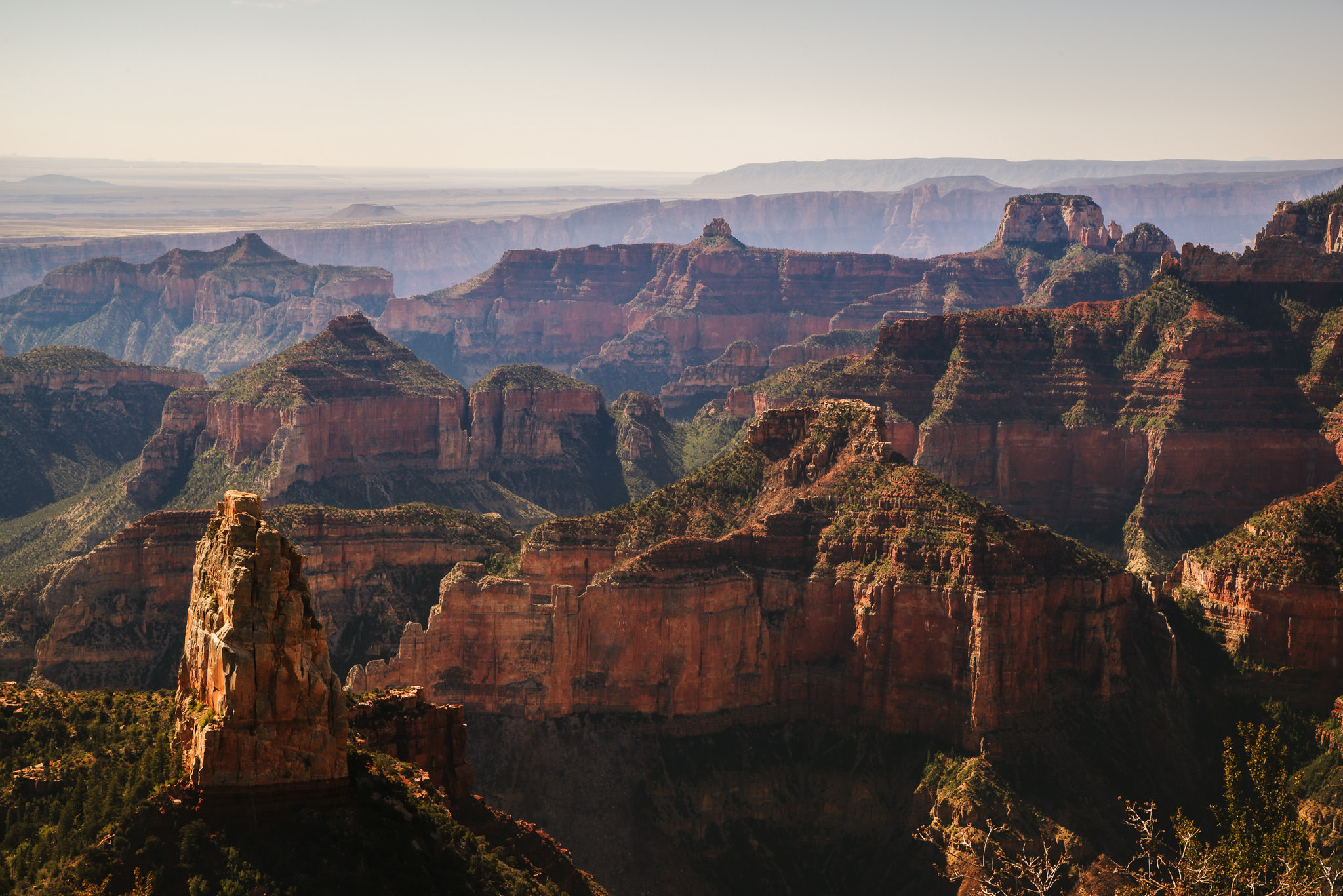
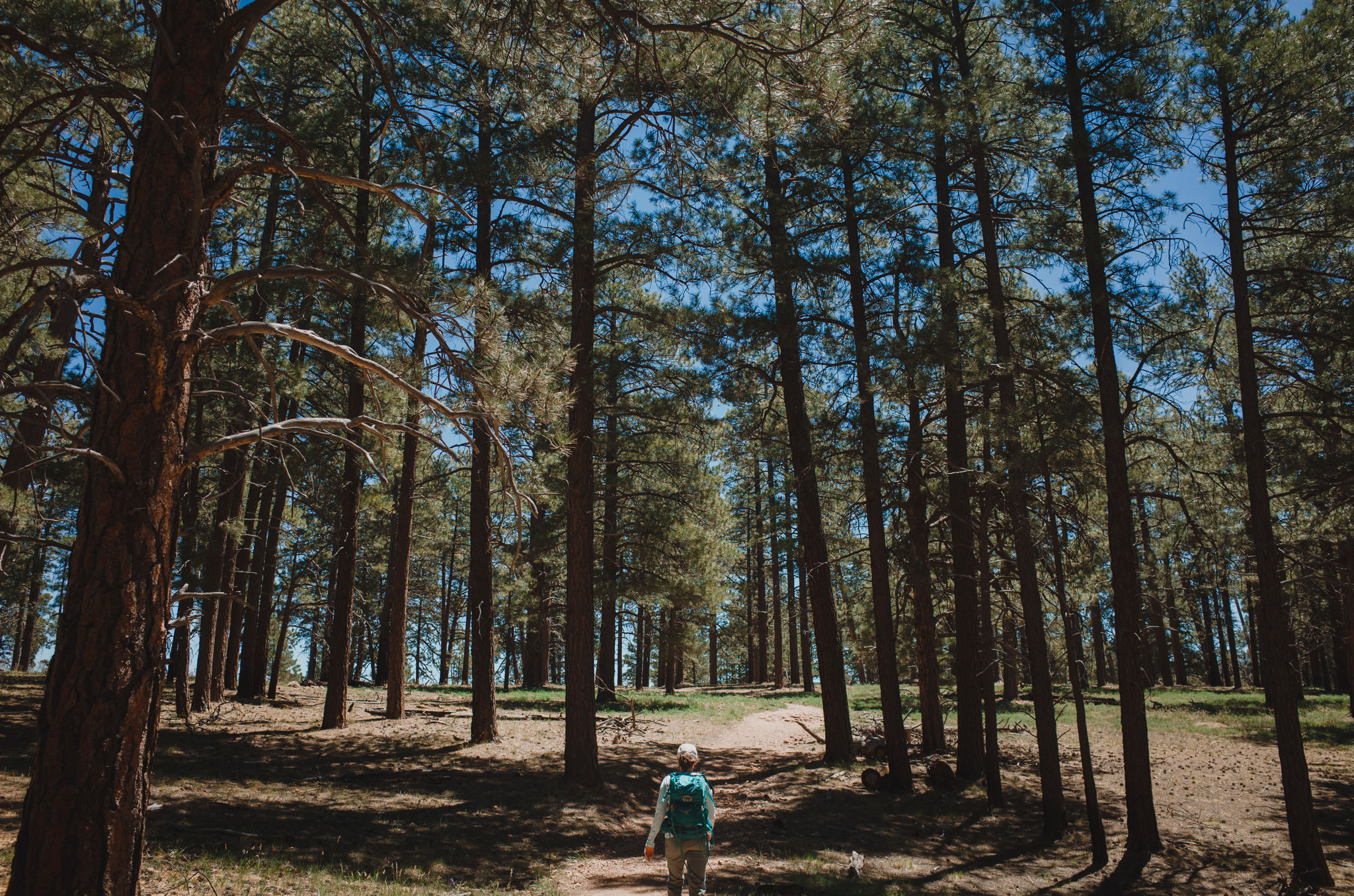
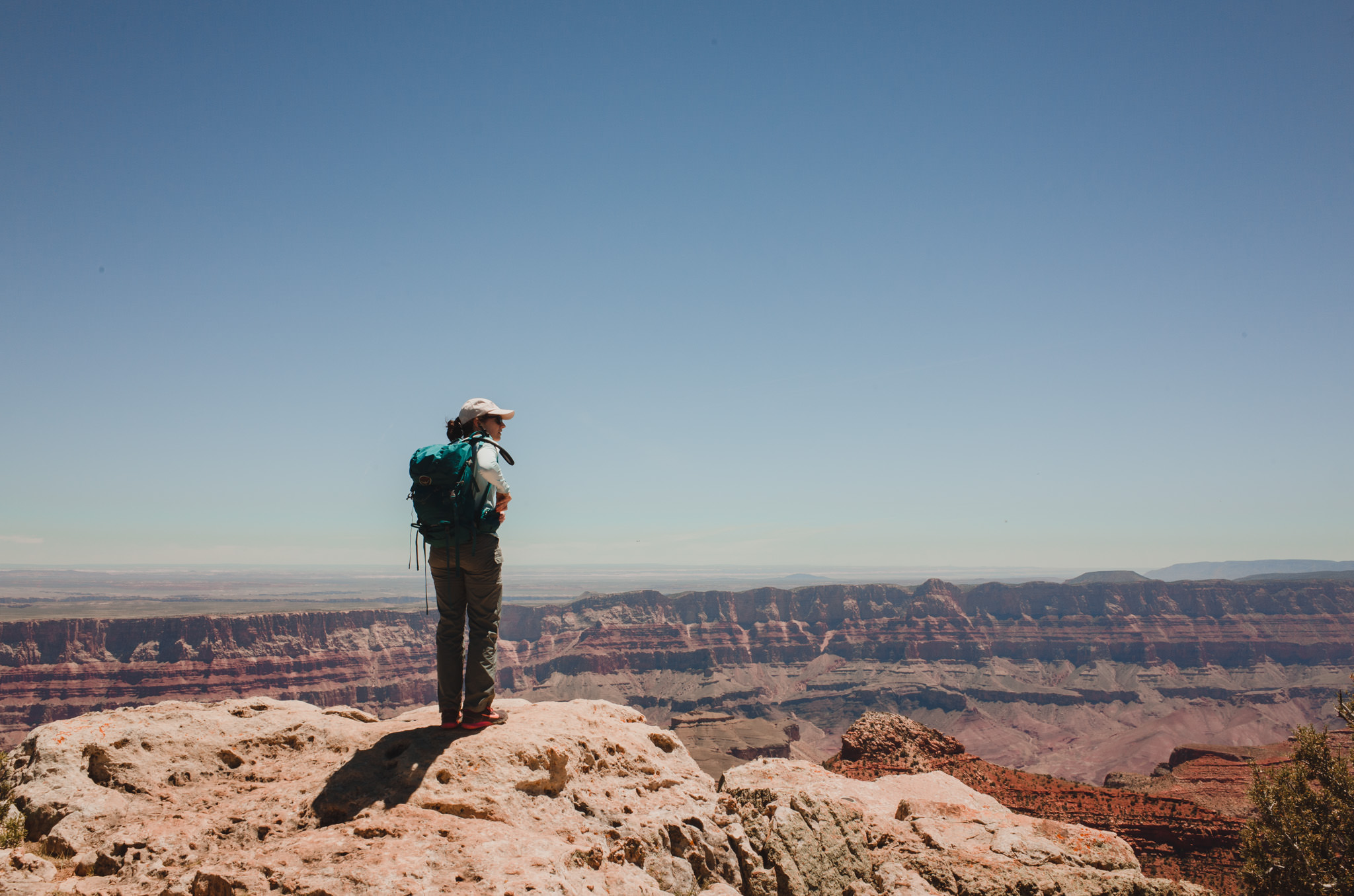
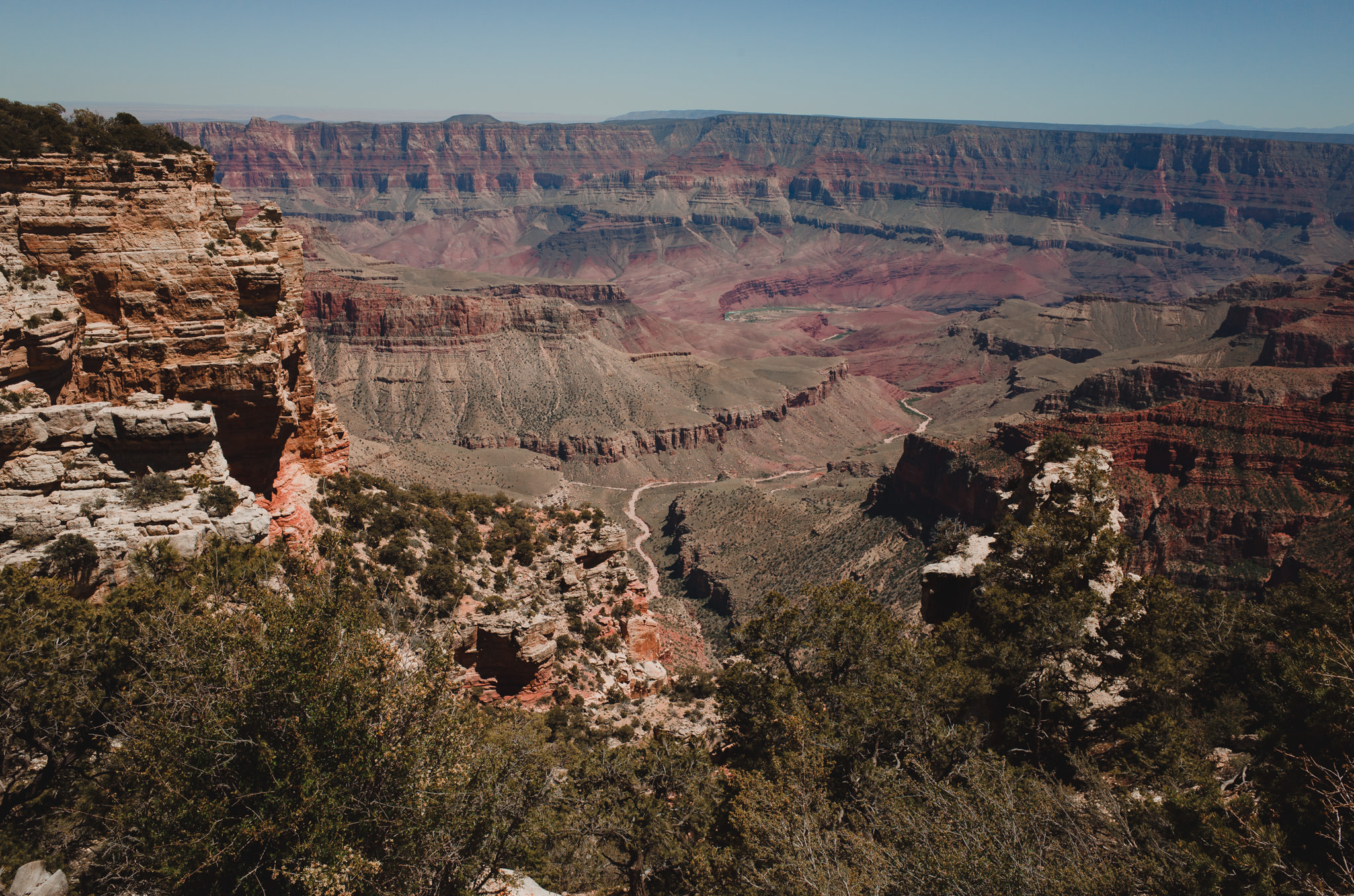
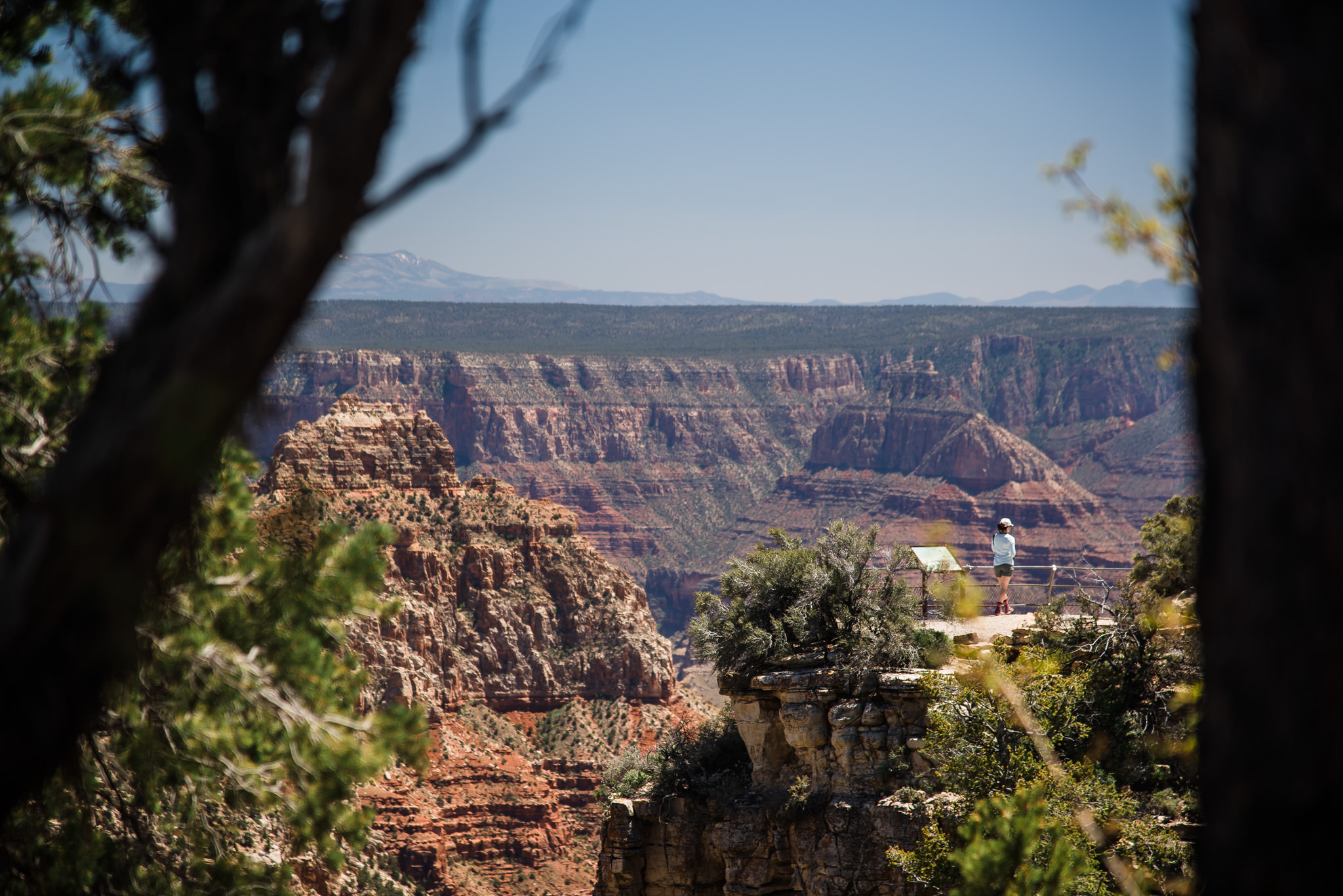
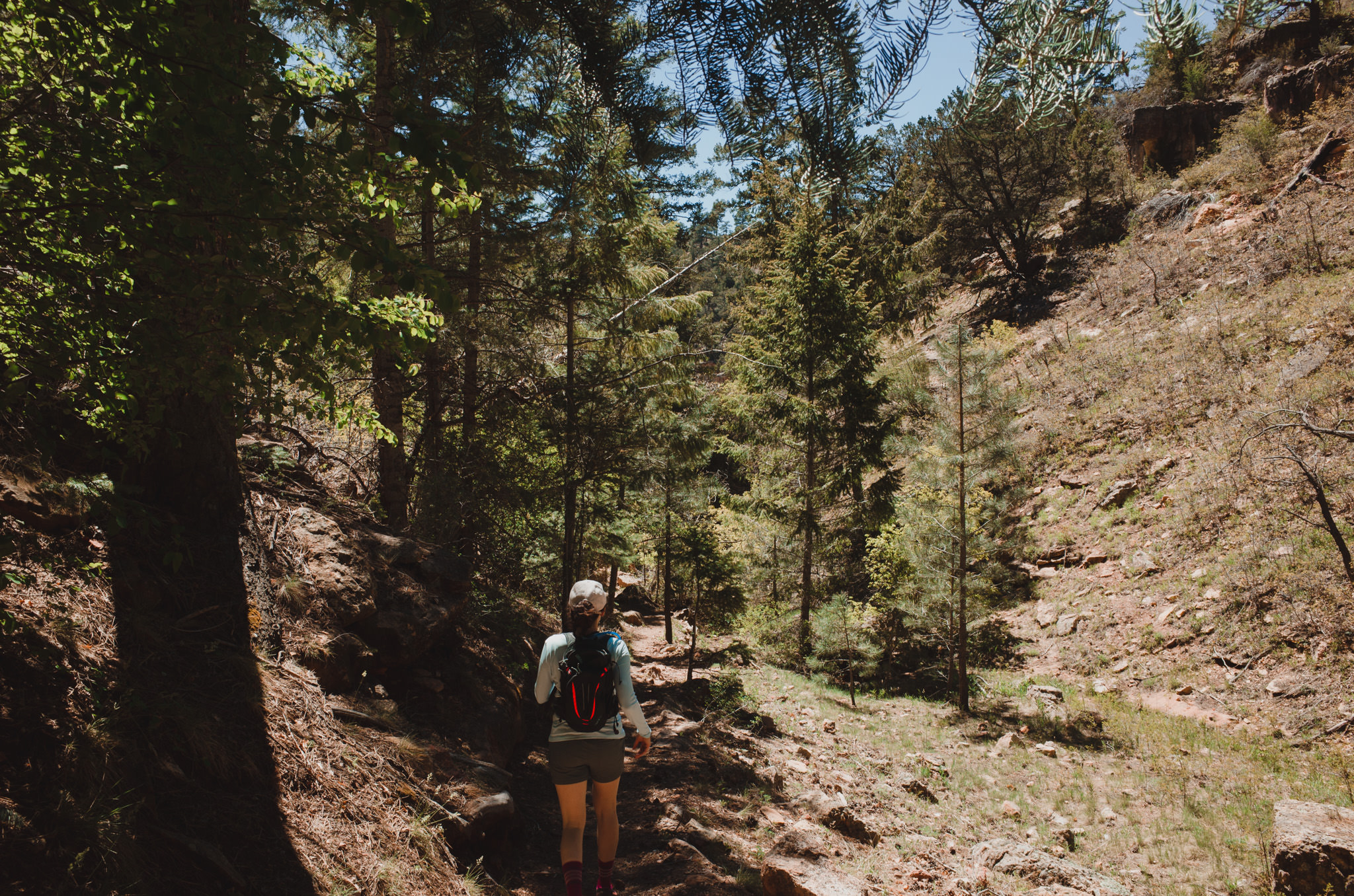
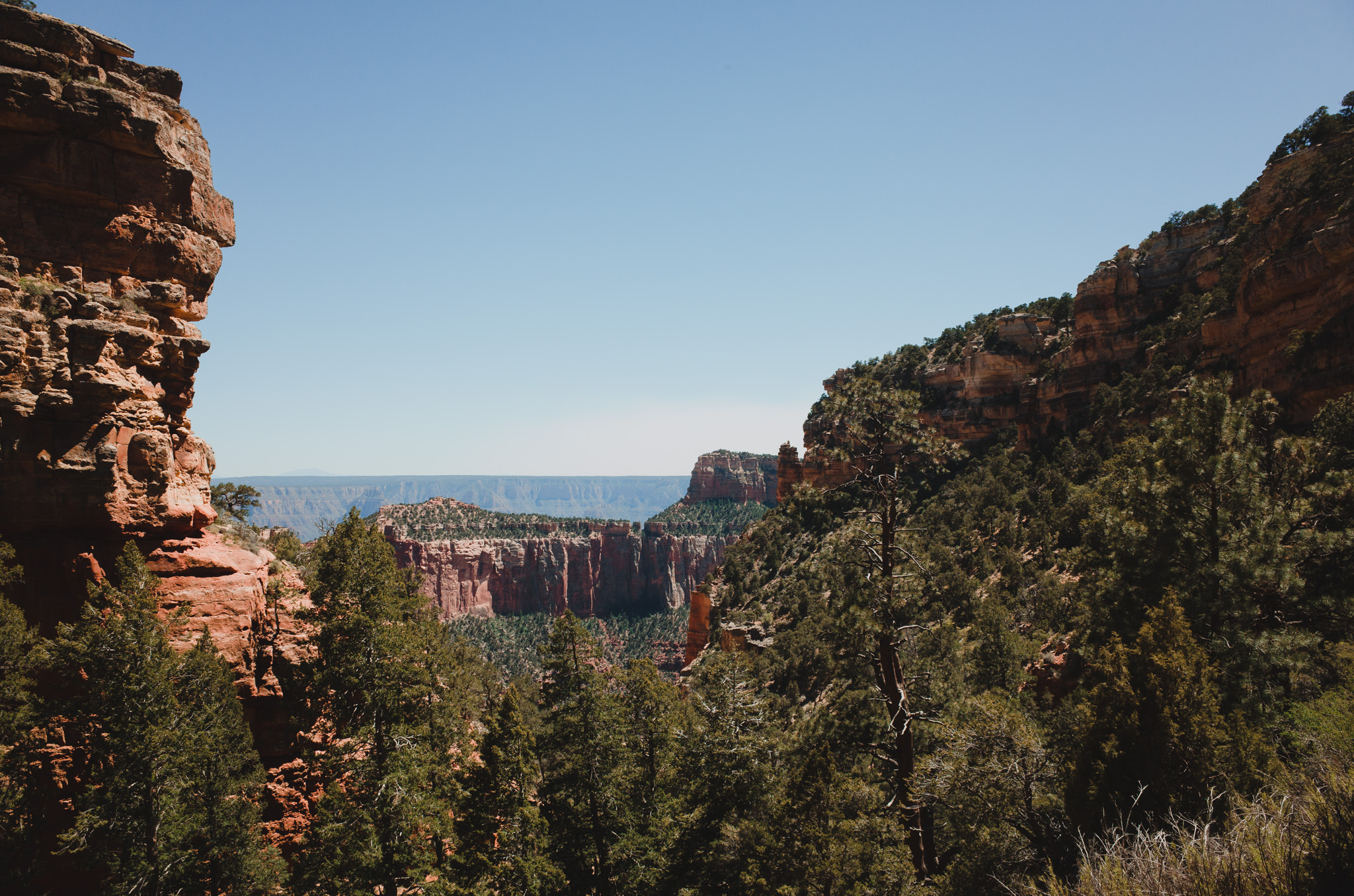
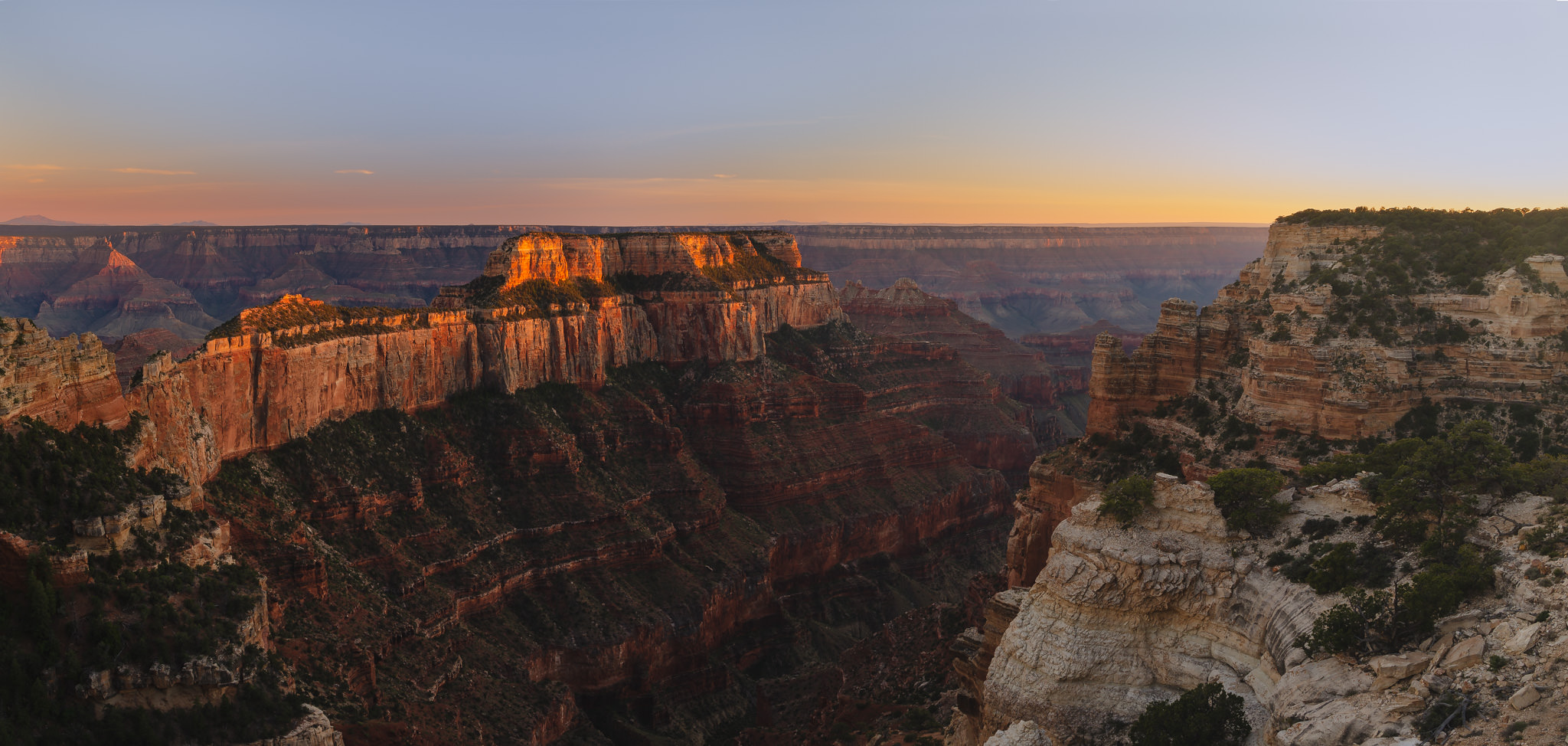
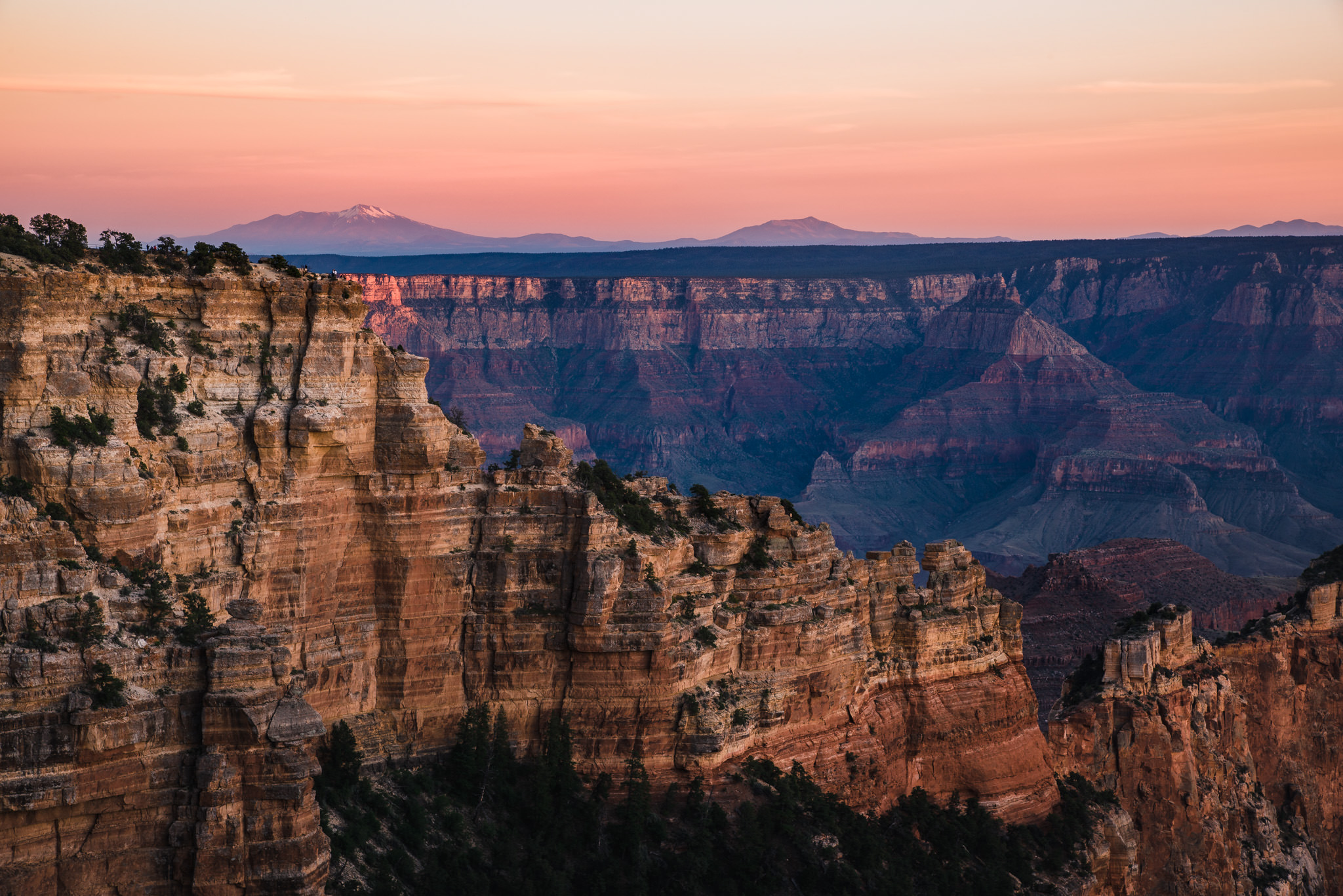
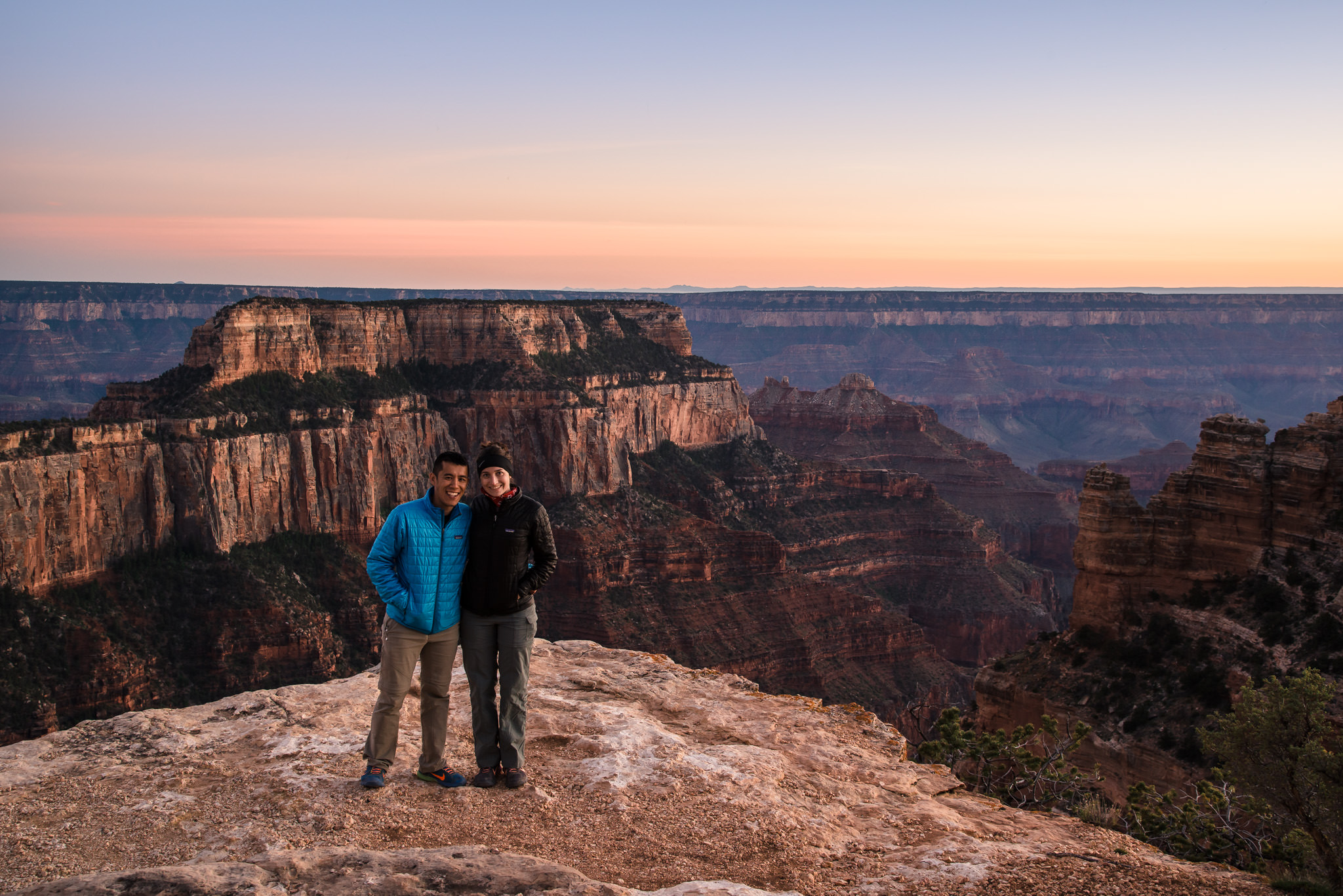
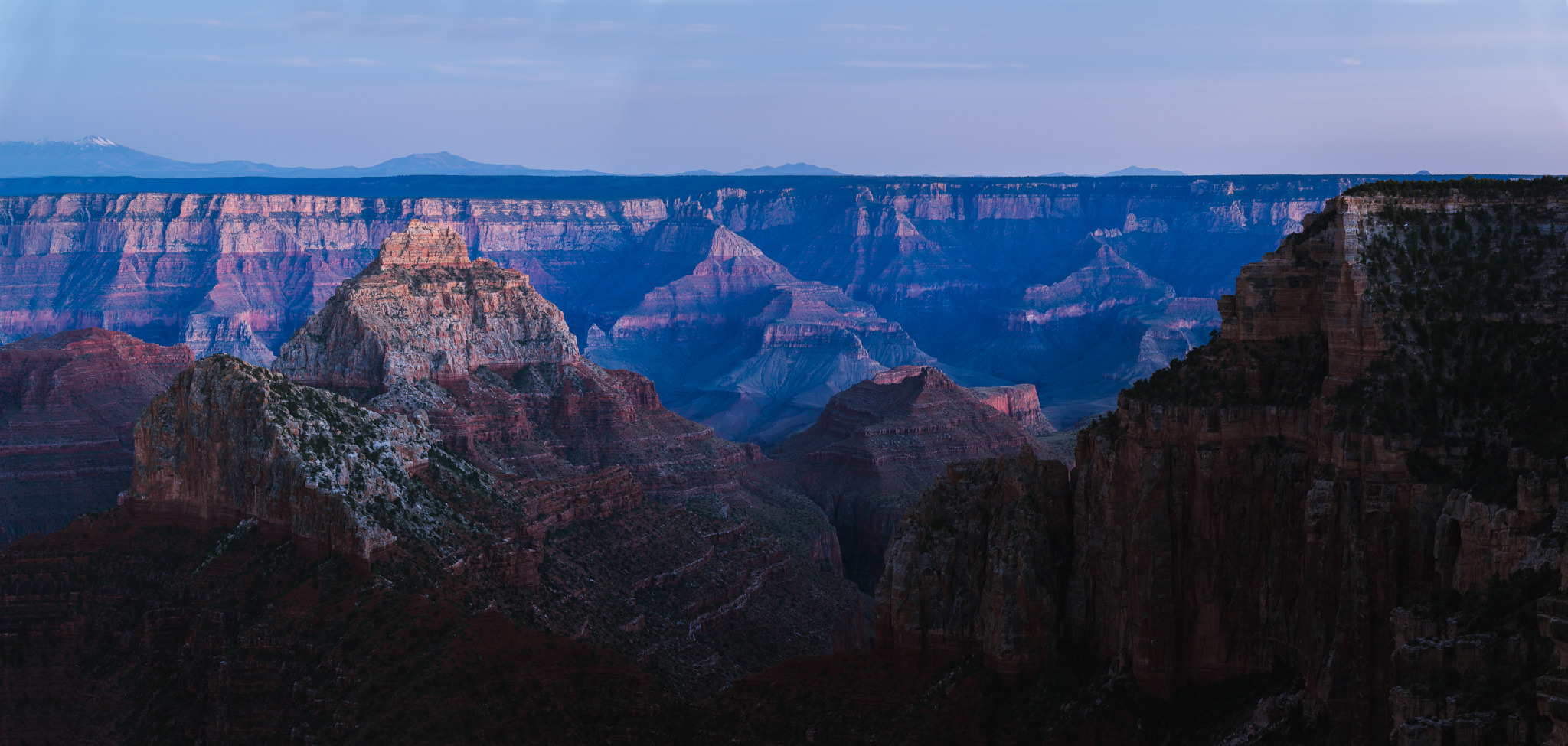
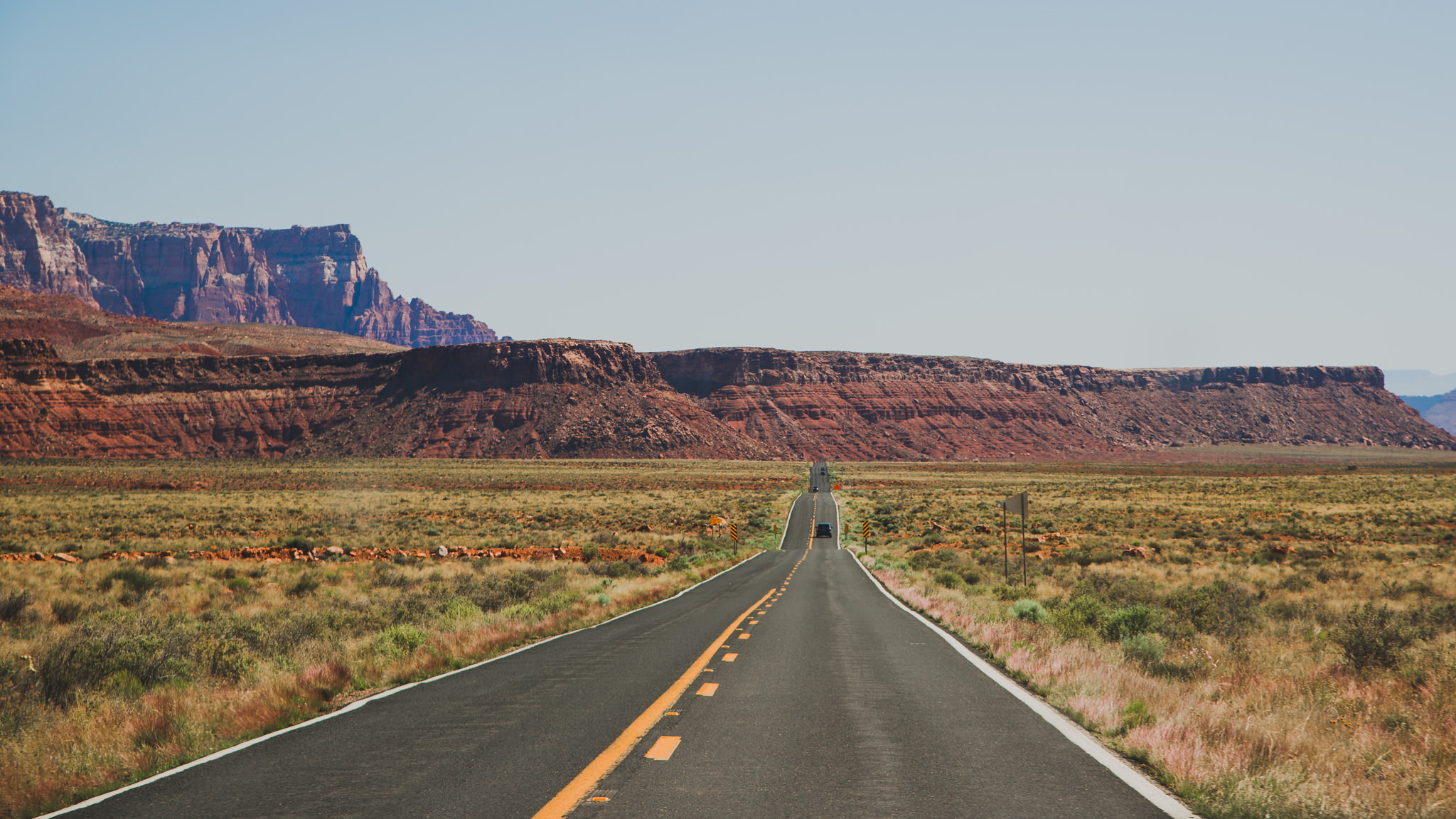
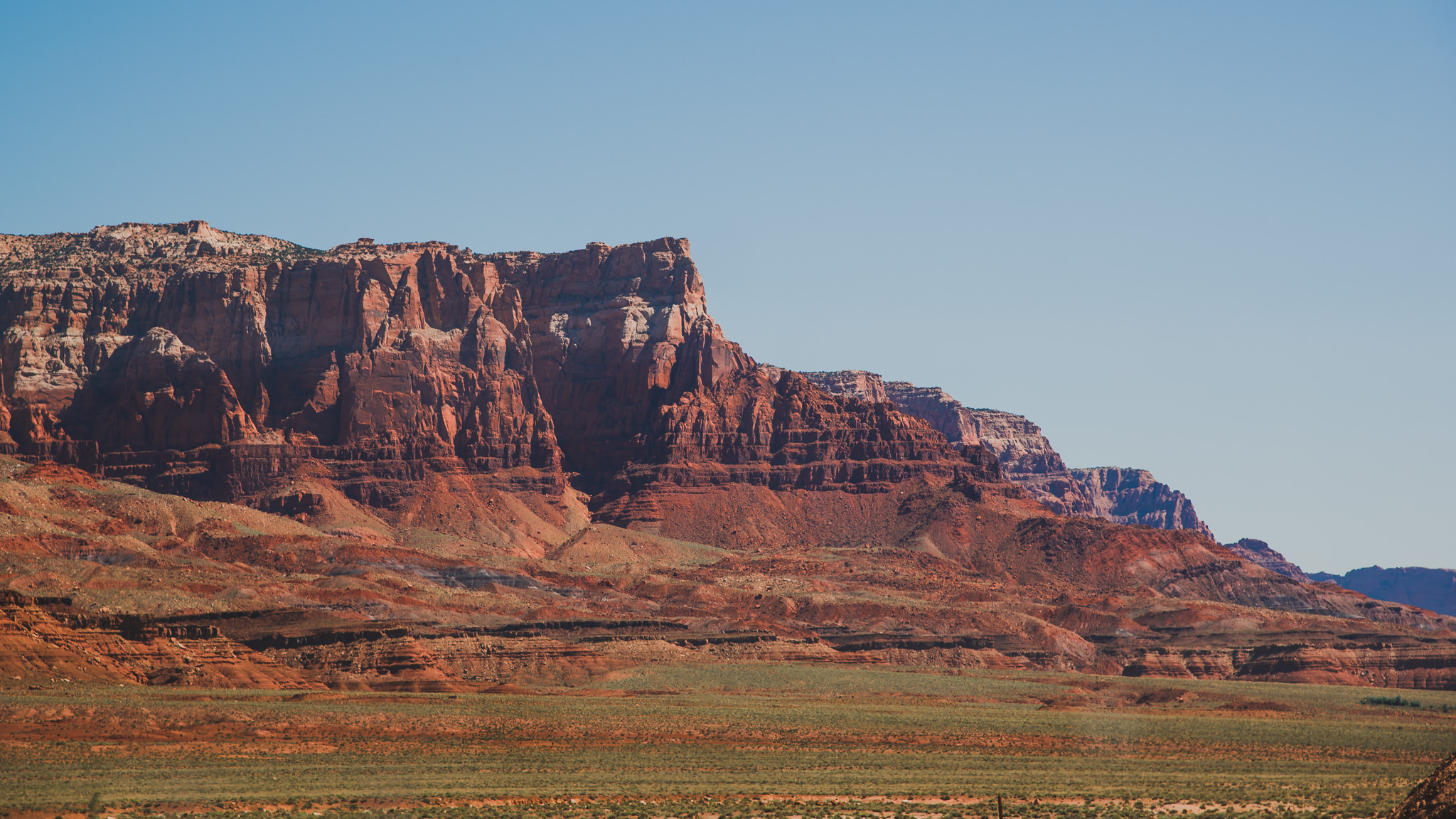
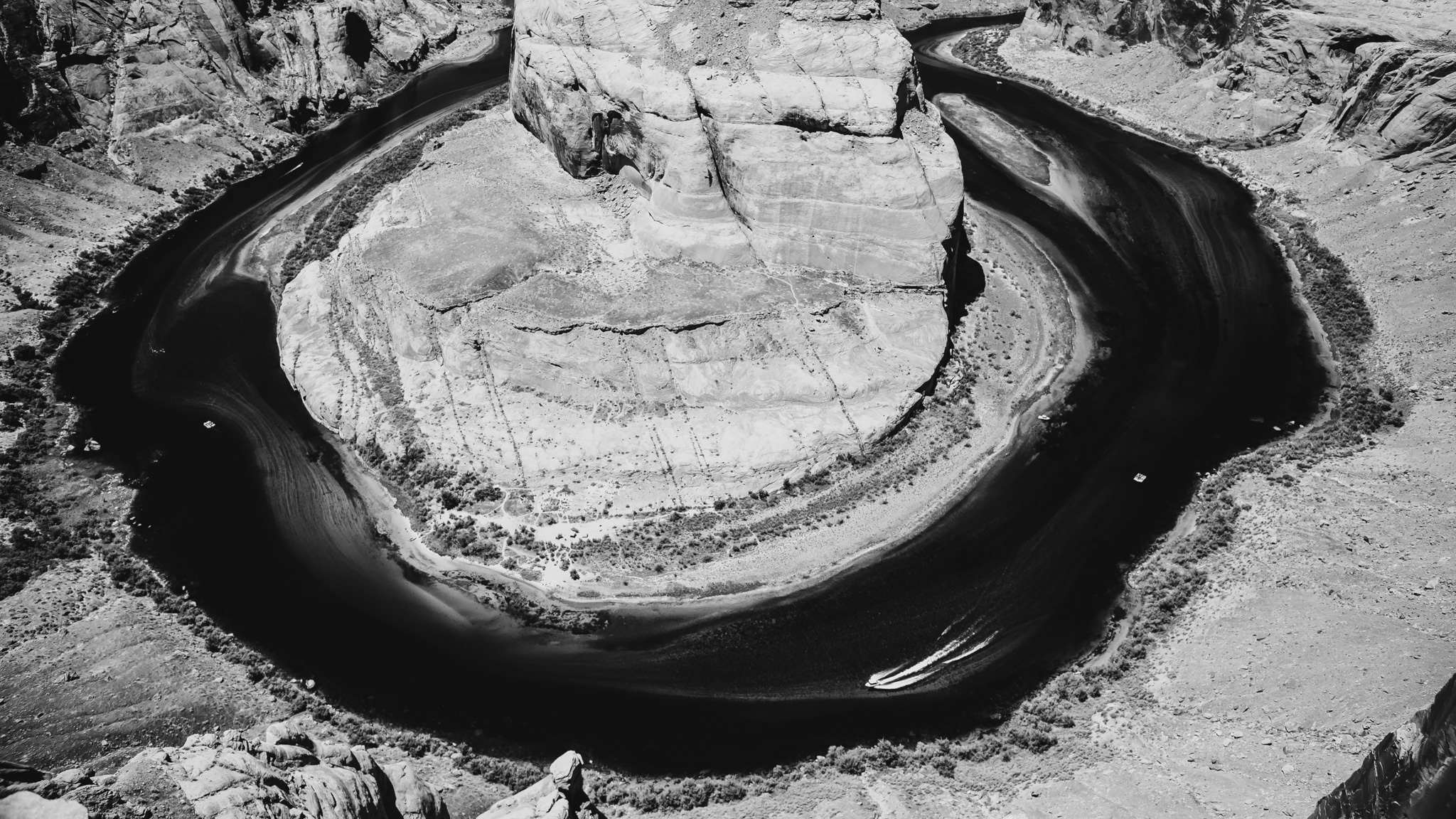
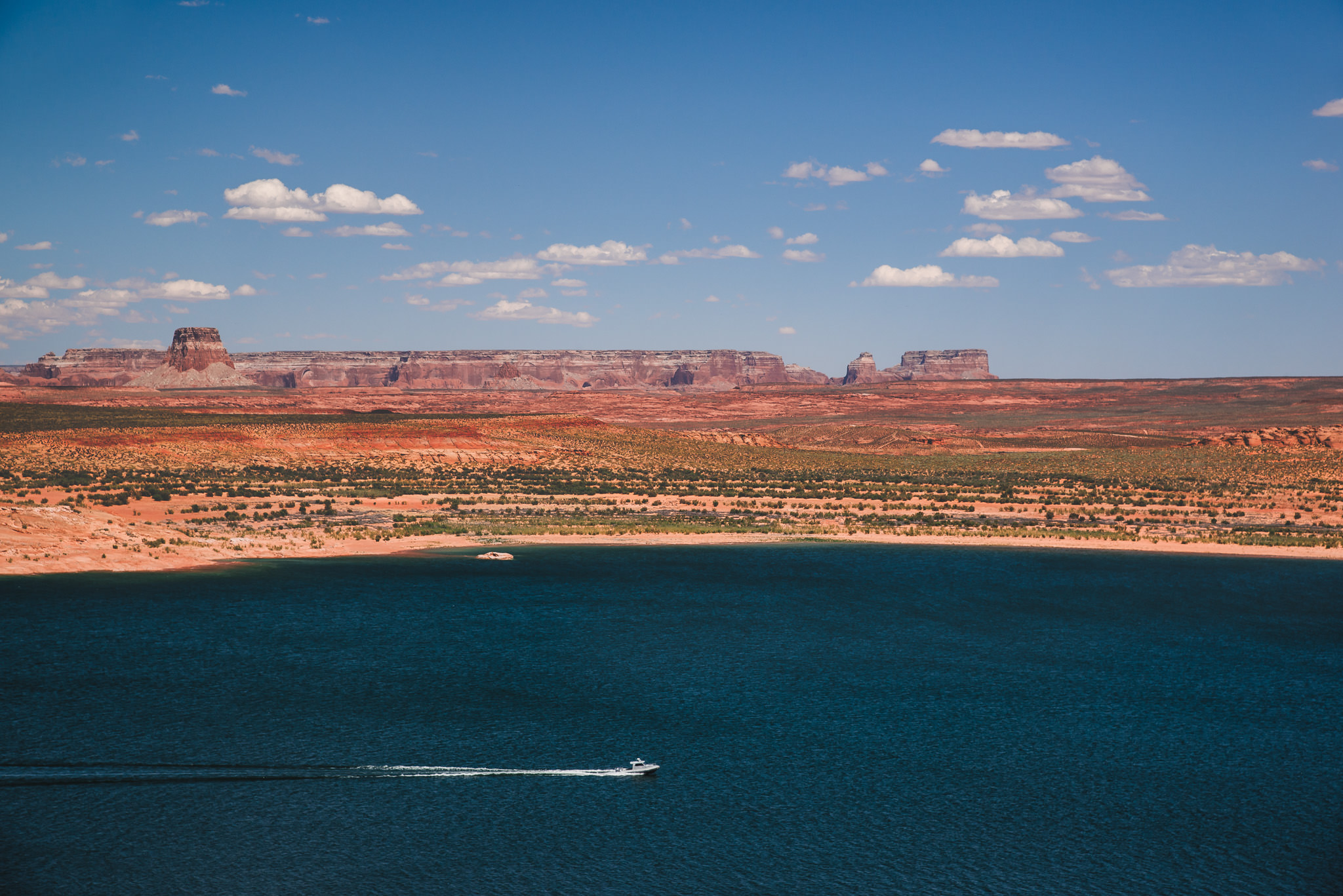
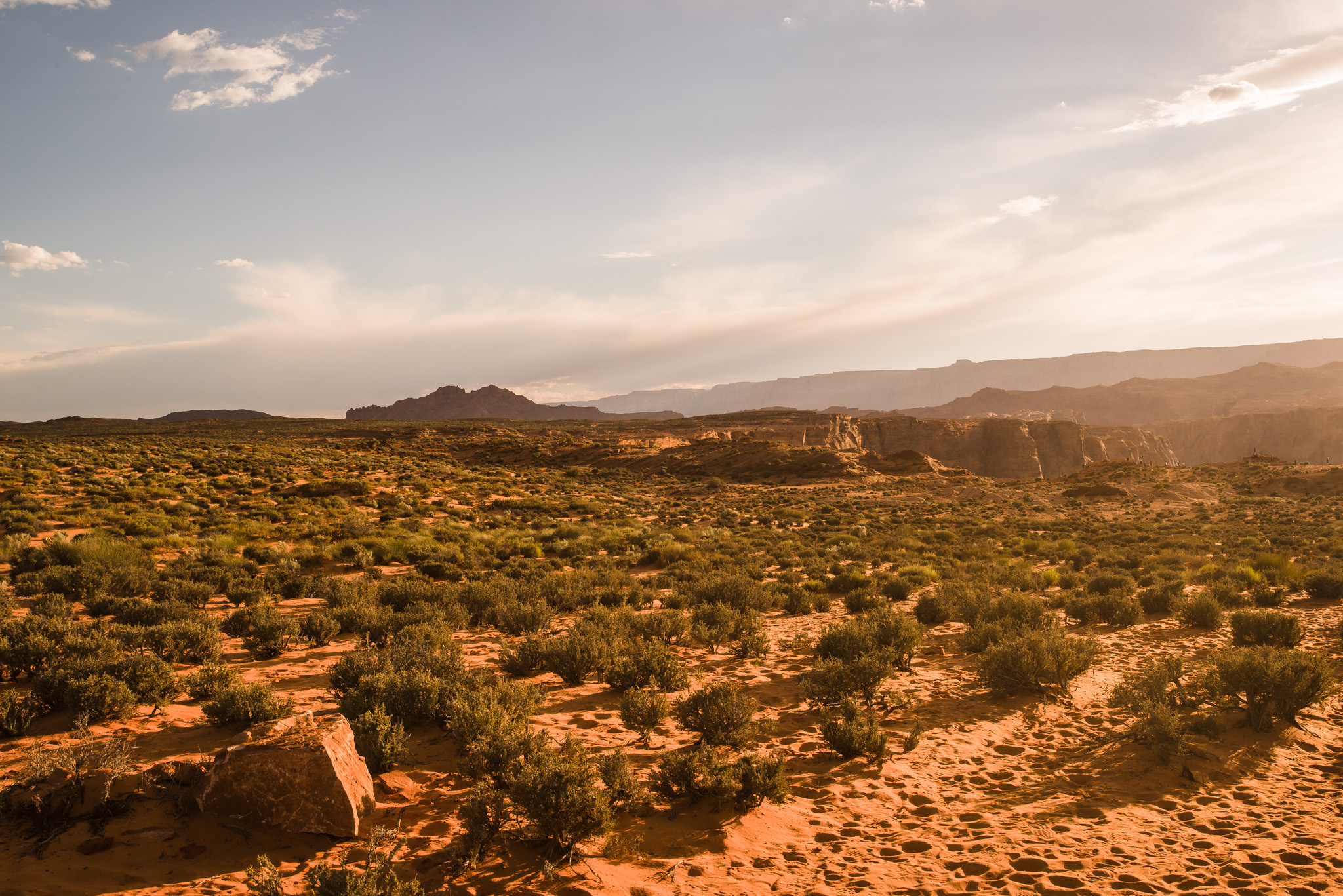
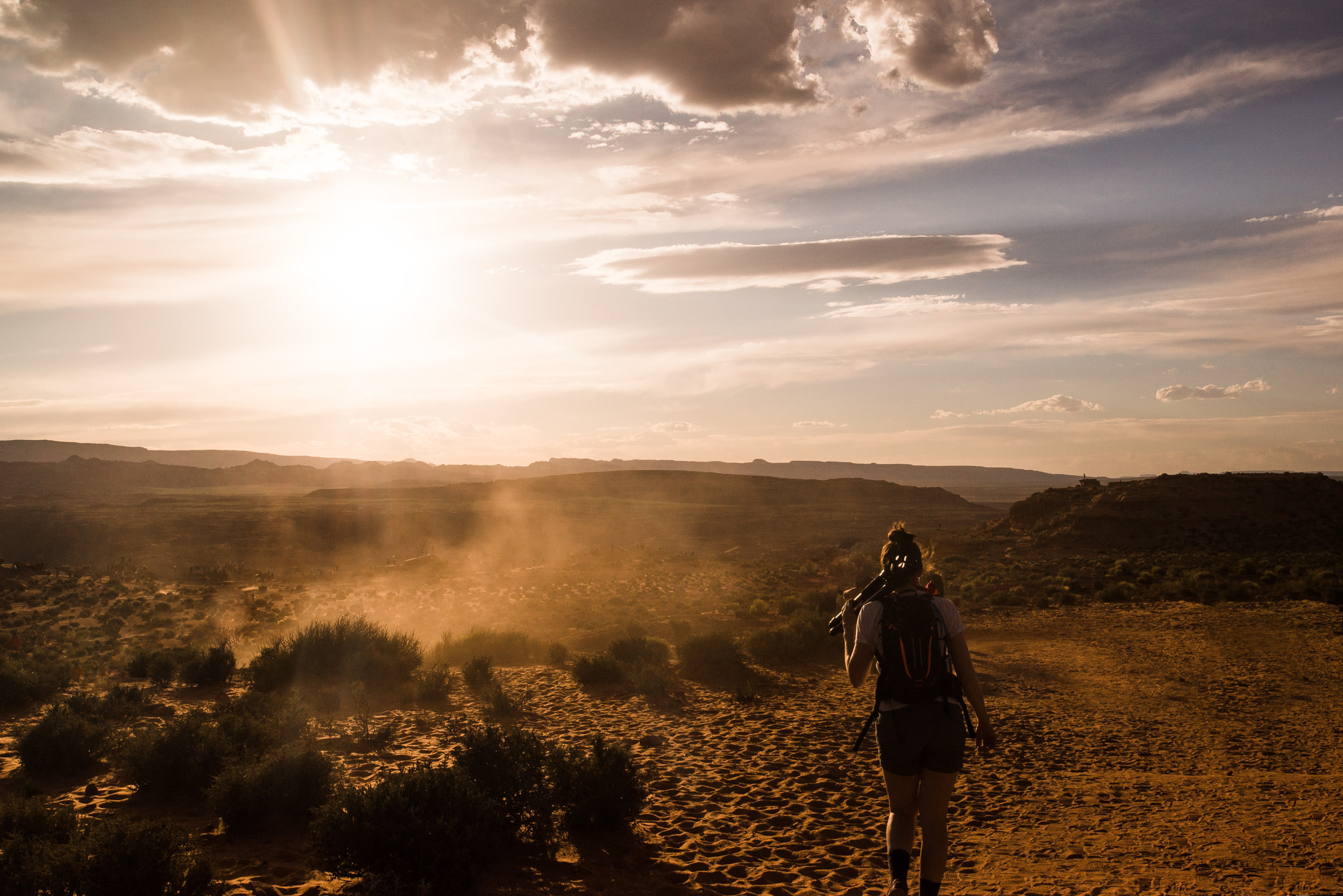
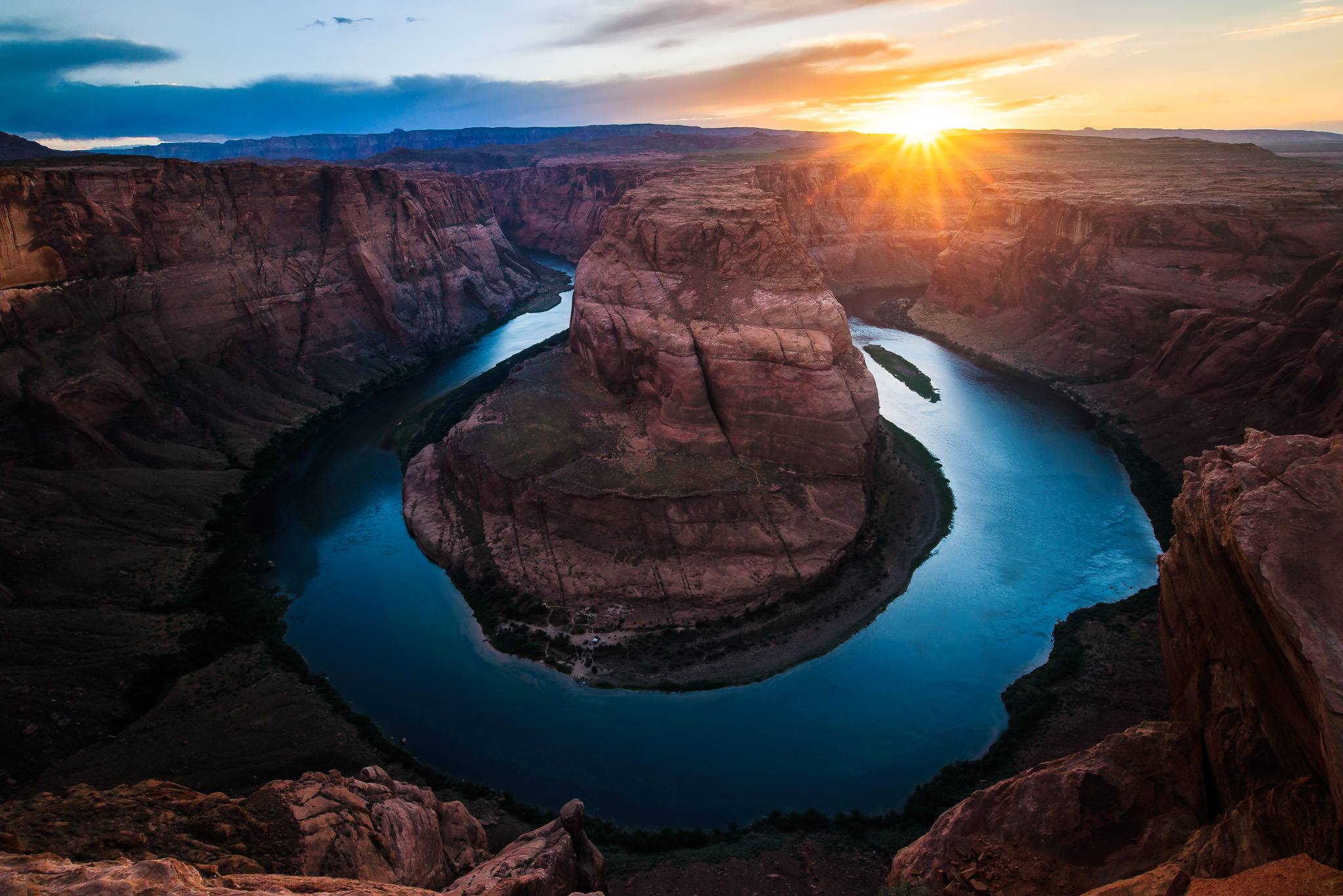
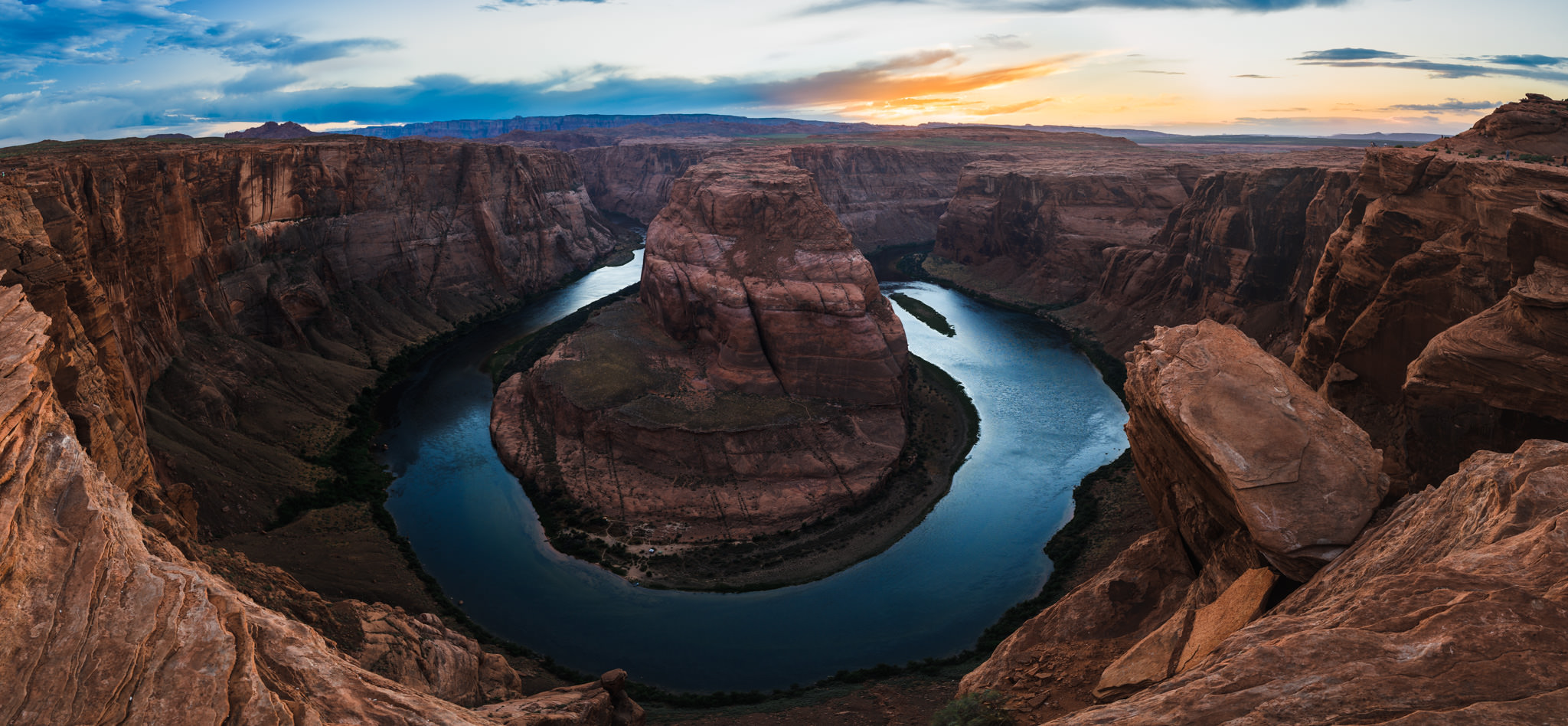
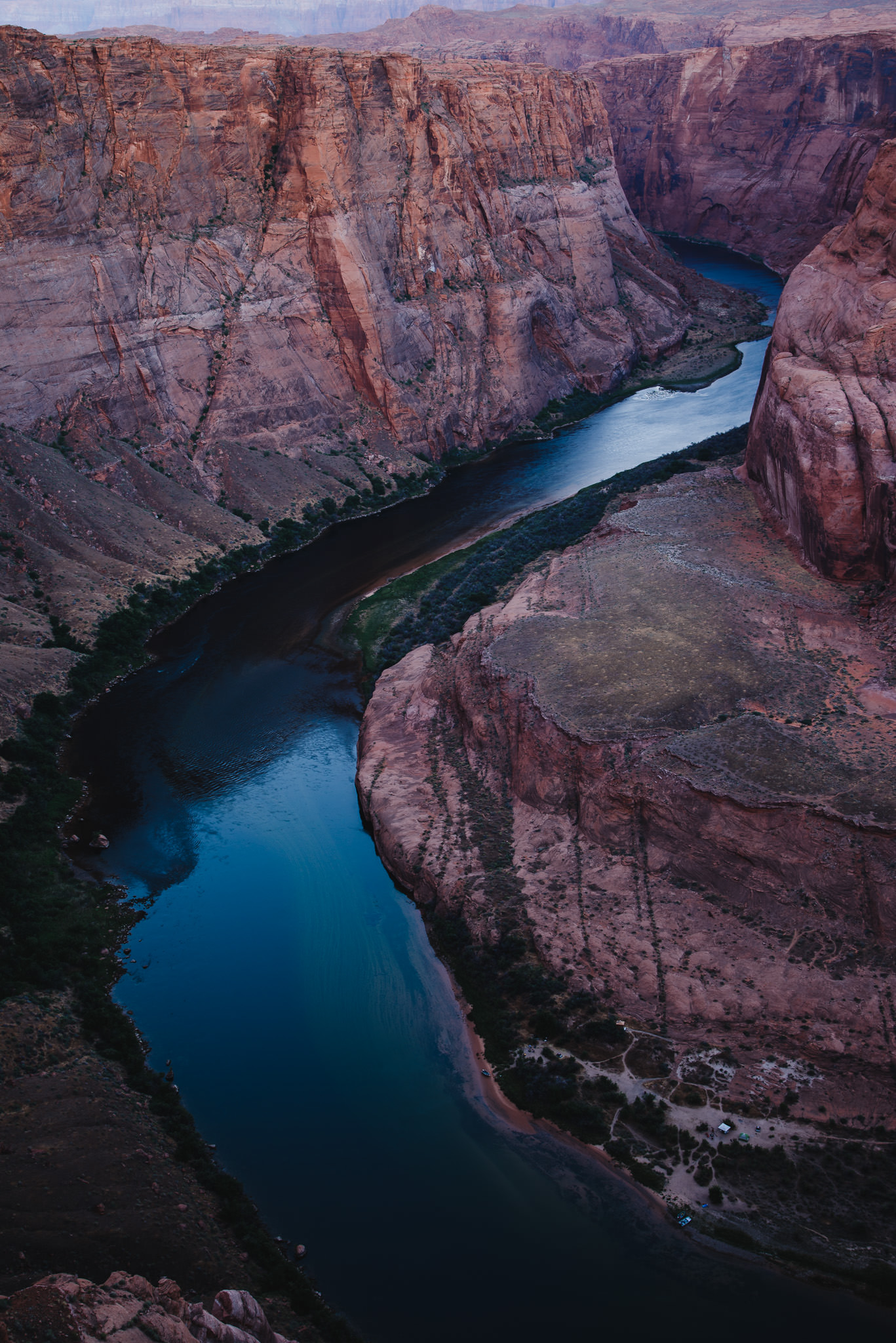
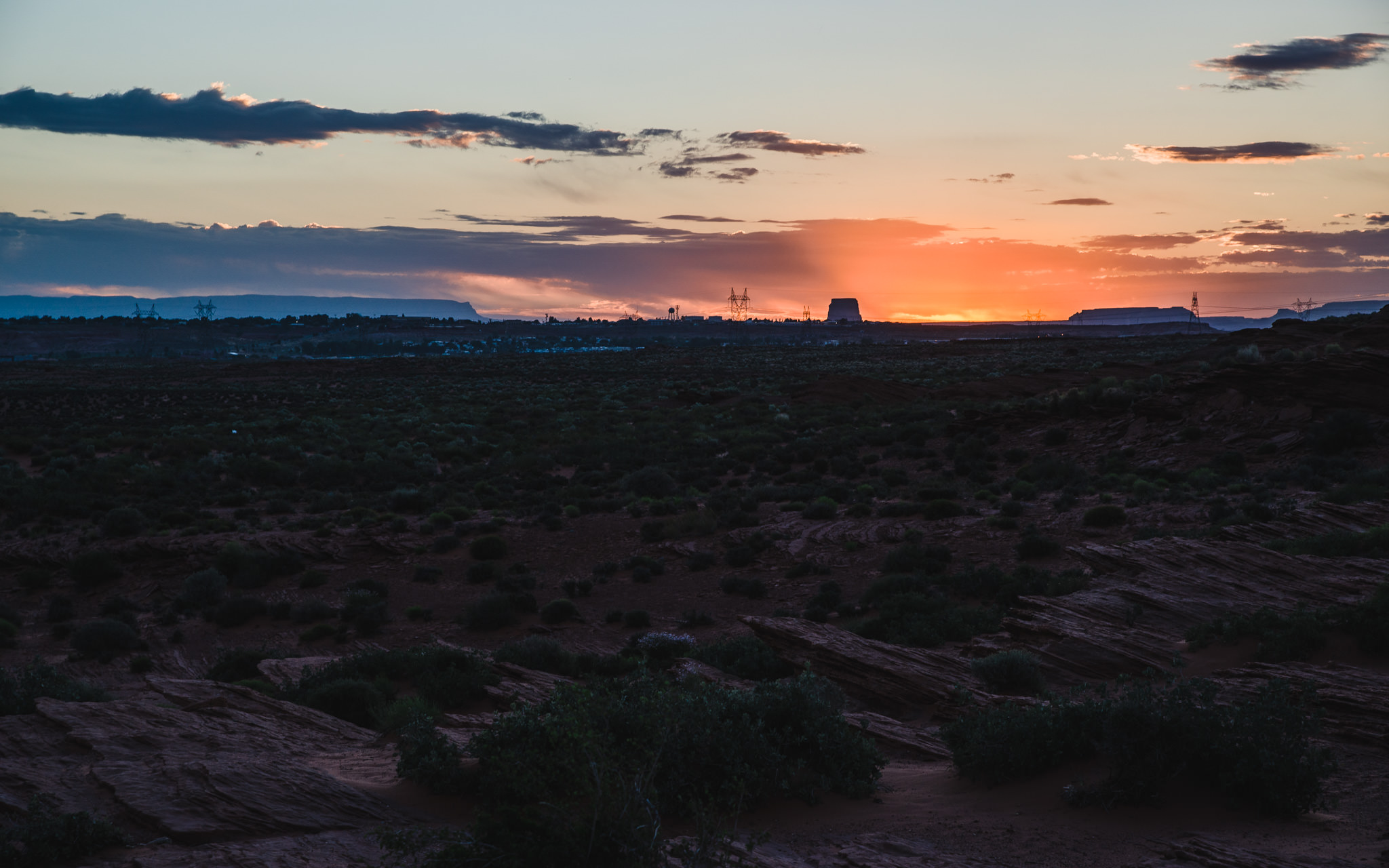
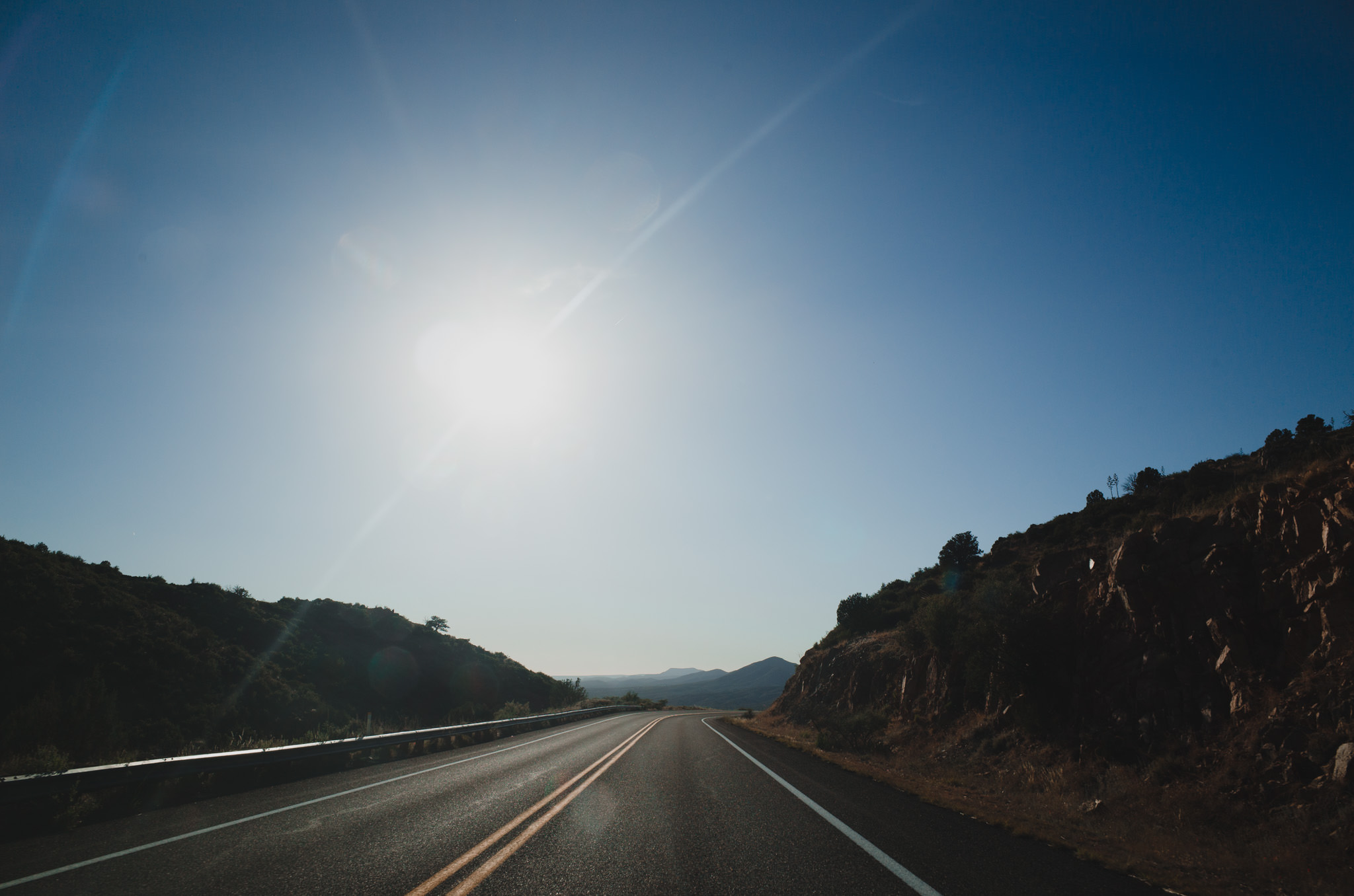
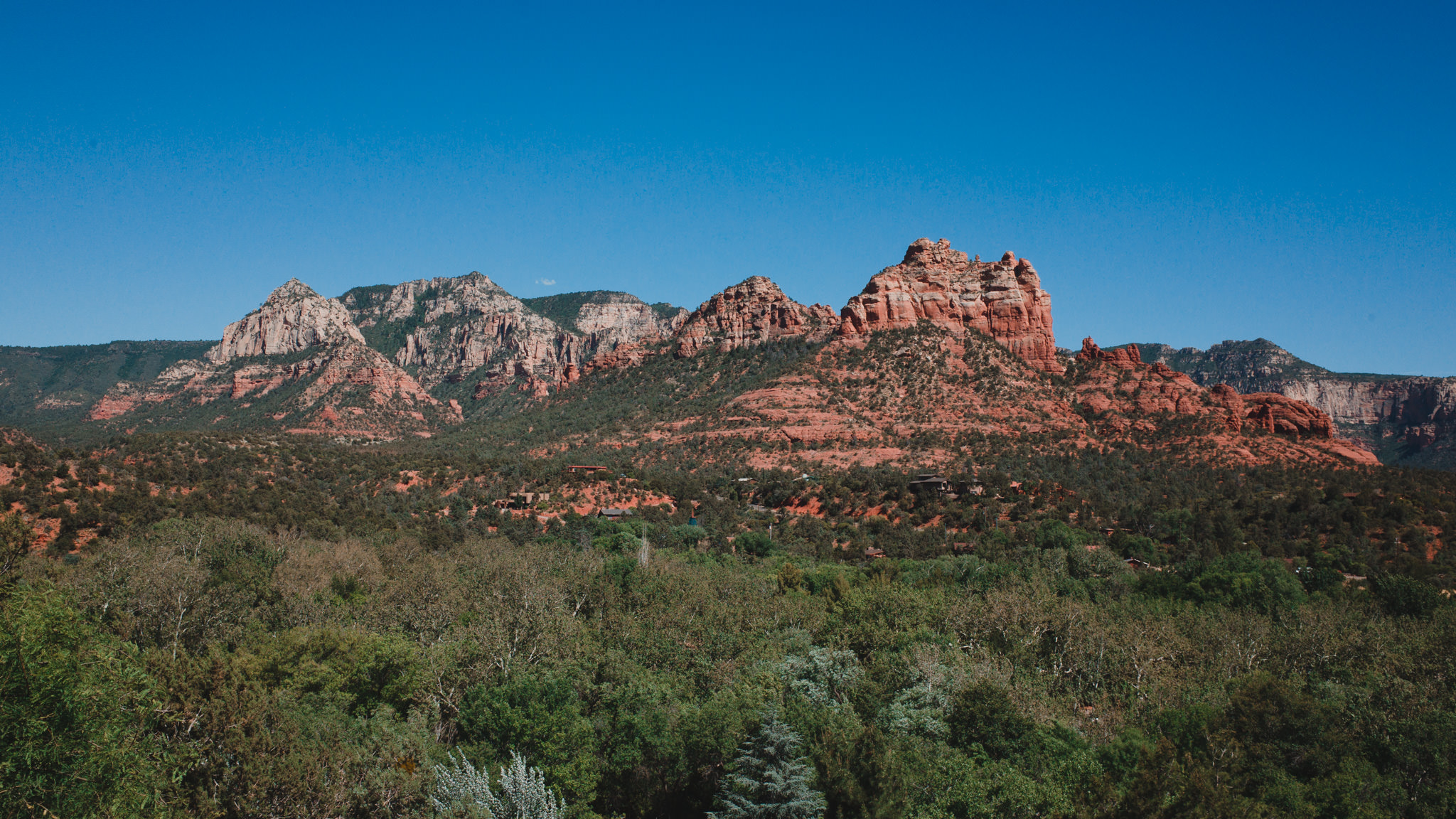
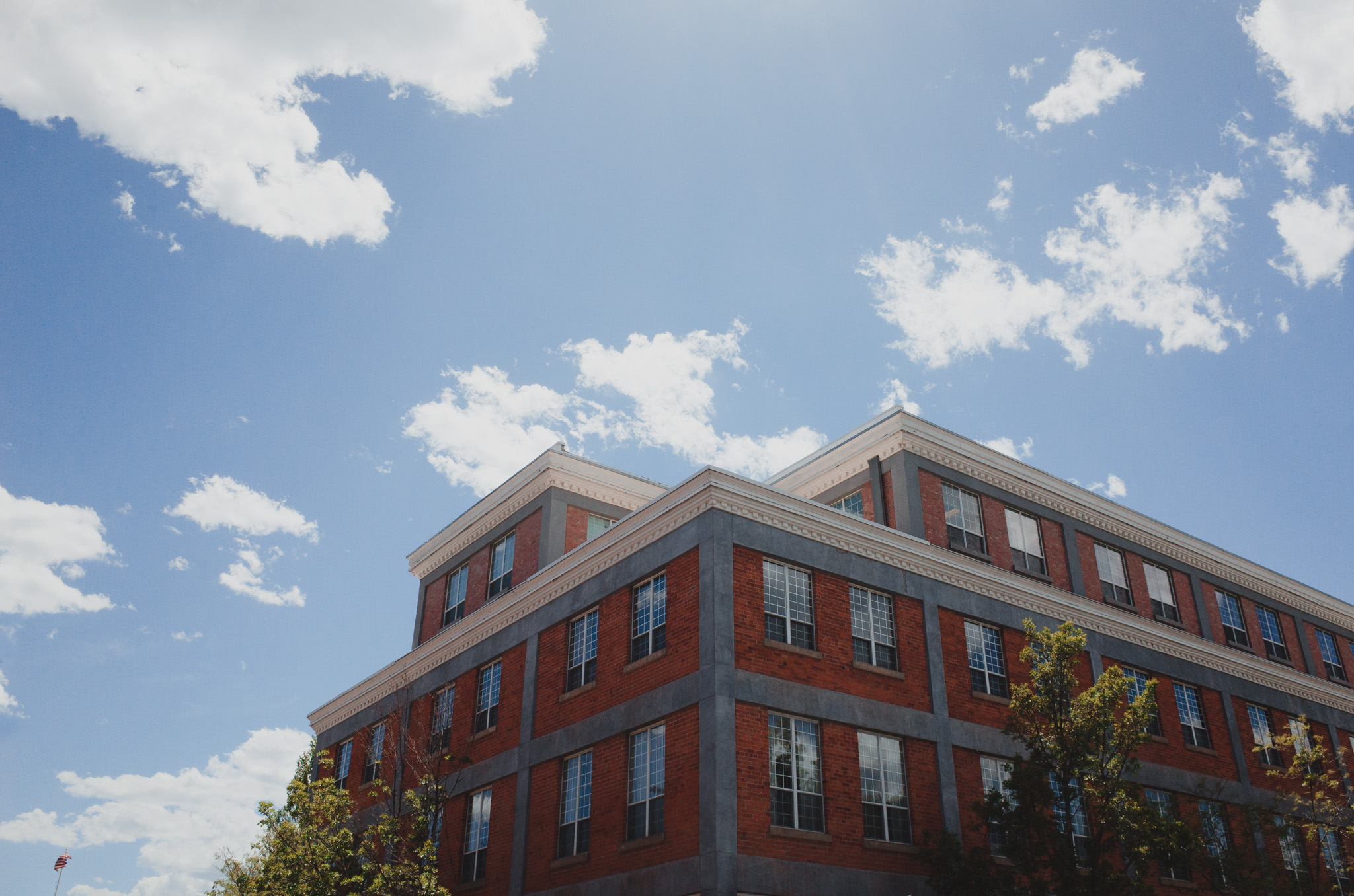
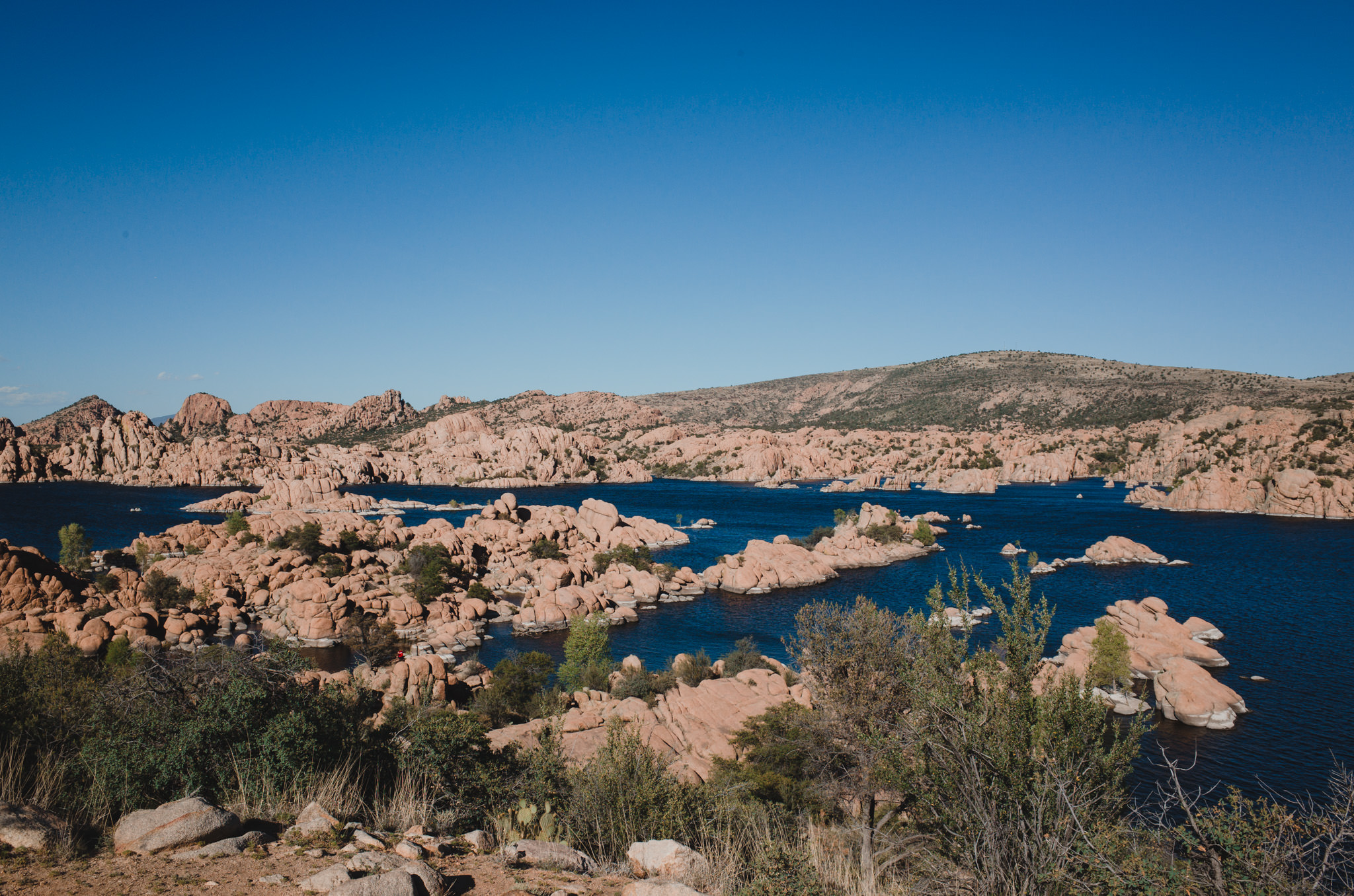
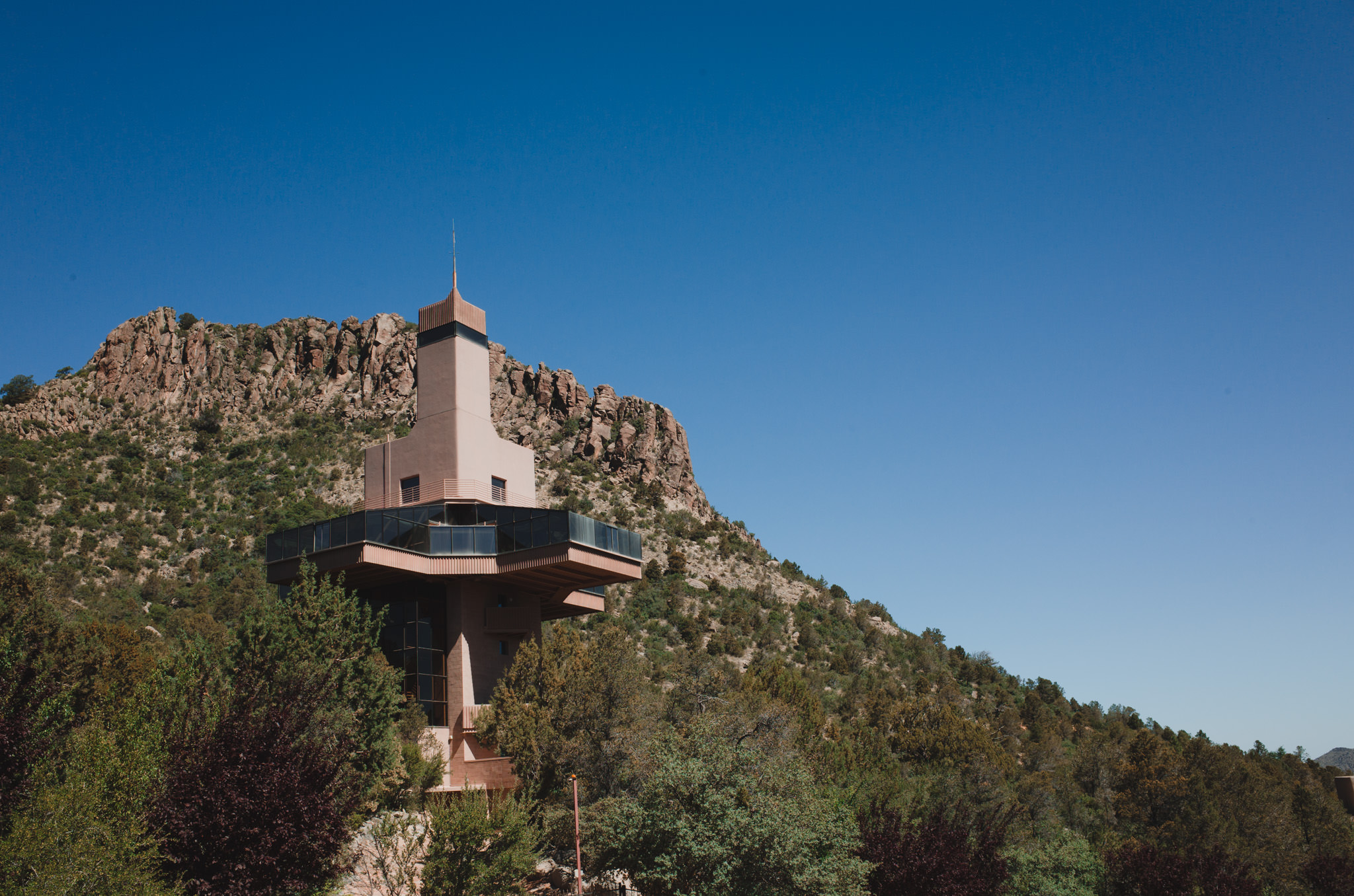
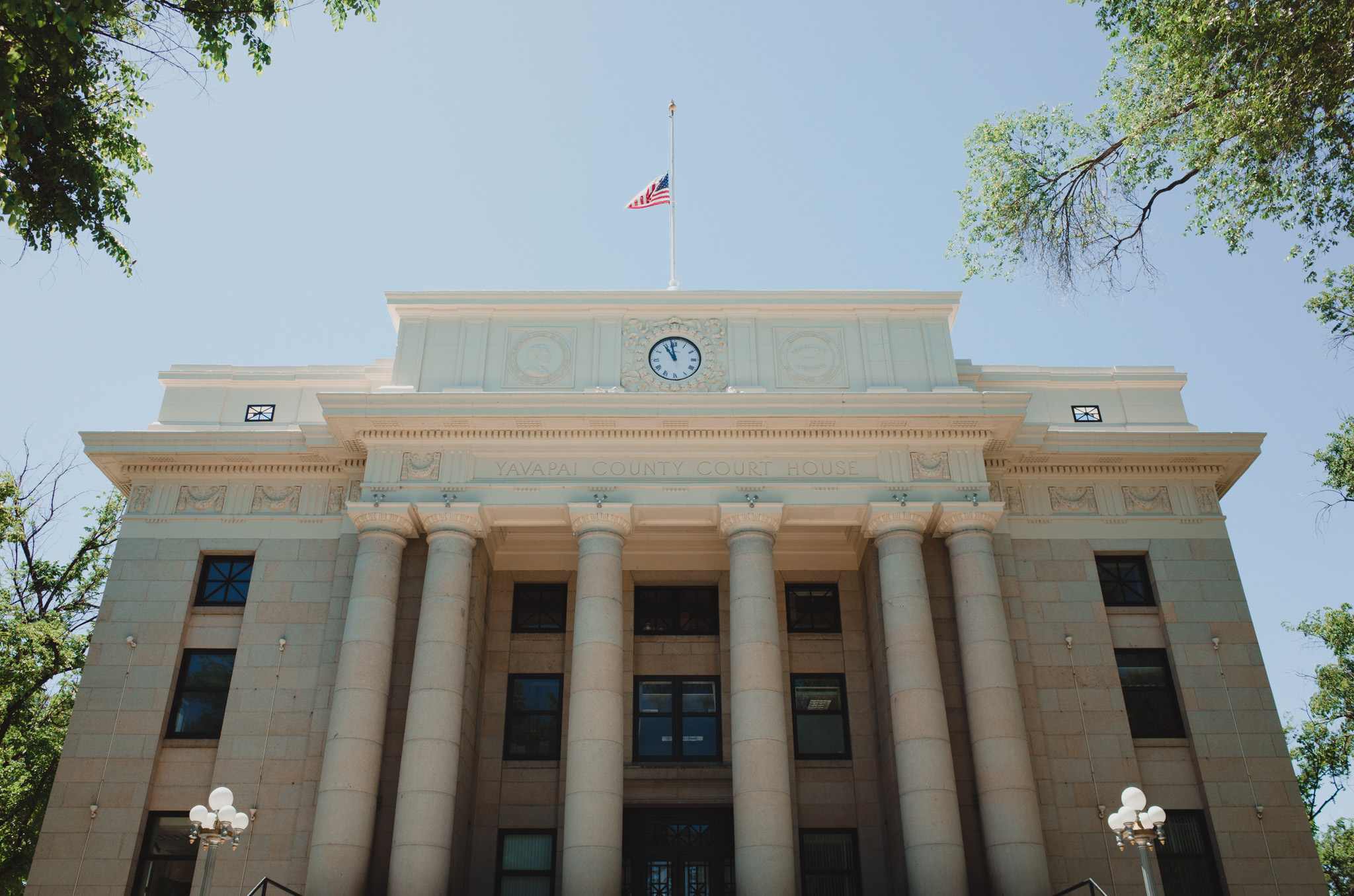
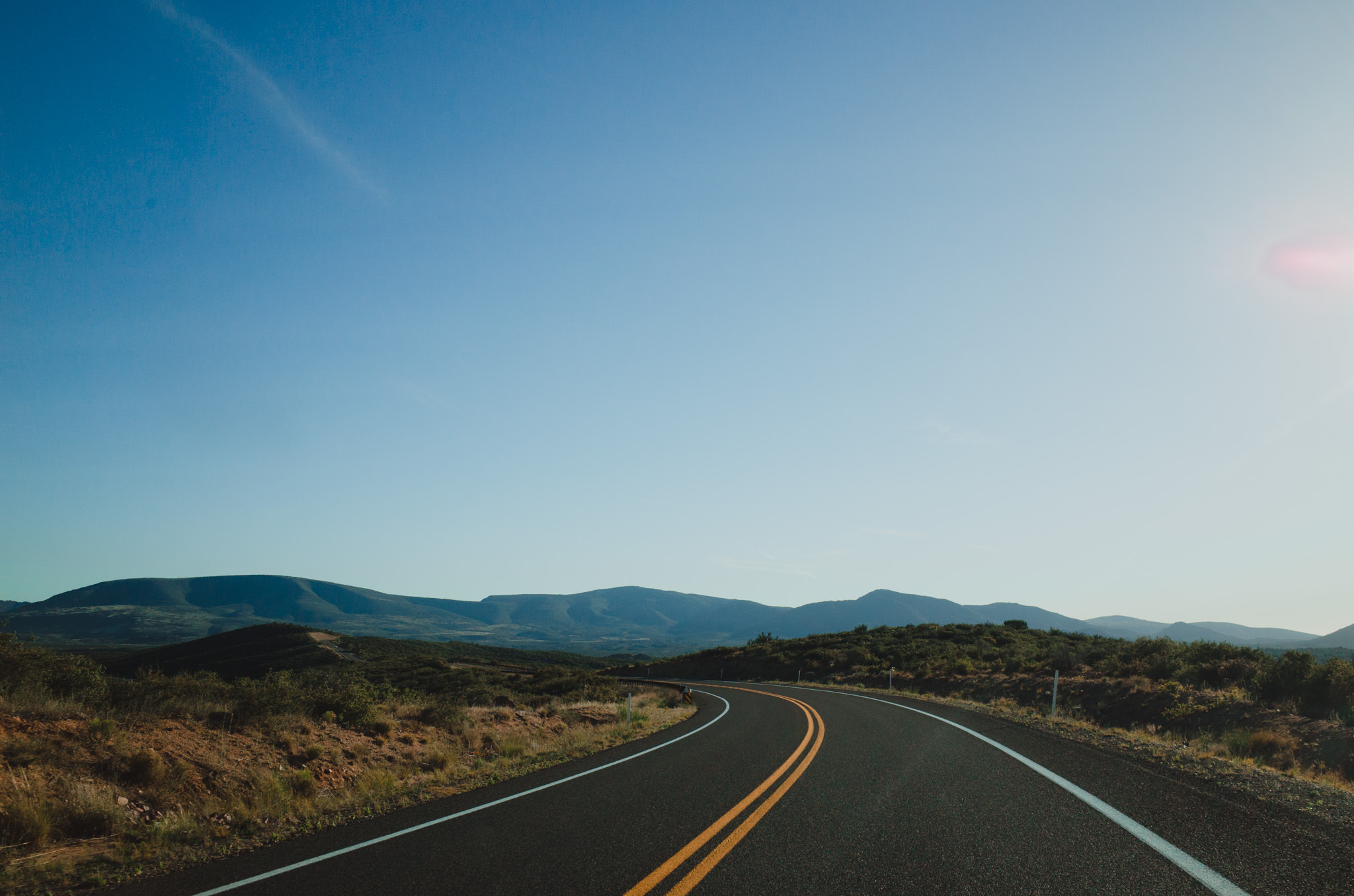
For my photographic gear obsessed homies, most of these were taken with my trusty ol Nikon D600 with my travel/landscape staples, the Nikon 18-35mm f/3.5-4.5G and Nikon 24-120mm f/4G VR. Also sprinkled in there are shots from a Ricoh GR and even a couple from my iPhone 6S. Pick em out if you can!

Personal Travel // Sights from the Grand Teton National Park
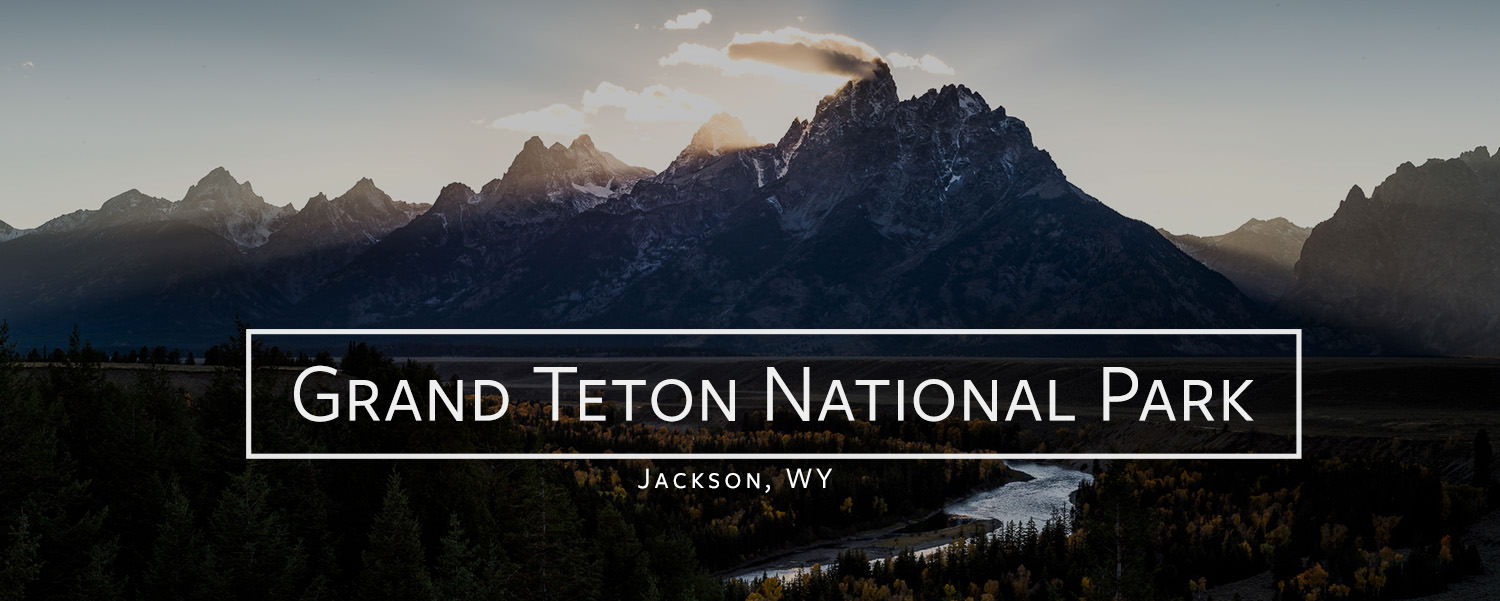
(Rounding out the Wyoming trip trilogy, be sure to check out the first and second parts from Yellowstone if you haven't already!)
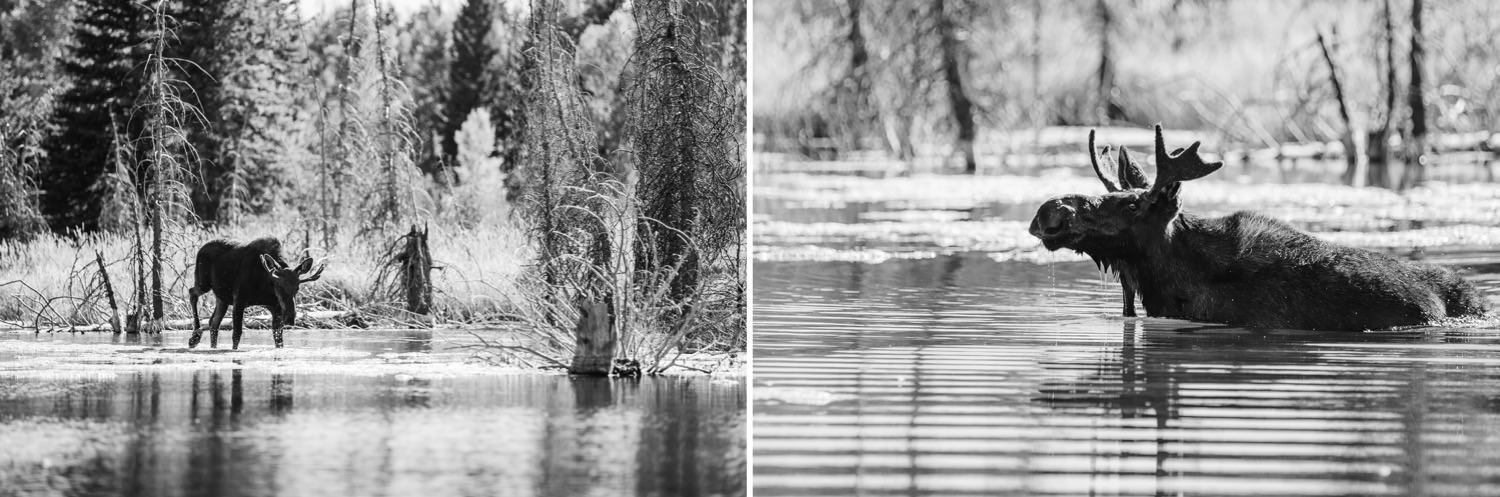
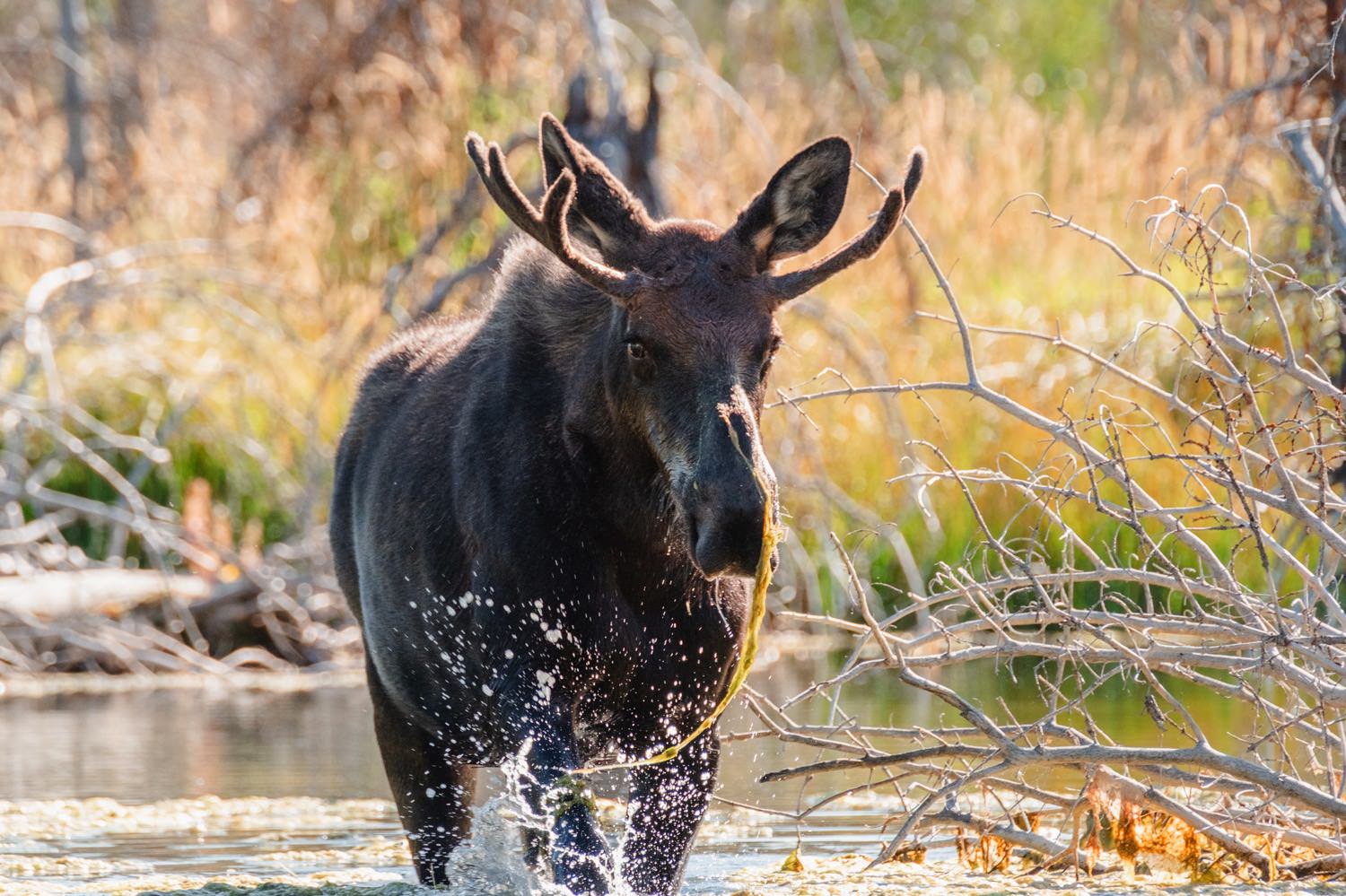
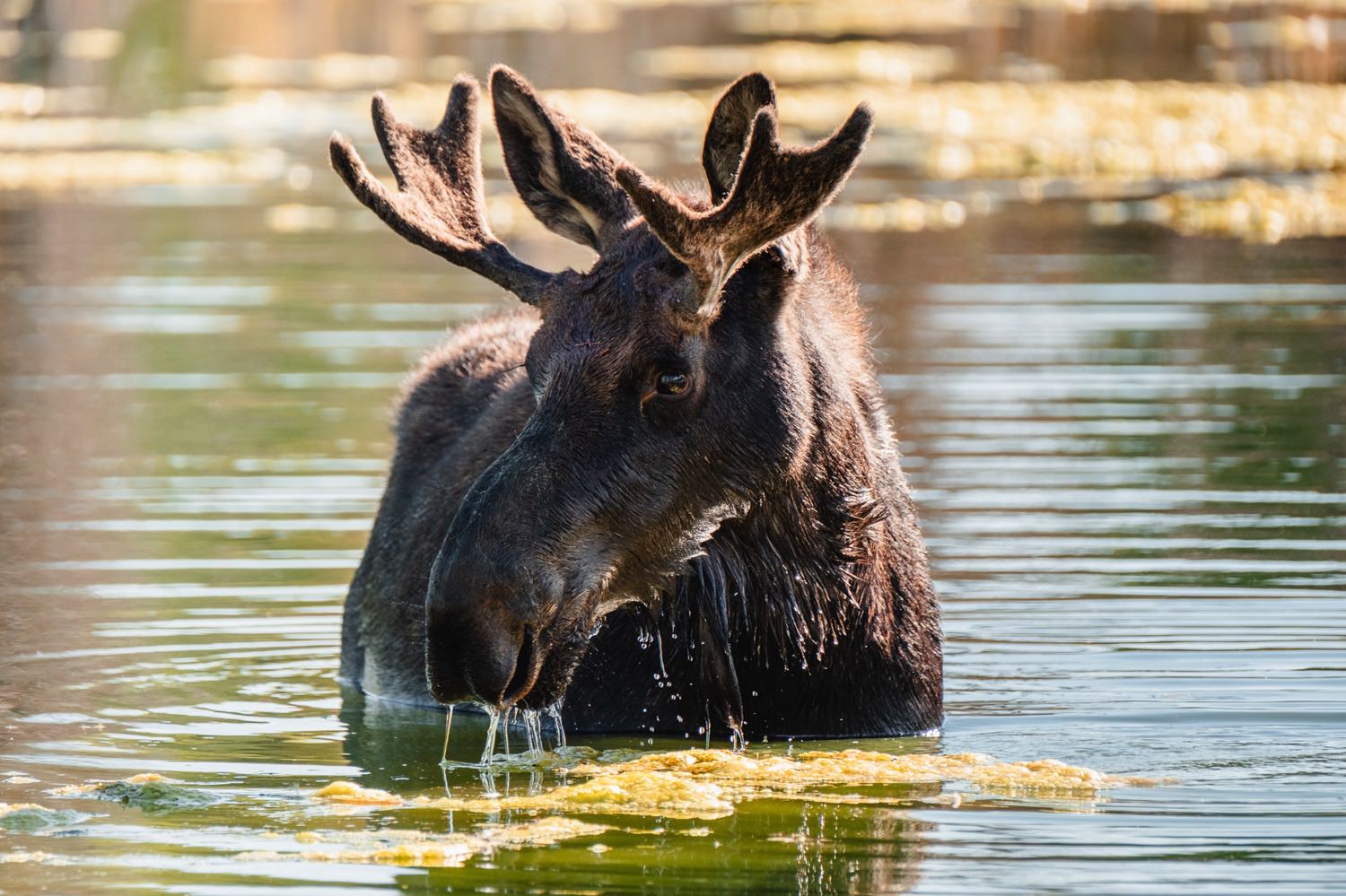
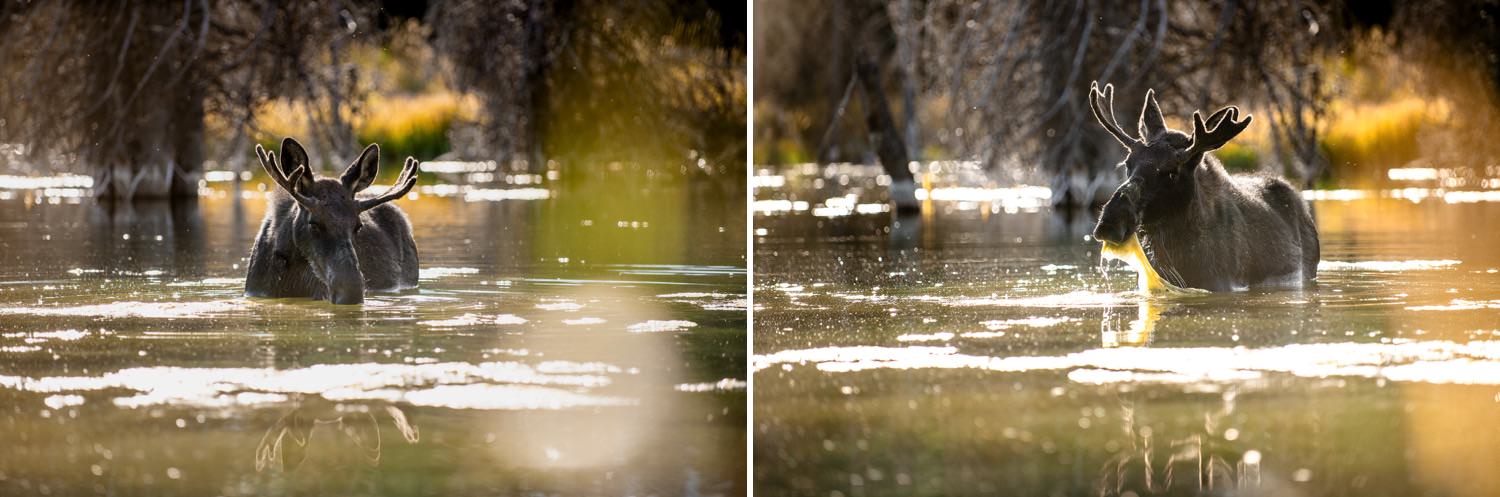
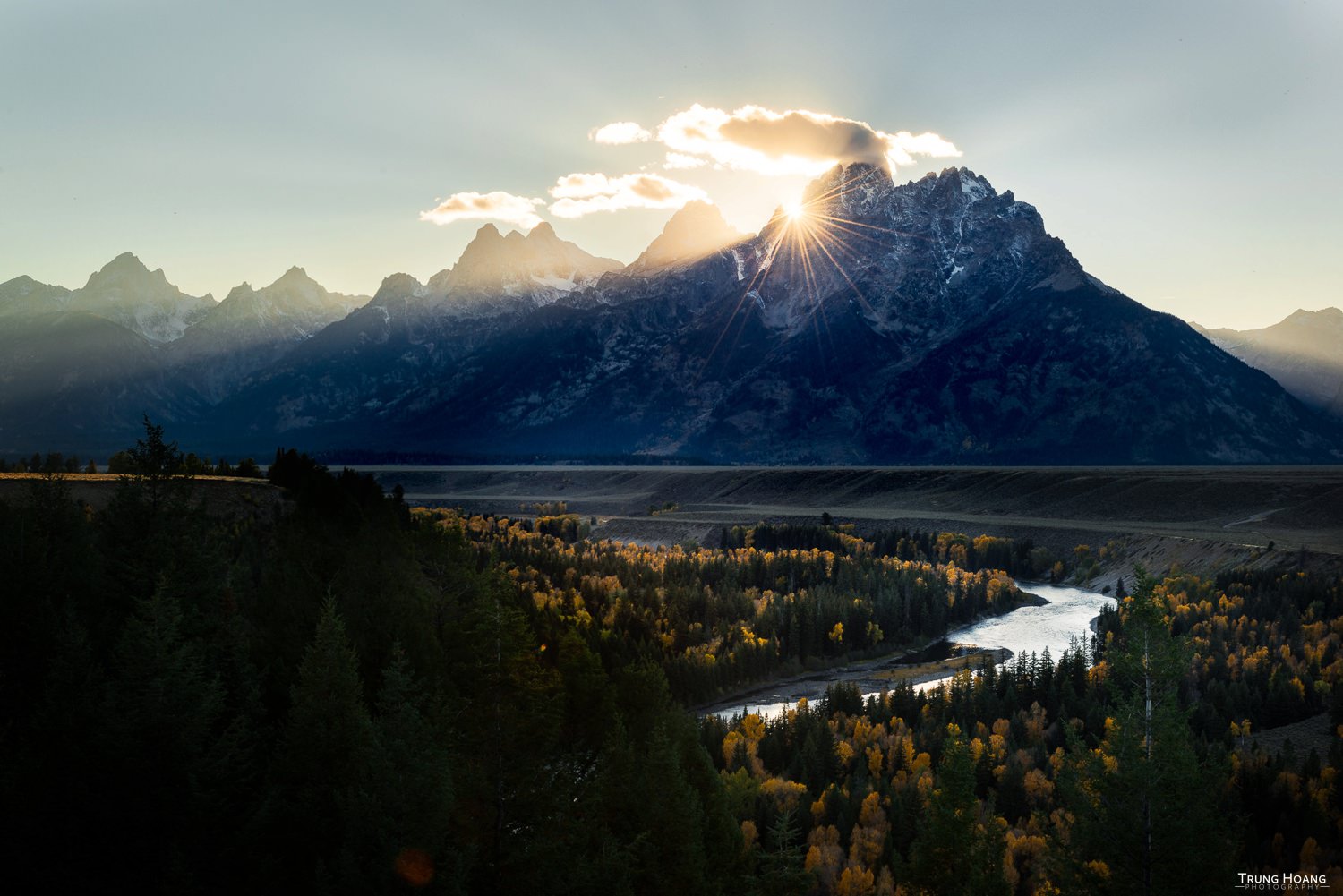
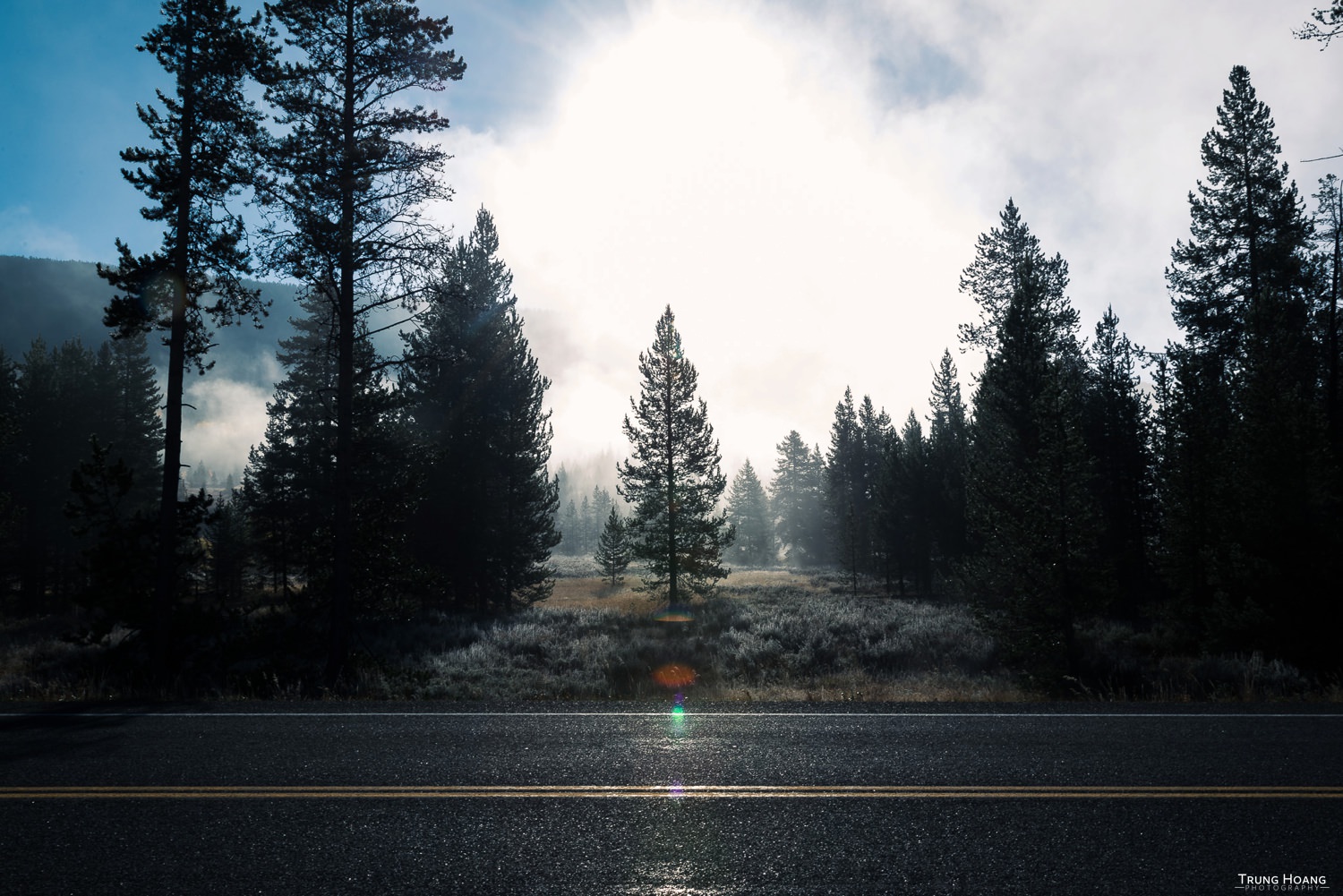
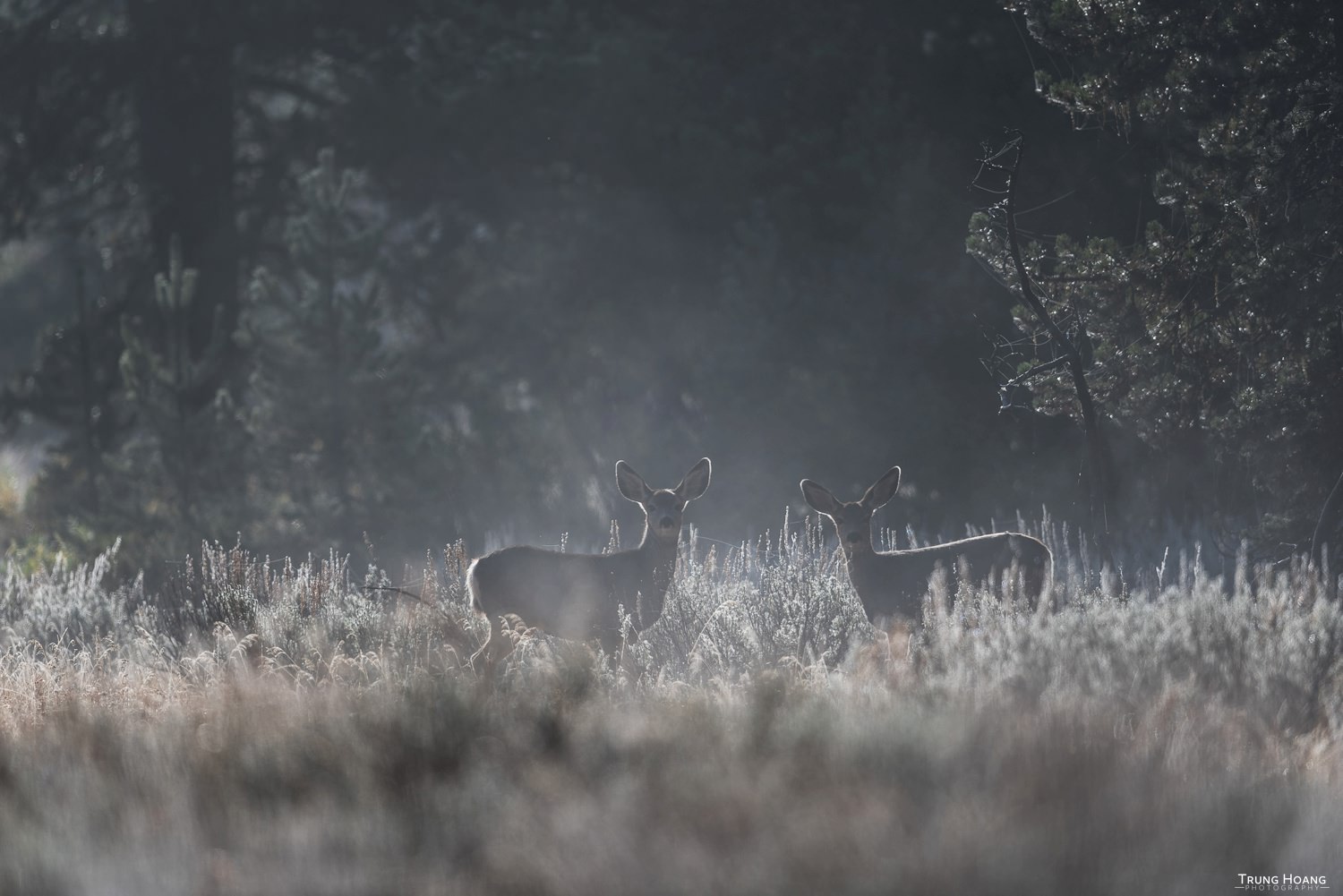
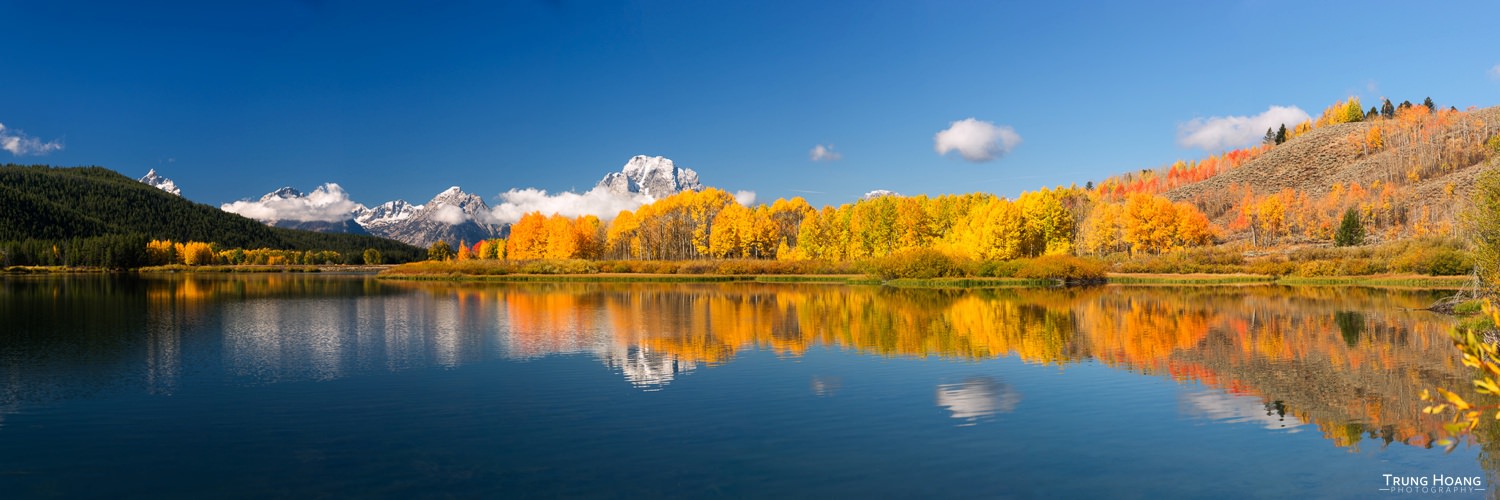
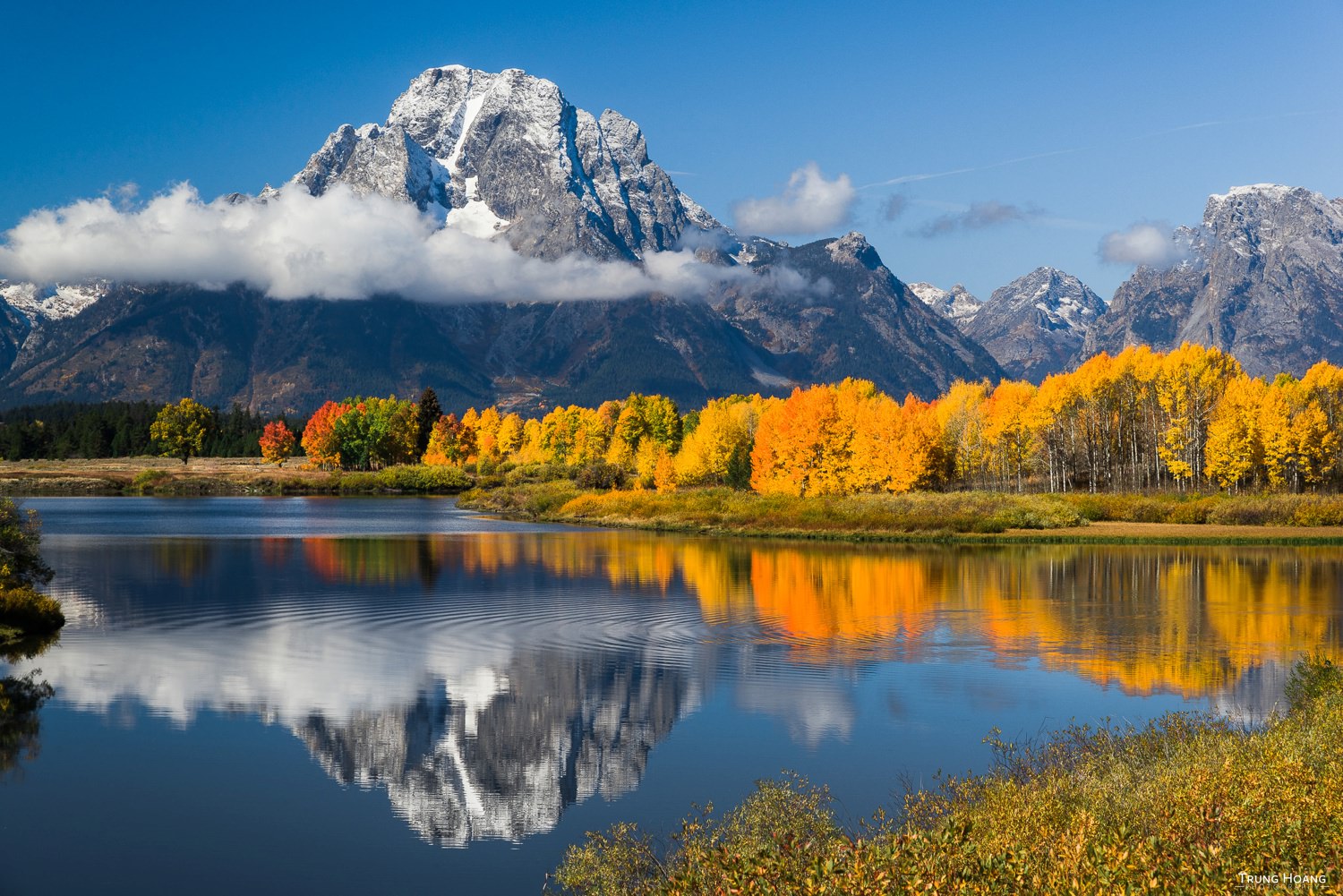
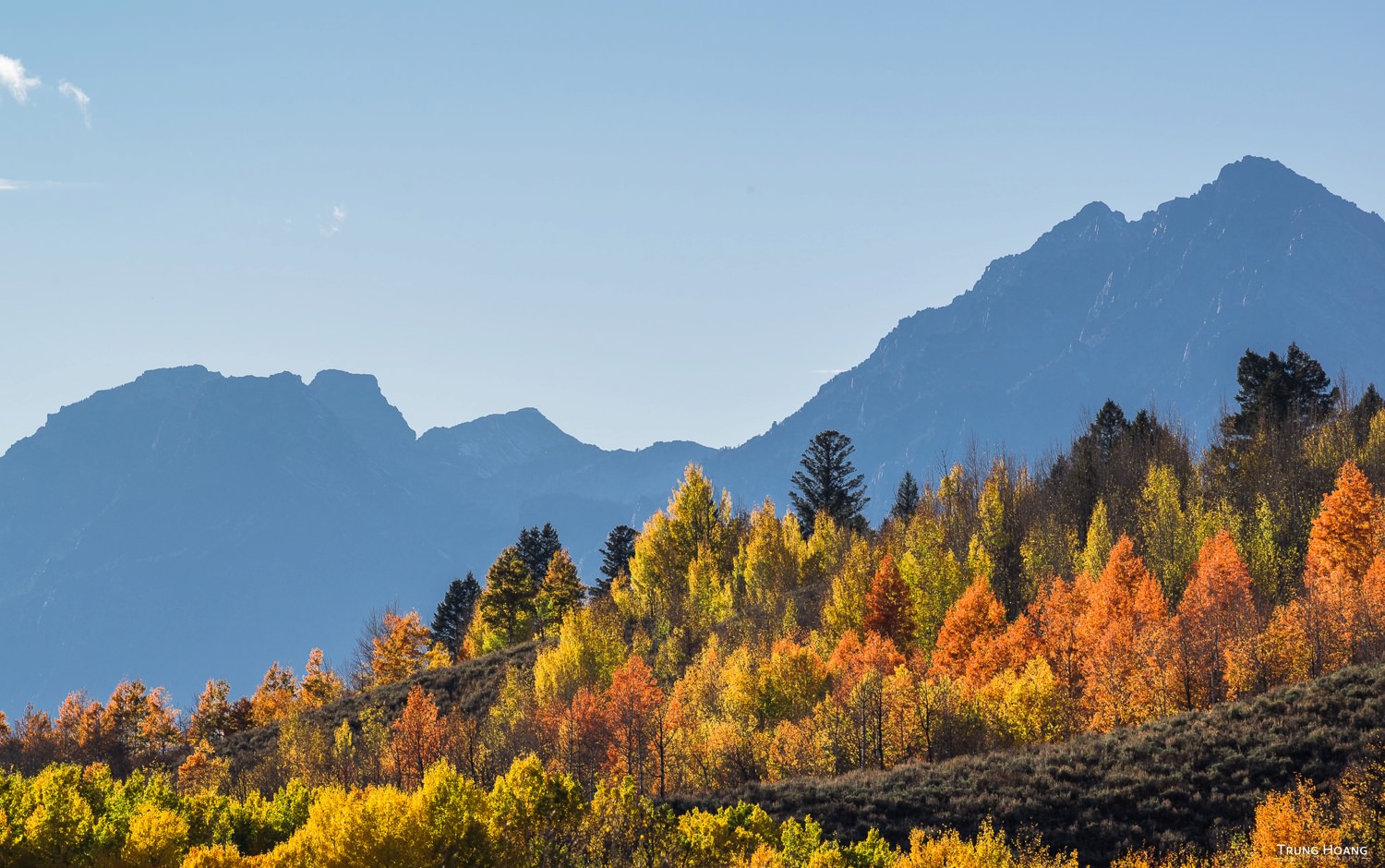
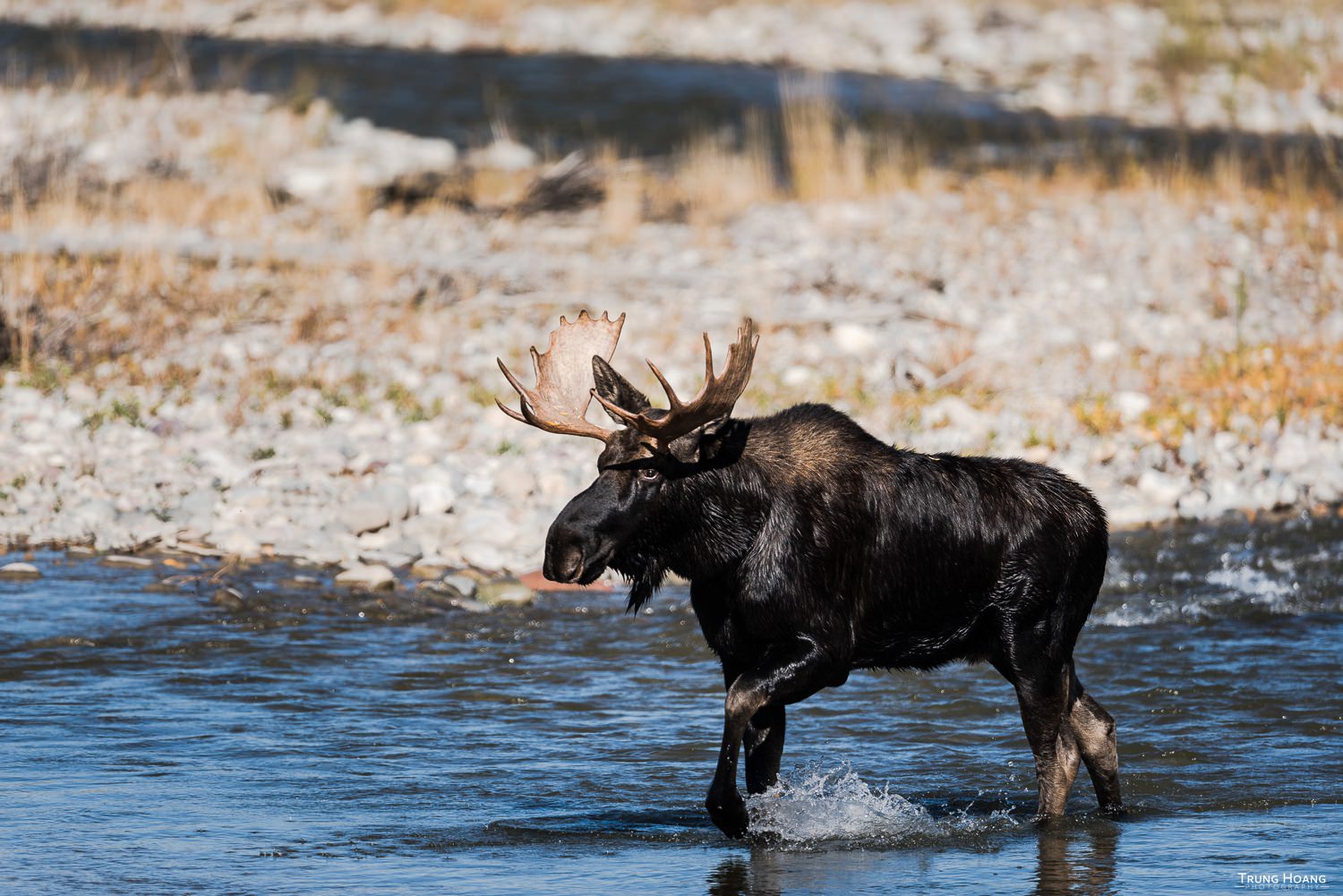
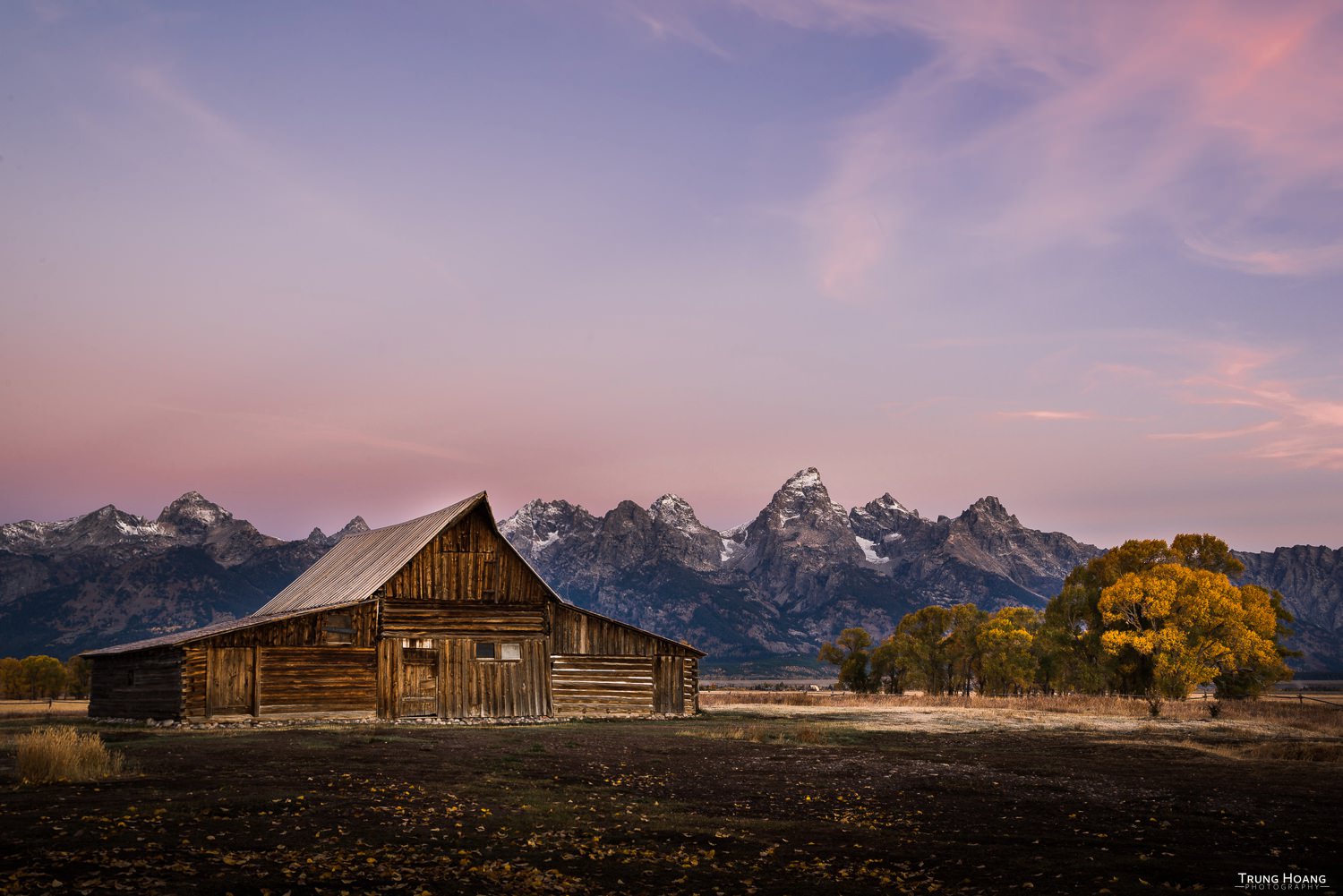
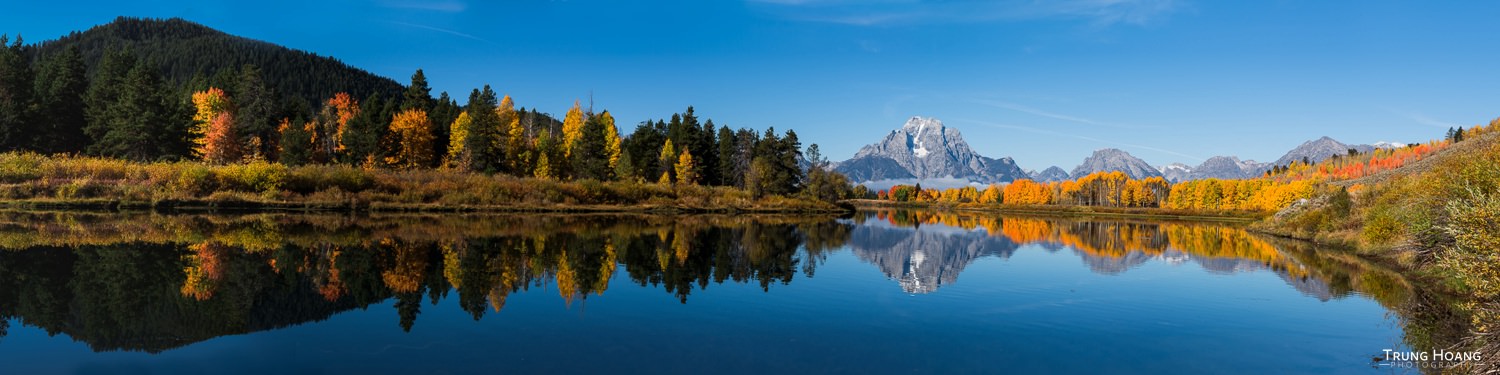
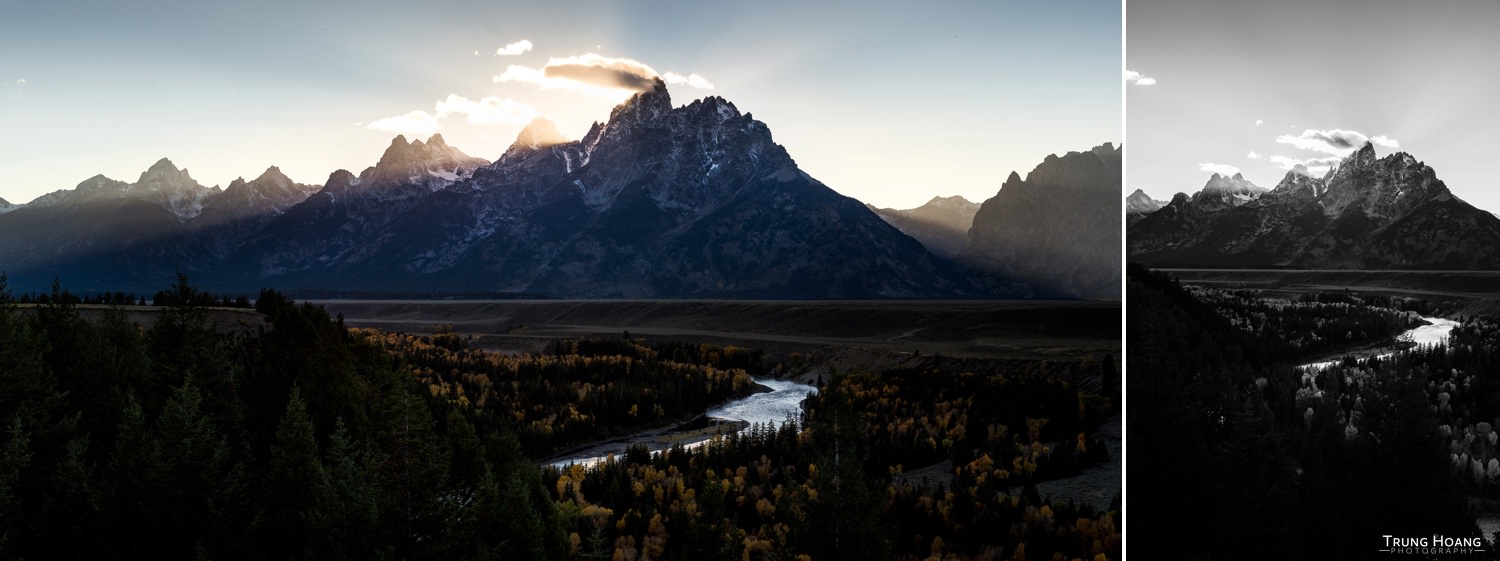
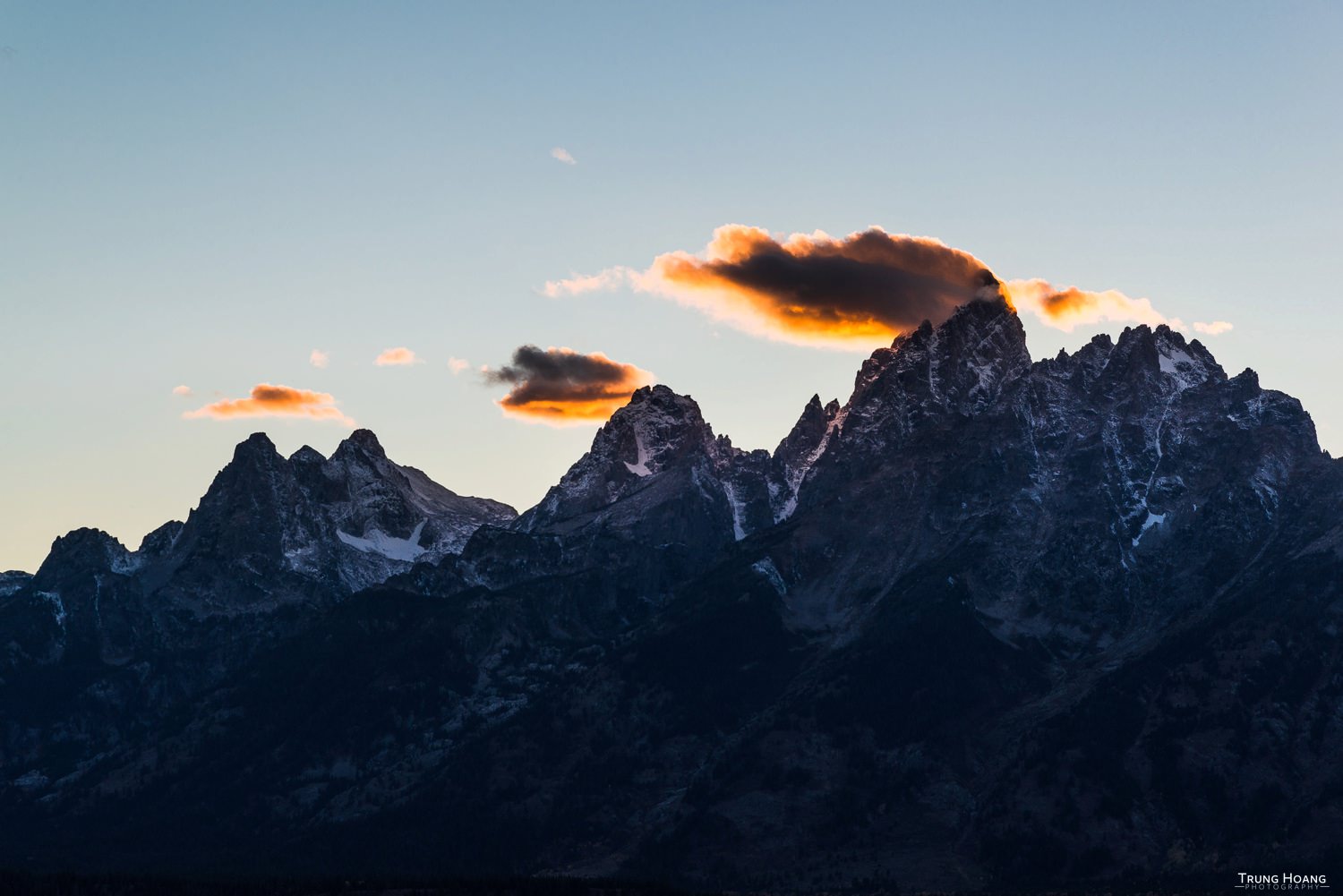
The Tetons, the staggering peaks that look like the inspiration for childrens' mountain drawings, are nothing short of spectacular. The incredible scenery, the abundance of wildlife, the lively quaint town of Jackson, WY, plus the incredible display of fall colors in September, made the area quite a sight to see. Our time was short in the Grand Teton National Park, so we had to soak in as much of the mountains, fall colors, historical landmarks, wildlife, and star studded skies as we could handle.
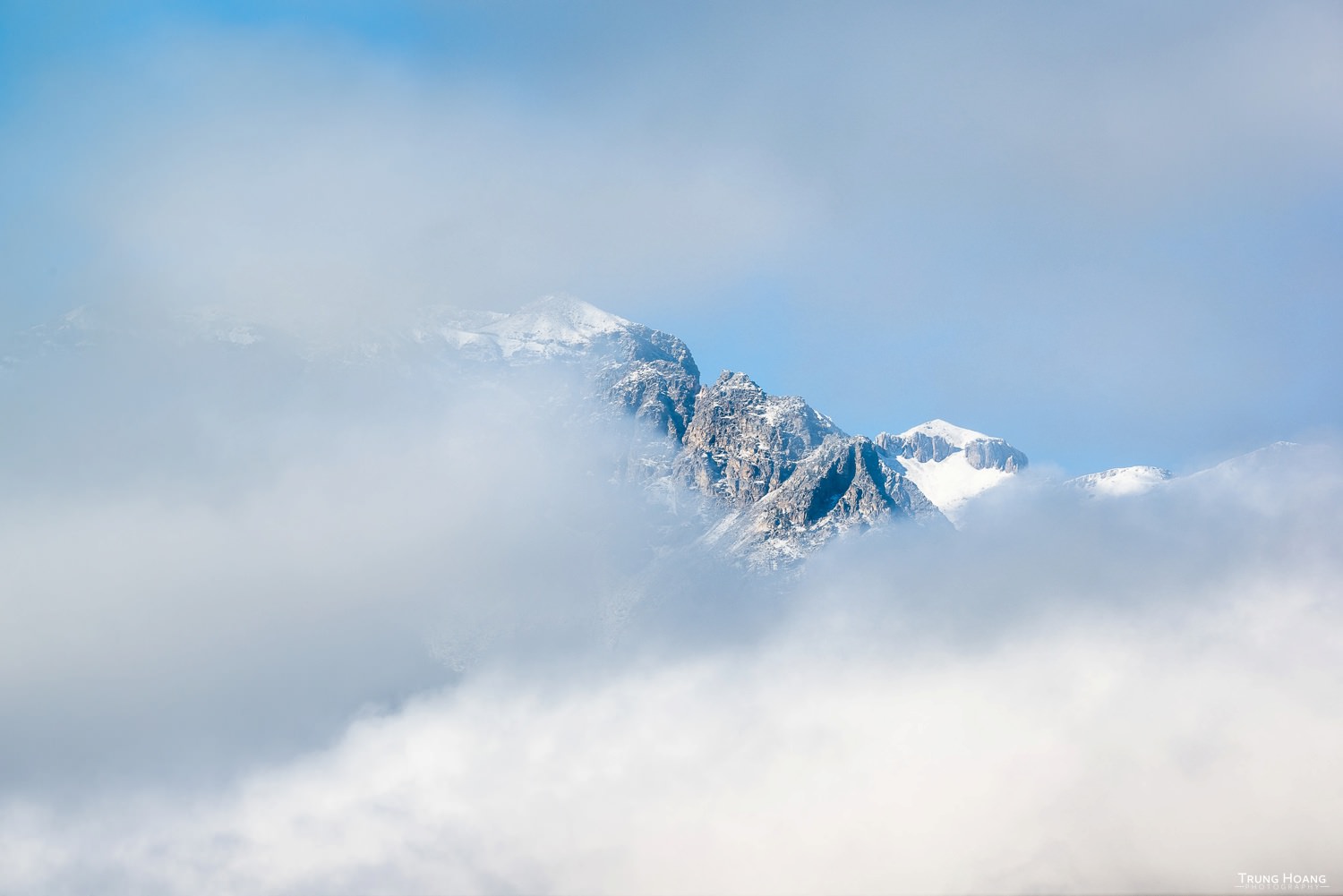
I hope you enjoy the snow dusted mountains, moose(!!), and autumn colors!



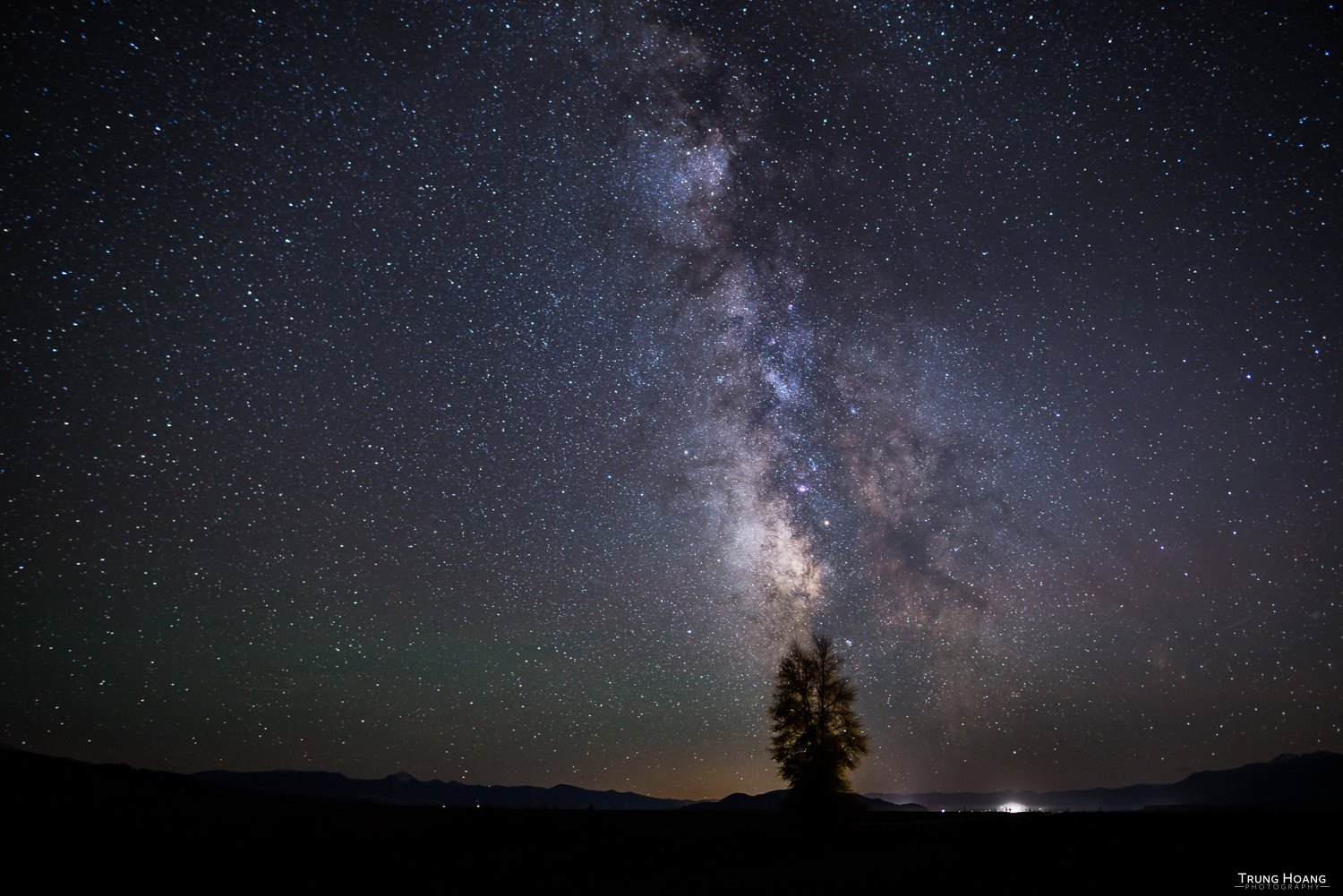
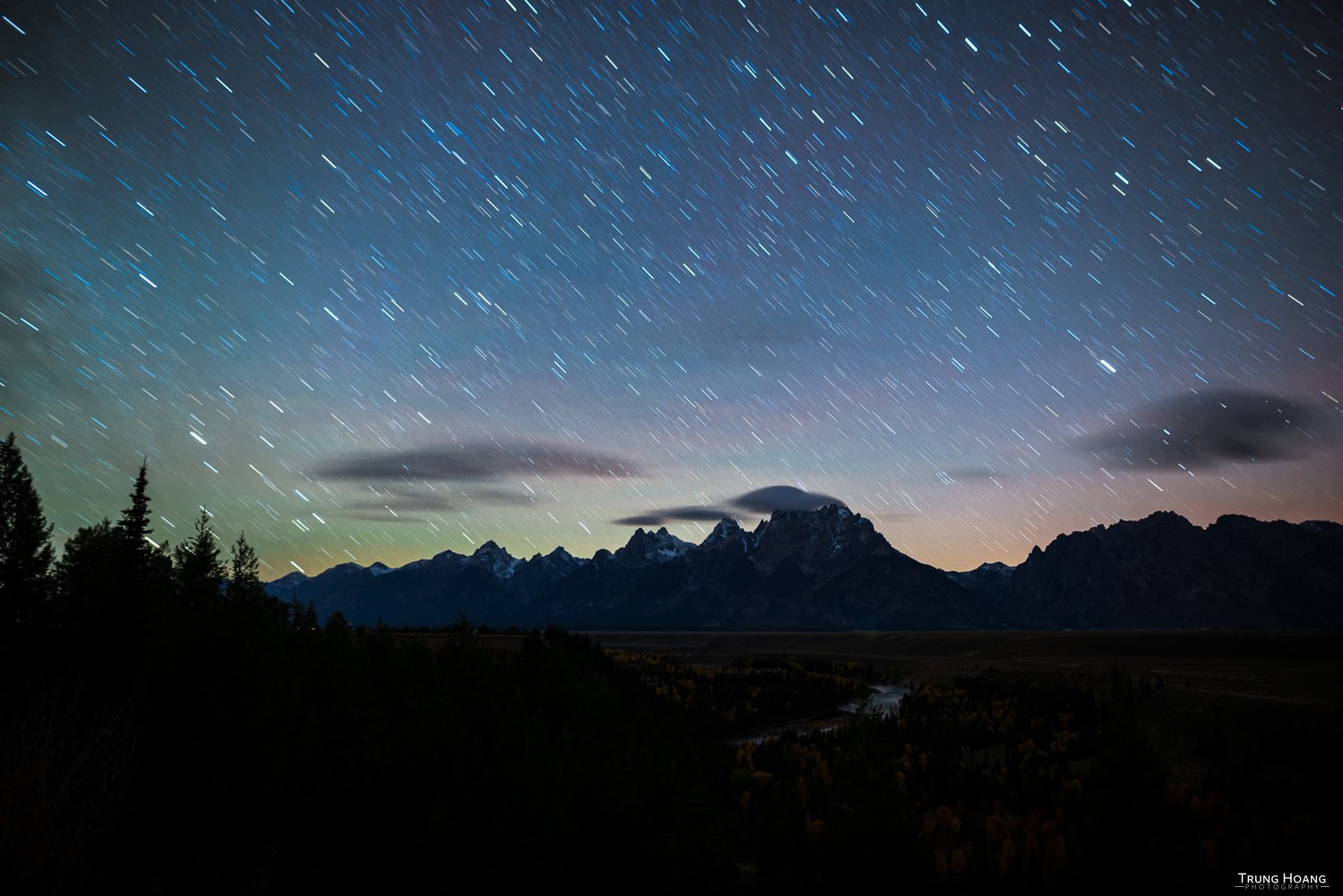
Don't forget to stop by for prints of these images and many others over in the Print Shop!
Personal Travel // Landscapes, Colors, & Textures of Yellowstone National Park
(This is part 1 of a 3-part series, be sure to check out part 2, featuring Yellowstone wildlife, and part 3 from Grand Teton National Park!)
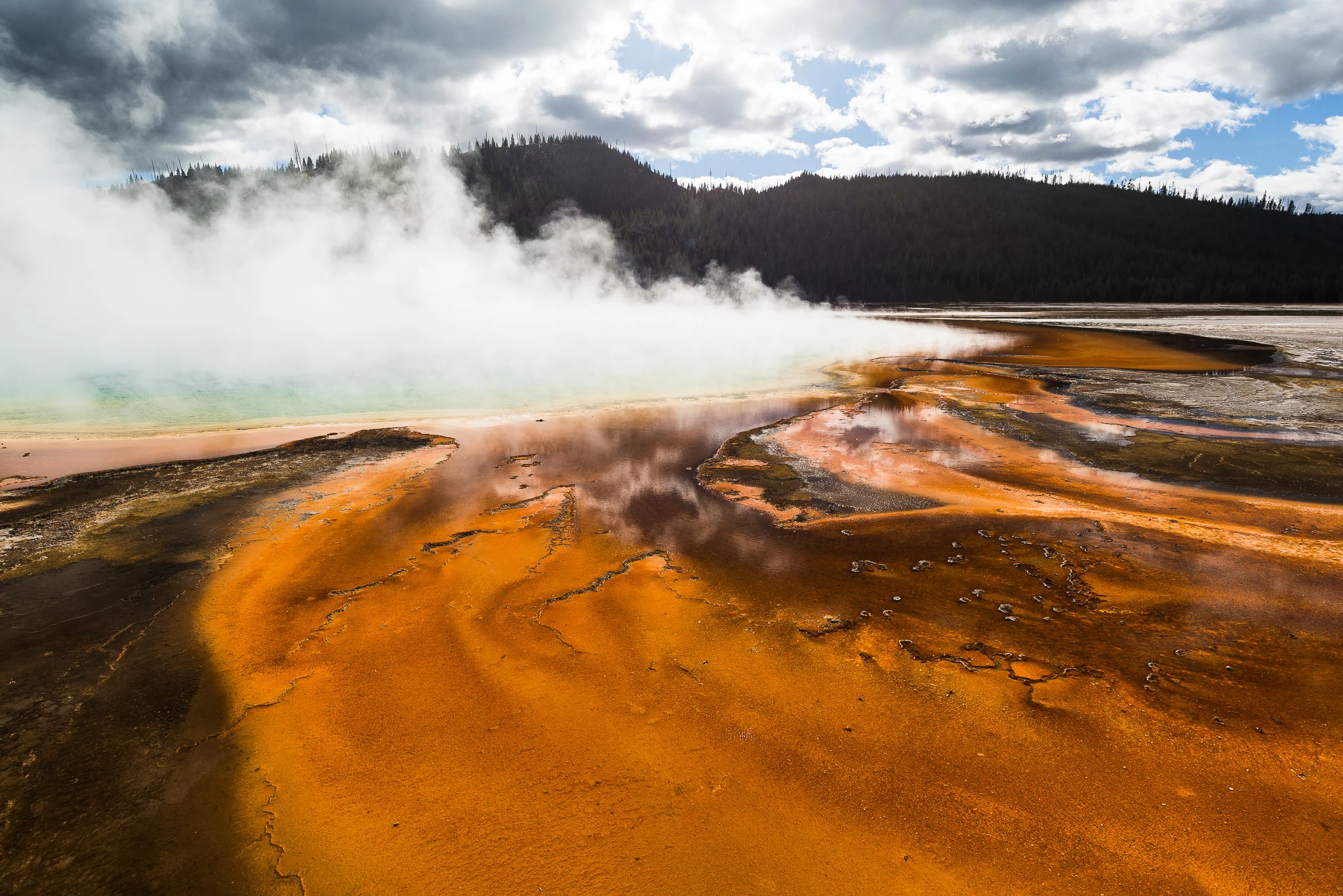
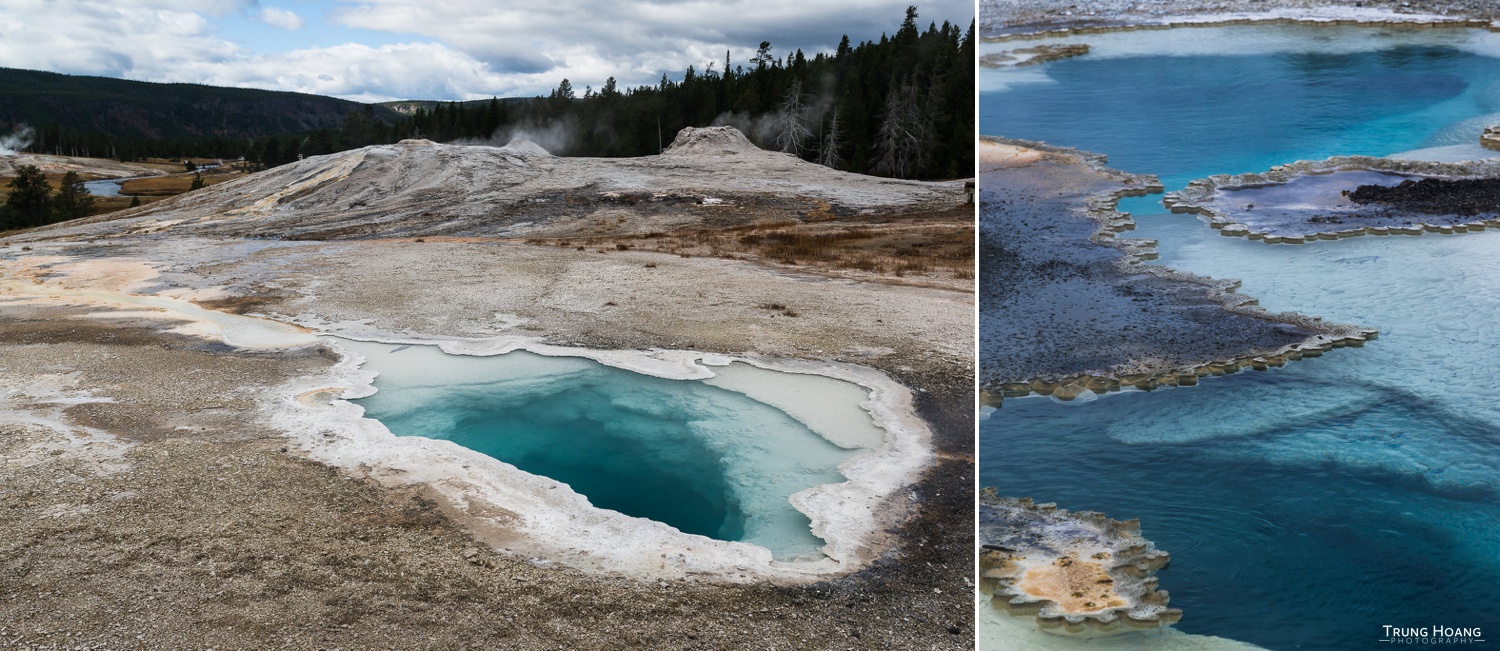
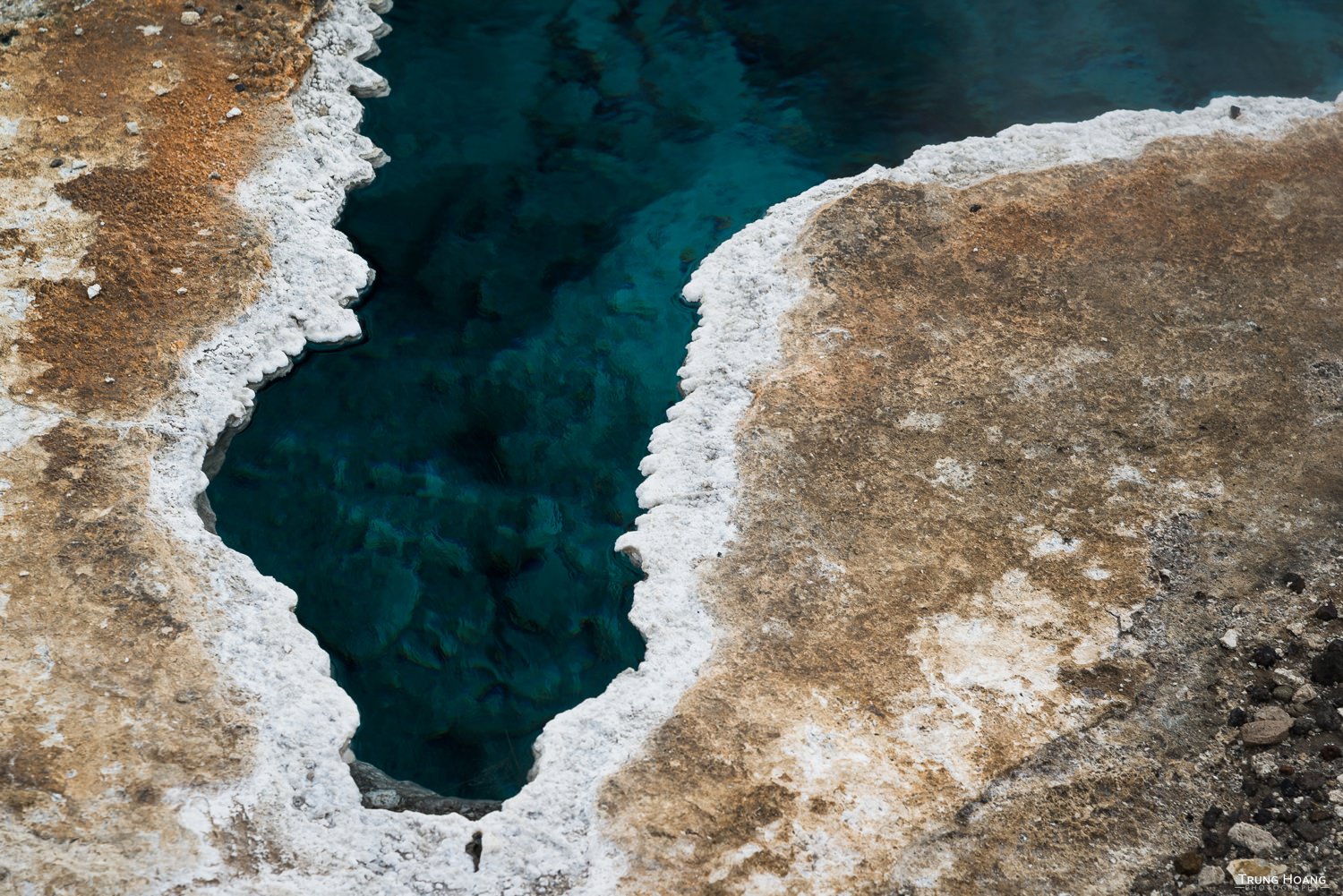
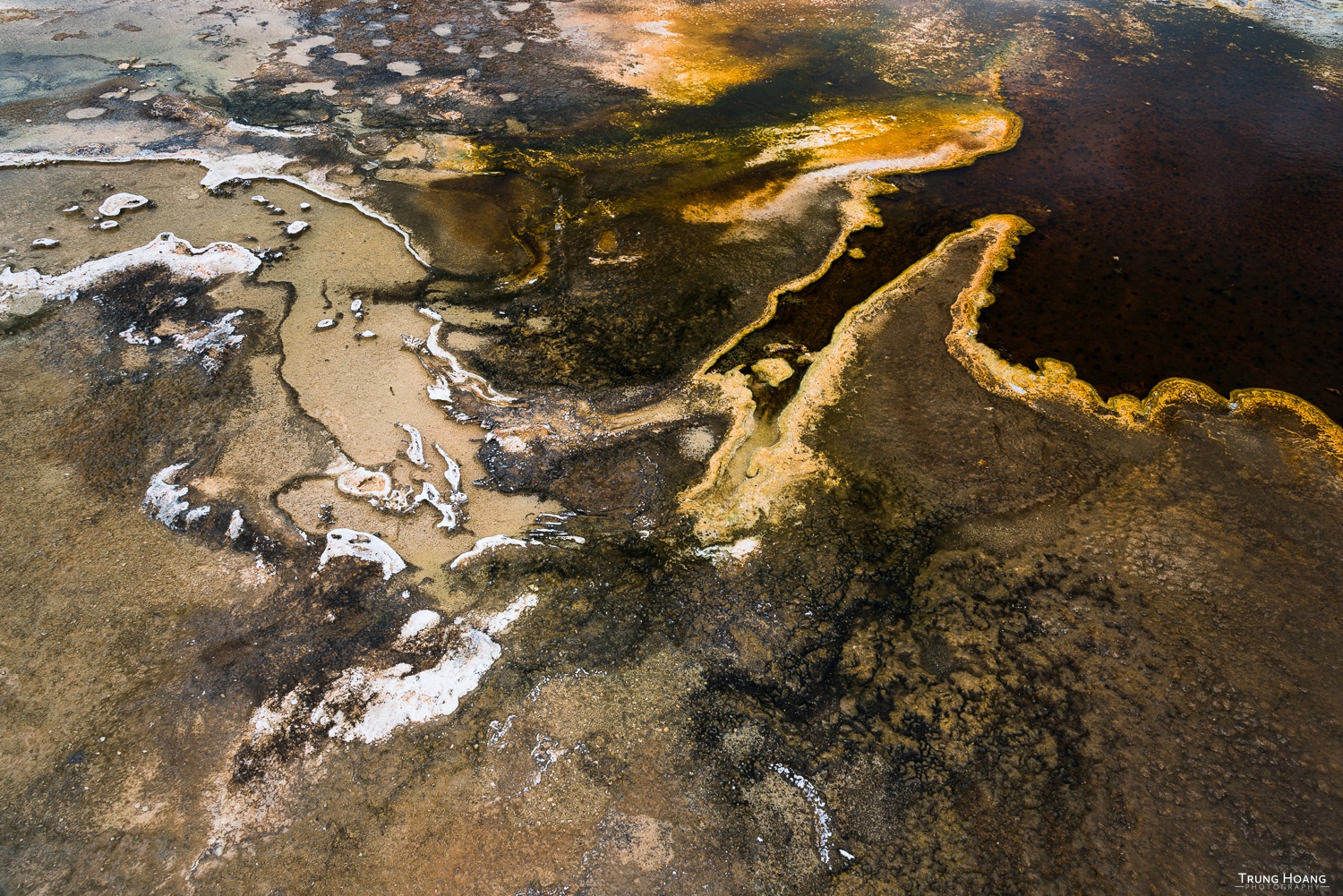
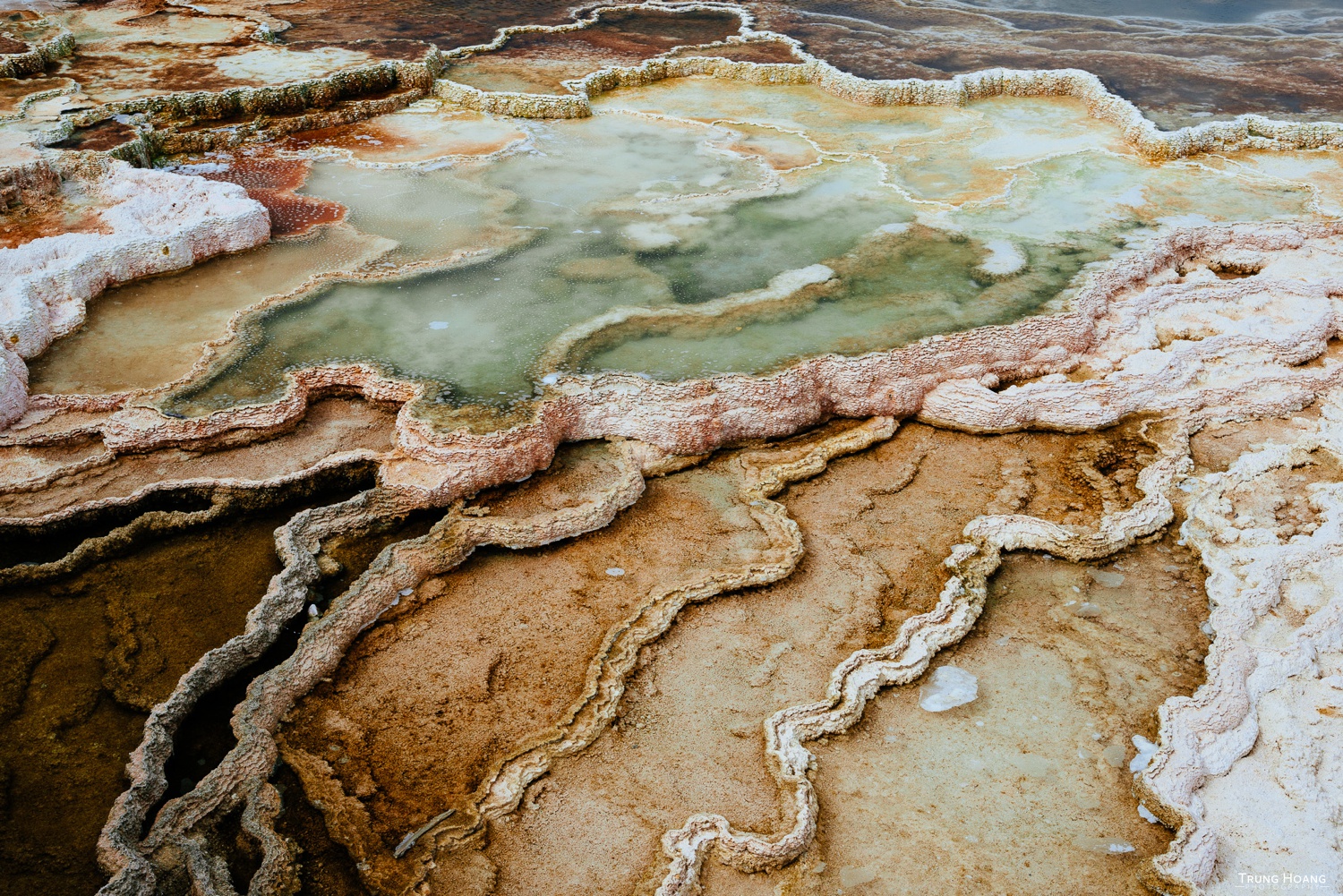
Yellowstone National Park, our first national park, is a marvelous landscape of mountain ranges, lush forests of lodgepole and whitebark pine, valleys of sagebrush, winding rivers, geothermal features in a spectrum of colors and sizes, and of course, an array of wildlife. Part of Yellowstone National Park lies atop the Yellowstone Caldera, with the grounds acting essentially as a cap to a massive reservoir of molten lava. Potential death and destruction aside, the molten lava is responsible for providing the energy to the various geothermal features found throughout the park, from the far northwest Mammoth Hot Springs to the most famous geyser and thermal feature of them all, Old Faithful. In addition to the explosive eruptions, the hot springs create mineral deposits and allows thermophilic bacteria to thrive resulting in an array of colors and textures throughout the lands of the park.
Since the area is so diverse, I decided to break up the trip into two separate blog posts to appreciate the unique features of the park. In this first part of a two (maybe 3?) part series, you'll see the colors and textures of the vast expanses, deep canyons, rushing waterfalls, big skies, autumn leaves, thermophilic bacteria, travertine terraces, and geyser basins, of Yellowstone National Park.

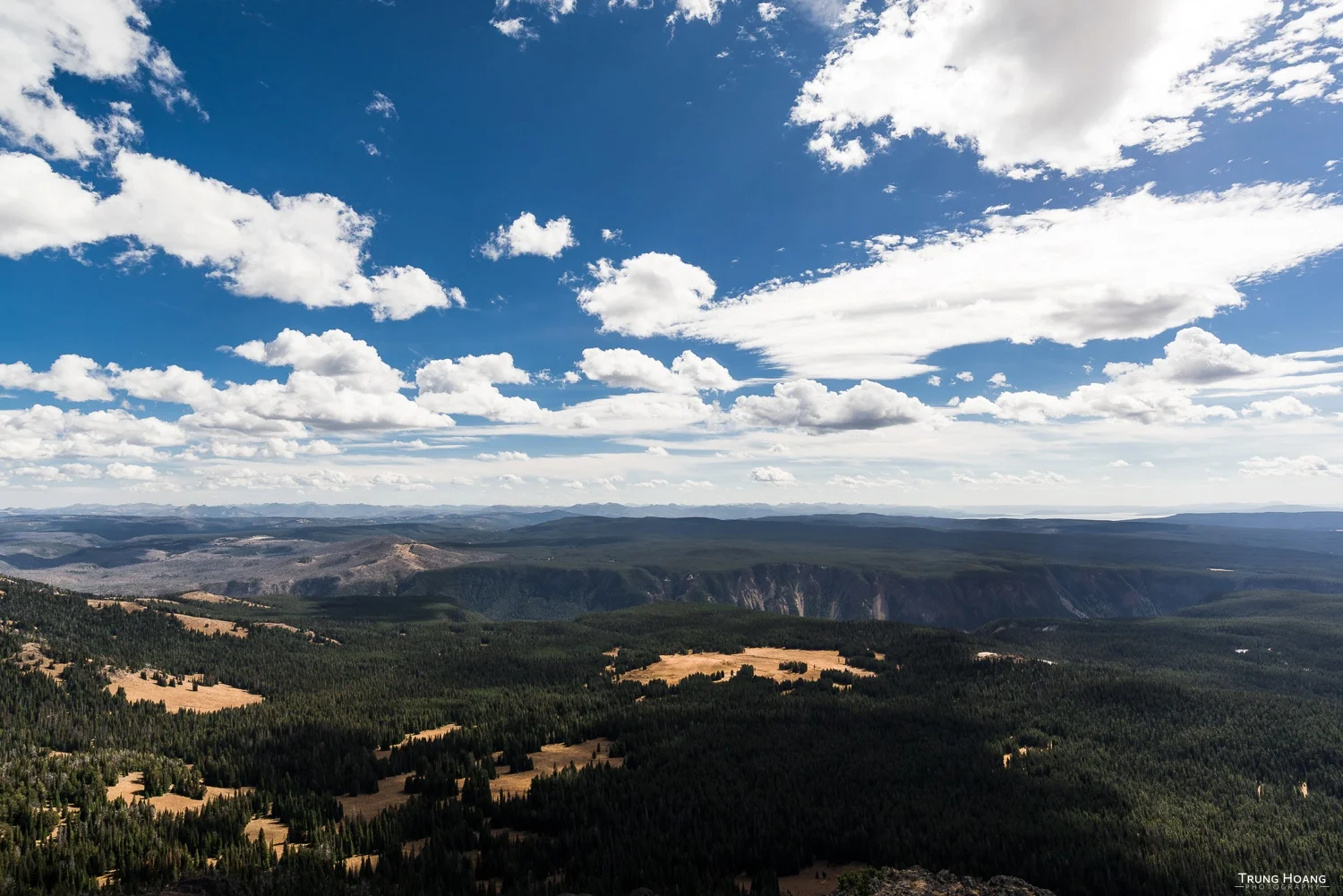
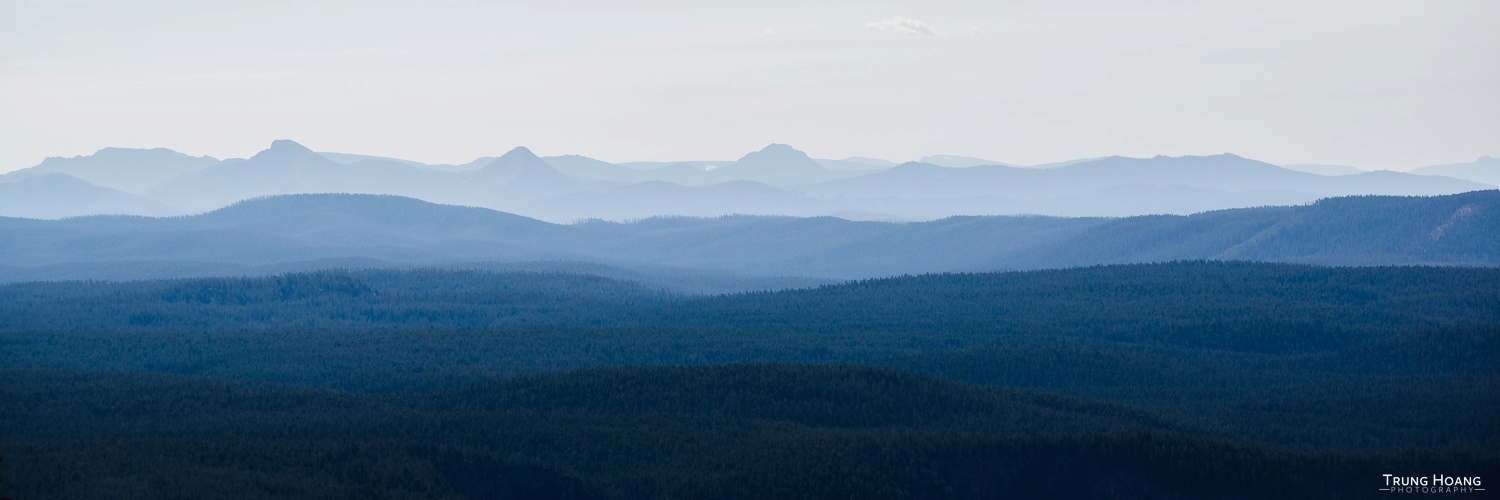

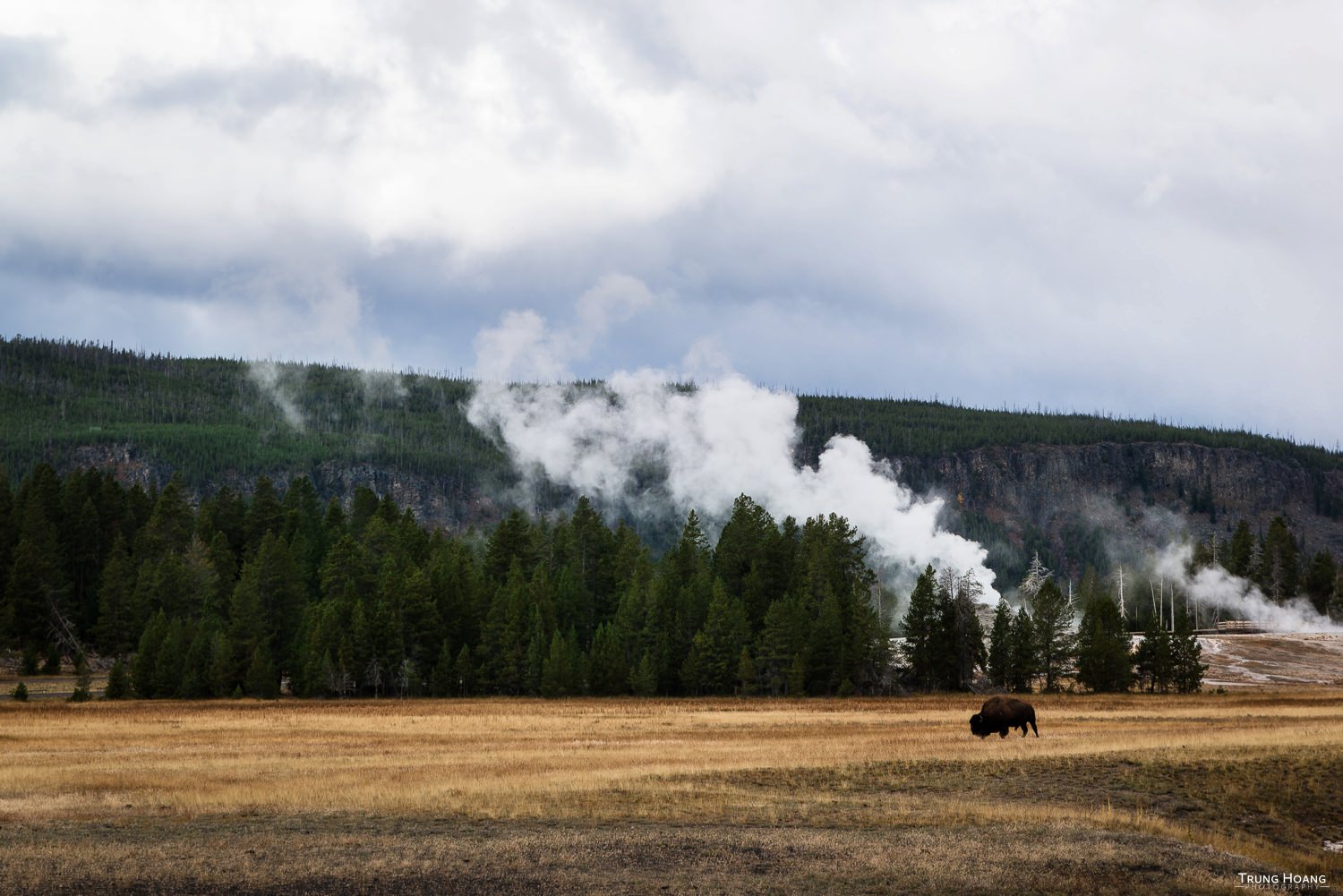
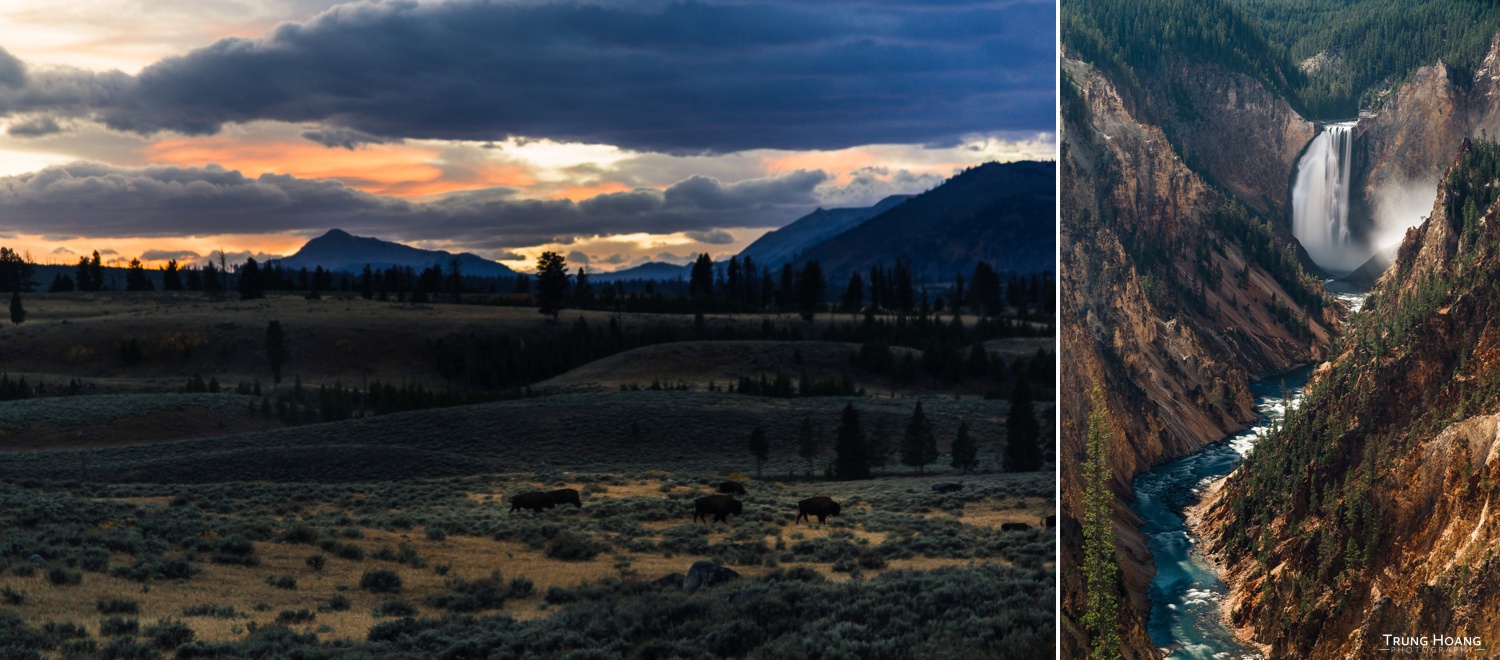
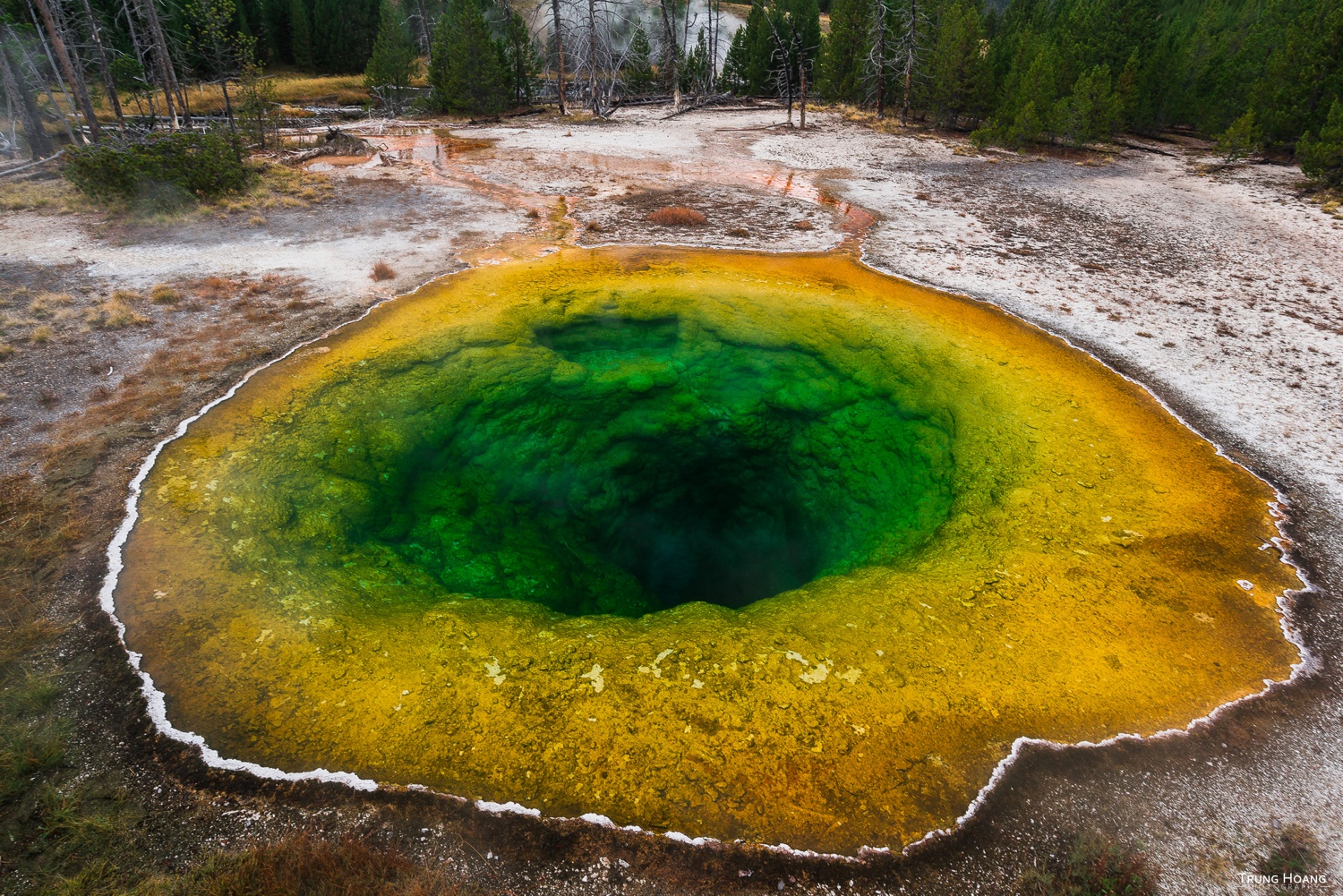
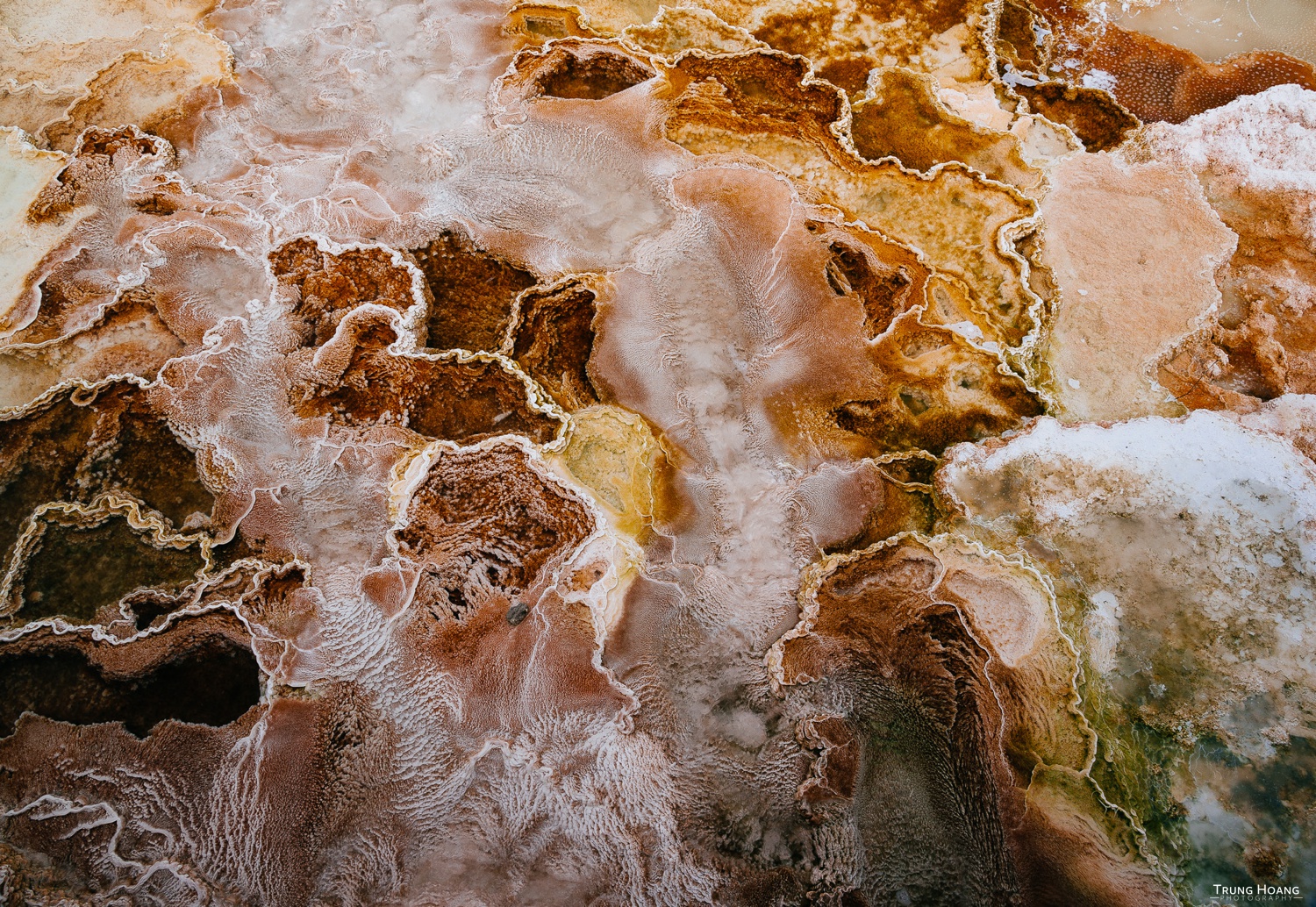
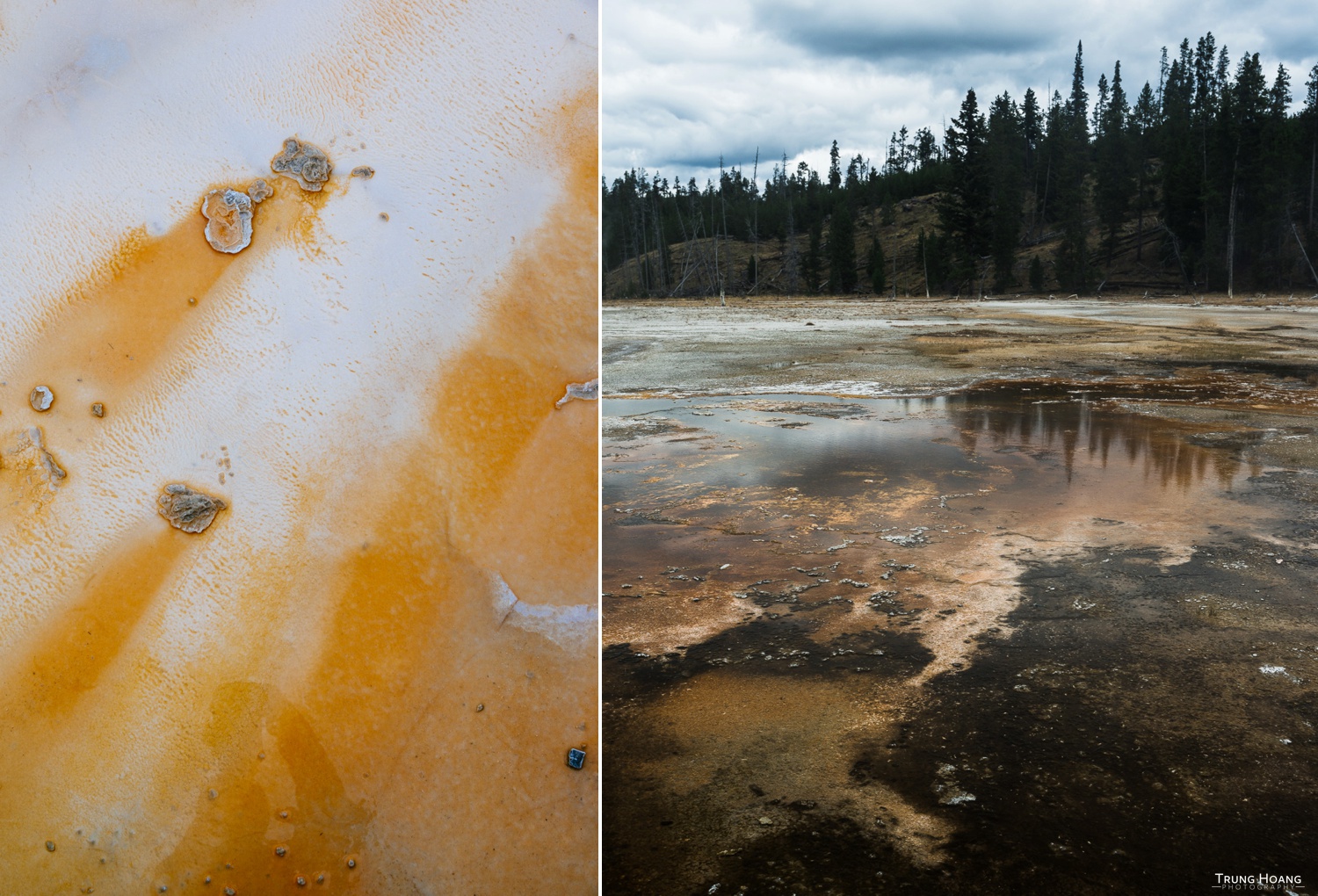
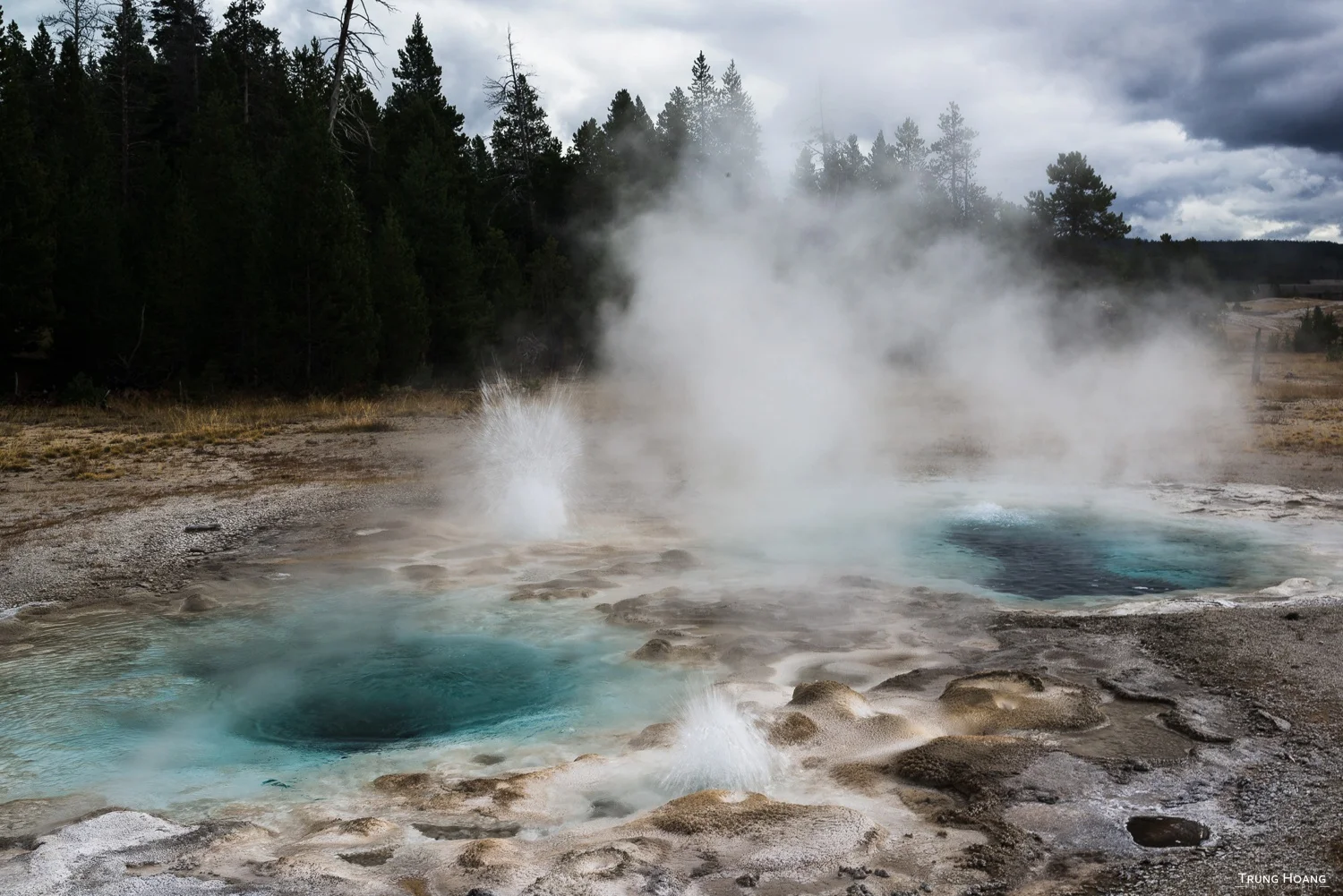
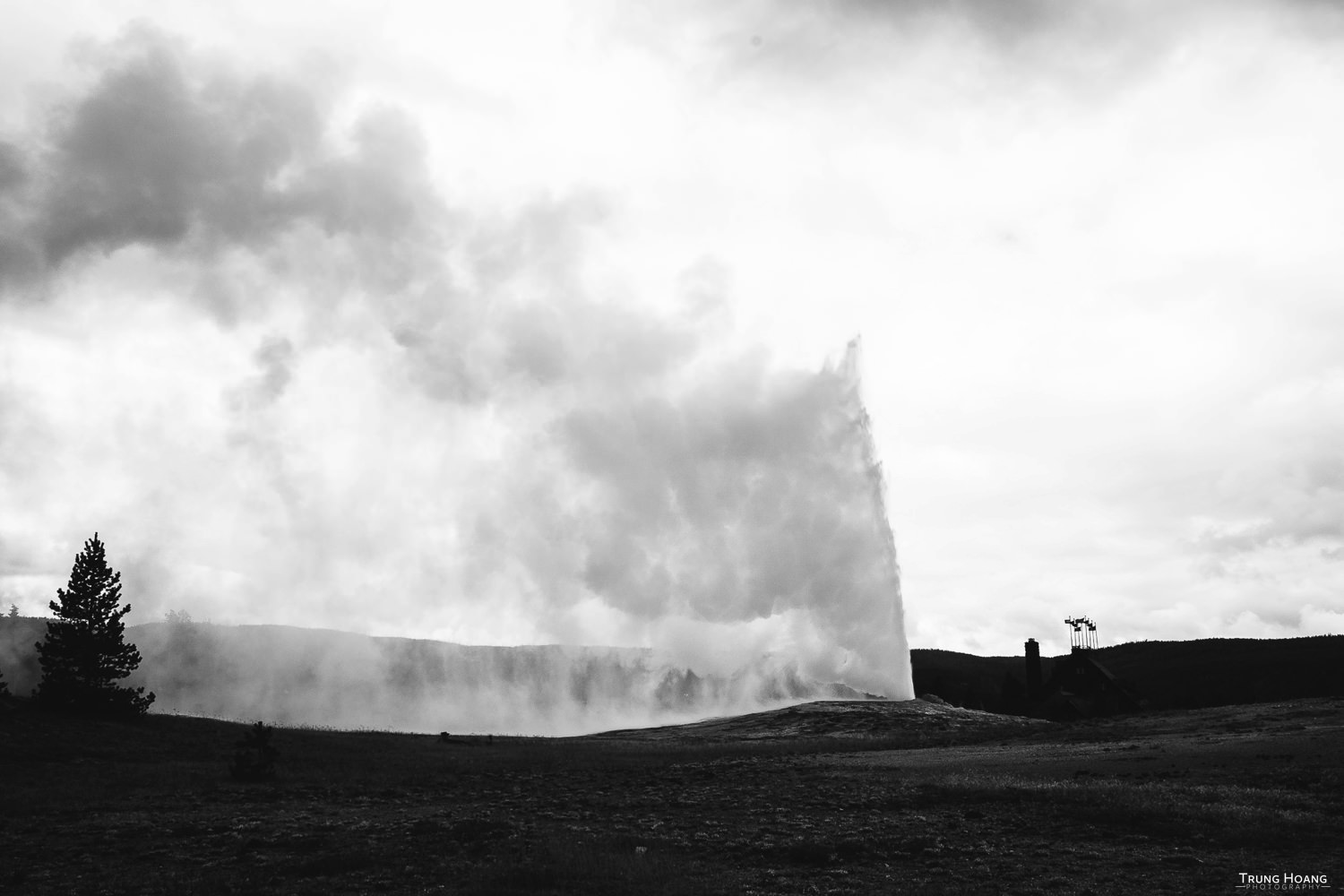

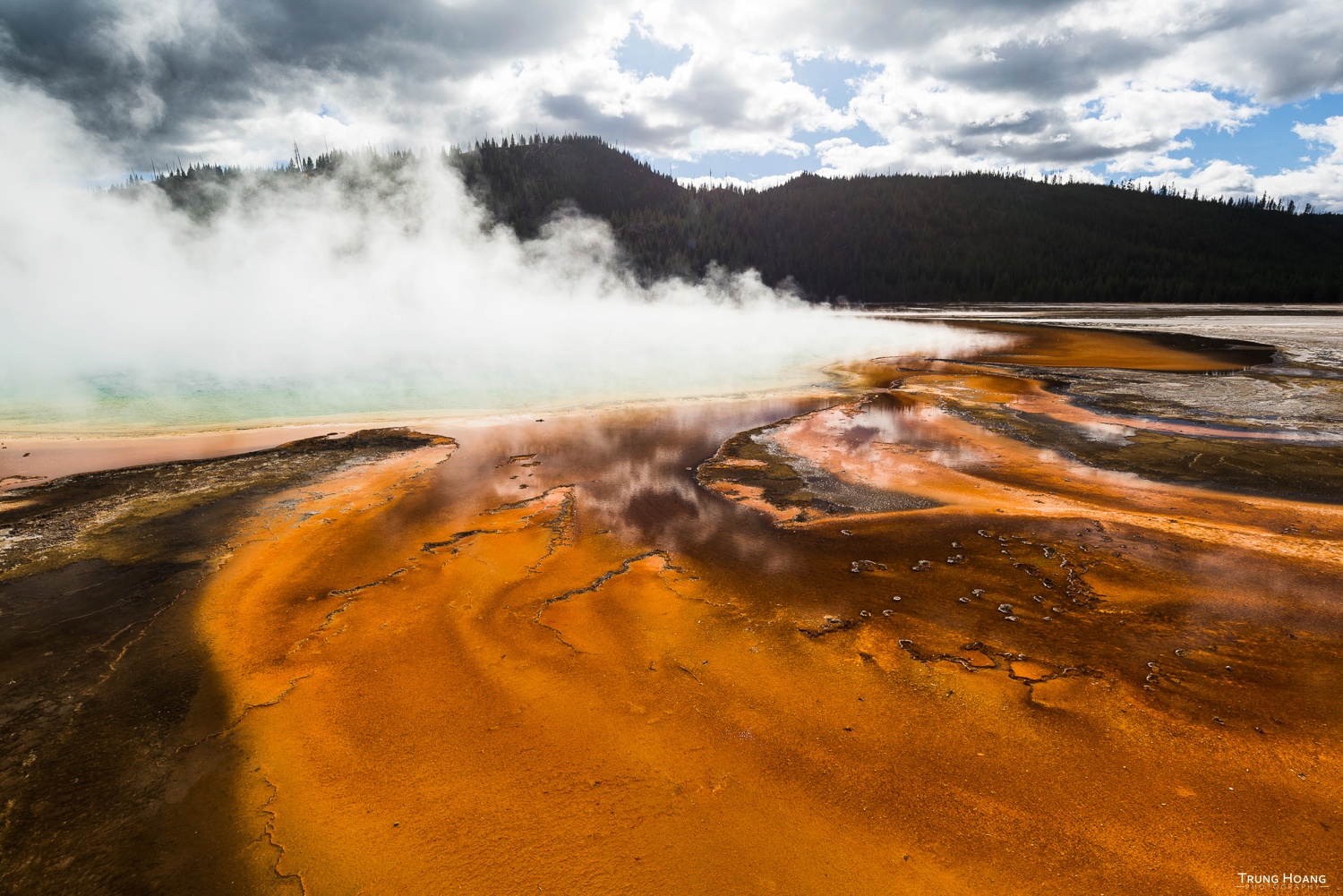
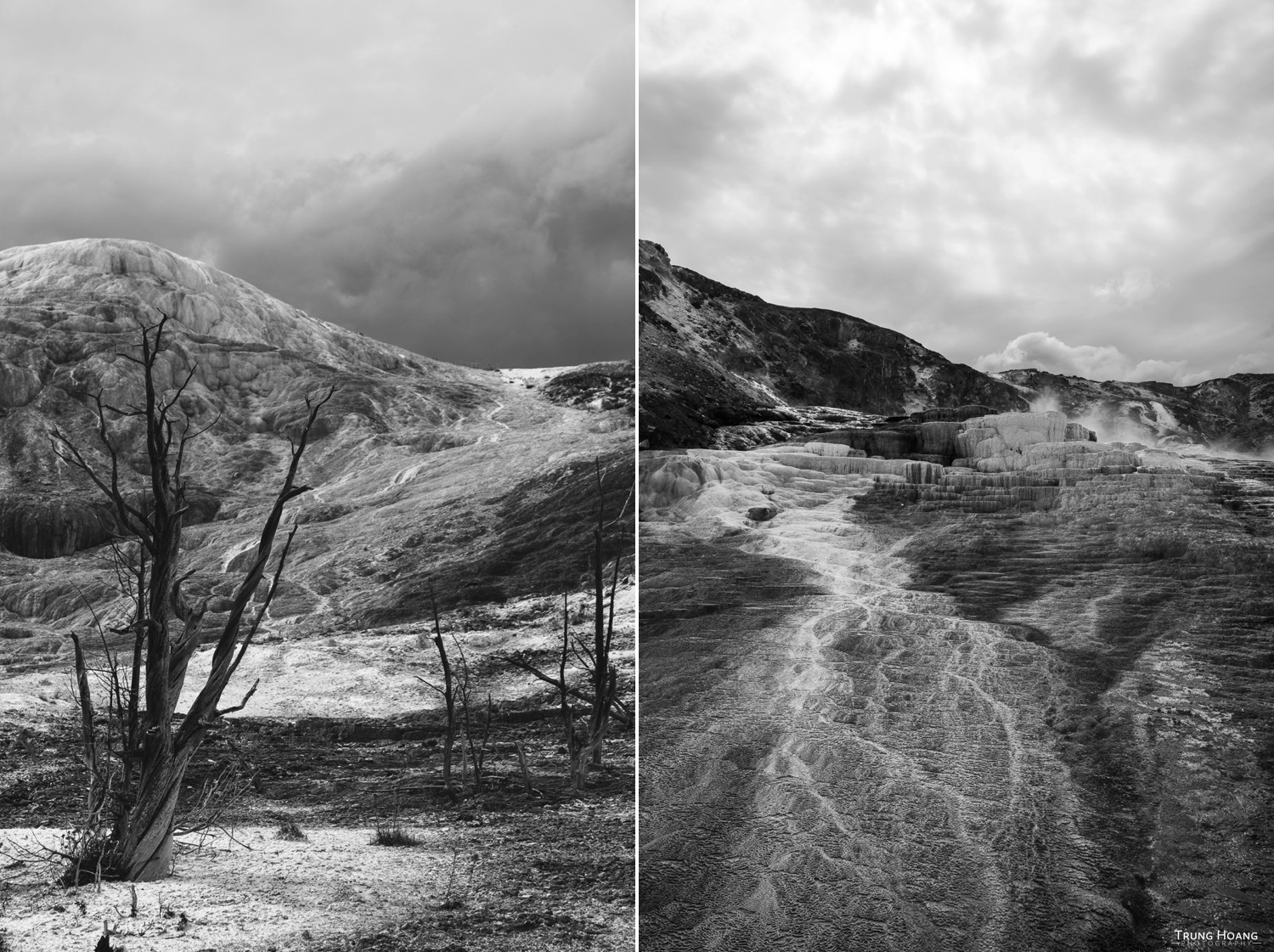
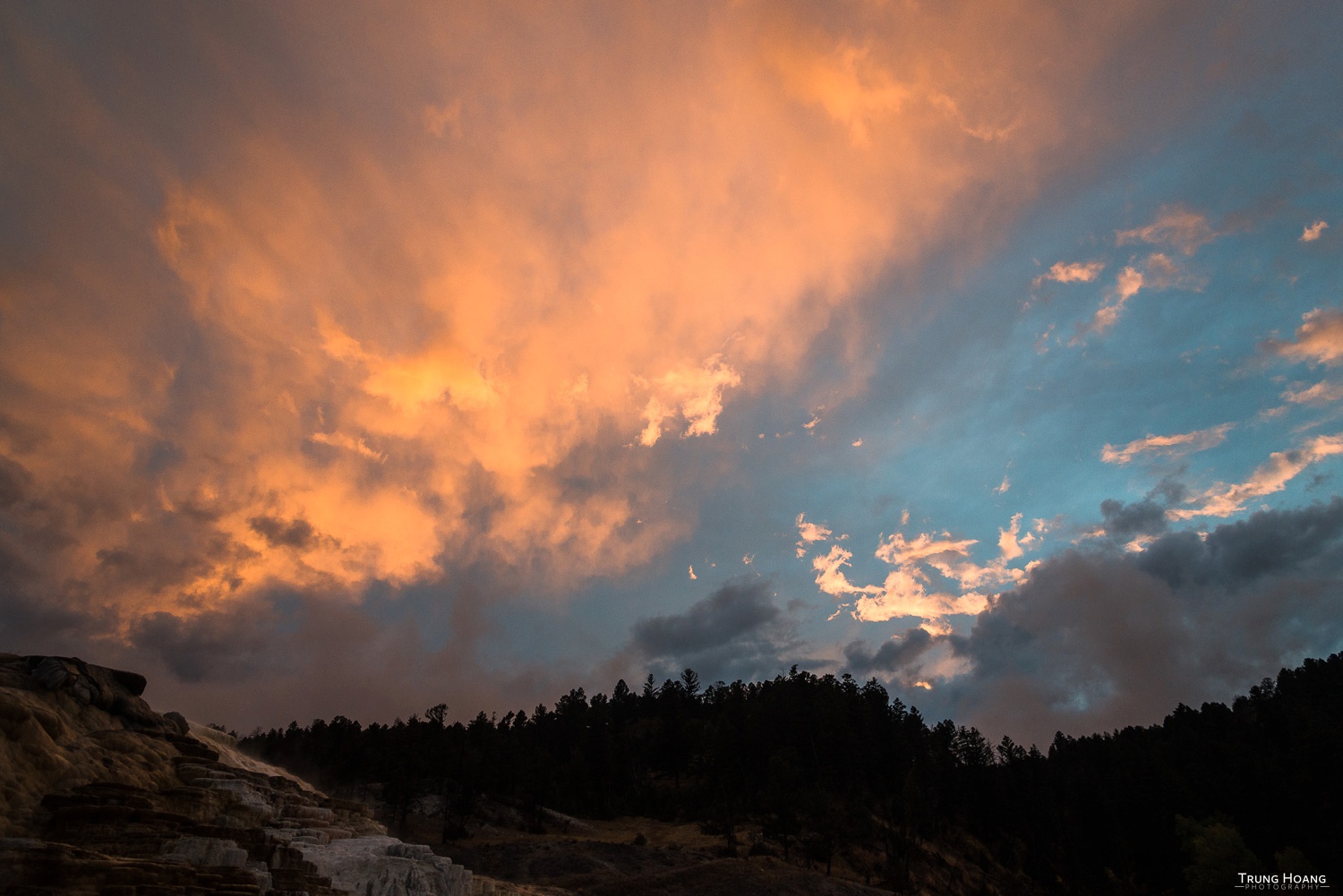
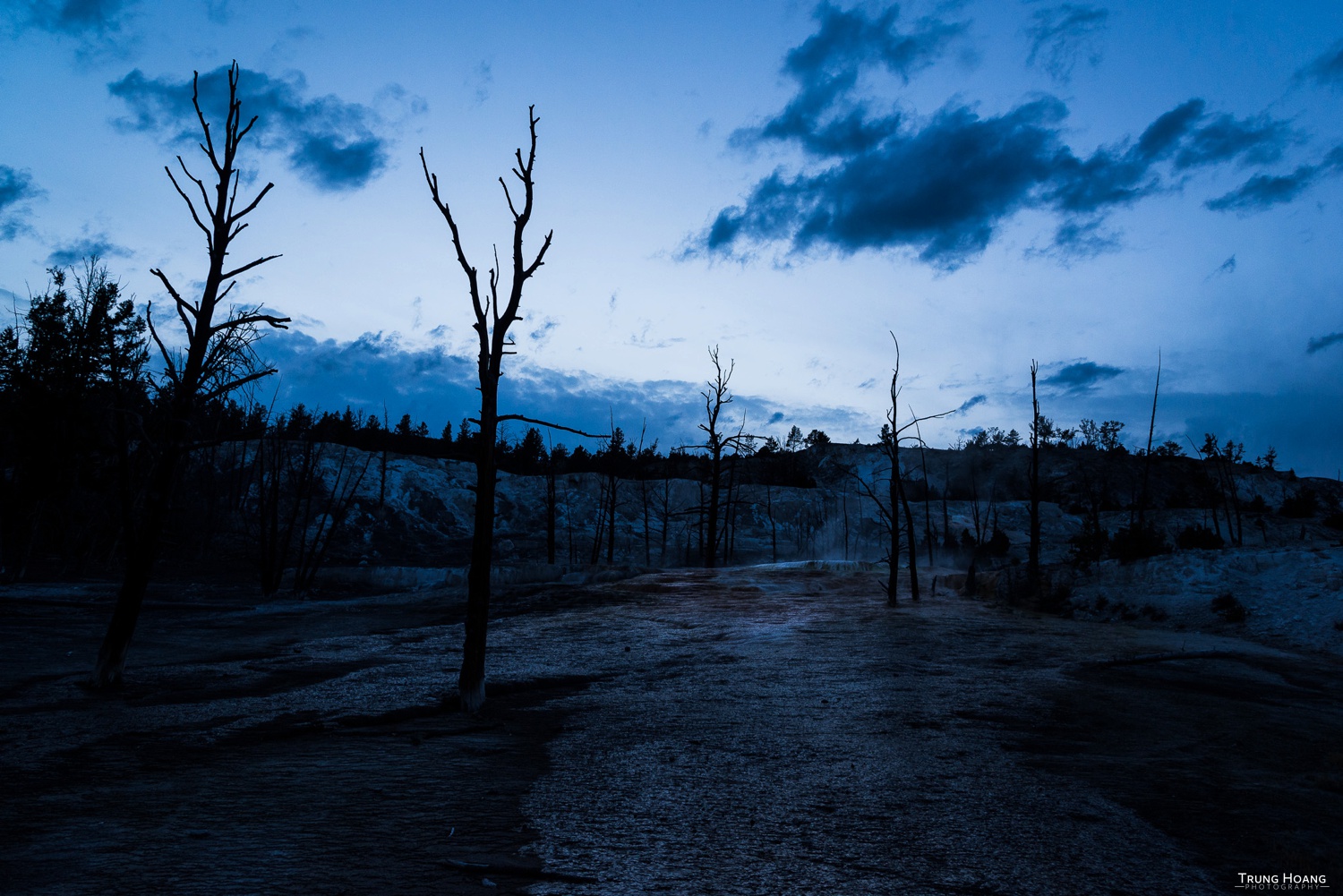
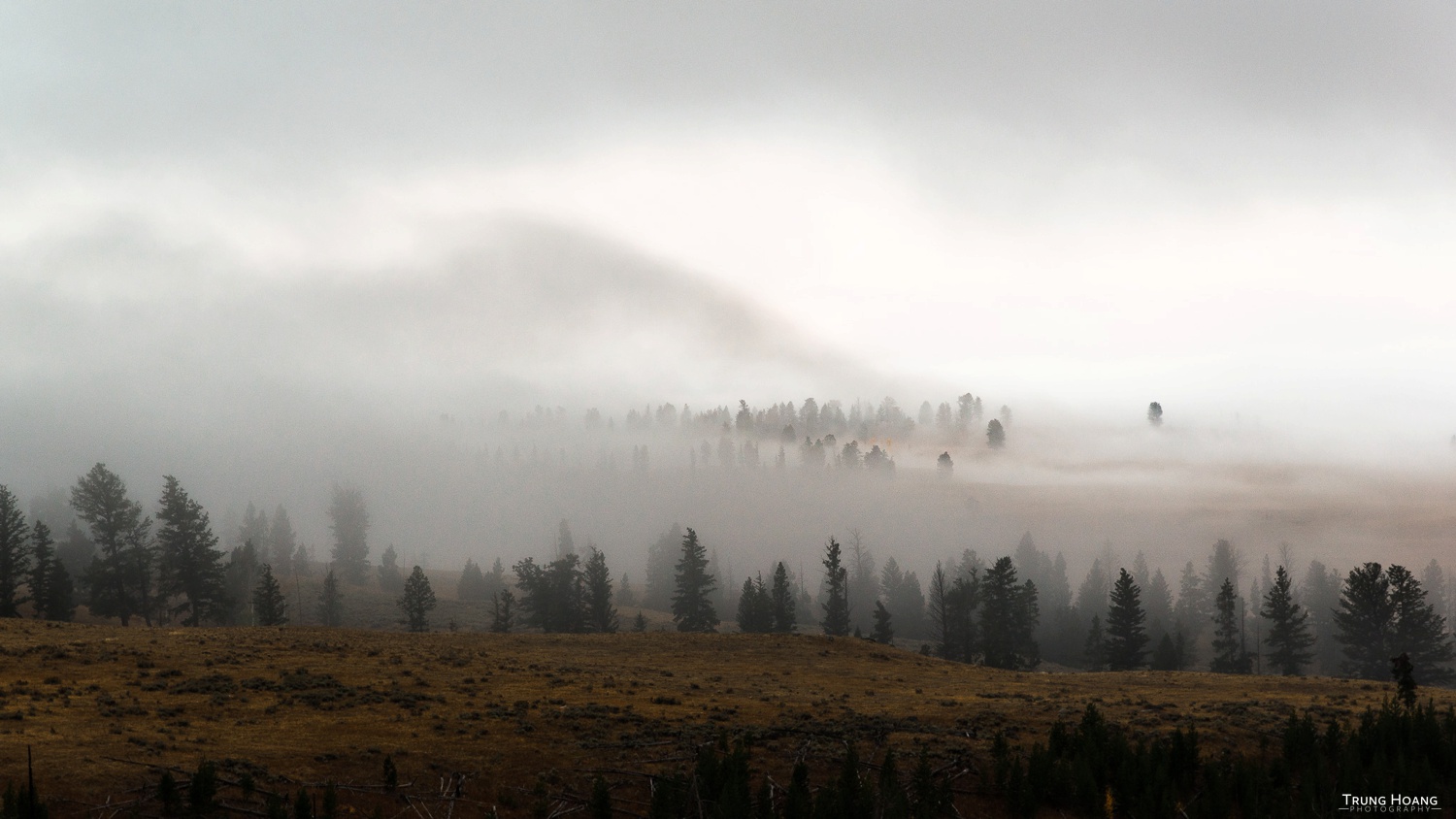

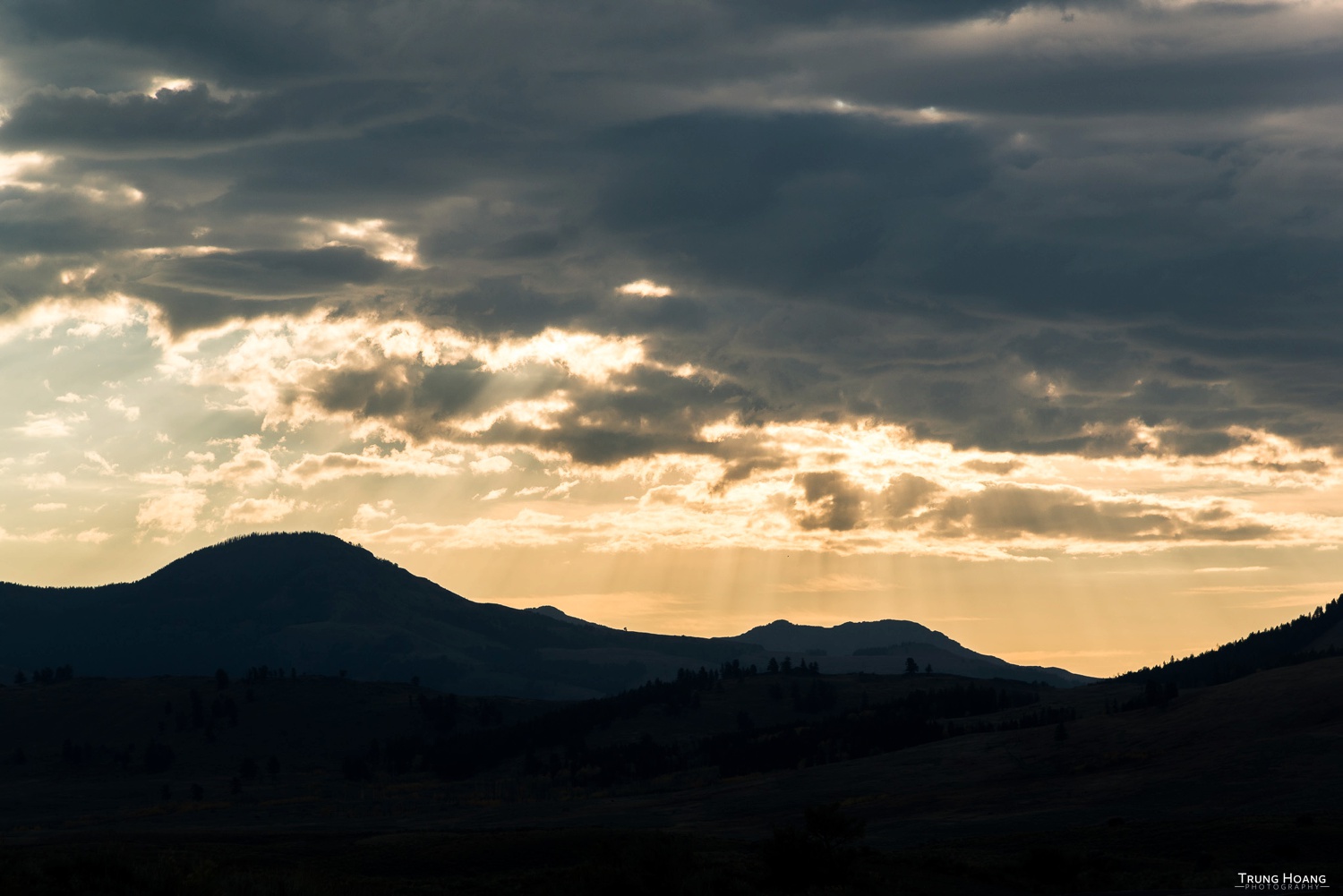
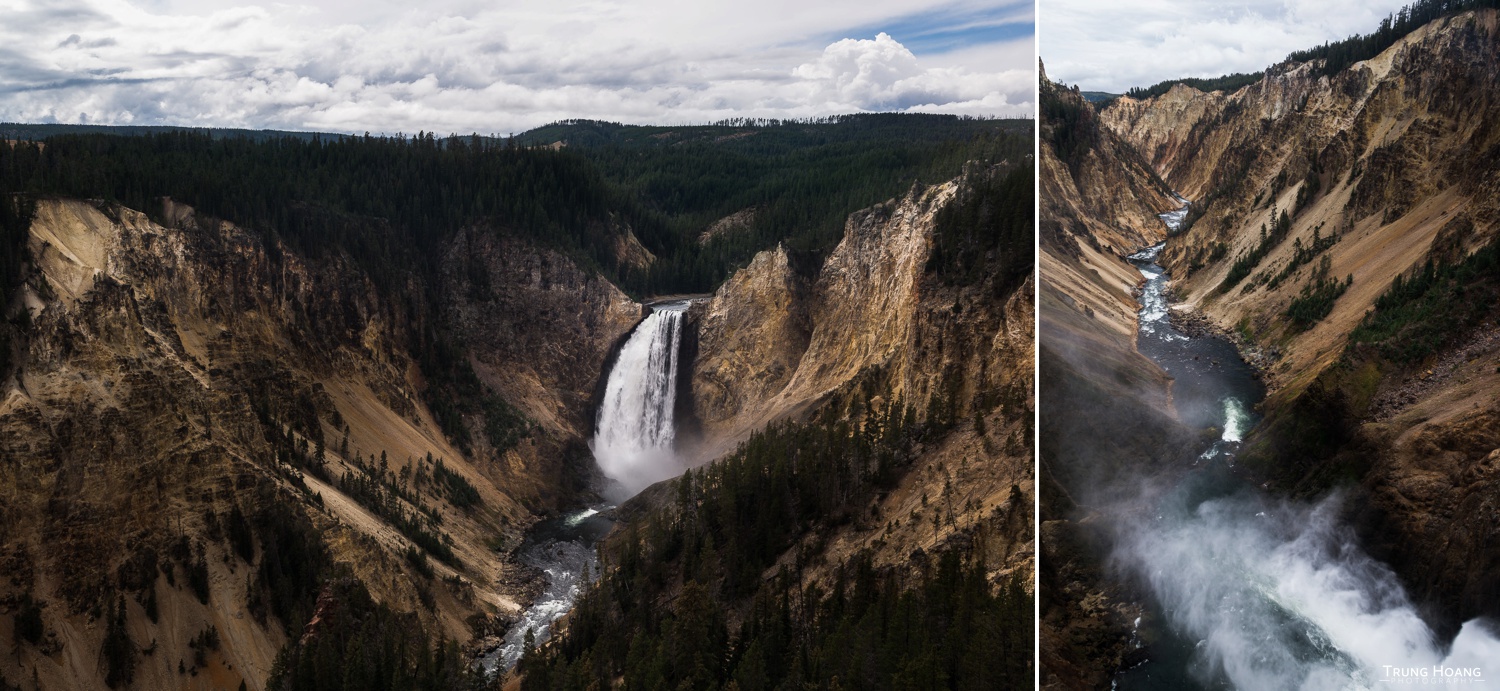
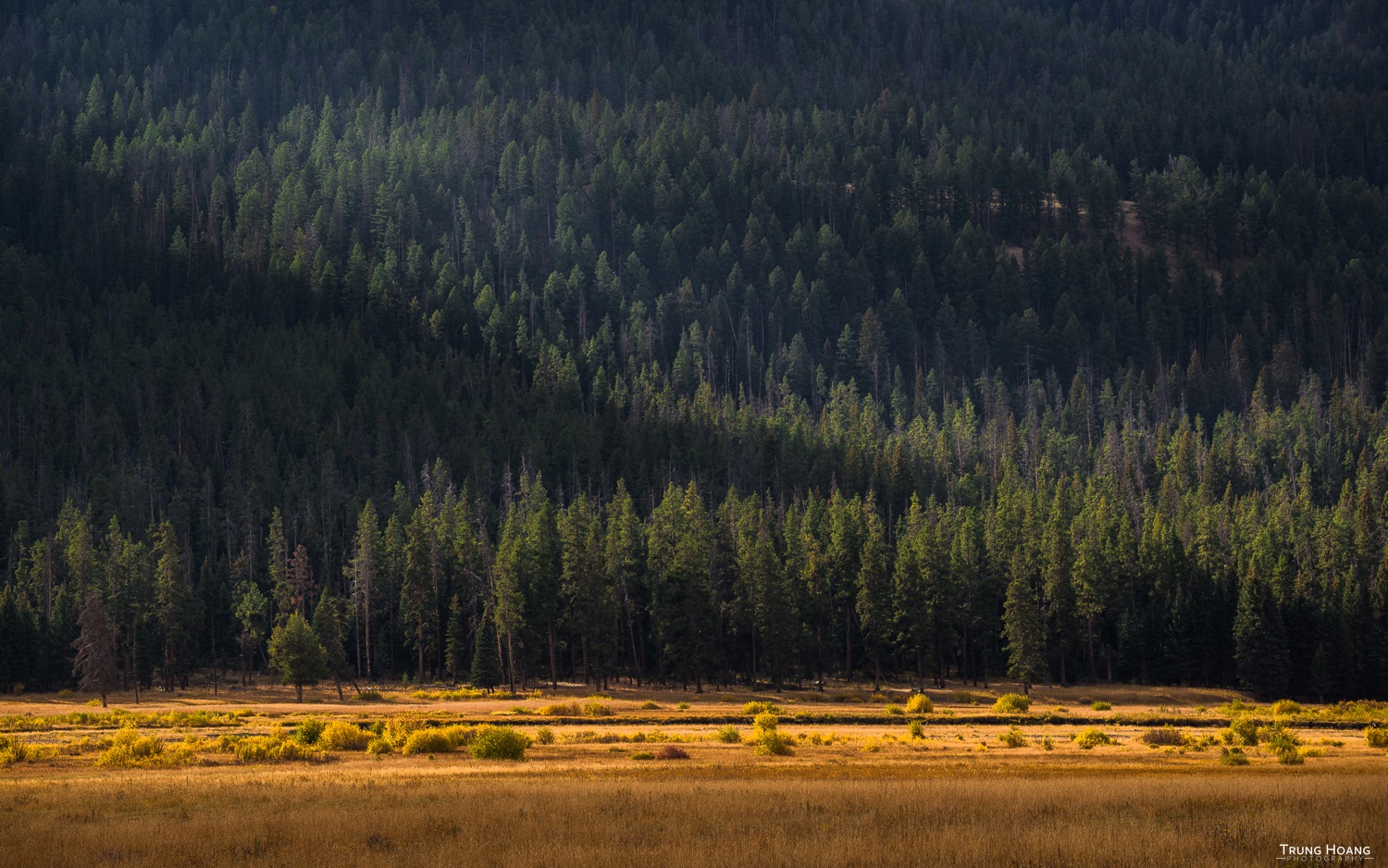
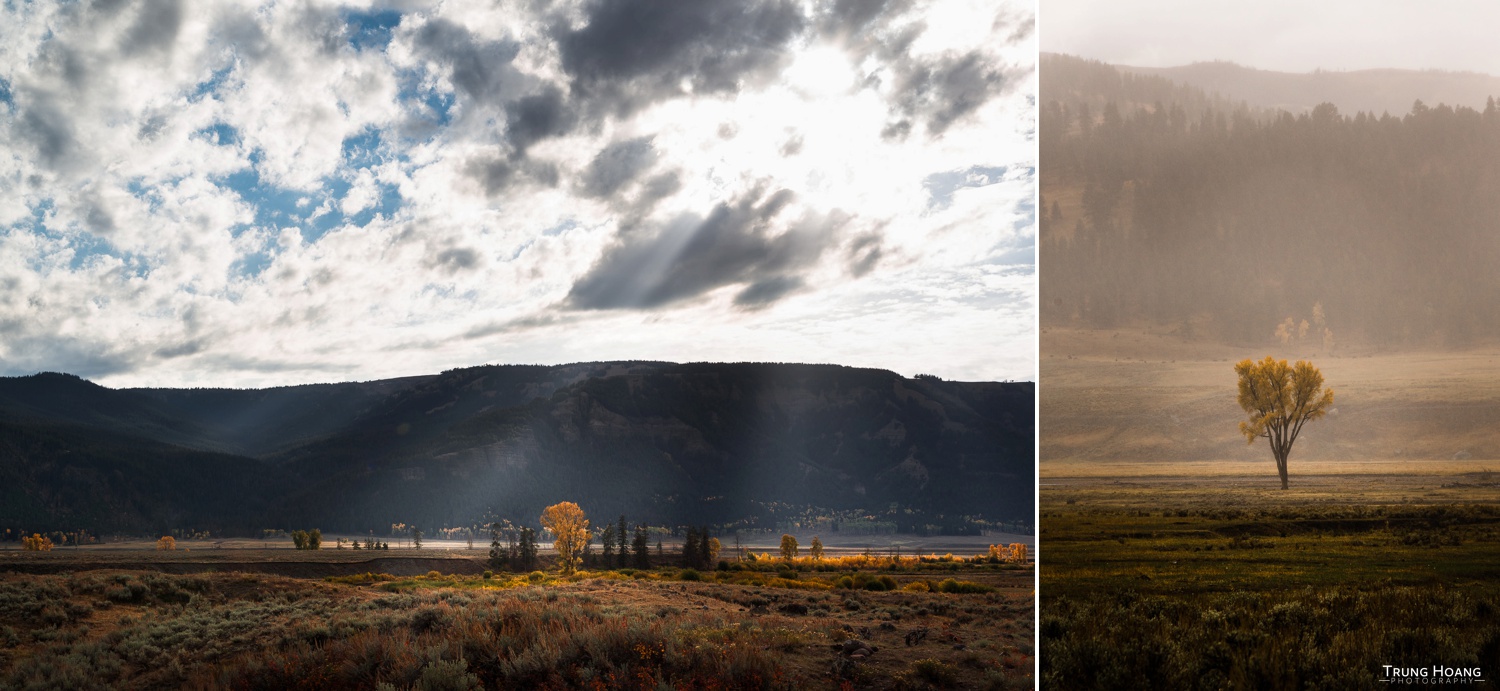
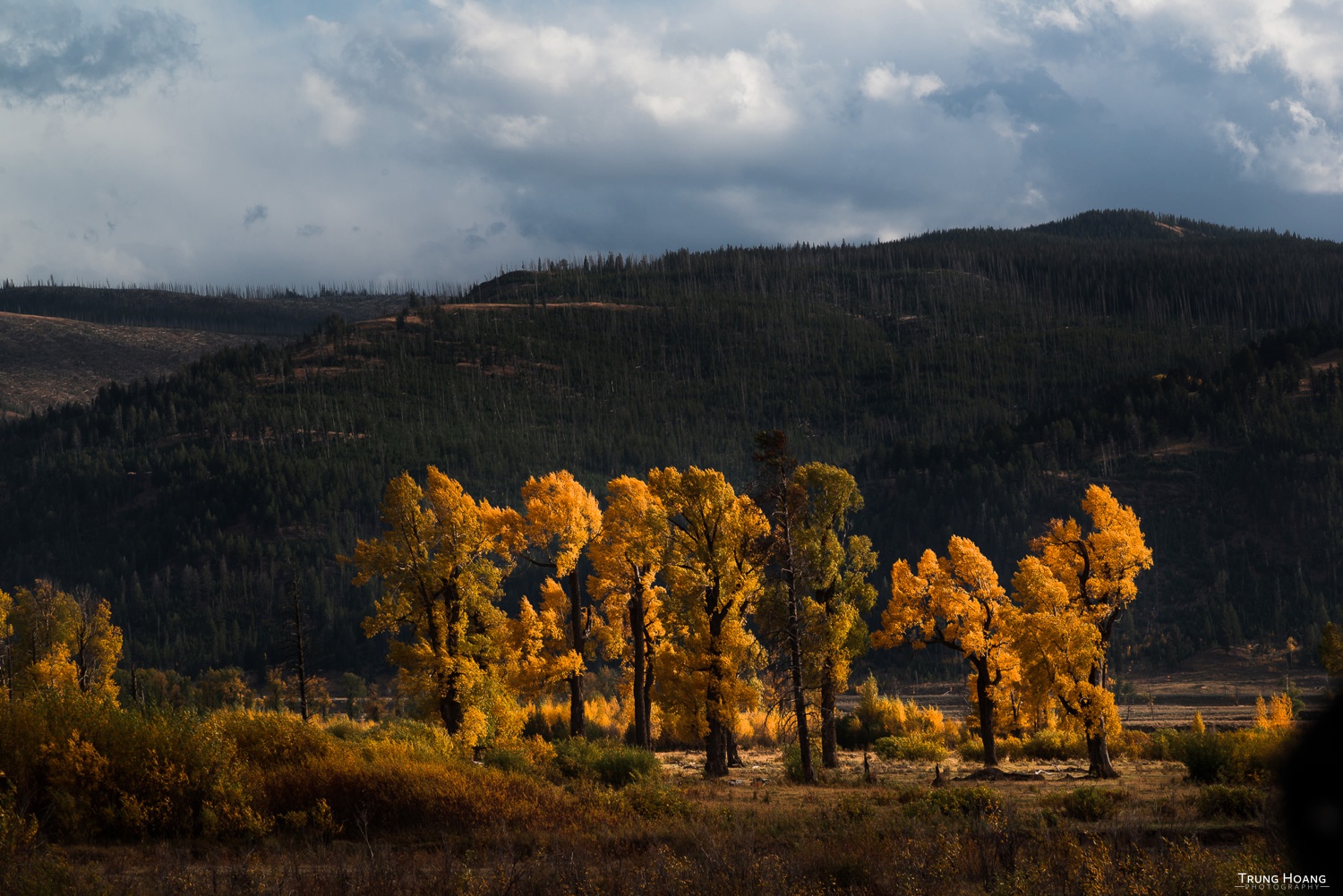
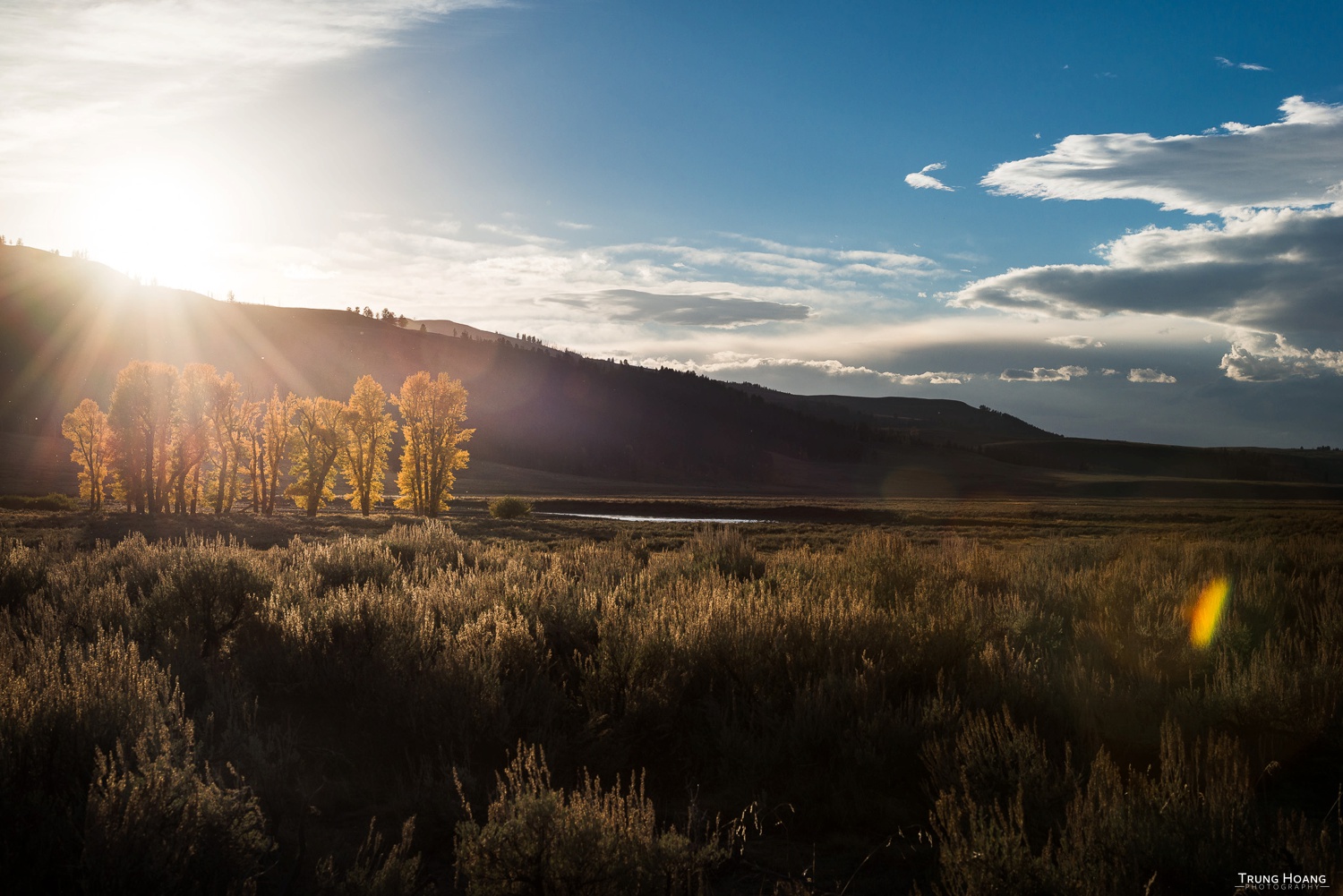
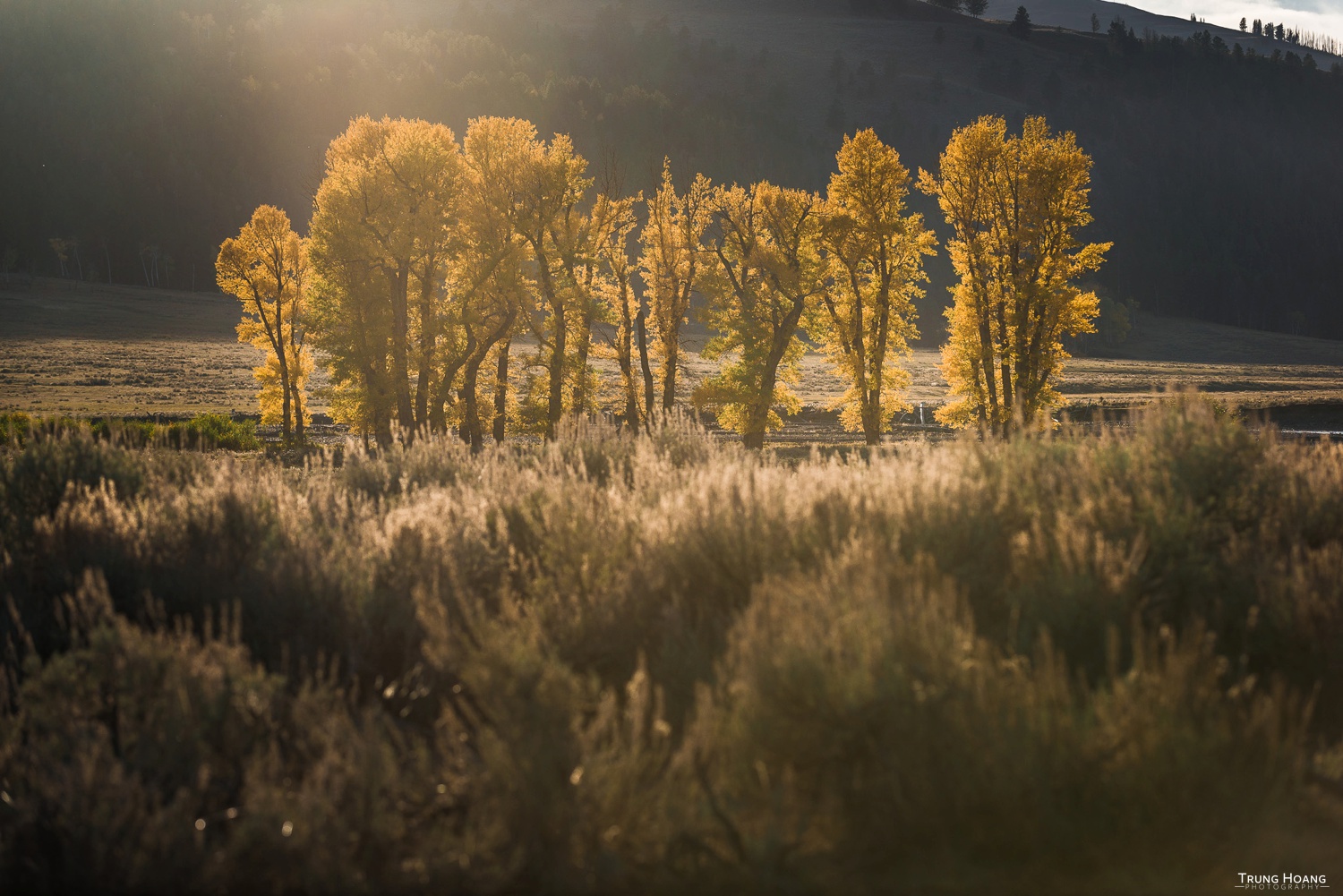
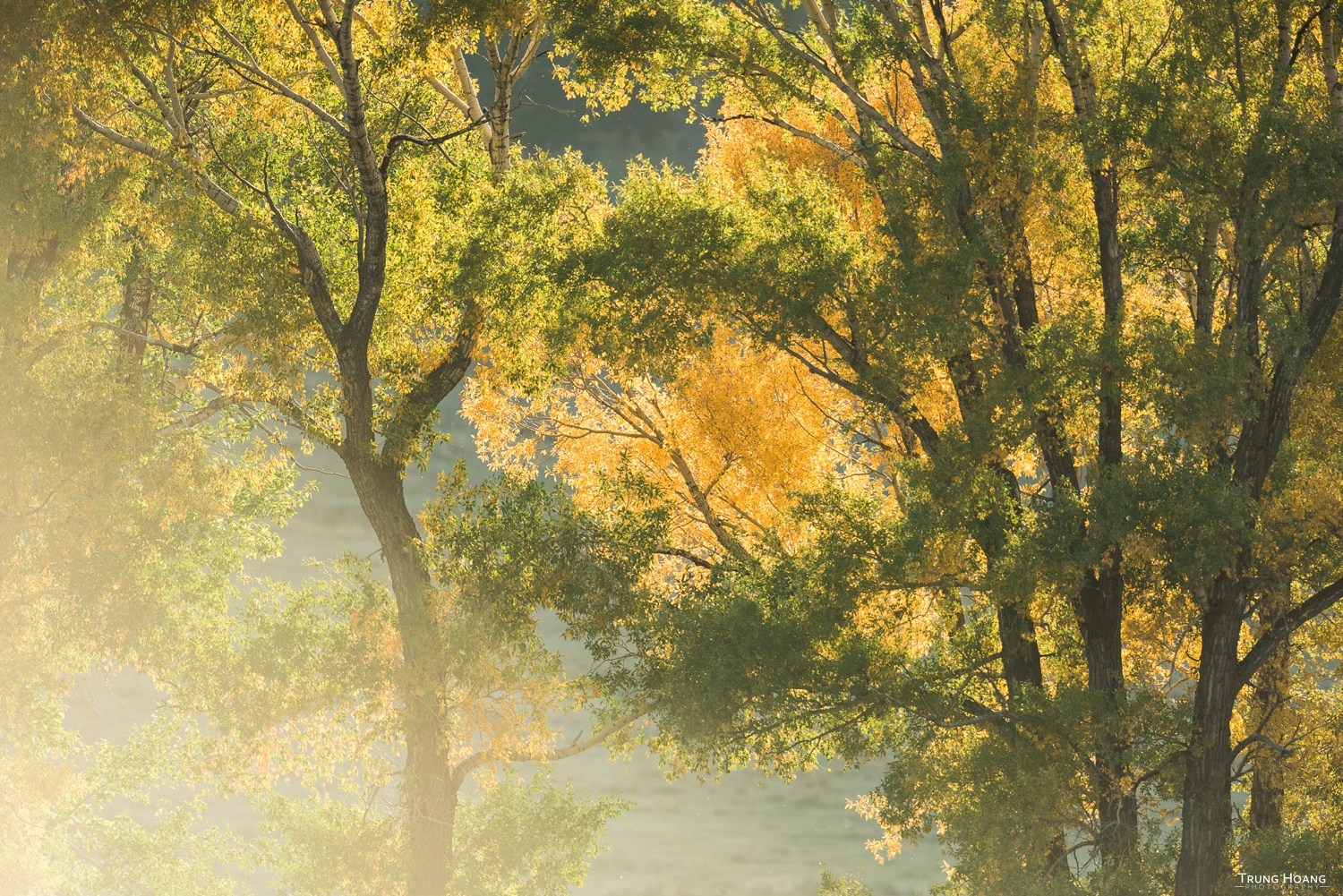
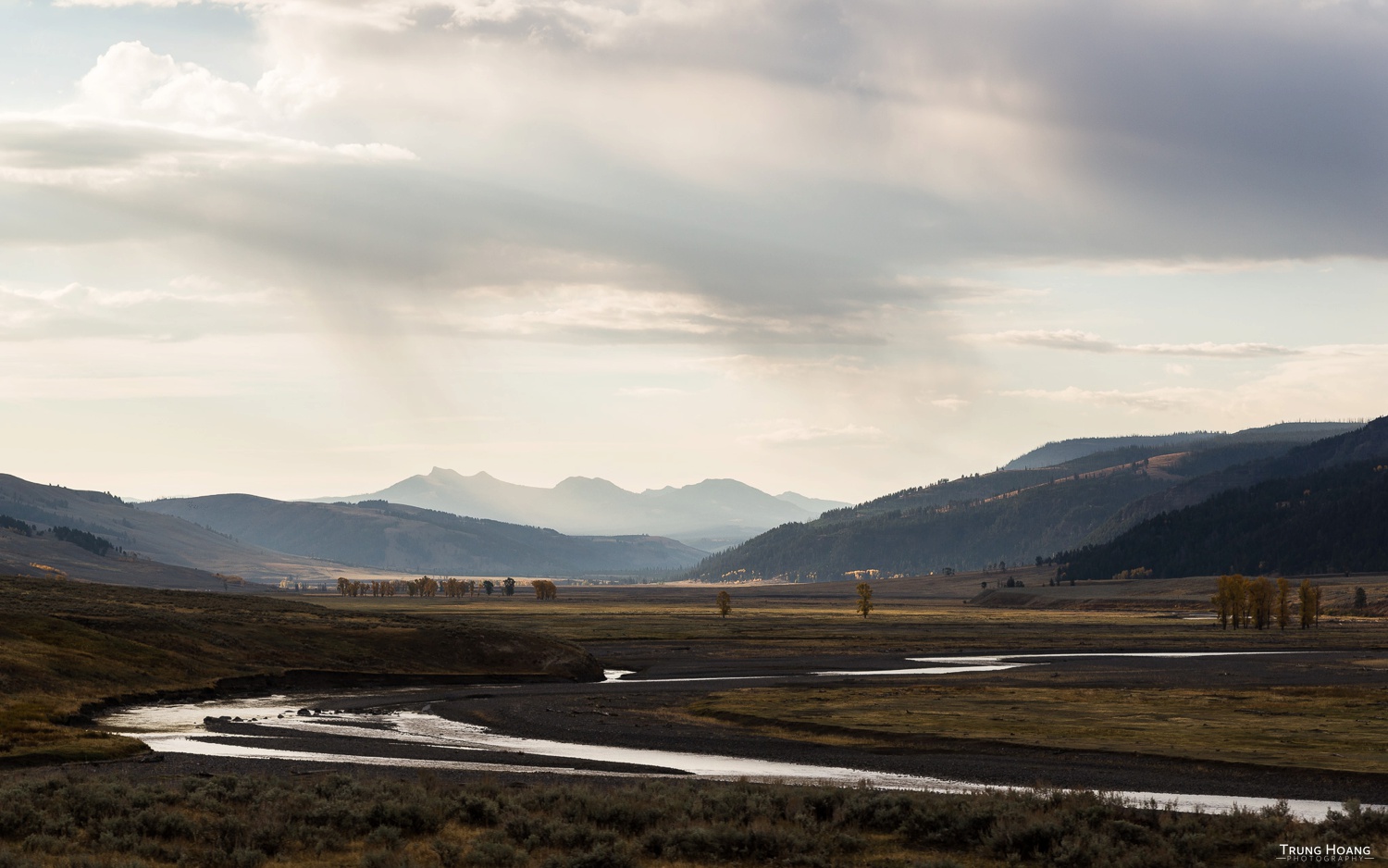
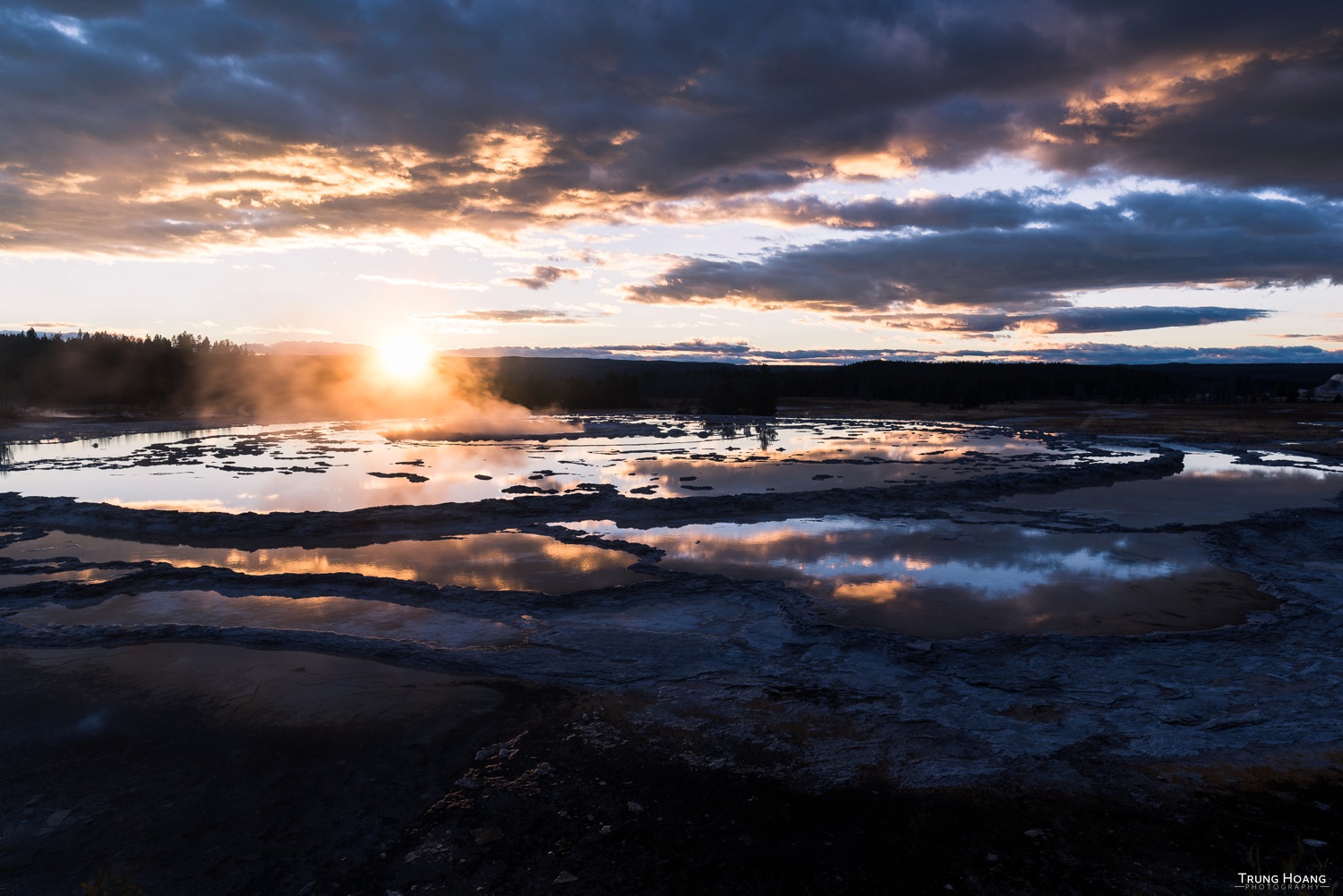
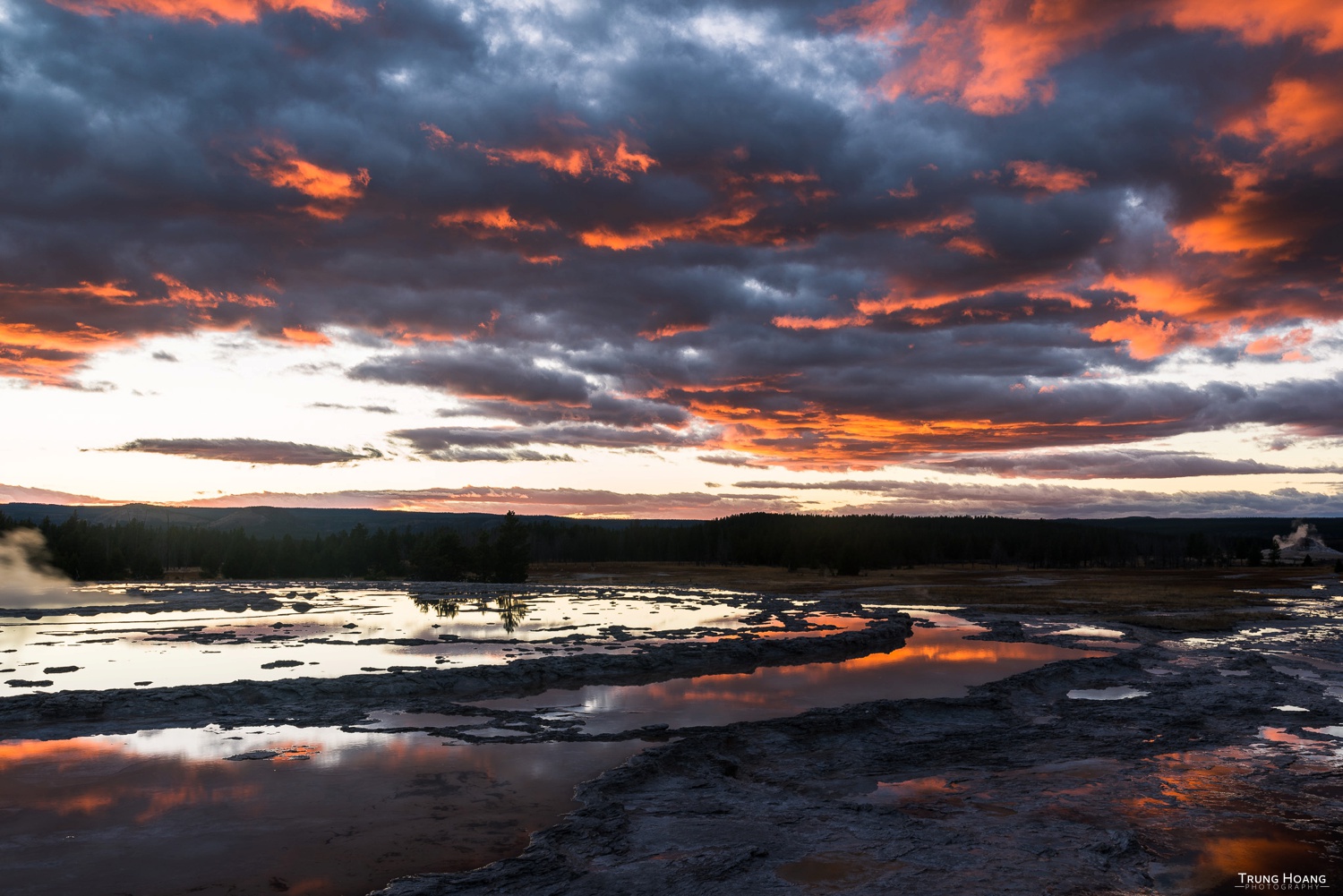
Hope you enjoyed the photos, be sure to stay tuned for the next part of the series!
Update: They're here! Check out part 2, featuring Yellowstone wildlife, and part 3 from Grand Teton National Park!
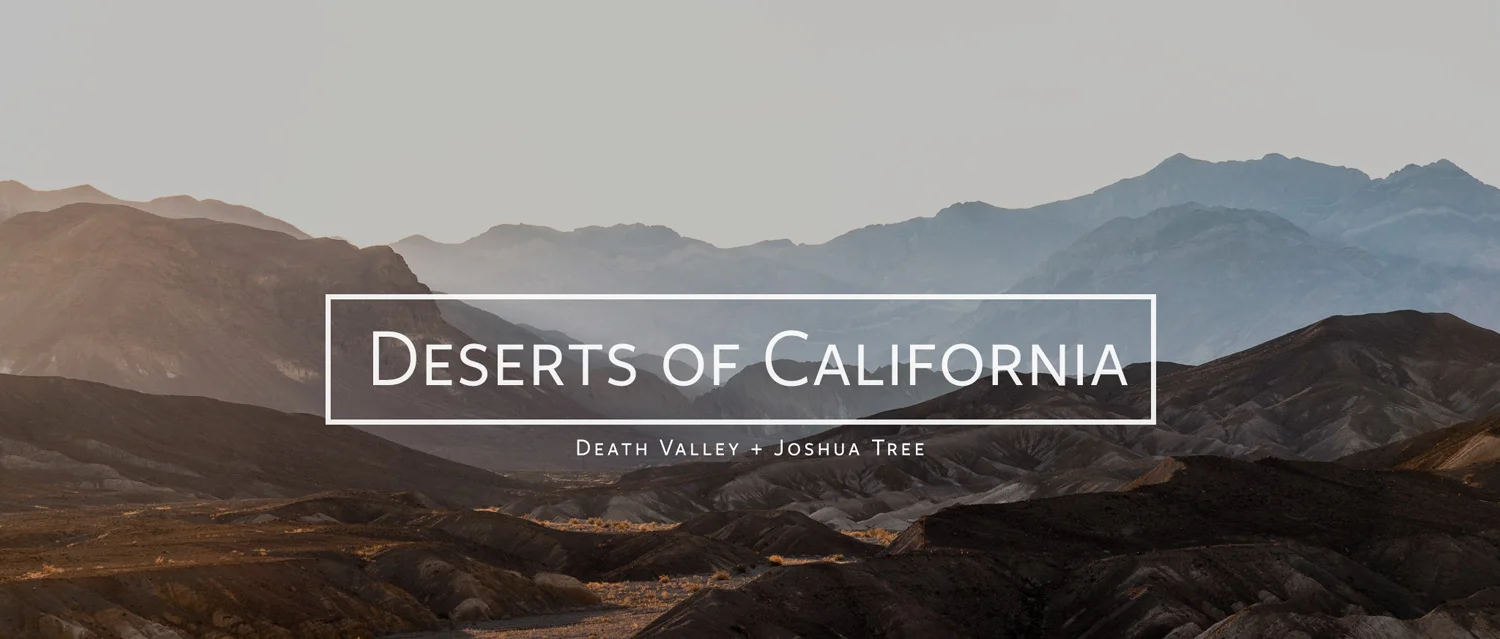
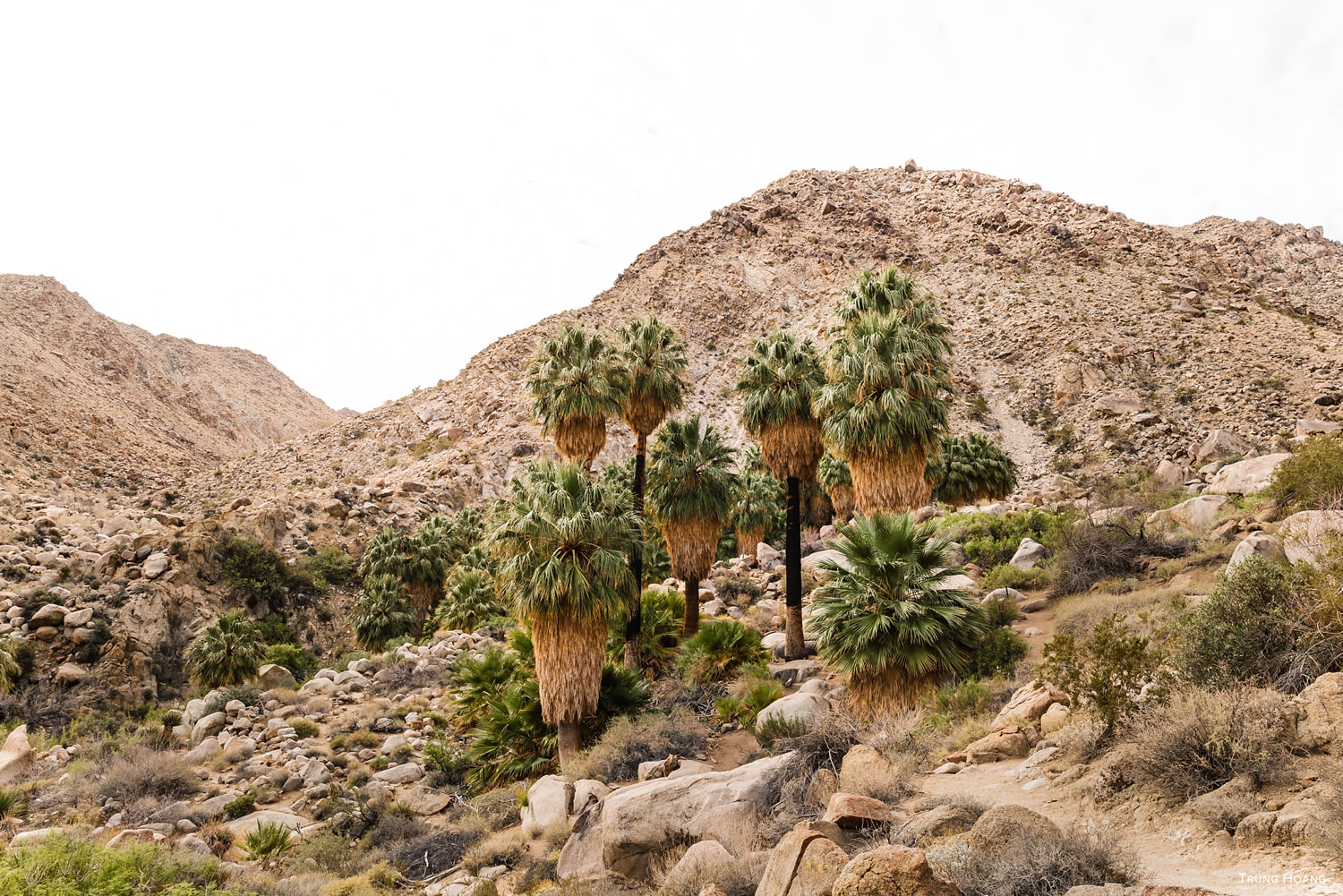
Personal Travel to the Southern California Deserts // Death Valley + Joshua Tree National Park // San Francisco Wedding Photographers
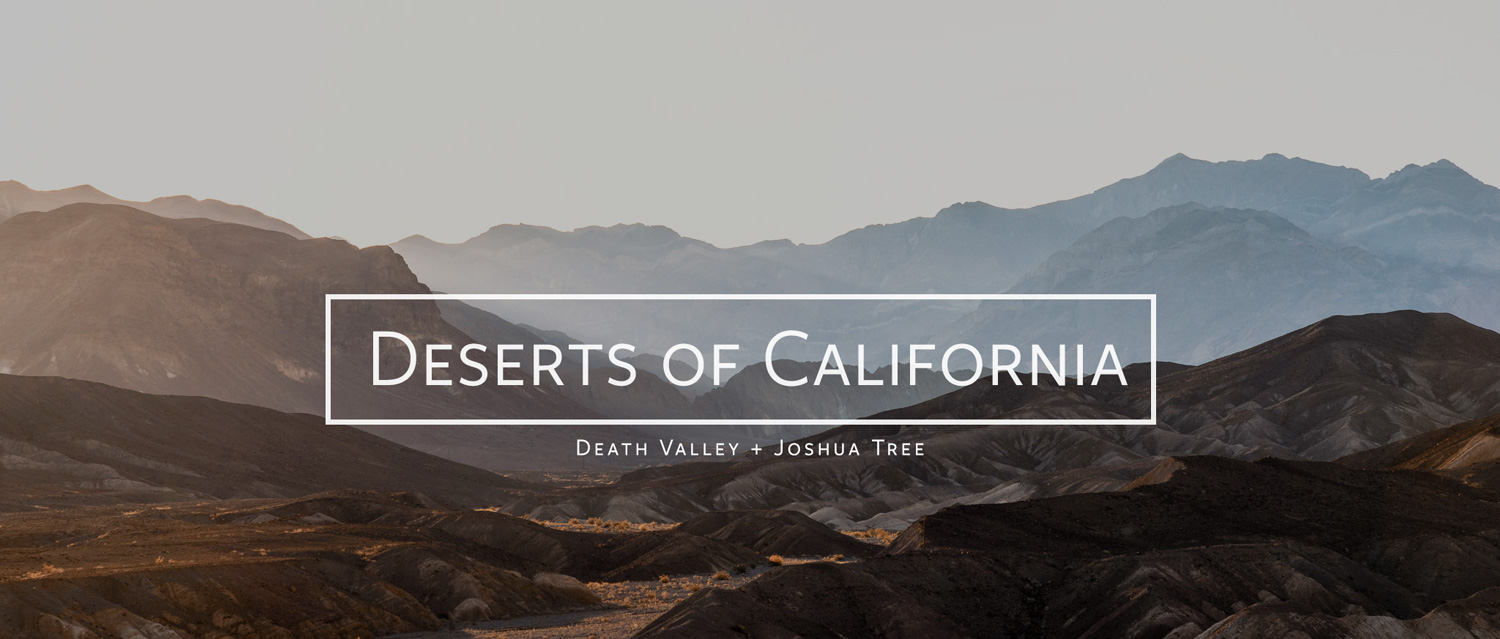
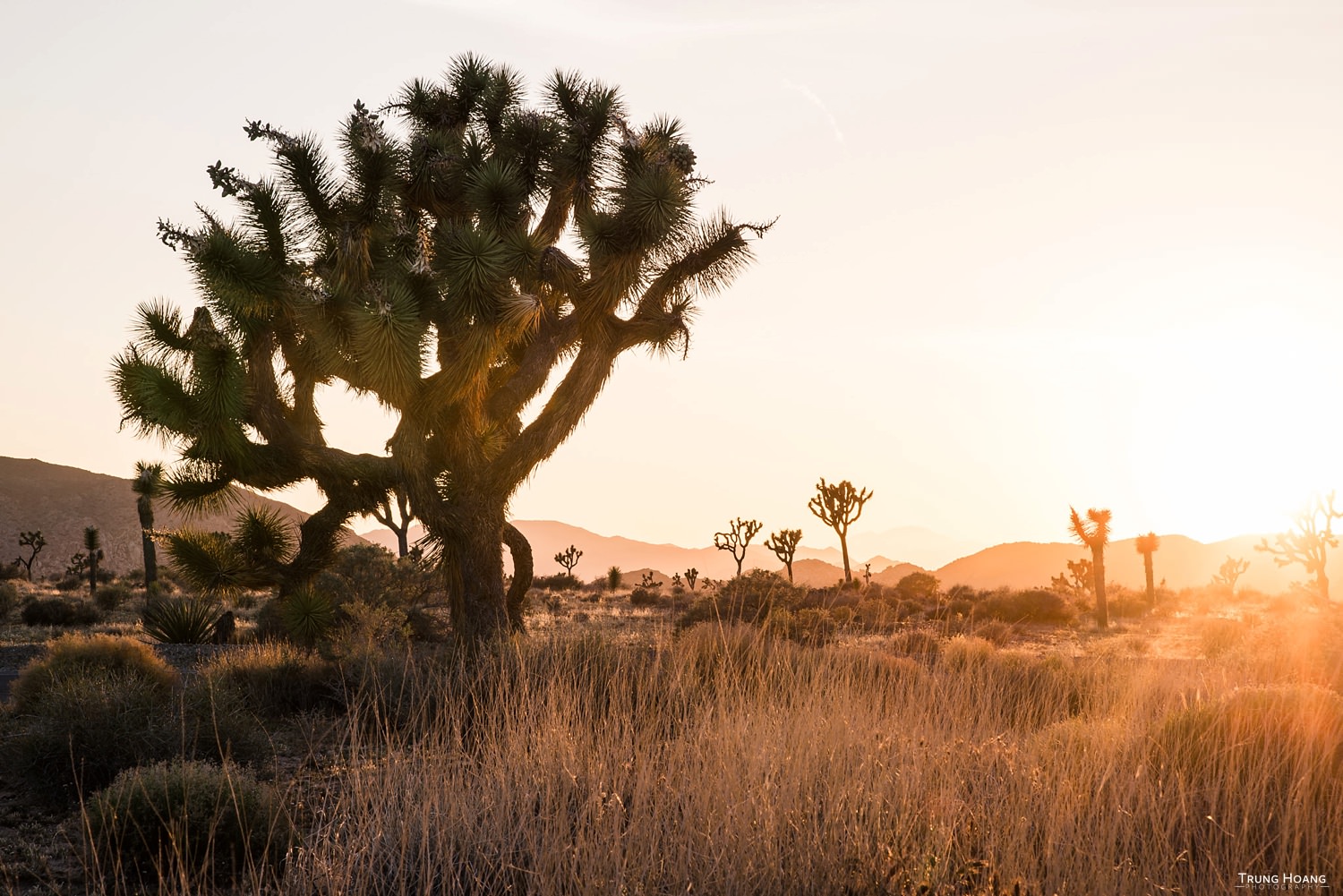
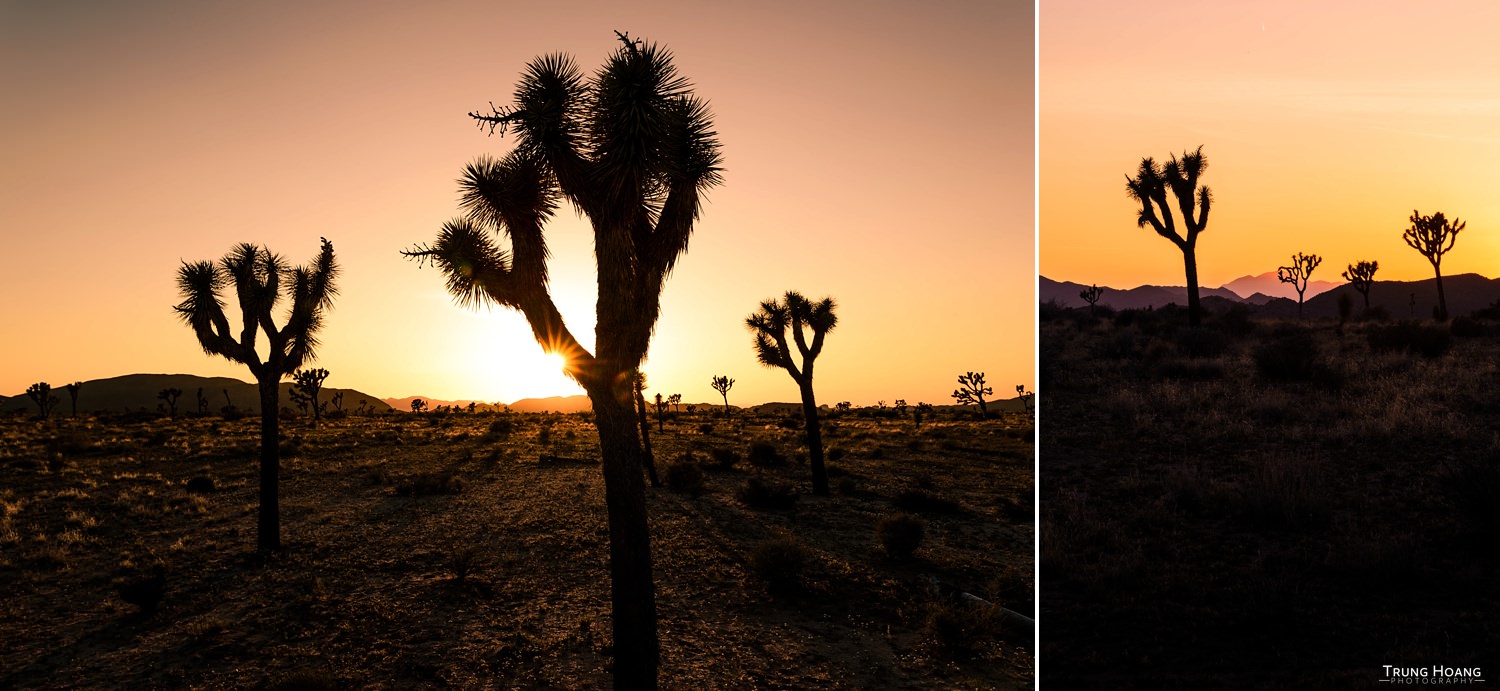
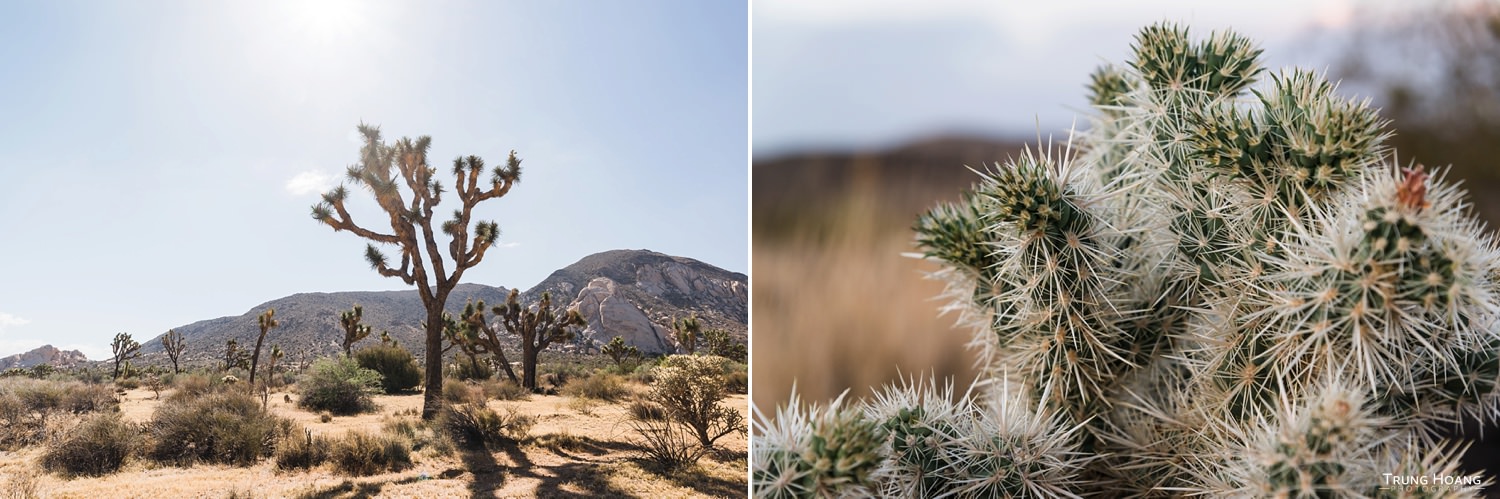
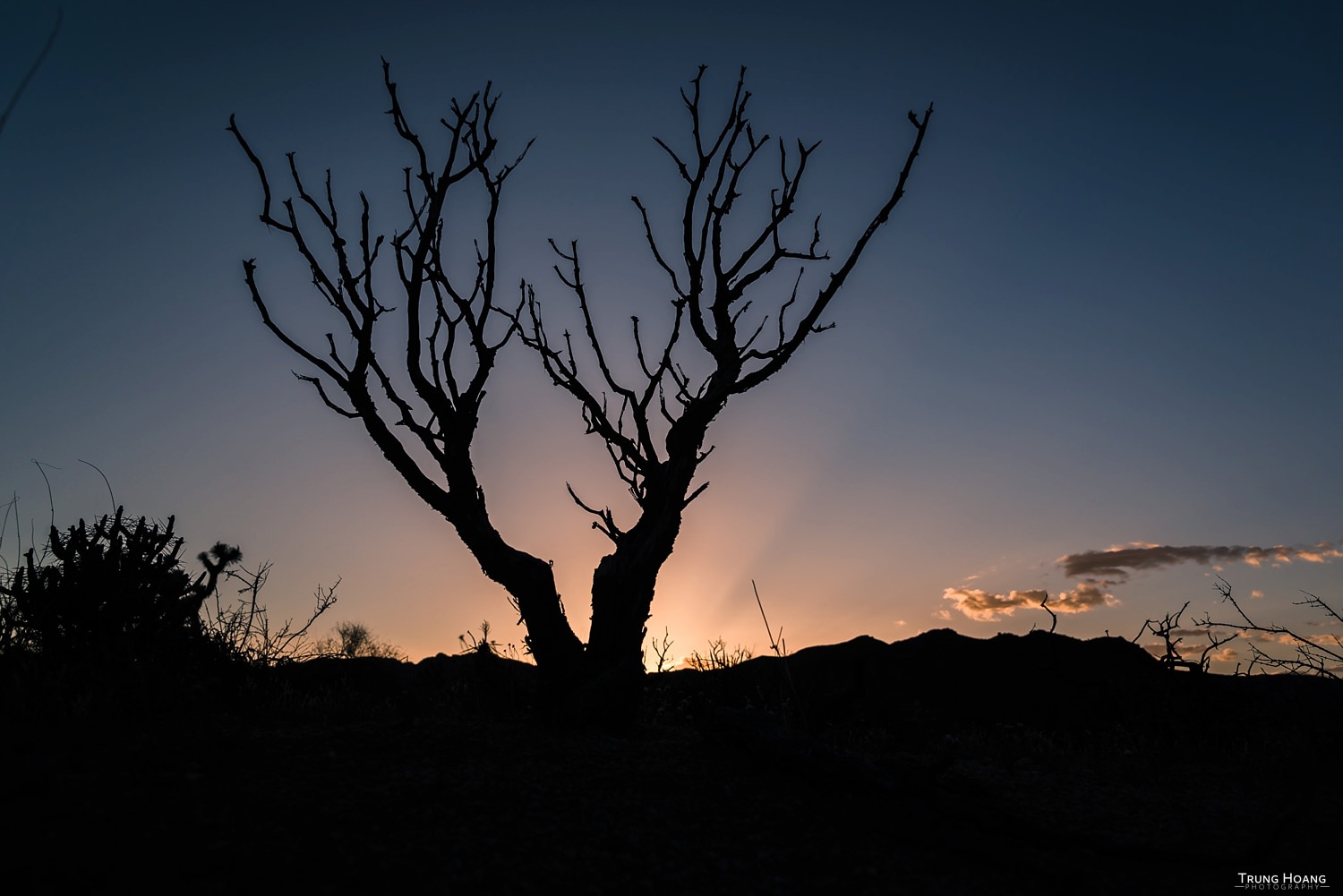
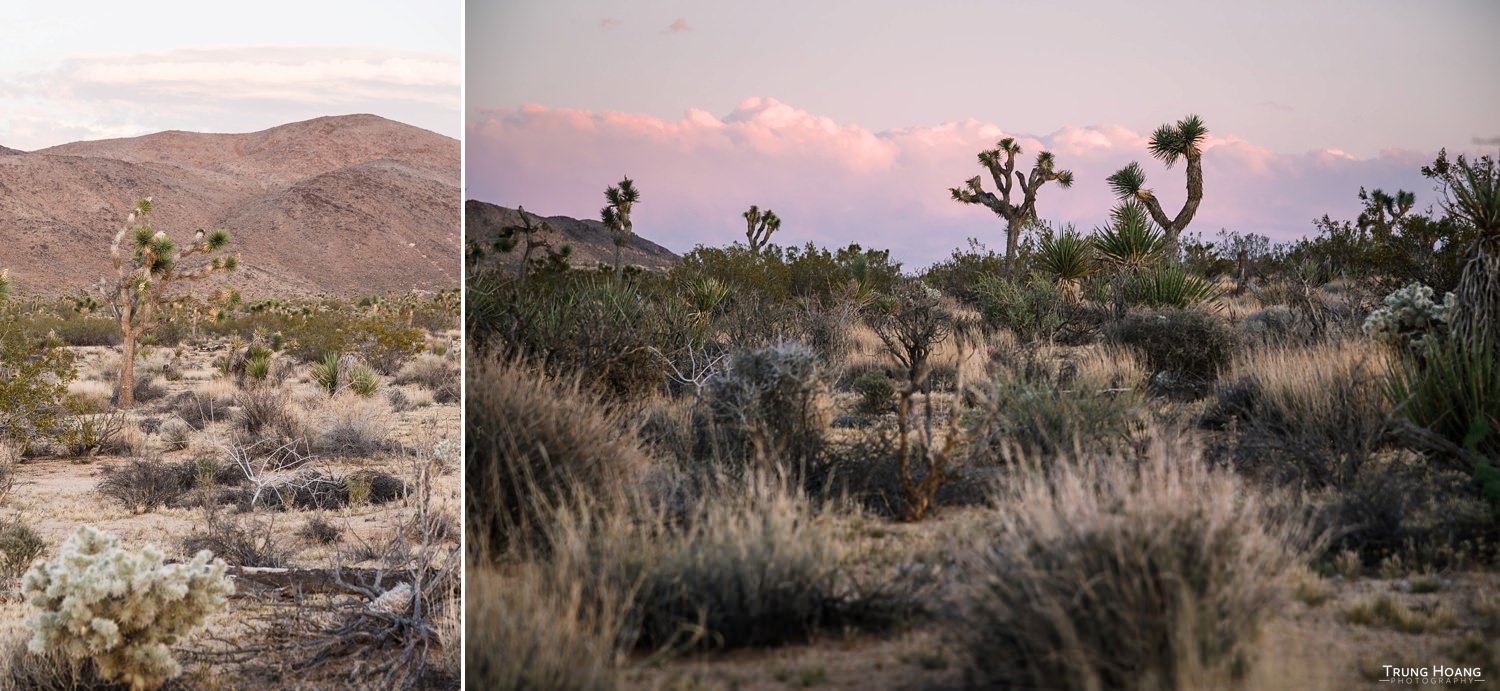
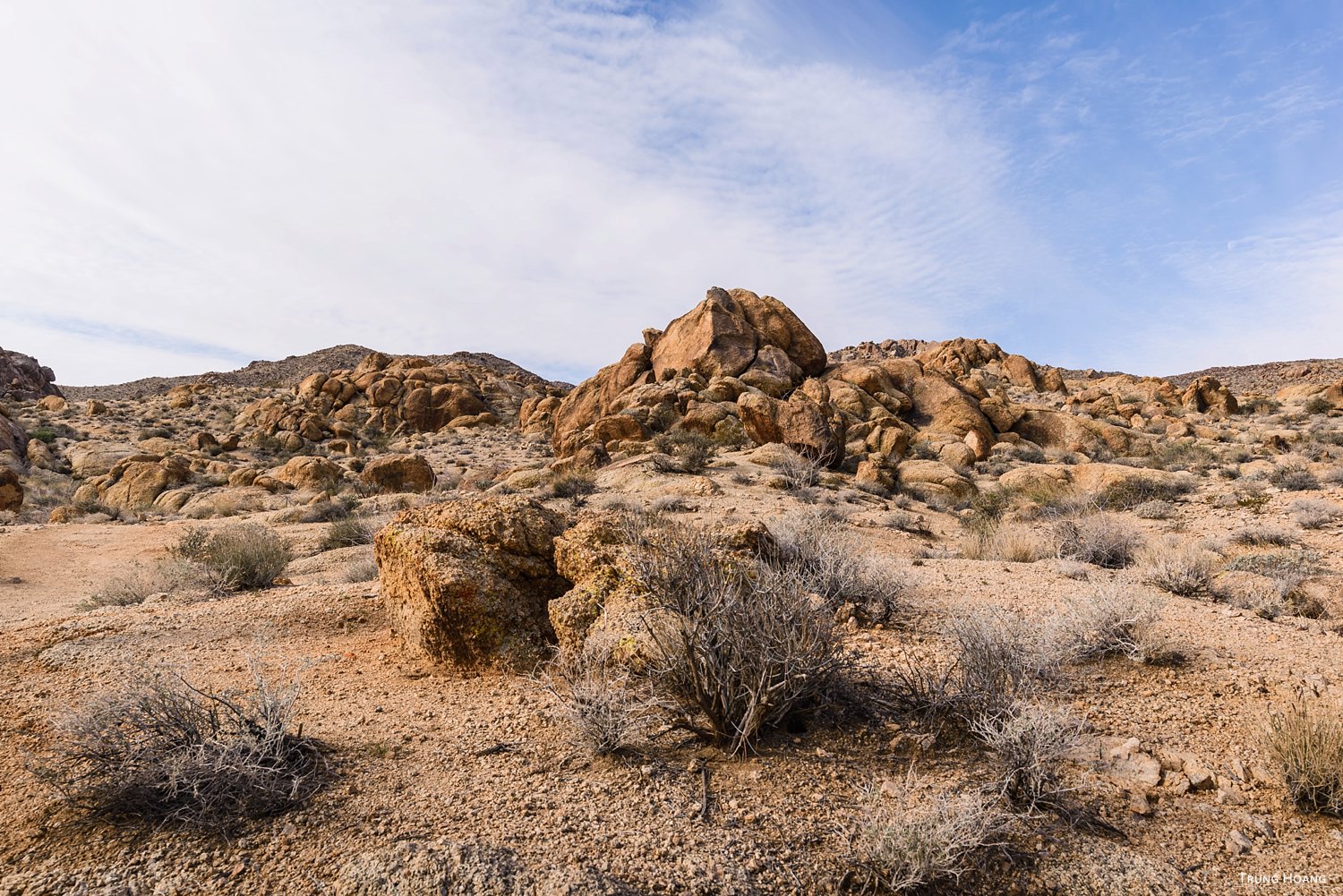
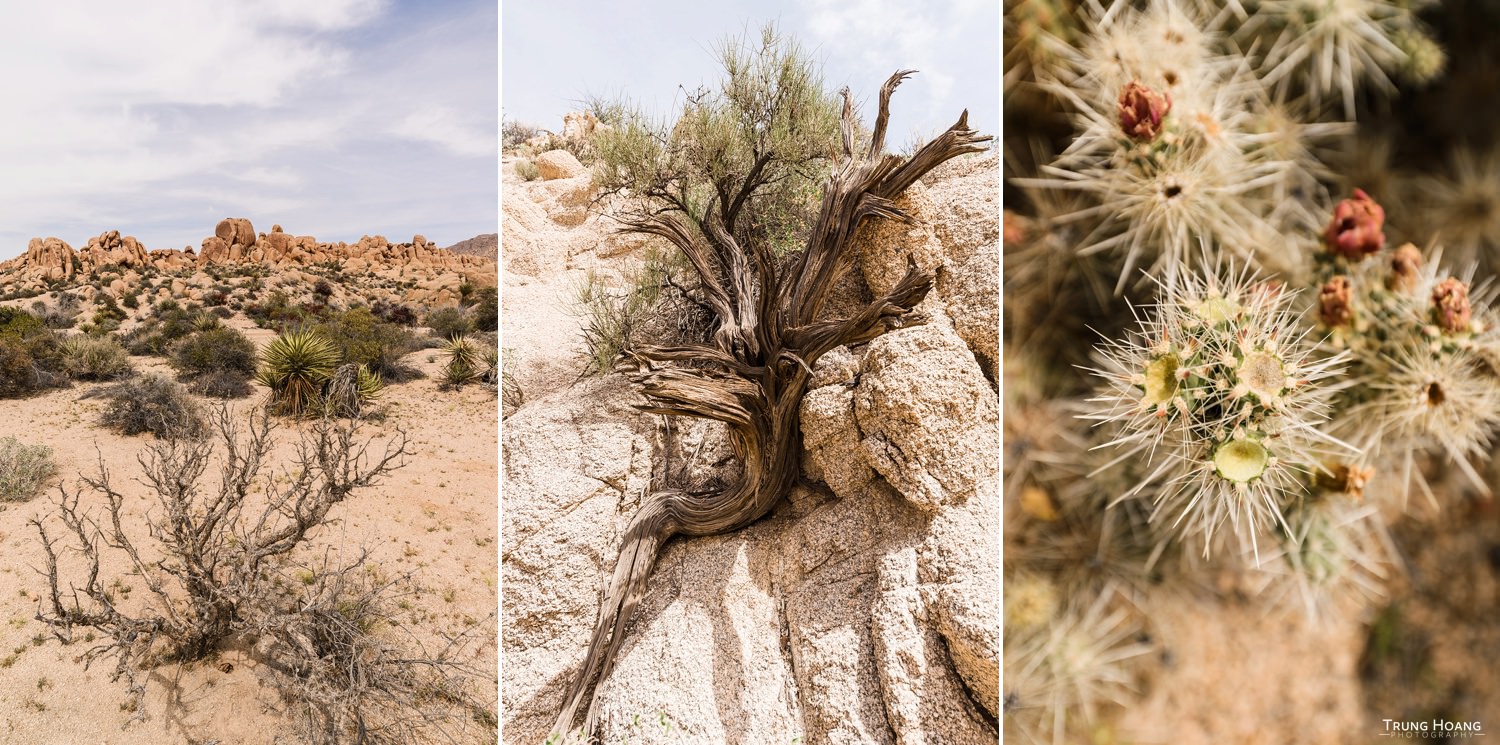
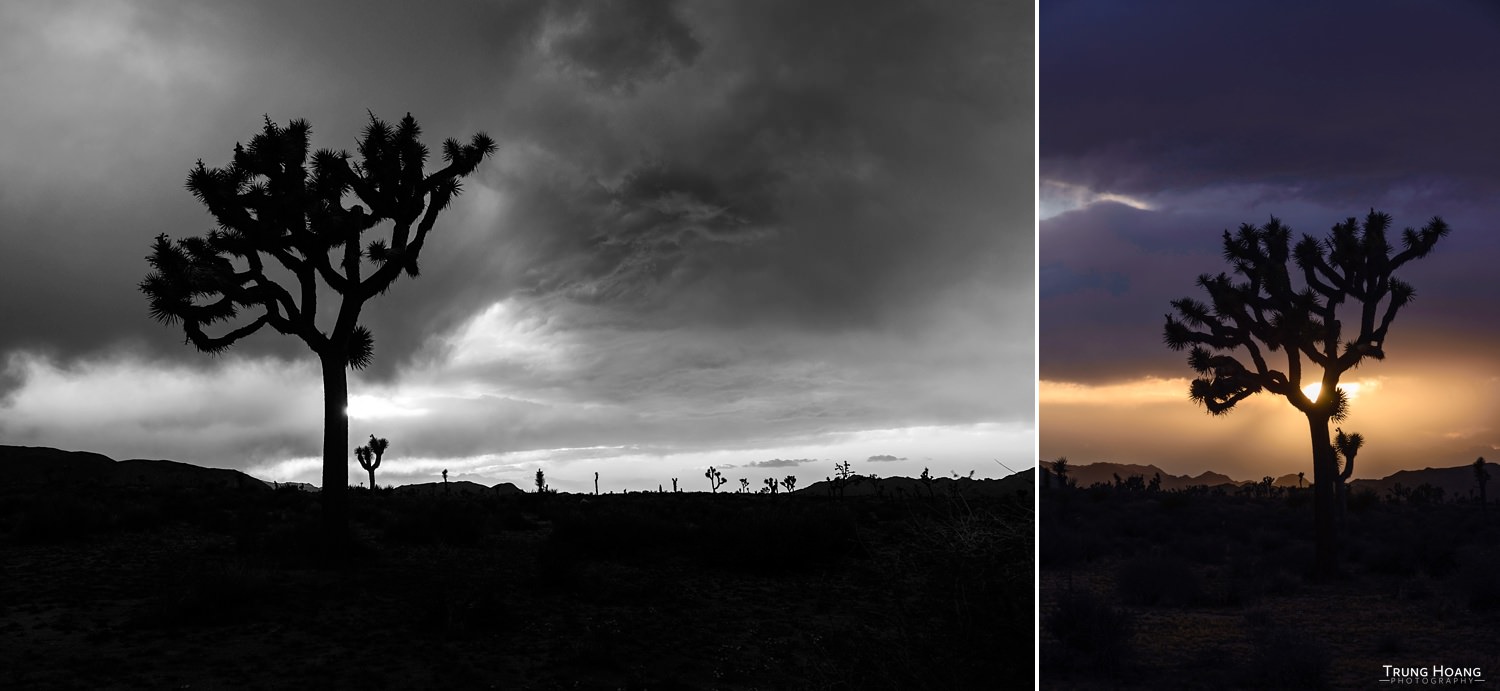
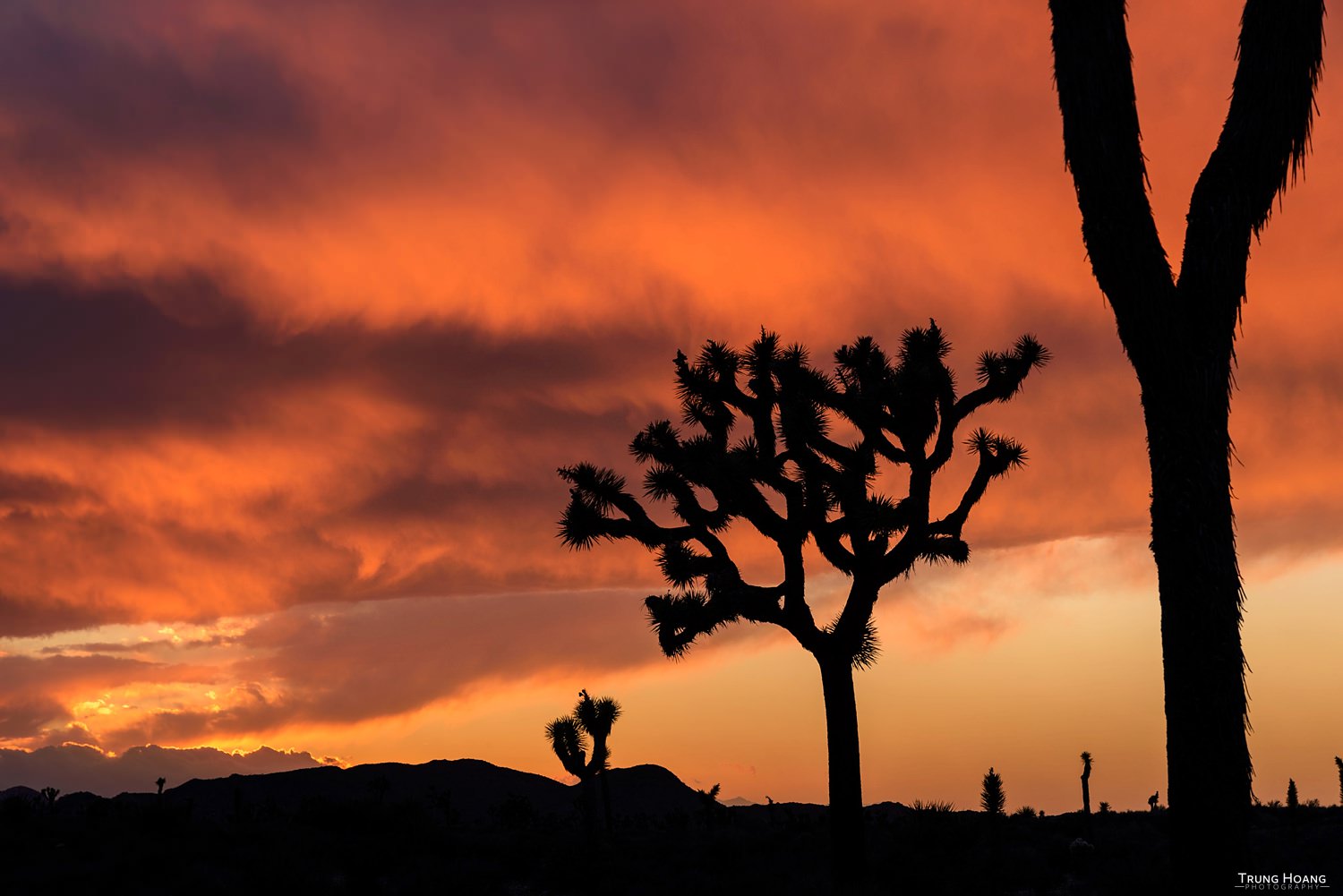
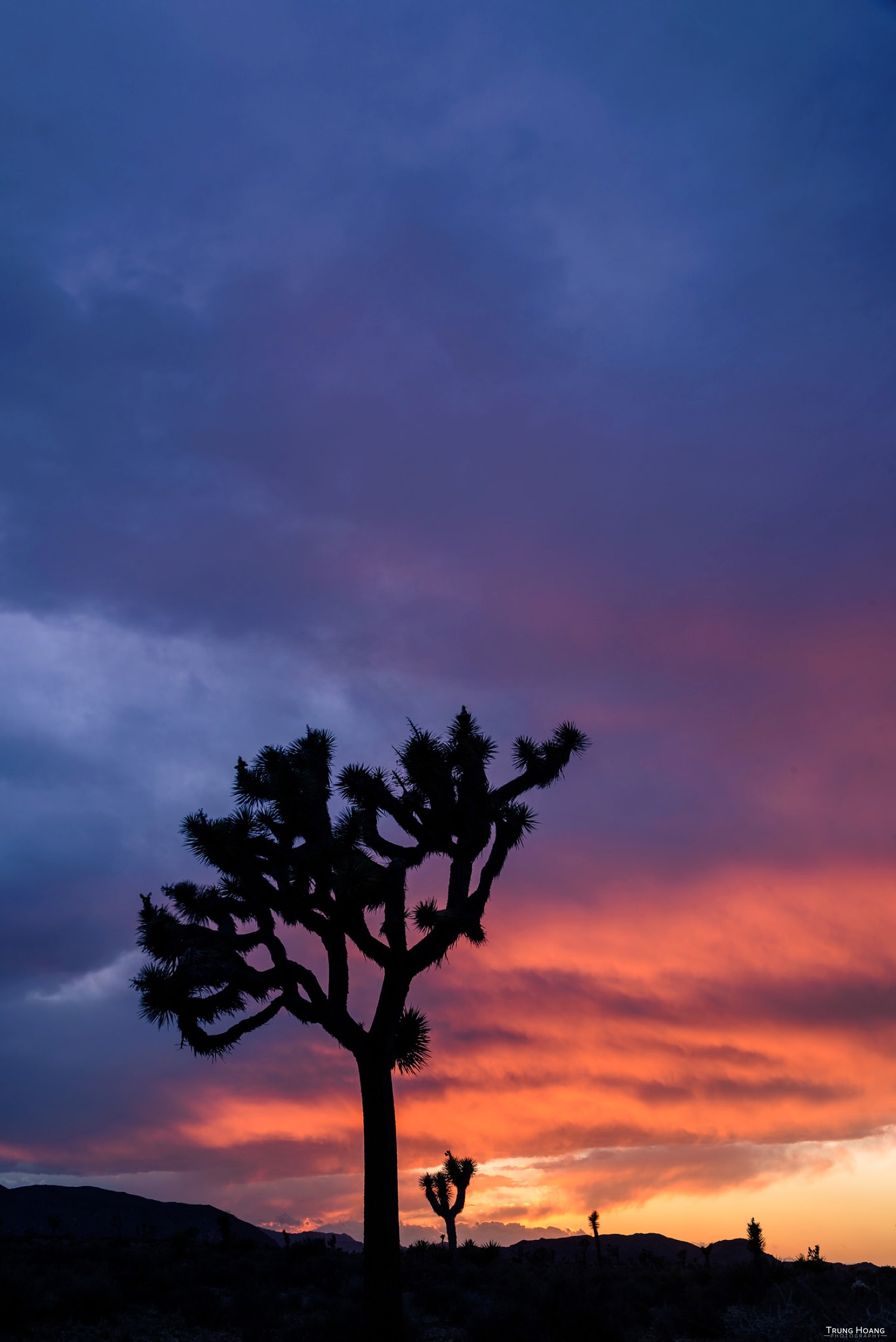
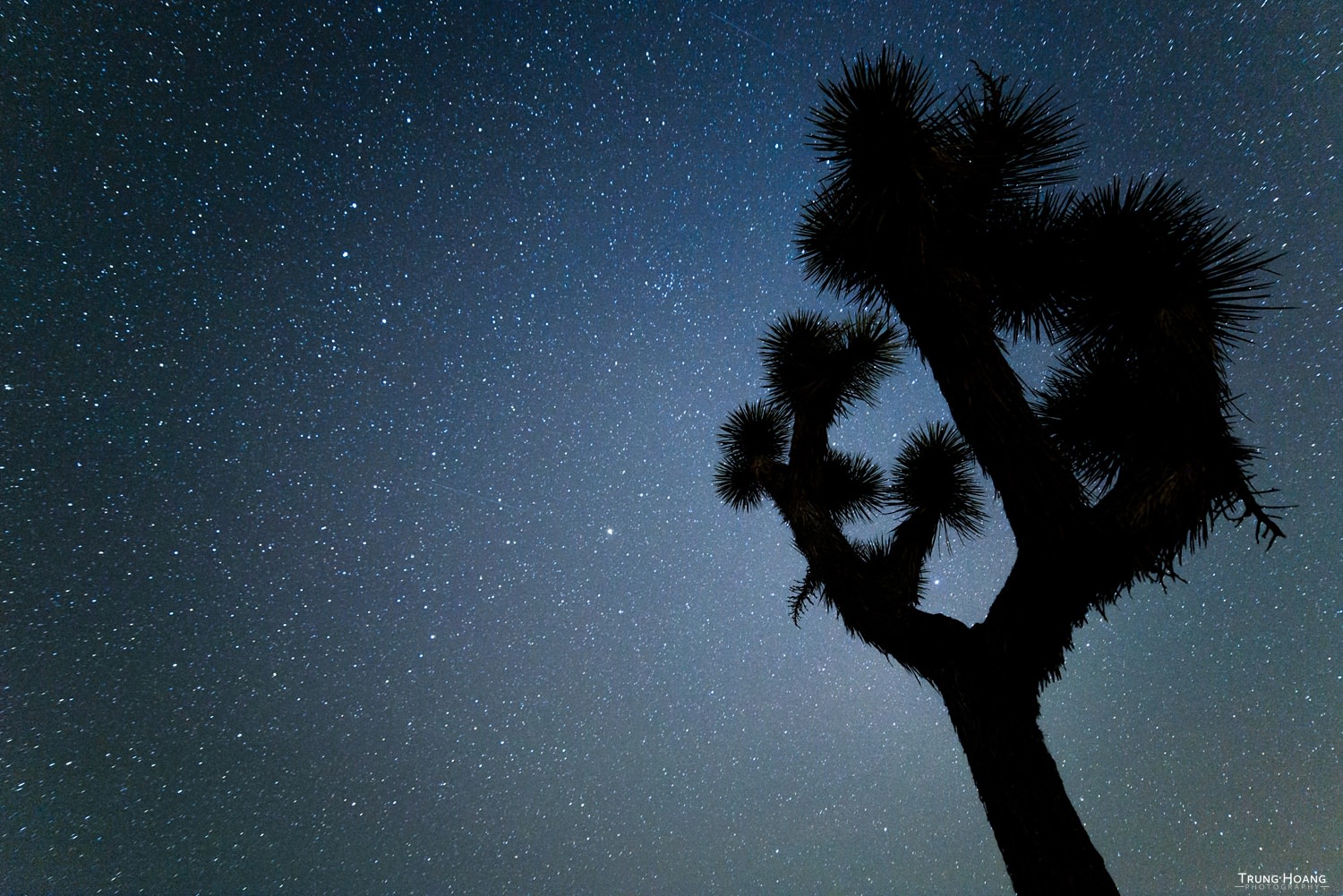
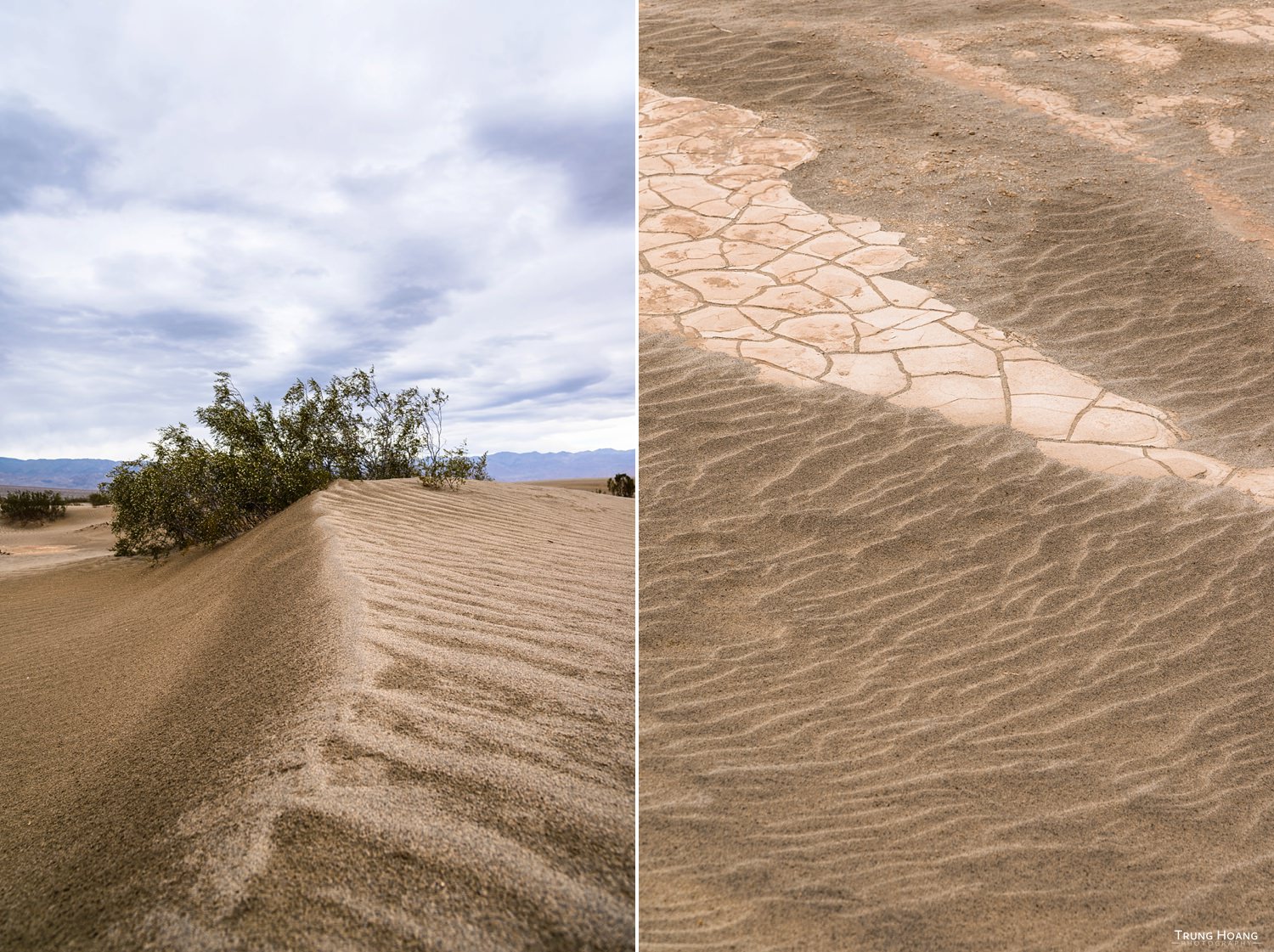
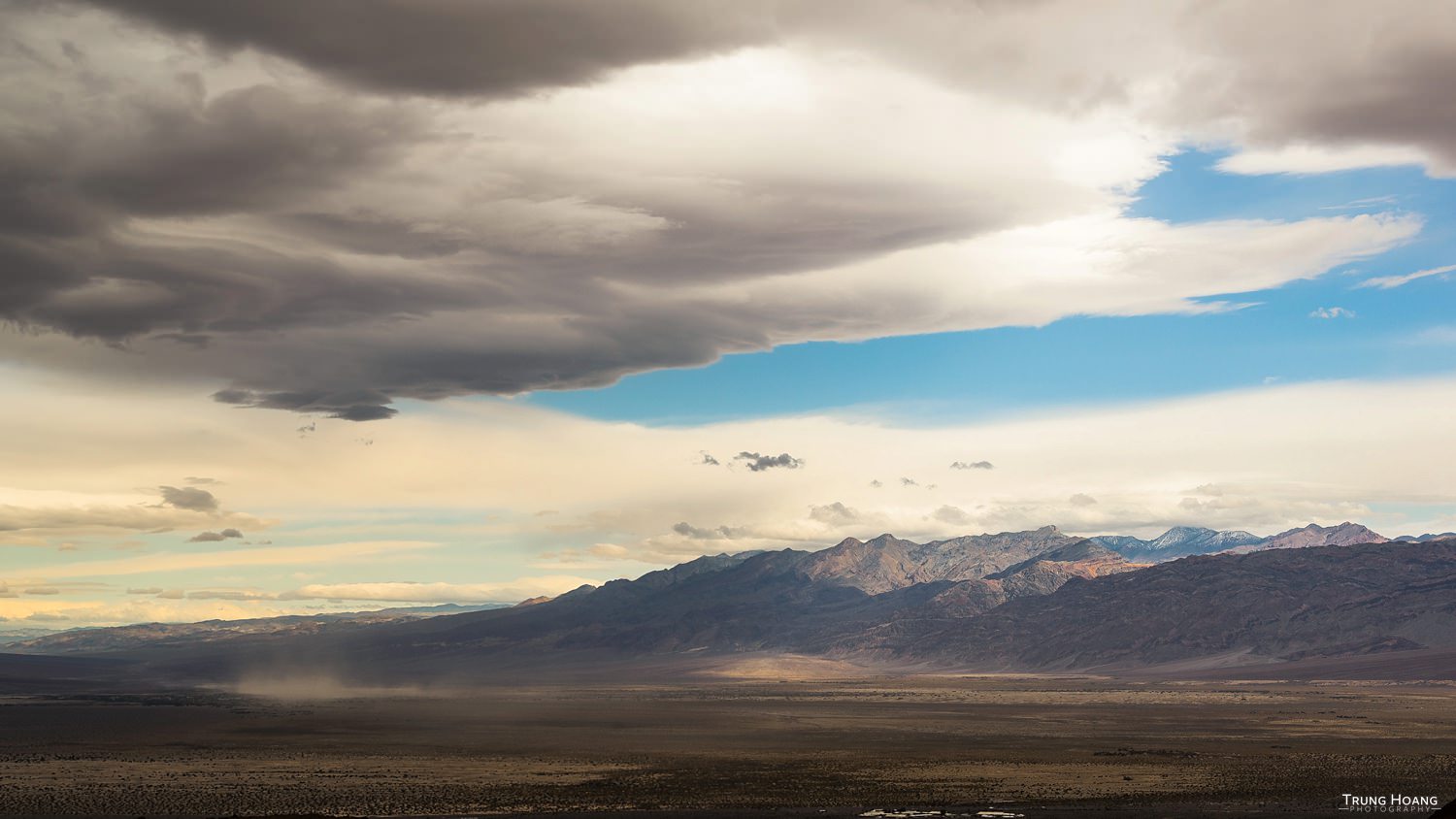
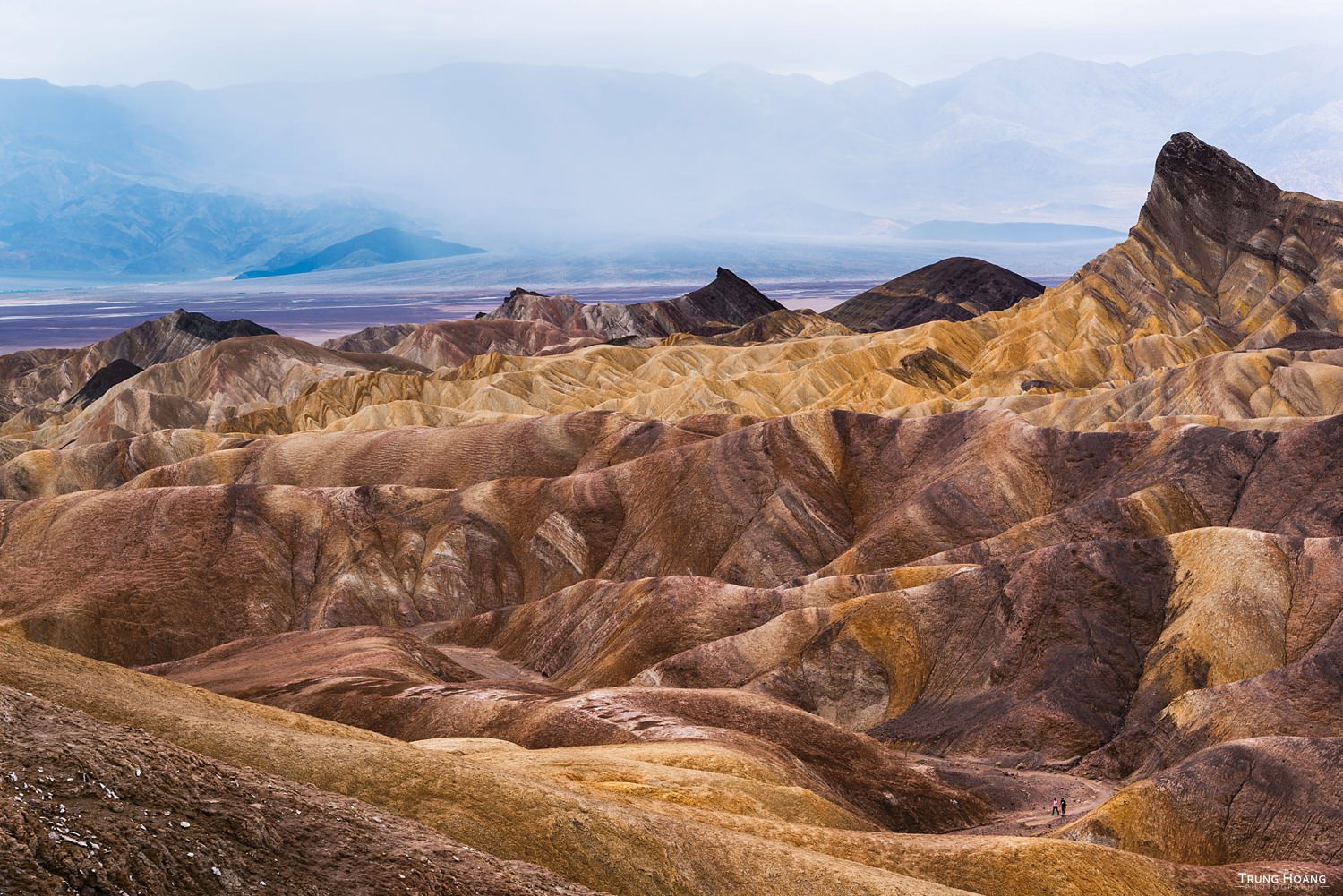
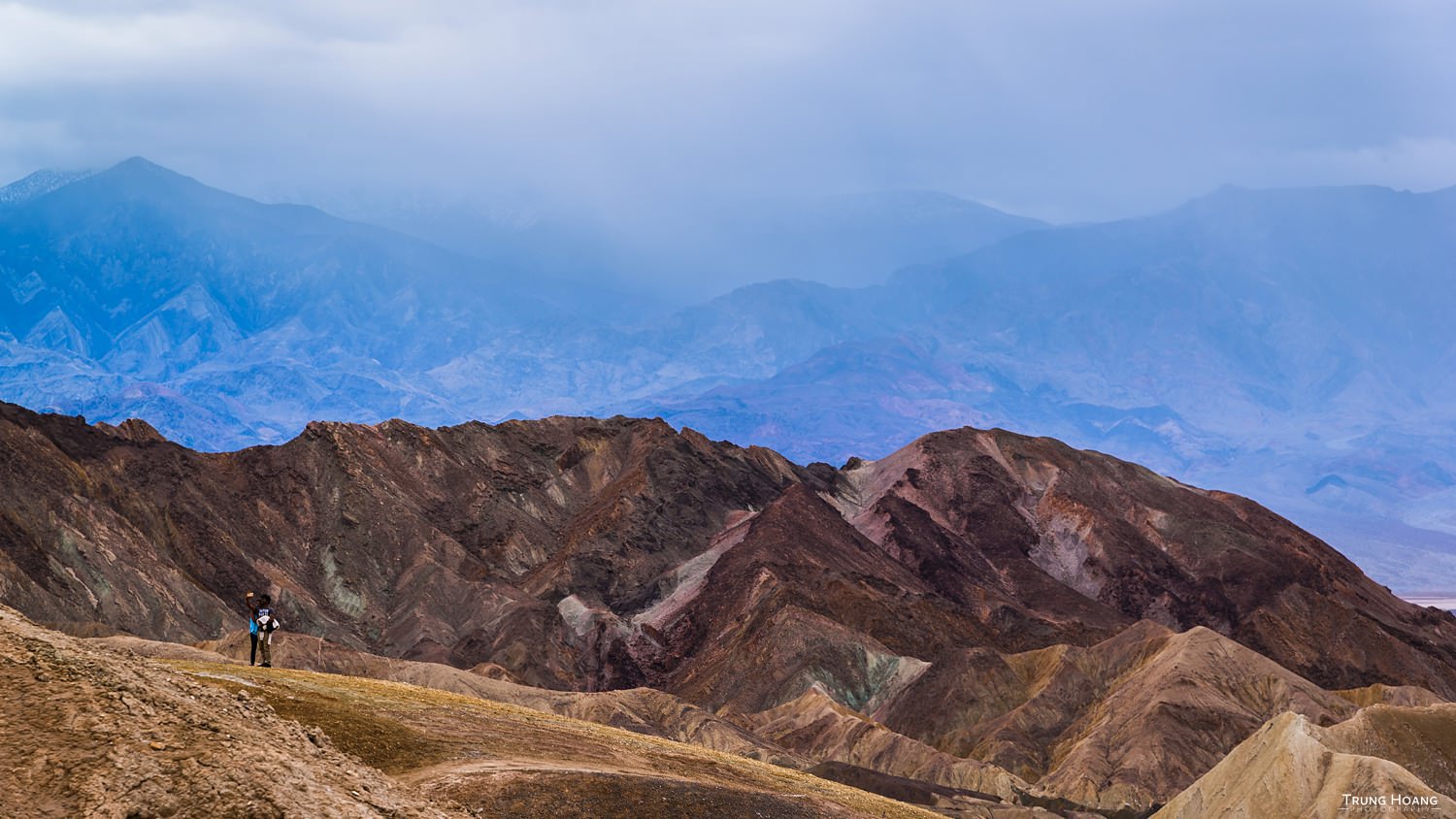
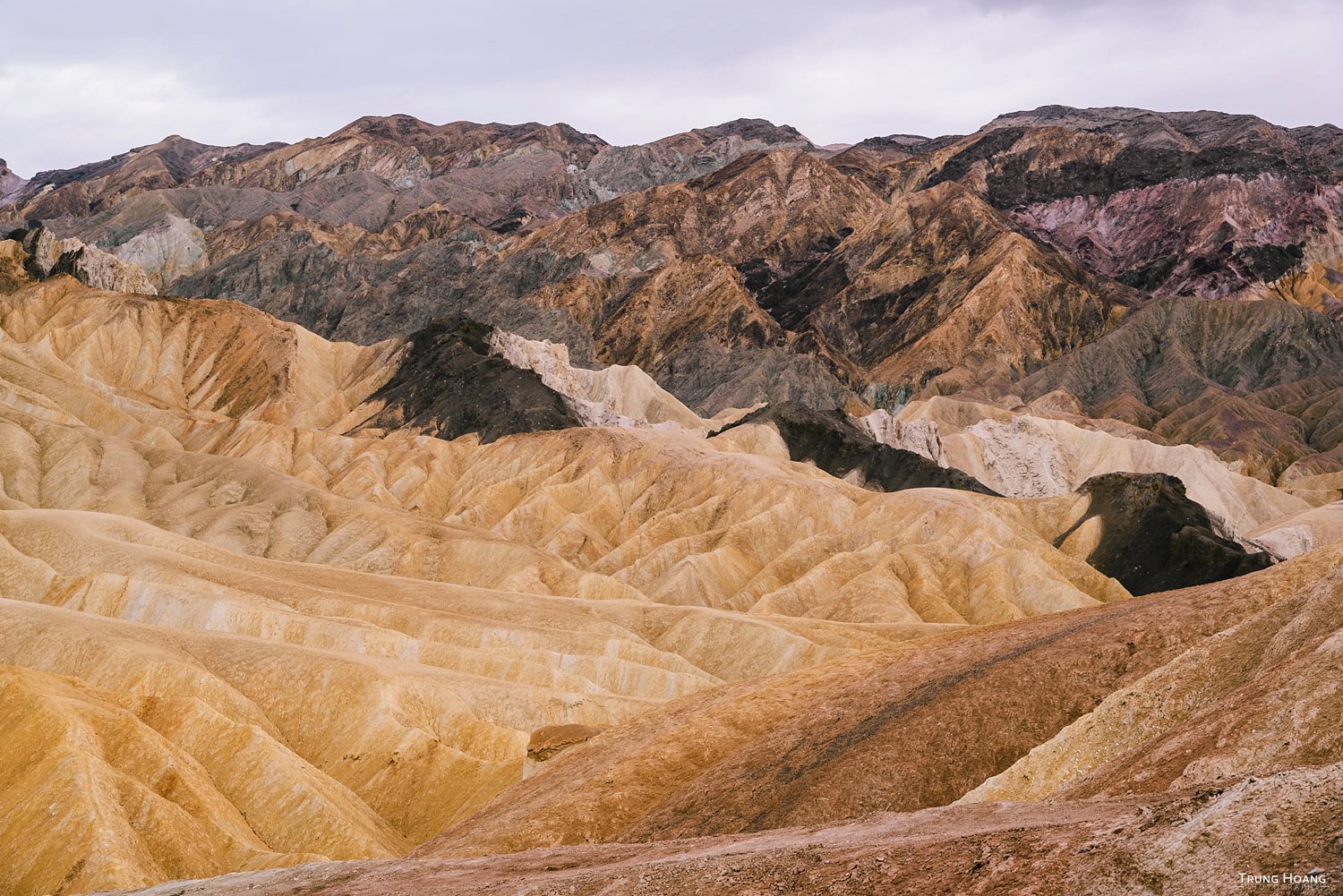
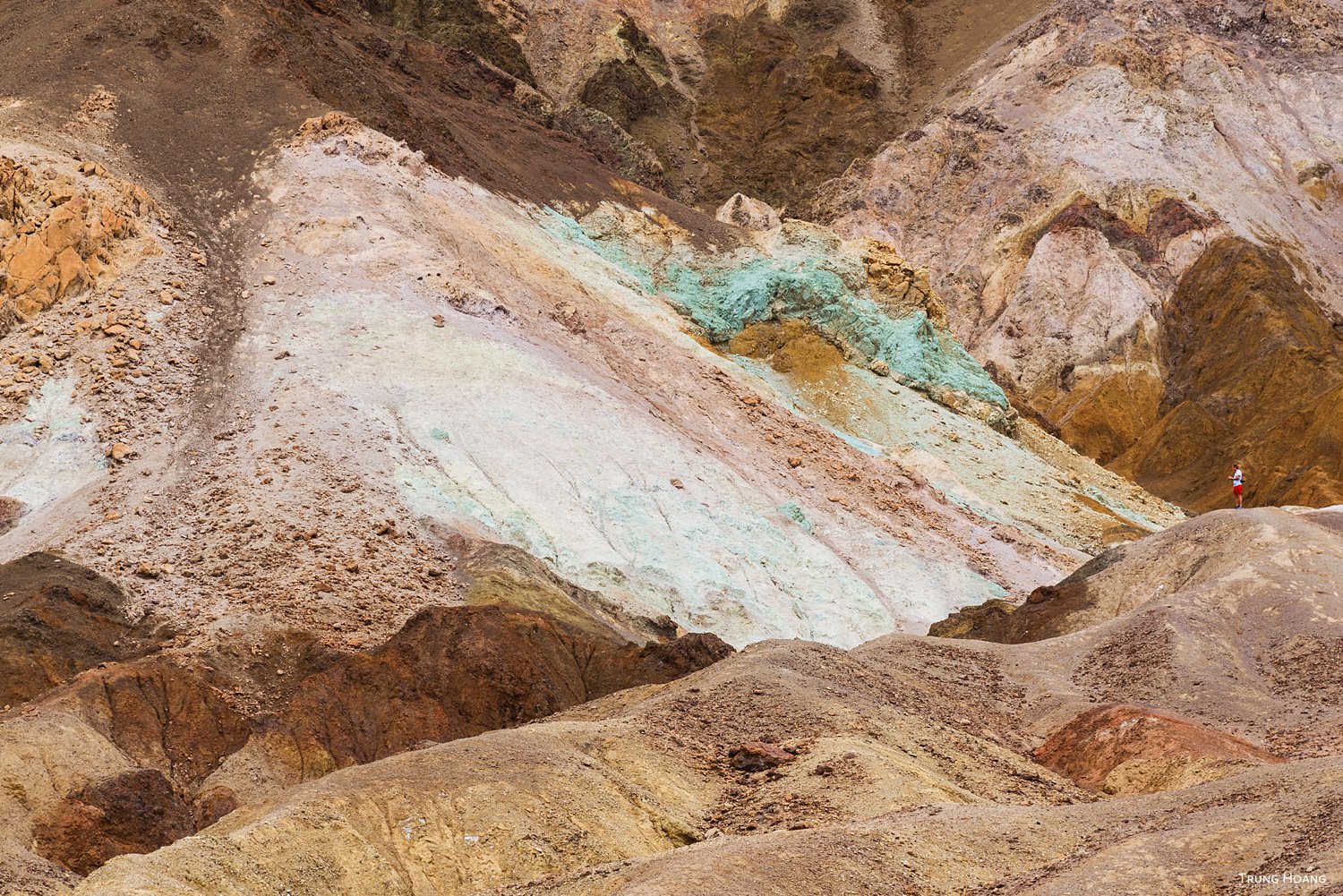
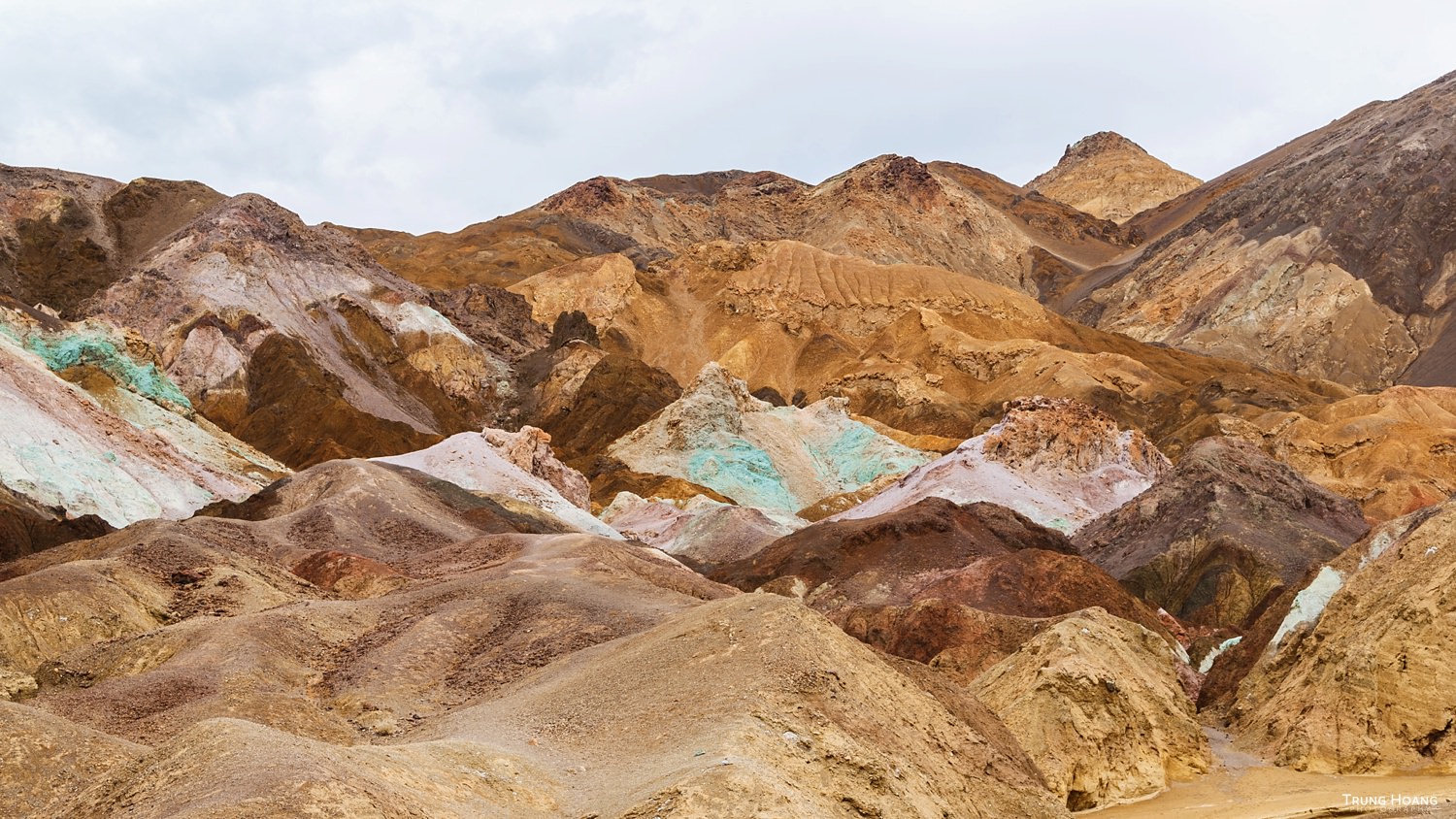
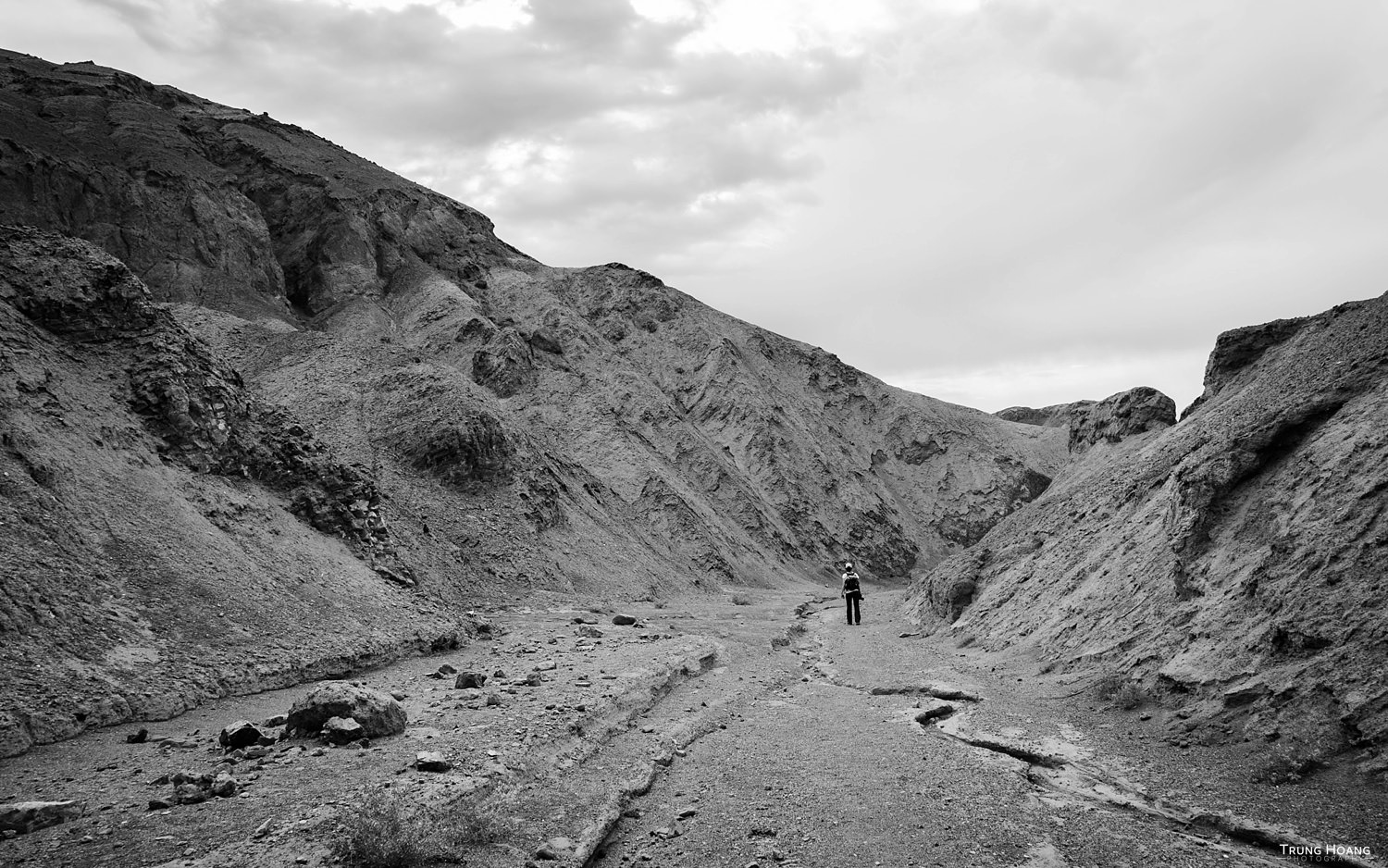
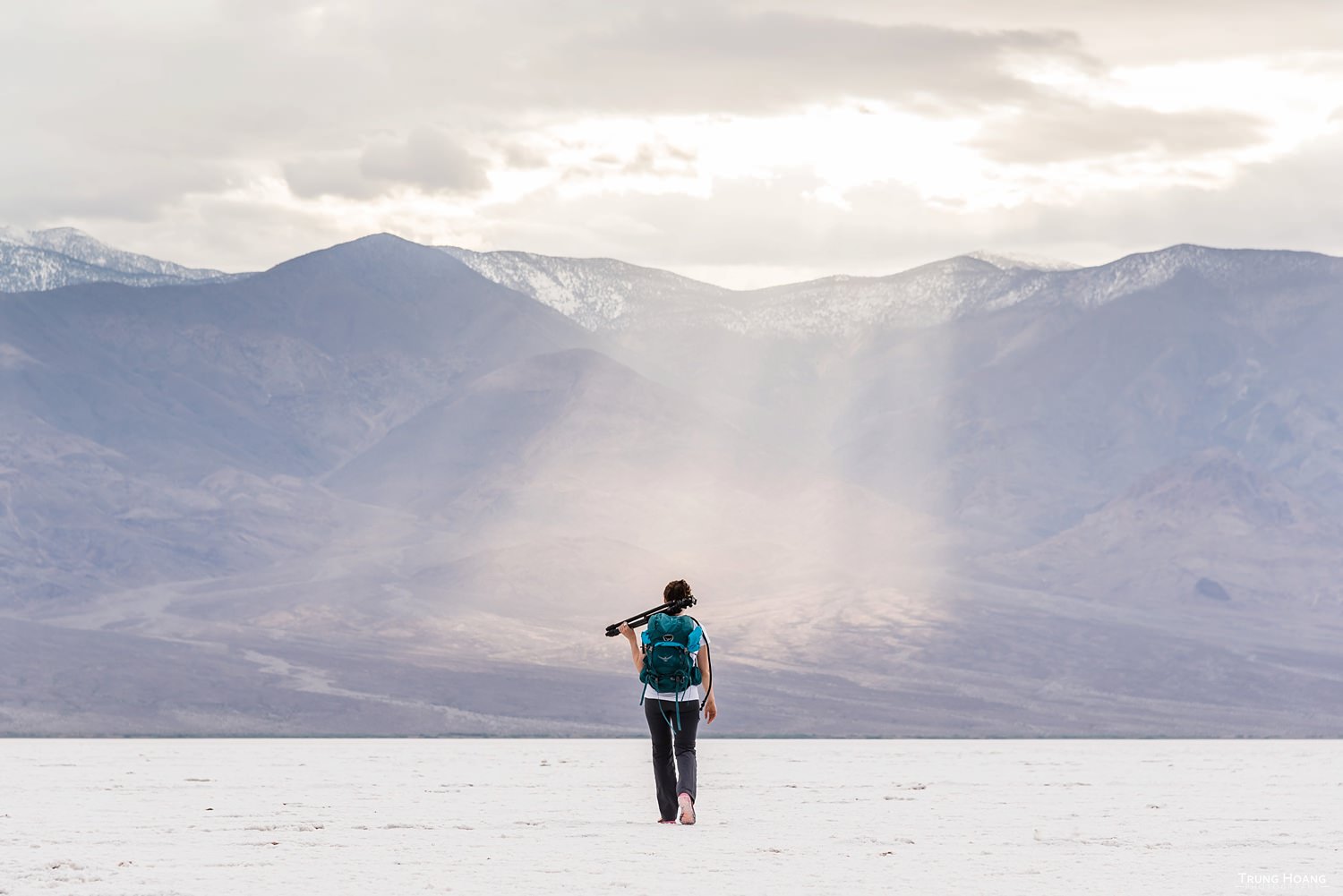
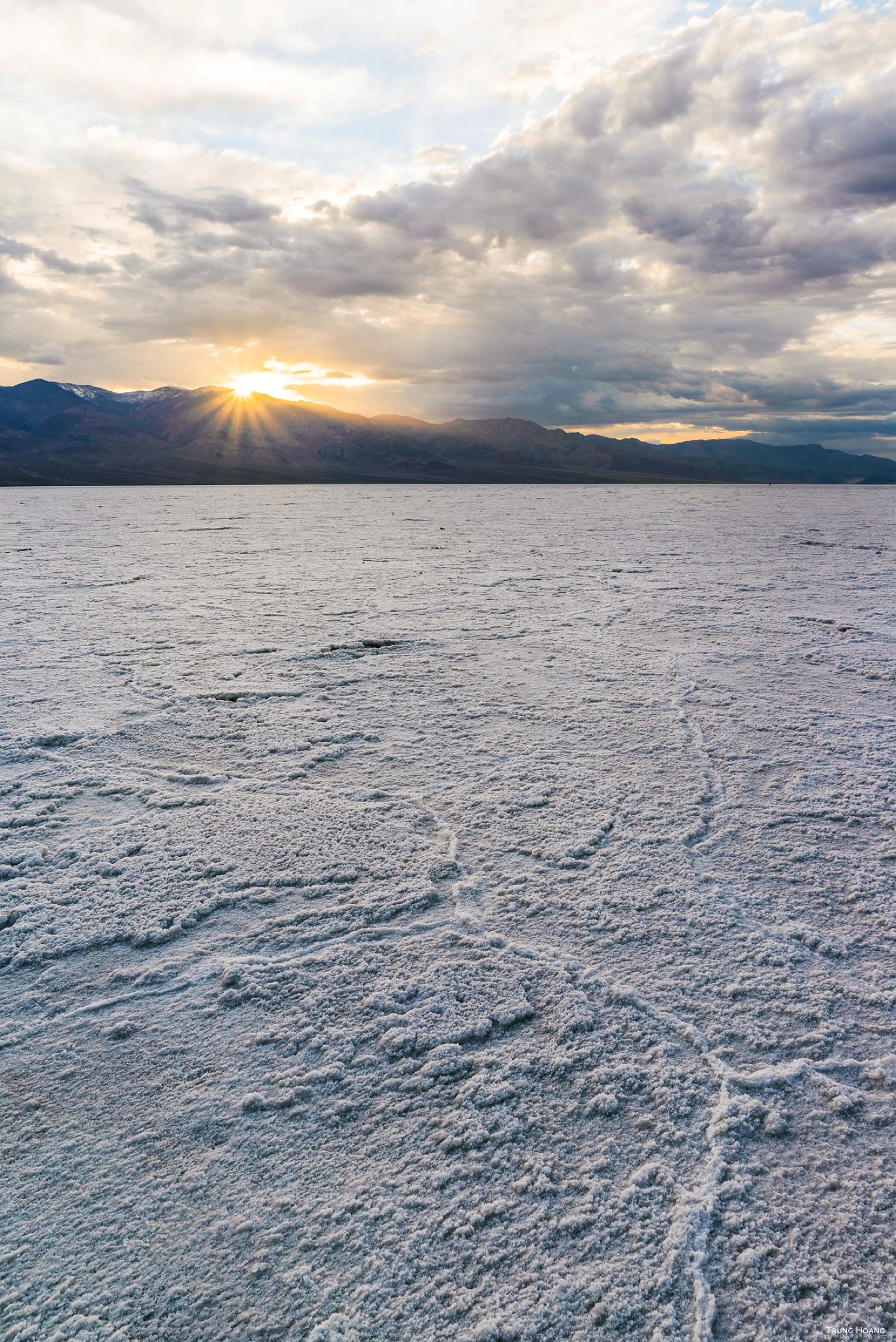
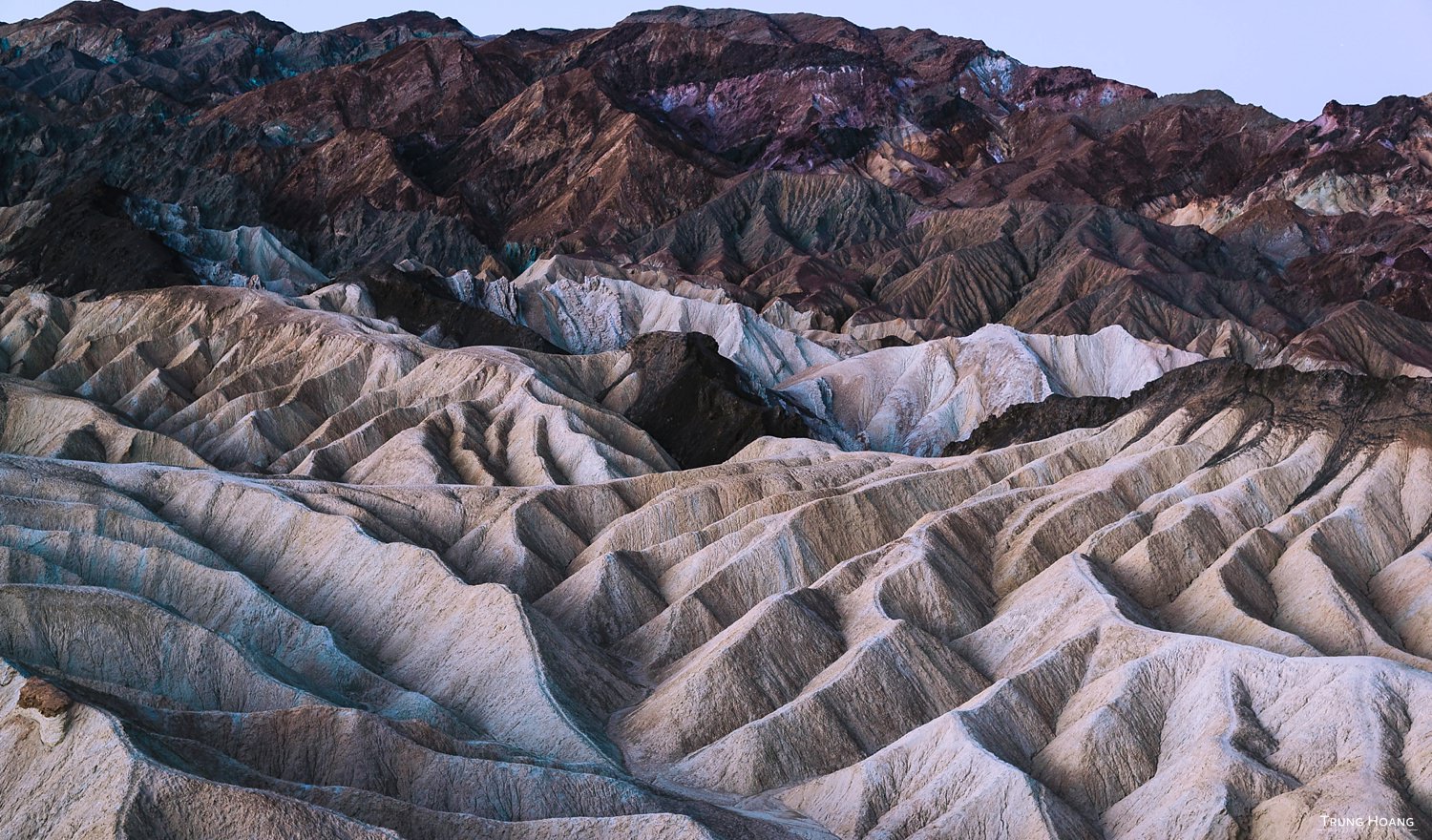
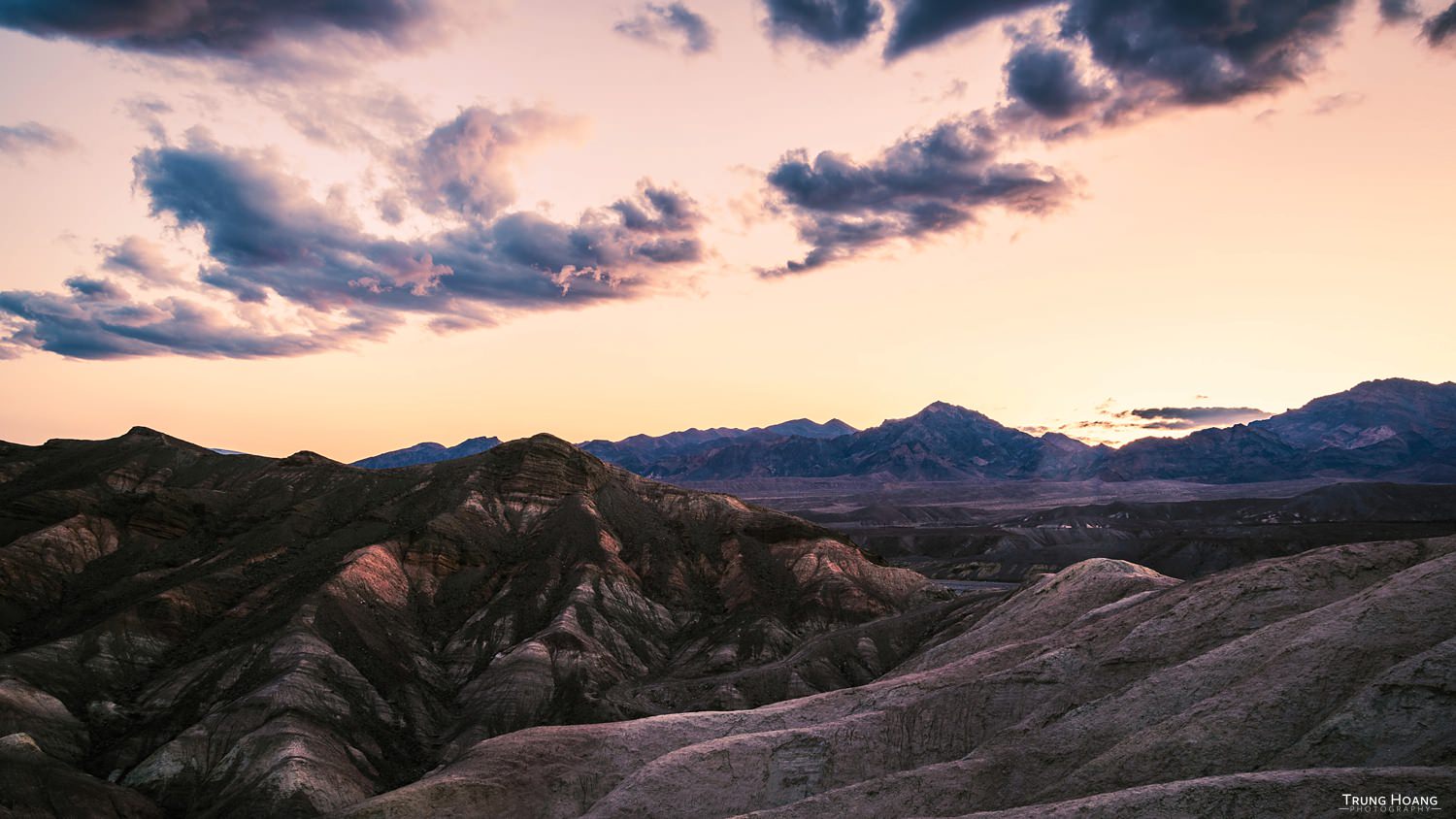
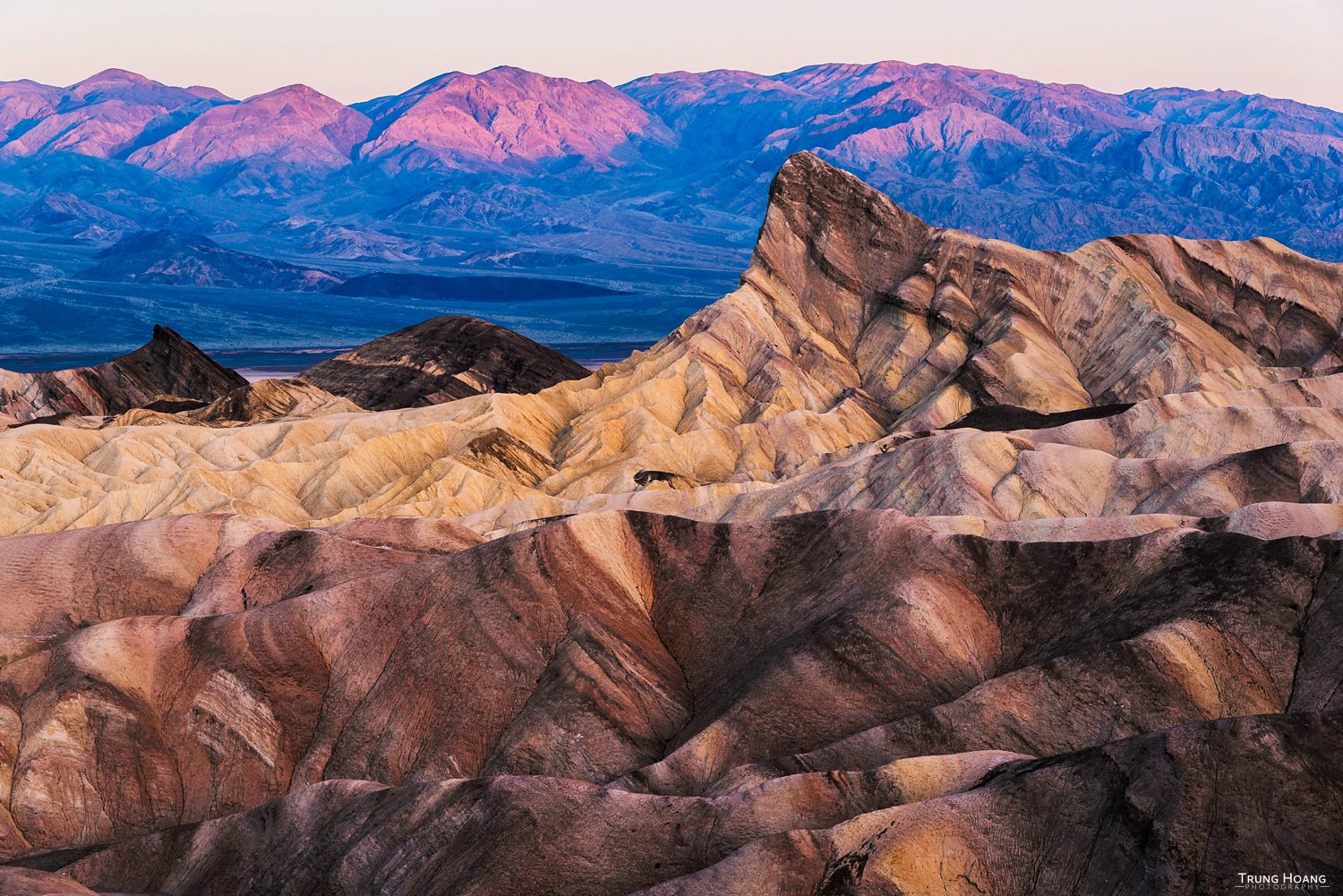
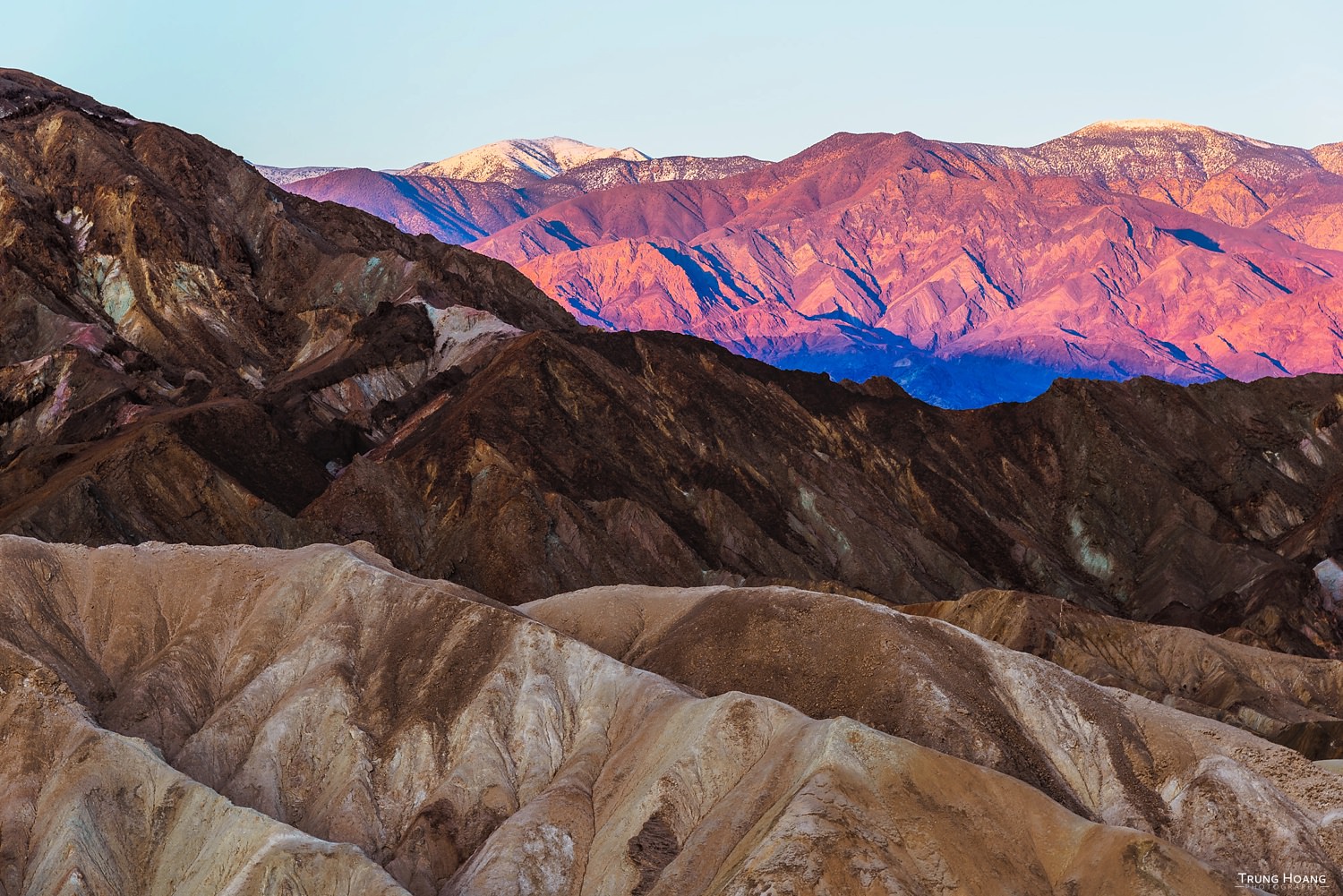
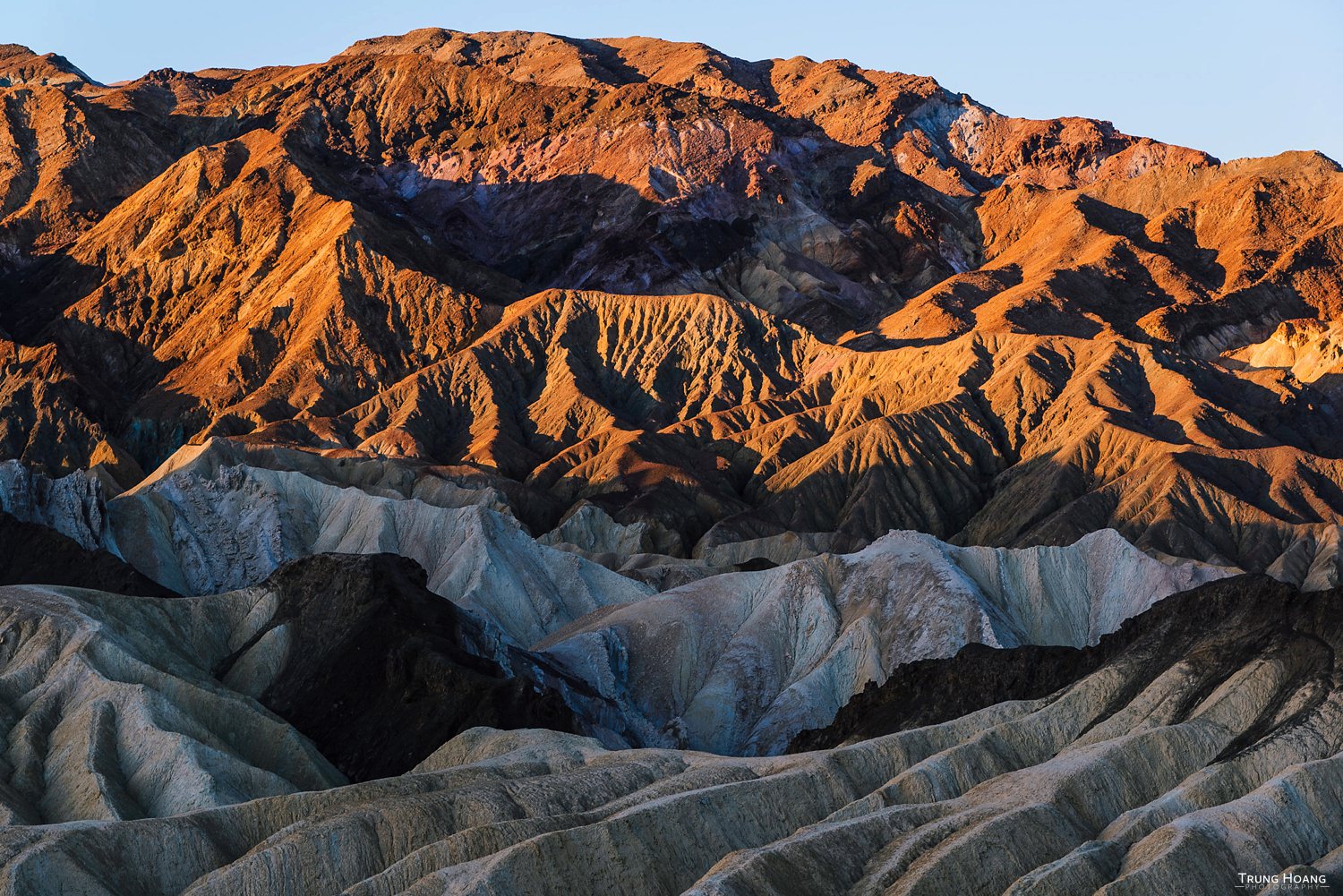
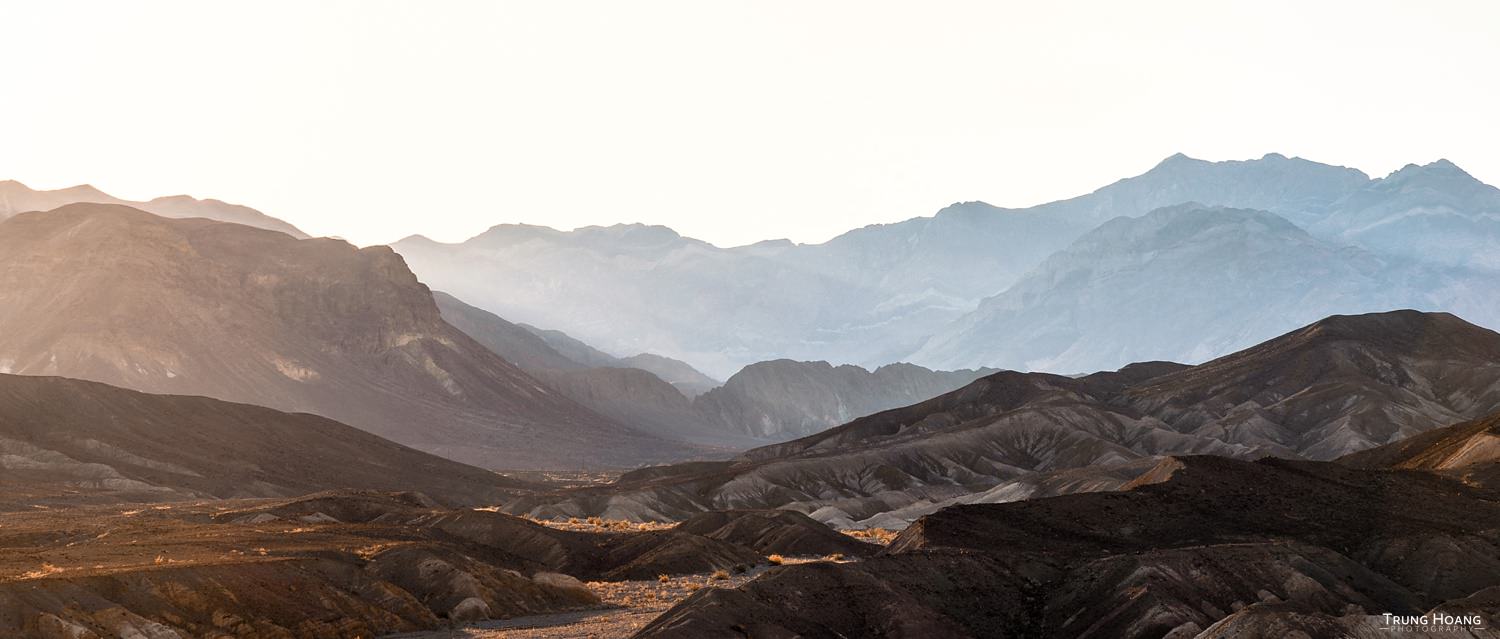
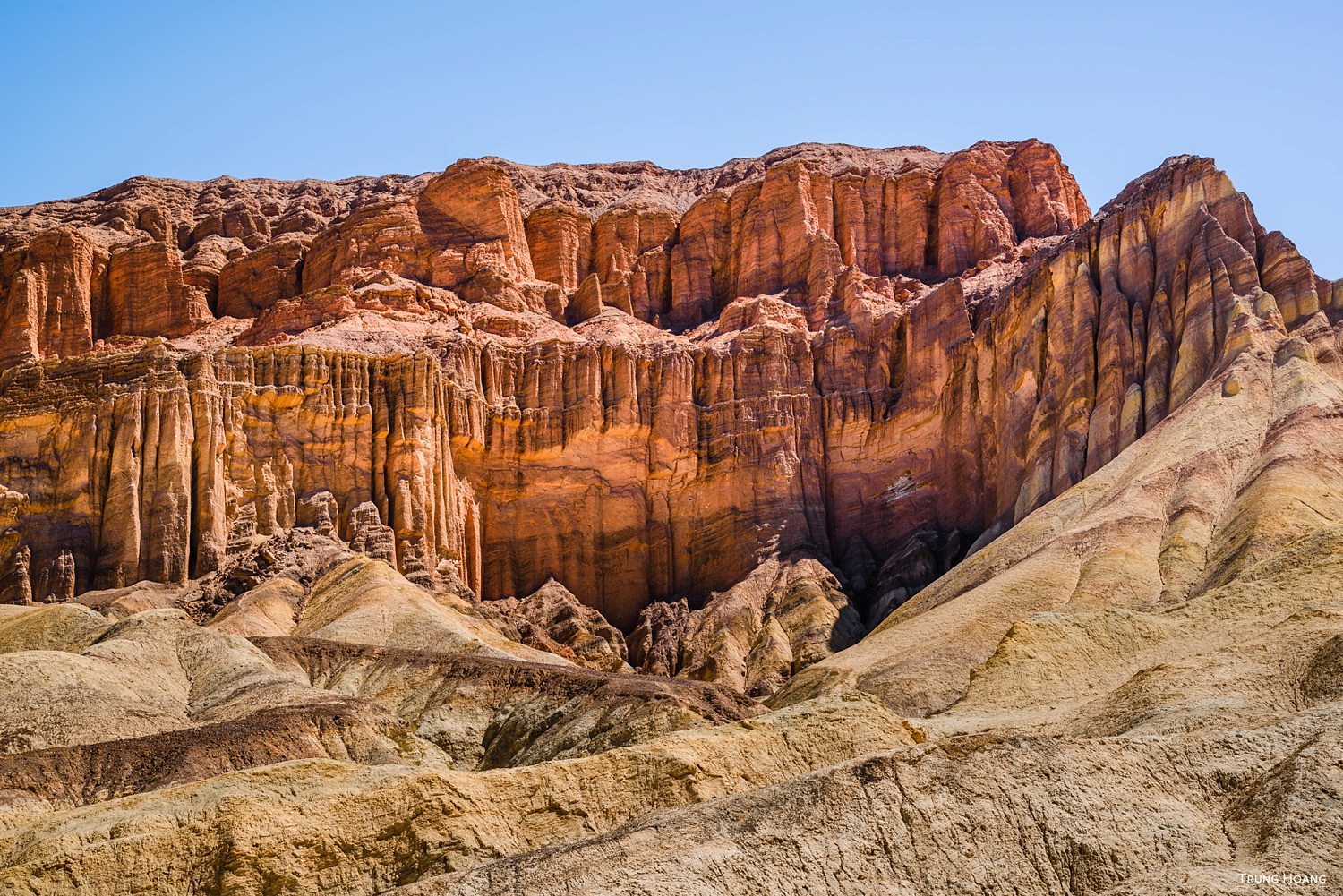
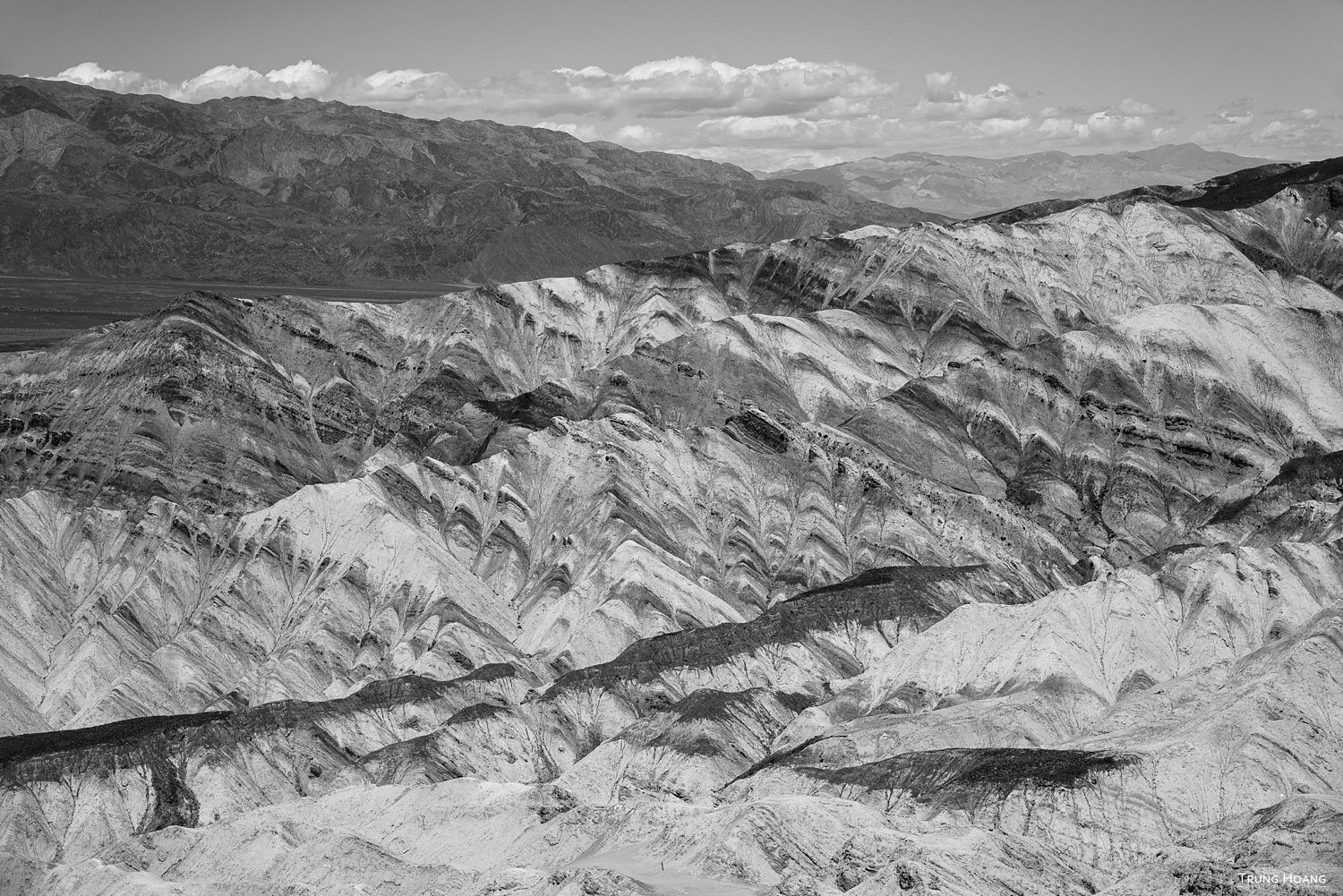
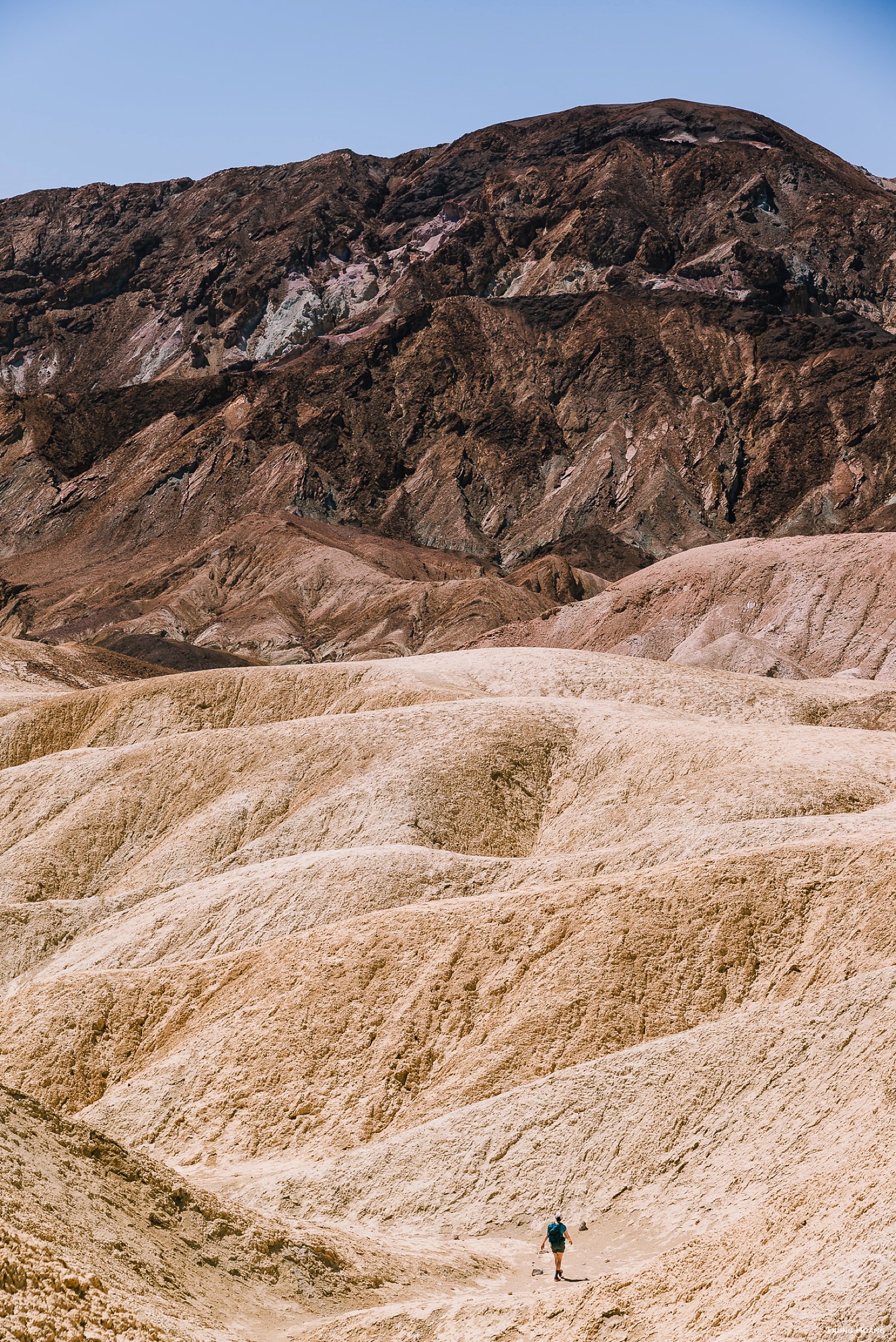
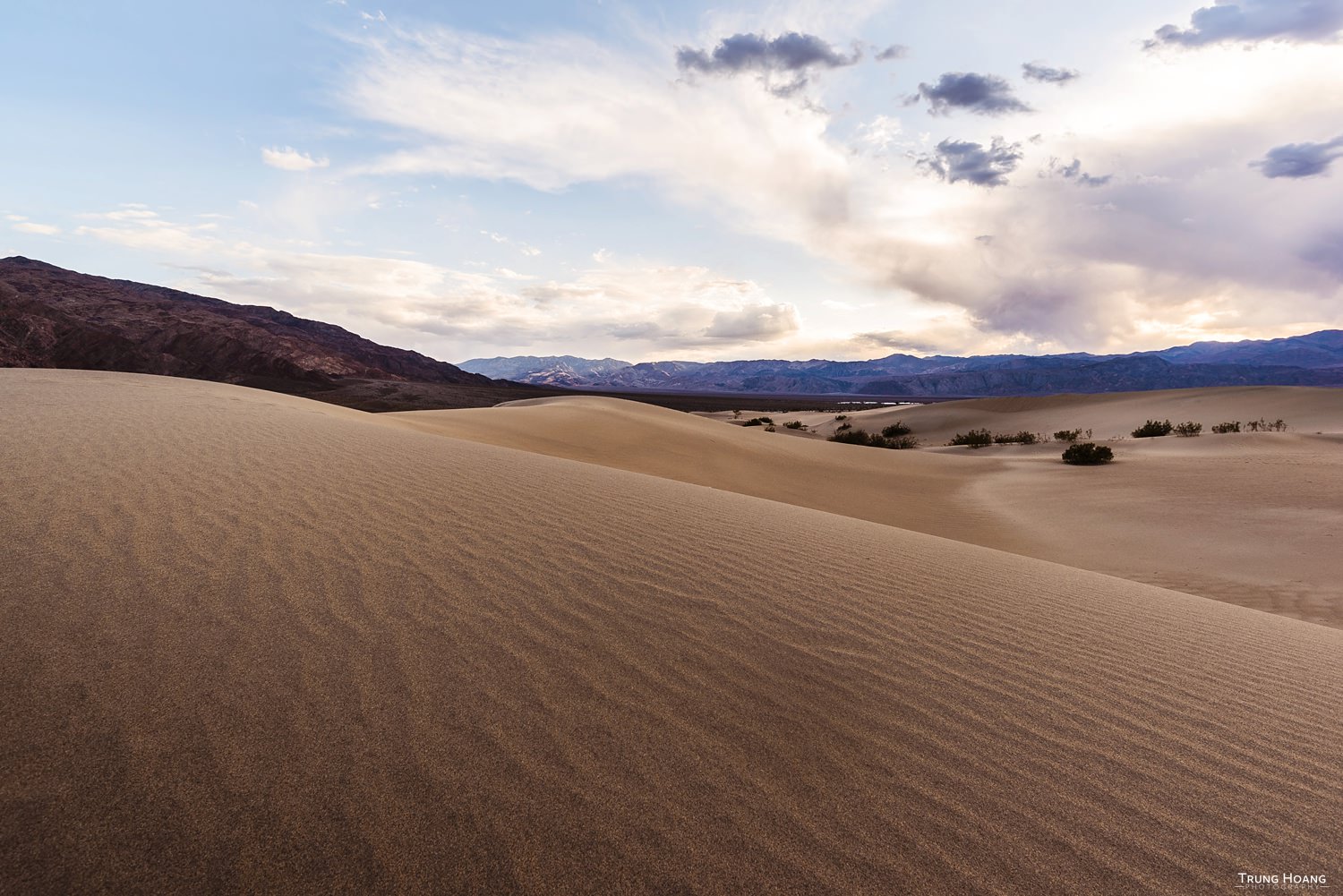
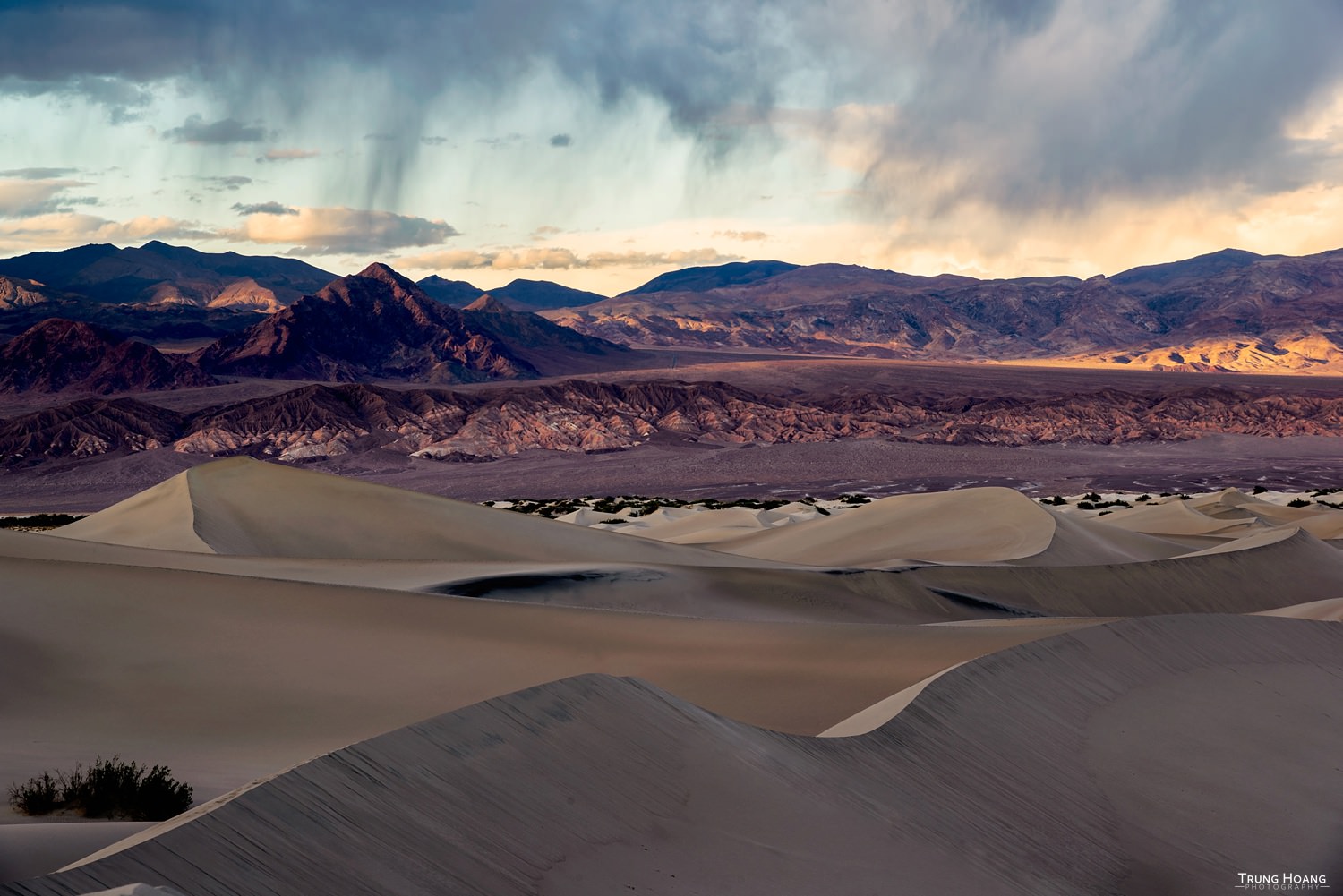
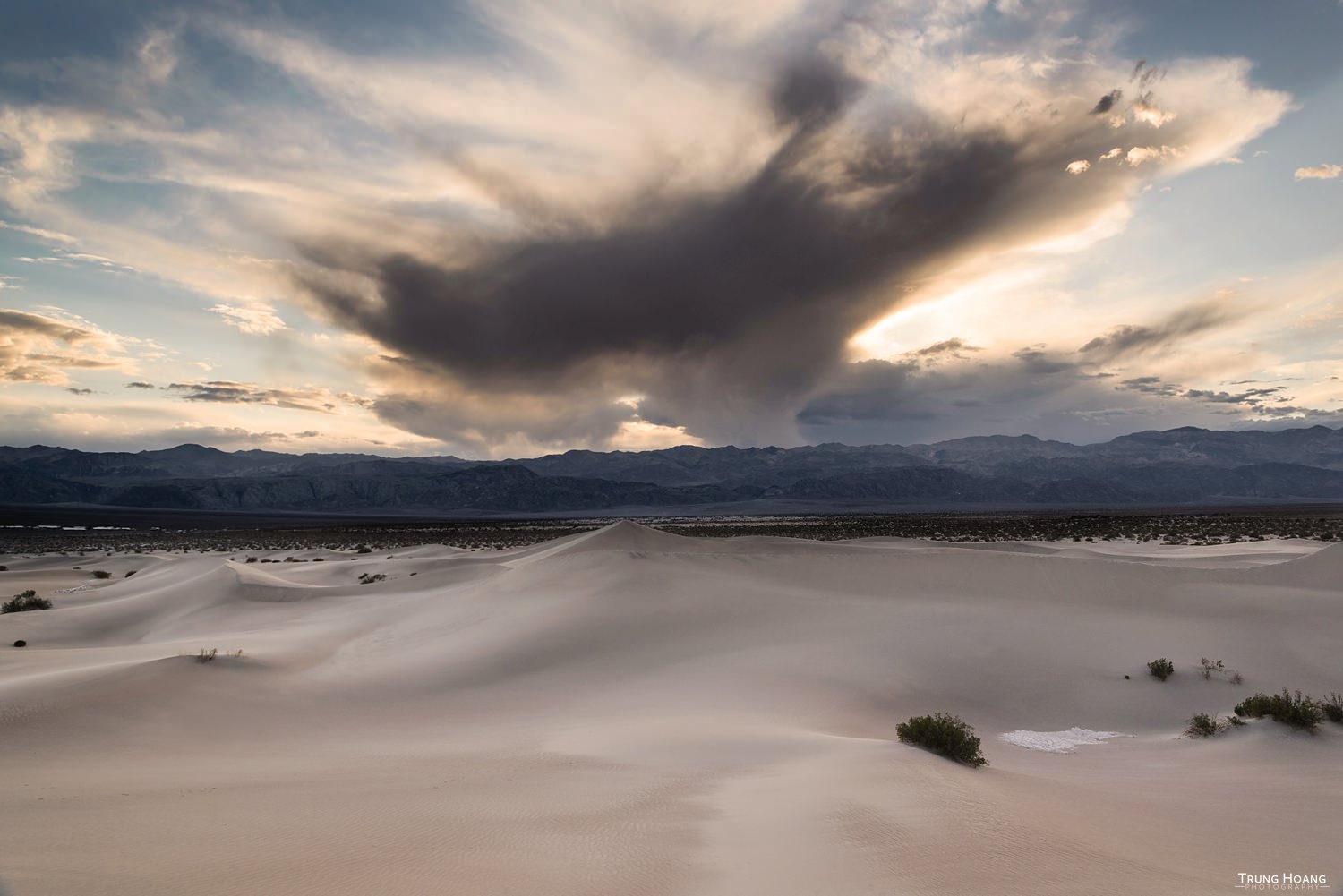
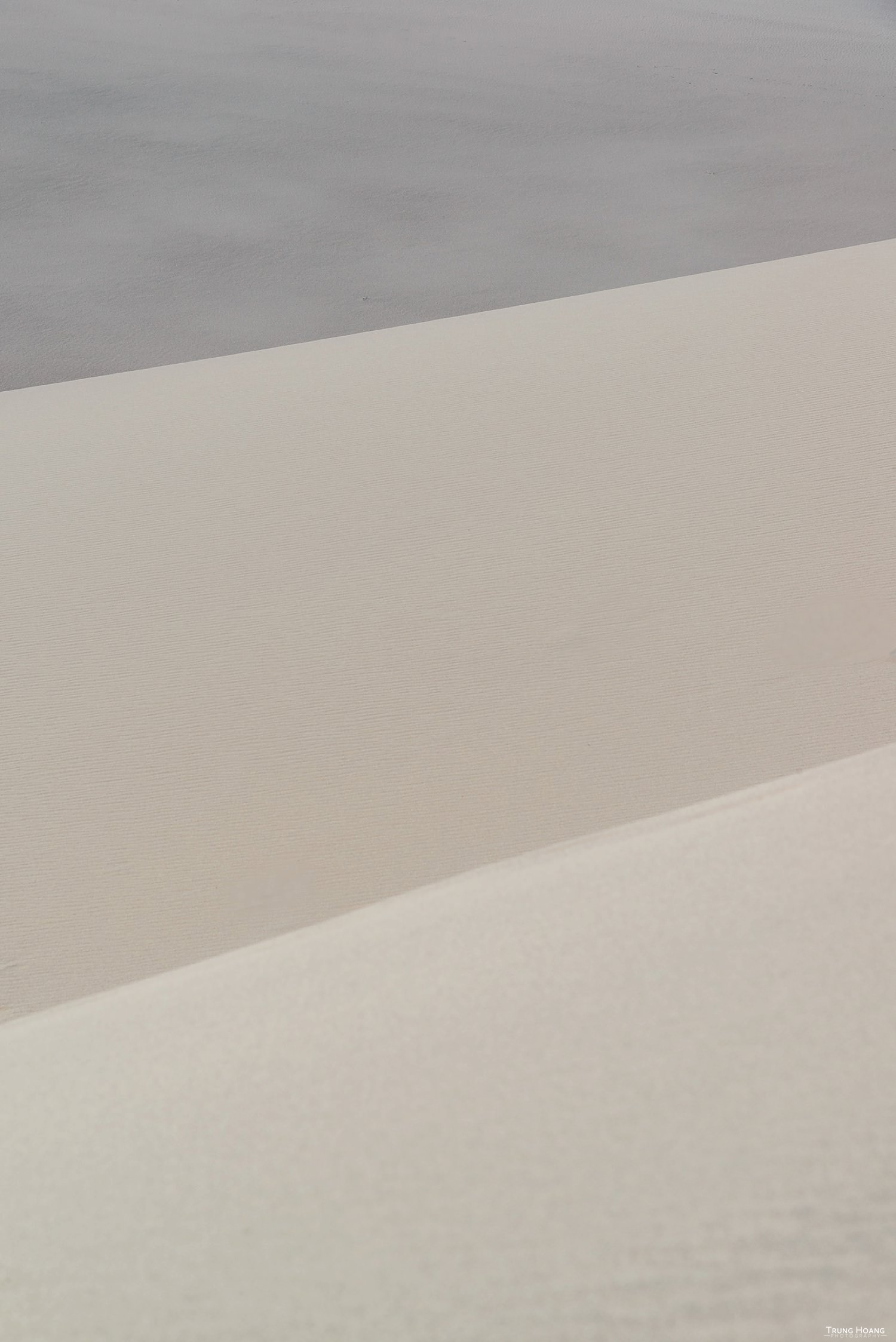
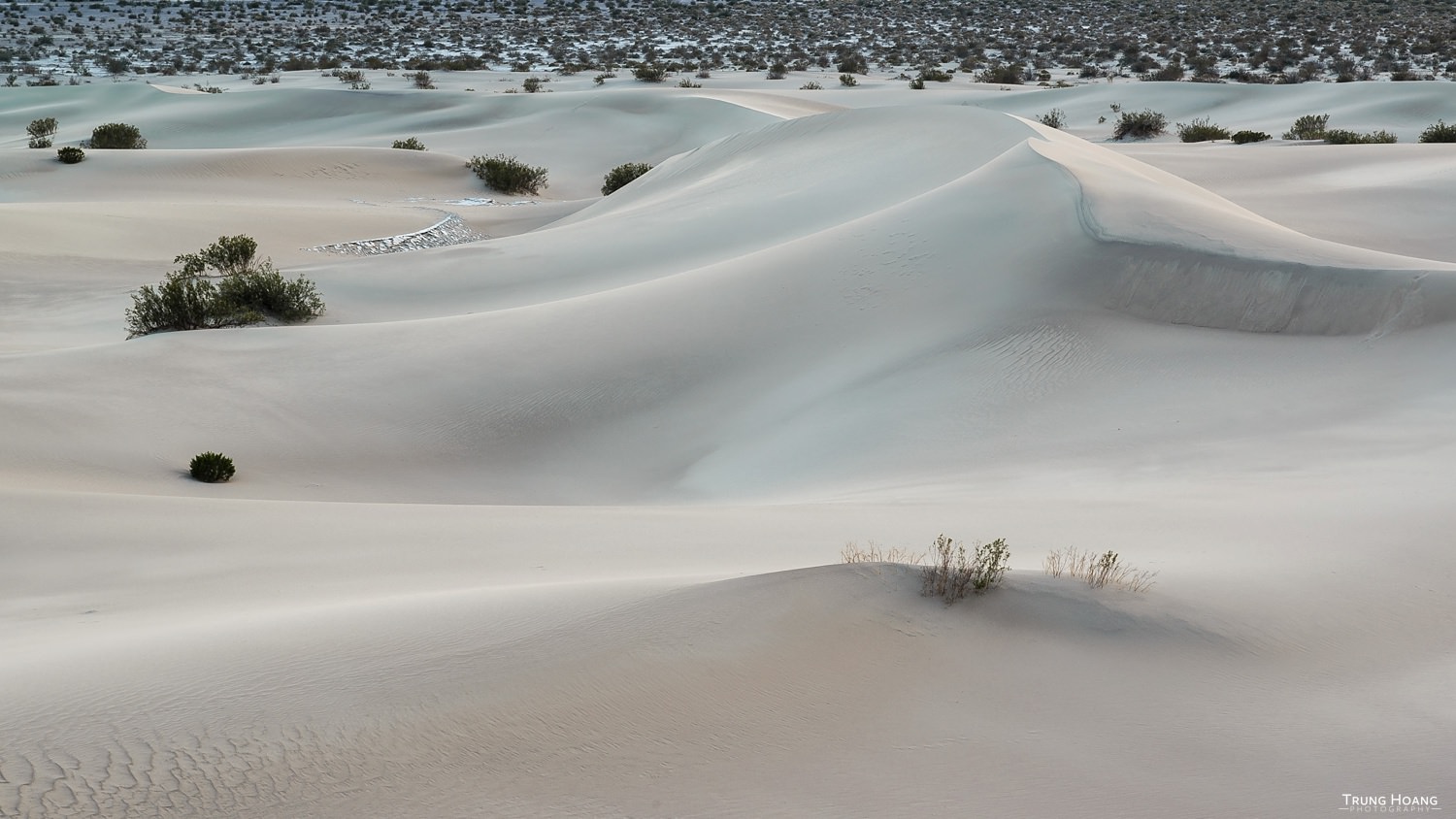
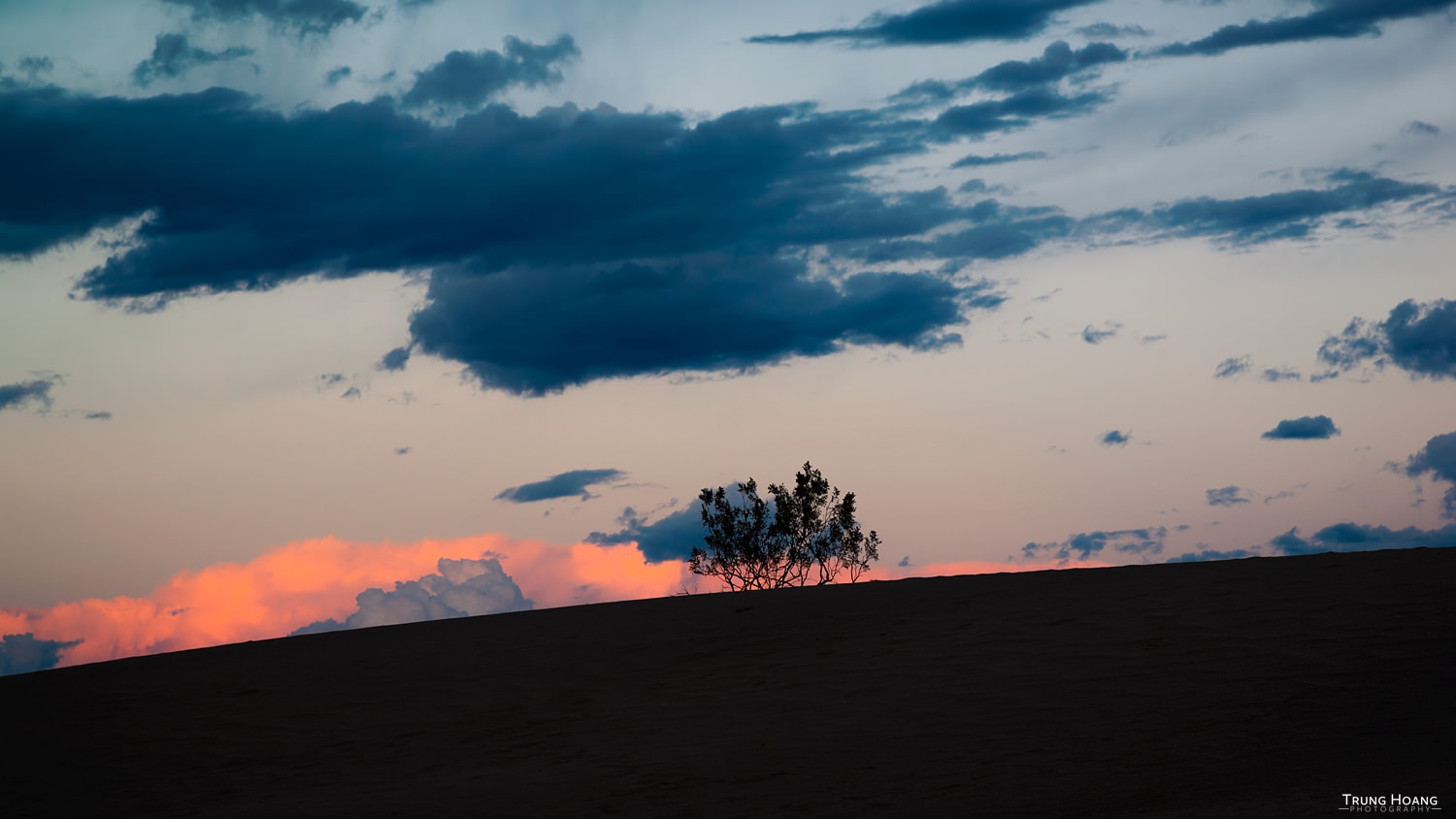
In late April, Julie and I explored the desert landscapes of the Great Basin, Sonoran, and Mojave deserts in the Joshua Tree and Death Valley National Parks. Expecting late spring desert climates, we were greeted to 50mph winds, a chilly 45F sunset, and rain in Joshua Tree, followed by overcast skies and a light rain in Death Valley as well. I can't say I'm disappointed we didn't experience standard desert weather though.
Joshua Tree is a great place to get a glimpse of the desert lifestyle and a fun weekend place to traverse through. If the climbing/bouldering scene is your thing (not mine, at the moment at least), then it's definitely a place not to miss (though you probably already knew that). Just watch out the cholla cacti and the apparent Africanized Bee population.
Death Valley on the other hand is simply too vast to be seen in one trip. We've barely begun to scratch the surface when it comes to exploring the park. Being the largest National Park in the lower 48, the area presents you with a geological menagerie of salt flats, sand dunes, badlands, and snow capped mountain ranges open for your exploration. I'm looking forward to the next Death Valley adventure, but until then, enjoy the photos from this most recent stint.


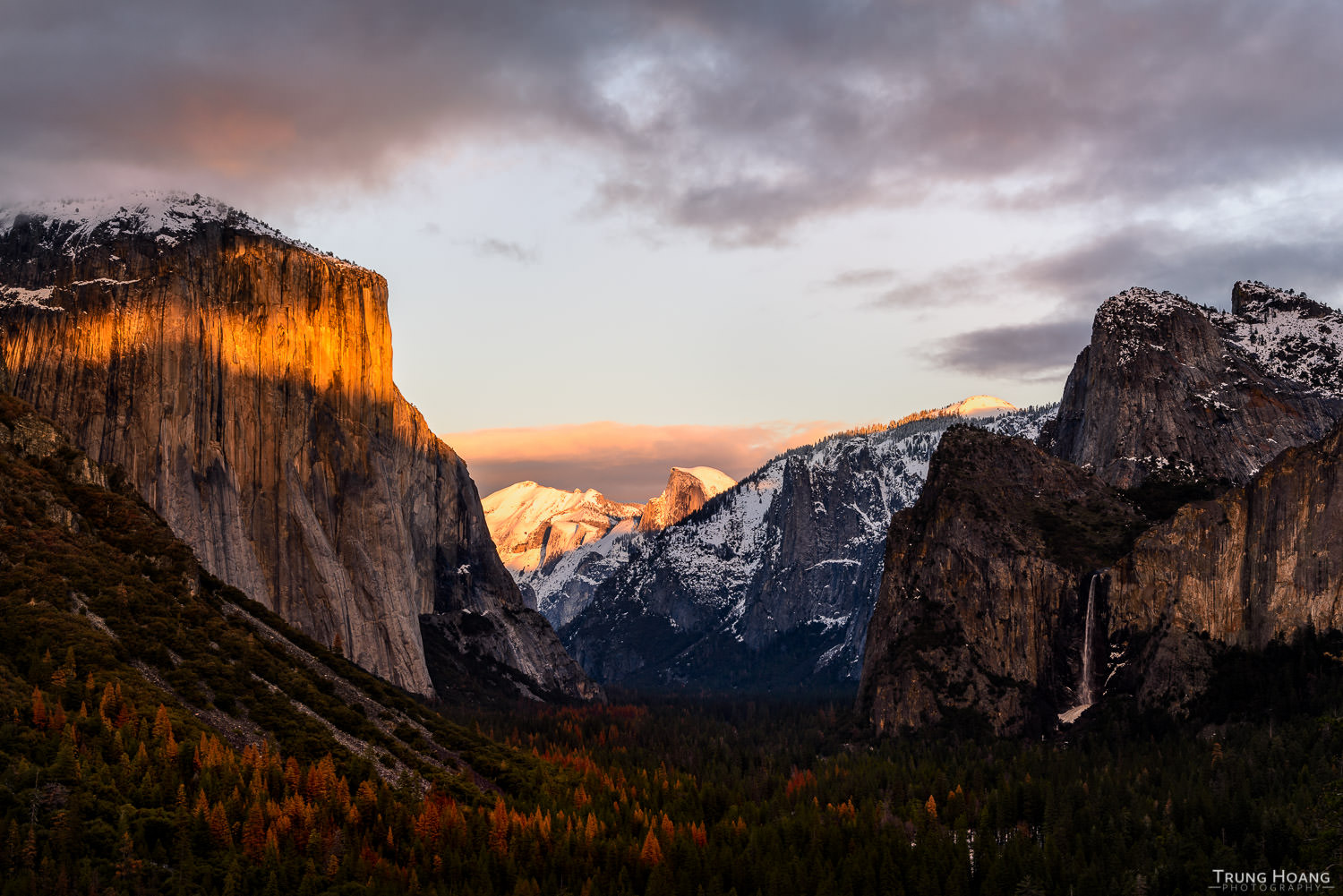
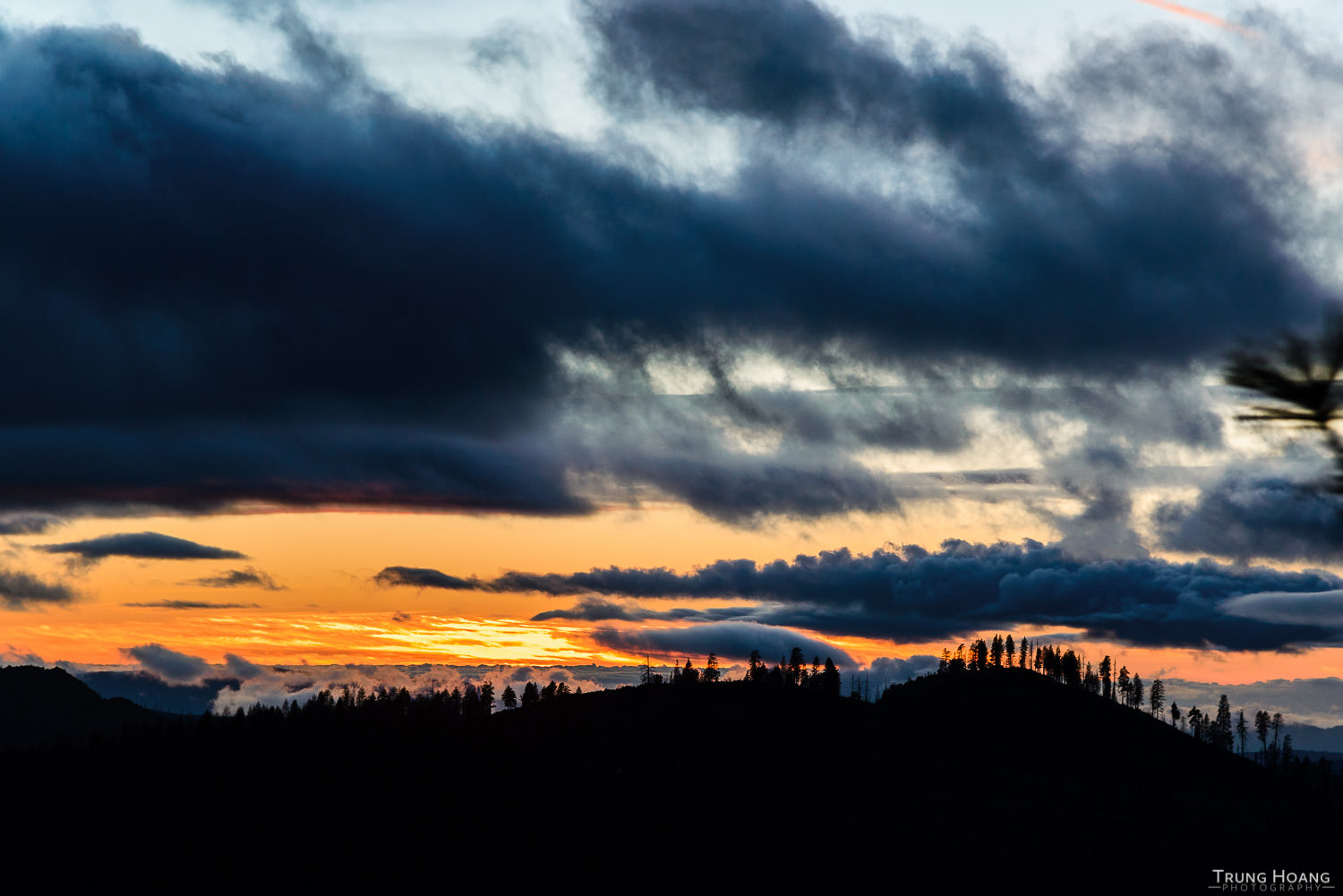
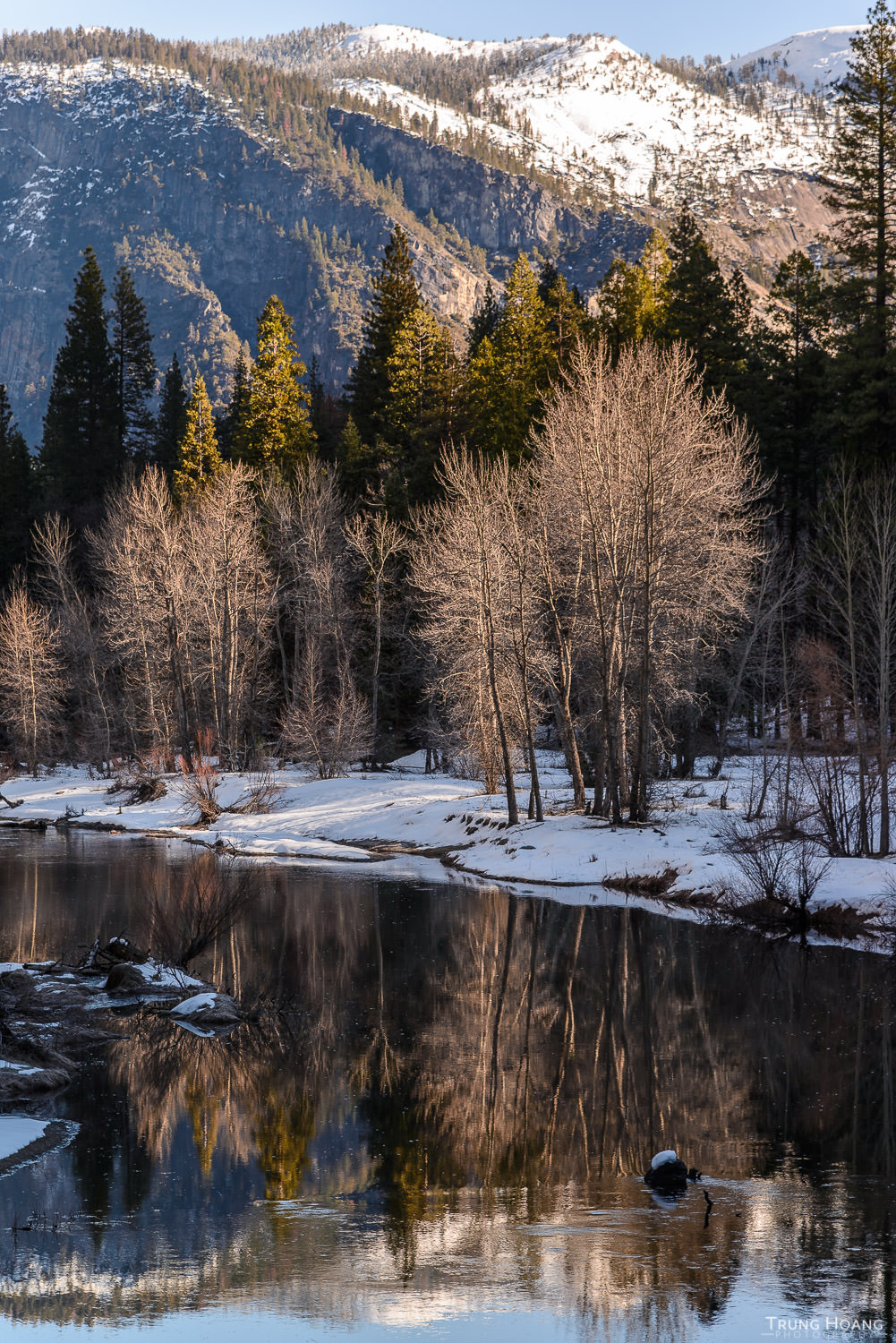
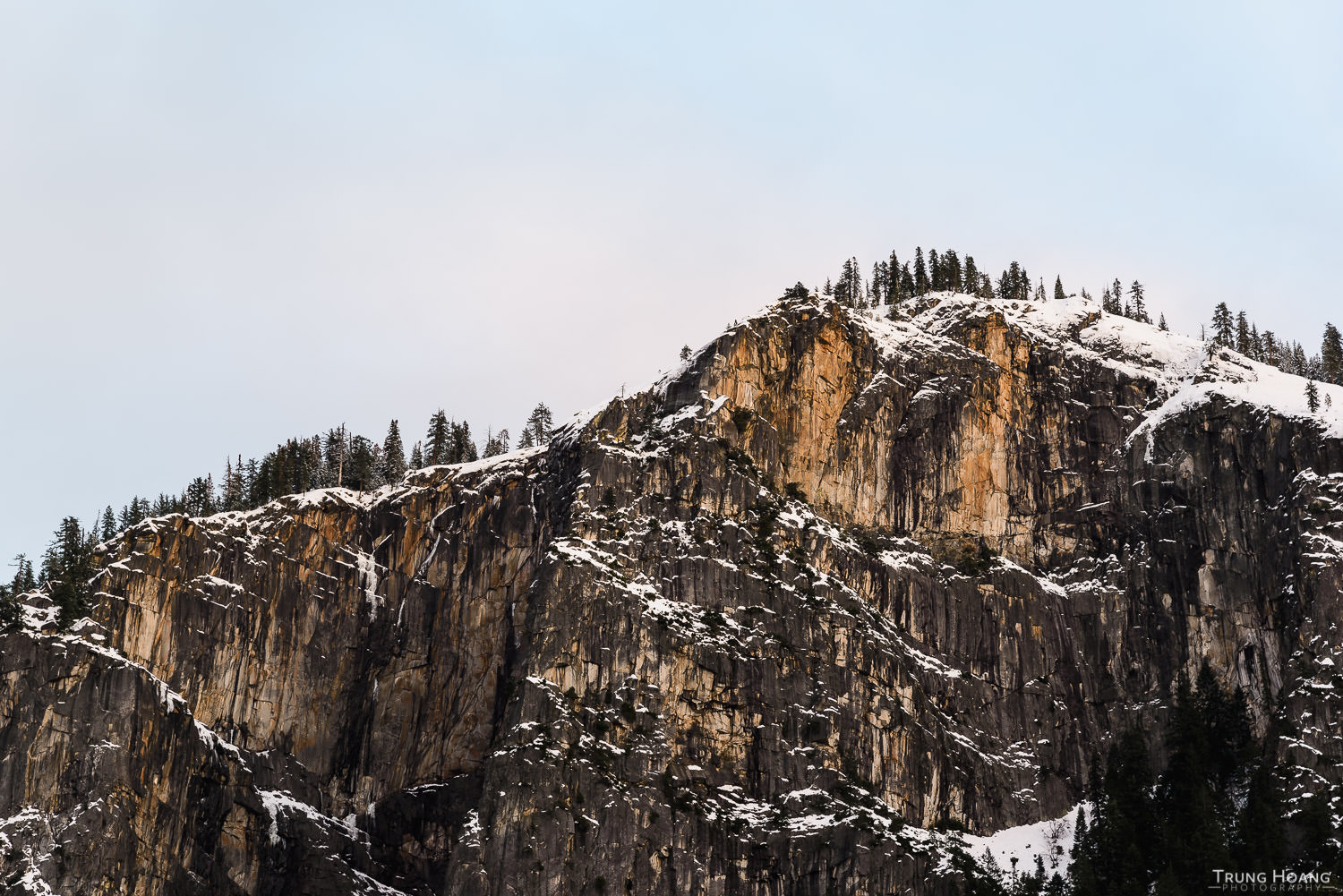
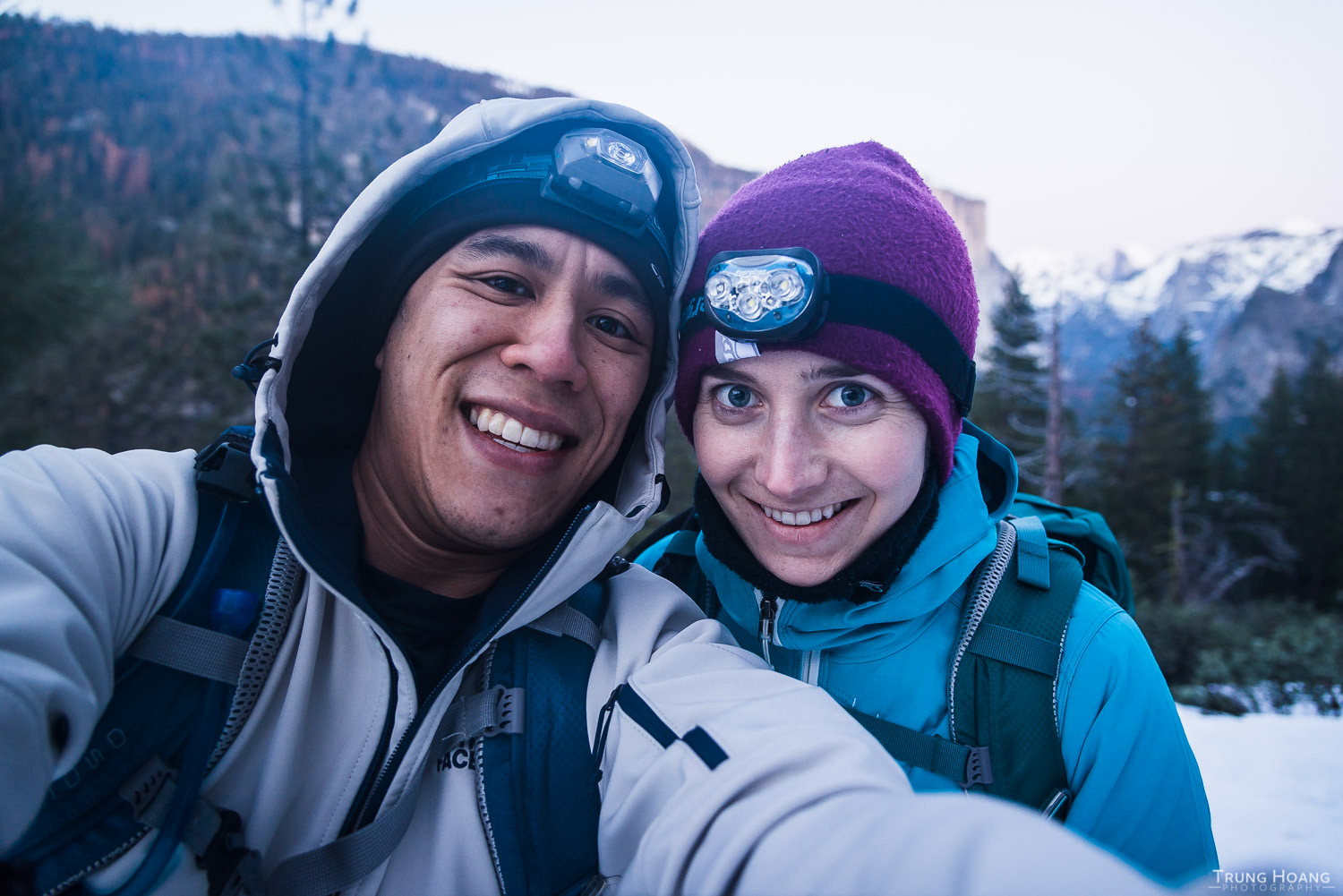
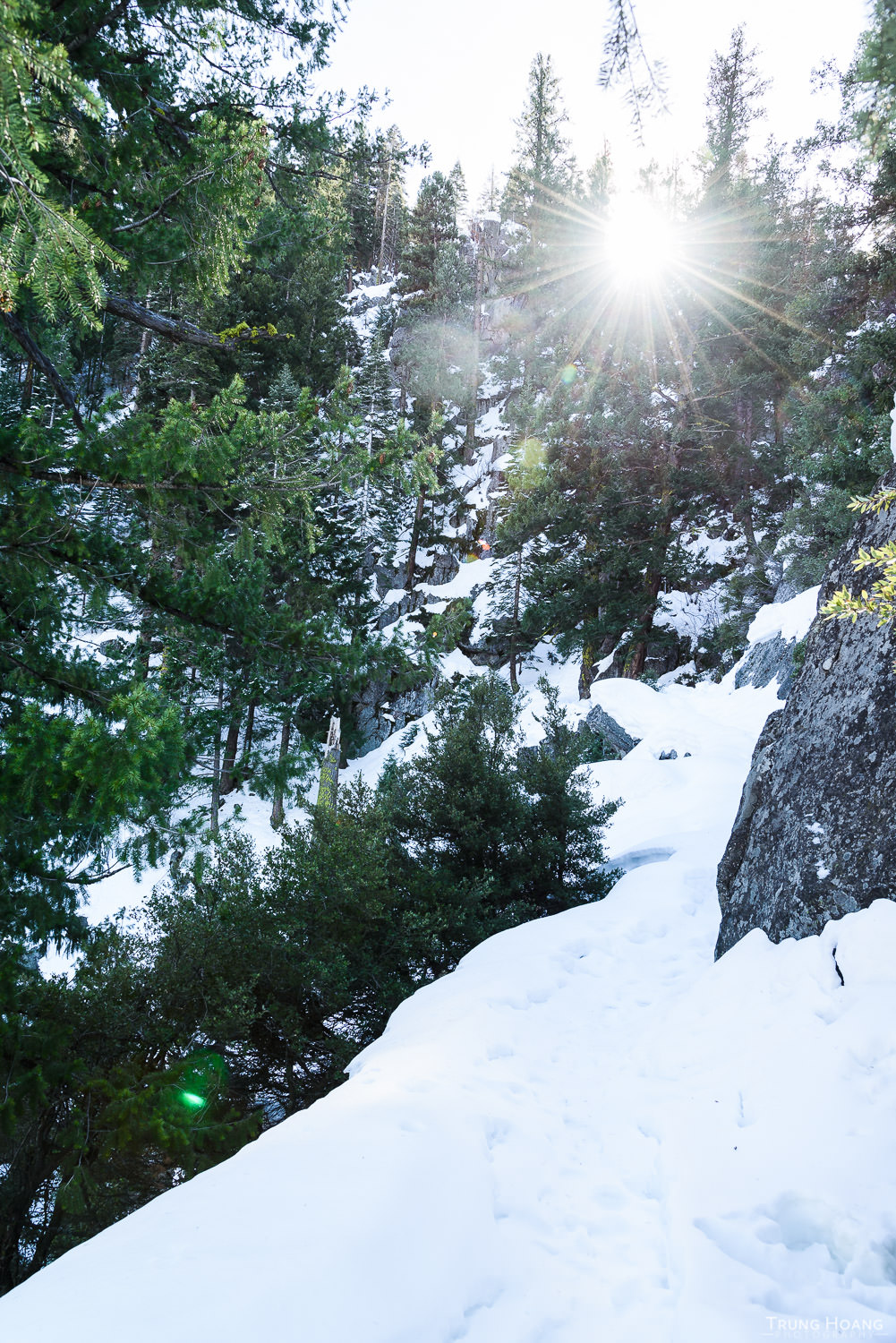
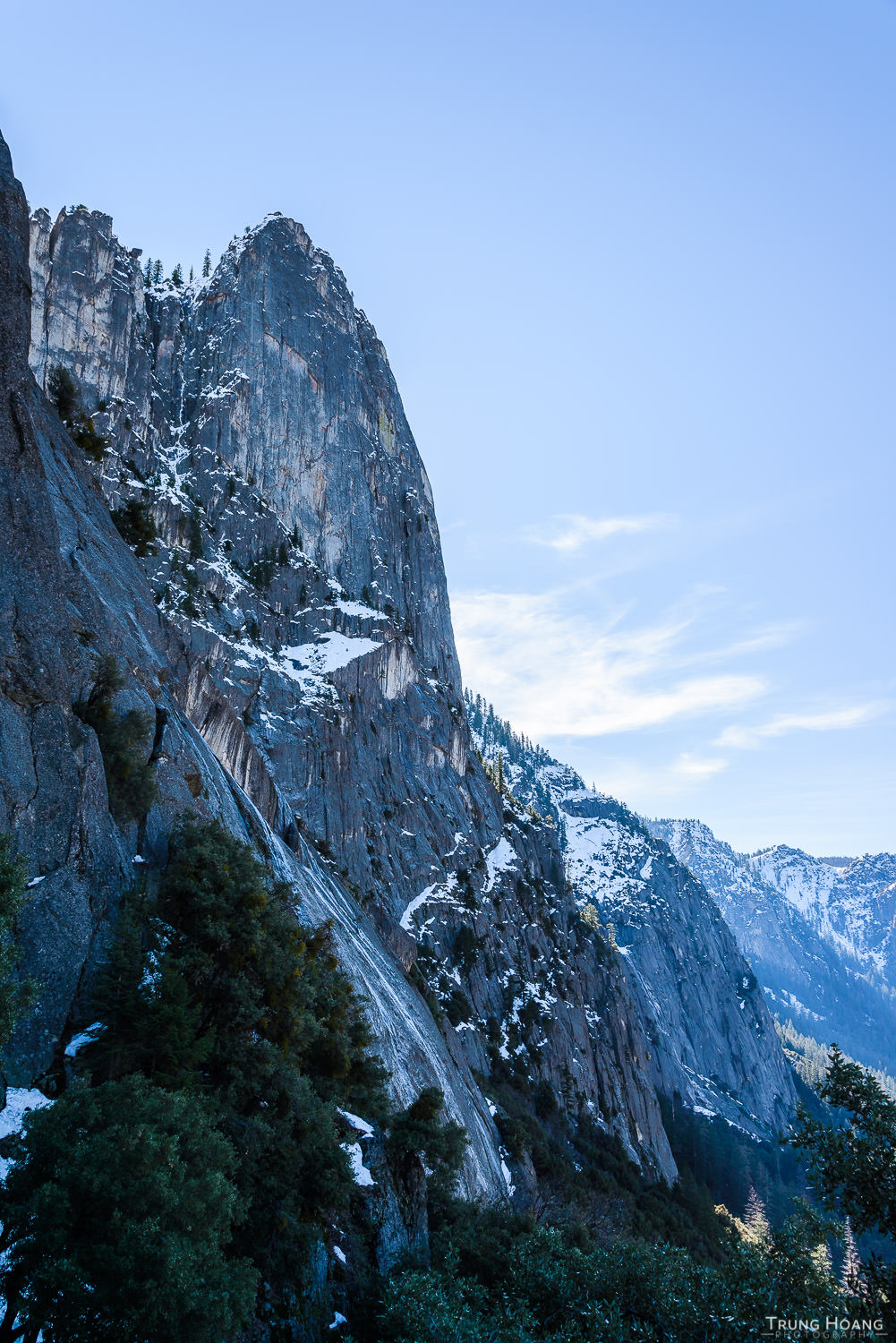
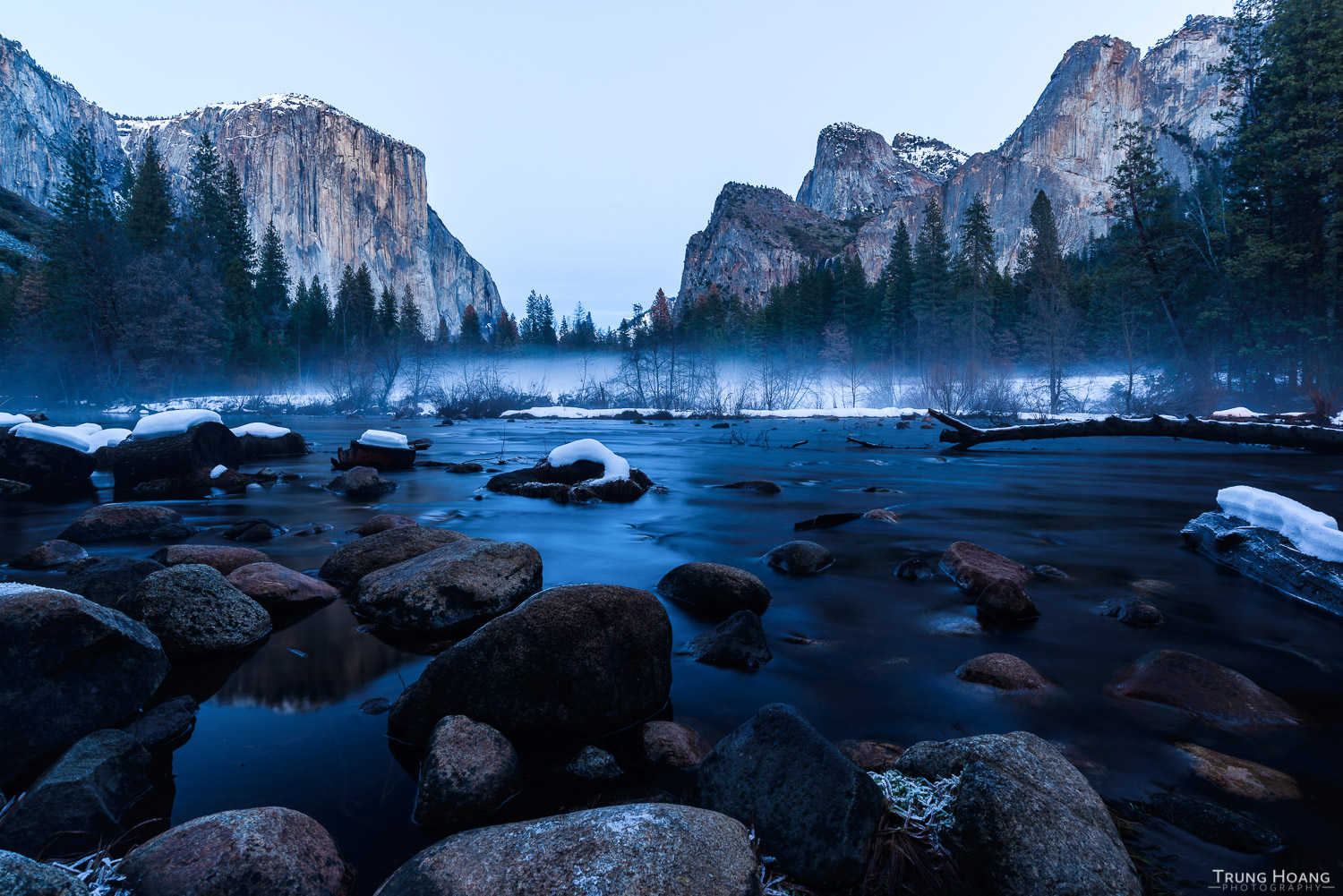
Personal Travel // Yosemite National Park // Destination wedding photographers
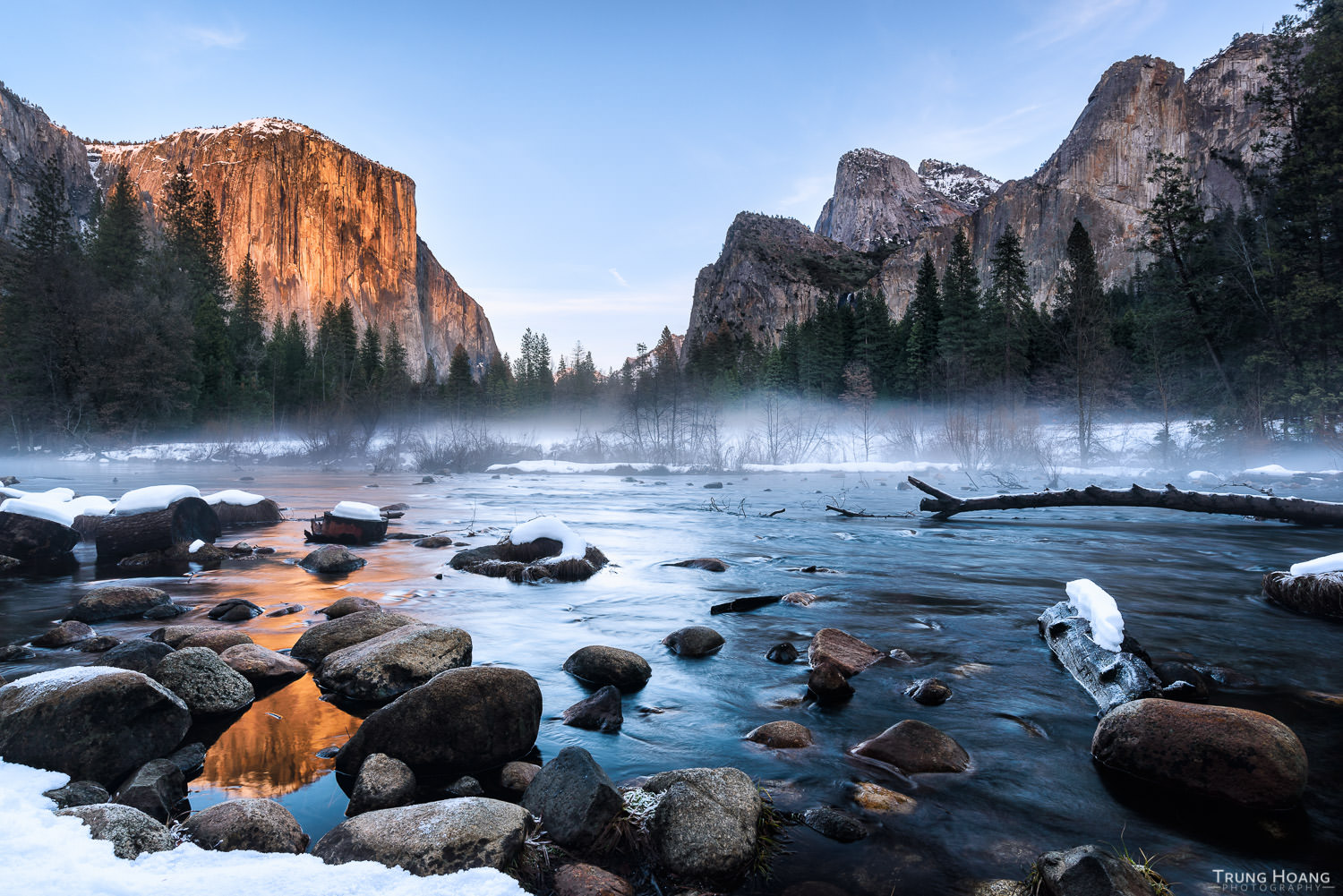
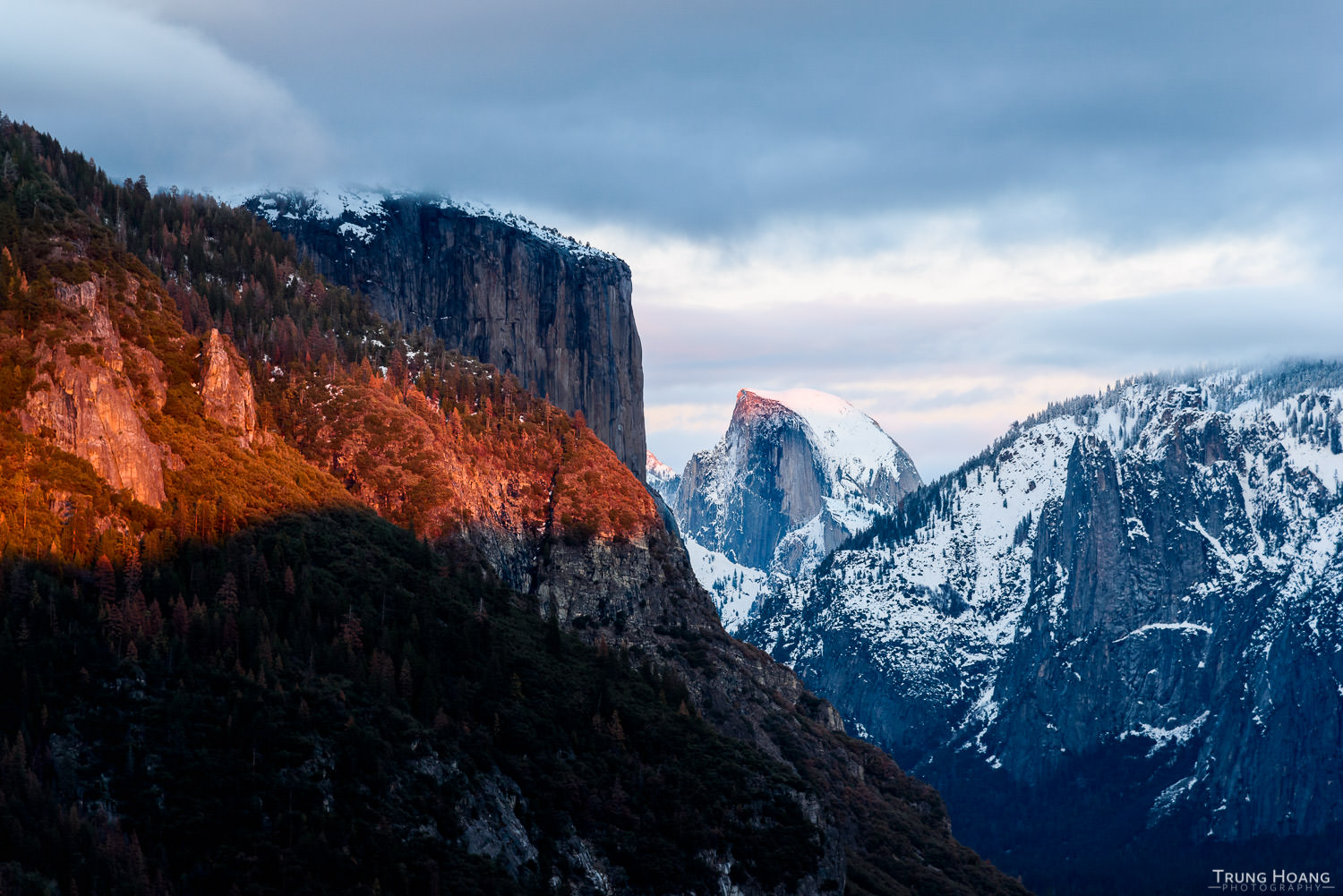
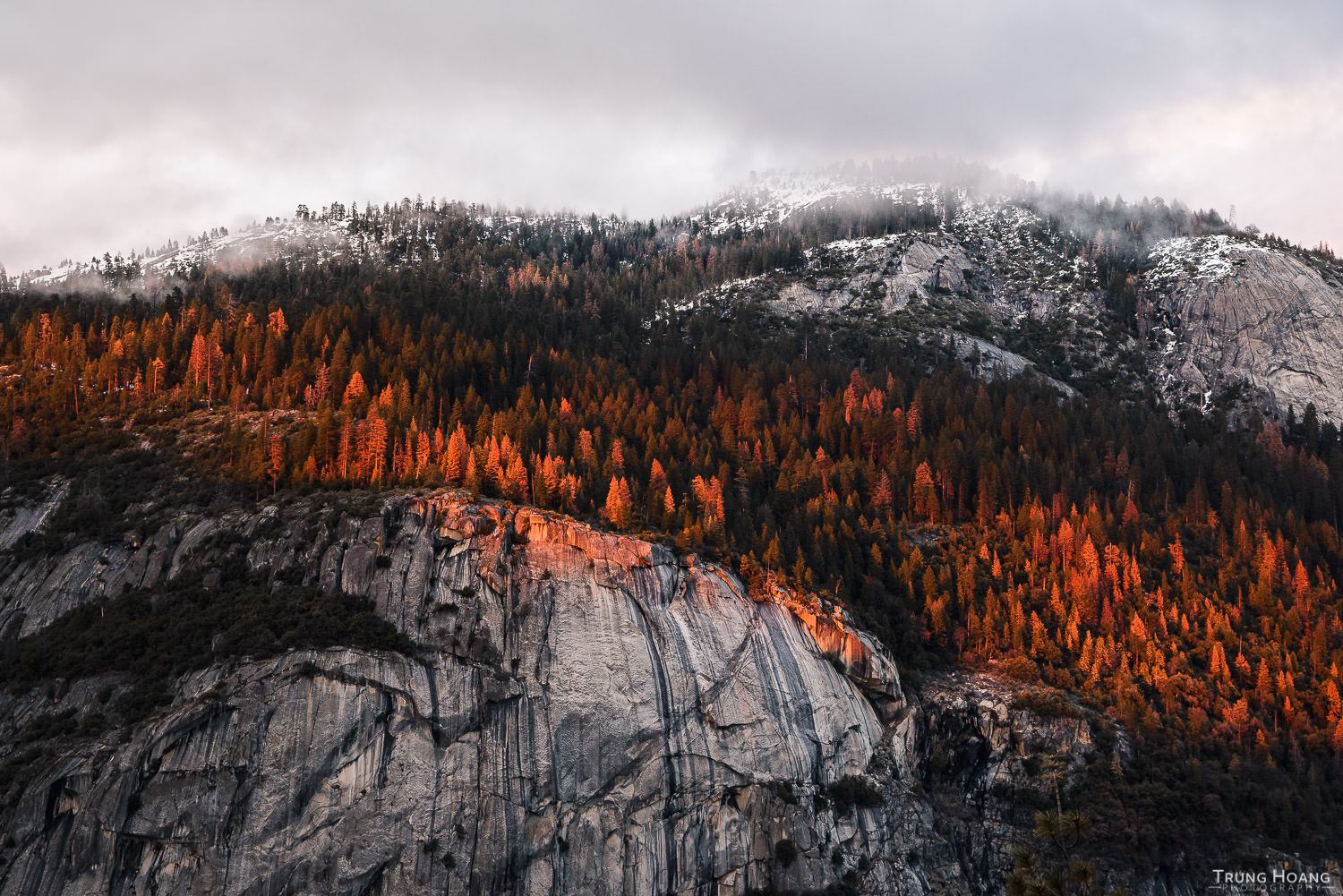
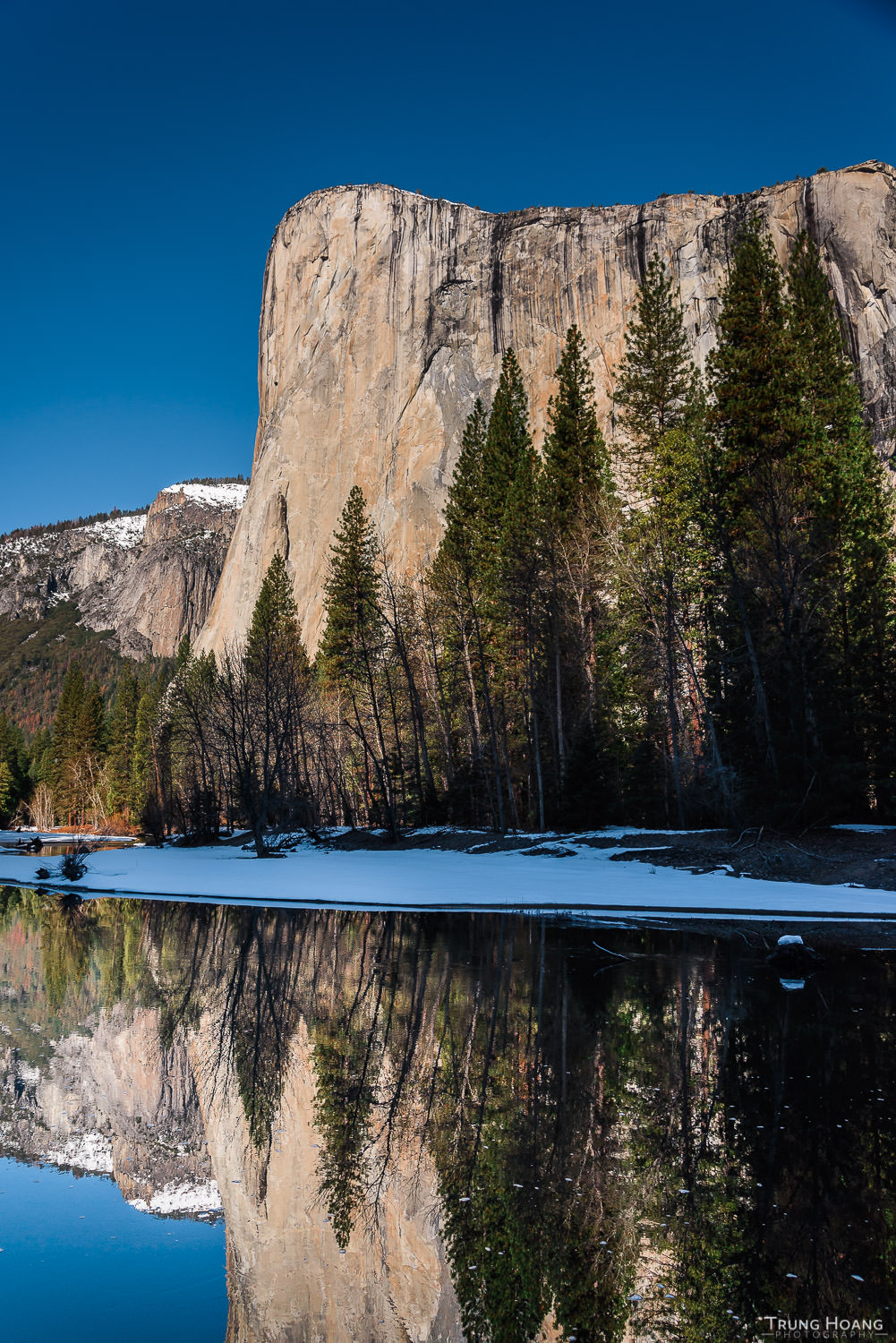
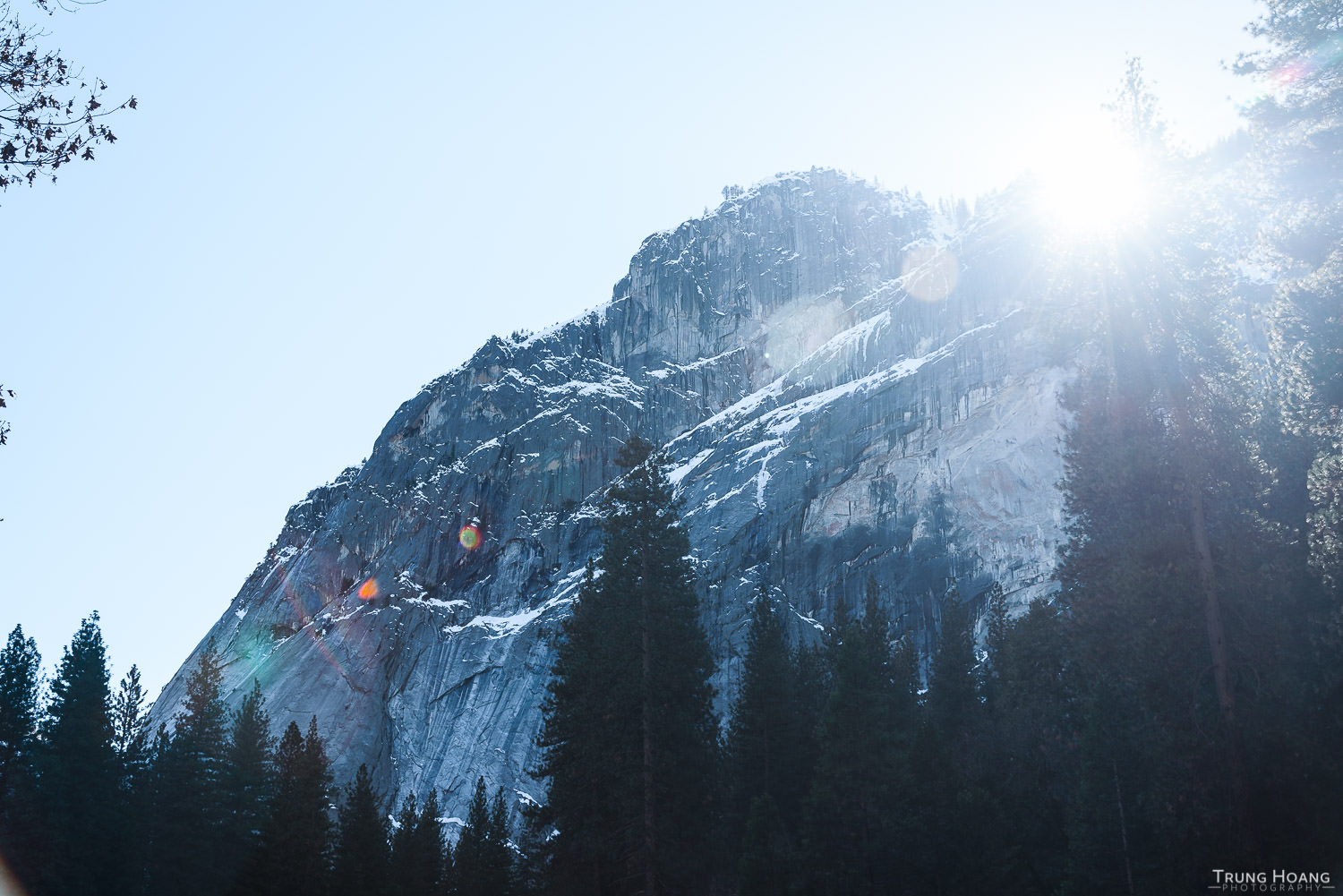
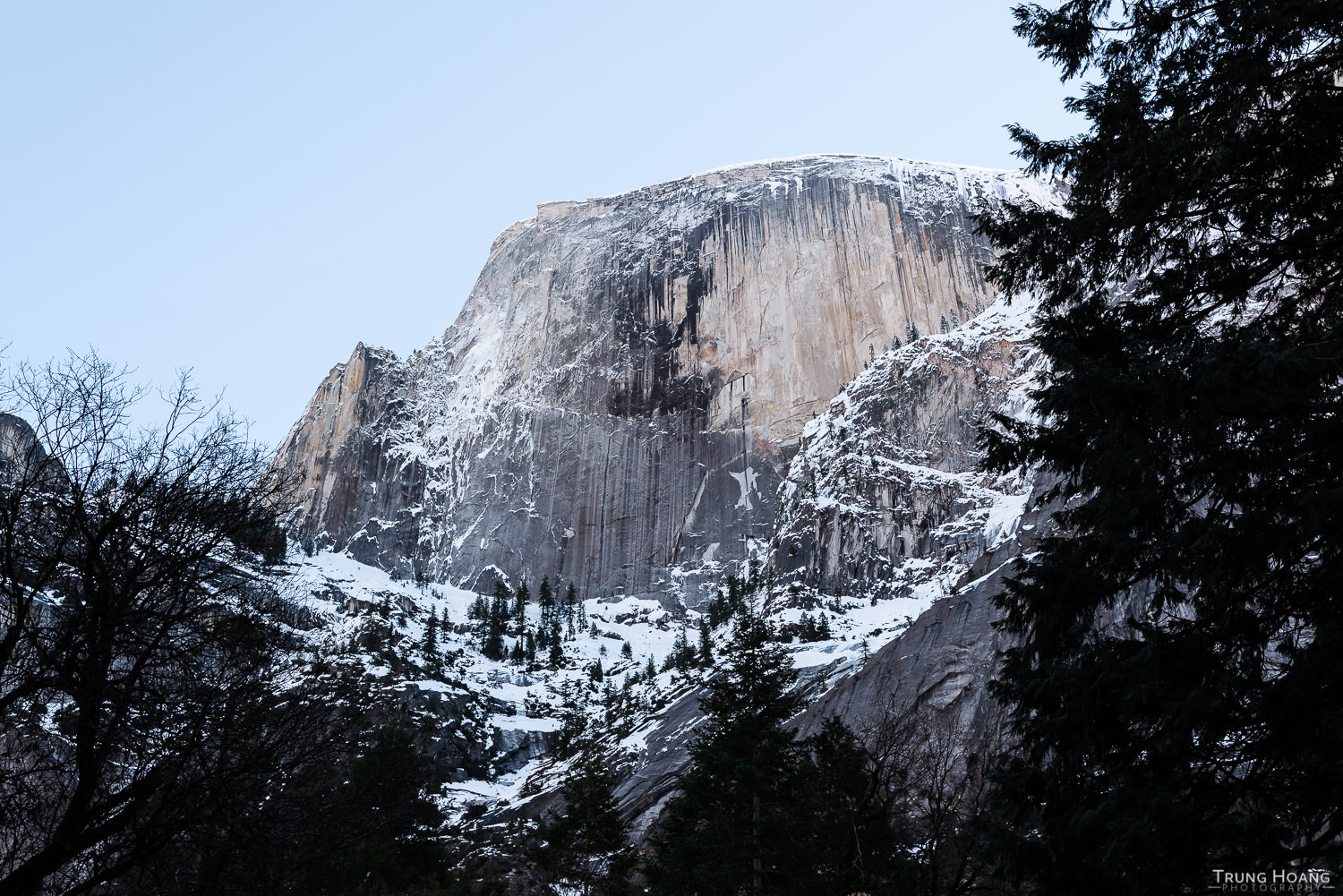
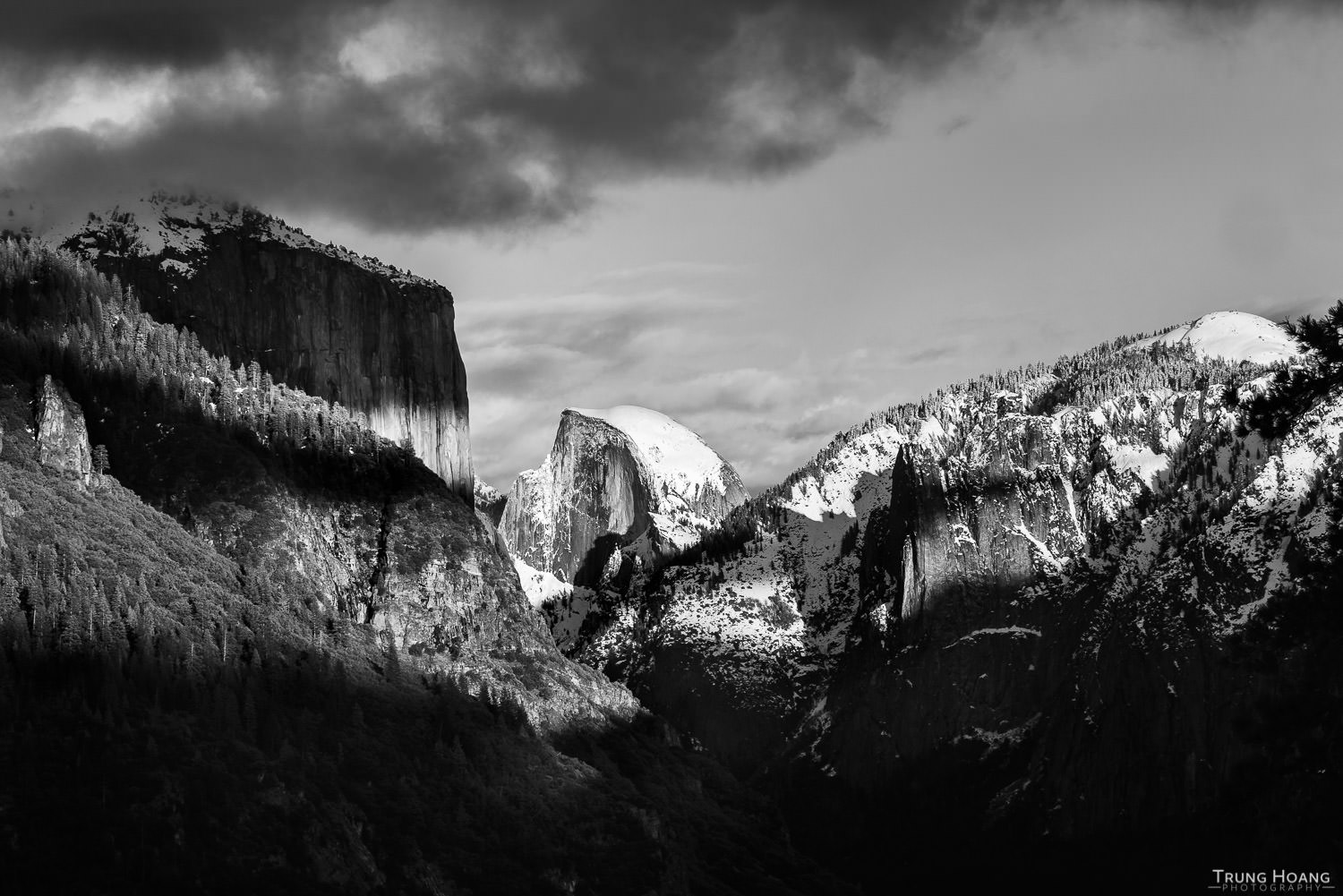
What is there to say about Yosemite that hasn't already been said? Just a handful of hours away from San Francisco and Los Angeles puts you in this valley of granite monoliths. Every trip here is better than the last and it's always a pleasure to photograph.
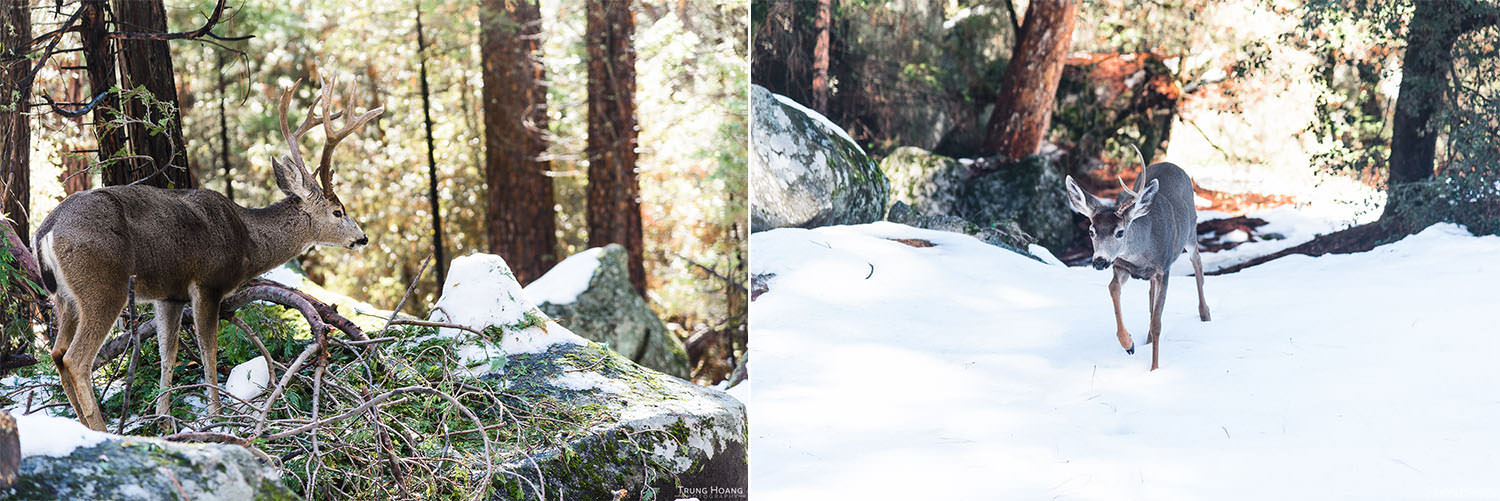
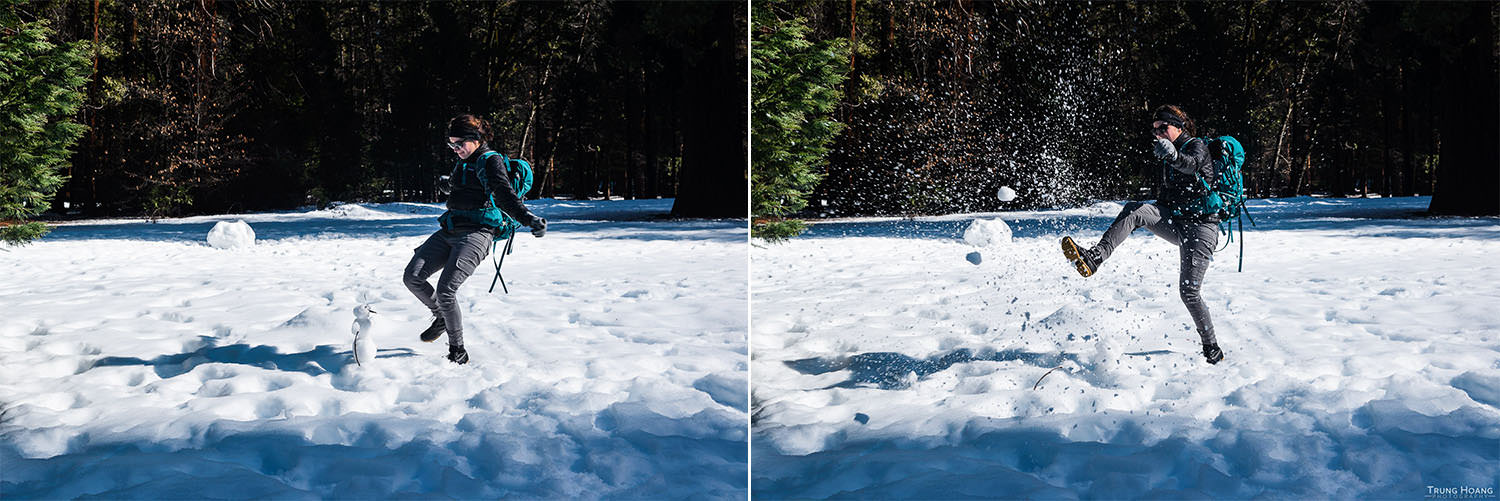
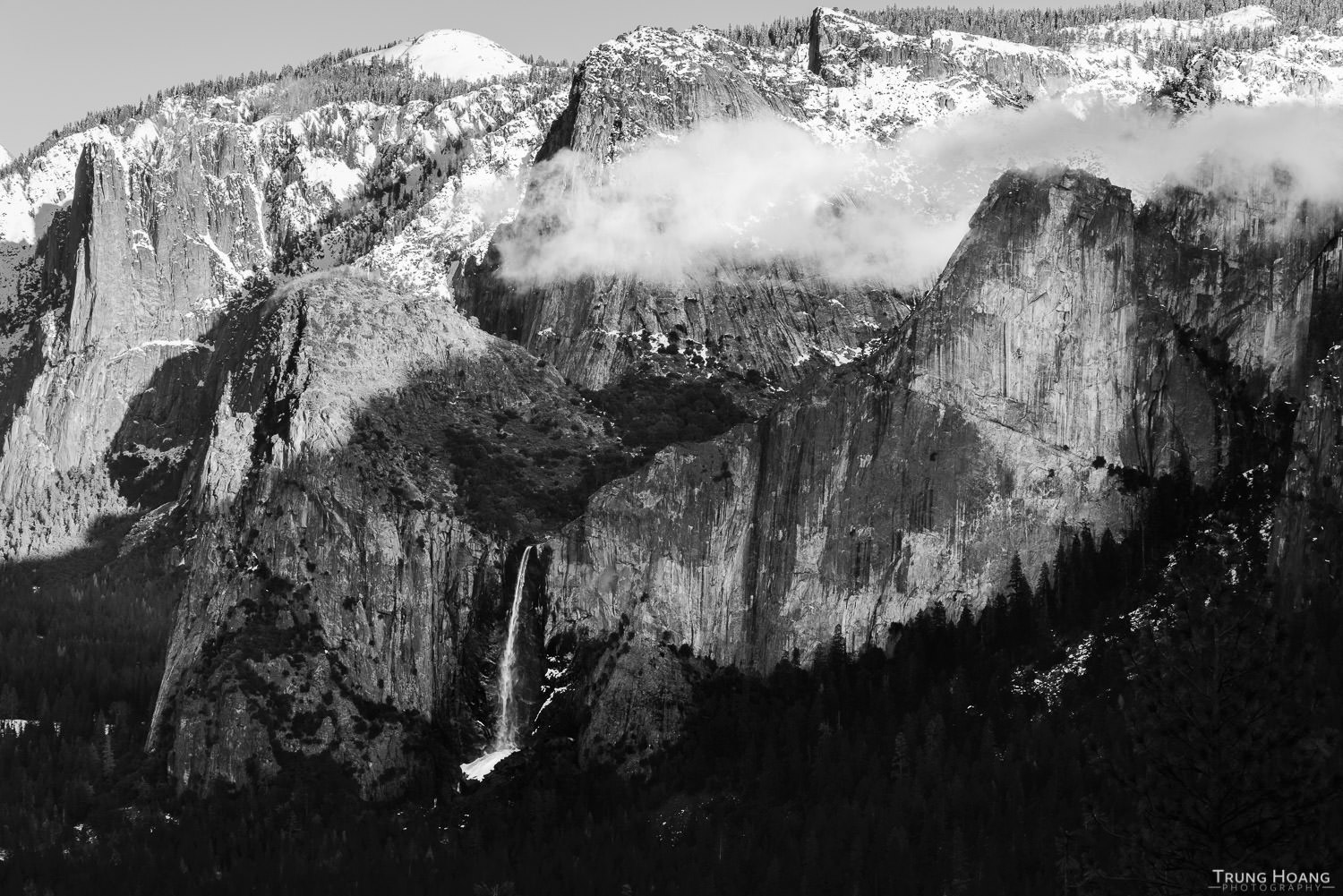
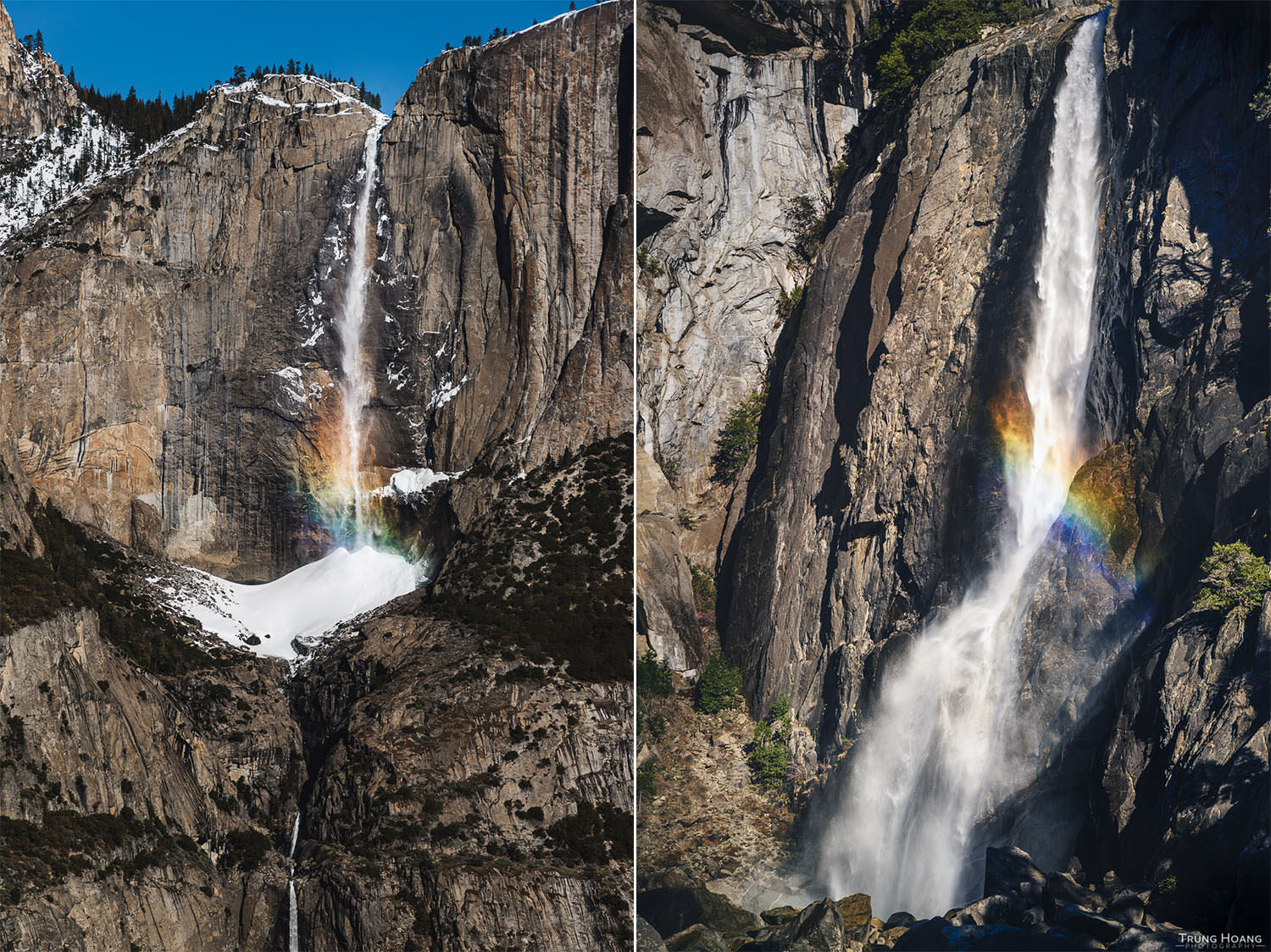
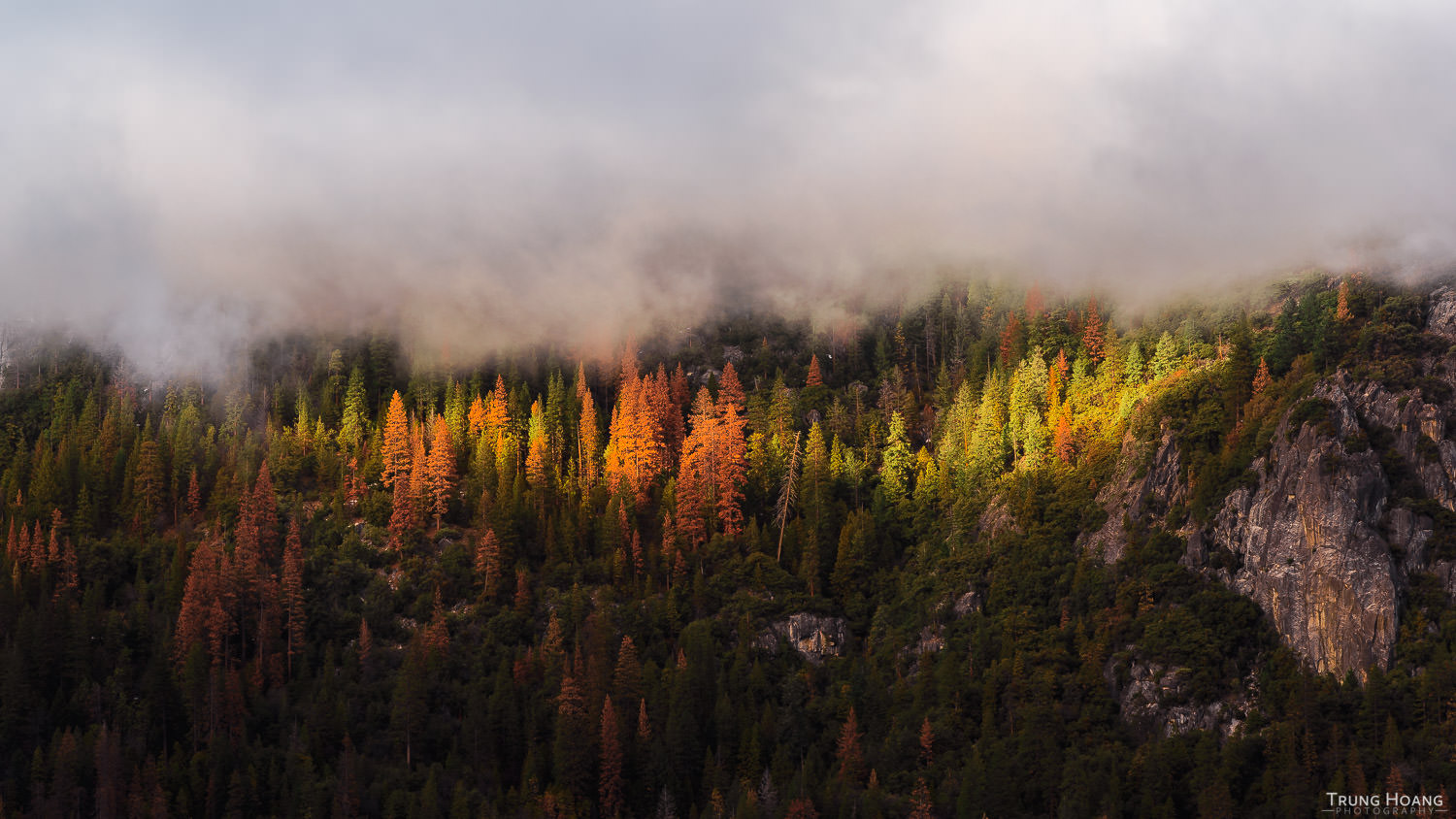
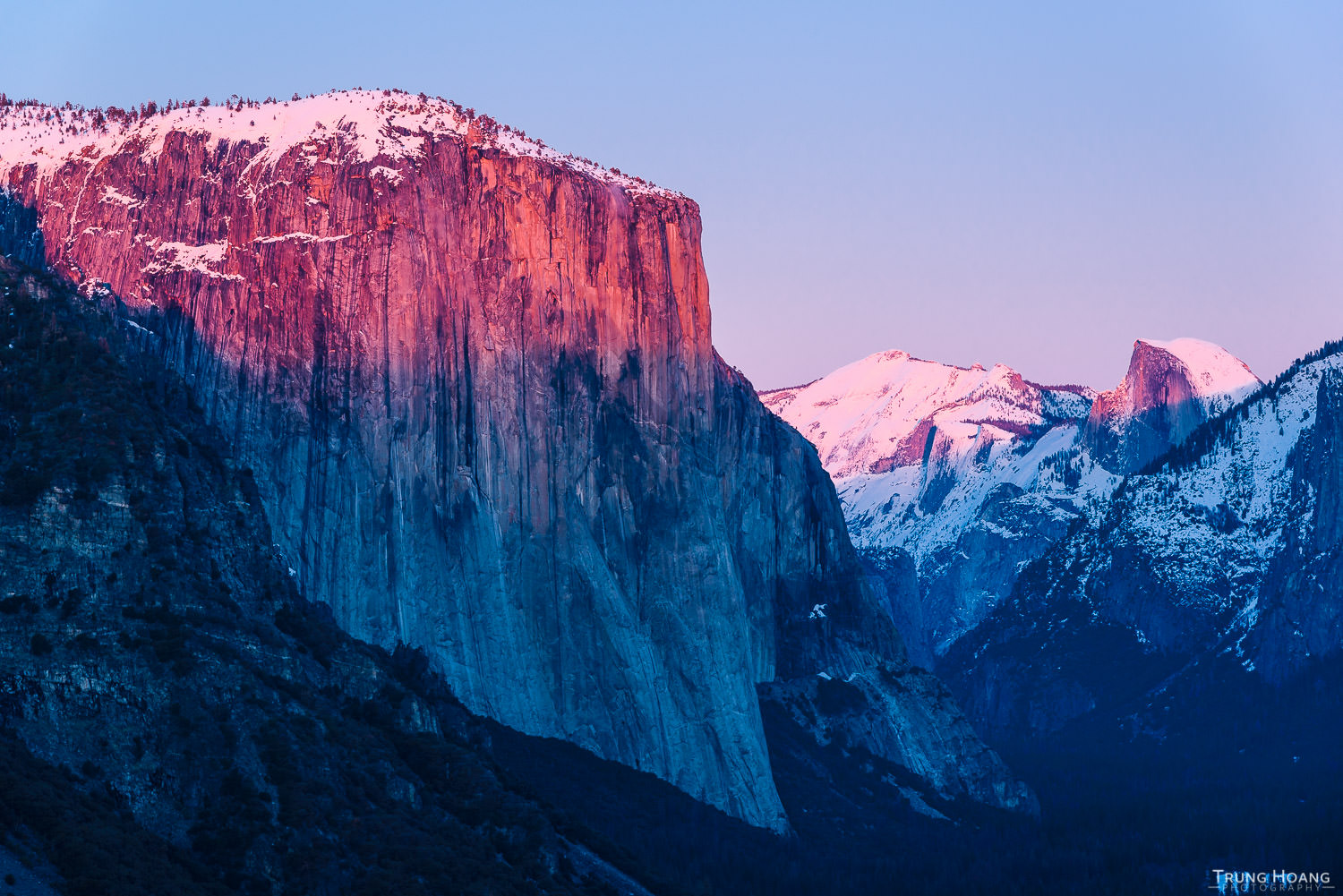
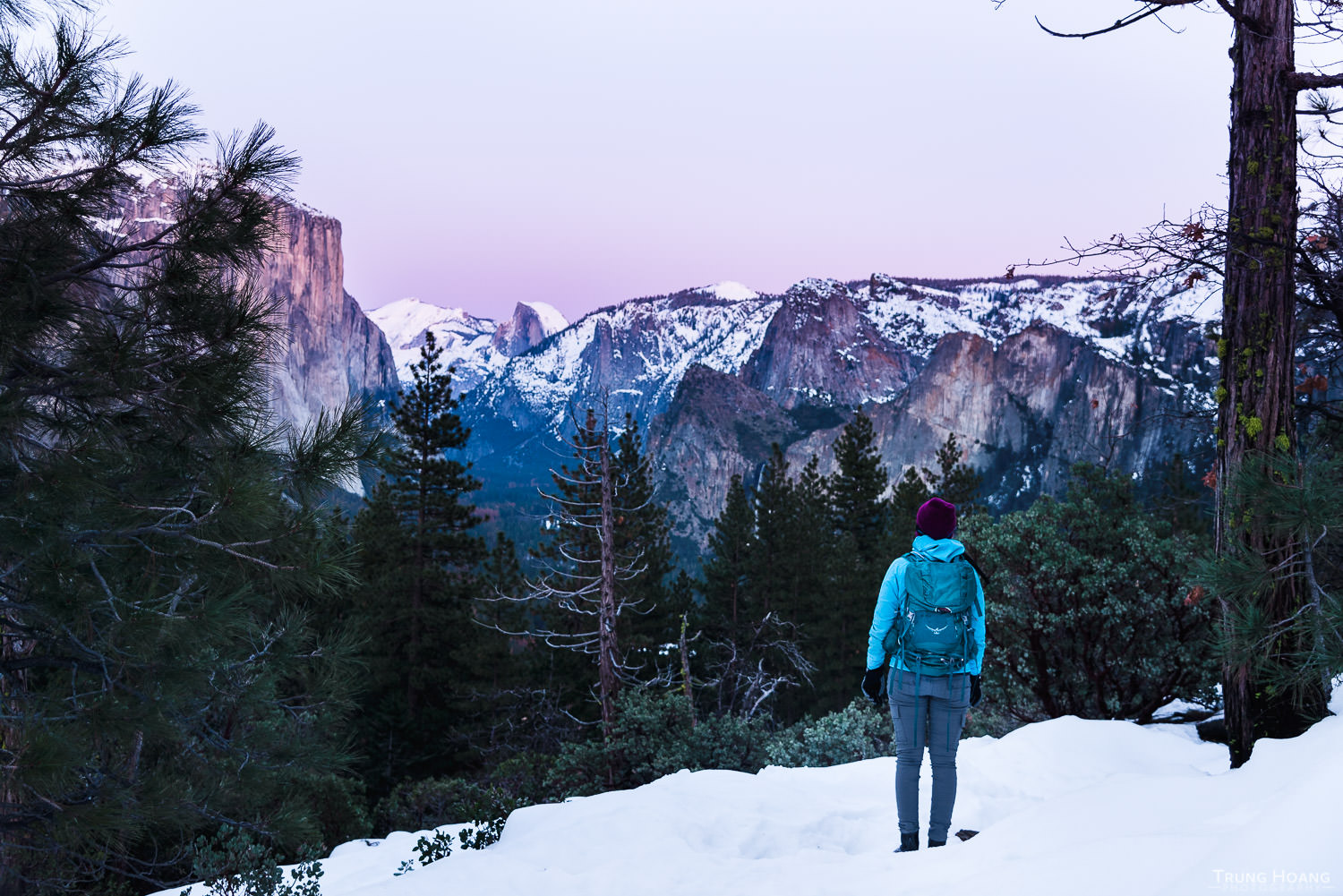
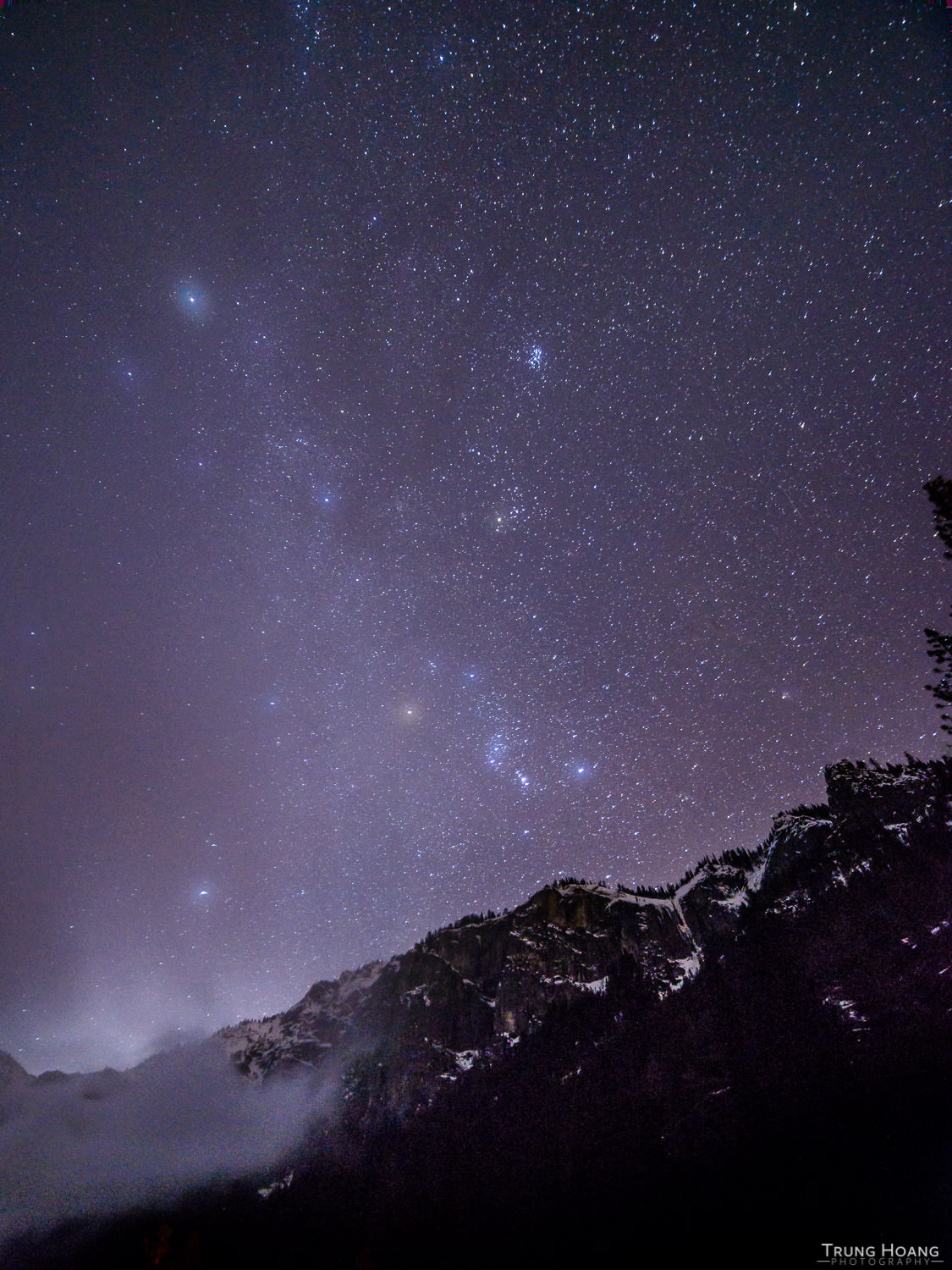
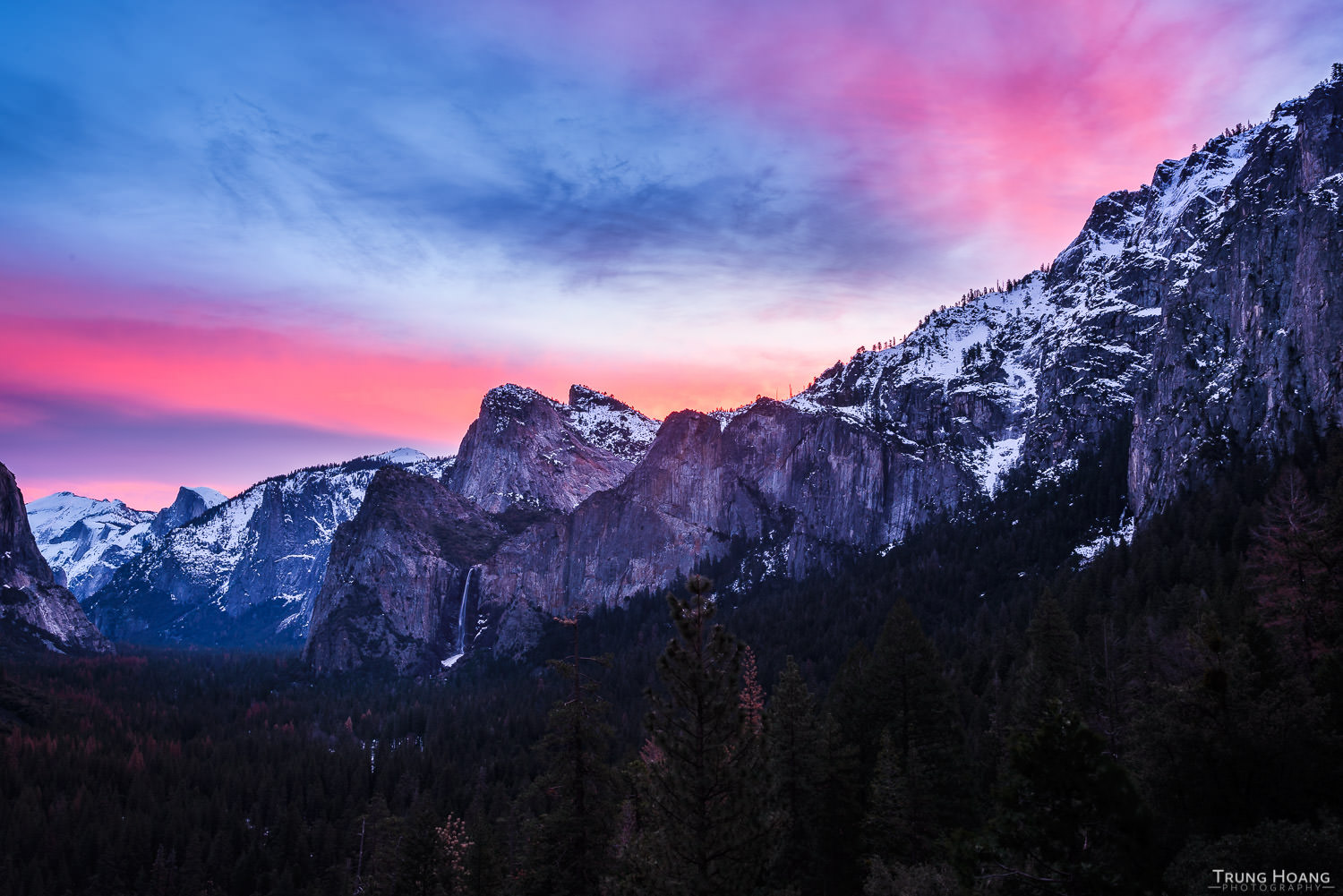
I hope you enjoy this swath of images consisting of gently flowing rivers, gristly granite, snowy trails, rainbow waterfalls, spectacular sunrises and sunsets, star-filled night skies, our new four-legged friends, and Julie obliterating a snowman.
If you're interested in seeing photos on a more regular basis, follow me on instagram @trunglife!
Pescadero State Beach
Just sharing a couple from an afternoon drive down the coast a couple weekends ago.